
Tour Length
Rates in USD $ – Change Currency
Per person, excl. international flightsOperator Rating
Other Tour Features
Filter by Operator
Filter by Accommodation
Victoria Falls Tours - Compare 581 Tours
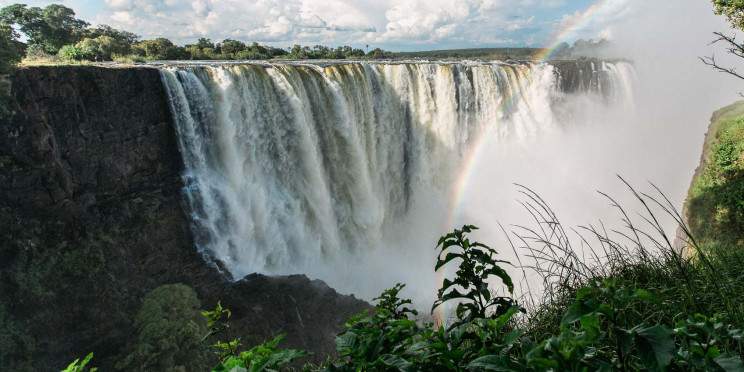
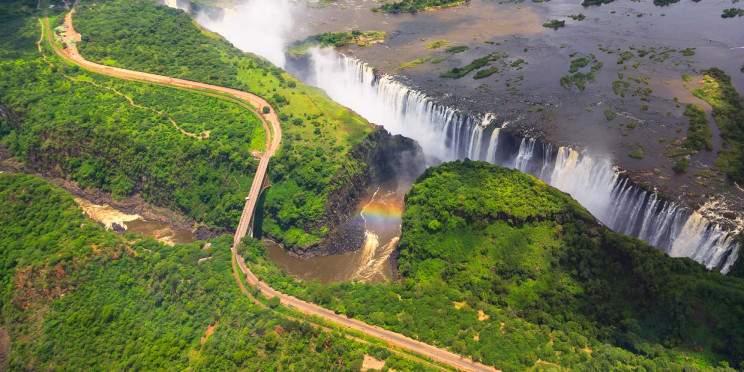
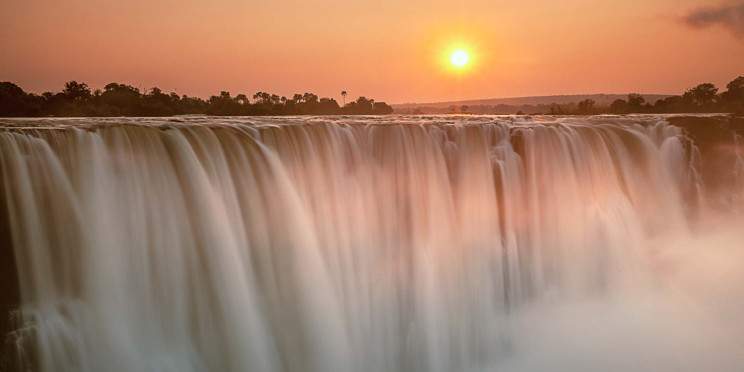
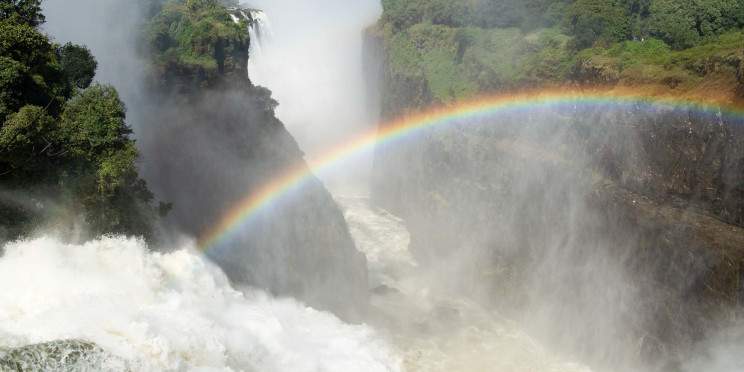
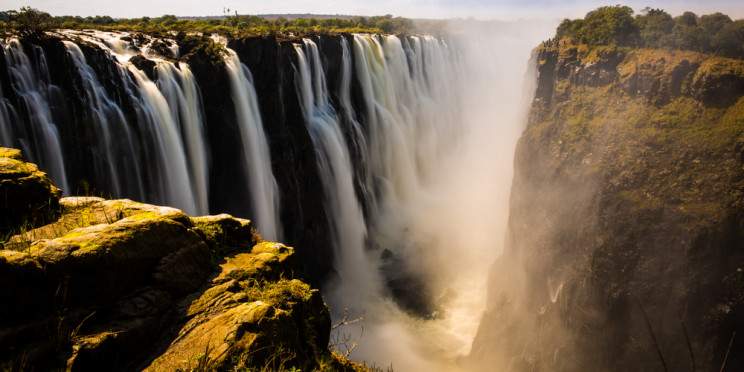
Victoria Falls is a fantastic destination and one of the grandest natural spectacles you can encounter anywhere in Africa. Known by locals as Mosi-oa-Tunya (the Smoke That Thunders), Vic Falls is at once an incredible sight, an overwhelming sensory experience and southern Africa’s most popular adventure capital. There are so many activities on offer here and they add significantly to what is already an amazing experience. If all you want to do is gaze in wonder at the Falls, that’s very much OK. But if you also want to get active and even experience a little adrenaline rush, then Victoria Falls has you covered in that regard, too.
-
Best Seller
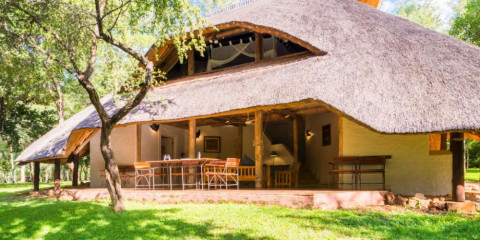
7-Day Affordable Dumela Kruger & Victoria Falls Package
$2,158 pp (USD)
South Africa & Zimbabwe: Shared tour (max 10 people per vehicle)BudgetLodge & Tented Camp
You Visit: Johannesburg (Start), Kruger NP, Panorama Route (Highlight), Johannesburg (City), Victoria Falls, Victoria Falls Airport (End)

MoAfrika Tours
4.9/5 – 5,438 Reviews

-

9-Day Luxury Cape Town, Kruger NP and Victoria Falls
$5,626 to $7,530 pp (USD)
South Africa & Zimbabwe: Private tourLuxuryLodge & Hotel
You Visit: Cape Town (Start), Kruger NP, Victoria Falls (End)

Off2Africa Travel
5.0/5 – 241 Reviews
-
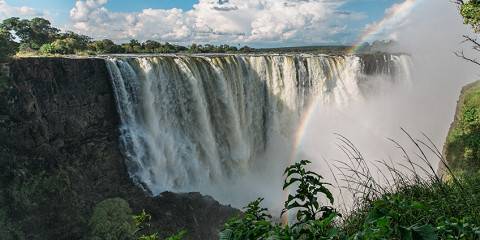
4-Day Victoria Falls & Hwange National Park - Main Camp
$1,579 pp (USD)
Zimbabwe: Private tour
Mid-range Lodge & ResortYou Visit: Victoria Falls (Start), Hwange NP, Victoria Falls Airport (End)
_2196_5b631a3036ccc.gif "DK Tours and Safaris")
DK Tours and Safaris
5.0/5 – 70 Reviews
-

7-Day Okavango Expedition & Victoria Falls
$3,010 to $4,580 pp (USD)
Botswana & Zimbabwe: Private tour
Mid-range Lodge & Tented CampYou Visit: Maun (Start), Khwai Concession (Okavango Delta), Victoria Falls (End)

Indigo Safaris
4.9/5 – 236 Reviews
-
![5-Day Affordable Vic Falls and Chobe Safari]()
5-Day Affordable Vic Falls and Chobe Safari
$3,178 to $4,502 pp (USD)
Botswana & Zimbabwe: Private tourLuxuryLodge
You Visit: Victoria Falls (Start), Chobe FR (Chobe NP), Chobe NP, Kasane Airport (End)

Discover Africa Safaris
4.9/5 – 596 Reviews
-
![8-Day Wilderness Voyage]()
8-Day Wilderness Voyage
$3,684 to $5,456 pp (USD)
Botswana & Zimbabwe: Private tourLuxuryLodge & Tented Camp
You Visit: Victoria Falls (Start), Okavango Delta, Khwai Concession (Okavango Delta), Maun Airport (End)
Safari Online
5.0/5 – 146 Reviews
-
![5-Day Hwange National Park, Chobe NP and Victoria Falls]()
5-Day Hwange National Park, Chobe NP and Victoria Falls
$2,408 pp (USD)
Botswana, Zimbabwe & Namibia: Shared tour (max 9 people per vehicle)
Mid-range Lodge & HotelYou Visit: Victoria Falls Airport (Start), Hwange NP, Victoria Falls, Chobe River, Victoria Falls Town (End)
Zambezi Quest Travel and Tours
4.9/5 – 42 Reviews
-
![6-Day Midrange Victoria Falls & Kruger Safari]()
6-Day Midrange Victoria Falls & Kruger Safari
$2,194 to $2,644 pp (USD)
South Africa & Zimbabwe: Shared tour (max 8 people per vehicle)
Mid-range Lodge & HotelYou Visit: Johannesburg (Start), Victoria Falls, Johannesburg Airport (Johannesburg), Hazyview (Town), Kruger NP, Johannesburg (End)
Africa Moja Tours and Safaris
4.9/5 – 256 Reviews
-
Best Seller
![9-Day Victoria Falls, Kruger & Cape Town]()
9-Day Victoria Falls, Kruger & Cape Town
$2,565 to $2,756 pp (USD)
South Africa & Zimbabwe: Private tour
Mid-range Lodge & ResortYou Visit: Johannesburg (Start), Kruger NP, Cape Town (City), Winelands, Victoria Falls (End)
Africa Incoming
5.0/5 – 64 Reviews
-
![3-Day Hwange National Park Safari Trip Package]()
3-Day Hwange National Park Safari Trip Package
$1,320 to $1,430 pp (USD)
Zimbabwe: Shared tour (max 8 people per vehicle)
Mid-range LodgeYou Visit: Victoria Falls Town (Start), Hwange NP, Victoria Falls (End)
Cuckoo Safaris
5.0/5 – 286 Reviews
-
![3-Day Hwange NP Safari Experience Staying at Ivory Lodge]()
3-Day Hwange NP Safari Experience Staying at Ivory Lodge
$1,628 to $1,950 pp (USD)
Zimbabwe: Private tour
Mid-range LodgeYou Visit: Victoria Falls Town (Start), Hwange NP, Victoria Falls Airport (End)
Customise Travel and Tours
4.9/5 – 76 Reviews
-
![3-Day Victoria Falls Dreams Mid-Range Accommodation]()
3-Day Victoria Falls Dreams Mid-Range Accommodation
$1,210 to $1,320 pp (USD)
Zimbabwe: Private tour
Mid-range LodgeYou Visit: Victoria Falls town (Start), Victoria Falls Airport (End)
Adventures On Wheels
5.0/5 – 48 Reviews
-
![15-Day Victoria Falls & Namibia Safari]()
15-Day Victoria Falls & Namibia Safari
$5,205 to $5,745 pp (USD)
Namibia & Zimbabwe: Self-drive
Mid-range Lodge & Tented CampYou Visit: Victoria Falls (Start), Chobe River, Chobe Riverfront (Chobe NP), Kwando River, Bwabwata NP (Zambezi Region), Popa Falls (Zambezi Region), Mahango GR (Zambezi Region), Eastern Etosha NP, Waterberg Plateau, Windhoek (City), Windhoek Airport (End)
Firefinch Safaris & Car Hire
5.0/5 – 31 Reviews
-
![3-Day Budget Hwange National Park Safari]()
3-Day Budget Hwange National Park Safari
$781 pp (USD)
Zimbabwe: Shared tour (max 10 people per vehicle)
Mid-range LodgeYou Visit: Victoria Falls Town (Start), Hwange NP, Victoria Falls Town (End)
African Fairytale Tours
5.0/5 – 36 Reviews
-
![6-Day Best of Zimbabwe Tour]()
6-Day Best of Zimbabwe Tour
$2,488 pp (USD)
Zimbabwe: Private tour
Mid-range Lodge & Guest HouseYou Visit: Victoria Falls Town (Start), Hwange NP, Matobo NP, Great Zimbabwe (Ruins), Bulawayo (City), Victoria Falls Town (End)
Exec Africa Travel and Tours
5.0/5 – 57 Reviews
-
![4-Day Victoria Falls and Hwange Full-Day Game Drive]()
4-Day Victoria Falls and Hwange Full-Day Game Drive
$960 to $1,057 pp (USD)
Zimbabwe: Private tour
Mid-range LodgeYou Visit: Victoria Falls Town (Start), Zambezi River, Hwange NP, Victoria Falls, Victoria Falls Airport (End)
Proviem Safaris
5.0/5 – 44 Reviews
-
![7-Day Livingstone and South Luangwa Experience]()
7-Day Livingstone and South Luangwa Experience
$2,545 to $3,364 pp (USD)
Zambia: Shared tour (max 8 people per vehicle)
Mid-range LodgeYou Visit: Livingstone (Start), Victoria Falls, South Luangwa NP, Mfuwe (End)
Ntanda Ventures
5.0/5 – 37 Reviews
-
![3-Day Victoria Falls Wildlife Experience Camping]()
3-Day Victoria Falls Wildlife Experience Camping
$1,012 pp (USD)
Zimbabwe: Shared tour (max 8 people per vehicle)BudgetCamping
You Visit: Victoria Falls (Start), Victoria Falls Airport (End)
Africa Deodar Safaris
5.0/5 – 1 Reviews
-
![5-Day Victoria Falls and Hwange National Park Safari]()
5-Day Victoria Falls and Hwange National Park Safari
$1,540 pp (USD)
Zimbabwe: Shared tour (max 6 people per vehicle)BudgetLodge
You Visit: Victoria Falls (Start), Hwange NP, Victoria Falls Airport (End)
Africa Uncovered Safaris
5.0/5 – 118 Reviews
-
![11-Day Zambia Introduction South Luangwa & Victoria Falls]()
11-Day Zambia Introduction South Luangwa & Victoria Falls
$5,369 to $5,833 pp (USD)
Zambia: Private tour
Mid-range LodgeYou Visit: Lusaka (Start), South Luangwa NP, Victoria Falls, Harry Mwaanga Nkumbula Airport (Livingstone), Livingstone (End)
Journey Africa
















6 Questions About Victoria Falls Tours

Answered by
Anthony Ham
Anthony has written numerous Lonely Planet guidebooks, including ‘Southern Africa’. He writes about the region for magazines and newspapers worldwide. He is also the author of two narrative non-fiction books: ‘The Last Lions of Africa’ and ‘The Man Who Loved Pink Dolphins’.› More about Anthony
6 Questions About Victoria Falls Tours
 Anthony Ham
What is the best time to see Victoria Falls?
“When it comes to the weather, the best months for most Victoria Falls tours are June or July through to October. This is when you can expect relatively mild temperatures and clear skies. This period also roughly coincides with the months of best visibility (June to September). June to September is when almost all of the activities are happening, too, meaning you’ll have more choice than you would at other times of the year. The rainy season usually begins in November and the greatest volume of water most often cascades over the Falls from February to May. While the sheer volume of water at this time is an extraordinary force of nature (bring a raincoat!), the spray from so much water can very often obscure your view of the Falls. If you’re into white-water rafting (an adventure sport, usually guided, that involves taking an inflatable raft down a river and navigating rapids), then the best months are between July and December. August, in particular, is when the rapids really roar.”
1What activities are possible at Victoria Falls?
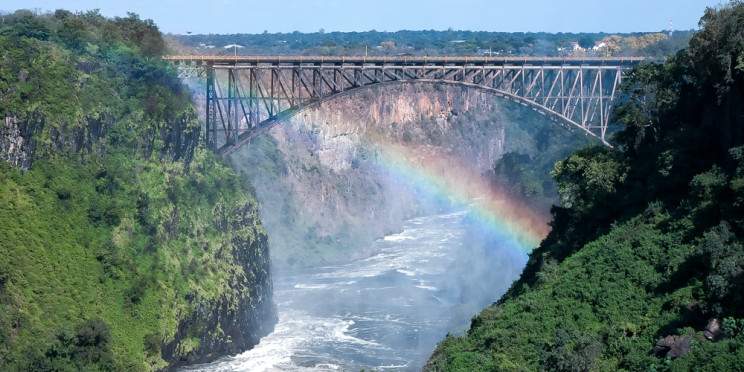
“You could go on a safari from Victoria Falls, with excellent wildlife viewing in Zambezi or Mosi-oa-Tunya National Parks. You could even go farther afield to Chobe or Hwange National Parks. But there are so many other different activities at or around Vic Falls to choose from before or after you do. When you consider what’s on offer, careful planning really is a must if you’re going to fit it all in. Among the most popular things to do are canoeing, kayaking, fishing, hiking, horseback riding, river cruises and scenic flights. A cultural tour to a nearby village is also highly recommended, and a terrific way to deepen your understanding of Vic Falls and its people. If you’re a thrill-seeker looking for something a little more adventurous, you could always try a bridge walk or go abseiling, zip-lining or bungee jumping (an extreme sport that involves leaping from a bridge or similar high point with a cord attached to your waist, ankles and/or a harness). If that’s not enough, there’s also bridge or gorge swinging, crocodile-cage diving, jet boating, white-water rafting and quad biking (exploring off-road in a four-wheeled high-clearance one-person motor vehicle called a quad bike).”
2Is Victoria Falls better from Zimbabwe or Zambia?
“Victoria Falls is accessible from Zimbabwe and Zambia, and both sides offer fantastic experiences. The Zimbabwean side affords the best views across to the main falls. The lookouts in Zimbabwe all lie along a footpath through the forest of Victoria Falls National Park, where the spray from the Falls reaches. These lookouts are within easy walking distance of the town of Victoria Falls. The views from the Zambian side are mostly over the Eastern Cataract. These views are utterly spectacular when the water is high, as you are much closer to the roaring water than in Zimbabwe, but they’re less impressive at other times. Why not consider visiting both sides? The Zimbabwean side has a few more activities on offer, and the town of Victoria Falls is one of southern Africa’s biggest tourist hubs. The choice of restaurants, hotels and other attractions is second to none here. That said, Livingstone (the closest town to the Zambian side of the border, 11km/7mi from the Falls) is less overtly tourist-oriented than its Zimbabwean counterpart and it feels more authentically African as a result. On the Zambian side, you can also go for a swim in the Devil’s Pool, which is literally on top of the Falls and near the lip. Doing this is an essential part of the Victoria Falls experience.”
3How can I avoid the crowds at Victoria Falls?
“Victoria Falls is one of the busiest and most popular destinations in Africa. The main lookouts generally become crowded at peak hours (from mid-morning onwards) at any time of the year. The quietest time of day in terms of tourist traffic is early morning, so we would recommend you visit then, ideally before or immediately after breakfast. The waterfall is a spectacular sight at sunrise and you might well have it all to yourself at that time. You could also aim to visit Victoria Falls during the rainy season when there are fewer visitors and the water flow is at its strongest. But your visibility may be obscured by water spray instead of the crowds. Most Victoria Falls tours occur during the drier months and all of the lookouts will be crowded with other people on holiday enjoying their trip of a lifetime. That said, many of the activities take place in small groups, and those such as hiking, kayaking or horseback riding will sometimes take you to areas where you’ll be able to escape the crowds for a few hours. On such excursions, it will be the roar of the Falls that you’ll hear the most, rather than the chatter of human voices.”
4Which safari destinations are easily combined with a Victoria Falls tour?
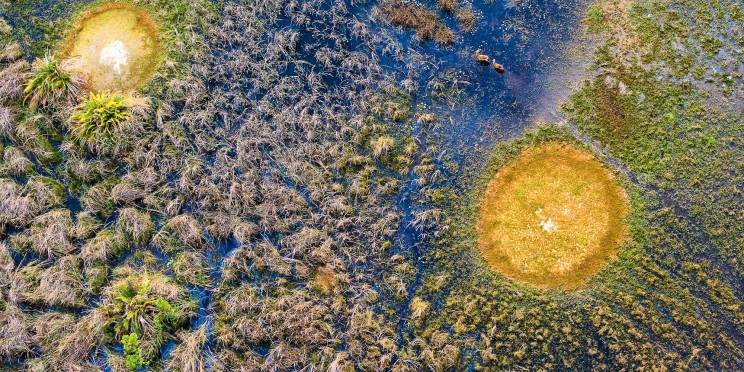
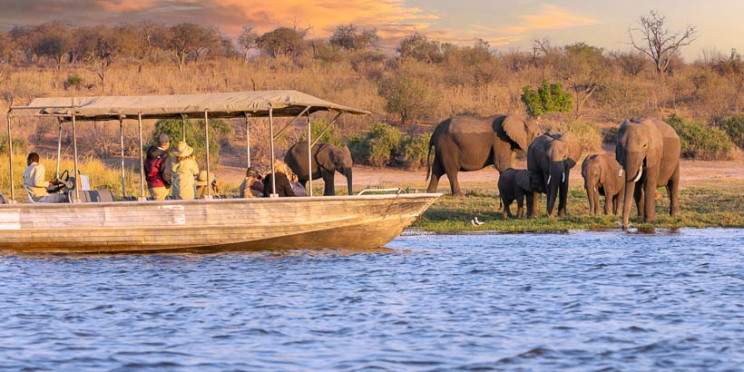
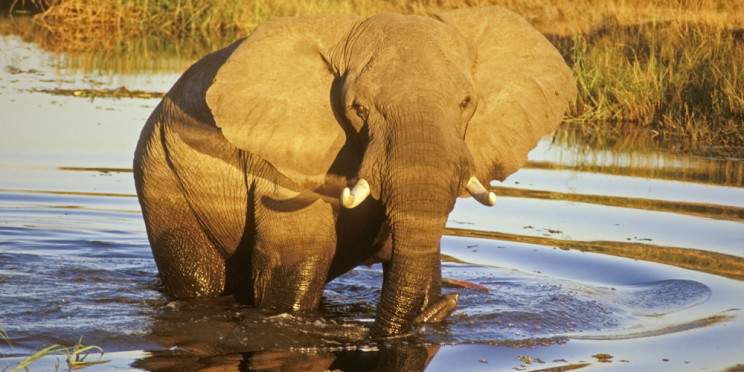
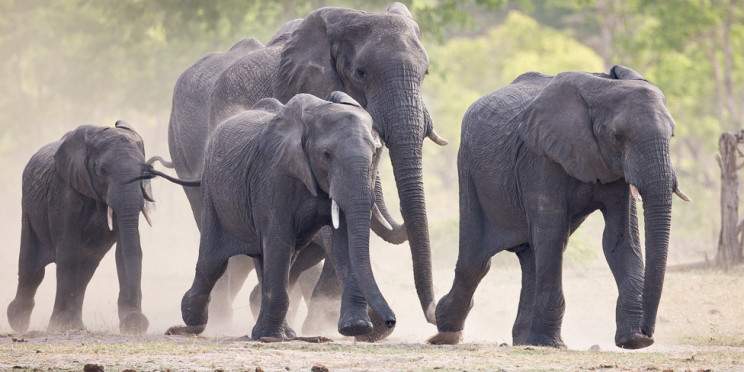
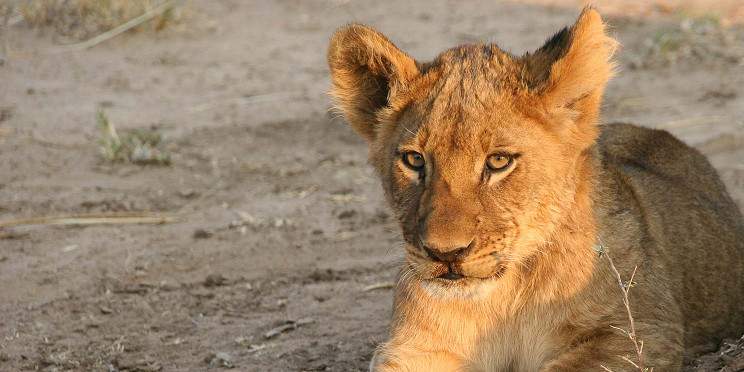
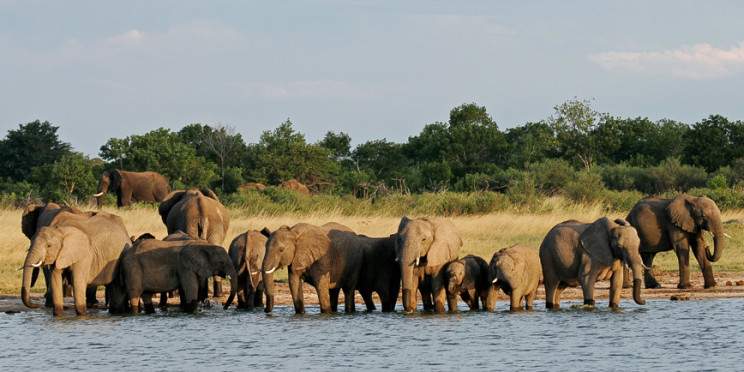
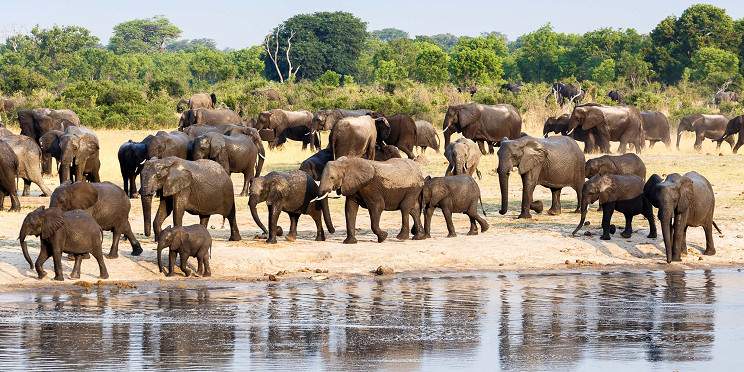
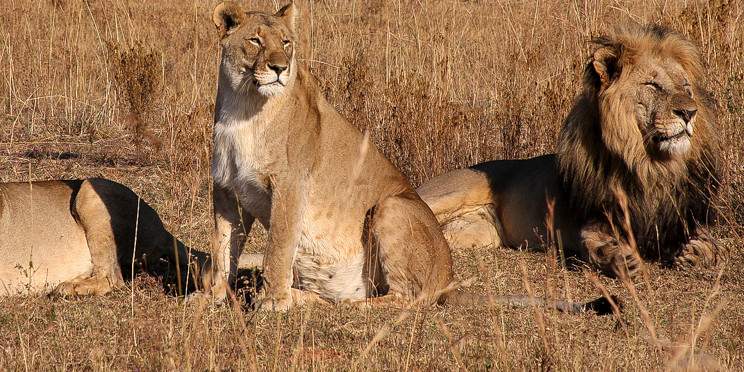
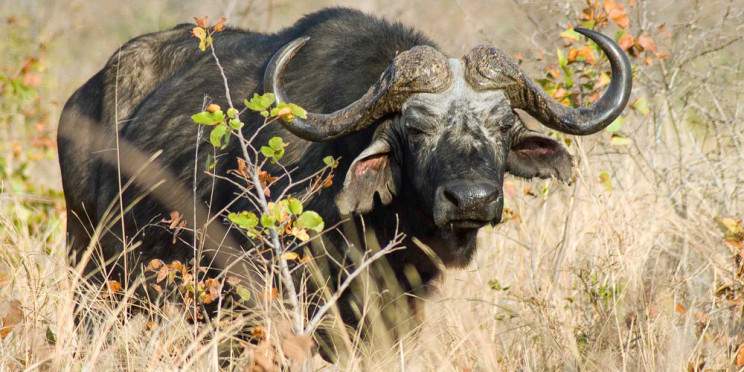
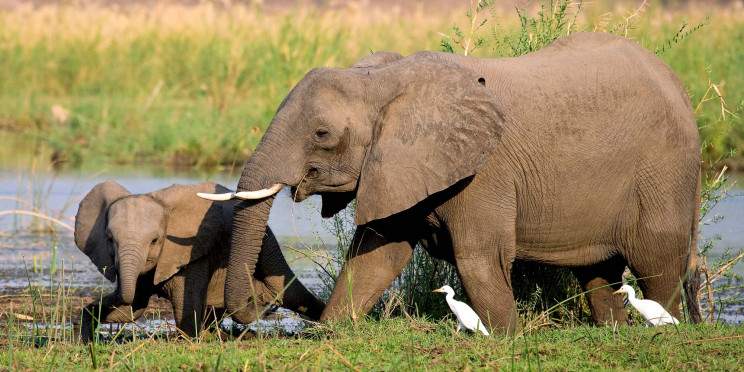
“The two closest parks to Victoria Falls are Zambezi National Park (on the Zimbabwean side) and Mosi-oa-Tunya National Park (in Zambia). Zambezi National Park occupies a long stretch of country along the Zambezi River and while here you might see elephant, hippo, giraffe, buffalo, spotted hyena and even big cats (lion, leopard and cheetah). Mosi-oa-Tunya National Park is an excellent place to see (and even go walking with) white rhinos, as well as other animals, but no big cats are present. If you’re willing to go a little farther, Zimbabwe’s fabulous Hwange National Park, about three hours’ drive south of Victoria Falls, hosts large populations of lion, elephant and other wildlife. Also in Zimbabwe, Matusadona and Mana Pools National Parks have less tourist traffic than Hwange, but they are much farther from Victoria Falls (realistically you’d need to fly to these parks, or take a long drive and/or ferry ride across Lake Kariba). Walking safaris are possible in all of Zimbabwe’s parks, assuming you stay at a camp or lodge with a suitably qualified guide, but it’s the main specialty at Mana Pools. Whether you stay on the Zambian or Zimbabwean side of the Falls, visiting the amazing wildlife of Botswana’s Chobe National Park, less than two hours’ drive from Livingstone or Victoria Falls, is a popular choice for day or overnight safari packages. Another possibility in Botswana is visiting the Okavango Delta on a fly-in safari (where you travel between destinations by light aircraft).”
5What does it cost to visit Victoria Falls?
“It’s possible to visit Victoria Falls on any budget, starting from around US$50 to US$100 per person per night for camping in the area, up to luxury accommodation pushing closer to US$500 per person per night. Of course, a visit to Victoria Falls usually happens as part of a longer trip or safari. Even if you were only flying in to visit Victoria Falls and then flying out again, you would need to factor in the airfares. If you’re visiting other places on your trip, you’ll also need to budget for transfers, guide and driver (if you’re not self-driving), vehicle, park fees, meals and more. Remember also that costs will increase during high-season periods.”
6