

$10,985 pp (USD)
2 travelers on Start dateArrival
Arrival

Day 1
Arrival in Entebbe – Birding by the Lakeshore
Arrival in Entebbe – Birding by the Lakeshore
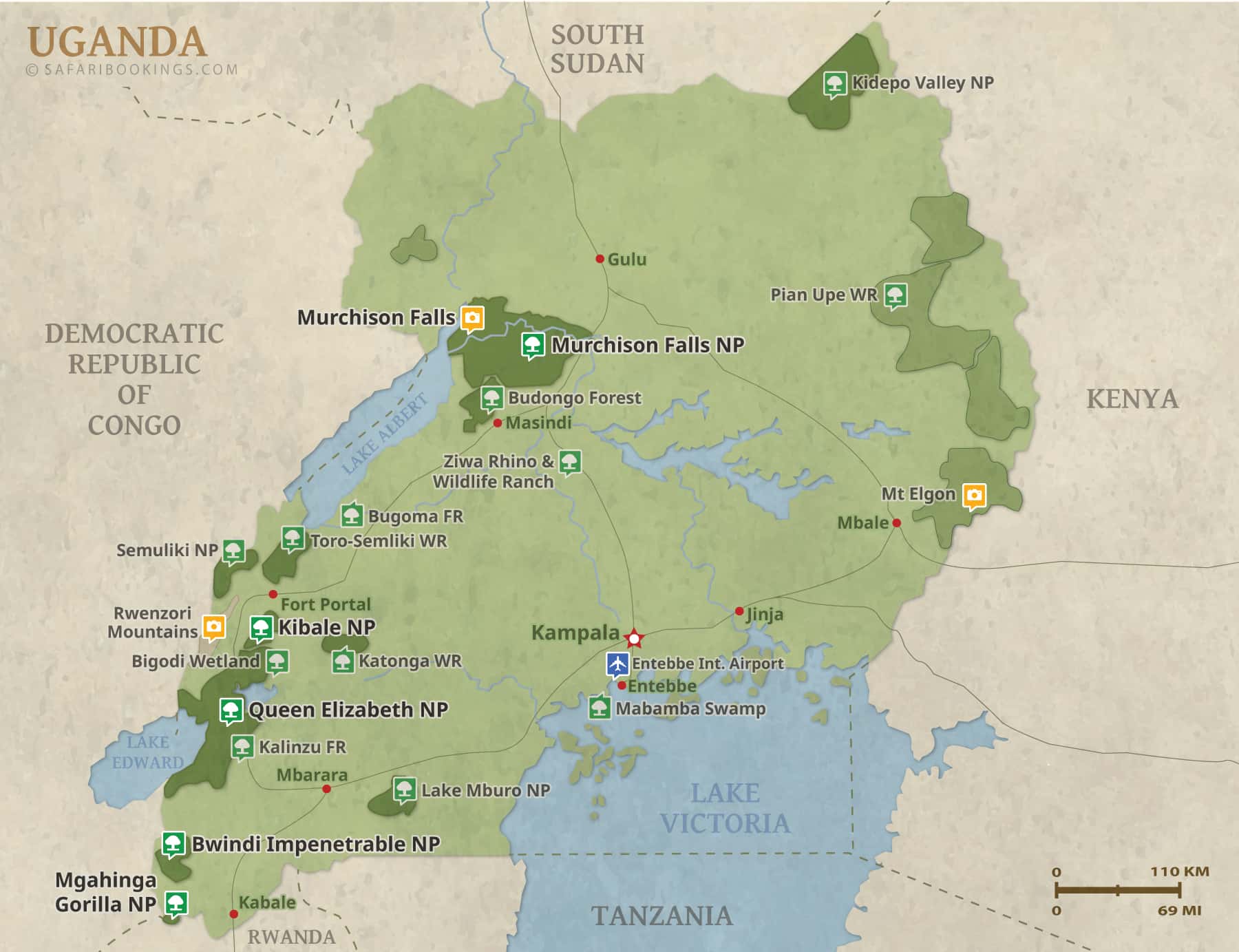
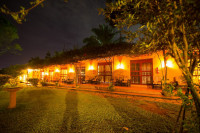
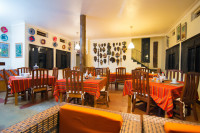
Welcome to Uganda! Upon arrival in Entebbe, perched along the serene shores of Lake Victoria, you’ll immediately sense the tranquillity of this lakeside town. Depending on your arrival time, enjoy a gentle introduction to Uganda’s birdlife at the Entebbe Botanical Gardens; Our initial sightings may include the Orange Weaver and Red-chested Sunbird, along with numerous other common species. We may also spot the African Grey Parrot, Ross’s Turaco, and Woodland Kingfisher within the environs of Entebbe. This will be a perfect start to your birding adventure. Overnight at Airport Guest House.
- Main Destination:
- Entebbe (City)
- Activities:
- Accommodation:
-
Airport Guesthouse Entebbe

- Meals & Drinks:

Day 2
Mabamba Wetland – The Quest for the Shoebill
Mabamba Wetland – The Quest for the Shoebill
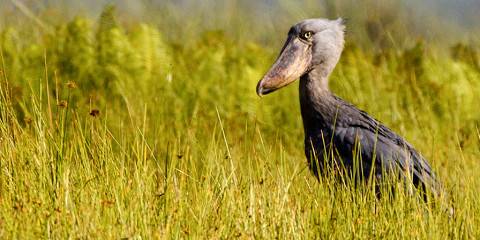
After breakfast, set off for Mabamba Swamp, Uganda’s legendary birding hotspot and a Ramsar-protected wetland. Glide quietly through papyrus channels by canoe in search of the iconic Shoebill Stork, one of Africa’s most sought-after birds. Keep your binoculars ready for several other interesting species including; Papyrus Gonoleks, Blue Swallows (Hirundo atrocaerulea), Papyrus Yellow Warbler (Chloropeta gracilirostris), White-winged Warbler (Bradypterus carpalis), Greater Swamp-Warblers, Papyrus gonolek, Blue-chested Bee-eaters, Swamp Flycatchers and Malachite Kingfishers before continuing to the savannas of Lake Mburo National Park, your next birding paradise. Over night at Rwakobo Rock lodge.
- Main Destination:
- Mabamba Swamp
- Activities:
- Accommodation:
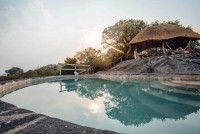
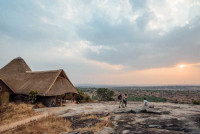
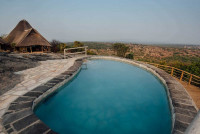
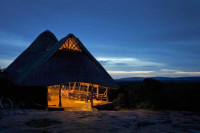
- Rwakobo Rock Lodge
- Meals & Drinks:

Day 3
Lake Mburo – Savanna Birding and Transfer to Bwindi
Lake Mburo – Savanna Birding and Transfer to Bwindi
Awaken to the songs of savanna species and spend the morning exploring Lake Mburo’s acacia-dotted plains. Look for the rare Red-faced Barbet, Tabora Cisticola, Emerald-spotted Wood-Dove, Green-capped Eremomela, Golden-tailed Woodpecker, african scops owl, african stonechat, African grey hornbill, African wood owl, and Spot-flanked Barbet among herds of zebra and impala. Take a tranquil boat cruise for a chance to spot the shy African Finfoot and maybe even a White-backed Night-Heron, which is the neotropical Sungrebe’s African relative. Other birds that may be seen on the lake and shores include African darter, African spoonbill, African fish eagle and more. Later, journey into the misty highlands of Bwindi Impenetrable National Park, where the ancient forest awaits. Overnight at Ichumbi Gorilla Lodge.
- Main Destination:
- Lake Mburo National Park
- Activities:
- Accommodation:
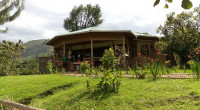
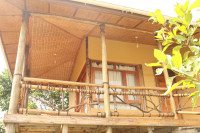
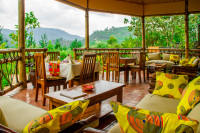
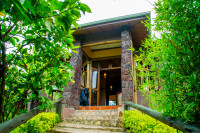
- Ichumbi Gorilla Lodge
Wildlife in Lake Mburo NP


- Meals & Drinks:

Day 4
Gorilla Trekking
Gorilla Trekking
After an early breakfast, head to the park headquarters for a briefing by the Uganda Wildlife Authority staff. Equipped with your trekking gear, you’ll set off with expert guides and trackers through thick rainforest, winding vines, and moss-covered trees in search of a 🦍 gorilla family. The trek can take from 2 to 6 hours depending on their location, but the moment you find them, watching young gorillas play and silverbacks beat their chests, will stay with you forever. Spend up to one hour with the gorillas before returning to Ichumbi Gorilla Lodge. In the afternoon, reunite for a leisurely stroll along a wide route in search of highland 🪶bird species including the Collared Apalis, Grauer’s Warbler, Gray Cuckooshrike, Black-billed Turaco, and many more calls of Albertine Rift endemics.
- Main Destination:
- Bwindi Impenetrable National Park (Gorillas)
- Activities:
- Accommodation:
- Ichumbi Gorilla Lodge
Wildlife in Bwindi Impenetrable NP

- Meals & Drinks:

Day 5
Full-Day Birding in Bwindi – The Albertine Rift Experience
Full-Day Birding in Bwindi – The Albertine Rift Experience
Spend the day in Bwindi’s misty forest, home to over 350 bird species, including 23 Albertine Rift endemics & at least 7 IUCN-listed species. Search for the elusive African Green Broadbill, Doherty’s Bushshrike, White-headed Woodpeckers, Ruwenzori (collared) Apalis, the Red-crested Alethe, and Archer’s Robin-Chat along forest roads and trails. Valleys echo with the calls of Great Blue Turacos, while nearby Black-and-White Cascading Hornbills add their honking sounds. In Kivu, common species include Mountain Sooty Boubou, Yellow-eyed Black-Flycatcher, Ruwenzori Hill Babbler, Red-faced Woodland, Neumann’s, and Grauer’s Warblers, Black-faced Apalis, White-tailed Blue-Flycatcher, Purple-breasted, Blue-headed, and Regal Sunbirds, Stripe-breasted Tit, Dusky Crimson-wing, and Strange Weaver. Hope to spot rare species like White-bellied Robin-Chat and Dusky Twinspot. Watch for playful primates; L’Hoest’s Monkeys, Colobus, and Chimpanzees. Afterward, return for dinner and overnight at Ichumbi.
- Main Destination:
- Bwindi Impenetrable National Park (Gorillas)
- Activities:
- Accommodation:
- Ichumbi Gorilla Lodge
- Meals & Drinks:

Day 6
Birding Through The Neck & Transfer to Buhoma
Birding Through The Neck & Transfer to Buhoma
After breakfast, we set off for the Buhoma sector, located in the lower areas, west of Bwindi Impenetrable National Park. En route, we’ll pass through “The Neck,” a narrow corridor of forest connecting the park’s northern and southern halves. This area represents the easternmost extension of the vast Congo Basin forests and supports several Albertine Rift endemics with restricted ranges. The Neck offers excellent birding opportunities, providing easier and safer access to species that are otherwise difficult to encounter in the Congo forests. Among the notable birds we may spot are Cassin’s Flycatcher, Black Bee-eater, Western Bronze-naped Pigeon, Petit’s Cuckooshrike, Tiny Sunbird, and a variety of greenbuls. We’ll continue to Buhoma, arriving in the afternoon for a two-night stay at Mahogany Springs Lodge.
- Main Destination:
- Bwindi Impenetrable National Park (Gorillas)
- Activities:
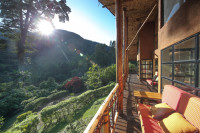
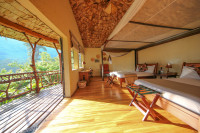
- Accommodation:
- Mahogany Springs Lodge


- Meals & Drinks:

Day 7
Buhoma Trails – Birding or Optional Gorilla Trek
Buhoma Trails – Birding or Optional Gorilla Trek
Buhoma, at the park’s mid-elevation, offers a different atmosphere than Ruhija. During a full day of birding along the trails, we aim to see species like the Bar-tailed Trogon, White-bellied Crested Flycatcher, Willcock’s Honeyguide, Black-billed Weaver, African Broadbill, Sooty Flycatcher, and various starlings, sunbirds, and greenbuls. This area is also prime for spotting Willard’s Sooty Boubou, distinguished by its pale blue eyes from the Mountain Sooty Boubou.
For gorilla trekkers, the adventure lasts 1-8 hours, involving a hike through dense forest. Participants should be in good health, as terrain can be demanding. Each day, up to eight people visit a gorilla family, typically located within an hour by skilled trackers. Gazing into their eyes and observing their behaviors is unforgettable, an extraordinary “once-in-a-lifetime” experience. The trek offers a rare chance to see these majestic creatures closely. Overnight at Mahogany Springs Lodge.
- Main Destination:
- Bwindi Impenetrable National Park (Gorillas)
- Activities:
- Accommodation:
- Mahogany Springs Lodge
- Meals & Drinks:

Day 8
Buhoma to Queen Elizabeth National Park – The Tree-Climbing Lions of Ishasha
Buhoma to Queen Elizabeth National Park – The Tree-Climbing Lions of Ishasha
As we head north, the landscape transforms dramatically from montane forest to a more open savanna. Unlike the savannas of Lake Mburo National Park, this region features landscapes reminiscent of Kenya and Tanzania, dotted with flat-topped trees and striking candaleras, euphorbias that resemble cacti. The sight of these cactus-like trees rising from green meadows creates a unique visual contrast.
Our journey continues through the Ishasha sector of Queen Elizabeth National Park, famous for its tree-climbing lions. This area is also a haven for birdlife, hosting species such as the Blue-throated Roller, Black-and-white Shrike Flycatcher, and Red-necked Francolin, among many others. By late afternoon, we’ll arrive at Enjojo Lodge for an overnight stay.
- Main Destination:
- Queen Elizabeth National Park
- Activities:
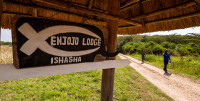
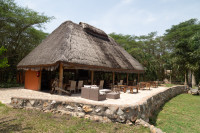
- Accommodation:
- Enjojo Lodge (Cottage)
Wildlife in Queen Elizabeth NP
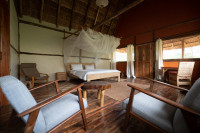

- Meals & Drinks:

Day 9
Birding and Boat Safari – Queen Elizabeth National Park
Birding and Boat Safari – Queen Elizabeth National Park
Queen Elizabeth National Park is a sanctuary for an extraordinary variety of mammals and birds. Beyond elephants and hippos, the park is alive with Buffalo, Uganda Kob, Waterbuck, and Bushbuck roaming its open plains. Its wetlands attract numerous waterbirds, offering rewarding birdwatching opportunities.
Our morning begins with an extended game drive through savannas dotted with euphorbia, seeking species like African Wattled Lapwing, Temminck’s Courser, Martial Eagle, African Crake, Flappet Lark, and Moustached Grass Warbler. Later, a scenic boat cruise along the Kazinga Channel provides superb birding and photography chances. Large gatherings of animals and waterbirds are common here. Gray Crowned Cranes, Pink-backed Pelicans, African Fish Eagles, Hamerkops, and African Jacanas grace the water’s edge, while African Skimmers, Gull-billed Terns, and various gulls, including Gray-headed and Lesser Black-backed, form impressive flocks. Overnight at Enjojo Lodge.
- Main Destination:
- Queen Elizabeth National Park
- Activities:
- Accommodation:
- Enjojo Lodge (Cottage)
- Meals & Drinks:

Day 10
To Kibale National Park – Wetlands and Forest Edges
To Kibale National Park – Wetlands and Forest Edges
After breakfast, we will set out for Kibale Forest, following a picturesque route that offers rewarding opportunities to observe waterbirds and enjoy Uganda’s beautiful countryside. Upon arrival, and if time permits, we will spend the afternoon exploring Bigodi Swamp, a vibrant, community-managed wetland renowned for its remarkable biodiversity. This sanctuary is home to primates such as the Gray-cheeked Mangabey and Central African Red Colobus, as well as an impressive array of birdlife including the Speckled Tinkerbird, Speckle-breasted Woodpecker, White-spotted Flufftail, Snowy-crowned Robin-Chat, Bocage’s Bushshrike, and Western Nicator. The dense papyrus vegetation also provides refuge for the shy White-winged Swamp Warbler. Over night at Kibale Forest Camp.
- Main Destination:
- Kibale National Park (Chimps)
- Activities:
- Accommodation:
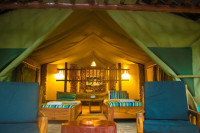
- Kibale Forest Camp (Safari Tent)
Wildlife in Kibale NP
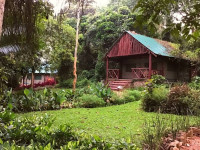
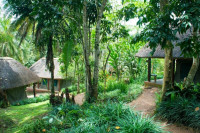
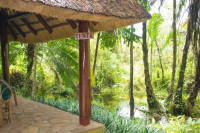
- Meals & Drinks:

Day 11
Kibale Forest – Birding & Optional Chimpanzee Tracking
Kibale Forest – Birding & Optional Chimpanzee Tracking
We rise before sunrise in search of the elusive Green-breasted Pitta, one of Africa’s most prized birding treasures. Later, we embark on a chimpanzee tracking experience in Kibale Forest National Park. Unlike gorilla trekking, the chimps’ walk follows gentle terrain, though we often leave the trail to follow these agile primates as they swing through the forest, navigating vines and fallen logs. The thrill intensifies when we encounter chimps feeding or resting high in the trees. Even those who stay on the trail hear their haunting calls echoing through the forest. Kibale’s birdlife is equally captivating: Forest Robins join mixed flocks with Illadopsis and Alethes, while Black-collared Apalis and Malimbes frequent the canopy. Forest edges host Black-bellied Seedcrackers, and dead trees shelter Gray-throated, Yellow-spotted, and African Grey Parrots, African Green Pigeons, and Yellow-billed Barbets. The flamboyant Great Blue Turaco often feasts on ripe figs. Back to Kibale Forest Camp.
- Main Destination:
- Kibale National Park (Chimps)
- Activities:
- Accommodation:
- Kibale Forest Camp (Safari Tent)
- Meals & Drinks:
Day 12
Scenic Transfer to Masindi
Scenic Transfer to Masindi
Today’s long but rewarding drive to Masindi town offers a glimpse of rural Uganda’s daily life. We will stop at various locations along the way for birdwatching. If we reach our destination on schedule, we may have sufficient time to seek out the white-crested turaco and grey-headed oliveback in the forests to the south of the town. Overnight stay at Kabalega Resort Hotel, Masindi.
- Main Destination:
- Masindi (Town)
- Activities:
- Accommodation:
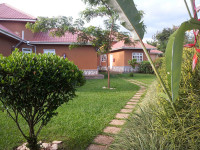
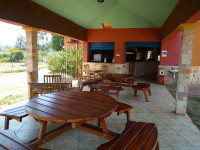
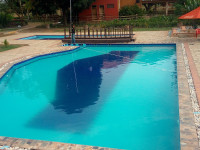
- Kabalega Resort Masindi

- Meals & Drinks:

Day 13
Birding the Royal Mile – Budongo Forest
Birding the Royal Mile – Budongo Forest
Budongo Forest offers an extraordinary day of exploration. One highlight is the famous Royal Mile, a rarely used public road flanked by forest that has been cleared for about 20 feet on each side. This open corridor allows clear views into the forest’s lower layers and canopy, making it ideal for spotting both understory and treetop species that are often hidden in denser jungles.
Budongo provides some of Uganda’s best opportunities to encounter Nahan’s Francolin, Cassin’s Spinetail, and the Chestnut-capped Flycatcher. We will also search for the striking African Dwarf and Chocolate-backed Kingfishers. The diversity of greenbuls here is remarkable, and the forest resonates with the calls of illadopses and alethes. For birders who prefer more vividly colored species, the white-thighed hornbill and black bee-eater add brilliant splashes of color to the canopy. Over night at Kabalega Resort Hotel, Masindi.
- Main Destination:
- Budongo Forest (Chimps)
- Activities:
- Accommodation:
- Kabalega Resort Masindi
Wildlife in Budongo Forest


- Meals & Drinks:

Day 14
Masindi to Murchison Falls National Park
Masindi to Murchison Falls National Park
On our way to Murchison Falls National Park, we stop over at the Butiaba Escarpment, a striking area that, despite its closeness to the Budongo Rainforest, reveals a contrasting scenery of arid savanna. This unique habitat shelters several remarkable bird species, including the Mocking Cliff-chat, Foxy Cisticola, and Brown Babbler. As we journey through the expansive palm-dotted savanna, a landscape rare in East Africa, we may also encounter species such as the Piapiac, Senegal Lapwing, Abyssinian Ground Hornbill, and White-rumped Seedeater.
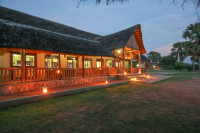
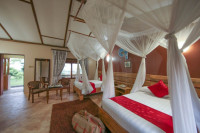
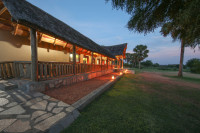
By late afternoon, we reach the banks of the Nile River, where our lodge, Pakuba Safari Lodge rests beside the Nile. We spend two nights immersed in the beauty of Murchison Falls National Park.
- Main Destination:
- Murchison Falls National Park
- Activities:
- Accommodation:
- Pakuba Safari Lodge
Wildlife in Murchison Falls NP
- Meals & Drinks:

Day 15-16
Exploring Murchison Falls National Park
Exploring Murchison Falls National Park
On the first day, we’ll explore Murchison Falls National Park, searching for remarkable birds such as White-rumped Seedeater, Silverbird, Buff-bellied Warbler, Black-headed Batis, and Black-headed Gonolek. The riverine thickets offer chances to spot species like White-crested Turaco, Double-toothed Barbet, Heuglin’s Francolin, and African Palm Swift. In the afternoon, we’ll take a boat cruise to the base of Murchison Falls, where the Victoria Nile plunges through the gorge with thunderous force. This scenic spot is ideal for birding, with a chance to see the elusive Rock Pratincole. The next day, we’ll cruise downstream to the Victoria Nile delta, where papyrus swamps meet Lake Albert. This rich habitat is excellent for spotting the Shoebill if missed earlier, along with Red-throated and Northern Carmine Bee-eaters and many other water and woodland species. Overnight at Pakuba Safari Lodge.
- Main Destination:
- Murchison Falls National Park
- Activities:
- Accommodation:
- Pakuba Safari Lodge
- Meals & Drinks:

Day 17
Farewell Uganda
Farewell Uganda
After breakfast, drive back to Entebbe for your international flight, your heart full of memories and your bird list brimming with Africa’s finest species.
- Main Destination:
- Entebbe (City)
- Activities:
- Accommodation:
- No accommodation (End of tour)
- Meals & Drinks: