

$7,797 to $7,912 pp (USD)
2 travelers on Start dateArrival
Arrival
Day 1
Kisumu Airport to Kakamega Forest – The Last Equatorial Rain forest
Kisumu Airport to Kakamega Forest – The Last Equatorial Rain forest
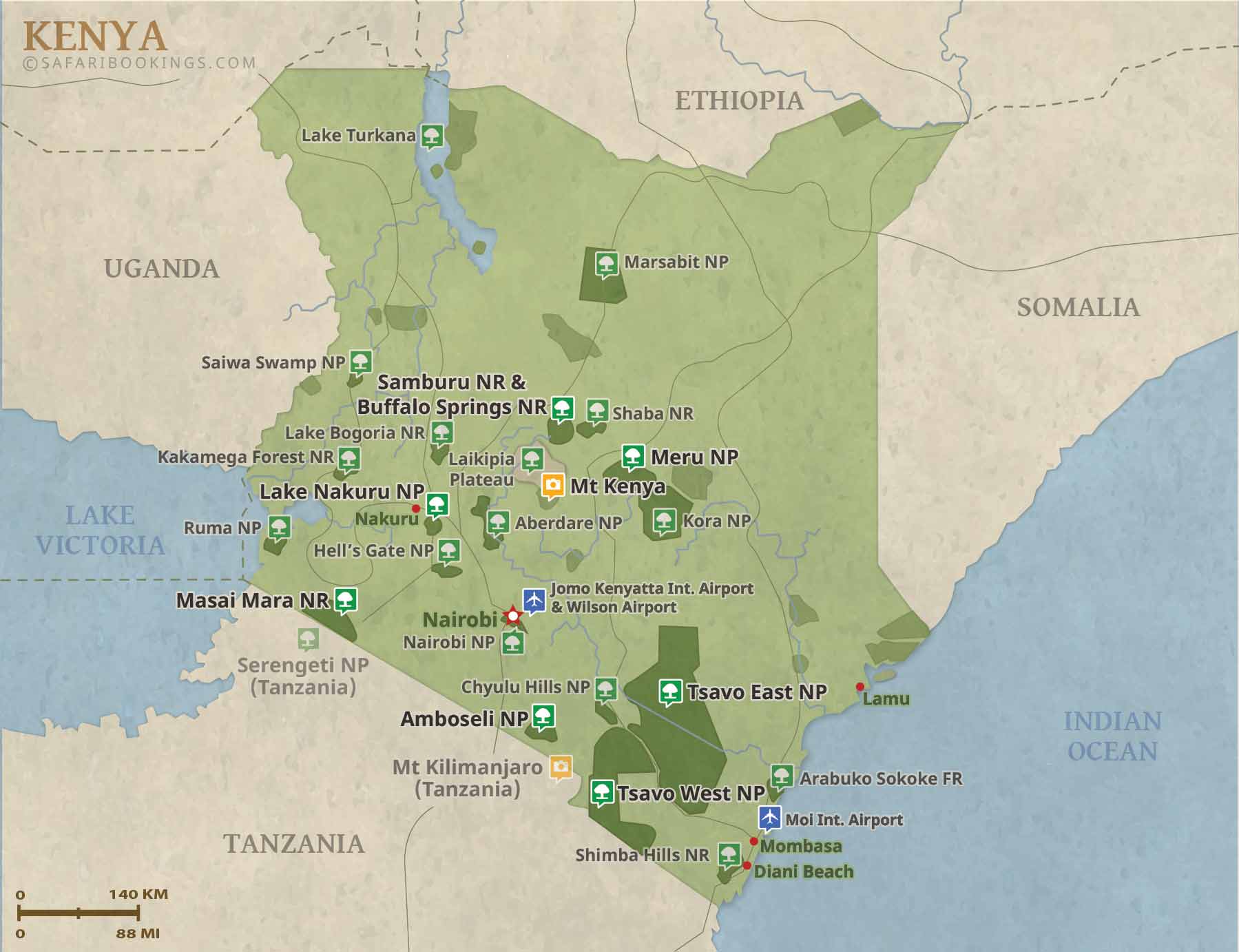
Morning: Pickup at 10:30 am from Kisumu International Airport or your hotel in Kisumu. Drive north through lush Luo and Luhya farmlands, the air turning cooler and greener as you approach Kakamega Forest. Arrive at your camp site perched at the very edge of the jungle—Kenya's last remnant of the ancient Guineo-Congolian rainforest.
Afternoon: After a warm welcome and lunch, embark on an afternoon hike deep into the forest. Towering hardwoods, strangler figs, and giant ferns enclose the trail. Listen for the far-carrying call of the great blue turaco and the chatter of colobus monkeys. Your guide reveals medicinal plants and points out hidden orchids clinging to ancient trunks.
Evening: As the light softens, the forest awakens with avian life. Settle into a quiet clearing with binoculars, hoping to glimpse the African grey parrot, blue-headed bee-eater, or the rare red-chested owlet. Return to your camp site for dinner and fall asleep to the hum of the jungle.
- Main Destination:
- Kakamega Forest
- Accommodation:
- Budget camping
Wildlife in Kakamega Forest


- Meals & Drinks:
Day 2
Lirhanda Sunrise, Kit Mikayi & Rusinga Island
Lirhanda Sunrise, Kit Mikayi & Rusinga Island
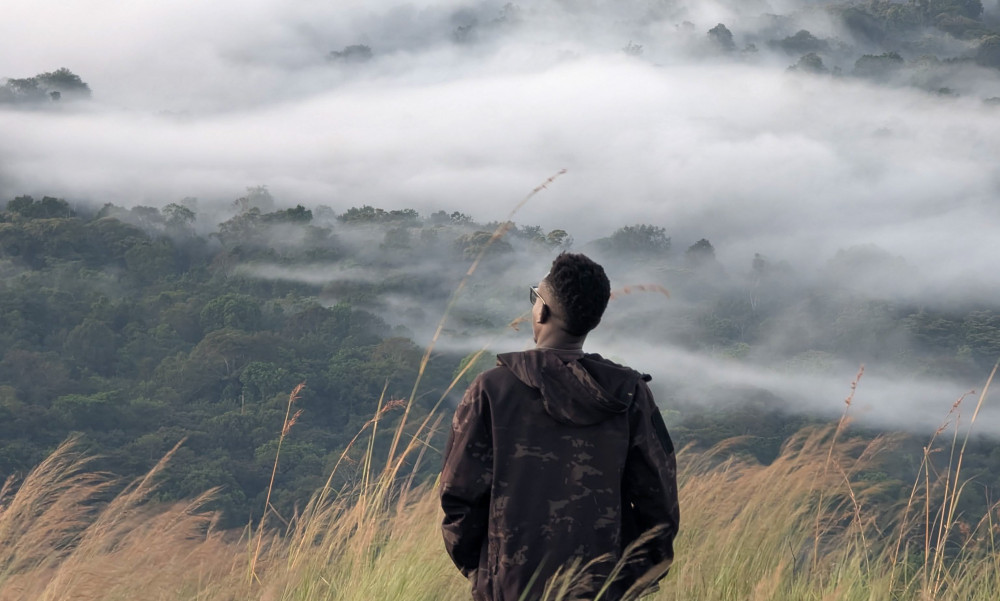
Morning: A dawn hike to Lirhanda Hill. From this rocky perch, watch as the sun breaks like a ball of fire rising from the distant Nandi Hills. Golden light floods the emerald canopy below, burning away thick blankets of fog that cloak the forest. From here, your trail winds through different forest zones—mossy glades, bamboo thickets, and giant strangler figs—before you meander back to check out of your homestay.
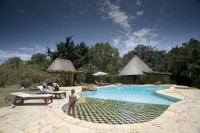
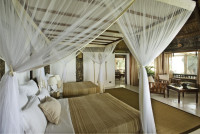
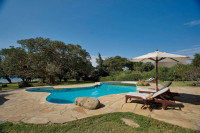
Afternoon: Drive south to Kit Mikayi—the "Stone of the First Wife." This towering rock and natural caves holds deep Luo legend. Explore briefly, feeling the weight of ancestral stories. Continue westward, crossing the causeway to Rusinga Island, arriving at your island resort.
Evening: Visit the Tom Mboya Museum, a modest but powerful tribute to the Luo independence hero and pan-Africanist, assassinated in 1969. Learn of his legacy as the sun dips over Lake Victoria. Return to your resort for dinner, the lapping of waves your evening soundtrack.
- Main Destination:
- Rusinga Island (Lake Victoria)
- Accommodation:
-
Rusinga Island Lodge
- Meals & Drinks:
Day 3
Fishing Villages, Ancient Fossils & Evening Boat
Fishing Villages, Ancient Fossils & Evening Boat
Morning: An early start to experience the authentic daily life of the lakeside community. Drive to the busy fish landing sites of Luanda and Rombo, where hundreds of wooden boats unload their silver catches. Watch the chaotic, spirited fish auction as traders haggle over tilapia and Nile perch. Walk through traditional fishing villages along the shore, meeting net-makers and boat-builders.
Afternoon: Shift from living culture to deep prehistory. Visit the Rusinga Island Prehistory Organization (RIPO) and the Leakey fossil sites, where 18-million-year-old primate fossils were discovered. Stand where Proconsul africanus once moved through early Miocene forests—a direct window into human evolution's distant dawn.
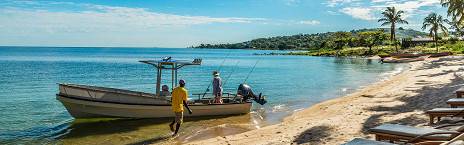
Evening: Take a boat ride along Lake Victoria's shorelines as the sun softens. Cast lines for sport fishing and drift past islands thick with birds—herons, cormorants, African fish eagles. Hippos grunt in the shallows. Return to your resort for dinner, tired and fulfilled.
- Main Destination:
- Rusinga Island (Lake Victoria)
- Accommodation:
- Rusinga Island Lodge
- Meals & Drinks:
Day 4
Ancient Rock Art & Takawiri Island's Sandy Beach
Ancient Rock Art & Takawiri Island's Sandy Beach
Morning: Visit the ancient rock art sites of Mawanga Cave and Kwitone Rock Shelter. Here, 1,000 to 4,000-year-old geometric paintings—spirals, concentric circles, and ladder patterns—adorn the rock faces, attributed to the Twa people, early hunter-gatherers of the region. Your guide interprets these silent symbols, connecting you to Lake Victoria's earliest known inhabitants.
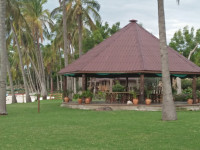
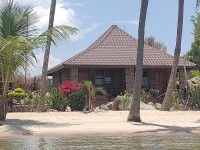
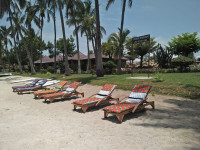
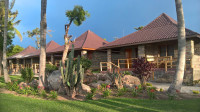
Afternoon: Board a boat for the scenic crossing to Takawiri Island. As you approach, the dense forested island reveals its secret: one of the few sandy beaches on Lake Victoria. Check into your resort, drop your bags, and wade into the gentle, clear waters.
Evening: Relax completely. Walk the beach, swim, or simply lounge with a cold drink as the sun sets behind the papyrus-fringed horizon. Dinner is fresh fish, prepared lakeside. Night brings the soft rhythm of waves and the distant beat of an island drum.

Day 5
Water Adventures, Kisumu Museum & Dunga Sunset
Water Adventures, Kisumu Museum & Dunga Sunset
Morning: After breakfast, embrace the lake fully. Kayak along Takawiri's protected shoreline, paddle past rocky coves. Try snorkeling in the surprisingly clear shallows. For the adventurous, sport fishing offers a final chance at a trophy Nile perch. This is Lake Victoria at its most playful.
Afternoon: Check out and boat back to Rusinga Island. Drive to Kisumu, but stop en route at the Kisumu Museum. Here, learn about Luo history, see a traditional homestead reconstructed, and marvel at the famous cycle of mudfish dioramas. Continue to Milimani Beach Resort in Dunga, where papyrus-lined shores greet you.
Evening: Wind down your last night at the lakeside. Take a sunset stroll along the Dunga boardwalk, watching fishermen paddle home and hippos emerge for their nightly grazing. Enjoy a farewell-to-the-lake dinner at the resort, reflecting on the journey so far.
- Main Destination:
- Lake Victoria (Kenya)
- Accommodation:
-
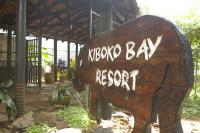
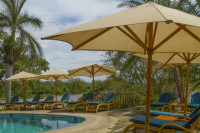
Kiboko Bay Resort
- Meals & Drinks:
Day 6
The Ogiek – Last Hunter-Gatherers of Kenya
The Ogiek – Last Hunter-Gatherers of Kenya
Morning: After breakfast, drive east towards the Mau Forest. Your destination: the Ogiek Cultural Centre, home to Kenya's last remaining hunter-gatherer community. The road climbs into misty highlands, the air turning cool and damp as you enter the forest the Ogiek have called home for millennia.
Afternoon: Arrive and be welcomed into an Ogiek traditional homestead. After lunch, immerse yourself in cultural performances: traditional songs, music, and dances performed by members of the community, their voices echoing ancient forest rhythms.
Evening: Enter the soundproof studio to listen to oral histories. Elders share stories of their people's deep connection to the forest, their struggles for land rights, and the resilience of their culture. You will fall asleep tonight in a traditional Ogiek homestead, the forest whispering outside.
- Main Destination:
- Mau Forest
- Accommodation:
- Budget camping
- Meals & Drinks:
Day 7
Day in the Forest with the Ogiek
Day in the Forest with the Ogiek
Morning: Wake before dawn to follow the Ogiek's traditional daily schedule. Head into the forest for a symbolic hunt—learning the tracking techniques and spiritual relationship the Ogiek have with wildlife. Later, witness traditional honey harvesting, a practice central to Ogiek identity, as smoke calms the bees and your guide extracts golden combs.
Afternoon: Learn from elders about medicinal herbs and the deep botanical knowledge passed down for generations. Every plant has a purpose: a cure, a food, a tool, or a story. Understand why the forest is not just a home but a church, a pharmacy, and a pantry all in one.
Evening: Visit the Ogiek Culture Museum, a small but powerful collection of artifacts, photographs, and historical records. Then return to the homestead for a final communal dinner. As night falls, listen to forest sounds through the walls of your manyatta, knowing you have experienced something truly rare.
- Main Destination:
- Mau Forest
- Accommodation:
- Budget camping
- Meals & Drinks:

Day 8
Farewell to the Ogiek & Arrival in the Masai Mara
Farewell to the Ogiek & Arrival in the Masai Mara
Morning: Bid heartfelt farewells to your Ogiek hosts. Drive south and west, crossing the Rift Valley floor, climbing the Mau Escarpment, then descending into the savannahs of the Masai Mara. The journey is long but the landscapes are spectacular—from high forest to open plains.
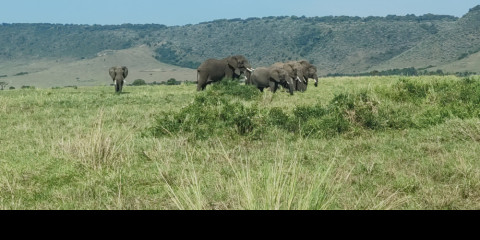
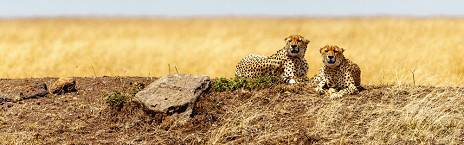
Afternoon: Arrive at PrideInn Mara Camp, check in, and immediately head out for an afternoon game drive. The Mara does not disappoint: zebras graze in their thousands, elephants move through acacia woodlands, and lions laze in the long grass. This first taste whets your appetite.
Evening: Return to camp as the sun sets in a blaze of orange. Dinner is served under a dome of stars, and you fall asleep to the distant roar of a lion—the Mara's nightly serenade.
- Main Destination:
- Masai Mara National Reserve
- Accommodation:
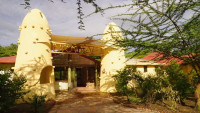
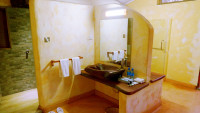
- PrideInn Mara Camp
Wildlife in Masai Mara NR


- Meals & Drinks:
Day 9
The Mara Triangle – A Wildlife Corridor at Its Apex
The Mara Triangle – A Wildlife Corridor at Its Apex
Full Day: Today is dedicated entirely to the less-crowded Mara Triangle, a region at the apex of one of the most important wildlife corridors on earth. This is where the famous Serengeti to the south meets the iconic Mara to the northeast. The topography is surreal—steep escarpments, rolling plains, and winding rivers. Animal concentration can be a wonder: enormous herds of wildebeest (seasonal), big cats in remarkable numbers, and elephants crossing the Mara River like ghosts. Enjoy a picnic lunch at a hippo pool. Your guide explains the community conservancy story, the model that has made this wildlife spectacle possible. Return to camp in the late afternoon, exhilarated and sun-kissed.
Evening: A final dinner in the Mara, sharing sightings and stories with fellow travelers.
- Main Destination:
- Mara Triangle (Masai Mara NR)
- Accommodation:
- PrideInn Mara Camp
- Meals & Drinks:

Day 10
Morning Drive & Journey to Menengai Crater
Morning Drive & Journey to Menengai Crater
Morning: One last morning game drive in the Masai Mara. The light is golden, the animals still active. Perhaps you'll find the leopard you missed, or watch a cheetah scan the horizon. Then return to camp for checkout and the long drive east.
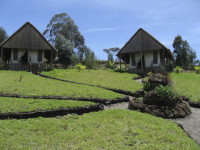
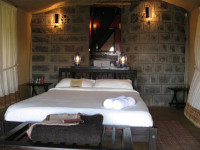
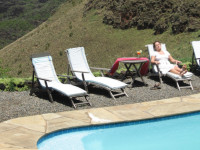
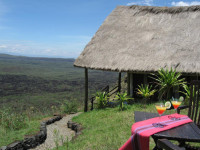
Afternoon: Drive to Narok for lunch en route. Then continue north, climbing the Mau Escarpment once more before dropping into the Rift Valley. Arrive at Maili Saba Camp, perched dramatically on the rim of the Menengai Crater—one of the largest volcanic calderas in the world. Settle in as the afternoon light plays across the crater floor far below.
Evening: Rest at the camp. Dinner is served with a view into the abyss. Night falls, and the lights of Nakuru town twinkle far beneath you.
- Main Destination:
- Masai Mara National Reserve
- Accommodation:
- Maili Saba Camp
- Meals & Drinks:

Day 11
Lake Nakuru's Rhinos & Menengai's Caves
Lake Nakuru's Rhinos & Menengai's Caves
Morning: An early game drive in Lake Nakuru National Park. This soda lake, famous for its flamingos (water levels permitting), is also a rhino sanctuary. White and black rhinos graze openly. Lions sleep in fever trees, and Rothschild's giraffes stretch their long necks. The contrast between pink-fringed lake and yellow-barked acacia forest is unforgettable.
Afternoon: Return to Maili Saba Camp for a late lunch. Then set out on an afternoon hike around the Menengai Crater rim. The views are dizzying. Your guide leads you to caves formed in ancient lava flows, where local history and superstition intertwine. Learn of the fierce battles once fought on this crater floor.
Evening: Back at camp, enjoy a final dinner overlooking the crater. Tomorrow, new landscapes await.
- Main Destination:
- Lake Nakuru National Park
- Accommodation:
- Maili Saba Camp
Wildlife in Lake Nakuru NP


- Meals & Drinks:

Day 12
Hell's Gate – Maasai Village & Red Orch Hill
Hell's Gate – Maasai Village & Red Orch Hill
Morning: Drive to Hell's Gate National Park. Before entering, stop at a Maasai village. You are welcomed with a traditional dance—leaping warriors, rhythmic singing, and the jingling of beaded jewelry. Participate in other Maasai traditions: fire-making, jewelry-making, or simply sitting with the women as they bead.
Afternoon: Walk with Maasai warriors and elders to Red Orch Hill. Here, learn the sacred and practical uses of red ochre for the Maasai people—used in ceremonies, as skin protection, and as a mark of beauty. Continue exploring the region, learning of different plants and their uses for both people and wildlife. This is a living classroom.
Evening: Return to the manyatta (Maasai homestead) for a simple dinner. Sleep in a traditional boma, listening to the lowing of cattle and the distant calls of hyenas.
- Main Destination:
- Hell’S Gate National Park
- Accommodation:
- Budget camping
Wildlife in Hell’s Gate NP
- Meals & Drinks:

Day 13
Gorges, Obsidian Caves & Geothermal Spa
Gorges, Obsidian Caves & Geothermal Spa
Morning: Hike into the dramatic gorges of Hell's Gate. The steep walls reveal layers of volcanic ash and lava. Reach the Gituanja Tower, a striking volcanic plug standing like a sentinel. Your guide explains the geology that makes this park a unique landscape of fissures, hot springs, and towering cliffs.
Afternoon: Explore the Obsidian Caves, where volcanic glass glitters darkly in the shadows. Learn how obsidian was used by early peoples for tools and weapons. If the nearby geothermal spa is open, soak in the naturally heated waters—a surreal experience after days of dusty travel.
Evening: Set up a simple fly camp at the Naiburta Public Campsite. Meals and accommodation are deliberately basic—the way safaris used to be. Fall asleep to the crackle of a campfire and the vast silence of the Rift Valley.
- Main Destination:
- Hell’S Gate National Park
- Accommodation:
- Budget camping
- Meals & Drinks:
Day 14
Narasha Hike & Crater Lake's Colobus Monkeys
Narasha Hike & Crater Lake's Colobus Monkeys
Morning: Rise early and hike in the Narasha area. This less-visited corner of the region offers forested trails, open glades, and views across the Kinangop Plateau. Birdlife is abundant, and the walking is gentle—a perfect morning stretch.
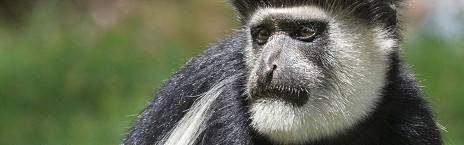
Afternoon: Drive to the small but important ecosystem of Crater Lake Game Sanctuary. Enjoy an afternoon-to-evening hike and nature walk around the rim of this volcanic crater lake. The water is deep green, the forests around it alive with noise. Here, you come remarkably close to colobus monkeys (black and white with dramatic capes) and giraffes that call this place home.
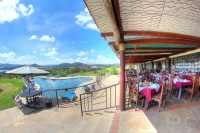
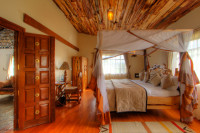
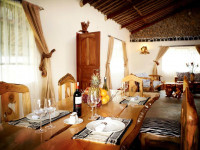
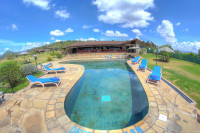
Evening: Night at Naivasha Kongoni Lodge, perched on the slopes of the Rift Valley. Dinner is warm and hearty. The lake glimmers in the distance.
- Main Destination:
- Crater Lake Sanctuary
- Accommodation:
- Naivasha Kongoni Lodge
- Meals & Drinks:
Day 15
Crescent Island Walk & Farewell in Nairobi
Crescent Island Walk & Farewell in Nairobi
Morning: After breakfast, check out and drive to Karagita Public Beach. Board a boat for the short ride to Crescent Island. The crossing offers close views of water birds—herons, kingfishers, pelicans—and the ever-present hippos half-submerged. Disembark on the island, which is actually a crater rim rising above the lake.
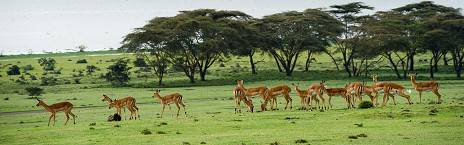
Afternoon: Enjoy a 2-hour walk on Crescent Island. Here, there are no predators, so you get remarkably close to giraffes, wildebeest, gazelles, waterbuck, and resident Somali ostriches. It is intimate, peaceful, and unlike any other wildlife experience. Boat back to the mainland and drive to Nairobi.
Evening: A farewell dinner awaits at the Kasarani Safari Park Restaurant. Enjoy a final Kenyan feast—perhaps a safari-themed buffet with live music or traditional dancing. Toast to 15 unforgettable days. After dinner, transfers to the airport or your Nairobi hotel conclude your journey.
- Main Destination:
- Crescent Island Game Sanctuary (Lake Naivasha)
- Accommodation:
- No accommodation (End of tour)
- Meals & Drinks: