

$3,101 pp (USD)
2 travelers on Start dateArrival
Arrival

Day 1
Tarangire National Park - Home of Elephants
Tarangire National Park - Home of Elephants
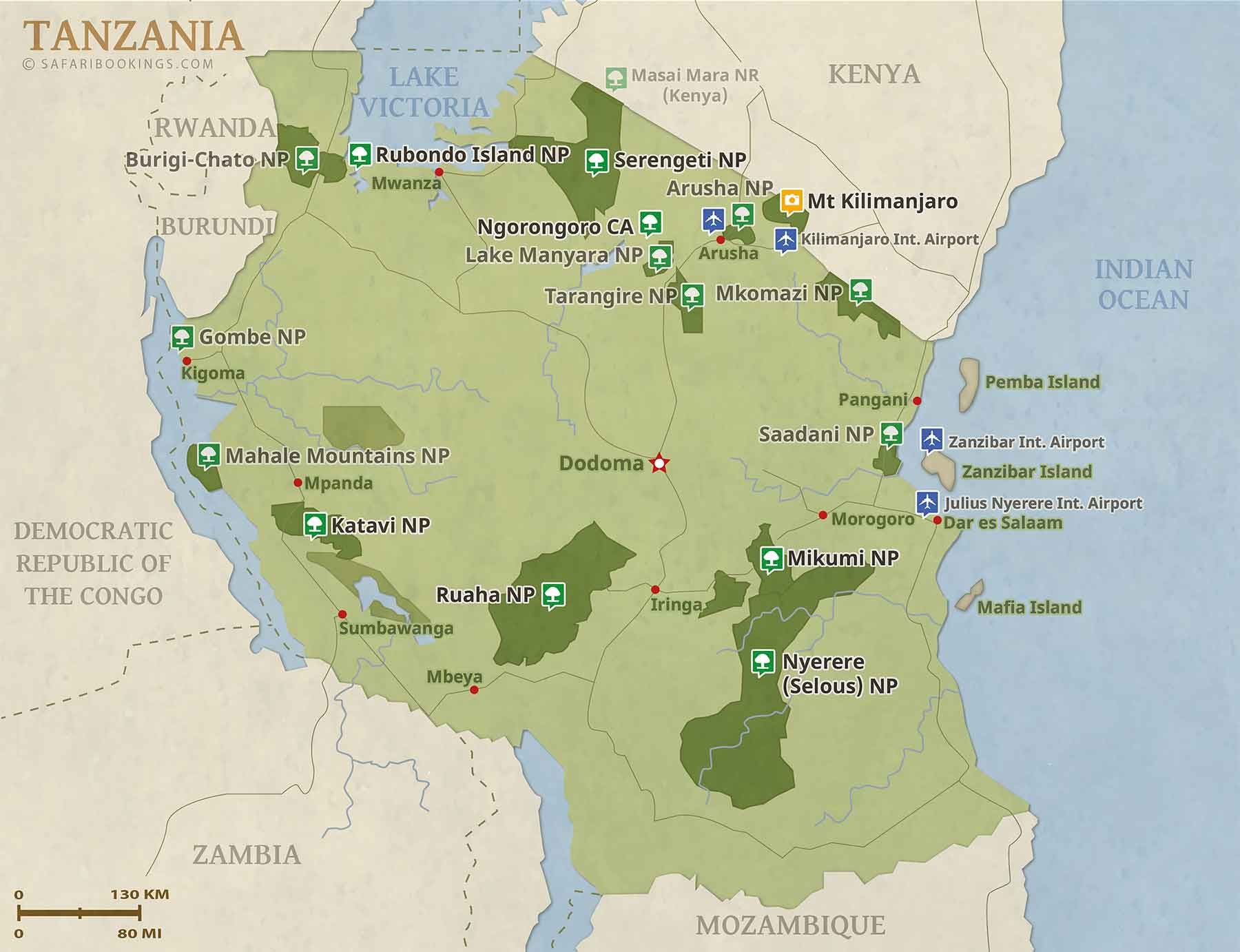
You will be picked at 8am at your hotel and drive to Tarangire, 2hrs drive you will arrive at the Tarangire National Park. Giant baobab trees, bush Savannah and the seasonal marshes add to the wonder of this nature reserve. The Tarangire National Park is considered as one of the best places to view elephants up close.
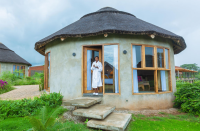
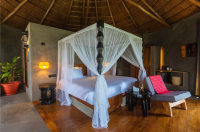
The park is also home to buffaloes, zebras and wildebeests which are always closely followed by a range of predators such as lions. Leopards are seen now and then but cheetahs are rarely spotted. From the open roof of the safari vehicle you will be able to absorb the landscape and watch the animals. In the late afternoon you will leave the park and drive to your Lodge at Karatu Area, The drive to your Lodge will take Approximately 1hr30min passing via various scenic Maasai Village. Arrive at your Lodge for Dinner and Overnight.
- Main Destination:
- Tarangire National Park
- Accommodation:
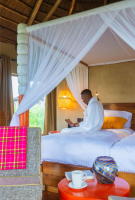
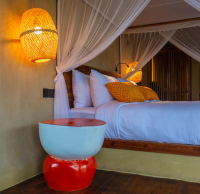
- Suricata Boma Lodge
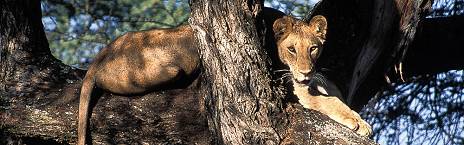
Wildlife in Tarangire NP


- Meals & Drinks:
Day 2
Manyara National Park - Home of Tree Climbing Lions
Manyara National Park - Home of Tree Climbing Lions
Depart from your Lodge at 8am and drive to Lake Manyara National Park about 20min drive, arrive at this unique and picturesque park with a stunning lake, inspiring views, and varied wildlife and bird-life viewing. Lake Manyara is a shallow, alkaline lake that is part of the Rift Valley wall; the lake sits at the base of this dramatic western escarpment, giving it a beautiful and serene setting.
In addition to this peaceful setting, Lake Manyara’s main attractions are its rich bird-life, tree-climbing lions, and its hippos, which you can see at closer range than in any other place. After Picnic Lunch you will proceed with game before exit the park stop by Lake Manyara View point then drive to your Lodge at Karatu for Overnight and Dinner.
- Main Destination:
- Lake Manyara National Park
- Accommodation:
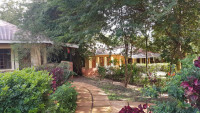
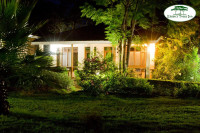
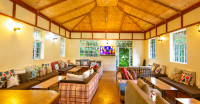
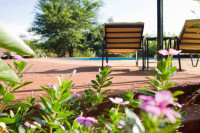
- Eileen's Trees Inn
Wildlife in Lake Manyara NP
- Meals & Drinks:

Day 3
Drive to Central Serengeti National Park via Ngorongoro Conservation Area
Drive to Central Serengeti National Park via Ngorongoro Conservation Area
Today you will transfer to the Serengeti via the Ngorongoro Conservation Area. En-route to Serengeti you will enjoy amazing views and nature along with Maasai Cultures, You will arrive mid day and proceed exploring the amazing array of wildlife around the Central Serengeti.
The Serengeti is a vast Tanzanian landscape that hosts one of Earth’s last remaining wildlife spectacles: the annual Great Migration, when a staggering number of herbivores trek across the Serengeti plains in search of water and fresh grass, with hungry predators following in their wake.
The Serengeti’s endless plains provide an exceptional landscape for wildlife viewing; it truly is ultimate safari country. Animals often spotted in the Serengeti include elephants, hippos, lions, zebras, wildebeests, cheetahs, leopards, and more. Later evening you have Option to watch the sunset from Serengeti plains or drive to your camp and watch the sunset from your Hotel Balcony with cold Drink.
- Main Destination:
- Central Serengeti National Park
- Accommodation:
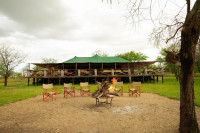
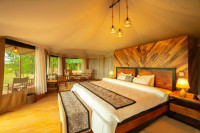
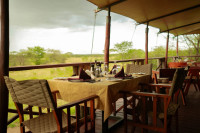
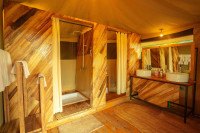
- Central Serengeti Moyo Camp Warangi
Wildlife in Serengeti NP
- Meals & Drinks:

Day 4
Full day Serengeti National Park
Full day Serengeti National Park
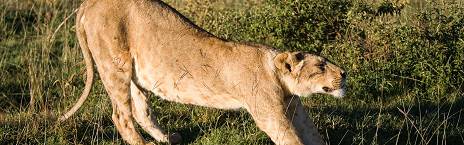
The Central and Southern Serengeti is the ideal location for marveling at the annual Great Migration of large herds of animals during this time of year. Animals often spotted here include elephants, hippos, lions, zebras, wildebeests, cheetahs, leopards, and more. The area can be fairly wet.
Grasslands are lush and green, providing much-needed sustenance for the large wildebeest herds. The herds move slowly and predictably as the one-month-old calves are fed constantly. On this day you can opt for comeback for hot lunch at your camp or Depart with full packed Lunchbox. Late Evening you will return to your camp for Dinner and overnight.
- Main Destination:
- Serengeti National Park
- Accommodation:
- Central Serengeti Moyo Camp Warangi
- Meals & Drinks:
Day 5
Sourthern Serengeti & Ngorongoro - Ndutu Area
Sourthern Serengeti & Ngorongoro - Ndutu Area
After Breakfast you will exit Serengeti via Seronera Gate and Drive to Southern Ngorongoro Area/ Ndutu en-route to Ndutu you will keep witness some of the best wildlife include Lions, Giraffe, Zebras and enjoy some unique views of Serengeti plains.
Each year, this region becomes the stage for one of nature’s most significant performances. Here, mothers and calves, driven by instinct, navigate the challenges and triumphs of birth in the wild. Moreover, predators and prey engage in an age-old saga, with each side battling for survival within the delicate balance of the Serengeti-Ngorongoro ecosystem.
In these southern expanses, the air is thick with anticipation. As a result, every moment holds the promise of wonder. Whether you’re an experienced traveler or new to African safaris, a Southern Ngorongoro – Ndutu Safari is not just a destination; it’s a journey into the heart of nature’s grand theater.
- Main Destination:
- Ngorongoro Crater
- Accommodation:
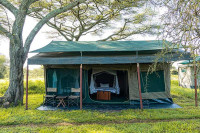
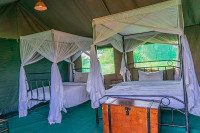
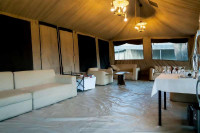
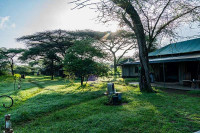
- Ndutu Heritage Camp
Wildlife in Ngorongoro Crater


- Meals & Drinks:
Day 6
Ngorongoro Crater
Ngorongoro Crater
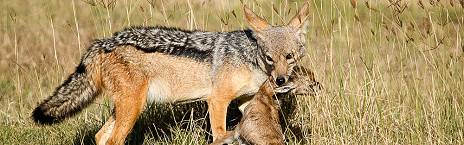
After breakfast at daybreak you will drive to the Ngorongoro Conservation Area before you drive down into the crater. The massive collapsed volcano is home to over 25,000 mammals ranging from the Big Five – lion, elephant, buffalo, rhino and leopard – to spotted hyenas, rare wild dogs and some of the more than 500 bird species of the area. After an extensive game drive and a picnic for lunch, you will leave the caldera in the afternoon on your Return to Arusha you will notify your Guide where do you want to be dropped. Overnight stay can be organized with on request.
- Main Destination:
- Ngorongoro Crater
- Accommodation:
- No accommodation (End of tour)
- Meals & Drinks: