
Tour Length
Rates in USD $ – Change Currency
Per person, excl. international flightsOperator Rating
Other Tour Features
Filter by Operator
Filter by Accommodation
Hwange Safari - Compare 114 Tours
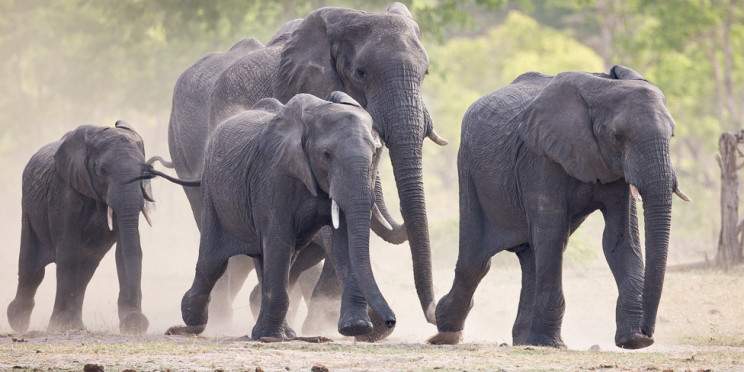
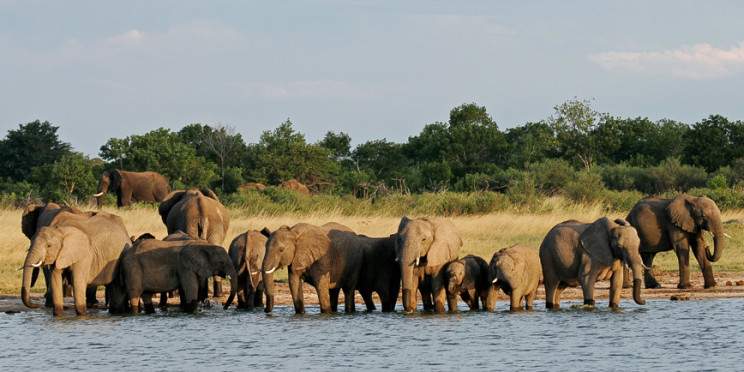
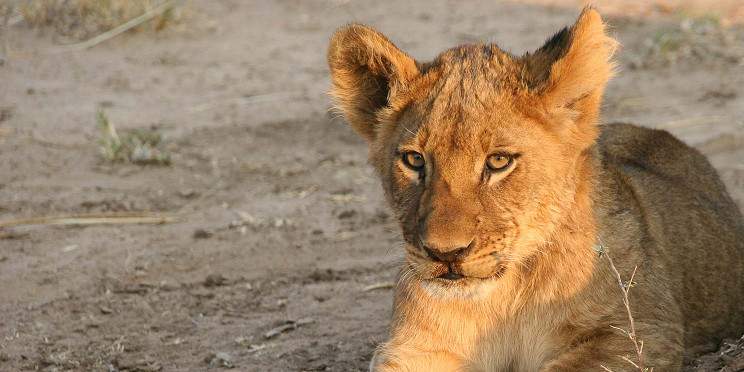
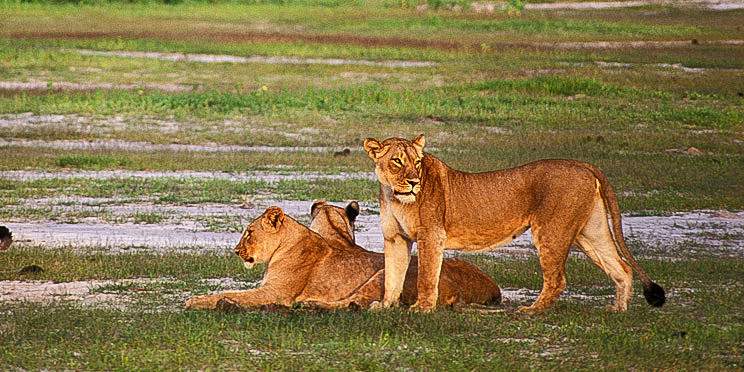
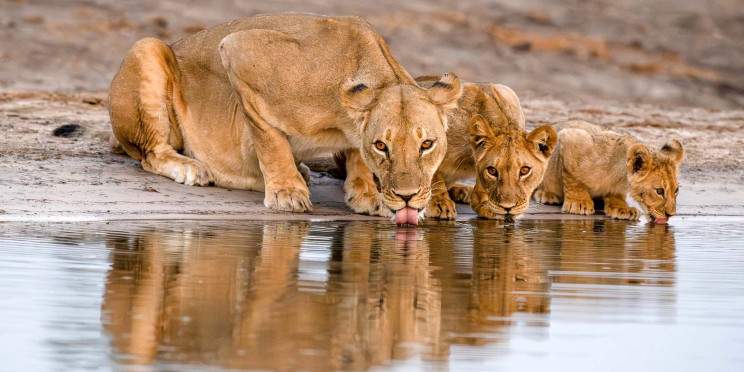
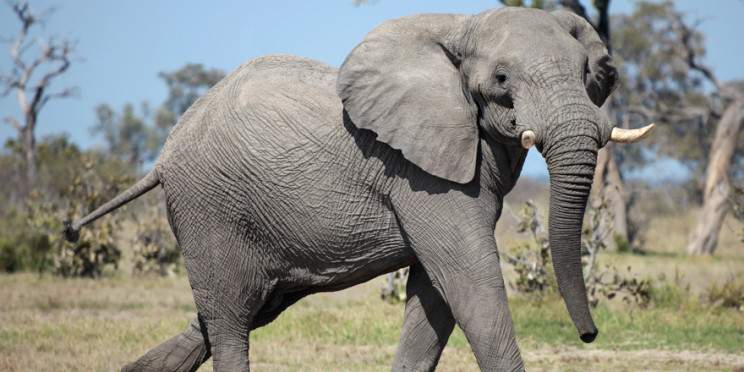
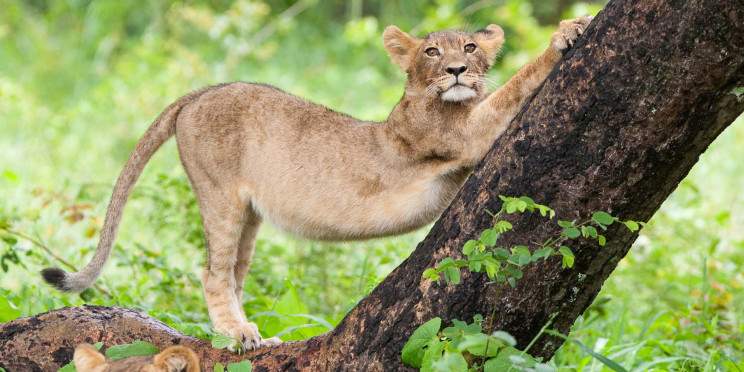
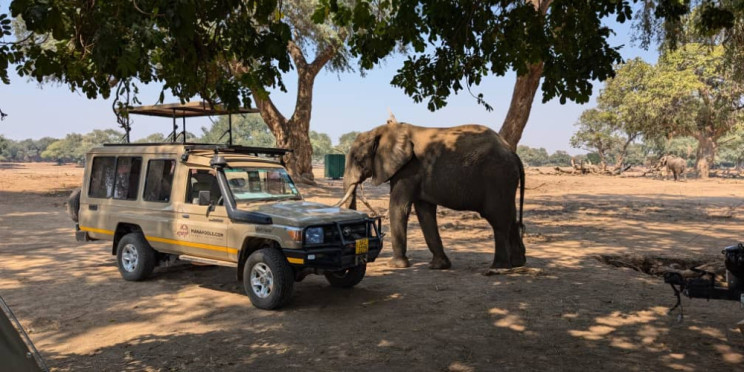
Hwange National Park is a world-class wildlife destination that should rank highly on the safari wish list of anyone visiting southern Africa. This is a park where you can expect amazing encounters with elephants and other wildlife. The lion population remains one of the largest in southern Africa, and there are healthy numbers of cheetah and the Endangered African wild dog, which faces a high risk of becoming extinct in the wild. Leopard is difficult to see but possible. Hwange is also a very large park, with wonderfully wild and varied landscapes that in some areas feel deliciously remote. Indeed, despite it being Zimbabwe’s most popular safari destination, you’ll often feel as though you have the place all to yourself.
-
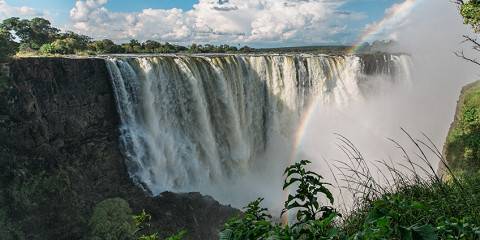
4-Day Victoria Falls & Hwange National Park - Main Camp
$1,579 pp (USD)
Zimbabwe: Private tour
Mid-range Lodge & ResortYou Visit: Victoria Falls (Start), Hwange NP, Victoria Falls Airport (End)
_2196_5b631a3036ccc.gif "DK Tours and Safaris")
DK Tours and Safaris
5.0/5 – 68 Reviews

-
Best Seller

5-Day Hwange National Park, Chobe NP and Victoria Falls
$2,408 pp (USD)
Botswana, Zimbabwe & Namibia: Shared tour (max 9 people per vehicle)
Mid-range Lodge & HotelYou Visit: Victoria Falls Airport (Start), Hwange NP, Victoria Falls, Chobe River, Victoria Falls Town (End)

Zambezi Quest Travel and Tours
4.9/5 – 41 Reviews
-

3-Day Hwange NP Safari Experience Staying at Ivory Lodge
$1,628 to $1,950 pp (USD)
Zimbabwe: Private tour
Mid-range LodgeYou Visit: Victoria Falls Town (Start), Hwange NP, Victoria Falls Airport (End)

Customise Travel and Tours
4.9/5 – 75 Reviews
-
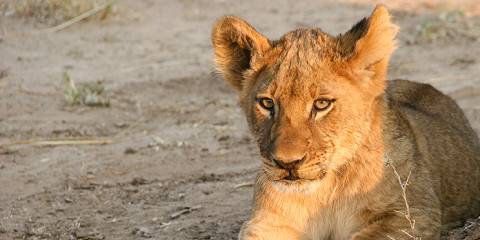
3-Day Hwange National Park Safari Trip Package
$1,320 to $1,430 pp (USD)
Zimbabwe: Shared tour (max 8 people per vehicle)
Mid-range LodgeYou Visit: Victoria Falls Town (Start), Hwange NP, Victoria Falls (End)

Cuckoo Safaris
5.0/5 – 272 Reviews
-

7-Day Victoria Falls, Hwange NP and Matobo NP Experience
$3,300 to $4,006 pp (USD)
Zimbabwe: Private tourLuxuryLodge & Hotel
You Visit: Victoria Falls (Start), Hwange NP, Matobo NP, Bulawayo (End)
Off2Africa Travel
5.0/5 – 237 Reviews
-
![5-Day Zimbabwe Waterfalls, Wildlife & Wilderness]()
5-Day Zimbabwe Waterfalls, Wildlife & Wilderness
$3,176 to $4,741 pp (USD)
Zimbabwe: Private tourLuxuryLodge & Tented Camp
You Visit: Victoria Falls (Start), Hwange NP, Victoria Falls Town (End)
Ranger Buck Safaris
4.9/5 – 72 Reviews
-
![9-Day Highlights of Zimbabwe Safari Tour]()
9-Day Highlights of Zimbabwe Safari Tour
$3,445 pp (USD)
Zimbabwe: Shared tour (max 21 people per vehicle)
Mid-range Lodge & Guest HouseYou Visit: Harare (Start), Great Zimbabwe (Ruins), Matobo NP, Hwange NP, Victoria Falls, Victoria Falls Airport (End)
Africa Zim Travel & Tours
5.0/5 – 264 Reviews
-
![5-Day Victoria Falls and Hwange Game Park Safari Tour]()
5-Day Victoria Falls and Hwange Game Park Safari Tour
$1,045 pp (USD)
Zimbabwe: Shared tour (max 20 people per vehicle)
Mid-range LodgeYou Visit: Victoria Falls (Start), Hwange NP, Victoria Falls Airport (End)
Africa Beast Safaris
5.0/5 – 75 Reviews
-
![9-Day Hwange Safari & Victoria Falls Luxury Escape]()
9-Day Hwange Safari & Victoria Falls Luxury Escape
$5,315 to $7,665 pp (USD)
Zimbabwe: Private tour
Mid-range Lodge & Tented CampYou Visit: Victoria Falls Town (Start), Hwange NP, Victoria Falls, Victoria Falls Airport (End)
Discover Africa Safaris
4.9/5 – 592 Reviews
-
![3-Day Victoria Falls and Hwange National Park]()
3-Day Victoria Falls and Hwange National Park
$633 pp (USD)
Zimbabwe: Private tourBudgetGuest House
You Visit: Victoria Falls (Start), Hwange NP, Victoria Falls Town (End)
Proviem Safaris
5.0/5 – 34 Reviews
-
![5-Day Victoria Falls and Hwange National Park Safari]()
5-Day Victoria Falls and Hwange National Park Safari
$1,540 pp (USD)
Zimbabwe: Shared tour (max 6 people per vehicle)BudgetLodge
You Visit: Victoria Falls (Start), Hwange NP, Victoria Falls Airport (End)
Africa Uncovered Safaris
5.0/5 – 114 Reviews
-
![5-Day Hwange & Victoria Falls Safari Experience]()
5-Day Hwange & Victoria Falls Safari Experience
$1,287 pp (USD)
Zimbabwe: Private tourBudgetLodge & Guest House
You Visit: Victoria Falls Town (Start), Hwange NP, Victoria Falls, Victoria Falls town (Victoria Falls), Victoria Falls Airport (End)
African Fairytale Tours
5.0/5 – 31 Reviews
-
![4-Day Victoria Falls & Hwange Wildlife Safari]()
4-Day Victoria Falls & Hwange Wildlife Safari
$1,188 to $1,227 pp (USD)
Zimbabwe: Private tour
Mid-range LodgeYou Visit: Victoria Falls (Start), Hwange NP, Victoria Falls Airport (End)
Africa Incoming
5.0/5 – 60 Reviews
-
![4-Day Victoria Falls and Hwange National Park Tour]()
4-Day Victoria Falls and Hwange National Park Tour
$1,595 pp (USD)
Zimbabwe: Shared tour (max 8 people per vehicle)BudgetLodge
You Visit: Victoria Falls (Start), Hwange NP, Victoria Falls Town (End)
Africa Deodar Safaris
-
![8-Day Victoria Falls and Hwange Safari]()
8-Day Victoria Falls and Hwange Safari
$4,103 pp (USD)
Zimbabwe: Private tour
Mid-range LodgeYou Visit: Victoria Falls (Start), Hwange NP, Victoria Falls Town (End)
Baobab Holidays Africa
-
![6-Day Hwange - Chobe - Victoria Falls - Mid-Range]()
6-Day Hwange - Chobe - Victoria Falls - Mid-Range
$2,453 to $2,520 pp (USD)
Botswana & Zimbabwe: Private tour
Mid-range LodgeYou Visit: Victoria Falls Town (Start), Hwange NP, Chobe NP, Victoria Falls town (Victoria Falls), Victoria Falls Airport (End)
Adventures On Wheels
5.0/5 – 40 Reviews
-
![1-Day Guided Tour to Hwange National Park]()
1-Day Guided Tour to Hwange National Park
$358 to $385 pp (USD)
Zimbabwe: Day tourShared tour (max 7 people per vehicle)
You Visit: Victoria Falls Town (Start), Hwange NP, Victoria Falls Town (End)
Cheneso Safaris
5.0/5 – 16 Reviews
-
![13-Day Spectacular Zim Safari]()
13-Day Spectacular Zim Safari
$15,617 pp (USD)
Zimbabwe: Shared tour (max 6 people per vehicle)LuxuryLodge & Tented Camp
You Visit: Harare (Start), Mana Pools NP, Lake Kariba, Hwange NP, Victoria Falls, Victoria Falls Airport (End)
Expert Safari Services
-
13-Day Ultimate Participatory Zambezi Adventure
$7,549 pp (USD)
Scheduled Start DatesZimbabwe: Private tourBudgetCamping
You Visit: Harare (Start), Mana Pools NP, Chitake Springs (Mana Pools NP), Marongora (Town), Lake Kariba, Hwange NP, Victoria Falls (End)
Mana Pools Tourism Services
5.0/5 – 42 Reviews
-
![3-Day Full Game Drive Experience]()
3-Day Full Game Drive Experience
$1,210 pp (USD)
Zimbabwe: Shared tour (max 10 people per vehicle)
Mid-range LodgeYou Visit: Victoria Falls Town (Start), Hwange NP, Victoria Falls (End)
Wanderlust Safaris
5.0/5 – 49 Reviews

_4618_5ebbb703a4b33.gif "Ranger Buck Safaris")














6 Questions About Hwange Safaris

Answered by
Anthony Ham
Anthony has written numerous Lonely Planet guidebooks, including ‘Southern Africa’. He writes about the region for magazines and newspapers worldwide. He is also the author of two narrative nonfiction books: ‘The Last Lions of Africa’, part of which is set in Hwange National Park, and ‘The Man Who Loved Pink Dolphins’.› More about Anthony
6 Questions About Hwange Safaris
 Anthony Ham
Which animals can I see in Hwange National Park?
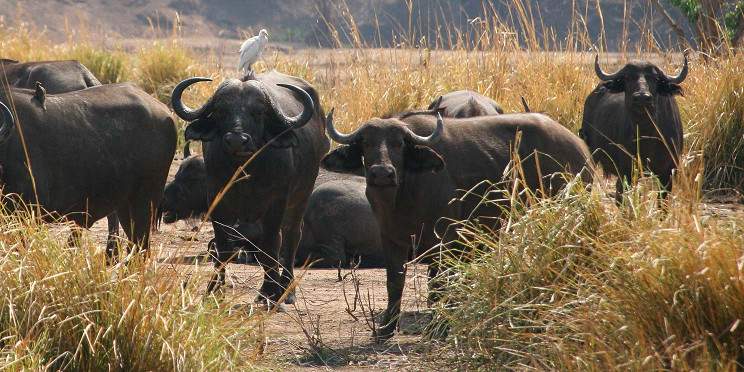
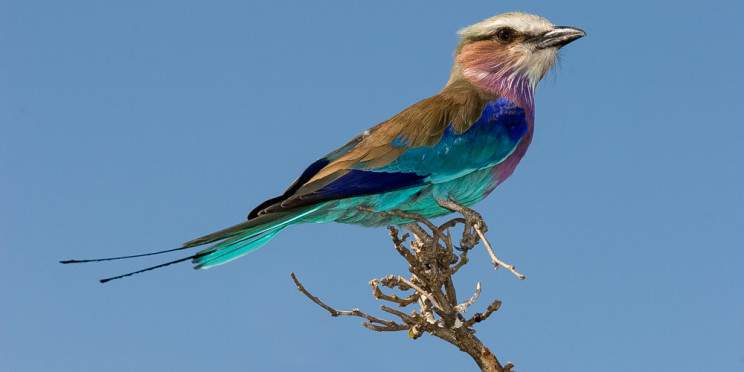
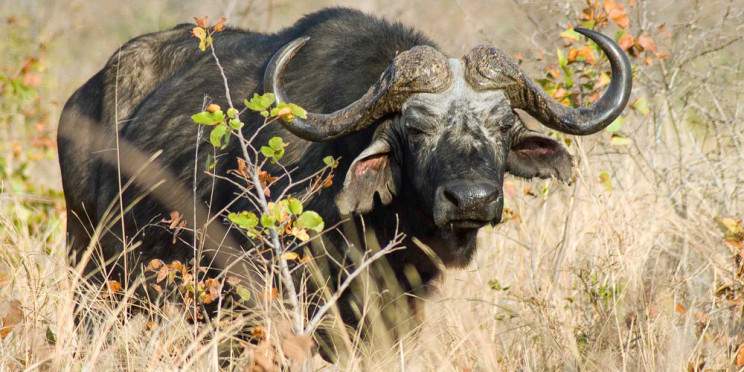
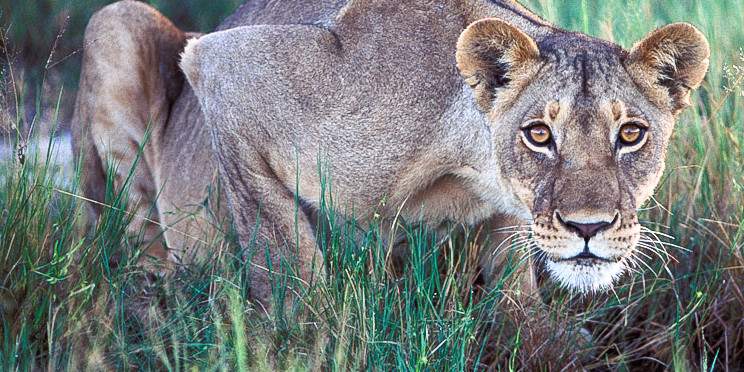
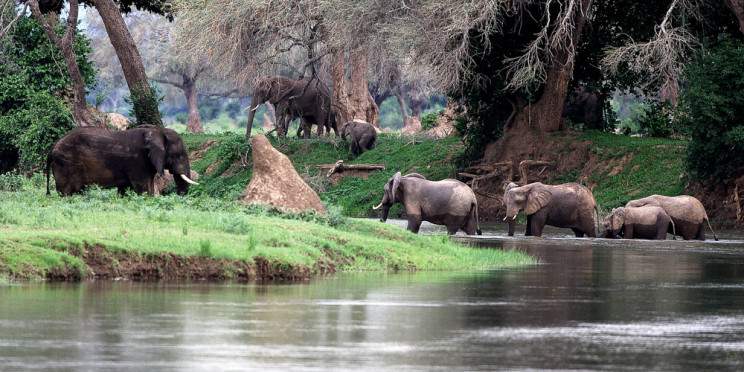
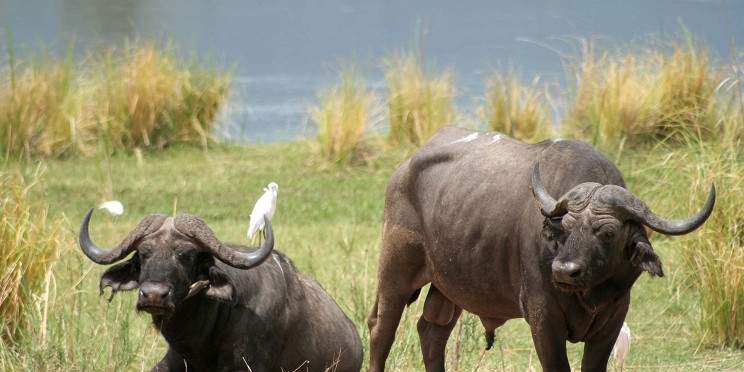
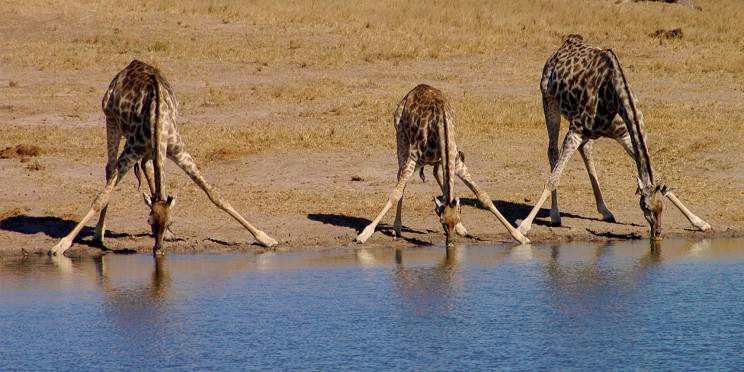
“The two main wildlife attractions of any Hwange safari are lion and elephant. But it’s not just about the attraction of seeing each of these two species. Hwange is also one of the few parks in Africa where lions are known to hunt young elephants, particularly late in the Dry season (i.e. September and October). As you explore this fabulous park with its light woodlands, salt pans (flat expanses of ground covered with salt and other minerals) and waterholes (pools of water where animals come to drink), you also have a chance of seeing leopard, cheetah, sable and roan antelope, greater kudu, buffalo, giraffe, zebra, gemsbok, hippo and more. If you’re very lucky, you might even see a pack of African wild dogs. An essential part of the Hwange wildlife experience is the birding. The park has almost 500 different bird species recorded.”
1How many days are recommended for a Hwange safari?
“The longer you can spend in Hwange on your trip, the better your safari will be, but an ideal minimum would be 3 full days in the park. If you’re able to spend more time here – a week or 10 days, for example – do so. In 3 days, you could really get to know one of the areas of the park. With a week or 10 days at your disposal, you could explore the entire park without hurrying. And with each extra day you spend here, the better your chances of seeing something special. When looking at the various tours and packages for your holiday, remember that to enjoy 3 full days in the park itself, you’ll need to choose a 5-day safari. That’s because transfers are included in the overall number of days you have on safari. For example, on a 3-day safari, you will travel to the park on day 1 and leave the park on day 3 to return or continue your onward journey, leaving just 2 nights and 1 full day in the park.”
2Is Victoria Falls easily combined with Hwange National Park?
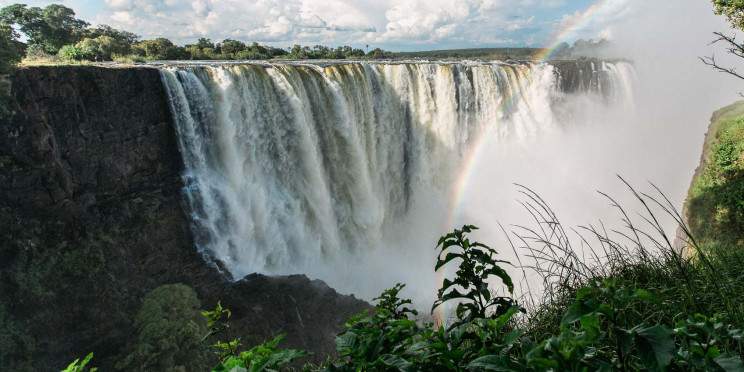
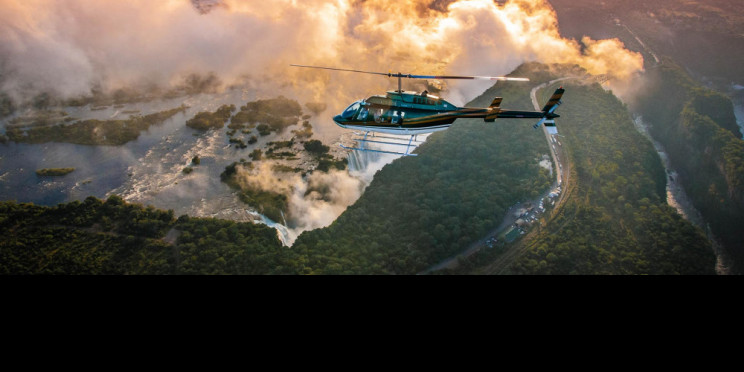
“Yes, it’s very easy to combine a Hwange safari with a visit to Victoria Falls. Because so many people visit Vic Falls, lots of operators offer tours that combine the two destinations, meaning you should have plenty of choice and a number of different options. The different possibilities also help to keep prices down. And if you’re visiting Victoria Falls from the Zimbabwean side, you don’t need to worry about border crossings or additional visas. Traveling from the Zimbabwean side of Vic Falls to Hwange by road, expect a journey of around 180km/112mi to the main gate. The road is heavily potholed in parts so allow three hours. Be aware that Hwange is very big, so it may take an hour or two longer to get to where you’re going inside the park itself. Flying between Vic Falls and Hwange is quicker than driving, but also more expensive.”
3What is the best time to visit Hwange National Park?
“The middle and end of the Dry season (July to October) is the best time to visit Hwange. This is when you can expect clear skies, mild temperatures and cooler evenings, which are the perfect conditions for a safari. The dry weather also ensures that the park’s unpaved tracks are easy to travel on, and there’s little chance that rain will disrupt your safari. Best of all, the dry weather makes it easier to see and find wildlife, because the animals are drawn to the few remaining water sources. The end of the Dry season is when you’re most likely to see elephants gather in their hundreds around waterholes. July to October are also the busiest and most expensive high season months (along with June). The Wet season runs from November to March. Rain is always possible during these summer months, driving conditions can be more difficult off the main roads, and some lodges and tented camps close altogether. The rainy season is, however, the best time of year for birding. This is because most migratory bird species (birds that undertake a seasonal migration every year) from Eurasia and North Africa arrive in large numbers in November and stay until April. During the Wet season, the park is also lovely and green, and prices for accommodations are lower.”
4Are night drives or walking safaris available in Hwange National Park?
“Walking safaris are possible in Hwange, but night drives (evening drives into the bush to see animals that are active at night) are only permitted on the private concessions that lie just outside the park’s boundaries. Many lodges and camps offer walking safaris, both inside the national park and on surrounding private concession lands. Walking through wild Hwange is a thrilling experience. You’ll walk with a guide and an armed guard to keep you safe in case an animal attacks, although this is extremely rare. Walking through country where lions and other predators live certainly helps you to pay attention to your surroundings. Night drives are not allowed inside the park, but you should be able to go looking for nocturnal animals (ones that are active during the night) in the neighboring private concessions. This is done in an open-sided safari vehicle with a spotlight and is an excellent way to see animals that you’ll never see by day.”
5What does a Hwange safari cost?
“The wide range of different tours and packages you’ll have to choose from for your Hwange safari means that prices vary greatly. At the lower end of the market, a budget camping safari could begin at around US$100 to US$1250 per person per day; for this price you may end up helping out with tasks such as setting up and taking down tents, preparing meals and washing up afterwards. At the luxury end of the market, expect to pay at least US$5400 per person per day, although your all-inclusive safari could cost three times that. Always ask for a list of inclusions and exclusions whenever you’re planning a trip with a potential safari operator. Unless you’re on a self-drive safari, quoted prices should include transfers, park entry fees, game drives and most activities, guide, vehicle, accommodation (including any camping equipment), meals and most drinks.”
6Hwange Safari Reviews

Paul is a travel writer, author of the Bradt guidebook to Zimbabwe and is closely involved in promoting tourism to Zimbabwe.
Big Game Metropolis
Hwange, which is roughly half the size of Belgium, is Zimbabwe’s premier park, and one of Africa’s finest. It also offers an excellent, uncrowded, wildlife experience. And with 108 species, it has one of the highest mammal diversities...

Lizzie authored many guidebooks, including Footprint guides to South Africa, Namibia, Kenya, Tanzania, Uganda and Zimbabwe.
A Wildlife Extravaganza in an Easy Game-Viewing Landscape
Hwange is Zimbabwe’s answer to a typical African game reserve: unspoiled bush teeming with all the animals people expect to see on safari. But because of the relative lack of visitors in recent years, it’s without the normal...
 CA
CA
An amazing experience with an opportunity to get so close to the wildlife... the road from Victoria Falls needs lots of repair work to make the trip even more enjoyable... work appears to be happening now... so important for this to be...
Hwange National Park is a breathtakingly beautiful haven, teeming with diverse wildlife
I recently visited Hwange National Park and had an unforgettable experience! The park's vast wilderness and diverse wildlife left me in awe, with majestic elephants, lions, antelopes, and vibrant birdlife making every game drive a thrilling...
 DE
DE
We were lucky enough on our first game drive, to be able to follow a lion as it tracked, caught, and killed an injured baby buffalo. Also, there were not very many jeeps underway at the Park, so we often had the feeling that we had the Park...
Would've given Hwange 5 stars, however we did not see any elephants which was highly disappointing since the park is known for the highest elephant population in Africa. What we did see was lovely, but the park is very wooded (not a lot of...