
Tour Length
Rates in USD $ – Change Currency
Per person, excl. international flightsOperator Rating
Other Tour Features
Filter by Operator
Filter by Accommodation
Lake Malawi Holidays - Compare 50 Packages
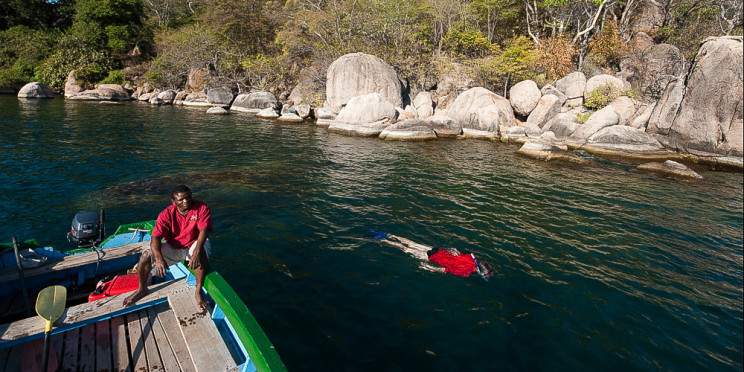
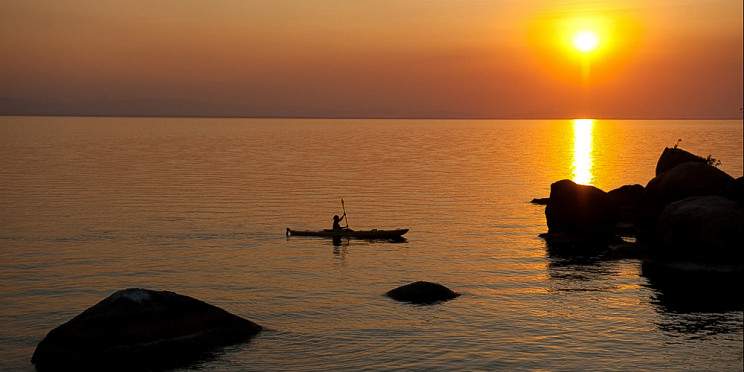
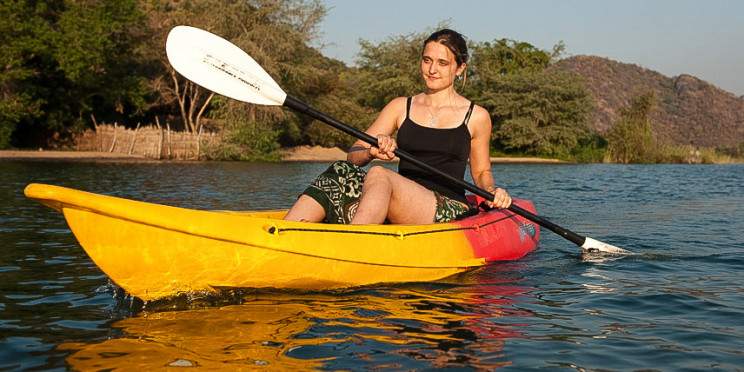
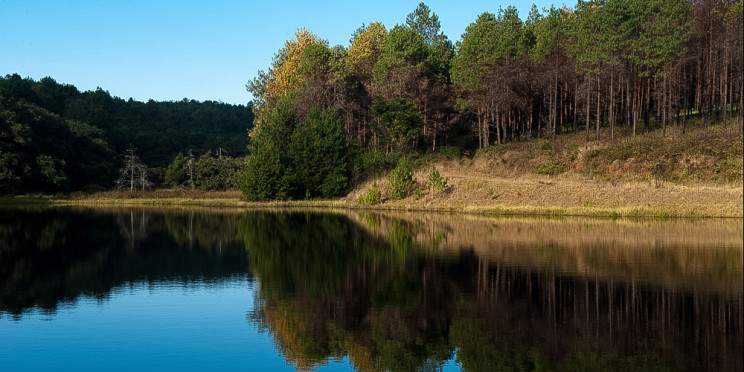
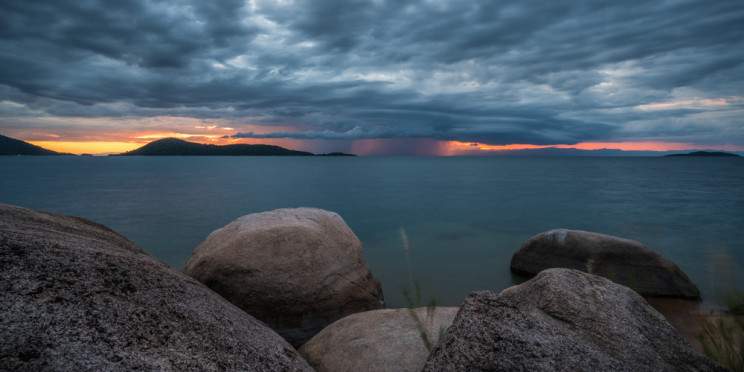
Everybody who visits Lake Malawi agrees that it’s one of the most beautiful places they’ve ever been. Also known as the ‘Lake of Stars’, this vast inland sea boasts a gorgeous shoreline of sandy beaches shaded by palm and baobab trees, all towered over by the majestic cliffs of the Rift Valley. Unsurprisingly, the lake is also the touristic centerpiece of Malawi, a country widely known as the ‘Warm Heart of Africa’ thanks to its friendly people and relaxed vibe. And while tourism to Malawi was once dominated by a lively backpacker scene, the lake today is also serviced by some stunning five-star boutique lodges, while adventure activities include kayaking, snorkeling and scuba diving courses.
-

11-Day Malawi's Finest
$4,235 pp (USD)
Malawi: Private tour
Mid-range Tented Camp & Guest HouseYou Visit: Blantyre (Start), Zomba Plateau, Liwonde NP, Mumbo Island (Lake Malawi), Cape Maclear (Lake Malawi), Lilongwe (City), Lilongwe Airport (End)

Quest Lodges and Safari
5.0/5 – 7 Reviews

-

5-Day From Wilderness to Waterfront Malawi Adventure
$2,365 pp (USD)
Malawi: Private tourLuxuryLodge & Resort
You Visit: Lilongwe (Start), Liwonde NP, Lake Malawi, Blantyre (City), Chileka Airport (End)

Baseline Travel
5.0/5 – 3 Reviews
-

11-Day Malawi Family Safari & Lake Adventure
$4,513 to $4,739 pp (USD)
Malawi: Private tour
Mid-range Lodge & ResortYou Visit: Blantyre (Start), Zomba Plateau, Liwonde NP, Lake Malawi, Lilongwe (End)

Journey Africa
-

7-Day Explore Wildlife, Lake Malawi and Culture
$3,245 pp (USD)
Malawi: Private tour
Mid-range Lodge & Tented CampYou Visit: Blantyre (Start), Majete WR, Thyolo District, Cape Maclear (Lake Malawi), Lake Malawi, Lilongwe (End)

Henry Tours and Safaris
4.8/5 – 12 Reviews
-
![4-Day Liwonde National Park and Lake Malawi]()
4-Day Liwonde National Park and Lake Malawi
$1,045 pp (USD)
Malawi: Shared tour (max 5 people per group)BudgetCamping & Lodge
You Visit: Lilongwe (Start), Liwonde NP, Cape Maclear (Lake Malawi), Lilongwe (End)

Barefoot Lodge And Safaris
-
![13-Day Group Tour Lake Malawi Wildlife and Culture]()
13-Day Group Tour Lake Malawi Wildlife and Culture
$3,000 pp (USD)
Malawi: Shared tour (max 18 people per vehicle)
Mid-range Lodge & HotelYou Visit: Lilongwe (Start), Cape Maclear (Lake Malawi), Liwonde NP, Zomba Plateau, Mt Mulanje, Chileka Airport (End)
Quest Lodges and Safari
5.0/5 – 7 Reviews
-
![7-Day Malawi Wildheart Expedition Safari]()
7-Day Malawi Wildheart Expedition Safari
$3,685 pp (USD)
Malawi: Private tour
Mid-range Lodge & Tented CampYou Visit: Blantyre (Start), Liwonde NP, Lake Malawi, Nkhotakota WR, Lilongwe (End)
Baseline Travel
5.0/5 – 3 Reviews
-
![12-Day Malawi in Depth, Safari, Highlands & Lake]()
12-Day Malawi in Depth, Safari, Highlands & Lake
$7,299 to $8,298 pp (USD)
Malawi: Private tourLuxuryLodge & Tented Camp
You Visit: Blantyre (Start), Majete WR, Thyolo District, Zomba Plateau, Liwonde NP, Lake Malawi, Lilongwe (End)
Journey Africa
-
![11-Day Ultimate Malawi]()
11-Day Ultimate Malawi
$8,800 pp (USD)
Malawi: Private tour
Mid-range Lodge & Tented CampYou Visit: Lilongwe (Start), Nkhotakota WR, Lake Malawi, Liwonde NP, Majete WR, Lilongwe (End)
Henry Tours and Safaris
4.8/5 – 12 Reviews
-
![8-Day Ultimate Malawi Game and Nature Safari]()
8-Day Ultimate Malawi Game and Nature Safari
$4,620 to $5,280 pp (USD)
Malawi: Private tour
Mid-range Lodge & Tented CampYou Visit: Lilongwe (Start), Liwonde NP, Senga Bay (Lake Malawi), Lilongwe Airport (End)
Quest Lodges and Safari
5.0/5 – 7 Reviews
-
![7-Day Luxury Tour in Malawi]()
7-Day Luxury Tour in Malawi
$3,850 pp (USD)
Malawi: Private tourLuxuryLodge & Hotel
You Visit: Lilongwe (Start), Nkhotakota WR, Nankoma Island (Lake Malawi), Lilongwe Airport (End)
Baseline Travel
5.0/5 – 3 Reviews
-
![11-Day Malawi Wildlife, Highlands & Lake Adventure]()
11-Day Malawi Wildlife, Highlands & Lake Adventure
$5,060 to $5,315 pp (USD)
Malawi: Private tour
Mid-range Lodge & Tented CampYou Visit: Blantyre (Start), Majete WR, Zomba Plateau, Liwonde NP, Mumbo Island (Lake Malawi), Lilongwe (End)
Journey Africa
-
![8-Day Explore Blantyre with Its Hidden Gems]()
8-Day Explore Blantyre with Its Hidden Gems
$4,620 pp (USD)
Malawi: Private tour
Mid-range Lodge & Tented CampYou Visit: Blantyre (Start), Majete WR, Zomba Plateau, Lake Malawi, Liwonde NP, Blantyre (End)
Henry Tours and Safaris
4.8/5 – 12 Reviews
-
![12-Day All Women Group Tour]()
12-Day All Women Group Tour
$4,950 pp (USD)
Malawi: Shared tour (max 6 people per vehicle)
Mid-range Lodge & HotelYou Visit: Lilongwe (Start), Dzalanyama FR, Cape Maclear (Lake Malawi), Liwonde NP, Zomba Plateau, Blantyre (End)
Quest Lodges and Safari
5.0/5 – 7 Reviews
-
![10-Day Malawi Family Road Trip]()
10-Day Malawi Family Road Trip
$10,395 pp (USD)
Malawi: Private tour
Mid-range Lodge & ResortYou Visit: Blantyre (Start), Cape Maclear (Lake Malawi), Liwonde NP, Zomba Plateau, Nyika NP, Blantyre (End)
Baseline Travel
5.0/5 – 3 Reviews
-
![7-Day Malawi Luxury Safari]()
7-Day Malawi Luxury Safari
$7,040 pp (USD)
Malawi: Private tourLuxuryLodge & Hotel
You Visit: Lilongwe (Start), Nkhotakota WR, Lake Malawi, Lilongwe (End)
Henry Tours and Safaris
4.8/5 – 12 Reviews
-
![9-Day Malawi Cultural Village, Lake and Wilderness]()
9-Day Malawi Cultural Village, Lake and Wilderness
$4,290 pp (USD)
Malawi: Private tourLuxuryLodge & Tented Camp
You Visit: Lilongwe (Start), Cape Maclear (Lake Malawi), Liwonde NP, Zomba Plateau, Blantyre (End)
Quest Lodges and Safari
5.0/5 – 7 Reviews
-
![5-Day Malawi Safari -Beach Experience]()
5-Day Malawi Safari -Beach Experience
$2,750 pp (USD)
Malawi: Private tour
Mid-range Lodge & ResortYou Visit: Blantyre (Start), Liwonde NP, Cape Maclear (Lake Malawi), Blantyre (End)
Baseline Travel
5.0/5 – 3 Reviews
-
![13-Day Discover the Luxury Beauty of Malawi]()
13-Day Discover the Luxury Beauty of Malawi
$12,650 pp (USD)
Malawi: Private tourLuxuryLodge & Tented Camp
You Visit: Blantyre (Start), Majete WR, Liwonde NP, Cape Maclear (Lake Malawi), Lilongwe (City), Lilongwe Airport (End)
Henry Tours and Safaris
4.8/5 – 12 Reviews
-
![13-Day The Best of Malawi]()
13-Day The Best of Malawi
$6,600 pp (USD)
Malawi: Private tour
Mid-range Lodge & Tented CampYou Visit: Blantyre (Start), Majete WR, Thyolo Mts, Zomba Plateau, Liwonde NP, Mumbo Island (Lake Malawi), Nankoma Island (Lake Malawi), Lilongwe Airport (End)
Quest Lodges and Safari
5.0/5 – 7 Reviews



6 Questions About Lake Malawi Tours

Answered by
Philip Briggs
Philip Briggs is the Africa-specialized travel writer of the Bradt guide to Malawi, which was first published in 1996 and is now in its 9th edition. He has visited Malawi on numerous occasions to research various editions of the Bradt guide and to lead tours.› More about Philip
6 Questions About Lake Malawi Tours
 Philip Briggs
Just how big is Lake Malawi?
“The statistics are thoroughly impressive. Lake Malawi extends across 29,600km²/11,400mi², making it comparable in area to Belgium and significantly larger than Israel or Rwanda. It ranks as the third-largest lake in Africa and ninth-largest in the world by surface area, and the second-largest in Africa and fifth-largest in the world by volume. Lake Malawi is also unusually long and deep. With a snake-like shape dictated by the contours of the Rift Valley, it measures 560km/350mi from north to south, but is nowhere more than 75km/47mi wide. The maximum depth is 706m/2,316ft, meaning it extends to 238m/780ft below sea level.”
1Which are the best beaches to visit on a Lake Malawi holiday?
“Lake Malawi is lined with any number of picturesque palm-shaded beaches, and the most suitable base for a vacation will depend to some extent on your taste and budget. A popular choice with budget travelers looking for a happening beach scene is Nkhata Bay, an immensely likable and scenic small town that forms a great base for kayaking and diving. A more upmarket option for sociable travelers is Cape Maclear, which borders Lake Malawi National Park and has a wonderful location overlooking a wide bay studded with rocky islands. For those seeking a more peaceful beach retreat, favorites include Chitimba Beach, with its magnificent location at the base of the Rift Valley cliffs, and the sleepy islands of Likoma and Chizumulu.”
2Is Lake Malawi a national park?
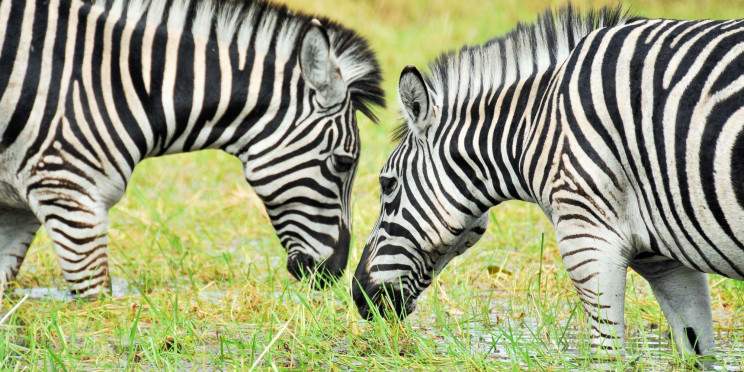
“Most of Lake Malawi is not accorded any official protection. The one exception is the 94km²/37mi² Lake Malawi National Park, which lies on the southern lakeshore close to Cape Maclear and was inscribed as a Unesco World Heritage Site in 1984. The terrestrial part of this park is home to zebras, hyraxes, baboons and a variety of antelope, while the aquatic portion includes some superb diving and snorkeling sites, including Otter Point and Tumbi Island West.”
3What wildlife can I see at Lake Malawi?
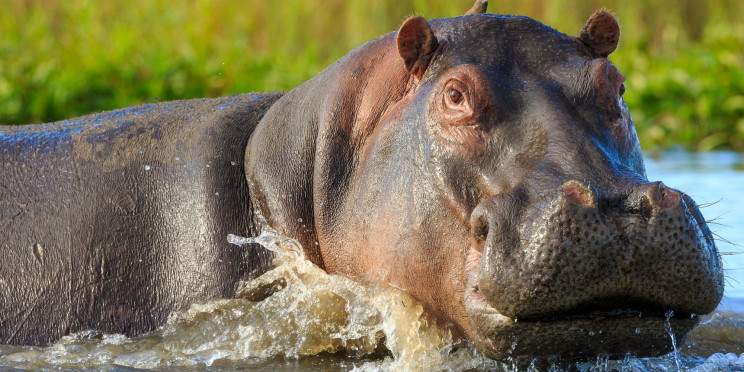
“With the exception of Lake Malawi National Park, the lake supports a limited variety of wildlife. That said, hippos are residents in certain areas, and it is one of the best places anywhere in Africa to see otters in aquatic action. A less obvious wildlife attraction is the lake’s incredible fish diversity. This includes an estimated 850 species of cichlid, many of which are very colorful and easily seen on snorkeling trips. Finally, there is the prominent birdlife, which includes colorful weavers, bobbing waterfowls and the iconic African fish eagle, pairs of which are often heard duetting in lakeside trees.”
4Is Lake Malawi easily combined with a safari?
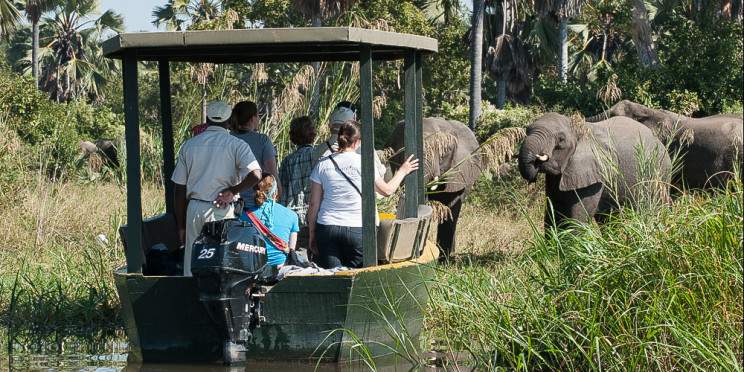
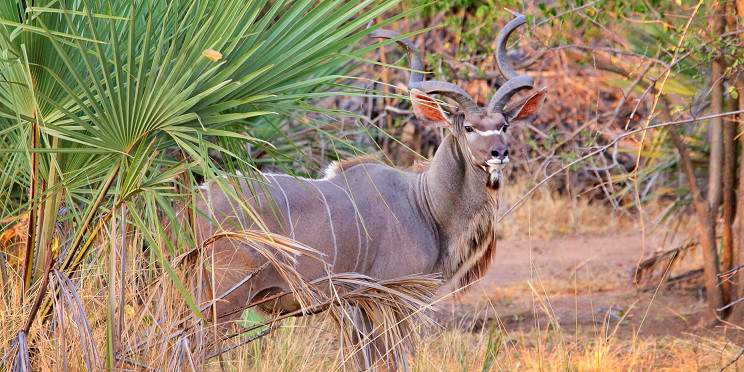
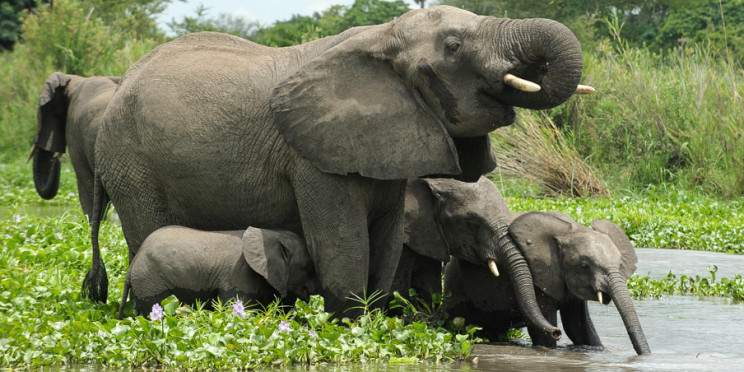
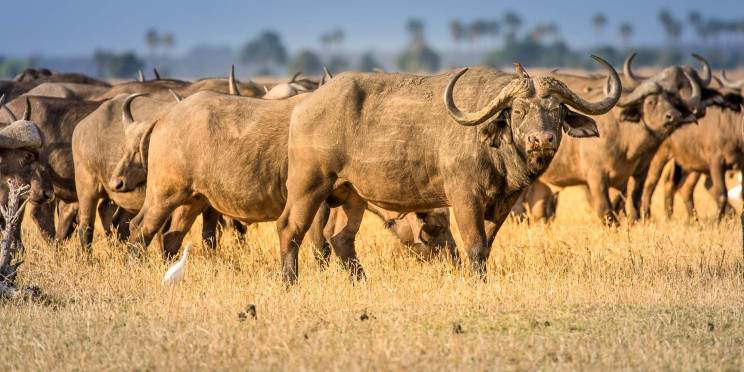
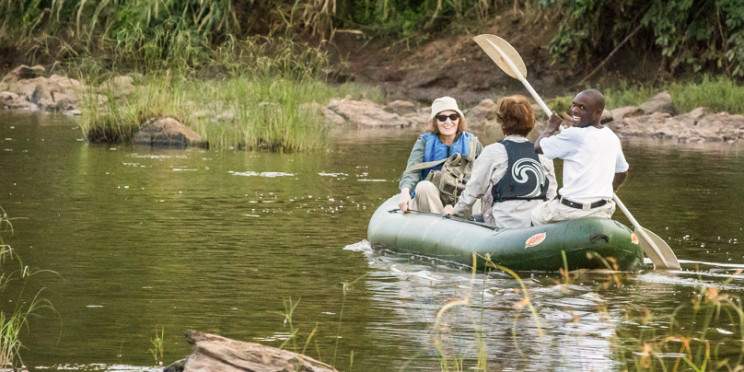
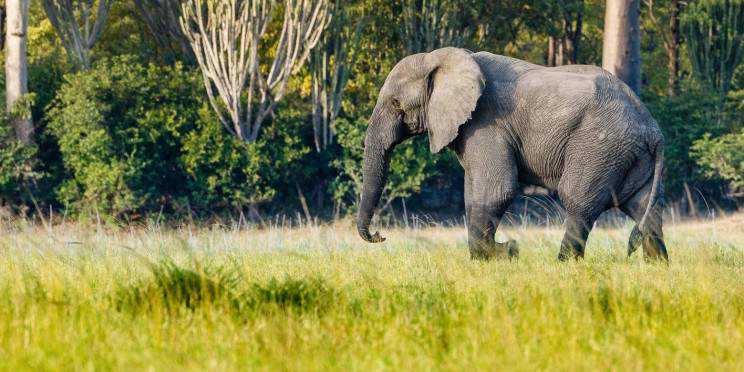
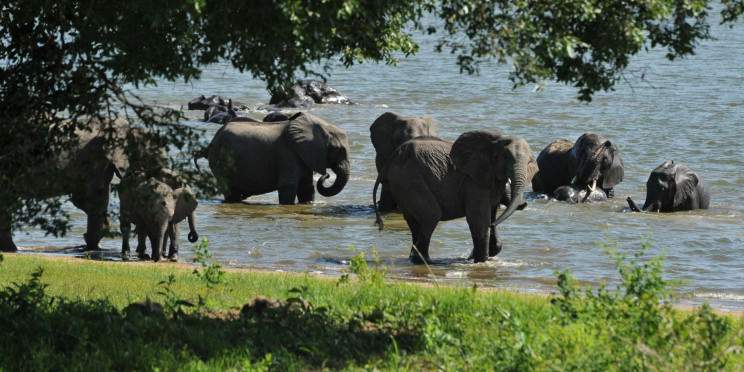
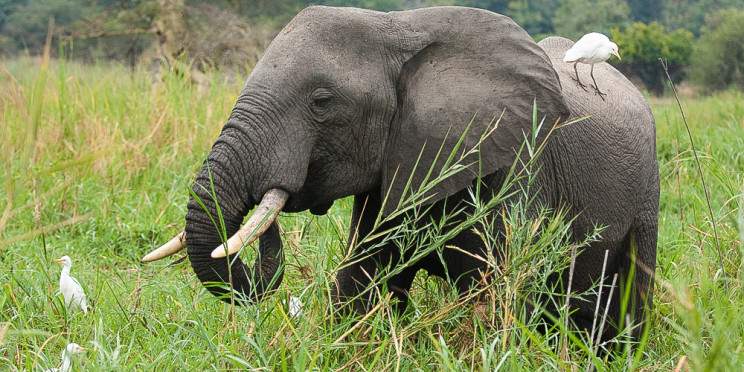
“Yes. It is easy to combine a Lake Malawi holiday with a safari package to one of the country’s parks. Most convenient is Liwonde National Park, which lies on the Shire River a short distance south of where it exits Lake Malawi via Lake Malombe. Liwonde has long offered excellent boat safaris on a wild stretch of river populated by large numbers of hippo, elephants and waterbirds. Following an extensive recent program of reintroductions, it is now home to all the Big Five (rhino, elephant, buffalo, leopard and lion), along with cheetah, African wild dog and a varied range of antelope. Malawi’s other major safari destination is Majete Wildlife Reserve, which also lies alongside the Shire River, but is farther from the lake than Liwonde. One of Africa’s most encouraging recent conservation success stories, Majete has been transformed from a half-forgotten tract of poached-out wilderness to a superb safari destination. All the Big Five might be seen here, while other wildlife includes cheetah, African wild dog and an unusually wide variety of antelope including nyala and sable. Other options worth considering include mountainous Nyika National Park and nearby Vwaza Marsh Wildlife Reserve. Southern Africa’s extensive network of regional flights means that it is also possible to include a visit to Lake Malawi and a safari farther afield on the same tour package. Zambia’s excellent South Luangwa National Park is very close to Malawi, and combines with it well, but other options include Zimbabwe, Botswana or Namibia.”
5What is the best time of year to visit Lake Malawi?
“Lake Malawi can be visited at any time, but the months of May to October, which include the southern hemisphere winter months, are preferable for several reasons. Most importantly, this is the Dry season, which means you are less likely to have activities interrupted by rain, while reduced mosquito activity greatly lowers the risk of catching malaria. Assuming you will also be going on safari, the Dry season generally offers the best wildlife viewing, as animals gather around perennial watering spots, and wildlife-viewing roads are less likely to be muddy. Finally, most visitors prefer the relatively cool temperatures at this time of year to the intense heat and humidity of the southern summer (though do note that the end of the Dry season, starting late September into October, can become oppressively hot before the rains break in late October or November).”
6