
Tour Length
Rates in USD $ – Change Currency
Per person, excl. international flightsOperator Rating
Other Tour Features
Filter by Operator
Filter by Accommodation
Moremi Safari - Compare 131 Tours
The Okavango Delta is one of the best places in Africa to see wildlife. But few people realise that the only officially protected area of the Delta is Moremi Game Reserve. Moremi has everything that is good about the Delta, including stunning landscapes, an unmistakable feeling of wilderness and so many different safari animals. Parts of Moremi are some of the most accessible areas of the Delta, but, even so, it’s rarely crowded. It’s not unusual to find yourself alone at a lion kill, watching a cheetah on the hunt, or surrounded by elephants with no one else around. At such moments, you’ll wish that your holiday would never end.
-
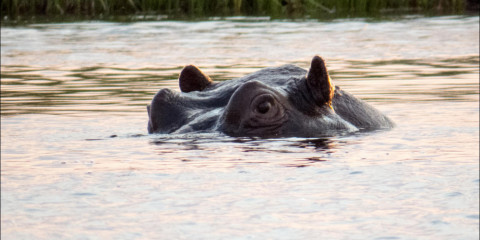
4-Day Okavango Delta Safari with Moremi Crossing
$2,775 to $3,950 pp (USD)
Botswana: Private tour
Mid-range Tented Bush CampYou Visit: Maun (Start), Moremi GR (Okavango Delta), Maun (End)
Indigo Safaris
4.8/5 – 235 Reviews

-
Best Seller

9-Day Into the Wild - Botswana Wilderness Explorer
$3,150 to $4,275 pp (USD)
Botswana: Private tour
Mid-range CampingYou Visit: Maun (Start), Mababe Concession, Moremi GR (Okavango Delta), Okavango Delta, Maun (End)
Safari Addicts
5.0/5 – 11 Reviews
-

7-Day Desert to Delta Expedition
$3,308 pp (USD)
Botswana: Shared tour (max 8 people per vehicle)BudgetCamping & Hotel
You Visit: Maun Airport (Start), Central Kalahari GR, Moremi GR (Okavango Delta), Okavango Delta, Maun (End)
Bush Baby Calls
3.1/5 – 38 Reviews
-
Best Seller

9-Day Best of Botswana Experience
$6,402 to $10,760 pp (USD)
Botswana: Private tourLuxuryLodge & Tented Camp
You Visit: Kasane (Start), Chobe Riverfront (Chobe NP), Chobe NP, Moremi GR (Okavango Delta), Okavango Delta, Maun (End)
Off2Africa Travel
5.0/5 – 238 Reviews
-

9-Day Chobe, Makgadikgadi, Okavango & Moremi
$6,550 to $10,865 pp (USD)
Botswana: Private tourLuxuryLodge & Tented Camp
You Visit: Kasane (Start), Chobe NP, Makgadikgadi Pans NP, Okavango Delta, Moremi GR (Okavango Delta), Maun Airport (End)
Discover Africa Safaris
4.9/5 – 593 Reviews
-
![7-Day Exceed Your Expectations About Nature]()
7-Day Exceed Your Expectations About Nature
$3,465 to $3,476 pp (USD)
Botswana & Zimbabwe: Shared tour (max 15 people per vehicle)BudgetCamping & Guest House
You Visit: Maun Airport (Start), Okavango Delta, Moremi GR (Okavango Delta), Savuti (Chobe NP), Chobe NP, Victoria Falls (End)
Tony Mobile Safari
5.0/5 – 97 Reviews
-
![7-Day Camping + Lodge Safari]()
7-Day Camping + Lodge Safari
$3,859 to $4,118 pp (USD)
Botswana & Zimbabwe: Private tour
Mid-range Camping & LodgeYou Visit: Victoria Falls (Start), Chobe River, Chobe NP, Moremi GR (Okavango Delta), Maun Airport (End)
Savanna Safaris and Tours
4.8/5 – 25 Reviews
-
![3-Day Moremi Game Reserve Wild Camping]()
3-Day Moremi Game Reserve Wild Camping
$1,294 to $1,328 pp (USD)
Botswana: Shared tour (max 8 people per vehicle)BudgetCamping
You Visit: Maun (Start), Moremi GR (Okavango Delta), Maun Airport (End)
Keya Botswana Travel Agency
5.0/5 – 32 Reviews
-
![10-Day Tented Mobile Camping Safari in Botswana& Zimbabwe]()
10-Day Tented Mobile Camping Safari in Botswana& Zimbabwe
$5,063 to $5,400 pp (USD)
Botswana & Zimbabwe: Private tourBudgetCamping & Hotel
You Visit: Victoria Falls (Start), Chobe NP, Savuti (Chobe NP), Khwai Concession (Okavango Delta), Moremi GR (Okavango Delta), Maun (End)
Africa Homeland Mobile Safaris
4.9/5 – 32 Reviews
-
![5-Day Moremi Hippo Tented Safari]()
5-Day Moremi Hippo Tented Safari
$1,800 pp (USD)
Botswana: Private tour
Mid-range CampingYou Visit: Maun (Start), Moremi GR (Okavango Delta), Maun (End)
Travel Creations Botswana
5.0/5 – 40 Reviews
-
![9-Day Incredible Journey]()
9-Day Incredible Journey
$6,131 to $10,348 pp (USD)
Botswana: Private tourLuxuryLodge & Tented Camp
You Visit: Maun (Start), Okavango Delta, Moremi GR (Okavango Delta), Savuti (Chobe NP), Maun (End)
Safari Online
5.0/5 – 145 Reviews
-
![5-Day Ultimate Safari in Moremi & Khwai]()
5-Day Ultimate Safari in Moremi & Khwai
$1,800 to $1,980 pp (USD)
Botswana: Private tour
Mid-range CampingYou Visit: Maun (Start), Moremi GR (Okavango Delta), Khwai Concession (Okavango Delta), Maun (End)
Safari Horizons
4.6/5 – 5 Reviews
-
4-Day Boteti Tented Safari Lodge
$1,340 to $1,407 pp (USD)
Botswana: Shared tour (max 10 people per vehicle)LuxuryLodge
You Visit: Maun (Start), Okavango Delta, Moremi GR (Okavango Delta), Maun Airport (End)
MoAfrika Tours
4.9/5 – 5,309 Reviews
-
7-Day Botswana Mobile Safari - Moremi Expedition
$3,038 to $3,713 pp (USD)
Botswana: Shared tour (max 6 people per vehicle)BudgetCamping
You Visit: Maun (Start), Moremi GR (Okavango Delta), Maun (End)
Kingfisher Safaris
5.0/5 – 75 Reviews
-
![4-Day Moremi Wildlife & Game Drive Safari]()
4-Day Moremi Wildlife & Game Drive Safari
$1,735 pp (USD)
Botswana: Shared tour (max 9 people per vehicle)
Mid-range CampingYou Visit: Maun (Start), Moremi GR (Okavango Delta), Maun Airport (End)
Wild Spirit Travel
4.9/5 – 9 Reviews
-
![10-Day Best of Africa Safari Victoria Falls to Delta]()
10-Day Best of Africa Safari Victoria Falls to Delta
$5,963 pp (USD)
Botswana, Zambia & Zimbabwe: Private tour
Mid-range Lodge & Tented CampYou Visit: Victoria Falls (Start), Chobe River, Chobe NP, Chobe FR (Chobe NP), Makgadikgadi Pans NP, Moremi GR (Okavango Delta), Okavango Delta, Maun (End)
Cheap Safaris
-
![8-Day Chobe NP, Elephant Sands, Okavango, Victoria Falls]()
8-Day Chobe NP, Elephant Sands, Okavango, Victoria Falls
$2,678 to $2,813 pp (USD)
Botswana & Zimbabwe: Shared tour (max 9 people per vehicle)
Mid-range Lodge & Tented CampYou Visit: Victoria Falls town (Start), Victoria Falls, Chobe NP, Elephant Sands, Okavango Delta, Moremi GR (Okavango Delta), Maun Airport (End)
Cuckoo Safaris
5.0/5 – 277 Reviews
-
![14-Day Hwange, Vicfalls, Chobe, Matobo, Makgad & Okavango]()
14-Day Hwange, Vicfalls, Chobe, Matobo, Makgad & Okavango
$6,525 pp (USD)
Botswana & Zimbabwe: Shared tour (max 9 people per vehicle)
Mid-range Lodge & Tented CampYou Visit: Victoria Falls Town (Start), Hwange NP, Zambezi River, Victoria Falls, Chobe NP, Elephant Sands, Matobo NP, Matobo Hills (Area), Moremi GR (Okavango Delta), Maun (City), Okavango Delta, Maun Airport (End)
Zambezi Quest Travel and Tours
4.9/5 – 41 Reviews
-
![1-Day Elephant Trail - Moremi]()
1-Day Elephant Trail - Moremi
$315 to $338 pp (USD)
Botswana: Day tourShared tour (max 8 people per vehicle)
You Visit: Maun (Start), Moremi GR (Okavango Delta), Maun (End)
Mosu Safari Tours
5.0/5 – 52 Reviews
-
![12-Day Hwange, Victoria Falls, Moremi to Okavango Delta]()
12-Day Hwange, Victoria Falls, Moremi to Okavango Delta
$5,113 pp (USD)
Botswana, Zambia & Zimbabwe: Shared tour (max 9 people per vehicle)
Mid-range Lodge & Tented CampYou Visit: Victoria Falls Town (Start), Hwange NP, Victoria Falls, Chobe River, Elephant Sands, Ntwetwe Pan (Makgadikgadi Pans NP), Maun (City), Okavango Delta, Moremi GR (Okavango Delta), Maun (End)
Rockfowl Safaris
4.9/5 – 55 Reviews


_1486113807.744x372-62.jpg)

6 Questions About Moremi Safaris

Answered by
Anthony Ham
Anthony is a writer and author of more than 150 Lonely Planet guidebooks, including ‘Botswana & Namibia’ and ‘Southern Africa’. He has written about Botswana and the wider region for magazines and newspapers around the world. He is also the author of ‘The Last Lions of Africa’.› More about Anthony
6 Questions About Moremi Safaris
 Anthony Ham
Which animals can I see in Moremi Game Reserve?
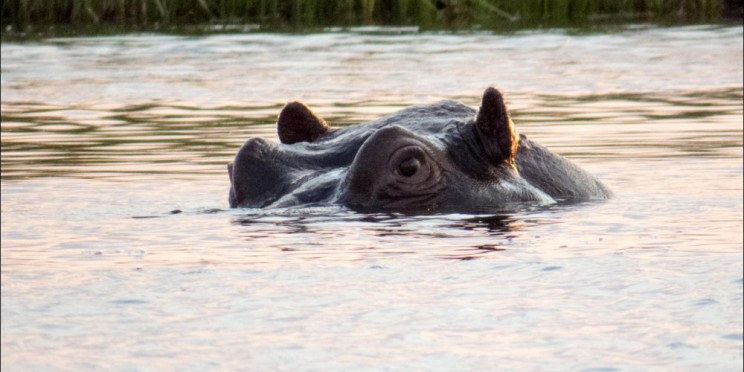
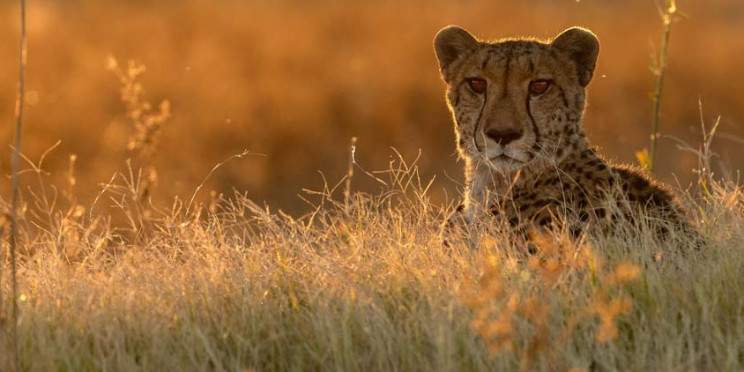
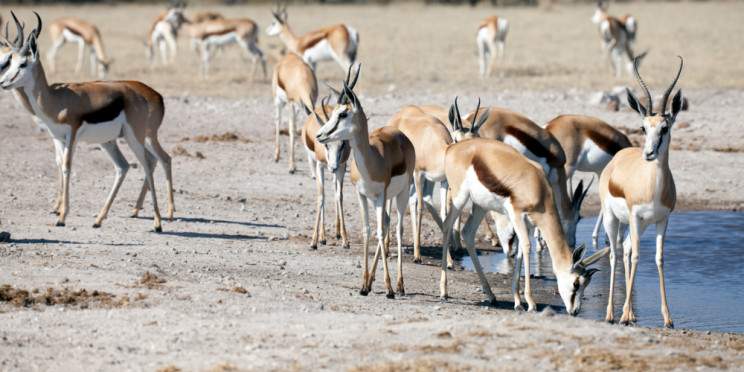
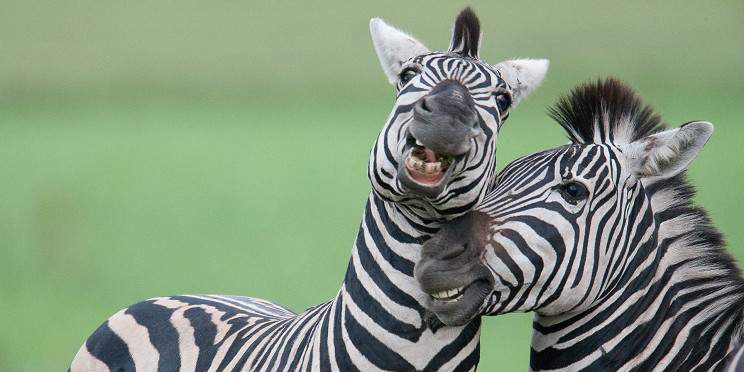
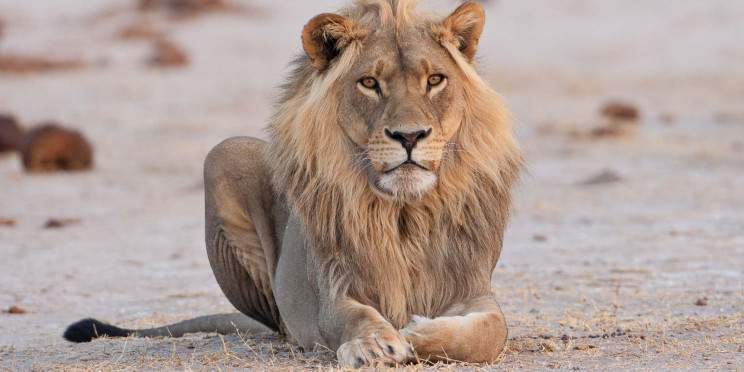
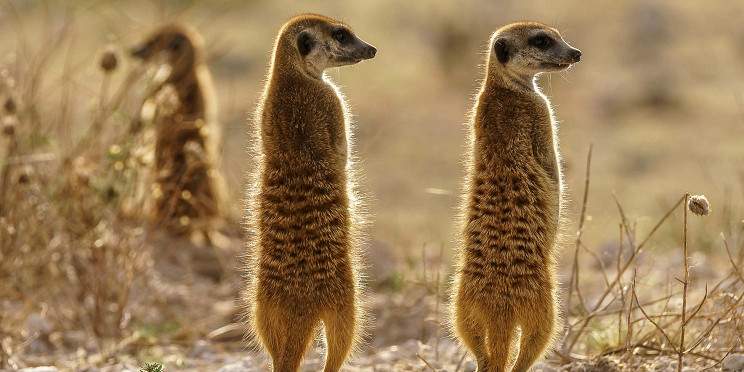
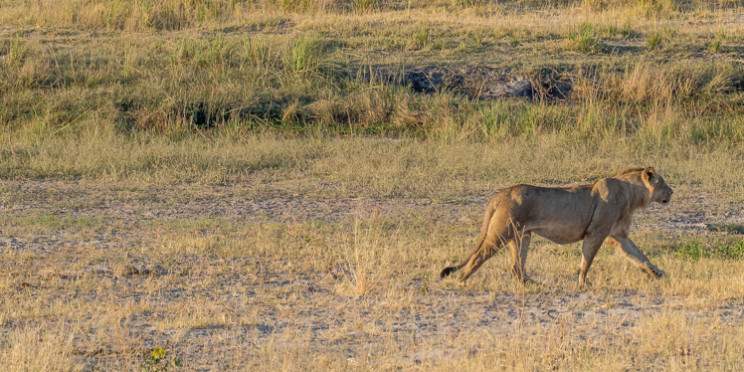
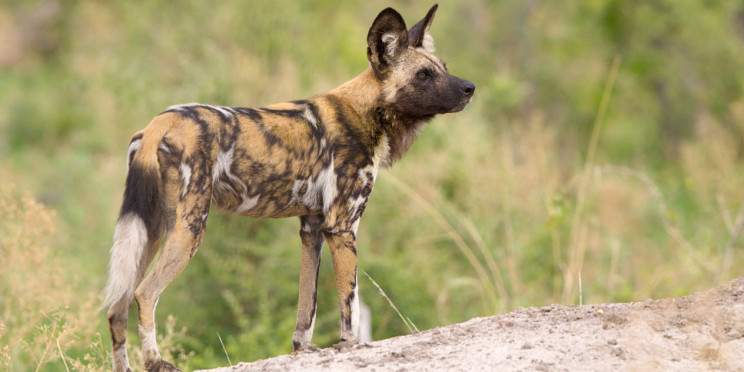
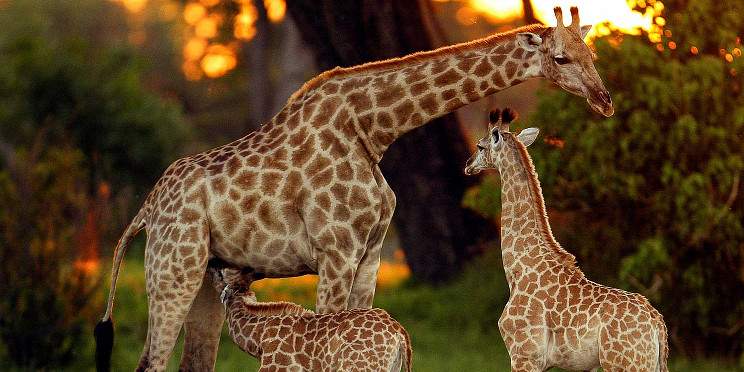
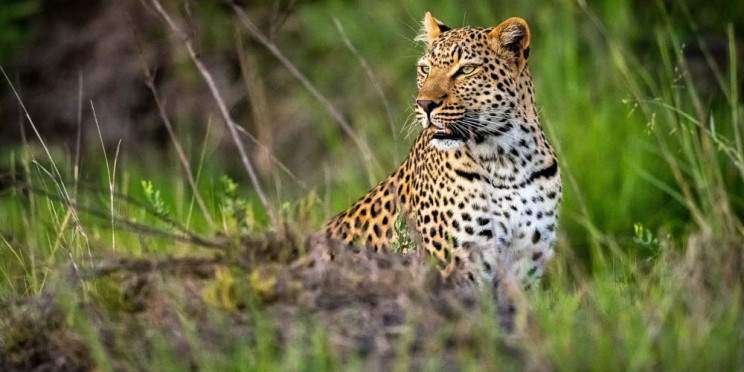
“Visiting Moremi Game Reserve gives you an excellent chance of seeing some of the most sought-after animals in southern Africa. When you’re talking about wild animals, it’s always unpredictable and nothing is ever guaranteed. But elephant, buffalo, giraffe, zebra, wildebeest, hippo and crocodile are very often seen on safari in Moremi, and your chances are especially good if you’re in the reserve for more than just a day or 2. Other rarer species you might see include red lechwe, sitatunga, sable and roan antelope, as well as spotted-necked and African clawless otters. Almost as often, predators are a highlight of any visit to Moremi. Big cats, especially lion and leopard, are always a possibility, and you could also see cheetah, African wild dog and spotted hyena. Your best moments on safari might be those encounters where predator and prey come together. Get your camera ready.”
1What is the best time of year for a Moremi safari?
“For seeing wildlife, July to October is the best time for visiting Moremi Game Reserve. These are some of the Dry season months and your chances of seeing animals get better the longer the Dry season progresses. With high water levels, these are also the best months for going on a mokoro (dugout canoe) trip: there should be no end of choice for exploring the channels of Moremi at this time. The only problem with visiting between July and October is that these are also the high season months, when safari trails are at their busiest and prices are high. May and, even better, June (both still Dry season months) can be a good compromise. If you’re a birder, consider visiting between November and April, when large numbers of migratory species (birds that undertake a seasonal migration every year) from Europe and North Africa spend time in the area. Remember, however, that conditions can be difficult (and many lodges and tented camps close) between January and March, making April a potentially good choice.”
2How many days are recommended for a safari at Moremi Game Reserve?
“The more time you can dedicate to your Moremi safari the better. You could visit in a couple of days, but this would include travel to and from the reserve, and allow for only 1 overnight stay. I consider a 3-day safari to be a minimum amount of time for tours here. With 3 days in total, you can enjoy 2 nights and 1 full day in the reserve. This means at least four game drives in the early morning or late afternoon (which are the best times to see animals, because this is when they are most active), or four mokoro trips, or, more likely, a combination of the two. Obviously, with each extra day you add, the more you increase your chances of seeing the animals that you came so far to view. Seeing wildlife is unpredictable, and with more days here you’ll really get to know the area and what it has to offer.”
3What sort of accommodations can I expect on a Moremi safari?
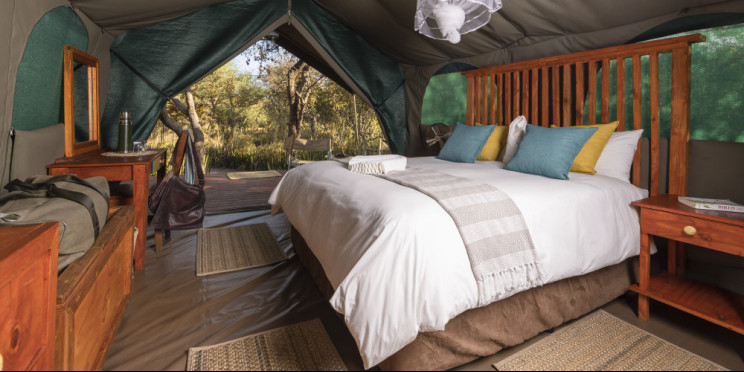
“Like everywhere in the Okavango Delta, accommodations in Moremi Game Reserve very often consist of exclusive, luxury lodges or, more often, tented camps. These camps vary in size and quality, but many that are available through high-end tours and packages have lounge and dining areas, and swimming pools. Guest rooms are often large with en suite and/or outdoor bathrooms, beautiful safari furnishings such as wooden chests and writing desks, and perhaps even a sofa. The rooms’ walls are made of canvas, so you can lie awake and listen for lions at night. Lodge rooms are similar, but instead of having canvas walls they are housed in sturdier, quieter structures (so you’re less likely to hear the wildlife). If you’re on a budget, you’ll probably stay in campgrounds with a shared shower and toilet block, fire pits (for campfires and cooking) and shaded campsites. Some may have simple tents with ground mattresses, although your operator will usually bring all of the necessary equipment.”
4Which areas, such as Khwai Concession, Xakanaxa or Third Bridge, offer the best wildlife sightings?
“All three of these areas have fantastic wildlife possibilities and it is impossible to say which is better. All have the full portfolio of Moremi’s wonderful wildlife. As a community concession adjacent to Moremi, Khwai Concession tends to be a little quieter (in terms of other vehicles, not wildlife) than the others. Xakanaxa has its own lagoon, which is famous for birdlife. And Third Bridge is where you hope to see lions crossing that bridge. But on a good day, all three places can offer big cats, elephants, buffalo and so much more. Rather than choose one of these places, why not visit all three?”
5How much does a Moremi safari cost?
“Tours and packages for Moremi safaris usually start at around US$100 to US$150 per person per day. This will usually involve a budget camping safari and, at the lower end of the price spectrum, you may need to help out around camp with cleaning up, cooking, and putting up and taking down tents. At the other end of the price scale, a luxury Moremi safari could start at around US$450 per person per day, but could easily cost three times that if you’re traveling in high season on a private safari (where you get a guide, driver and vehicle all for yourself, but you’ll also have to pay for it all); group and self-drive safaris are generally cheaper. Always make sure you understand what is included in the quoted price for any safari. Unless you’re on a self-drive safari, quoted daily costs should include transfers, reserve entry fees (US$11/5.50 per adult/child per day), driver, guide, vehicle, two game drives or mokoro trips a day, and all meals and accommodation (including camping equipment if needed).”
6Moremi Safari Reviews

Emma is an award-winning travel writer for Rough Guides, National Geographic Traveller, Travel Africa magazine and The Independent.
Quintessential Safaris on the Edge of the Delta
Lying along the northeastern edge of the Okavango Delta, this reserve offers visitors a taste of Botswana’s magical floodlands during July and August, and the chance to take part in superb land-based activities at other times. I love the...
Anthony is a photographer and writer for travel magazines and Lonely Planet, including the guides to Kenya and Botswana & Namibia.
The Okavango’s Park
Moremi Game Reserve is the Okavango Delta’s most accessible corner and one of the most rewarding wildlife areas in Africa. It’s possible to see the Big Five here, although the recently reintroduced rhino is present only in small...
Though the road is terribly bumpy the wildlife experience makes it all worth it. Seeing animals in their natural habitat was so cool and the guides know the trails like the back of their hands. The coordination between the different guides...
 PL
PL
We have seen leopards, cheetahs, lions, buffaloes (quite large herds), lots (!) of elephants, warthogs, herds of antelopes (different species), hippos in the water and grazing, crocodiles, wild dogs and many, many more animals; wild nature.
We saw some nice heards of Red Lechwe and quite a few tsessebe, hippos, wildebeest, giraffe, zebra, warthogs, elephants, lots of bird life. We did not find the area teaming with game and we didn’t see any cats. It was a new area to us so...
Nothing Beats The Kruger
The Kruger National park offers the best bushveld experience. We stayed in Pretoriuskop with scenic drives towards Skukuza and picnics overlooking the Sabie river. We saw many elephant, they are abundant in the area, we also spotted cheetah...