
Tour Length
Rates in USD $ – Change Currency
Per person, excl. international flightsOperator Rating
Other Tour Features
Filter by Operator
Filter by Accommodation
Samburu Safari - Compare 292 Tours
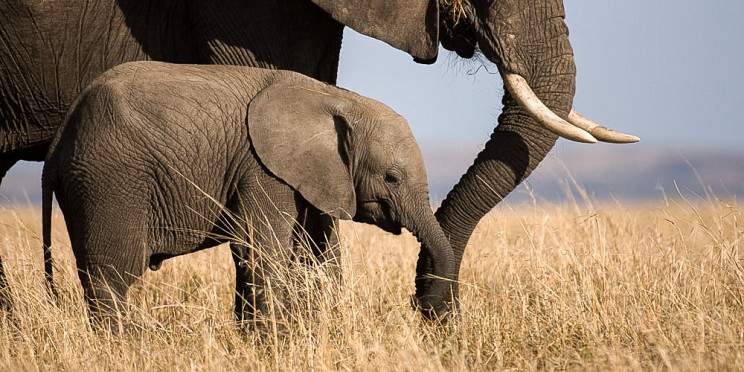
Less well known than Kenya’s other world-class safari destinations, Samburu National Reserve is an outpost of stunning landscapes and distinctive wildlife, all bathed in the clear light of Kenya’s north. Along with the Shaba and Buffalo Springs National Reserves, Samburu is part of a tightly woven collection of parks and reserves strung out along the Ewaso Nyiro River. All three destinations share an ecosystem filled with top-notch wildlife, including many species you can only find in the north. Combine this with sunset views on the river, with elephants and palm trees and the most glorious light, and it really is worth the long journey to get here.
-

6-Day Northern Kenya Mid-Range Safari
$3,263 pp (USD)
Kenya: Private tour
Mid-range LodgeYou Visit: Nairobi (Start), Isiolo (Town), Samburu NR, Maralal Sanctuary (Wildlife Sanctuary), Nairobi (End)

Drones Africa Safaris
4.9/5 – 26 Reviews

-

7-Day Northern Kenya to the Great Rift Valley Adventure
$3,973 to $4,704 pp (USD)
Kenya: Private tourLuxuryLodge & Tented Camp
You Visit: Nairobi (Start), Samburu NR, Ol Pejeta Conservancy (Laikipia Plateau), Lake Nakuru NP, Masai Mara NR, Nairobi (End)

Salina Wild Adventures
4.8/5 – 60 Reviews
-

8-Day Mind Blowing Wildlife Adventure in Luxury Camps
$5,471 to $6,752 pp (USD)
Kenya: Private tourLuxuryLodge & Tented Camp
You Visit: Nairobi (Start), Samburu NR, Ol Pejeta Conservancy (Laikipia Plateau), Lake Nakuru NP, Masai Mara NR, Nairobi (End)
Jamlan Holiday Safaris
4.9/5 – 50 Reviews
-
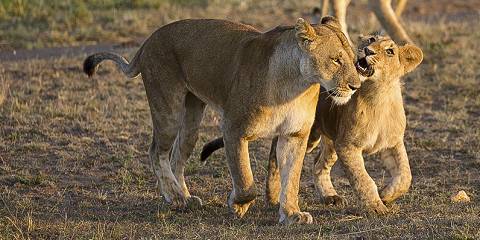
6-Day Outstanding Wilderness Safari
$3,504 to $4,294 pp (USD)
Kenya: Private tourLuxuryTented Camp
You Visit: Nairobi (Start), Samburu NR, Lake Nakuru NP, Masai Mara NR, Nairobi (End)
Fabrics of Adventure Safaris
5.0/5 – 68 Reviews
-
![12-Day Best Kenya Camping & Outdoor Activities Tour]()
12-Day Best Kenya Camping & Outdoor Activities Tour
$3,710 pp (USD)
Kenya: Private tourBudgetCamping & Hotel
You Visit: Nairobi (Start), Samburu NR, Nanyuki (Town), Mt Kenya, Lake Nakuru NP, Masai Mara NR, Lake Naivasha (Naivasha), Amboseli NP, Jomo Kenyatta Airport (End)

Gatelinks Kenya
4.9/5 – 17 Reviews
-
![7-Day Sopa Lodges Kenya Circuit]()
7-Day Sopa Lodges Kenya Circuit
$2,936 to $4,406 pp (USD)
Kenya: Private tour
Mid-range Lodge & HotelYou Visit: Nairobi (Start), Samburu NR, Lake Nakuru NP, Lake Naivasha (Naivasha), Masai Mara NR, Nairobi (End)
Extra Miles Unique Adventures
5.0/5 – 205 Reviews
-
![7-Day Safari; Samburu, Nakuru & Maasai Mara Adventure]()
7-Day Safari; Samburu, Nakuru & Maasai Mara Adventure
$3,000 to $4,224 pp (USD)
Kenya: Private tourLuxuryLodge & Tented Camp
You Visit: Nairobi (Start), Samburu NR, Lake Nakuru NP, Masai Mara NR, Nairobi (End)
Arzoni Africa Safaris
4.7/5 – 36 Reviews
-
![4-Day Journey into Kenya's Northern Wild Frontier]()
4-Day Journey into Kenya's Northern Wild Frontier
$1,582 to $1,800 pp (USD)
Kenya: Private tourLuxuryTented Camp
You Visit: Nairobi (Start), Samburu NR, Ol Pejeta Conservancy (Laikipia Plateau), Nairobi (End)
The 3Ps Tour and Travel
4.9/5 – 18 Reviews
-
![7-Day Samburu, Ol Pejeta & Mara Safari]()
7-Day Samburu, Ol Pejeta & Mara Safari
$3,695 to $4,162 pp (USD)
Kenya: Private tour
Mid-range Lodge & Tented CampYou Visit: Nairobi (Start), Samburu NR, Ol Pejeta Conservancy (Laikipia Plateau), Lake Nakuru NP, Masai Mara NR, Maasai Village (Cultural Village), Nairobi (End)
Travast Adventures
5.0/5 – 8 Reviews
-
Best Seller
![10-Day Kenyan Classics Safari]()
10-Day Kenyan Classics Safari
$5,444 to $7,019 pp (USD)
Kenya: Private tour
Mid-range Lodge & Tented CampYou Visit: Nairobi (Start), Samburu NR, Ol Pejeta Conservancy (Laikipia Plateau), Lake Nakuru NP, Masai Mara NR, Lake Naivasha (Naivasha), Amboseli NP, Nairobi (End)
Tapestry of Africa Tours and Safaris
5.0/5 – 117 Reviews
-
![7-Day Best of Kenyan Parks, Ol Pejeta Mara & Nakuru]()
7-Day Best of Kenyan Parks, Ol Pejeta Mara & Nakuru
$3,893 to $4,237 pp (USD)
Kenya: Private tourLuxuryLodge & Tented Camp
You Visit: Nairobi (Start), Samburu NR, Ol Pejeta Conservancy (Laikipia Plateau), Lake Nakuru NP, Masai Mara NR, Nairobi (End)
Camptrek Safaris
5.0/5 – 195 Reviews
-
![7-Day Off the Beaten Path - Luxury]()
7-Day Off the Beaten Path - Luxury
$2,332 to $3,242 pp (USD)
Kenya: Private tourLuxuryLodge & Tented Camp
You Visit: Nairobi (Start), Masai Mara NR, Lake Nakuru NP, Aberdare NP, Samburu NR, Nairobi (End)
Spirit of Kenya
5.0/5 – 685 Reviews
-
![5-Day Discover the Rare Northern Kenya Species]()
5-Day Discover the Rare Northern Kenya Species
$1,554 to $2,091 pp (USD)
Kenya: Private tourLuxuryTented Camp
You Visit: Nairobi (Start), Samburu NR, Ol Pejeta Conservancy (Laikipia Plateau), Nairobi (End)
Savannah Sound Safaris
5.0/5 – 76 Reviews
-
![8-Day Essence of Kenya Safari]()
8-Day Essence of Kenya Safari
$3,193 to $4,136 pp (USD)
Kenya: Private tour
Mid-range Lodge & Tented CampYou Visit: Nairobi (Start), Samburu NR, Buffalo Springs NR, Ol Pejeta Conservancy (Laikipia Plateau), Lake Nakuru NP, Masai Mara NR, Lake Naivasha (Naivasha), Nairobi (End)
Zawame Travel
4.9/5 – 18 Reviews
-
Best Seller
![8-Day Samburu, Rhinos and Masai Mara Safari]()
8-Day Samburu, Rhinos and Masai Mara Safari
$5,880 to $8,032 pp (USD)
Kenya: Private tourLuxuryLodge
You Visit: Nairobi (Start), Samburu NR, Sera WR, Greater Masai Mara, Nairobi (End)
Discover Africa Safaris
4.9/5 – 593 Reviews
-
![7-Day Kenya Amazing Safari]()
7-Day Kenya Amazing Safari
$3,916 to $4,763 pp (USD)
Kenya: Private tour
Mid-range Lodge & Tented CampYou Visit: Nairobi (Start), Samburu NR, Ol Pejeta Conservancy (Laikipia Plateau), Lake Naivasha (Naivasha), Masai Mara NR, Nairobi (End)
Afio Mai Africa Safaris
5.0/5 – 12 Reviews
-
![6-Day Honeymoon Package Samburu Olpejeta Nakuru Amboseli]()
6-Day Honeymoon Package Samburu Olpejeta Nakuru Amboseli
$2,405 pp (USD)
Kenya: Private tour
Mid-range Lodge & Tented CampYou Visit: Nairobi (Start), Samburu NR, Ol Pejeta Conservancy (Laikipia Plateau), Lake Nakuru NP, Amboseli NP, Nairobi (End)
Meckna Expedition Africa Safaris
5.0/5 – 1 Reviews
-
![6-Day Kenya Safari - Samburu, Mara, Amboseli Explorer]()
6-Day Kenya Safari - Samburu, Mara, Amboseli Explorer
$1,999 to $3,224 pp (USD)
Kenya: Private tour
Mid-range Lodge & Tented CampYou Visit: Nairobi (Start), Samburu NR, Masai Mara NR, Amboseli NP, Nairobi (End)
Arosy Safaris
4.7/5 – 24 Reviews
-
![3-Day Flying Package to Samburu National Reserve]()
3-Day Flying Package to Samburu National Reserve
$1,592 to $1,763 pp (USD)
Kenya: Private tour
Mid-range LodgeYou Visit: Nairobi (Start), Samburu NR, Nairobi (End)
Mimak Travel
5.0/5 – 7 Reviews
-
![7-Day Wild of Kenya Safari]()
7-Day Wild of Kenya Safari
$3,803 to $4,219 pp (USD)
Kenya: Private tour
Mid-range Lodge & Tented CampYou Visit: Nairobi (Start), Aberdare NP, Samburu NR, Lake Nakuru NP, Masai Mara NR, Nairobi (End)
Gosheni Safaris Africa
5.0/5 – 1,097 Reviews








6 Questions About Samburu Safaris

Answered by
Anthony Ham
Anthony is a writer and author of over 150 Lonely Planet guidebooks, including guides to Kenya and East Africa. He has written about Africa for magazines and newspapers worldwide. He is also the author of ‘The Last Lions of Africa’, partly set in Kenya, and ‘The Man Who Loved Pink Dolphins’.› More about Anthony
6 Questions About Samburu Safaris
 Anthony Ham
Which animals will I see on a Samburu safari?
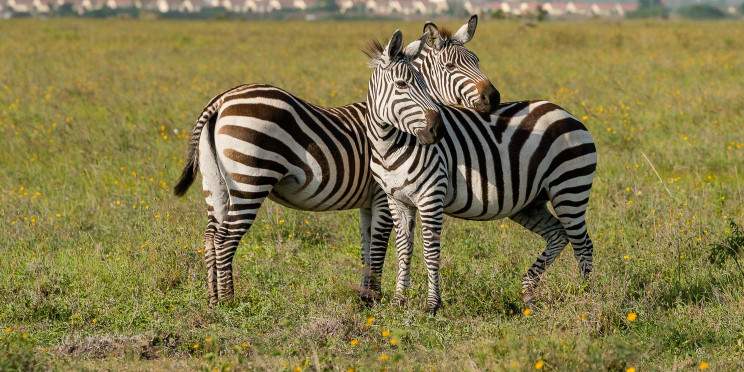
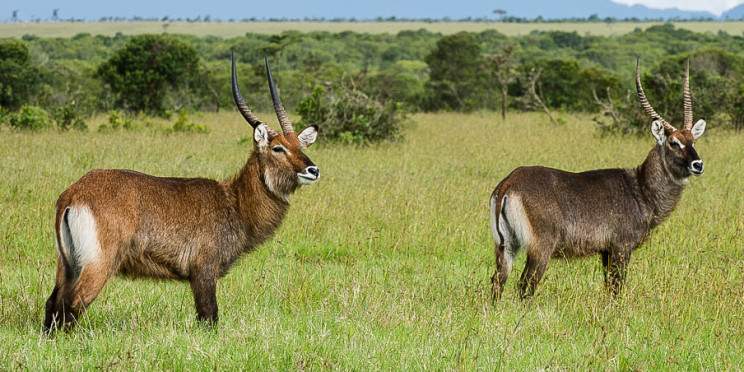
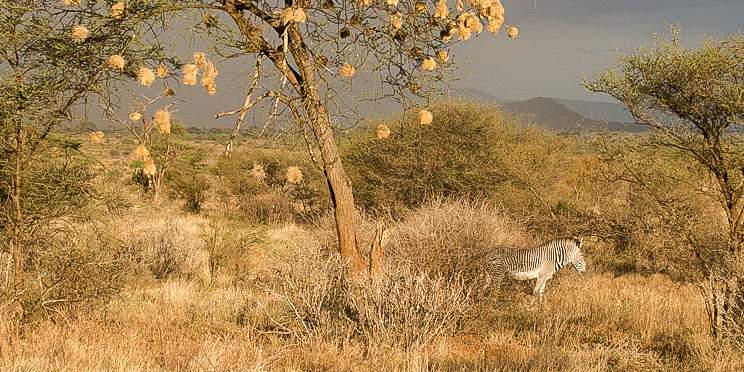
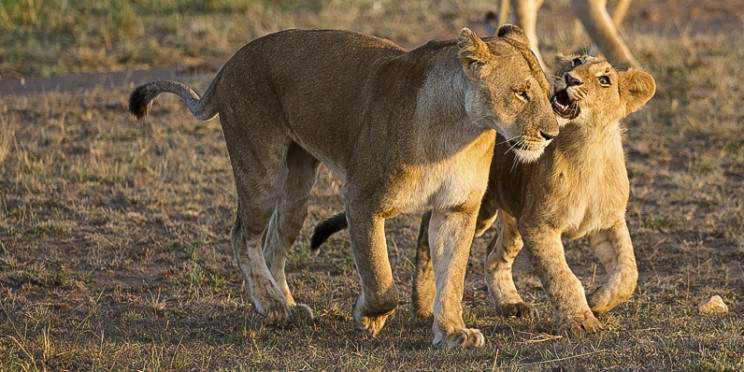
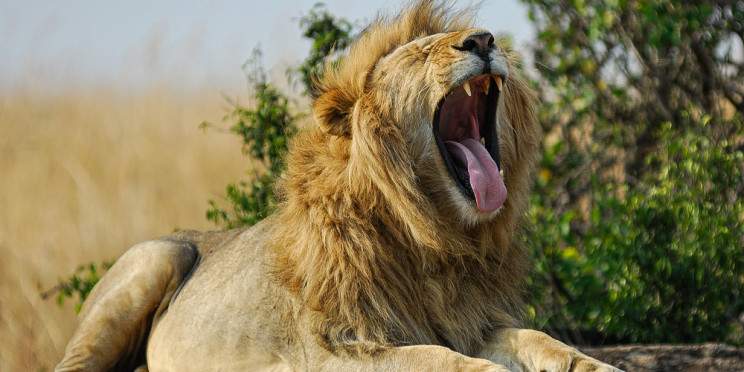
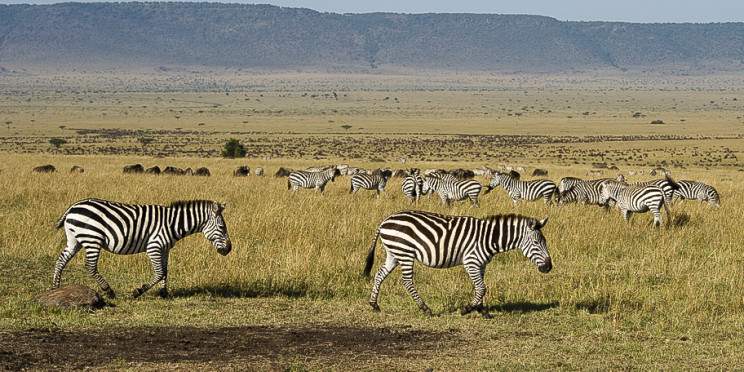
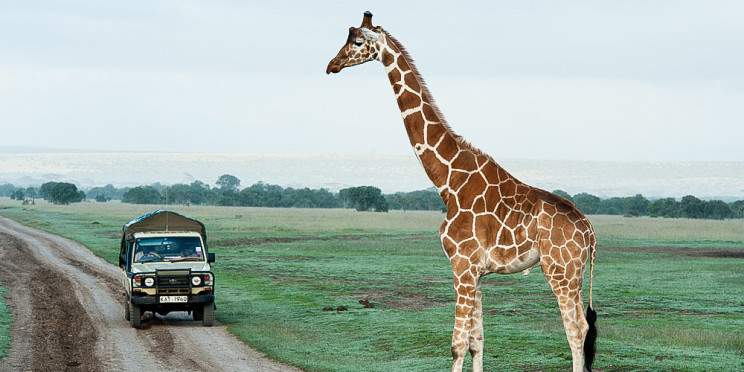
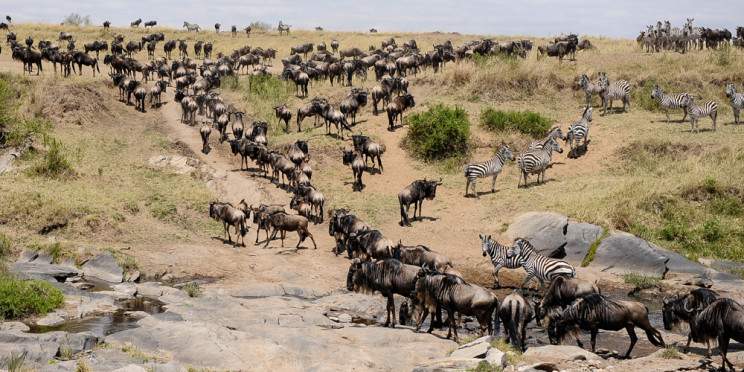
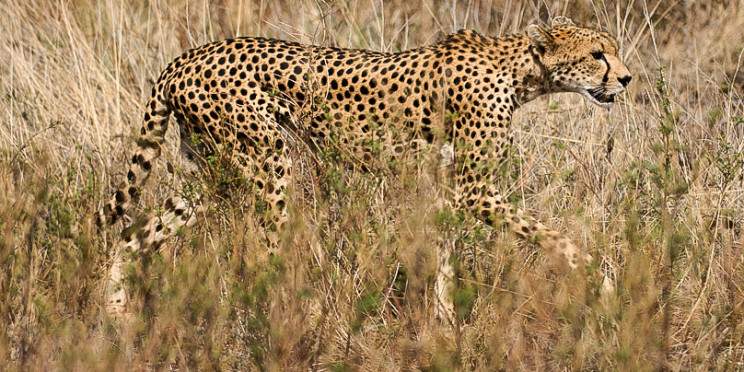
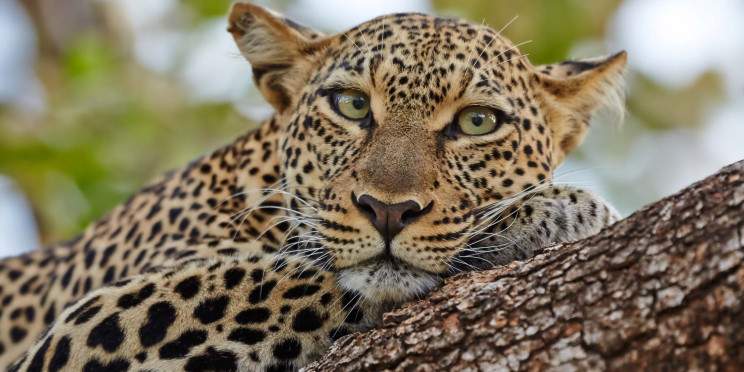
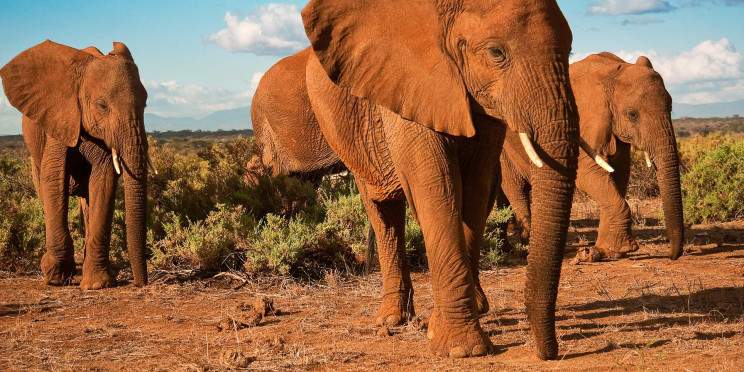
“Of the big cats, lion and leopard are possibly seen in Samburu. Some of the leopards, particularly those close to particular riverside accommodations, are used to seeing people and safari vehicles and are, therefore, not very shy and easy to view. Elephants are everywhere, as are hippo and plains zebra. Look for greater and lesser kudu as well. Of the Big Five (lion, leopard, elephant, buffalo and rhino), only rhino is absent from the reserve. In addition to these well-known safari animals, Samburu is known for species that uniquely inhabit Kenya’s arid north. Among these are Beisa oryx, reticulated giraffe and gerenuk. Watch also for variations on otherwise well-known species. Both the common plains zebra and the bigger Grevy’s zebra are found here. The latter has a tighter stripe pattern and no stripes on its belly. And the reticulated giraffe has a more striking pattern than the more widespread Masai giraffe.”
1How many days are recommended for a safari in Samburu National Reserve?
“You’ll want to spend at least 2 full days in Samburu, although if you can stay in the reserve longer, do so. My ideal amount of time here is 3 full days. Apart from anything else, it can be quite a long journey to reach Samburu from elsewhere in Kenya, meaning that you may want to factor in a few days to relax before you continue on your way. Always remember, too, that when safari operators talk about a 3-day safari, for example, that means only 1 full day in the reserve. And a 2-day safari consists of just a single overnight stay. On a 3-day safari, your transfer or trip to Samburu from wherever you’re coming will take place on day 1 and your return (or onward journey) will take place on day 3. To enjoy 3 full days in the park, you’ll need to organize a 5-day safari.”
2What is the best time of year for a Samburu safari?
“The best months for most visits to Samburu are in the Dry season (June to September), as well as January and February (although these latter two months can be very hot). These months have the best weather conditions for your trip, with generally fine weather, relatively mild temperatures and pleasantly cool evenings. June to September is also when you can expect the best wildlife viewing. As the Dry season progresses, water sources dry up and the animals are drawn to what water remains, which makes them much easier to find and to see. The risk of getting malaria is also very small during these months. Depending on your needs, and when you can take your holiday, you might want to consider coming at other times. Rains can disrupt your safari during the Wet season (especially in November and April), although rainfall is less of an issue here than in many of Kenya’s southern parks. Any rains can turn the landscape a beautiful shade of green as well. November is also when countless migratory birds (species that undertake a seasonal migration every year) arrive in Kenya from Europe and North Africa, and they remain until April. January and February offer particularly good conditions for birders.”
3What accommodations can I expect in Samburu?
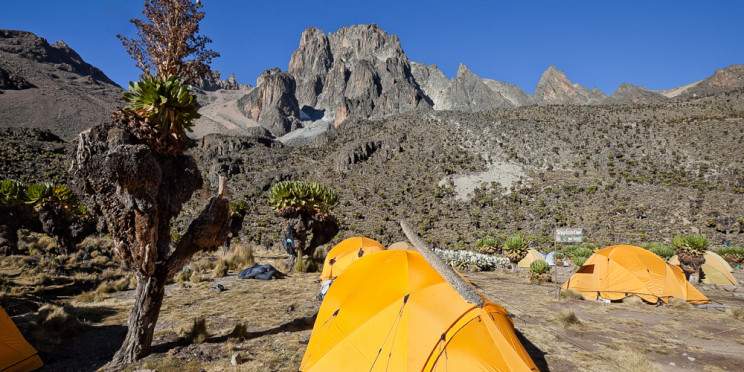
“Samburu has fewer choices of accommodations than some of Kenya’s other top national parks and reserves. But that also means that Samburu is generally less crowded than the others. It does, however, have a good selection of tented camps, especially along the Ewaso Nyiro River. Most of these tented camps have large and luxurious rooms with canvas walls, en suite bathrooms, private decks and a wonderful feeling of being immersed in the African wild. You can sometimes hear lions roaring at night. Samburu doesn’t have many budget accommodations. There is an official park campsite that has a few trees, as well as shower and toilet facilities. It’s not far from the river and from park headquarters, but it can get busy during peak periods. There is also a handful of accommodations in the community conservancies that border the reserve.”
4Can I combine Samburu with the Masai Mara, Laikipia, or Mount Kenya National Park?
“Yes, Samburu is very commonly combined with these other Kenyan destinations across a range of tours and packages. In particular, Samburu and the Masai Mara National Reserve are a part of many tours. Combining them usually means flying between the two. Both reserves have a number of airstrips and lots of small charter planes connect them. Samburu, Laikipia and Mt Kenya are all in northern or north-central Kenya, so if you’re combining these destinations it’s possible to drive between them. However, you can also fly.”
5How much does a Samburu safari cost?
“It may be quieter than Kenya’s southern parks, but you should still have plenty of tours and packages to choose from when planning your Samburu safari. At the budget end of the price range, expect the cost of your safari to begin at around US$125 per person per day. At the top end of the price categories, a luxury safari could even cost ten times that. Always be clear about what the quoted cost of your safari includes. It should include guide, driver, vehicle, accommodation (including camping equipment on a budget safari), game drives, park entry fees (US$70/40 per adult/child per day), transfers, meals, water and some drinks. Expect your safari to cost more if you’re traveling in high season, or if you’re on an exclusive private safari (as opposed to a cheaper group safari where the costs of driver, guide and vehicle are shared).”
6Samburu Safari Reviews

Mark is a travel writer who grew up in Africa and has written over 700 titles for Condé Nast Traveller, Travel Africa, BBC Wildlife and others.
Amazing Predator Territory
Samburu is often considered to be a poor substitute to the more famous parks of southern Kenya. This is not a realistic outlook though: not only does this great Northern Frontier District wilderness manage to avoid the crowds and tour buses...

Emma is an award-winning travel writer for Rough Guides, National Geographic Traveller, Travel Africa magazine and The Independent.
Serene Riverside Reserve in Kenya’s Arid North
Like Meru, which is situated a little to the southeast, Samburu receives far fewer visitors than the better known parks in southern Kenya. However, it has several safari camps, making it a good choice for those wishing to immerse themselves...
 DE
DE
Samburu National Reserve was amazing. The lodge we stayed at was the best of our entire trip, the landscape was beautiful, and what made it really special was spotting animals we had never seen before — like the Grevy’s zebra, the...
The bush vibe in Samburu was exceptional. It was really hot (almost too hot) but we still got to see an impressive array of animals, including the leopard, cheetah and lion. The hotel was beautiful and we really liked that we could see...
This was the first park we encountered on the road and it was so exciting to see giraffes all taking a drink in the river, elephants munching on leaves, zebras and crocodiles along the shore by our hotel.
This was our first park and we saw so many animals. (I didn't even know there were different kinds of zebras.) Our game lodge was on the river so we could watch the crocodiles, elephants and birds hanging out and fishing. This was my...