
$4,200 pp (USD)
2 travelers on Start dateArrival
Arrival
Day 1
Arrival In Addis Ababa
Arrival In Addis Ababa
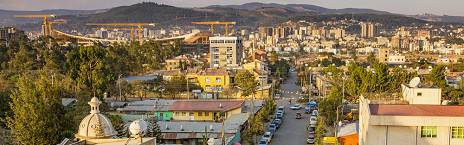
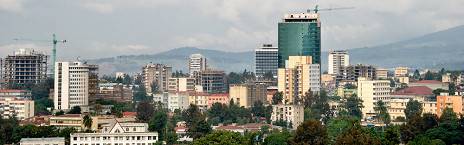
This day is dedicated to welcoming group members arriving from various international destinations. Upon arrival at Bole International Airport, you will be met by Extraordinary Ethiopia Tours representative. You will be whisked off in a modern air-conditioned vehicle to your 4-star accommodation in the heart of Addis Ababa. You’ll enjoy sumptuous meal before retiring for some much-needed rest.
- Main Destination:
- Addis Ababa (City)
- Accommodation:
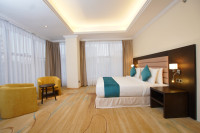
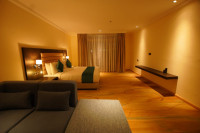
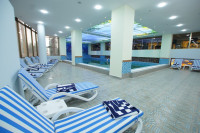
- Best Western Premier Dynasty Hotel

- Meals & Drinks:
Day 2
Full Day city Tour of Addis Ababa
Full Day city Tour of Addis Ababa
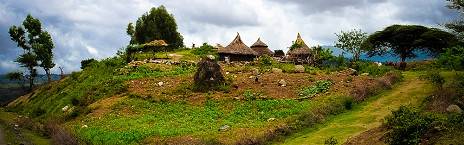
After breakfast, you’ll visit the National Museum of Ethiopia to visit the long age history of Ethiopia and the oldest human ancestor, Lucy. Set within Haile Selassie’s former palace, Addis Ababa University’s main campus is the Enthralling Ethnological Museum. It’s easily one of the finest museums in Africa. Before lunch, you'll drive to Holy Trinity Cathedral Church which has a unique architectural style. Immediately after a relaxed lunch, you'll drive up to the Entoto Mountains, the best location to observe the panoramic view of the capital. It is also a historical place where Menelik II resided and built his palace.
- Main Destination:
- Addis Ababa (City)
- Accommodation:
- Best Western Premier Dynasty Hotel
- Meals & Drinks:
Day 3
Addis Ababa to Arbaminch, Visit to Dorze and Konso Villages
Addis Ababa to Arbaminch, Visit to Dorze and Konso Villages
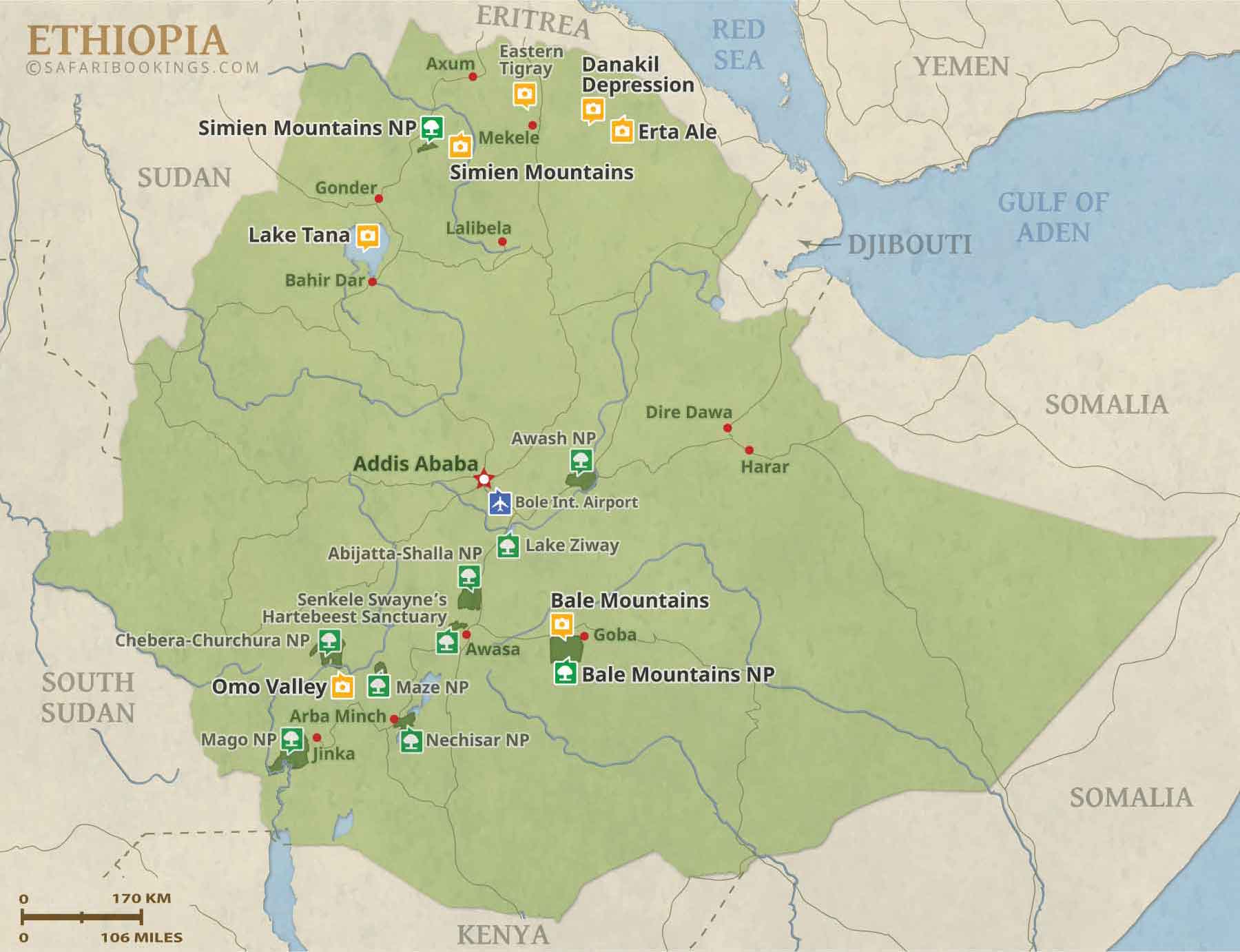
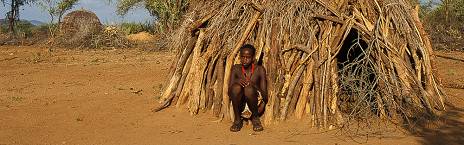
Catch a morning flight to Arbaminch. Start by driving uphill to visit the Dorze tribe village. The Dorze people are renowned for their exceptional weaving skills, which are reflected in their traditional costumes and the distinctive elephant-shaped huts they construct. The Dorze, who inhabit the breathtakingly lush and green southern escarpments of the Rift Valley, rely on subsistence agriculture for their livelihood. Known for their free-spirited and welcoming nature, after a lunch break, continue your journey to Konso. The Konso people are celebrated for their unique terracing and housing traditions — an impressive engineering feat adapted to the rocky terrain and steep slopes. This centuries-old tradition, driven by social survivalism, earned UNESCO World Heritage recognition in 2011. The horizontal stone walls not only prevent soil erosion and landslides but also serve as protective barriers against potential enemy attacks.
- Main Destination:
- Konso (Cultural Village)
- Accommodation:
- Kanta Lodge
- Meals & Drinks:
Day 4
Konso to Arbore and Turmi Via Keyafar
Konso to Arbore and Turmi Via Keyafar
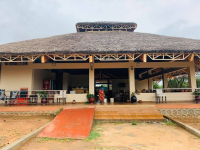
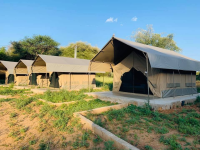
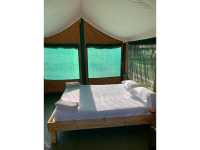
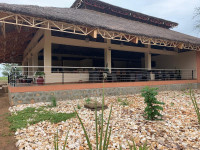
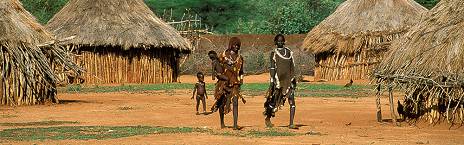
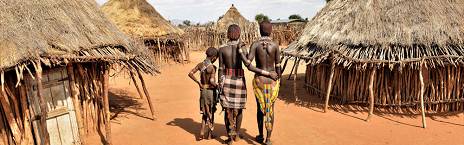
After breakfast drive to Arbore. The Arbore people, whose name means "land of bulls," inhabit the arid lowlands of the Omo Valley near Chew Bahir (Salt Sea). Although believed to be descendants of the Konso ethnic group, the Arbore have developed their own distinct language and traditions. After exploring the Arbore village, continue your journey toward Turmi, stopping enroute to meet the playful and talented Bana boys who are known for their skill in walking on stilts. Upon arrival in Turmi head to Paradise lodge at Hamar tribe village. Engage with a Hamar family to learn about their daily routines, lifestyle, and cultural practices.
Day 5
Hamer tribe and Market
Hamer tribe and Market
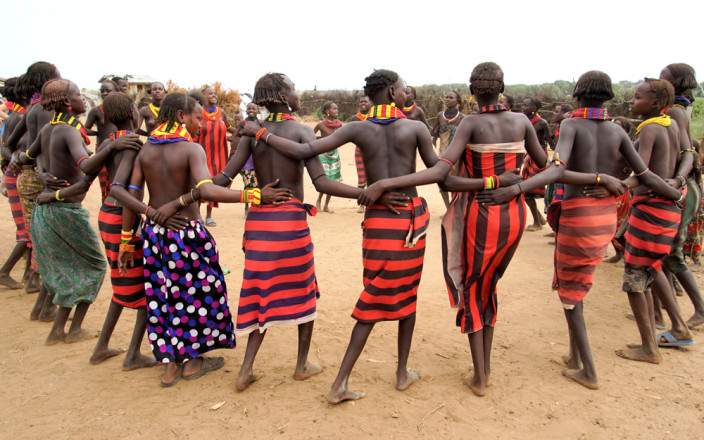
After breakfast, visit the vibrant open-air market of the Hamar tribe, known for their deep-rooted nomadic traditions. The Hamar shares cultural ties with the Bana tribe. Explore the unique goat-skin dresses and elaborate hairstyles of Hamar women, and learn about their rituals, language, daily activities, and sources of economic wealth.
- Main Destination:
- Turmi (Lower Omo Valley)
- Accommodation:
- Paradise Lodge Turmi
- Meals & Drinks:
Day 6
Hamer Village and Bull Jumping Ceremony
Hamer Village and Bull Jumping Ceremony
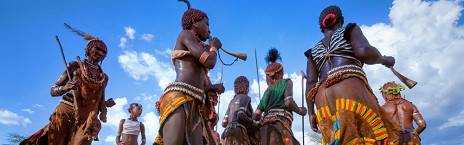
Today is fully dedicated to experiencing and capturing a village life of the Hamar tribe. Step into one of the Hamar village homesteads to discover the unique goat-skin dresses and elaborate hairstyles of Hamar women. Learn about their distinctive rituals, language, and daily life, including their household responsibilities. In the late afternoon, witness the Bull Jumping Ceremony — a rite of passage for young men from the Hamar and Kara tribes.
- Main Destination:
- Turmi (Lower Omo Valley)
- Accommodation:
- Paradise Lodge Turmi
- Meals & Drinks:
Day 7
Turmi to Nyangatom and Karo
Turmi to Nyangatom and Karo
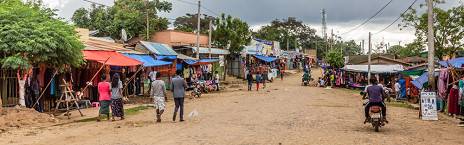
Depart early in the morning for Nyangatom village in Kakuta. The Nyangatom people are believed to be descendants of the Toposa tribe in South Sudan. This visit offers excellent opportunities for photographing the tribespeople, who live in the harsh arid environment of the Omo Valley. Nyangatom women are known for wearing numerous strands of beads, which they add to throughout their lives. Afterward, drive to Korcho village to visit the Karo people, the smallest ethnic group in the Omo Valley. The Karo are renowned for their elaborate body painting, using ochre, white chalk, and yellow minerals to create intricate designs on their faces and bodies. The word "Karo" means "fish eater" in the local language. Return to Turmi.
- Main Destination:
- Turmi (Lower Omo Valley)
- Accommodation:
- Paradise Lodge Turmi
- Meals & Drinks:
Day 8
Turmi to Dassanech and drive to Jinka
Turmi to Dassanech and drive to Jinka
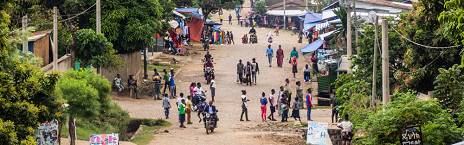
After breakfast, drive to Omorate and cross the Omo River in an improvised wooden boat to visit the scattered villages of the Dasanech tribe. The Dasanech are a semi-nomadic people who rely on livestock and seasonal agriculture for survival. After exploring the village, return to the vehicle and drive to Jinka.
- Main Destination:
- Jinka (Lower Omo Valley)
- Accommodation:
- Nasa Hotel
- Meals & Drinks:
Day 9
Excrusion to Bodi Tribe
Excrusion to Bodi Tribe
The Bodi are renowned for their cattle-centered culture, where livestock play a vital role in marriage, divination, and name-giving rituals. They are both pastoralists and agriculturalists, cultivating sorghum, maize, and coffee along the fertile banks of the Omo River. In the evening, visit an Aari tribe village, where you will learn about their agricultural practices and cultural traditions.
- Main Destination:
- Jinka (Lower Omo Valley)
- Accommodation:
- Nasa Hotel
- Meals & Drinks:
Day 10
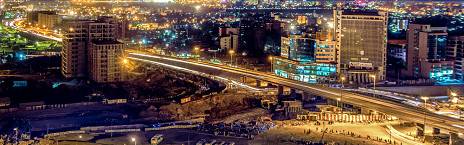
Mursi Village and Fly from Jinka to Addis
Mursi Village and Fly from Jinka to Addis
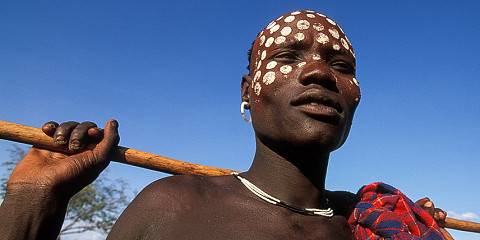
After breakfast, take a short excursion to Mago National Park to visit the Mursi tribe. The Mursi women are famous for wearing large circular plates in their lower lips and earlobes as symbols of beauty and social status. After spending time with the Mursi, drive back to Jinka and continue toward Keyafer. In Keyafer town, visit a lively open-air market, where you will encounter members of the Bana, Aari, and Tsemay tribes, as well as merchants from Jinka and neighboring villages. Return to Jinka for your flight back to Addis Ababa. Enjoy dinner at Yod Abyssinia Restaurant, accompanied by a traditional music and dance performance. Transfer to the Bole international Airport to catch a flight back home.
- Main Destination:
- Addis Ababa (City)
- Accommodation:
- No accommodation (End of tour)
- Meals & Drinks: