$8,398 pp (USD)
2 travelers on Start dateArrival
Arrival
Day 1
Mkomazi National Park
Mkomazi National Park
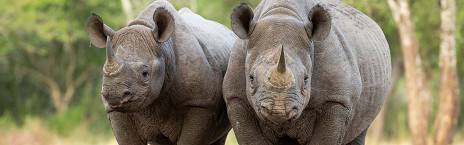
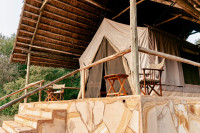
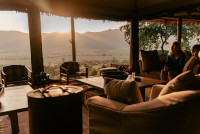
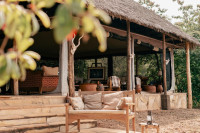
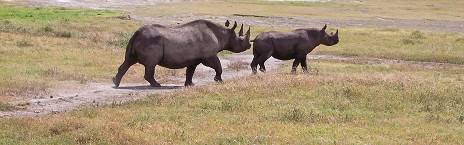
You drive from Moshi to Mkomazi for an afternoon game drive, then stay at Babu’s Camp inside the park. Mkomazi plays a major role in protecting endangered black rhinos and supporting African wild dog breeding and reintroduction. This makes your first day conservation-focused, not only scenic.
From Babu’s Camp, you can join optional activities such as:
Guided visit to the rhino sanctuary
Conservation briefing with rangers (subject to availability)
Extended game drives in remote sectors
These optional experiences give you deeper insight into how Tanzania manages endangered species recovery. The park’s low visitor numbers also mean quieter sightings and a more private safari atmosphere.
- Main Destination:
- Mkomazi National Park
- Accommodation:
- Babu's Camp
Wildlife in Mkomazi NP



- Meals & Drinks:
Day 2
Mkomazi to Moshi
Mkomazi to Moshi
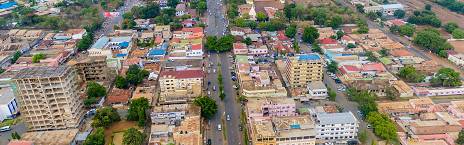
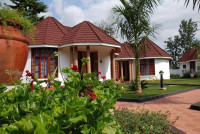
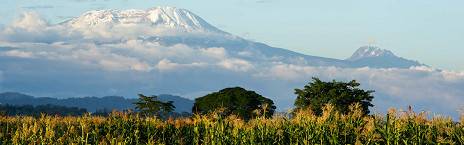
After breakfast you continue exploring Mkomazi with a focus on the rhino sanctuary and dry-country species such as gerenuk and fringe-eared oryx. A second morning drive increases your chance of strong sightings before leaving the park. You then return to Moshi. This break shortens the long drive west and prepares you for the cultural and highland experiences ahead. Overnight in Moshi.
- Main Destination:
- Moshi (Town)
- Accommodation:
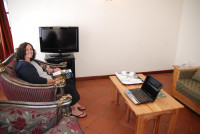
- Salinero Kilimanjaro Hotel


- Meals & Drinks:
Day 3
Materuni Waterfalls & Coffee Tour – Arusha
Materuni Waterfalls & Coffee Tour – Arusha
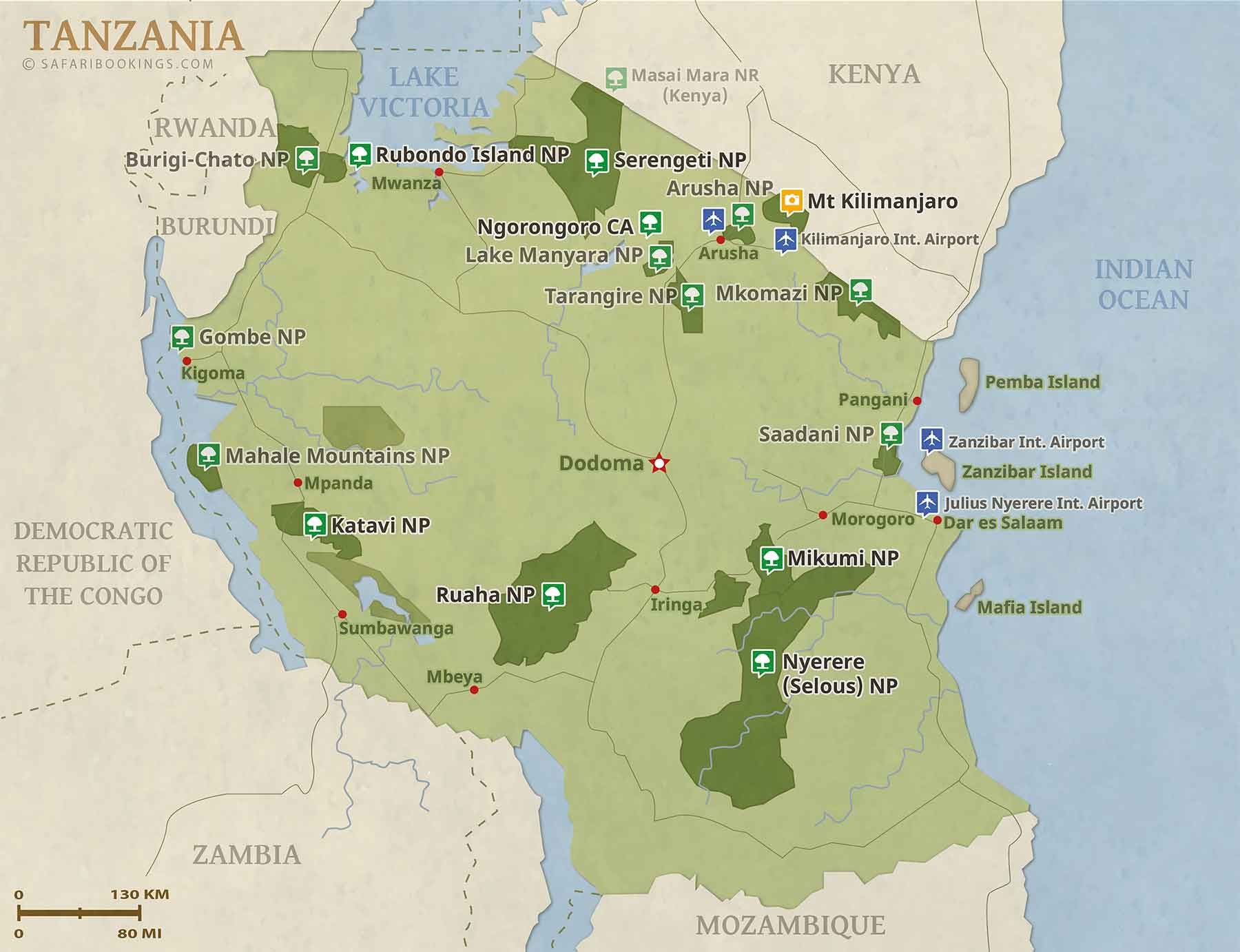
You visit Materuni Waterfalls, a 70 m waterfall on the slopes of Kilimanjaro. The guided walk passes through banana and coffee farms. You learn how Chagga families grow, roast, and brew coffee using traditional methods. This day adds culture and light hiking before returning to wildlife areas. Later you drive about 80 km to Arusha for overnight.
- Main Destination:
- Arusha (City)
- Accommodation:
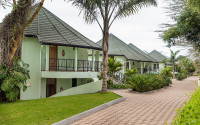
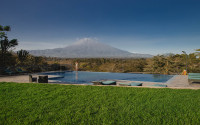
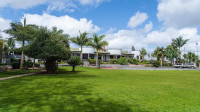
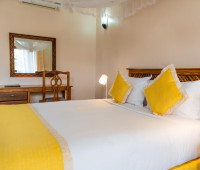
- Forest Hill Hotel
- Meals & Drinks:
Day 4
Tarangire National Park
Tarangire National Park
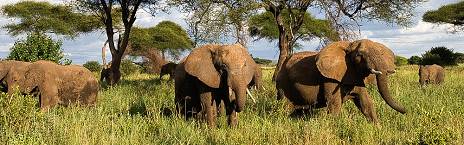
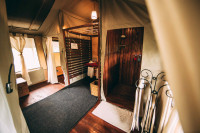
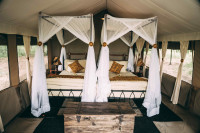
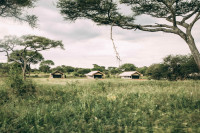
You drive to Tarangire for a full day game drive. Tarangire is known for large elephant herds and ancient baobab trees. During the dry season, animals gather along the Tarangire River, making sightings steady and close. You often see elephant families, giraffe, zebra, and predators following prey. Including Tarangire strengthens your safari with strong elephant encounters. Overnight in the park area.
- Main Destination:
- Tarangire National Park
- Accommodation:
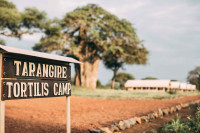
- Tarangire Tortilis Camp
Wildlife in Tarangire NP
- Meals & Drinks:

Day 5
Tarangire to Lake Natron
Tarangire to Lake Natron
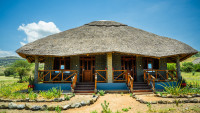
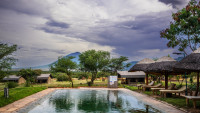
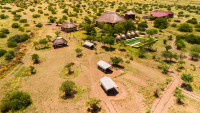
Today you travel through Maasai land to Lake Natron, located in the Rift Valley. The alkaline lake attracts thousands of flamingos during breeding periods. The scenery changes dramatically with volcanic formations and views of Ol Doinyo Lengai. You can walk to a nearby waterfall or along the lake shore with a local guide. This stop adds geology, culture, and raw landscapes. Overnight near the lake.
- Main Destination:
- Lake Natron
- Accommodation:
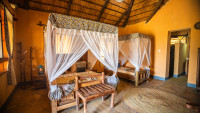
- Africa Safari Lake Natron Lodge
- Meals & Drinks:

Day 6
Lake Natron - Central Serengeti
Lake Natron - Central Serengeti
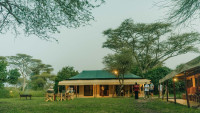
You enter Serengeti and head to the central plains. This region offers year-round wildlife due to permanent water sources and rocky kopjes. Lions rest on the rocks, and cheetahs patrol open grassland. Spending your first night here builds momentum before moving north to the migration areas. Afternoon game drive en route to your tented camp.
- Main Destination:
- Central Serengeti National Park
- Accommodation:
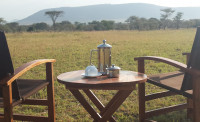
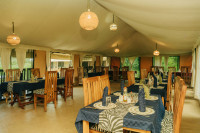
- Shuhudia Adventure Camp
Wildlife in Serengeti NP

- Meals & Drinks:

Day 7
Northern Serengeti
Northern Serengeti
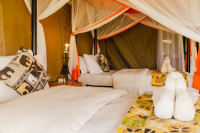
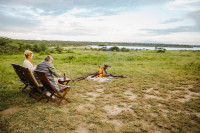
You drive toward the Mara River in northern Serengeti. This region hosts the Great Migration river crossings from roughly July to October. Wildebeest gather at the banks before crossing strong currents filled with crocodiles. You position near active crossing points and adjust based on herd movement. Overnight in northern Serengeti.
- Main Destination:
- Northern Serengeti National Park
- Accommodation:
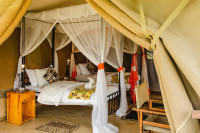
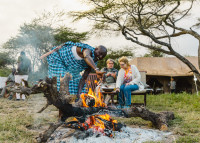
- Kenzan Migration Camp
- Meals & Drinks:

Day 8
Northern Serengeti
Northern Serengeti
A full day follows the migration herds. Your guide tracks fresh movement using radio updates and spoor. Apart from crossings, you may see lion, hyena, and leopard near the riverine forest. Spending two nights increases your chance of witnessing a crossing rather than passing through too quickly. Overnight northern Serengeti.
- Main Destination:
- Northern Serengeti National Park
- Accommodation:
- Kenzan Migration Camp
- Meals & Drinks:

Day 9
Central Serengeti
Central Serengeti
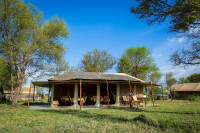
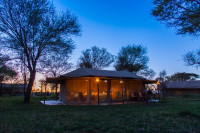
You return to Serengeti National Park (Central) with a full game drive en route, not a simple transfer. This night is strategic. Instead of driving directly from the north to Ngorongoro in one long stretch, you break the distance and turn it into quality wildlife time. Central Serengeti holds permanent water and resident predators year-round, so your chances of lion, leopard, and cheetah sightings remain strong.
By sleeping again in central Serengeti, you avoid rushing the following day. The drive to Ngorongoro becomes shorter and more relaxed, with time for morning wildlife viewing before exiting the park. Different light conditions often change animal behaviour. Late afternoon and early morning bring active hunting, cub movement, and better photography. This extra night protects your experience from becoming a transit day and keeps the safari focused on sightings, not road time.
- Main Destination:
- Central Serengeti National Park
- Accommodation:
- Kenzan Central Tented Camp


- Meals & Drinks:

Day 10
Ngorongoro Crater Rim
Ngorongoro Crater Rim
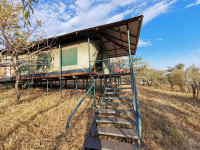
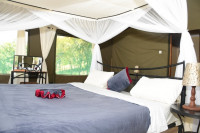
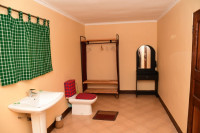
Driving to the highlands of the Ngorongoro Crater and staying on the rim is strategic. You sleep close to the descent gate, which allows early access into the crater before traffic increases.
The cooler climate and forested slopes also give a change in environment after Serengeti’s open plains. Resting here prepares you for a focused crater game drive the next morning without long transit time.
- Main Destination:
- Ngorongoro Highlands
- Accommodation:
- Ngorongoro Wild Camp

- Meals & Drinks:
Day 11
Ngorongoro Crater to Karatu
Ngorongoro Crater to Karatu
Descending 600 m into the crater gives you concentrated wildlife viewing in a relatively small area. Because many animals remain inside year-round, sightings are consistent and often close.
After your game drive, you continue to Karatu instead of returning to the rim. This shortens the final transfer toward Arusha and keeps the last day relaxed. It reduces long driving hours and keeps the safari comfortable until departure.
- Main Destination:
- Ngorongoro Crater
- Accommodation:
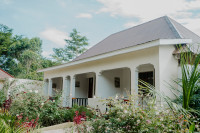
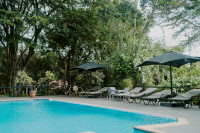
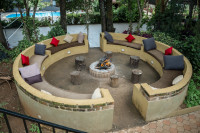
- Eileen's Trees Inn
Wildlife in Ngorongoro Crater



- Meals & Drinks:

Day 12
Mto wa Mbu to Arusha
Mto wa Mbu to Arusha
Stopping in Mto wa Mbu adds local interaction before the safari ends. The guided bike ride moves through farms and village paths, giving you ground-level contact with daily life.
Visiting a Maasai Boma explains pastoral traditions and livestock culture. Ending with this experience leaves you with social and cultural context, not only wildlife memories. It closes the safari in a balanced way before your departure.
- Main Destination:
- Arusha (City)
- Accommodation:
- Forest Hill Hotel
- Meals & Drinks:
Day 13
Departure Arusha
Departure Arusha
Your final day in Arusha is planned with flexibility based on your flight time.
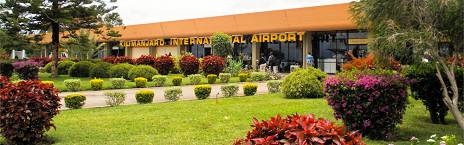
If your flight departs early, your guide will transfer you directly to Kilimanjaro International Airport for drop-off. The timing will match your departure schedule to keep the process smooth and relaxed.
If your flight departs later in the afternoon or evening, you can use the extra hours to explore Arusha town. You may visit local craft markets, cultural shops, or coffee houses to buy souvenirs and gifts. This gives you time to settle after safari and avoid rushing to the airport too early.
Keeping this extra day in Arusha allows proper rest, flexible airport transfer, and a comfortable end to your 13 Days.
- Main Destination:
- Kilimanjaro Airport
- Accommodation:
- No accommodation (End of tour)
- Meals & Drinks: