

$9,000 pp (USD)
2 travelers on Start dateArrival
Arrival

Day 1
Arrival and birding around the lodge
Arrival and birding around the lodge
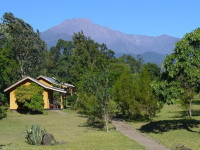
Upon arrival at Kilimanjaro International Airport, your professional birding guide will transfer you to Arusha, the gateway to Tanzania’s northern circuit. Nestled at the base of Mount Meru, the lush gardens of your lodge offer an immediate introduction to East African avifauna.
Key species to spot upon check-in include the African Goshawk, Silvery-cheeked Hornbill, African Paradise Flycatcher, Variable Sunbird, and the endemic Taveta Golden Weaver. In the canopy, look for Red-fronted Barbet, Baglafecht Weaver, Bronze Mannikin, and the noisy Hadada Ibis.
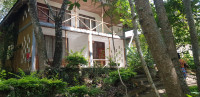
As dusk approaches, listen for the African Wood Owl and Montane Nightjar. Mammal sightings may include the Blue Monkey and Smith’s Bush Squirrel. Travel time from the airport is approximately one hour. For your stay at Meru Mbega Lodge Arusha offers a serene atmosphere, providing excellent birding opportunities right on the grounds.
- Main Destination:
- Arusha Airport (Arusha)
- Accommodation:
- Meru Mbega Lodge

- Meals & Drinks:

Day 2
Birding at Arusha National Park
Birding at Arusha National Park
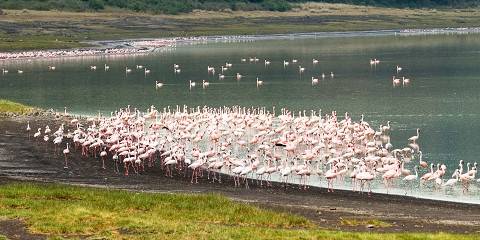
Arusha National Park provides a diverse mosaic of montane forest and alkaline lakes. At Lake Momella, expect thousands of Greater and Lesser Flamingos, alongside Little Grebe, Maccoa Duck, and Southern Pochard. The forest canopy is home to the spectacular Narina Trogon, Hartlaub’s Turaco, and Crowned Eagle. While exploring, look for the African Black Duck, Giant Kingfisher, Broad-billed Roller, and Scaly Chatterer.
In the grasslands, you may find the Augur Buzzard and Secretarybird. This park is the best place to see the Black-and-white Colobus Monkey and Blue Monkeys, alongside Cape Buffalo, Giraffe, and Warthog. Travel time from Arusha is 45 minutes.
- Main Destination:
- Arusha National Park
- Accommodation:
- Meru Mbega Lodge
Wildlife in Arusha NP


- Meals & Drinks:
Day 3
Biding at Beesley's Lark Plains
Biding at Beesley's Lark Plains
Today involves a specialized excursion to the Beesley’s Lark plains north of Arusha, a critical habitat for one of Africa’s rarest birds. The primary target is the endemic Beesley's Lark, found nowhere else.
Other arid-country specialists include the Athi Short-toed Lark, Fischer’s Sparrow-Lark, Pink-breasted Lark, and Red-capped Lark. In the surrounding scrub, look for the White-bellied Bustard, Double-banded Courser, Greater Kestrel, and Yellow-throated Sandgrouse. You may also encounter the Short-tailed Lark and Pallid Harrier. Mammals are sparse but include the Gerenuk and Kirk’s Dik-dik. The travel time is approximately 2 hours on bumpy tracks. Given the remote nature, you will return to Arusha for the night.
- Main Destination:
- Lark Plains (Bird Sanctuary)
- Accommodation:
- Meru Mbega Lodge
- Meals & Drinks:

Day 4
Birding to Tarangire National Park
Birding to Tarangire National Park
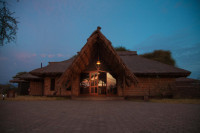
Driving toward Tarangire, the landscape shifts to iconic baobab-studded savannah. This park boasts over 500 bird species. Today’s highlights include the endemic Ashy Starling and Yellow-collared Lovebird. Along the Tarangire River, spot the Saddle-billed Stork, African Jacana, and Goliath Heron. The woodland areas hold the Mottled Spinetail, Von der Decken’s Hornbill, and Red-and-yellow Barbet.
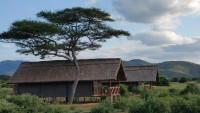
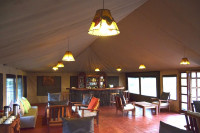
Look for the Bateleur and Martial Eagle soaring above. Large herds of African Elephant are the park's hallmark, alongside Lion, Leopard, and Cheetah. Travel time from Arusha is roughly 3 hours. For an immersive experience, Tarangire Simba Lodge offers stunning views and all-inclusive service that fits perfectly your tour.
- Main Destination:
- Tarangire National Park
- Accommodation:
- Tarangire Simba Lodge
Wildlife in Tarangire NP

- Meals & Drinks:

Day 5
Birding and wildlife at Tarangire National Park
Birding and wildlife at Tarangire National Park
A full day in Tarangire allows for deep exploration of the southern swamps. Target species include the Rufous-tailed Weaver, Slate-colored Boubou, Northern White-crowned Shrike, and Great White Pelican. In the Silale Swamp, look for the African Marsh Harrier, Black-headed Heron, and the rare Shoebill (occasional). The dry scrub hosts the Buff-crested Bustard, Pygmy Falcon, and White-headed Buffalo Weaver.
You will also see the Speckle-fronted Weaver and Beautiful Sunbird. Mammal highlights include the Fringe-eared Oryx and Lesser Kudu, which are Tarangire specialties. The day is spent entirely within the park.
- Main Destination:
- Tarangire National Park
- Accommodation:
- Tarangire Simba Lodge
- Meals & Drinks:

Day 6
Final Morning at Tarangire and Travel to Karatu
Final Morning at Tarangire and Travel to Karatu
After a final morning birding session focusing on the Common Scimitarbill and Bearded Woodpecker, you will depart for the cooler highlands of Karatu. En route, look for the Long-crested Eagle and Lilac-breasted Roller on the wires. Upon reaching the forest fringes of the Ngorongoro Conservation Area, species like the White-tailed Blue Flycatcher, Livingstone’s Turaco, and African Hill Babbler become common.
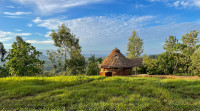
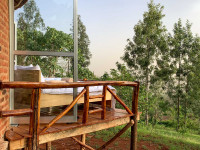
You may also see the Mountain Greenbul and Waller’s Starling. In Karatu, the coffee plantations attract the Red-faced Crimsonwing and Bronze Sunbird. Common mammals include the Olive Baboon and Sykes's Monkey. Travel time is about 2.5 hours. Foresight Eco Lodge and Safaris in Karatu.
- Main Destination:
- Karatu District
- Accommodation:
- Foresight Eco Lodge

- Meals & Drinks:
Day 7
Ngorongoro Crater Experience and Birding
Ngorongoro Crater Experience and Birding
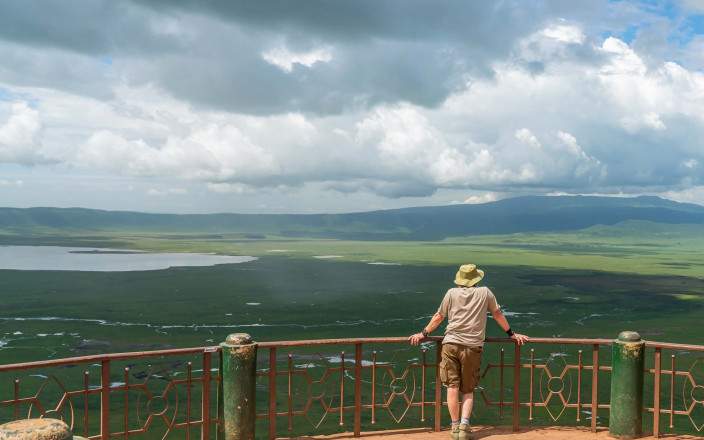
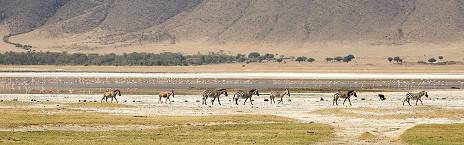
Descending into the Ngorongoro Crater, a UNESCO World Heritage site, provides a unique highland-to-alkaline lake birding experience. The crater floor is home to the Kori Bustard, Grey Crowned Crane, and Ostrich. Around Lake Magadi, search for the Lesser Flamingo, Cape Teal, and Pied Avocet. The Lerai Forest holds the African Paradise Flycatcher and Golden-winged Sunbird.
On the rim, look for the Schalow's Turaco and Mountain Thrush. The crater is famous for the "Big Five," including the rare Black Rhino, alongside Spotted Hyena and Golden Jackal. Travel time to the floor is 1 hour from Karatu.
- Main Destination:
- Ngorongoro Crater
- Accommodation:
- Foresight Eco Lodge
Wildlife in Ngorongoro Crater


- Meals & Drinks:

Day 8
Transfer to Serengeti National Park
Transfer to Serengeti National Park
The journey to the Serengeti traverses the spectacular Naabi Hill, a prime spot for the Serengeti Lark and Silverbird. As you enter the short-grass plains, look for the Secretarybird, Lappet-faced Vulture, and Temminck’s Courser. The acacia woodlands are home to the Usambiro Barbet and Grey-backed Fiscal. You will also encounter the White-browed Coucal, Greater Blue-eared Starling, and Swahili Sparrow.
This route is the heart of the Great Migration path; depending on the month, you will see hundreds of thousands of Blue Wildebeest and Plains Zebra. Travel time is 4 to 5 hours including birding stops. Serengeti Simba Lode is well located overlooking the Grumeti River.
- Main Destination:
- Western Serengeti National Park
- Accommodation:
- Serengeti Simba Lodge
Wildlife in Serengeti NP




- Meals & Drinks:

Day 9-10
Serengeti National Park
Serengeti National Park
On d9 and d10:
Focusing on the Central Serengeti (Seronera), the riverine forests and "kopjes" (rocky outcrops) offer diverse sightings. Target the endemic Grey-crested Helmetshrike and the Tanzanian Red-billed Hornbill. On the kopjes, look for the Verreaux’s Eagle and Freckled Nightjar. The grasslands host the Yellow-throated Longclaw, Pectoral-patch Cisticola, and Black-lored Babbler. Along the Seronera River, spot the Hamerkop, Malachite Kingfisher, and Black-headed Gonolek.
Mammals include the iconic Serengeti Lion prides, Cheetahs on the hunt, and massive Nile Crocodiles in the rivers. Primates like the Vervet Monkey and Olive Baboon are ubiquitous.
The last day, look for the Meyer's Parrot, Meyer's Sunbird, and the Steel-blue Whydah. The skies are filled with raptors like the Tawny Eagle and Dark Chanting Goshawk. In the thickets, find the Slate-colored Boubou and Purple Grenadier. Look for the Marabou Stork and White-backed Vulture around kills.
- Main Destination:
- Serengeti National Park
- Accommodation:
- Serengeti Simba Lodge
- Meals & Drinks:

Day 11
Transfer back to Arusha and Relax at the lodge
Transfer back to Arusha and Relax at the lodge
The return journey to Arusha is a long but rewarding drive, offering a final chance to spot any missed savannah species. Look for the Southern Ground Hornbill, Abdim’s Stork, and Montagu’s Harrier. As you climb back toward the highlands, you may see the Augur Buzzard and Eastern Chanting Goshawk. The transit through the Ngorongoro highlands might reveal the Tacazze Sunbird.
Common mammals during transit include the Giraffe and Impala. Travel time is approximately 6 to 7 hours. To rest before the next leg of your journey, Settle at the same first lodge. All these provides a comfortable, bird-rich garden setting, comfortable bedding and excellent food.
- Main Destination:
- Arusha (City)
- Accommodation:
- Meru Mbega Lodge
- Meals & Drinks:

Day 12
The eastern arch mountains and classic birding sessions
The eastern arch mountains and classic birding sessions
Today you head east to the ancient Usambara Mountains, a global biodiversity hotspot. The change in flora is dramatic as you enter the sub-montane forests. On the lower slopes, look for the African Palm Swift and Little Bee-eater. As you ascend, target the Eastern Mountain Greenbul and White-chested Alethe. The Usambaras are famous for endemics; keep an eye out for the Usambara Thrush and Usambara Double-collared Sunbird.
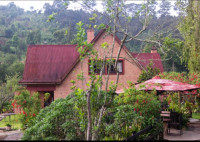
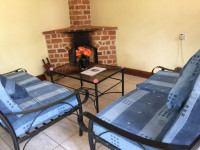
Common mammals include the Black-and-white Colobus and the rare Zanj Sun Squirrel. Travel time is approximately 6 hours. Mullers Mountain Lodge offers breathtaking views from the cliffside and professional guiding services.
- Main Destination:
- Magamba Forest Reserve
- Accommodation:
- Mullers Mountain Lodge


- Meals & Drinks:
Day 13
Birding at Magamba Forest - West Usambaras
Birding at Magamba Forest - West Usambaras
The Magamba Forest is a remnant of ancient rainforest and a haven for rare endemics. Your primary goal is the Usambara Akalat and the Spot-throat. Other key species include the Fülleborn's Boubou, Black-fronted Bush-shrike, and the African Tailorbird. In the canopy, look for the Bar-tailed Trogon and the Usambara Weaver. You may also see the Evergreen Forest Warbler and Mountain Yellow Warbler.
The forest is home to the Two-horned Chameleon and the endemic Usambara Three-horned Chameleon. Primates like the Sykes’s Monkey are common here. Travel time is minimal as the forest is near the Lushoto area. Mullers Mountain Lodge is a classic choice for birders, offering a historic feel and excellent local cuisine.
- Main Destination:
- Magamba Forest Reserve
- Accommodation:
- Mullers Mountain Lodge
- Meals & Drinks:

Day 14
Transfer to East Usambaras and bird around the lodge
Transfer to East Usambaras and bird around the lodge
A second morning in Magamba allows for a specialized search for the elusive Long-billed Forest Warbler and the Usambara Eagle-Owl. Look for the Yellow-streaked Greenbul, Shelley’s Greenbul, and the Red-capped Robin-Chat. The forest floor may reveal the Orange Ground Thrush and the White-starred Robin. High in the trees, search for the Kenrick’s Starling and Waller’s Starling.
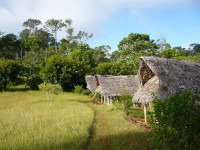
The biodiversity here is staggering, with numerous endemic plants and insects. Mammal sightings might include the Suni (a tiny antelope) and Harvey’s Red Duiker. This day is dedicated to slow-paced forest walking for maximum visibility. Later travel to East Usambara and land at Amani.
- Main Destination:
- Amani Nature Reserve (Usambara Mountains)
- Accommodation:
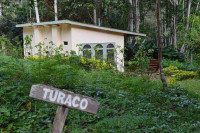
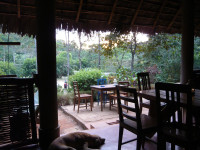
- Amani Forest Lodge

- Meals & Drinks:

Day 15
Full day dedicated at Amani Forest
Full day dedicated at Amani Forest
A full day dedicated to birding the trails and paths of the Amani Nature Reserve. Concentrate efforts on locating the most challenging forest understory species and canopy dwellers, capitalizing on the excellent bird diversity here. Stay any convinient lodge to access the park.
- Main Destination:
- Amani Nature Reserve (Usambara Mountains)
- Accommodation:
- Amani Forest Lodge
- Meals & Drinks:

Day 16
Birding to Arusha and departure
Birding to Arusha and departure
After an early morning birding session to catch any remaining forest species like the Terrestrial Brownbul, you will begin the drive back to Arusha. Along the way, the Pangani River basin may offer sightings of the Wire-tailed Swallow and Malachite Kingfisher. Look for the Common Kestrel and Black-shouldered Kite in the agricultural lands. As you approach Arusha, the majestic Kilimanjaro may be visible on a clear day.
The travel time is approximately 5 to 6 hours. You will be transferred directly to Kilimanjaro International Airport (JRO) for your evening departure. For a final meal and "day room" if needed,
We recommend and optional Kia Lodge, located right at the airport, provides a professional conclusion to your Tanzanian birding odyssey.
- Main Destination:
- Arusha Airport (Arusha)
- Accommodation:
- No accommodation (End of tour)
- Meals & Drinks: