

$5,963 pp (USD)
2 travelers on Start dateArrival
Arrival

Day 1
Arrival in Nairobi & Transit to Tsavo West
Arrival in Nairobi & Transit to Tsavo West
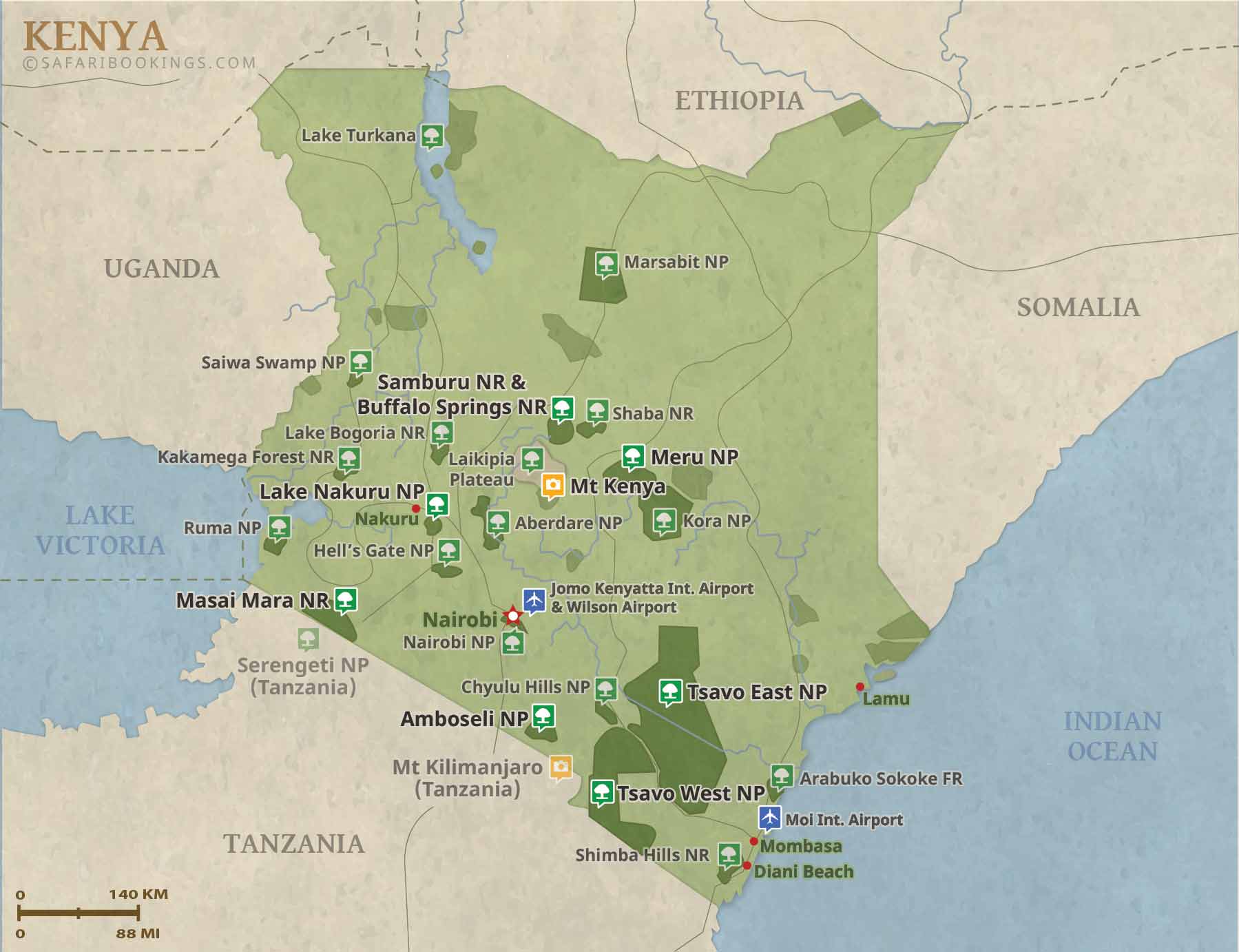
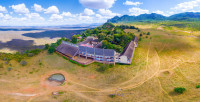
Upon arrival at Jomo Kenyatta International Airport, your journey begins with a 5-hour drive (approx. 240km) southeast to the rugged landscapes of Tsavo West. This park is a volcanic wonderland, characterized by the "Shetani" lava flows and Mzima Springs. After checking into Ngulia Safari Lodge or an alternative camp if not available, prepare your gear for low-light photography.
The Ngulia area is famous for its "bird ring" where thousands of Palearctic migrants descend during misty nights. For mammals, keep an eye out for Leopards, which are frequently seen near the lodges, and the Lesser Kudu. Unique bird species to target today include the Somali Courser, Golden-breasted Starling, Vulturine Guineafowl, Red-naped Bushshrike, White-headed Buffalo-Weaver, Rosy-patched Bushshrike, Tsavo Sunbird, Golden Pipit, Black-faced Sandgrouse, and the Taita Fiscal.
- Main Destination:
- Nairobi Airport (Nairobi)
- Activities:
- Game drives (Pop-up roof 4x4 vehicle) & Specialized birding (with a professional birding guide)
- Accommodation:
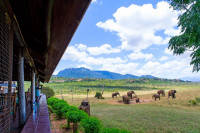
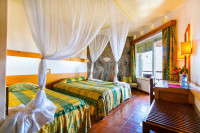
- Ngulia Safari Lodge
- Meals & Drinks:
Day 2
Tsavo West National Park Birding and Wildlife Photography
Tsavo West National Park Birding and Wildlife Photography
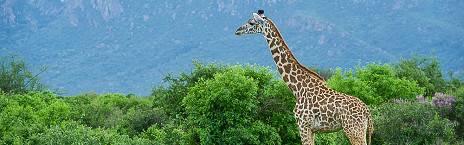
Spend a full day exploring the diverse habitats of Tsavo West, from dense acacia woodland to the open plains. Focus your lens on the Mzima Springs area for water-associated species and the resident Hippopotamus and Crocodiles. The volcanic landscape provides a dramatic backdrop for environmental portraits of the Red-billed Hornbill and the Von der Decken's Hornbill.
You will also likely encounter African Elephant and Masai Giraffe. Key birding targets include the Pink-breasted Lark, Pangani Longclaw, Scaly Chatterer, Eastern Violet-backed Sunbird, Hunter's Sunbird, Straw-tailed Whydah, Somali Golden-breasted Bunting, Tawny Eagle, Martial Eagle, and the elusive Friedmann's Lark.
- Main Destination:
- Tsavo West National Park
- Activities:
- Game drives (Pop-up roof 4x4 vehicle) & Specialized birding (with a professional birding guide)
- Accommodation:
- Ngulia Safari Lodge
Wildlife in Tsavo West NP


- Meals & Drinks:

Day 3
Final Tsavo West Session & Travel to Taita Hills
Final Tsavo West Session & Travel to Taita Hills
After a final morning session capturing the golden hour light in Tsavo, you will depart for the Taita Hills, a 2 to 3-hour drive. This region is part of the Eastern Arc Mountains and serves as a vital biodiversity hotspot. You will stay at Taita Hills Safari Resort, which overlooks a private sanctuary. Mammals here include the Bushbuck and Sykes' Monkey. Focus on the unique montane forest fragments where you can find the Hildebrandt's Starling, White-browed Robin-Chat, Red-backed Scrub-Robin, Moustached Grass-Warbler, Singing Cisticola, Yellow-bellied Eremomela, Northern Brownbul, African Paradise Flycatcher, Purple-banded Sunbird, and the Spotted Morning-Thrush.
- Main Destination:
- Taita Hills Wildlife Sanctuary
- Activities:
- Game drives (Pop-up roof 4x4 vehicle) & Specialized birding (with a professional birding guide)
- Accommodation:
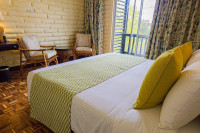
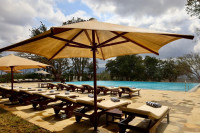
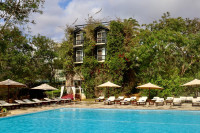
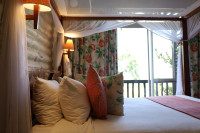
- Taita Hills Safari Resort & Spa
- Meals & Drinks:

Day 4
Taita Hills Endemics Photography
Taita Hills Endemics Photography
Today is dedicated to the high-altitude forests of Vuria and Ngangao to photograph three of Kenya’s rarest endemics. The terrain is steep, so light tripods are recommended. Search for the Taita Thrush, Taita Apalis, and the Taita White-eye.
Alongside these icons, look for the Striped Pipit, Yellow-throated Woodland Warbler, Evergreen Forest Warbler, African Tailorbird, Black-fronted Bushshrike, Placid Greenbul, and the Olive Sunbird. Between the birding, watch for the Two-horned Chameleon, a unique local reptile.
- Main Destination:
- Taita Hills Wildlife Sanctuary
- Activities:
- Specialized birding (with a professional birding guide) & Nature hikes/walks
- Accommodation:
- Taita Hills Safari Resort & Spa
- Meals & Drinks:
Day 5
Travel to the Coast (Watamu)
Travel to the Coast (Watamu)
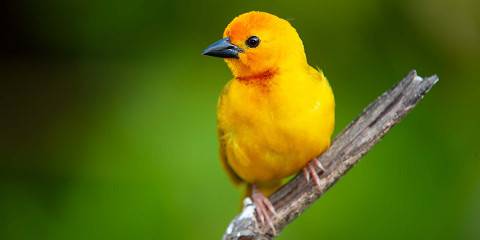
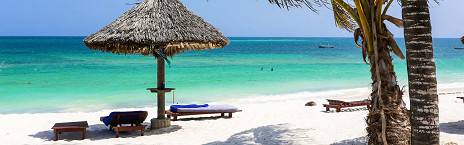
Leaving the hills, you descend toward the Indian Ocean. This is a 4 to 5-hour journey (approx. 200km) to the white sands of Watamu. Check into Turtle Bay Beach Resort and prepare for coastal photography. The transition from highlands to the coast offers a change in avifauna. Look for the African Golden Weaver in the lodge gardens and Yellow-billed Stork on the shoreline.
Mammals are fewer here, but Yellow-winged Bats are often seen hanging in the trees. Target species include the Malindi Pipit, Sooty Gull, Crested Guineafowl, Mombasa Woodpecker, Green-headed Oriole, Eastern Nicator, Scaly-throated Honeyguide, Fischer's Turaco, Sulphur-breasted Bushshrike, and African Palm Swift.
- Main Destination:
- Watamu (Beach)
- Activities:
- Game drives (Pop-up roof 4x4 vehicle) & Specialized birding (with a professional birding guide)
- Accommodation:
-
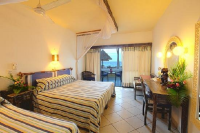
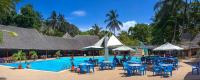
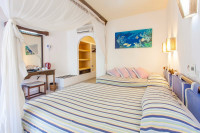
Turtle Bay Beach Club
- Meals & Drinks:
Day 6
Arabuko Sokoke Forest Exploration
Arabuko Sokoke Forest Exploration
Arabuko Sokoke is the largest remaining fragment of coastal forest in East Africa. Lighting can be tricky here; a flash with a "Better Beamer" extender is invaluable. Spend the day searching for the Clarke's Weaver (endemic) and the tiny Sokoke Scops Owl. Mammal highlights include the endemic Golden-rumped Elephant Shrew and the Aders' Duiker. Bird targets: Sokoke Pipit, Amani Sunbird, East Coast Akalat, Spotted Ground Thrush, Blue-mantled Crested Flycatcher, Chestnut-fronted Helmetshrike, Retz's Helmetshrike, and Little Yellow Flycatcher.
- Main Destination:
- Arabuko Sokoke Forest Reserve
- Activities:
- Specialized birding (with a professional birding guide) & Nature hikes/walks
- Accommodation:
- Turtle Bay Beach Club
Wildlife in Arabuko Sokoke FR
- Meals & Drinks:

Day 7
Arabuko Sokoke Clean up and Mida Creek
Arabuko Sokoke Clean up and Mida Creek
Return to Arabuko for any forest species missed, then head to the Mida Creek mangroves for the afternoon tide. A wide-angle lens is great for the scenic boardwalks, while a long lens is needed for the mudflats. You may spot Indian Ocean Humpback Dolphins in the distance. Bird species include the Crab-plover, Great Sand Plover, Greater Flamingo, Dimorphic Egret, Terek Sandpiper, Eurasian Curlew, Water Thick-knee, Gull-billed Tern, Lesser Crested Tern, and Mangrove Kingfisher.
- Main Destination:
- Mida Creek
- Activities:
- Specialized birding (with a professional birding guide) & Nature hikes/walks
- Accommodation:
- Turtle Bay Beach Club
- Meals & Drinks:

Day 8
Travel to Tsavo East
Travel to Tsavo East
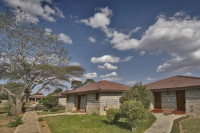
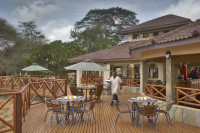
Drive inland for 3 hours to the "Theater of the Wild," Tsavo East National Park. The red dust here creates stunning "Red Elephant" photography opportunities. You will spend the night at Ashnil Aruba Lodge, located by the Aruba Dam which attracts massive birdlife.
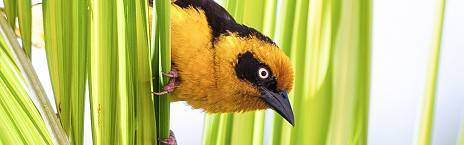
Mammals include the Gerenuk and Coke's Hartebeest. Target birds: Somali Ostrich, Taita Falcon, Yellow-throated Sandgrouse, Black-headed Lapwing, Chestnut-headed Sparrow-Lark, Red-winged Lark, Somali Bee-eater, Golden-breasted Starling, White-headed Mousebird, and Double-banded Courser.
- Main Destination:
- Tsavo East National Park
- Activities:
- Game drives (Pop-up roof 4x4 vehicle) & Specialized birding (with a professional birding guide)
- Accommodation:
- Ashnil Aruba Lodge
Wildlife in Tsavo East NP


- Meals & Drinks:
Day 9
Tsavo East to Nairobi onwards
Tsavo East to Nairobi onwards
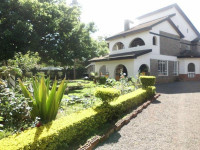
After an early morning game drive, begin the long 6 to 7-hour transit back to Nairobi. Upon arrival, check into Hotel Troy, located conveniently near the Nairobi National Park gate. For mammals, keep an eye out for Slender Mongoose near the hotel. Unique birds for this transition and evening include the Speke's Weaver, Superb Starling, African Pied Wagtail, Baglafecht Weaver, Red-billed Firefinch, Bronze Mannikin, Variable Sunbird, Marabou Stork, Hadada Ibis, and the Blacksmith Lapwing.
- Main Destination:
- Nairobi National Park
- Activities:
- Game drives (Pop-up roof 4x4 vehicle) & Specialized birding (with a professional birding guide)
- Accommodation:
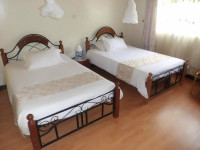
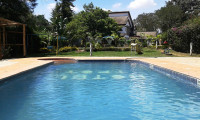
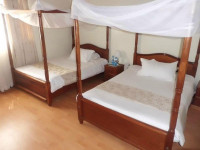
- Hotel Troy
Wildlife in Nairobi NP


- Meals & Drinks:
Day 10
Nairobi National Park Full Day
Nairobi National Park Full Day
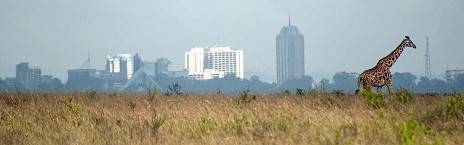
This is the only park in the world where you can photograph Rhinos and Lions against a city skyscraper backdrop. Despite its urban proximity, it hosts over 400 bird species. Key mammals include Black Rhino, Eland, and Impala. Photography targets include the Shelley's Francolin, Hartlaub's Bustard, Secretarybird, Kori Bustard, Yellow-throated Longclaw, Pectoral-patch Cisticola, Jackson's Widowbird, Red-throated Tit, Hildebrandt's Starling, and the Brimstone Canary.
- Main Destination:
- Nairobi National Park
- Activities:
- Game drives (Pop-up roof 4x4 vehicle) & Specialized birding (with a professional birding guide)
- Accommodation:
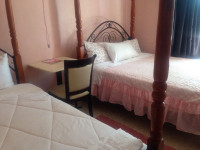
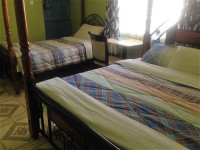
- Nairobi Transit Lounge


- Meals & Drinks:
Day 11
Travel to Castle Forest via Sagana
Travel to Castle Forest via Sagana
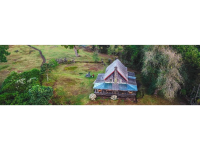
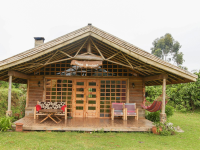
Depart for the central highlands (3-hour drive). Stop at the Sagana River to search for the localized Hinde's Babbler. Afterward, ascend the slopes of Mt. Kenya to Castle Forest Lodge. The elevation change brings Black-and-white Colobus Monkeys and Giant Forest Hogs. Bird targets: Hinde's Babbler, Mountain Wagtail, Giant Kingfisher, Grey-crowned Crane, African Black Duck, Black-throated Apalis, Cinnamon-chested Bee-eater, Fine-banded Woodpecker, Grey-throated Barbet, and Green-backed Honeybird.
- Main Destination:
- Sagana (Town)
- Activities:
- Specialized birding (with a professional birding guide) & Nature hikes/walks
- Accommodation:
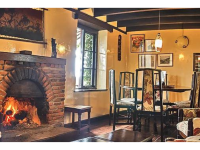
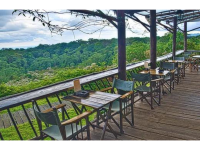
- Castle Forest Lodge
- Meals & Drinks:

Day 12
Castle Forest Birding Full Day
Castle Forest Birding Full Day
Spend the day under the canopy of Mt. Kenya’s rainforest. The mist here adds a moody atmosphere to your shots. Mammals include the Sykes' Monkey and Suni. High-altitude bird targets include the Abbott's Starling, Kenrick's Starling, Bar-tailed Trogon, White-starred Robin, Mountain Yellow Warbler, Broad-ringed White-eye, Tacazze Sunbird, Golden-winged Sunbird, Eastern Double-collared Sunbird, and Waller's Starling.
- Main Destination:
- Mount Kenya
- Activities:
- Specialized birding (with a professional birding guide) & Nature hikes/walks
- Accommodation:
- Castle Forest Lodge
- Meals & Drinks:

Day 13
Transfer to Samburu area
Transfer to Samburu area
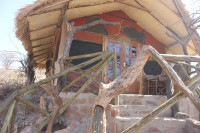
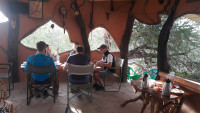
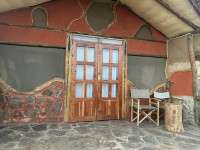
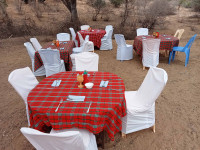
Drive 4 hours north into the arid Semi-desert of Samburu. This landscape is dominated by Doum Palms and the Ewaso Ng'iro River. You will stay at Lions Cave Camp.
This is the land of the "Samburu Special Five," including the Grevy's Zebra and Reticulated Giraffe. Birding targets: Somali Bee-eater, Golden-breasted Starling, Vulturine Guineafowl, Black-capped Social Weaver, Magpie Starling, Bare-eyed Thrush, Rosy-patched Bushshrike, Hunter's Sunbird, Shining Sunbird, and Donaldson-Smith's Sparrow-Weaver.
- Main Destination:
- Samburu National Reserve
- Activities:
- Game drives (Pop-up roof 4x4 vehicle) & Specialized birding (with a professional birding guide)
- Accommodation:
- Lion's Cave Camp
Wildlife in Samburu NR
- Meals & Drinks:

Day 14
Samburu or Shaba or Bufalo Springs
Samburu or Shaba or Bufalo Springs
A full day navigating these three interconnected reserves. The light here is harsh by midday, so focus on the riverine forest during high sun. Mammal highlights include the Beisa Oryx and Gerenuk. Bird targets: Somali Ostrich, Williams's Lark, Pink-breasted Lark, Taita Fiscal, Golden Pipit, Ashy Cisticola, Black-faced Sandgrouse, Lichtenstein's Sandgrouse, Grant's Wood-hoopoe, and Eastern Yellow-billed Hornbill.
- Main Destination:
- Samburu National Reserve
- Activities:
- Game drives (Pop-up roof 4x4 vehicle) & Specialized birding (with a professional birding guide)
- Accommodation:
- Lion's Cave Camp
- Meals & Drinks:

Day 15
Travel To lake Nakuru
Travel To lake Nakuru
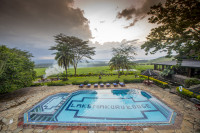
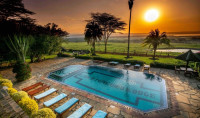
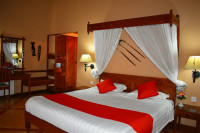
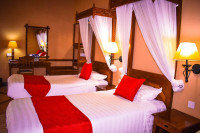
A 5 to 6-hour drive takes you into the Great Rift Valley. Lake Nakuru is a world-renowned birding destination. Check into Nakuru Safari Lodge (often referred to as Lake Nakuru Lodge). You will find the White Rhino and Rothschild's Giraffe here. Photography targets include the Greater and Lesser Flamingo, Great White Pelican, Long-crested Eagle, Arrow-marked Babbler, Little Rock-Thrush, Mocking Cliff-Chat, Rüppell's Robin-Chat, Grey-crested Helmetshrike, African Fish Eagle, and Black-necked Grebe.
- Main Destination:
- Lake Nakuru National Park
- Activities:
- Game drives (Pop-up roof 4x4 vehicle) & Specialized birding (with a professional birding guide)
- Accommodation:
- Lake Nakuru Lodge
Wildlife in Lake Nakuru NP

- Meals & Drinks:
Day 16
Kinangop Plateau and Sharp's Longclaw
Kinangop Plateau and Sharp's Longclaw
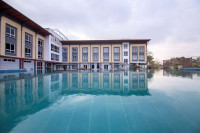
Drive 2 hours to the Kinangop grasslands. This is a high-altitude plateau critical for several Kenyan endemics. Stay at Eseriani The Resort in nearby Naivasha. Mammals are mostly livestock and Ground Squirrels. The primary target is the Sharp's Longclaw. Other species include Aberdare Cisticola, Jackson's Widowbird, Long-tailed Widowbird, Wing-snapping Cisticola, Hunter's Cisticola, Speke's Weaver, Augur Buzzard, Red-capped Lark, and Greater Blue-eared Starling.
- Main Destination:
- Kinangop Grasslands
- Activities:
- Specialized birding (with a professional birding guide) & Nature hikes/walks
- Accommodation:
- Eseriani Resort



- Meals & Drinks:

Day 17
Departure
Departure
A final 2-hour drive back to Nairobi. If time permits, do a quick stop at the Limuru ponds for Maccoa Duck before your afternoon flight. Final birding checklist additions: Maccoa Duck, Little Grebe, Yellow-billed Duck, Red-knobbed Coot, Hottentot Teal, Cape Teal, Southern Pochard, African Rail, Common Moorhen, and Grey-headed Gull.
- Main Destination:
- Nairobi (City)
- Accommodation:
- No accommodation (End of tour)
- Meals & Drinks: