$2,547 pp (USD)
2 travelers on Start dateArrival
Arrival
Day 1
Marangu gate to Mandara hut
Marangu gate to Mandara hut
Marangu Gate is one of the main entry points to Mount Kilimanjaro, located on the southeastern side of the mountain within Kilimanjaro National Park. It sits at about 1,870 meters above sea level and is the starting point of the popular Marangu Route, often called the “Coca-Cola Route” due to its relative accessibility and hut accommodations.
The gate features registration offices where climbers check in, obtain permits, and meet guides and porters before beginning their trek. Surrounded by lush rainforest, the area is rich in biodiversity, with chances to see monkeys and exotic birds. Marangu Gate also has basic facilities including toilets, a small shop, and information boards about the park. It serves as both a logistical hub and a scenic introduction to Kilimanjaro’s diverse ecosystems.


Day 2
Mandara Hut to Horombo hut
Mandara Hut to Horombo hut
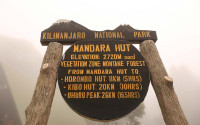
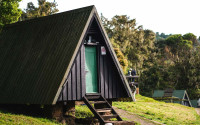
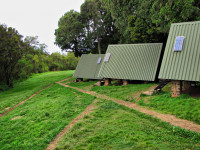
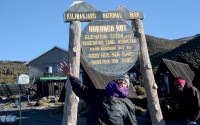
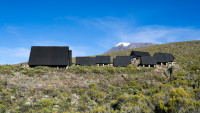
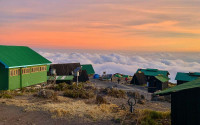
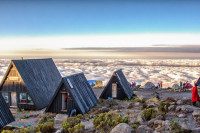
Mandara Hut is the first mountain hut on the Marangu Route of Mount Kilimanjaro, located within the lush rainforest zone at around 2,700 meters above sea level. It serves as an important resting point for climbers on their way up or down the mountain, offering basic but comfortable accommodation in shared dormitory-style huts.
Surrounded by dense tropical forest, Mandara Hut is known for its rich biodiversity, including colobus monkeys, blue monkeys, and a variety of colorful bird species. A short optional hike from the hut leads to the nearby Maundi Crater, which offers impressive views of the surrounding landscape and, on clear days, glimpses toward Kenya.
The atmosphere at Mandara Hut is peaceful and scenic, making it a memorable stop for trekkers acclimatizing to the altitude. It is also where many climbers spend their first night on Kilimanjaro, marking the beginning of their ascent toward higher camps and ultimately the summit.

Day 3
Horombo Hut to Mawenzi ridge for acclimatization
Horombo Hut to Mawenzi ridge for acclimatization
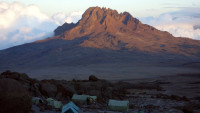
Mawenzi Ridge is a dramatic high-altitude feature on the eastern side of Mount Kilimanjaro, forming part of the rugged landscape between the Mawenzi volcanic peak and the central Kibo summit. Unlike the well-trodden rainforest trails below, this ridge lies in the alpine desert zone, characterized by rocky outcrops, steep slopes, and striking views across the mountain’s vast volcanic terrain.
The area is known for its raw, untouched beauty and challenging conditions, with thin air, strong winds, and rapidly changing weather. Climbers passing near Mawenzi Ridge experience some of the most dramatic scenery on Kilimanjaro, including jagged spires of Mawenzi Peak and expansive views stretching toward the Kenyan plains on clear days.
Though not part of the main Marangu Route camps, Mawenzi Ridge is an important visual and geographic highlight for trekkers, symbolizing the mountain’s volcanic history and the stark transition from lush forest to high alpine wilderness.
- Main Destination:
- Mount Kilimanjaro
- Accommodation:
- Horombo Hut
- Meals & Drinks:

Day 4
Horombo Hut to Kibo Hut
Horombo Hut to Kibo Hut
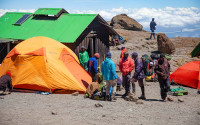
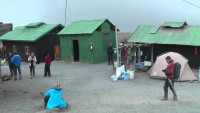
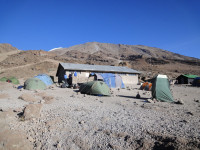
Kibo Hut is the final base camp on the Marangu Route of Mount Kilimanjaro, located at about 4,700 meters above sea level in the barren alpine desert zone. It serves as the last resting point before climbers make their midnight summit attempt to Uhuru Peak.
The hut is simple and functional, with dormitory-style accommodation and basic facilities, designed mainly for short stays and acclimatization. The environment around Kibo Hut is stark and rocky, with little vegetation, strong winds, and cold temperatures even during the day.
From Kibo Hut, climbers prepare for the most demanding part of the ascent—reaching the summit of Africa’s highest mountain. Most trekkers rest early in the evening before starting the final climb toward Gilman’s Point and eventually Uhuru Peak. The hut plays a critical role in the climb, marking the final staging point between the lower camps and the summit success.
- Main Destination:
- Mount Kilimanjaro
- Accommodation:
- Kibo Hut
- Meals & Drinks:

Day 5
Kibo Hut to Uhuru Peak
Kibo Hut to Uhuru Peak
Uhuru Peak is the highest point of Mount Kilimanjaro and the tallest free-standing mountain summit in the world, rising to 5,895 meters above sea level. Located on the rim of the Kibo volcanic crater, it marks the ultimate goal for climbers on all Kilimanjaro routes.
Reaching Uhuru Peak is the climax of the climb, typically achieved after a challenging overnight ascent from Kibo Hut through steep, rocky, and icy terrain. The final stretch is physically demanding due to high altitude, cold temperatures, and thin air, but the reward is unforgettable.
At the summit, climbers are greeted with panoramic views above the clouds, glaciers, and the vast African plains stretching into the horizon. The iconic “Uhuru Peak” sign symbolizes freedom and achievement, making it one of the most celebrated trekking summits in the world.
- Main Destination:
- Mount Kilimanjaro
- Accommodation:
- Kibo Hut
- Meals & Drinks:

Day 6
Horombo Hut to Marangu gate
Horombo Hut to Marangu gate
Horombo Hut is a key rest stop on the Marangu Route of Mount Kilimanjaro, located at about 3,720 meters above sea level. It sits in the moorland zone, where the dense rainforest gives way to open landscapes filled with giant heather, lobelias, and sweeping views of the mountain slopes.
The hut consists of dormitory-style wooden buildings that accommodate climbers on both ascent and descent. It is a popular acclimatization point, where many trekkers spend an extra night to help their bodies adjust to the increasing altitude before continuing toward higher camps like Kibo Hut.
From Horombo Hut, hikers enjoy panoramic views of Mawenzi Peak and, on clear days, the vast plains stretching toward the Kenyan border. The environment is cooler and drier than lower elevations, offering a dramatic change in scenery and marking an important stage in the journey up Kilimanjaro.
- Main Destination:
- Mount Kilimanjaro
- Accommodation:
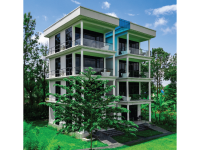
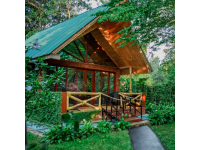
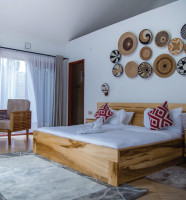
- Shose Farmhouse and Chalets

- Meals & Drinks:

Day 7
Zanzibar
Zanzibar
Zanzibar Archipelago is a tropical island paradise off the coast of Tanzania, known for its white sandy beaches, turquoise waters, and rich cultural history. The main island, Unguja, features Stone Town, a UNESCO World Heritage Site with narrow alleys, carved wooden doors, spice markets, and a blend of Swahili, Arab, Persian, and European influences.
The island is famous as the “Spice Island,” producing cloves, nutmeg, cinnamon, and vanilla, with spice farm tours offering insight into its trading heritage. Its coastline is lined with coral reefs ideal for snorkeling, diving, and dhow sailing, alongside palm-fringed beaches perfect for relaxation.
Zanzibar combines natural beauty, cultural richness, and historical depth, offering visitors a unique experience of the Indian Ocean lifestyle and a perfect tropical finale to any East African safari journey.
- Main Destination:
- Zanzibar Island (Tanzania Beaches)
- Accommodation:
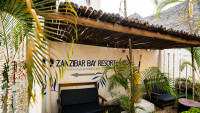
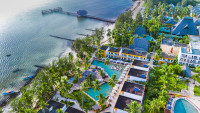
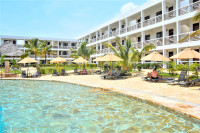
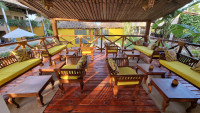
- Zanzibar Bay Resort
- Meals & Drinks:

Day 8
Zanzibar
Zanzibar
Zanzibar Archipelago is a tropical island paradise off the coast of Tanzania, famous for its white sandy beaches, warm turquoise waters, and rich cultural history. The main island, Unguja, is home to Stone Town, a UNESCO World Heritage Site filled with narrow winding streets, carved wooden doors, coral-stone buildings, and lively markets influenced by Swahili, Arab, Persian, and European cultures.
Known as the “Spice Island,” Zanzibar has a long history of spice cultivation, producing cloves, cinnamon, nutmeg, and vanilla. Visitors can explore spice farms, enjoy local cuisine, and learn about the island’s trading heritage.
The coastline offers coral reefs perfect for snorkeling and diving, along with dhow sailing and peaceful beach relaxation. Zanzibar combines culture, history, and natural beauty, making it an ideal ending to a Tanzanian safari adventure.
- Main Destination:
- Zanzibar Island (Tanzania Beaches)
- Accommodation:
- Zanzibar Bay Resort
- Meals & Drinks:

Day 9
Zanzibar and Departure
Zanzibar and Departure
Zanzibar Archipelago is a beautiful tropical island destination off the coast of Tanzania, known for its white sandy beaches, clear turquoise waters, and rich cultural heritage. The main island, Unguja, is home to historic Stone Town, a UNESCO World Heritage Site filled with narrow streets, carved doors, bustling markets, and centuries of Swahili, Arab, and European influence.
The island is also famous for its spice farms, earning it the nickname “Spice Island,” where cloves, cinnamon, vanilla, and nutmeg are grown. Visitors can explore spice tours, enjoy fresh seafood, and experience traditional Swahili cuisine.
Along the coastline, Zanzibar offers world-class snorkeling, diving, and dhow sailing in warm Indian Ocean waters. With its blend of culture, history, and beach relaxation, Zanzibar is a perfect finale to any Tanzanian safari adventure.
- Main Destination:
- Zanzibar Island (Tanzania Beaches)
- Accommodation:
- No accommodation (End of tour)
- Meals & Drinks: