
$1,167 pp (USD)
2 travelers on Start dateArrival
Arrival

Day 1
Arusha To Tarangire National Park
Arusha To Tarangire National Park
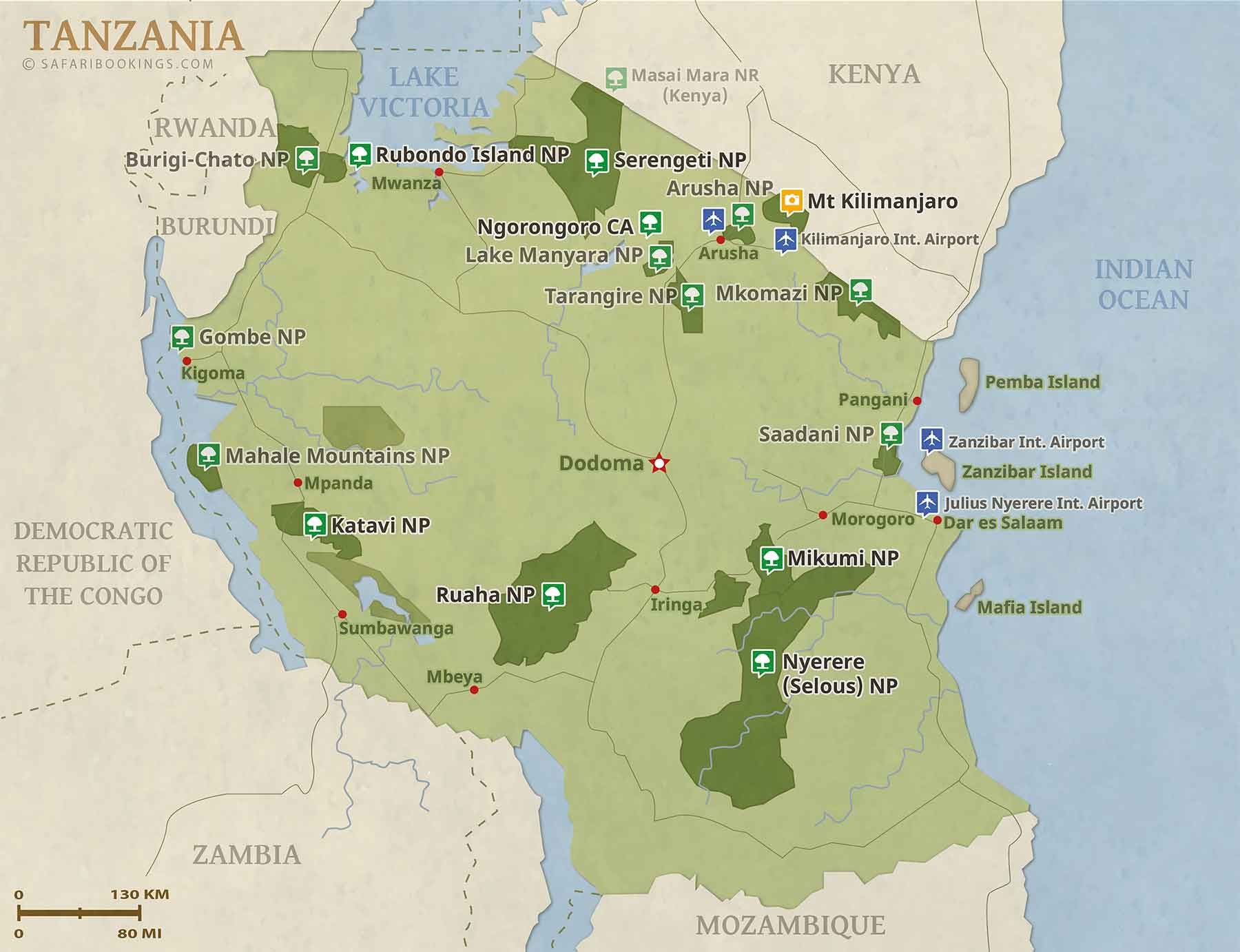
Your adventure begins with an early morning departure from Arusha toward Tarangire National Park. The drive takes about 2–3 hours, passing through Maasai villages and open countryside.
Tarangire feels quieter and less crowded than other parks, but it’s incredibly rich in wildlife especially elephants. You’ll likely see large herds moving slowly between the iconic baobab trees, which give the park a unique, almost prehistoric feel.
The Tarangire River is the main water source, so animals gather here zebras, wildebeest, giraffes, and predators lurking nearby. It’s a great introduction to safari life because sightings are frequent and diverse.
You’ll enjoy a picnic lunch inside the park, surrounded by nature, and continue with a game drive in the afternoon when animals are still active.
By late afternoon, you’ll exit the park and head to the cooler highlands near Karatu or Mto wa Mbu for dinner and overnight. This area is greener and more relaxed, perfect after your first safari day.
- Main Destination:
- Tarangire National Park
- Accommodation:
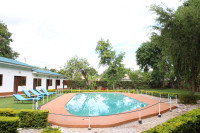
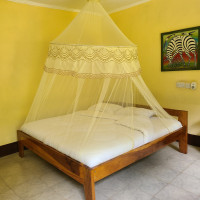
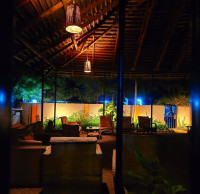
- Fig Tree Lodge
Wildlife in Tarangire NP



- Meals & Drinks:

Day 2
Lake Manyara National Park
Lake Manyara National Park
After breakfast, you’ll visit Lake Manyara National Park, a small but incredibly scenic park located at the base of the Great Rift Valley escarpment.
Unlike Tarangire, Manyara is lush and green, with groundwater forests filled with birds and monkeys. You might spot baboons right at the entrance, and if you’re lucky, the famous tree-climbing lions resting on branches.
The lake itself often hosts flamingos and other waterbirds, creating a beautiful pink shimmer along the shoreline (depending on season).
After a half-day game drive, the journey continues toward the legendary Serengeti National Park. This is a longer drive, but it’s far from boring. As you climb into the Ngorongoro highlands, the landscape changes dramatically rolling hills, mist, and panoramic views.
At the Ngorongoro viewpoint, you’ll get your first glimpse of the crater an unforgettable sight.
- Main Destination:
- Lake Manyara National Park
- Accommodation:
- Fig Tree Lodge
Wildlife in Lake Manyara NP
- Meals & Drinks:

Day 3
Serengeti National Park
Serengeti National Park
This is your full immersion into the Serengeti experience.
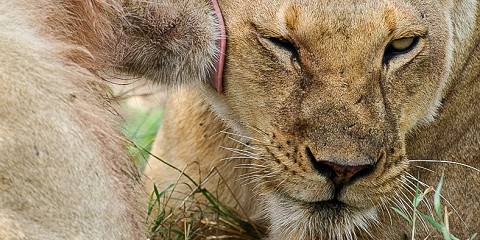
You’ll start early, often at sunrise, when predators are most active. Lions may still be hunting, cheetahs scanning the plains, and hyenas returning from the night’s activity.
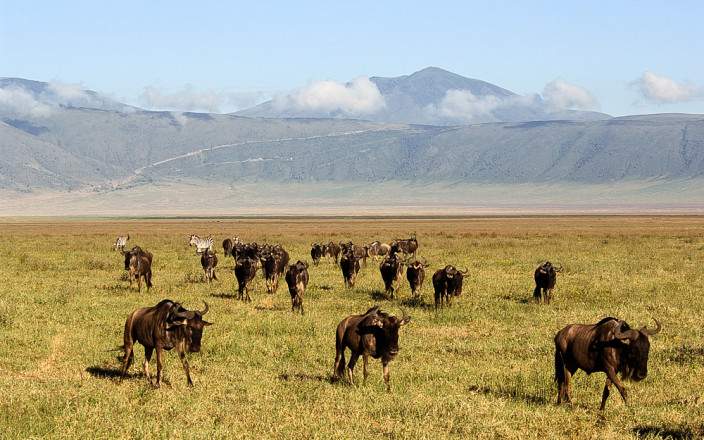
The Serengeti is famous for its vast ecosystem and high concentration of animals. Depending on the season, you might witness part of the Great Migration thousands of wildebeest and zebras moving across the plains.
Even outside migration season, the Serengeti offers incredible wildlife:
Lions resting in prides
Leopards hidden in trees
Elephants, giraffes, and buffalo roaming freely
You’ll spend the day exploring different areas, stopping for a picnic lunch in the bush. There’s something special about eating in the wild, surrounded by open land and distant animal calls.
- Main Destination:
- Serengeti National Park
- Accommodation:
- Budget camping
Wildlife in Serengeti NP
- Meals & Drinks:

Day 4
Serengeti National Park
Serengeti National Park
You’ll wake early again for one last Serengeti game drive. Morning is often the best time to catch animals before the heat of the day.
After breakfast or brunch, you begin your journey toward the Ngorongoro Conservation Area.
This is not just a transit day it’s still a game drive as you exit the Serengeti. Wildlife sightings continue along the way.
As you climb back into the Ngorongoro highlands, the air becomes cooler and the scenery changes again. You’ll arrive near the crater rim by late afternoon or evening.
The view from the top is breathtaking a massive volcanic caldera filled with wildlife below. It sets the stage for your final safari day.
- Main Destination:
- Serengeti National Park
- Accommodation:
- Budget camping
- Meals & Drinks:

Day 5
Ngorongoro Crater
Ngorongoro Crater
Your last day begins early with a descent into the famous Ngorongoro Crater.
The crater is like a natural wildlife enclosure, making it one of the best places in Africa to see animals up close. Because the area is relatively small and enclosed, wildlife density is very high.
Here you have a strong chance to see:
Black rhinos (rare elsewhere)
Lions and hyenas
Large herds of buffalo and zebra
Hippos in the crater lakes
The scenery is also stunning open grasslands, acacia trees, and a soda lake in the center.
You’ll spend about 5–6 hours exploring the crater floor, with a picnic lunch near a hippo pool.
In the afternoon, you ascend the crater walls and begin your return journey to Arusha, marking the end of your safari.
- Main Destination:
- Ngorongoro Crater
- Accommodation:
- No accommodation (End of tour)
Wildlife in Ngorongoro Crater


- Meals & Drinks: