$5,337 pp (USD)
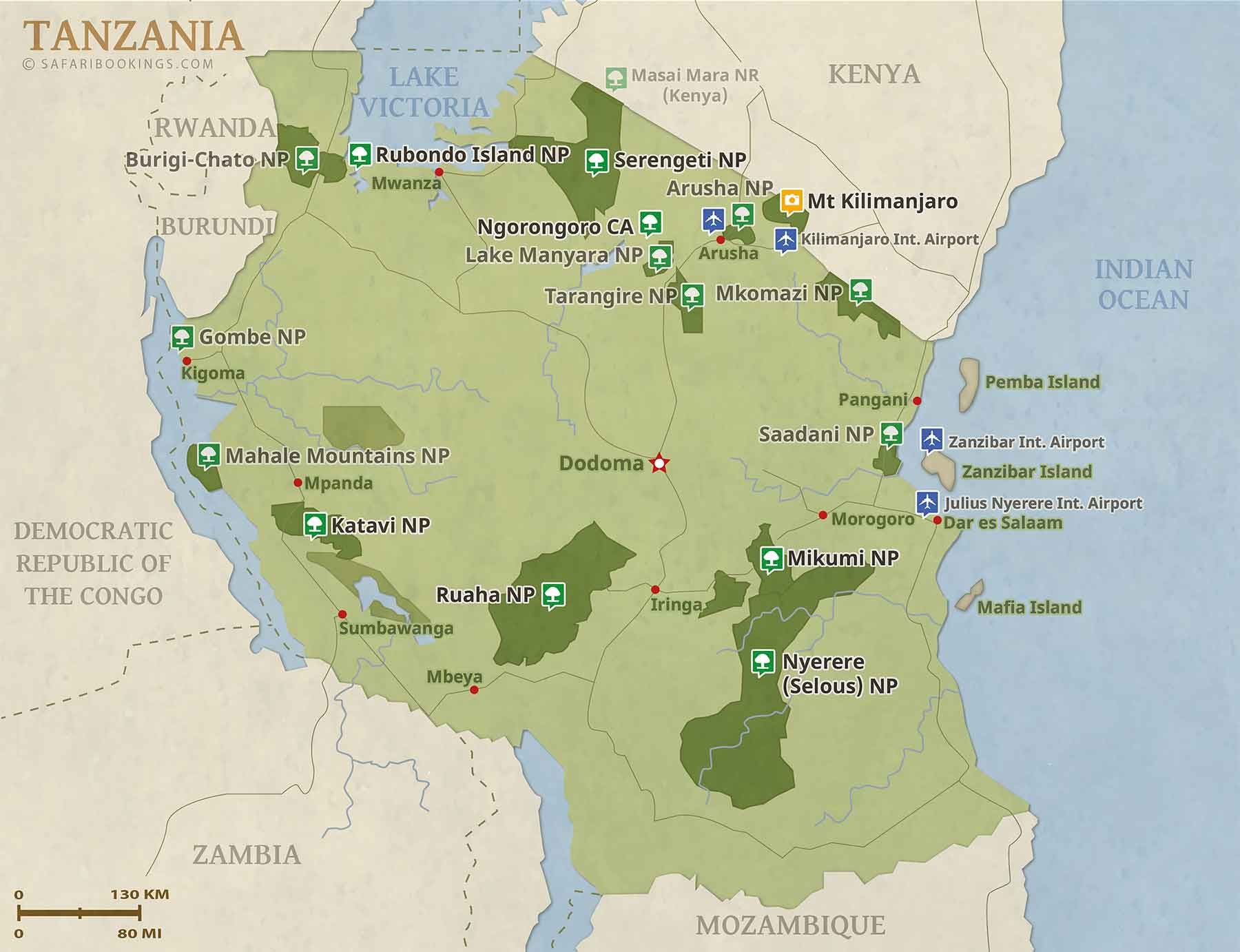
2 travelers on Start dateArrival
Arrival

Day 1
Nairobi - Lake Naivasha
Nairobi - Lake Naivasha
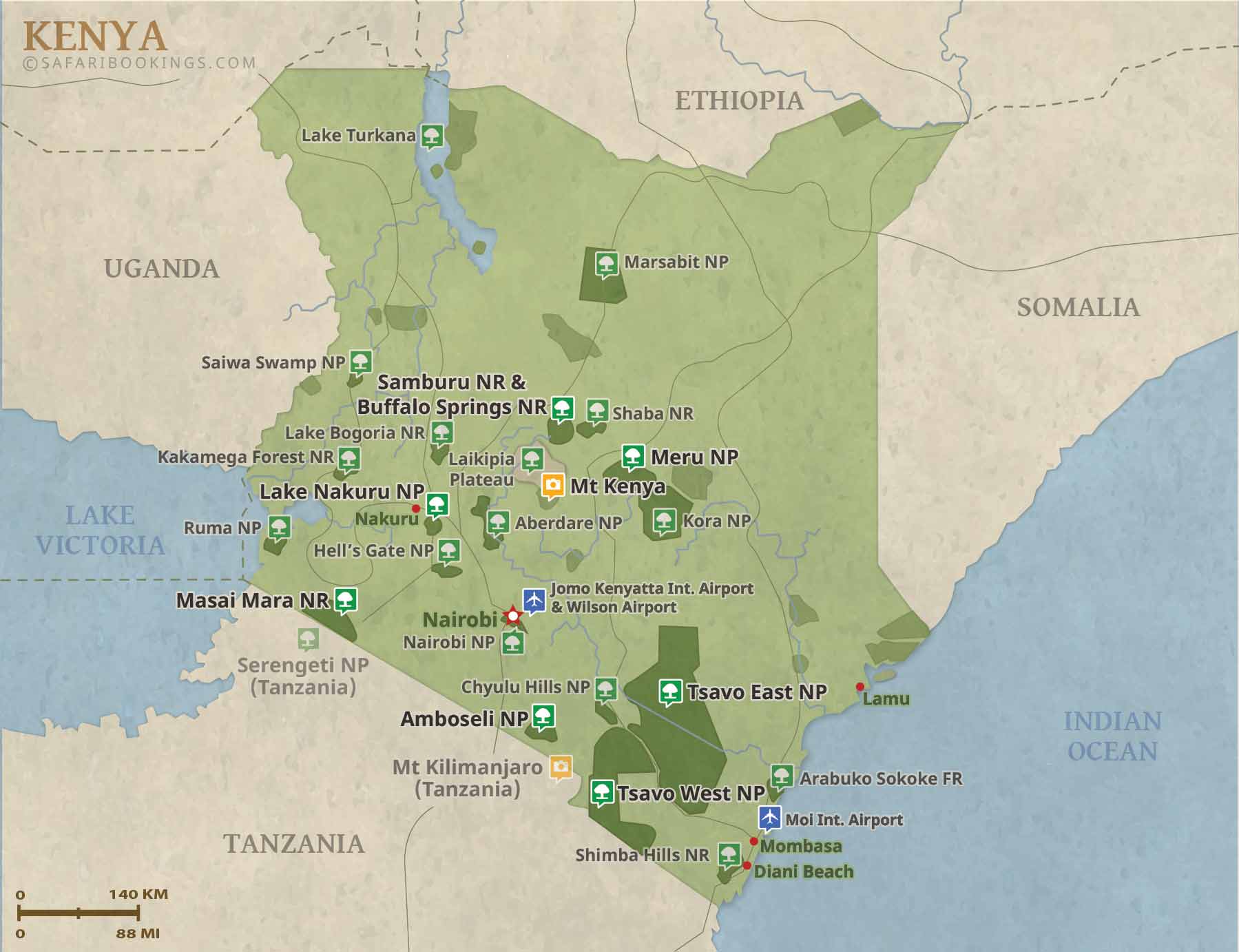
You'll be picked up from your hotel or the airport and immediately whisked away to Lake Naivasha National Park. The short, two to three hour drive passes by some beautiful scenery, and before you know it you'll be lakeside and ready for your game drive.
Situated at an elevation of 1,884m, Lake Naivasha is the highest lake within the Great Rift Valley and is home to many species of birds and animals - about 400 bird species and over 1500 hippos!
Today you will have a walking safari on Crescent Island Game Sanctuary. Tours of the sanctuary last between 1.5-3 hours, and highlights include walking amongst the resident giraffes and zebras.
You will also have a boat safari to get up close to the hippos and birds in the lake. If you look to the shores, you may see zebras, wildebeest, and giraffes.
A typical both safari on Lake Naivasha takes around an hour, and the lake’s sheer size means that you will not be distracted by the rumble of other boat engines.
- Main Destination:
- Lake Naivasha (Naivasha, Kenya)
- Accommodation:
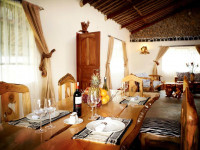
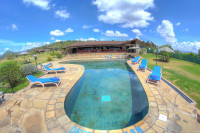
- Naivasha Kongoni Lodge
- Meals & Drinks:

Day 2
Lake Naivasha - Masai Mara National Reserve
Lake Naivasha - Masai Mara National Reserve
It wouldn't be a safari in Kenya without a visit to the legendary Masai Mara.
You'll depart from Lake Naivasha after breakfast and drive south to the Masai Mara, the home to the Eighth Wonder of the World - the Great Wildebeest Migration.
Whatever time of the year you're in the park, you'll get the chance to see lions, leopards, elephants, giraffes, zebras, wildebeest, cheetahs, and more. In certain months, during the Wildebeest Migration, the park is flooded with more than 1.7 million wildebeest and 500,000 zebras.
You'll enjoy lunch at your lodge before heading out into the park for an afternoon game drive.
- Main Destination:
- Masai Mara National Reserve (Kenya)
- Accommodation:
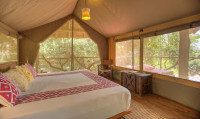
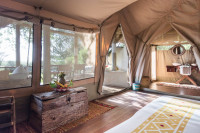
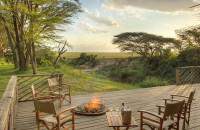
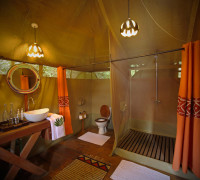
- Basecamp Masai Mara
Wildlife in Masai Mara NR


- Meals & Drinks:

Day 3
Masai Mara National Reserve
Masai Mara National Reserve
Wake before the dawn for the once-in-a-lifetime opportunity to witness a Masai Mara sunrise. After a quick cup of coffee, you'll head out into the park to watch as the sun sets fire to the savannah and the big cats take advantage of the morning cool to search for a meal.
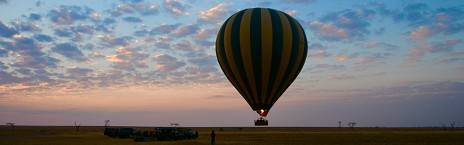
Alternatively, you can take to the skies with a hot air balloon safari that will see you soar above all of the action before setting down on the plains for a champagne breakfast among the wildlife. Ask your safari expert about adding a hot air balloon adventure to your safari.
You'll then return to your lodge for a late breakfast before packing a picnic lunch and heading back out into the park for a day-long exploration of the Masai Mara. You may also opt to relax at your lodge in the morning, enjoy lunch on site, and then head out again in the afternoon once the weather has cooled off a bit.
- Main Destination:
- Masai Mara National Reserve (Kenya)
- Accommodation:
- Basecamp Masai Mara
- Meals & Drinks:

Day 4
Masai Mara - Serengeti National Park (Kogatende)
Masai Mara - Serengeti National Park (Kogatende)
There's no pulling punches here: this is a long day's driving.
Departing after an early breakfast with a packed lunch, you'll enjoy a game drive en route to the Isebania border crossing that separates Tanzania and Kenya. Once your immigration formalities are complete and you've met with your new Tanzanian driver, you'll continue to the Serengeti.
Arriving late in the day, you'll check into your hotel and relax ahead of tomorrow's explorations. It is possible to cut on some travel time by opting for a flight here. The exact price will depend on your travel dates and availability.
- Main Destination:
- Northern Serengeti National Park (Tanzania)
- Accommodation:
-
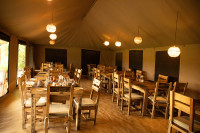
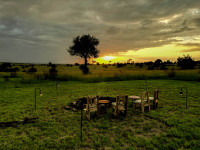
Mara Pure Migration Camp

Wildlife in Serengeti NP
- Meals & Drinks:

Day 5
Serengeti National Park (Kogatende)
Serengeti National Park (Kogatende)
After breakfast, you'll start your game drive around the Kogatende area, searching around the kopjes looking for carnivores and the large migration groups that will be preparing to cross the Mara River into Kenya.
Home to large numbers of hippos and Nile crocodiles, the Mara River is the last major obstacle standing between the Wildebeest Migration and the relative safety of the Masai Mara. If you're patient and a little lucky, you may even get to witness the death-defying crossing itself where wildebeest and zebras brave the river's currents and crocodiles in an attempt to reach safety on the opposite bank.
Your dinner and overnight stay will be in the heart of the Serengeti National Park according to the standard and the type of accommodation requested from our options.
- Main Destination:
- Northern Serengeti National Park (Tanzania)
- Accommodation:
- Mara Pure Migration Camp
- Meals & Drinks:
Day 6
Serengeti National Park (Central)
Serengeti National Park (Central)
We'll start our day immediately after breakfast, driving through the plains of Togoro and the Mbuzi Mawe kopjes on our way to cross the Banagi River into the Seronera region of Central Serengeti. Along the way, you'll spot everything from the enigmatic dik-diks to towering elephants, and everything in between.
The Seronera is often known as 'big cat country' and its kopjes and acacias provide an excellent opportunity to spot a pride of lazy lions, sleek cheetahs out on the hunt, and leopards overseeing everything from their lofty perches.
The region's hippo pools and wide open spaces provide ample opportunities for game viewing.
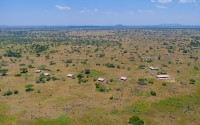
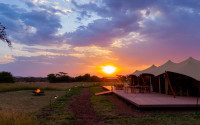
You'll have dinner and an overnight stay in the heart of the Serengeti National Park according to the standard and the type of accommodation requested from our options.
- Main Destination:
- Central Serengeti National Park (Tanzania)
- Accommodation:
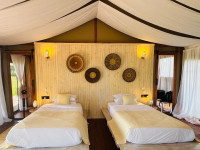
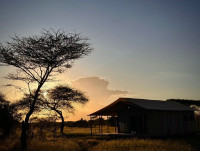
- Tamu Tamu Tented Camp
- Meals & Drinks:

Day 7
Serengeti National Park - Ngorongoro Conservation Area
Serengeti National Park - Ngorongoro Conservation Area
After breakfast, you will get right back on the road towards the Ngorongoro Conservation Area.
Your drive takes you back through the Serengeti via a different route, offering plenty of opportunities to spot the animals that eluded you on day two. As far as the eye can see, you’ll spot thousands upon thousands of animals in herds, wildebeests and zebras migrating together, tall and graceful giraffes, jumping antelopes and gazelles, the powerful African elephants and the most respected group of animals: the predators.
You will have the chance to spot lean cheetahs and shy leopards, foraging hyenas, and last but not least, the king himself, the lion.
Your dinner and overnight stay will be on the rim of the Ngorongoro Crater or in nearby Karatu Town according to the standard and the type of accommodation requested from our options.
- Main Destination:
- Ngorongoro Highlands (Tanzania)
- Accommodation:
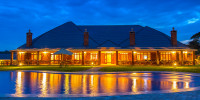
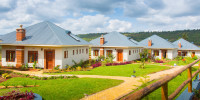
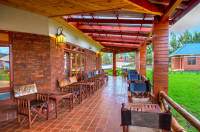
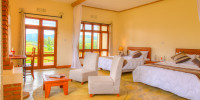
- Marera Valley Lodge
- Meals & Drinks:
Day 8
Ngorongoro Crater - Arusha
Ngorongoro Crater - Arusha
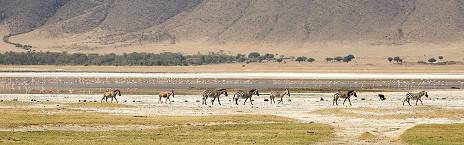
After breakfast, you'll depart for Ngorongoro Crater, considered by some to be the Eighth Wonder of the World. When you get your first glimpse of this vast, verdant caldera from the panoramic viewpoint, you'll soon understand why it has earned such a lofty reputation.
Home to over 120 species of mammal including the fabled Big Five, the Ngorongoro Conservation Area is one of the most sought-after safari destinations in the world. It's a particularly good place to see the endangered black rhinoceros enjoying a lonely meal out on the grass plains, as well as a place to see large numbers of hippos enjoying the cool water.
From the comfort of your open-top vehicle, you'll be able to observe and photograph some of Africa's most recognizable faces. The crater is home to a large number of predators including lions, leopards, cheetahs, jackals, and hyenas, a population of wildebeests, zebras, antelope, and cape buffalos. You'll head to Arusha and be dropped off at your hotel.
- Main Destination:
- Ngorongoro Crater (Tanzania)
- Accommodation:
- No accommodation (End of tour)
Wildlife in Ngorongoro Crater


- Meals & Drinks: