
- You are here:
- Home
- Tour Operators
- Delta Gate Mobile safaris
- Company Profile

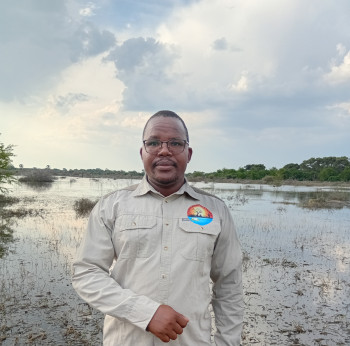
Teedzani Socks,the director
Delta Gate Mobile safaris
- Office In:
- Size:
- 5-10 employees (Founded in 2023)
- Tour Types:
- Custom budget & mid-range tours that can start every day
- Destinations:
-
BWNAZW
- Price Range:
- $200 to $480 ppper person per day (USD, excl. int'l flights)
Delta Gate Mobile safaris
Company Profile
We offer day trips and overnight trips,scenic flights,mobile safari , cultural tours,stargazing, mokoro excursion and boat cruise.We cover areas such as Moremi Game Reserve,Mababe Depression,Nxai pan National park,Makgadikgadi salt pans,, Okavango Delta,,Chobe National park,Central Kalahari Game Reserve ,Victoria falls including schedule trips in both Namibia and Zimbabwe.
Okavango Delta
The Okavango Delta is a large low gradient of alluvial soils inland delta located in the northwest of Botswana. The area includes permanent swamps which covers approximately 600,000 ha along with up to 1.2m ha of seasonally flooded grassland. The Okavango Delta is one of the very few huge inland delta systems without an outlet to the sea, therefore its waters drain quickly into the desert sands of the Kalahari Basin.
The inscribed World Heritage property encompasses an area of 2,023,590 ha with a buffer zone of 2,286,630 ha. It is one of the world's top tourist destination. The largest inland delta covers 1% of the African continent became the 1,000th UNESCO World Heritage site in 2014. The Okavango Delta cuts through the centre of the Kalahari Desert, creating a unique inland water system that gives life to a huge variety of birds and mammals.
The Okavango Delta is a unique safari destination because you can view much of wildlife from a traditional dugout canoe known as a mokoro excursion. Every year the delta floods covering 16,000 km. The best time to view is during the peak of the floods including the dry season from May to October. The wildlife is more concentrated on the islands at this time and it is therefore easier to see them. As the floods recede, new grass sprung up and the wildlife is scatters to feed.
Chobe National Park
Chobe National Park was established in 1968 and covers approximately 11,700 square kilometres. It consists of flood plains, swamps and woodlands. The Chobe River forms the park's northern boundary, which includes four different geographical area such as the the Chobe riverfront, the Ngwezumba Pans, Savuti and Linyanti.
The most and accessible and mostly visited of Botswana's big game country, the Chobe riverfront is most well known for its huge herds of elephant and cape buffalos that gather on the riverbank to drink during the dry winter months. During the dry season, on an afternoon game drive, you will see herds of hundreds of elephants roaming freely in their paradise.
Undoubtedly one of the Africa's most beautiful rivers, the Chobe River supports a diversity and concentration of wildlife unparalleled anywhere else in the country. Whether arriving by air or road,the first glimpse of the river, deep and dazzling in the sandy terrain, is always breathtaking. It appears as swathe of brilliant peacock blue ribbon winding its way through the small tourism town called Kasane.
Savuti
Savuti is a must-see wildlife destination area with incredible natural beauty and 11,000 square kilometres of remote and untamed wilderness. Botswana's Savuti Channel is located in the world famous Chobe National Park. Whether you are following elephants or being enchanted by a pride of lions, Savuti is an oasis for all types of wildlife and vegetation.
There are magnificent rocky outcrops standing majestically in Savuti such as Gubatsaa Hills, formed millions of years ago. Desert-like landscape of scorching sun and hot sand and vast open savanna are well known for exceptional concentrations of predators. Savuti has desert plains and unique wetlands and it is a haven for all kinds of wildlife is renowned for its explosive big game viewing such as lions, elephants, leopards, cheetah, hyenas and many more.
This harsh and mysterious area is different to the beautiful Savuti Channel which flows out into a marshland during the rainy season. You will find pans and pools and many open plains which are a playground for wildlife. You will enjoy incredible predator sightings of leopard, bat-eared fox, lion, spotted hyena, giraffe, buffalo, elephant and wild dog.
Moremi Game Reserve
Moremi Game Reserve is named after Chief Moremi of the Batawana tribe. The reserve is the wild heart of the Okavango Delta. In 1963, Moremi Game Reserve became the oldest and first protected game reserve within the Okavango Delta. The place is covered by mopane woodlands to floodplains, sparkling lagoons, winding rivers and acacia forests. Striking predators roam the diverse landscapes in between huge herds of elephants, buffalos, zebras and antelopes. It is a genuine wilderness where nature's timeless majesty unfolds right before your eyes.
Moremi Game Reserve consists of permanent and seasonal swampy areas intermixed with dry land. It is located in the central and eastern areas of the Okavango Delta. Moremi Game Reserve is the only section of the delta protected by government authorities and encompases large wilderness area with a diverse ecosystem. Well known for its extensive lagoons, notoriously big game and winding tracks of forests, lush grasslands and waterways, Moremi Game Reserve offers up close and personal encounter with animals. Game viewing in this area is rich and rewarding, including bird watching, with over 39,000 km to explore therefore there is something new to discover and enjoy.
The diversity of habitats makes spotting interesting and varying wildlife is rewarding and frequent. Moremi Game Reserve is undoubtedly a dream for wildlife enthusiasts. The place is known for having one of the most diverse habitats and animal populations in Botswana. Moremi Game Reserve consists of stunning landscapes and incredible game viewing. It is widely regarded as the most beautiful place in the Okavango Delta and covers one third of the eastern part of the delta with its boarders. It is currently the best place on the planet to find African wild dogs as well as embracing the magic of the riverine, forests, seasonal floodplains and serpentine channels.
Makgadikgadi Pans National Park
The Makgadikgadi Pans in northeastern Botswana, forms a section of the remnants of one of the world's largest ancient lakes. This expansive area includes salt pans, grassy plains and the Boteti River system, forming a diverse a semi arid ecosystem. Its open dramatic landscapes offer a sense of scale and solitude difficult to find elsewhere, making it a unique contrast to Botswana's wetter areas. The Makgadikgadi Pans are among the vast salt pans flats in the world, creating huge open horizons, surreal landscapes and seasonal wildlife spectacle in one of Botswana's most striking desert environments.
Makgadikgadi Pans National Park stretches from the Boteti River through to one of the world's largest salt flats covering around 12,000 square kilometers. Guests are captivated by its lunar like landscape, ancient baobab and huge salt pans. Makgadikgadi Salt Pans is well known for its seasonal zebra and wildebeest migration, one of the southern species Africa's huge wildlife movements. The park promises unparalleled stargazing opportunities. A journey to Makgadikgadi is a voyage to nature's wonders.
During the rainy season, herds gather on the grasslands attracting predator such as lions and hyenas. Along the Boteti River elephants, hippos and antelopes concentrate during the drier season. Meerkats are also found in this area. Birds are also plentiful, with flamingos and migratory species when water is present. Makgadikgadi offers dramatic seasonal contrasts. During the rainy season from December to April, the pans transform with fresh grass and migratory herds creating vibrant wildlife scenes. In the dry season, the salt pan stretch endlessly under huge skies, offering stark beauty and clear night skies ideal for stargazing. Each season reveals a different character of this extraordinary desert landscape.
Communites surrounding the Makgadikgadi pans include the Bakalanga, Bayeyi and the San people, whose history are deeply connected to this ancient lansdcape. The region is considered one of the earliest areas of human settlement. The San people traditional tracking knowledge and survival skills depict generations of adaptation to the semi-arid environment. Today, cultural heritage, storytelling and community life life remain integral to the region's identity.
Nxai Pan National Park
Nxai Pan National Park is part of the Makgadikgadi Pan National Park. It covers an area of 2,578 square kilometres and comprises of several larger pans. Nxai Pans includes: Kgama Pan and Kuduakan Pan which were once ancient salt lakes. These larger pans are non grazed and are scattered with islands of acacia trees and smaller pans that will fill with water during rainy seasons, offering rich resource for wildlife species.
Nxai Pan's wide open plains offers exceptional sightings for predator tracking. Cheetahs are frequently encountered using the flat terrain to hunt. Lions patrol the grasslands during the migration season. Clusters of Baines baobabs, the ancient trees made well known by explorer Thomas Baines, create beautiful foreground elements for sunrise and astrophotography. Nxai Pan pairs naturally with Makgadikgadi Pans during the migration season. Its compact geography makes wildlife tracking efficient while maintaining a strong sense of wilderness.
Best Time to Visit Nxai Pan National Park Green Season (December - March): Migration activity and predators interaction. Dry Season ( May - October): Offers clear backgrounds and strong baobab silhouettes. Species to be sighted are: zebras, wildebeest, springbok, lions, cheetahs, impala, gemsbok, brown hyenas, wild dogs, elephants and bird species such as the kori bustard, the heaviest flying bird.
Central Kalahari Game Reserve
The Central Kalahari Game Reserve offers a huge, remote wilderness of open plains, unique wildlife and a truly untamed safari experiences. It is an extensive national park in the Kalahari Desert of Botswana. Established in 1961, it covers an area of 52,800 square kilometers and almost 10% of Botswana's total land mass, making it the second largest game reserve in the world. The reserve is located entirely within Botswana's Ghanzi district, making up over 40% of the district territory.
The Central Kalahari Game Reserve hosts South African giraffe, elephants, brown hyenas, honey badger, meerkats, yellow mongoose, common warthog, cheetah, caracal, African wild dogs, Cape ground squirrels, leopards, black-maned lions, eland, blue wildebeest, gemsbok, zebras and many more.
The Central Kalahari Game Reserve (CKGR) operates on two main seasons; hot, wet summer (November - April) and cold, dry winter (May - October). The best time for game viewing is paradoxically during the rainy season (December - March) when rains attract huge herds to the greening northern plains. The dry season offer better roads conditions and improved visibility of predators around permanent waterholes.
The Bushman or the San, have inhabited the lands for many years since they roamed the area as nomadic hunters. The San speak languages of the Khoe, Tuu and Kx'a language families and can be defined as a people only in contrast to neighbouring pastoralists such as the Khoekhoe and descendants of more recent waves of immigration such as the Bantu and South Asians.
Mababe Depression
Mababe offers a true adventure for safari goers and an unforgettable spectacle. Botswana's Mababe Depression is located in the southern reaches of the expansive Chobe National Park. The depression covers 50,000 hectares of vast grassland, marsh and mophane wood fed by the ever present water from Mababe River and the ever shifting channels of the Okavango Delta.
It is a remote and lesser known area of Chobe National Park, offering a unique ecosystem with rich landscapes and diverse wildlife. Mababe also offers you a chance to follow massive herds of buffalo and zebra across across the open plains that stretch the whole breath of the horizon. Keep your eyes locked on lion prides, cheetahs, wild dogs and hyenas who take advantage of the leftover kills and even hunt in broad daylight. It is a harsh yet a beautiful area, but it is not just the incredible wildlife sightings that make the Mababe Depression a must-visit destination. Mababe Depression is also known for dramatic seasonal changes.
During the dry season, April - September, a big patched savanna dominates the skyline with the nutrient rich grass drawing in animals from kilometers around. In summer, October - March, the plains fills with water, transforming into a 2,600 hectares wetland. No matter the season, you can expect diverse and amazing wildlife sightings from elephants and giraffe to bat-eared foxes, jackals, African wild cats and rare bird species like the kori bustard. Mababe Depression's location creates a unique opportunity to eye witness seasonal wildlife patterns starting from November to March where huge herds of buffalos and zebras use Mababe as a migration corridor.
During dry and floods season, April - October, herbivores spread across the marsh, attracting a range of predators such as lions, leopards, wild dogs, cheetah and spotted hyenas which hunt in the day and night. For bird watchers, Mababe Depression is the place to be to spot birds such as storks, eagles, kingfishers and many more. Apart from enjoying wildlife species in Mababe, you can visit the Mababe village across the river and gain insight into the culture and daily life of the locals.
Victoria Falls
Explore the majesty of Victoria Falls, the adventure destination where many of our safaris begin or end. The sheer magnitude of water crashing down, its roar echoing as mist rises to paint rainbows across the sky is truly awe-inspiring. This natural spectacle, known locally as Mosi oa Thunya, the Smoke that Thunders, offers more than a visual feast. Here, visitors can dive in to the adrenaline packed activities like white water rafting on the Zambezi, jumping with the falls as a back drop.
A visit to Victoria Falls is a perfect ending or beginning to any Botswana safari. Victoria Falls, one of the seven Natural Wonders of the World, is a breathtaking spectacle where the Zambezi river cascades into a dramatic gorge. Victoria Falls lies on the border between Zimbabwe and Zambia, along the mighty Zambezi River in southern Africa. This iconic destination is easily accessible and serves as a gateway to many national parks across southern Africa. The town of Victoria Falls blends natural beauty with a vibrant local life, offering visitors scenic viewpoints, rainforest walks and proximity to the dramatic gorge carved by centuries of falling water.
Victoria Falls offers different seasonal experiences throughout the year. From February to May, the falls are at their fullest, forming a dramatic spray and powerful views. During drier months from August to December, water levels drop, allowing clear visibility of the gorge and a unique perspective of the rock formations. Wildlife viewing in nearby parks is generally best in the dry season, when animals gather along the river. The nearby Zambezi National Park and river corridors are home to the largest animal on land, elephants as well as buffaloes, hippos, crocodiles and different antelopes. Birdlife is plentiful, with kingfishers, fish eagles and herons commonly seen along the river banks.
Disclaimer
- All corporate and/or tour info is provided by Delta Gate Mobile safaris, not SafariBookings