
Tour Length
Rates in USD $ – Change Currency
Per person, excl. international flightsOperator Rating
Other Tour Features
Filter by Operator
Filter by Accommodation
Ruaha Safari - Compare 52 Tours
After Selous Game Reserve (now renamed to Nyerere National Park), Ruaha is Tanzania’s second-largest national park and is a genuine wilderness experience. Known for the beauty of its landscapes and its outstanding wildlife experiences, Ruaha National Park is big enough, and far enough away from well-traveled safari routes, to never get crowded, even during high season. The variety of wildlife you can see here rivals many of Tanzania’s more famous parks and reserves. And whether you’re a first-time safari traveler or someone who has visited other, better-known parks, Ruaha offers a unique safari experience that you’re sure to enjoy.
-

3-Day Ruaha Untamed Luxury into Tanzania Last Wilderness
$3,113 pp (USD)
Tanzania: Shared tour (max 14 people per vehicle)LuxuryLodge
You Visit: Zanzibar (Start), Ruaha NP, Zanzibar (End)

Safari Soles
5.0/5 – 614 Reviews

-

8-Day Nyerere, Mikumi & Ruaha Safari Drive in Fly Out
$2,572 pp (USD)
Tanzania: Private tour
Mid-range LodgeYou Visit: Dar Es Salaam (Start), Nyerere NP, Mikumi NP, Ruaha NP, Dar Es Salaam (End)

Plex Africa Safaris
5.0/5 – 217 Reviews
-
Best Seller

10-Day Nyerere, Udzungwa, Mikumi & Ruaha Safari Package
$3,628 to $3,662 pp (USD)
Tanzania: Private tour
Mid-range Lodge & HotelYou Visit: Dar Es Salaam (Start), Nyerere NP, Mikumi NP, Udzungwa Mountains, Ruaha NP, Dar Es Salaam (End)

Rioba Safaris
5.0/5 – 65 Reviews
-

6-Day Mikumi, Udzungwa Mountains and Ruaha NP by Train
$1,334 pp (USD)
Tanzania: Private tour
Mid-range Lodge & HotelYou Visit: Dar Es Salaam (Start), Mikumi NP, Udzungwa Mountains, Ruaha NP, Dar Es Salaam (End)

Africa Mulimi Safari Company
4.9/5 – 97 Reviews
-
![8-Day The Allure of Tanzanias Southern Parks]()
8-Day The Allure of Tanzanias Southern Parks
$3,465 pp (USD)
Tanzania: Private tour
Mid-range Lodge & Tented CampYou Visit: Dar es Salaam (Start), Mikumi NP, Ruaha NP, Morogoro (City), Nyerere NP, Dar Es Salaam (End)

Reuel Travel Company
5.0/5 – 4 Reviews
-
Best Seller
![16-Day Northern Circuit, Southern Tanzania and Migration]()
16-Day Northern Circuit, Southern Tanzania and Migration
$6,035 pp (USD)
Tanzania: Private tour
Mid-range Lodge & Tented CampYou Visit: Zanzibar (Start), Central Serengeti NP, Serengeti NP, Ngorongoro Crater, Tarangire NP, Dodoma (City), Ruaha NP, Morogoro (City), Mikumi NP, Udzungwa Mountains, Nyerere NP, Zanzibar Airport (End)
Uwanda Tours and Safaris
4.9/5 – 318 Reviews
-
![4-Day Ruaha National Park Wildlife Safari]()
4-Day Ruaha National Park Wildlife Safari
$956 pp (USD)
Tanzania: Private tourBudgetCottage
You Visit: Iringa (Start), Ruaha NP, Iringa (End)
Migration Venture Africa
4.7/5 – 471 Reviews
-
17-Day Safari Across Tanzania from North to South
$11,127 to $12,374 pp (USD)
Tanzania: Private tour
Mid-range Lodge & Tented CampYou Visit: Arusha (Start), Arusha NP, Tarangire NP, Mto wa Mbu (Town), Ngorongoro Crater, Serengeti NP, Ruaha NP, Dar Es Salaam (End)
Altezza Travel
5.0/5 – 54 Reviews
-
![7-Day Mikumi, Udzungwa NP & Ruaha NP - Camp with Maasai]()
7-Day Mikumi, Udzungwa NP & Ruaha NP - Camp with Maasai
$1,496 pp (USD)
Tanzania: Private tourBudgetCamping & Lodge
You Visit: Dar Es Salaam (Start), Mikumi NP, Udzungwa Mountains, Tungamalenga (Town), Ruaha NP, Isimila Stone Age Site (Highlight), Dar Es Salaam (End)
African Pangolin Safaris
5.0/5 – 104 Reviews
-
![8-Day Fixed Camping Safari Nyerere, Mikumi & Ruaha]()
8-Day Fixed Camping Safari Nyerere, Mikumi & Ruaha
$2,250 to $2,306 pp (USD)
Tanzania: Private tourBudgetCamping
You Visit: Dar Es Salaam (Start), Nyerere NP, Mikumi NP, Ruaha NP, Udzungwa Mountains, Dar Es Salaam (End)
Safari Moja Matata
5.0/5 – 78 Reviews
-
6-Day The Ultimate Escape
$1,637 pp (USD)
Tanzania: Private tourBudgetLodge & Hotel
You Visit: Dar Es Salaam (Start), Nyerere NP, Mikumi NP, Ruaha NP, Dar Es Salaam (End)
Destiny Explorers
4.9/5 – 177 Reviews
-
![8-Day Mikumi, Nyerere & Ruaha Safari– Flight to Zanzibar]()
8-Day Mikumi, Nyerere & Ruaha Safari– Flight to Zanzibar
$4,082 pp (USD)
Tanzania: Private tour
Mid-range Lodge & Tented CampYou Visit: Dar Es Salaam (Start), Nyerere NP, Mikumi NP, Ruaha NP, Zanzibar (End)
African Vistas
4.9/5 – 10 Reviews
-
![3-Day Mid-Range Ruaha Fly-in Safari from Dar Es Salaam]()
3-Day Mid-Range Ruaha Fly-in Safari from Dar Es Salaam
$1,406 to $1,519 pp (USD)
Tanzania: Private tourBudgetHotel & Banda
You Visit: Dar Es Salaam (Start), Ruaha NP, Dar es Salaam Airport (End)
Tiem Tours And Safaris
4.9/5 – 11 Reviews
-
![3-Day Southern Tanzania Safari Adventure from Zanzibar]()
3-Day Southern Tanzania Safari Adventure from Zanzibar
$2,025 pp (USD)
Tanzania: Private tour
Mid-range LodgeYou Visit: Zanzibar (Start), Ruaha NP, Zanzibar (End)
Hadza Guides Africa
5.0/5 – 5 Reviews
-
![14-Day Southern Tanzania Special Safari]()
14-Day Southern Tanzania Special Safari
$6,525 pp (USD)
Tanzania: Private tour
Mid-range Lodge & HotelYou Visit: Dar es Salaam (Start), Mikumi NP, Ruaha NP, Katavi NP, Mbeya (City), Dar Es Salaam (End)
Sunday Safaris
5.0/5 – 5 Reviews
-
![5-Day Mikumi and Ruaha Safari]()
5-Day Mikumi and Ruaha Safari
$2,835 pp (USD)
Tanzania: Private tour
Mid-range LodgeYou Visit: Dar Es Salaam (Start), Mikumi NP, Ruaha NP, Dar Es Salaam (End)
Shine Travelling and Tour Agency
5.0/5 – 1 Reviews
-
![12-Day Luxury Safari Across Tanzania]()
12-Day Luxury Safari Across Tanzania
$16,277 to $20,346 pp (USD)
Tanzania: Private tourLuxuryLodge & Hotel
You Visit: Iringa (Start), Ruaha NP, Nyerere NP, Mikumi NP, Dodoma (City), Tarangire NP, Karatu District, Ngorongoro Crater, Serengeti NP, Mwanza (End)
Mobila Tours and Safaris
-
![2-Day Ruaha National Park; Untamed & Magnificent]()
2-Day Ruaha National Park; Untamed & Magnificent
$360 pp (USD)
Tanzania: Private tourBudgetBanda
You Visit: Iringa (Start), Ruaha NP, Iringa (End)
Widman Tours & Safari
5.0/5 – 111 Reviews
-
![6-Day Mikumi, Iringa, Ruaha and Udzungwa National Park]()
6-Day Mikumi, Iringa, Ruaha and Udzungwa National Park
$1,067 pp (USD)
Tanzania: Shared tour (max 6 people per vehicle)BudgetLodge & Hotel
You Visit: Dar Es Salaam (Start), Mikumi NP, Ruaha NP, Udzungwa Mountains, Dar Es Salaam (End)
Going Green Safari Tours
4.8/5 – 221 Reviews
-
![7-Day Wild South (Mid-Range)]()
7-Day Wild South (Mid-Range)
$4,756 pp (USD)
Tanzania: Private tour
Mid-range Tented Bush CampYou Visit: Dar Es Salaam (Start), Nyerere NP, Ruaha NP, Dar Es Salaam (End)
Soul of Tanzania
5.0/5 – 559 Reviews
















6 Questions About Ruaha Safaris

Answered by
Anthony Ham
Anthony has written numerous Lonely Planet guidebooks, including ‘Tanzania’ and ‘East Africa’. He writes about Tanzania and the wider region for magazines and newspapers worldwide. He is also the author of ‘The Last Lions of Africa’ and ‘The Man Who Loved Pink Dolphins’.› More about Anthony
6 Questions About Ruaha Safaris
 Anthony Ham
Which animals can I see in Ruaha National Park?
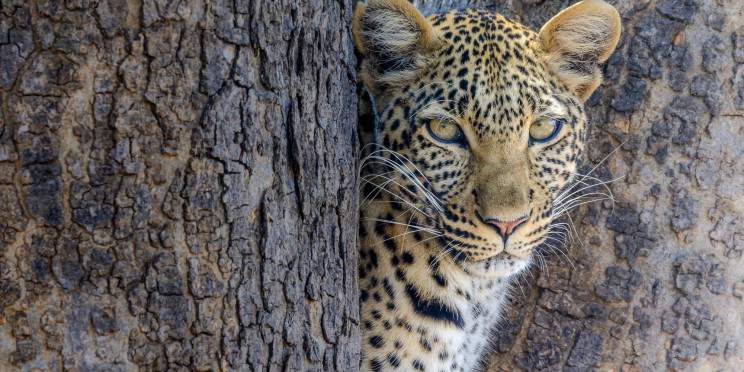
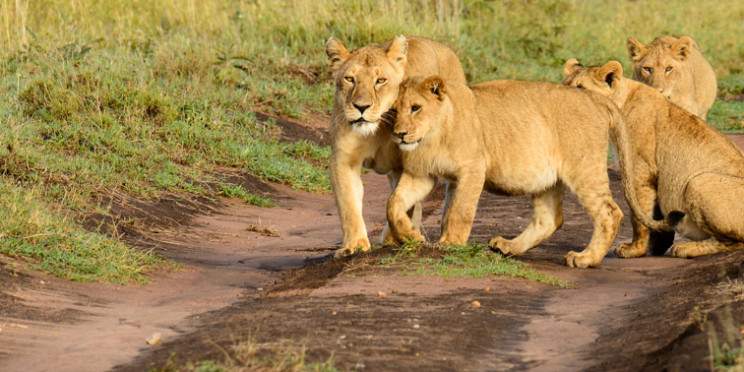
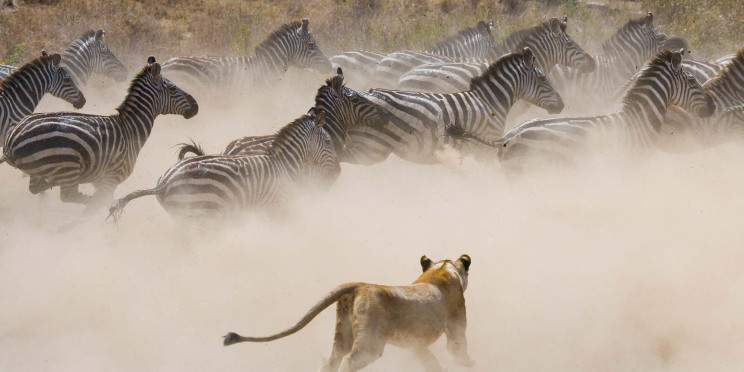
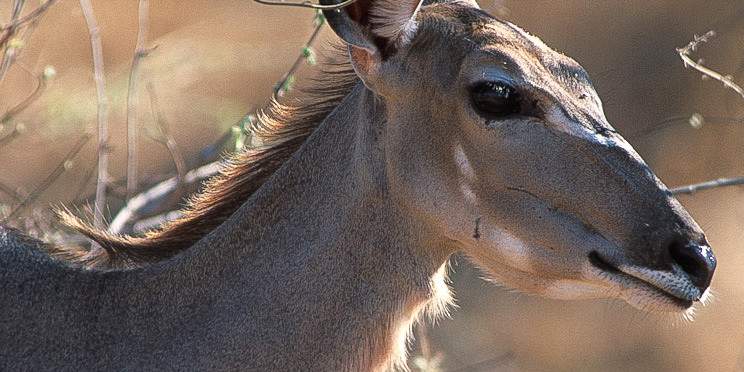
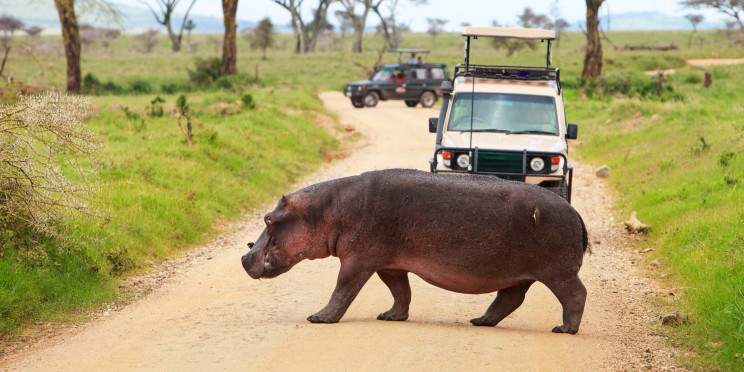
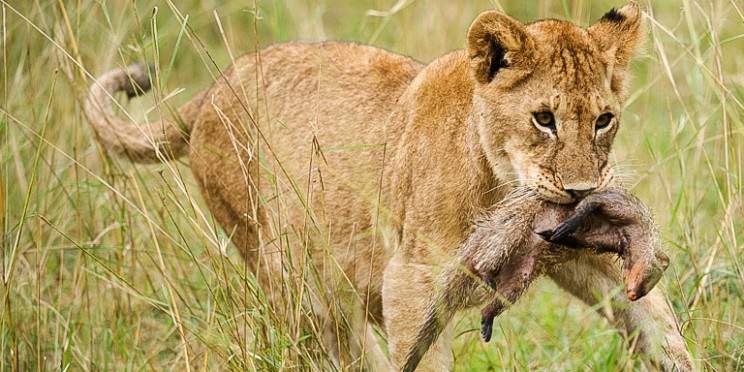
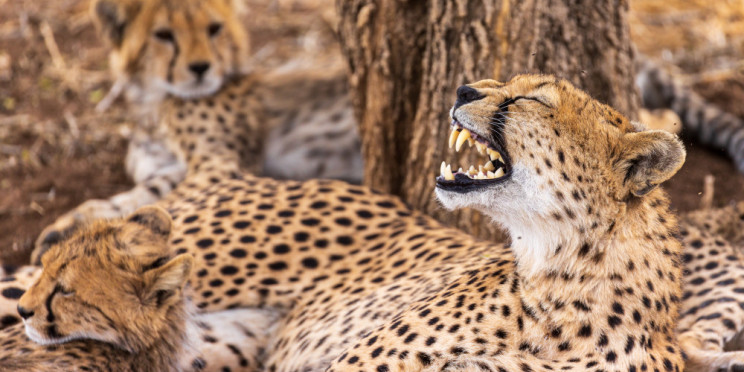
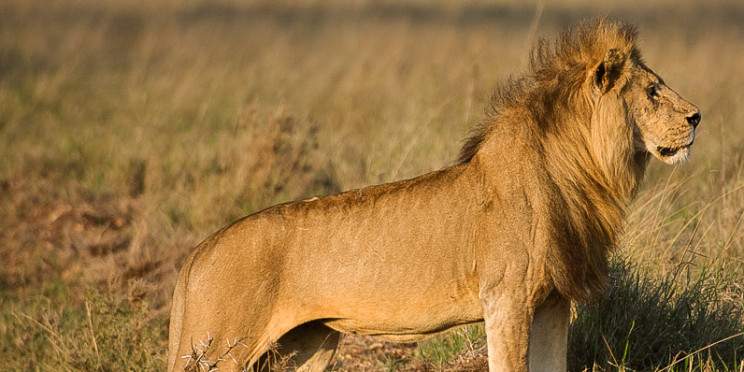
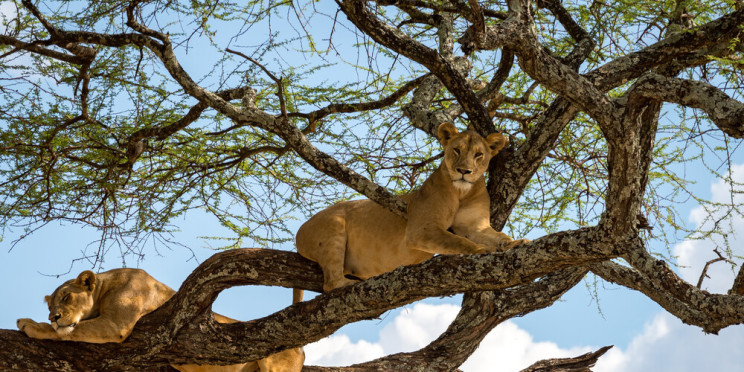
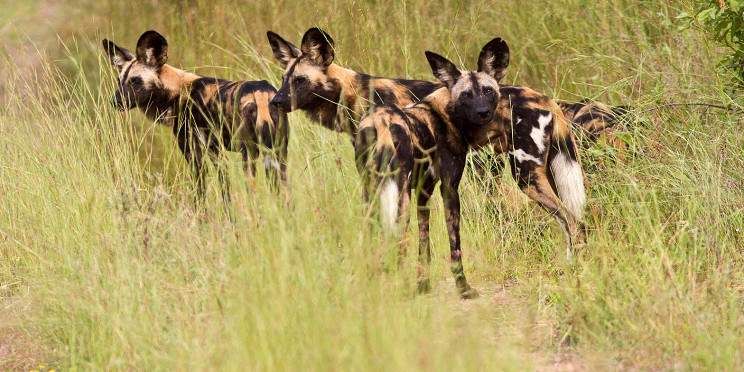
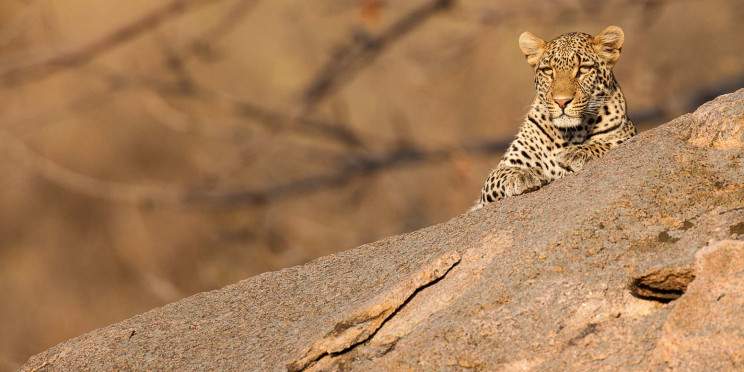
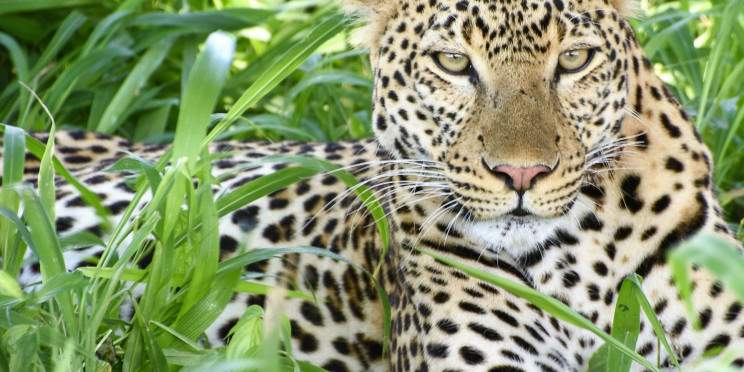
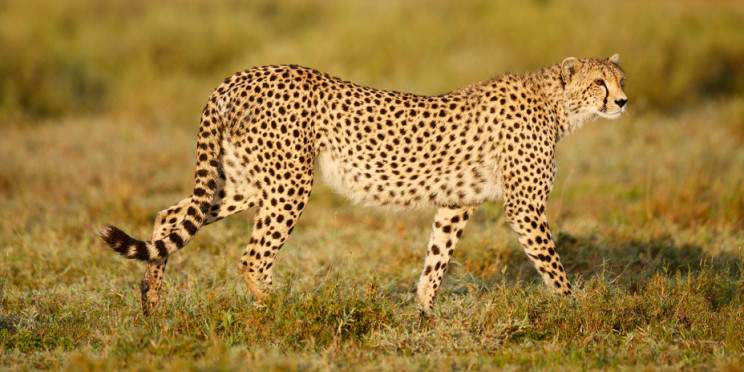
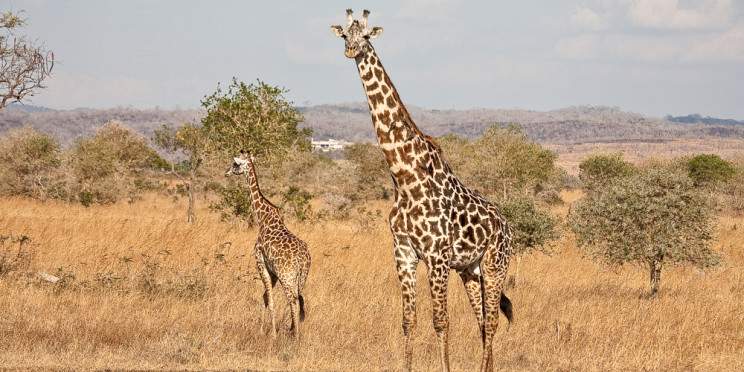
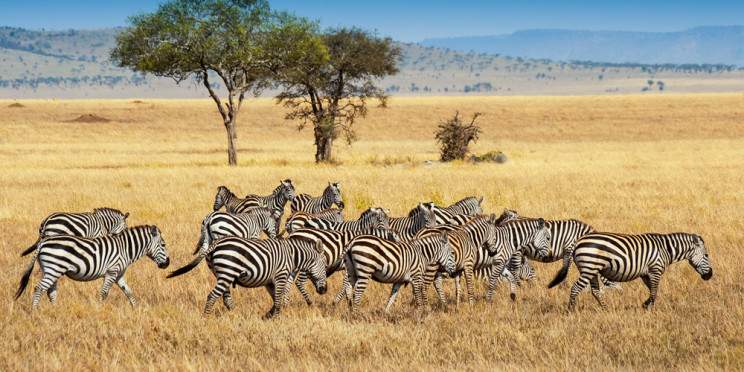
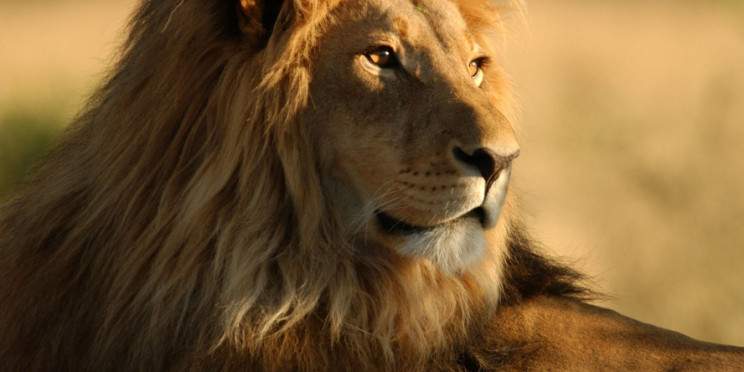
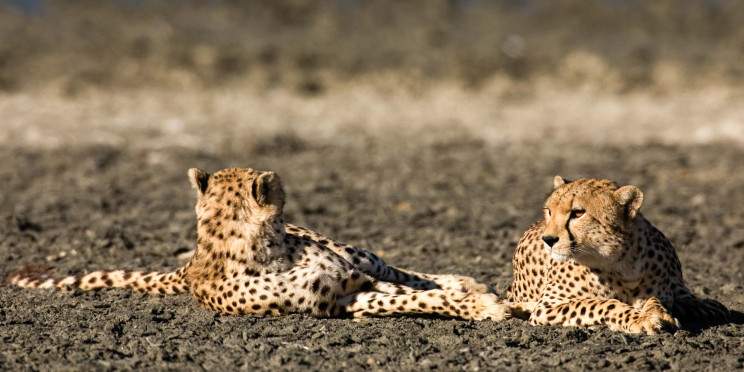
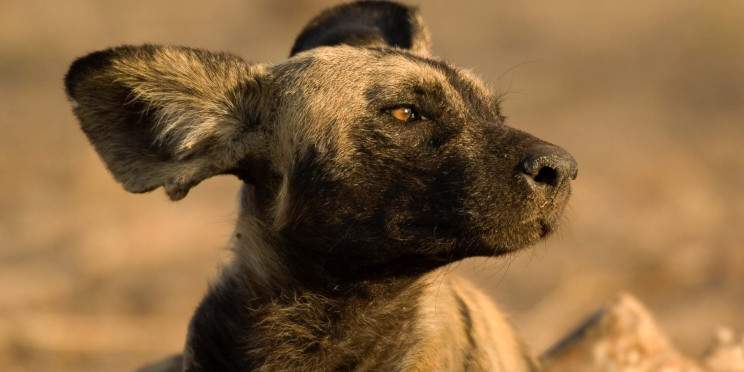
“There is so much to see in Ruaha National Park, starting with the park’s famous elephant population. Elephants are everywhere; in fact, they’re almost impossible to miss. Ruaha is also known for its big prides of lions (some of the prides have 20 or more individuals), while seeing the other big cats (leopard and cheetah) is also possible. Of the other predators, spotted hyena is present in the park. But the real highlight is the chance to see African wild dogs: Ruaha is among the best places in Tanzania to see them. Also commonly seen here are giraffe, hippo, buffalo and zebra. Ruaha is known for other species that can be difficult to find elsewhere, including roan and sable antelope, as well as lesser and greater kudu. In particular, watch for the greater kudu males with their incredible horns.”
1How many days are recommended for a Ruaha safari?
“I strongly recommend staying for at least 2 or 3 full days in the park, although as a general rule, the longer you have to enjoy a Ruaha safari the better. Staying for around a week would be my ideal amount of time here. Ruaha is a vast protected area, and the more time you have here, the better your chances of seeing all that the park has to offer. This is especially the case when it comes to wildlife, but it also applies to the landscapes. With each extra game drive, each extra day, you’ll get to know this remarkable place just that little bit better. Remember that when considering the various trips, tours and packages on offer for your holiday, you’ll need to include time spent getting to and from Ruaha. That means, for example, that on a 3-day safari, you’ll actually only have 2 nights and 1 full day in the park, as you’ll travel to Ruaha on day 1 and travel back on day 3.”
2Which other parks are easily combined with Ruaha?
“Ruaha is a long way from anywhere, but it is certainly possible to add other parks to your safari. This is especially true if you’re willing and able to fly (which can be expensive but makes the distances seem less significant). If you don’t want to travel too far from Ruaha, the closest parks are Udzungwa Mountains National Park (great for forest hiking), Mikumi National Park and Selous Game Reserve, which are all east/southeast of Ruaha. Mikumi and Selous are excellent for wildlife viewing, and the latter also has boat safaris on the beautiful Rufiji River. Away to the west, Katavi National Park is another wildlife-rich wilderness experience. And if you’ve made it that far, you might as well go a little farther to Mahale Mountains National Park and try chimp trekking (walking safaris where you follow your guide and trackers to see chimpanzees in their natural habitat).”
3What is the best time to visit Ruaha National Park?
“When it comes to the weather, the best time to visit Ruaha is from June to October. This is when the weather is at its best, with clear skies, mild daytime temperatures, and cooler nights and evenings. Because these months comprise most of the Dry season, they’re also the best time for seeing Ruaha’s wildlife. This is because the animals are drawn to the few remaining water sources in the park, making them easier to find. The main downside of traveling at this time is that it coincides with high season, when safari trails are busier (though they’re never crowded in Ruaha) and prices are at their highest. November to April is the Wet season. Rain can disrupt your safari and turn some trails to mud during this period. On the plus side, millions of migratory birds (ones that undertake a seasonal migration every year) arrive in Ruaha and across southern Tanzania around November. They usually stay until April, making the Wet season the best time for birding.”
4How does Ruaha compare to Serengeti or Tarangire safaris?
“All three parks are incredible safari destinations, although Serengeti National Park and Ruaha are probably the most similar. In fact, people often say that Ruaha is like the Serengeti but without the crowds, and, of course, the great migration (the Serengeti’s annual migration involving some 2.5 million wildebeest, zebra and gazelle). Both the Serengeti and Ruaha are vast protected areas with big wildlife populations, expansive grasslands and consistently excellent wildlife encounters. While both parks have big prides of lions and large elephant populations, Ruaha also has some other specialties, such as greater kudu, and sable and roan antelope. It can also be an excellent place to see African wild dogs. One thing that Ruaha and Tarangire National Park have in common is their baobabs, which bring a great deal of personality to the landscapes in both parks. Both also have rivers with plenty of opportunities to view wildlife close to the water. Otherwise, Tarangire tends to have more woodland and marsh areas, as opposed to Ruaha’s open savannah grasslands (grassy plains scattered with shrubs and trees).”
5How much does a Ruaha safari cost?
“It always pays to look at a number of different tours and packages because prices can vary greatly. But as a general rule, expect a budget Ruaha safari to start at about US$100 to US$150 per person per day, with a high-end luxury safari holiday beginning at closer to US$450 (but could go much higher). Unless you’re on a self-drive safari, these prices should include guide, driver, vehicle, transfers, park entry fees (US$30/10 per adult/child per day), meals, guided game drives, most activities, and drinks. The most expensive tours will take place in high season and will usually mean that you’re staying in high-end luxury accommodation. Private safaris (where you pay to have the guide, driver and vehicle all for yourself) are also much more expensive than group or self-drive safaris.”
6Ruaha Safari Reviews

Mike is an award-winning wildlife writer, former editor of Travel Zambia magazine and author of the Bradt Guide to Southern African Wildlife.
Wilderness in Tanzania’s Second-largest National Park
Visitors are often surprised to learn that Ruaha is bigger than the Serengeti. At more than 20,000km2/7,700mi2, this is Tanzania’s second-largest national park (after Nyerere) and one of those safari destinations that tends to attract the...

Sue is an award-winning writer who specializes in African travel and conservation. She writes for national newspapers, magazines, Rough Guides and Lonely Planet.
Wild, remote Ruaha – the land of lions
Ruaha is the star of Tanzania’s lesser-known Southern Circuit. Not only is it wild and remote, it’s home to East Africa’s highest population of elephants and 10% of the entire continent’s lions, with some 28 lion prides roaming its...
This park is surrounded by miles of bush, giving the whole area a more authentic feel. It's a big park with fewer tourists than in somewhere like Serengeti but the price you pay for this is fewer views of the more interesting wildlife.
 DE
DE
Ruaha NP is very big and it changes his look. Mountains, grass, trees and ... , you get every scene you have in your mind how a NP can Look like.
Amazing nature with great count of animals!
Defently a Tessin to come back to Tansania!
Excellent birding in a beautiful National Park with very varied scenery. Wonderful wildlife, particularly of large numbers of elephants. We had 2 very good leopard sightings and numerous other mammals. Lions were heard but not seen other...
Great safari with a wealth of animals to see, especially elephants, giraffes and buffalos.
Ruaha National park is a beautiful park, full of scenery and stunning views even without animals. Plenty of baobap trees and other trees and bushes to see. The weather was good, warm and mainly sunny which is nice on a jeep where you can...