
$4,838 pp (USD)
2 travelers on Start dateArrival
Arrival

Day 1
Materuni Waterfalls
Materuni Waterfalls
We will arrive at Materuni Village and learn the local way of making coffee, from harvesting it, roasting it, and preparing it for drinking (farm to cup), accompanied by Chagga traditional motivational songs. After tasting your coffee, you will visit Materuni Waterfalls, which are about 70 meters high and truly spectacular. The falls originate from Mount Kilimanjaro and are surrounded by a lush indigenous forest. On a clear day, you will see Mount Kilimanjaro.
- Main Destination:
- Materuni Waterfalls (Highlight)
- Accommodation:
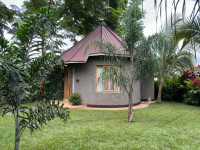
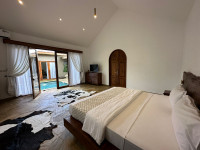
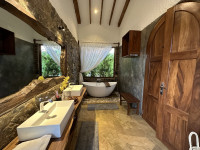
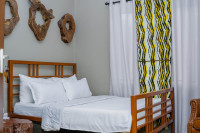
- Tulivu Kilimanjaro Retreat
- Meals & Drinks:

Day 2
Materuni Waterfalls - Lake Natron
Materuni Waterfalls - Lake Natron
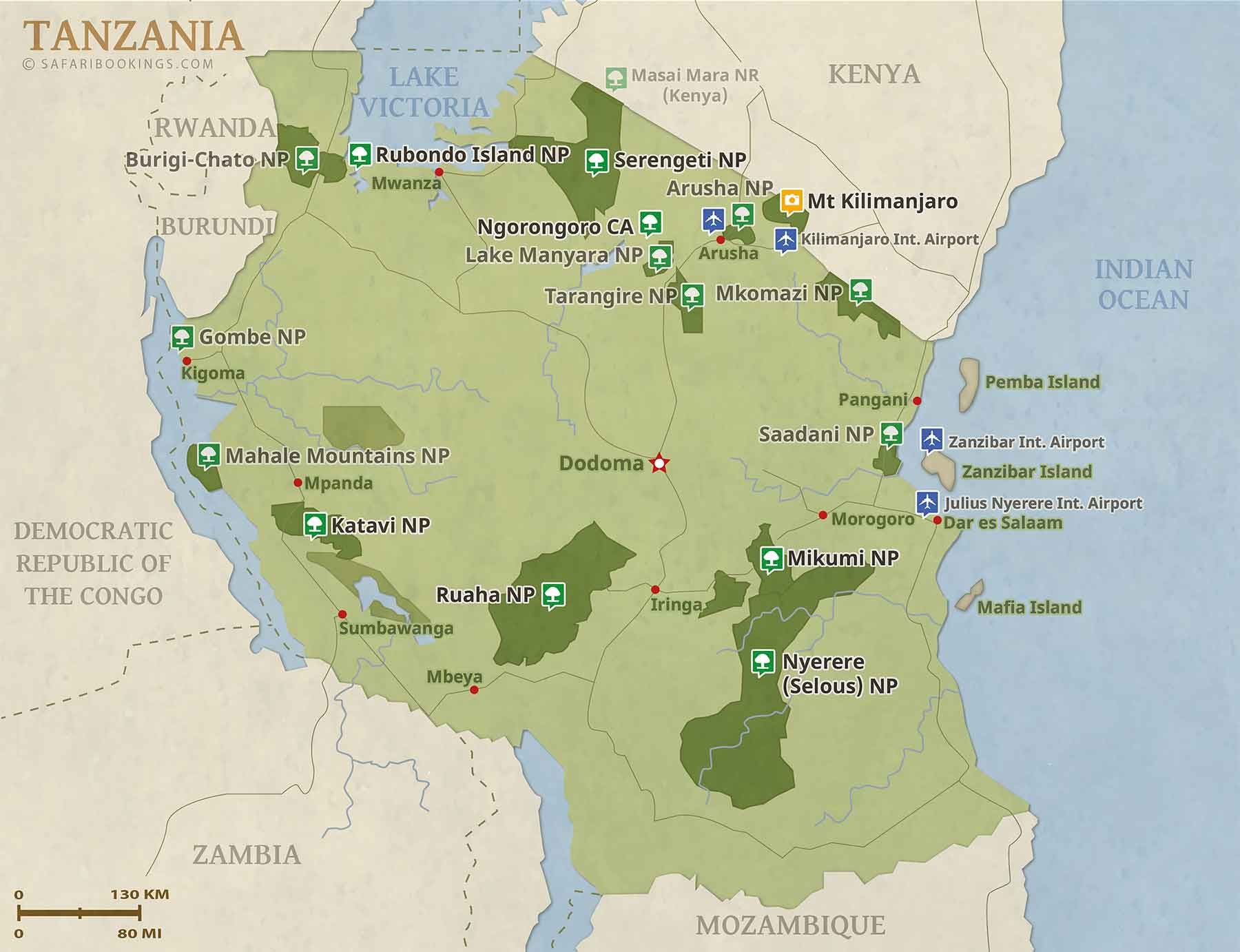
Today you will transfer to Lake Natron, a breeding site for flamingos. Enjoy views of Mount Oldoinyo Lengai (“Mountain of God” in the Maasai language), a volcanic mountain that is still active (the last strong eruption was in 2007). You might see the occasional giraffe or zebra at the lake, but this is not the main reason to come here. Instead, visitors come for its remoteness, scenery, and as an interesting route into the back of Loliondo.
The lake itself is home to a fascinating ecosystem that thrives in this harsh environment. It is full of millions of cyanobacteria, salt-loving microorganisms that produce their own food through photosynthesis. As the lake’s salinity increases, so does the population of these bacteria. The lake also supports a vast population of spirulina, a blue-green algae with red pigments, which the large population of lesser flamingos feed on.
For trekking enthusiasts, there is also the option to climb Mount Oldoinyo Lengai the night before departure.
- Main Destination:
- Lake Natron
- Accommodation:
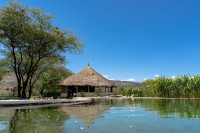
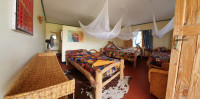
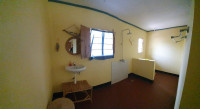
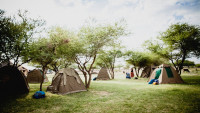
- Maasai Giraffe Eco Lodge
- Meals & Drinks:

Day 3
Lake Natron - Northern Serengeti National Park
Lake Natron - Northern Serengeti National Park
Northern Serengeti National Park features one of nature’s most incredible wildlife spectacles: The Great Migraation. The Lobo, Kogatende, Mara River, and Bologonja areas form a migratory route for over one million wildebeest in their desperate struggle for survival from July to November. Some herds will spread across this area, with resident predators hunting the young and weak before their struggle to cross the Mara River.
The Northern Serengeti remains an unexplored wilderness packed with stunning landscapes and abundant wildlife. The most captivating highlight of this area is undoubtedly the massive herds of migratory wildebeest and zebra during the dry season. However, the northern Serengeti also supports an abundance of resident wildlife, including lion, elephant, hippo, giraffe, crocodile, and the rare oribi antelope.
- Main Destination:
- Northern Serengeti National Park
- Accommodation:
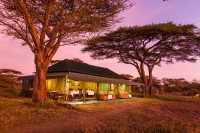
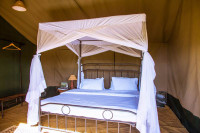
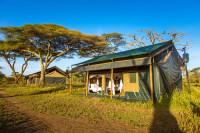
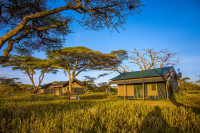
- Heritage Mara Camp
Wildlife in Serengeti NP


- Meals & Drinks:

Day 4
Northern Serengeti National Park
Northern Serengeti National Park
After an early breakfast, you will depart for a morning game drive along the Mara River. The area is the boundary between the Masai Mara Game Reserve in Kenya and Serengeti National Park. From July through to the end of October, the migrating herds are present, and this is one of the best places to see the Great Migration’s river crossings, as the herds often cross the Mara River daily. This region has been described as an “ultimate paradise” for safaris in the Serengeti from mid-June to November, as the river is filled with dramatic crossings of wildebeest on their way to the Masai Mara, where large crocodiles wait to hunt them. You will enjoy a picnic lunch by the river while watching crocodiles and river crossings in addition to your game drive.
- Main Destination:
- Northern Serengeti National Park
- Accommodation:
- Heritage Mara Camp
- Meals & Drinks:

Day 5
Central Serengeti National Park
Central Serengeti National Park
Spend the full day exploring the amazing array of wildlife and landscapes from the Ngorongoro Conservation Area to the central Serengeti. The Seronera is one of the world-famous attractions in the central Serengeti, covering an area of 1,800 square miles with long grass plains, savannah, riverine areas, lakes, and granite kopjes topography. Despite offering good game viewing all year round, the Seronera Valley also supports a much greater diversity of resident wildlife than anywhere else in the Serengeti, including elephant, giraffe, impala, waterbuck, hippo, topi, reedbuck, buffalo, and baboon. These resident prey species in turn attract the highest concentrations of large predators and big cats in Africa, such as lion, leopard, and cheetah, as well as populations of hyenas and a multitude of smaller predators (mongoose, jackal, serval, and bat-eared fox).
- Main Destination:
- Central Serengeti National Park
- Accommodation:
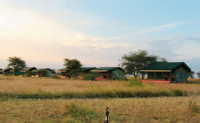
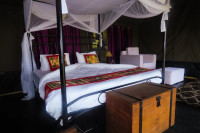
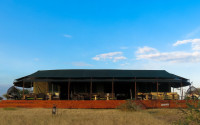
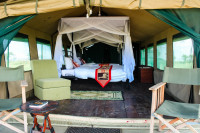
- Central Serengeti Luxury Camp
- Meals & Drinks:

Day 6
Central Serengeti National Park
Central Serengeti National Park
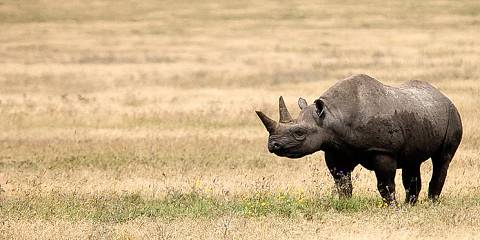
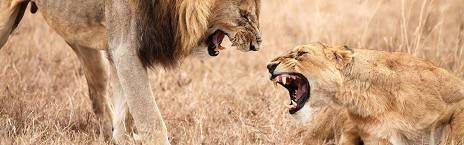
There are tremendous wildlife viewing opportunities at the Maasai Kopjes in the Moru area of the central Serengeti. The craggy hollows and smooth granite crests of these towering kopjes are home to one of the Serengeti Lion Project’s most studied prides, known as the “Maasai lion pride”. The nearby swamp, where the rare Bohor reedbuck can be found, is also a well-known hunting spot for the resident lion pride. Kopjes are remarkable in that they have their own small ecosystem with a range of vegetation and wildlife, including hyrax, mongoose, lizards, and birds. Black rhinos inhabit the area year-round, and you may also increase your chances of seeing other animals such as large groups of wildebeest and zebras.
- Main Destination:
- Central Serengeti National Park
- Accommodation:
- Central Serengeti Luxury Camp
- Meals & Drinks:
Day 7
Central Serengeti National Park - Ngorongoro Crater
Central Serengeti National Park - Ngorongoro Crater
The Ngorongoro Crater is the largest unbroken volcanic caldera in the world, covering approximately 260 sq. km, with walls rising 600 meters from the crater floor. Before the Ngorongoro Volcano exploded and collapsed two million years ago, the area was home to some of the tallest mountains. It is now home to more than 30,000 large mammals, mainly gazelle, buffalo, eland, hartebeest, and warthog, and has the highest predator density in the world.
- Main Destination:
- Ngorongoro Crater
- Accommodation:
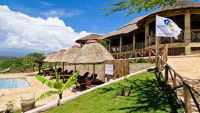
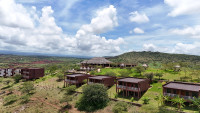
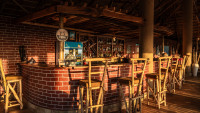
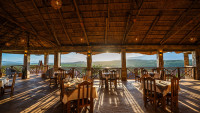
- Africa Safari Karatu Lodge
Wildlife in Ngorongoro Crater


- Meals & Drinks:
Day 8
Ngorongoro Crater - Tarangire National Park
Ngorongoro Crater - Tarangire National Park
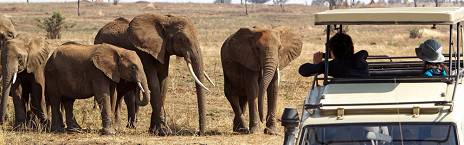
Tarangire is a park of giant baobab trees, rolling savannah, and acacia parkland. It is famous for its dense wildlife population, which is most spectacular in the dry season between June and September. It is during this period that thousands of animals—wildebeest, zebra, eland, hartebeest, buffalo, and oryx—migrate from the dry Maasai steppe to the Tarangire River in search of water. Birds are also abundant here, and over 550 species have been recorded.
- Main Destination:
- Tarangire National Park
- Accommodation:
- No accommodation (End of tour)
Wildlife in Tarangire NP
- Meals & Drinks: