$7,650 pp (USD)
2 travelers on Start dateArrival
Arrival

Day 1
Central Serengeti-Seronera river & Seronera valley
Central Serengeti-Seronera river & Seronera valley
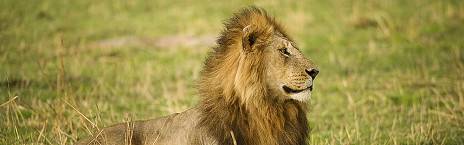
We leave the Lodge driving to Serengeti via Ngorongoro Conservation Area 3hrs drive, today is a full day of exploring the amazing array of wildlife around central Serengeti, Serengeti is the vast Tanzanian landscape hosts one of earth’s last remaining wildlife spectacles: the annual Great Migration, when a staggering number of herbivores trek across the Serengeti plains in search of water and fresh grass, with hungry predators following in their wake. The Serengeti’s endless plains provide an exceptional landscape for wildlife viewing; it truly is ultimate safari country. Often spotted in the Serengeti are elephants, hippos, lions, zebras, wildebeests, cheetahs, leopards and more.
- Main Destination:
- Central Serengeti National Park
- Accommodation:
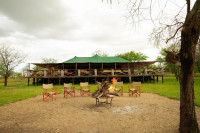
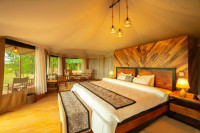
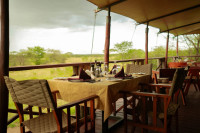
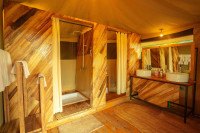
- Central Serengeti Moyo Camp Warangi
Wildlife in Serengeti NP


- Meals & Drinks:
Day 2
Central Serengeti – Extensive Game Drive up Moru Area, Moru Kopjes & lake Magadi
Central Serengeti – Extensive Game Drive up Moru Area, Moru Kopjes & lake Magadi
There is tremendous wildlife viewing opportunities exist at the Maasai Kopjes in Moru Area at Central Serengeti. The craggy hollows and smooth granite crests of these towering granite kopjes are home to one of the Serengeti Lion Project's most studied prides, called the “Maasai lion pride”. The nearby swamp, where the rare Bohor reedbuck can be found, is also the famous hunting spot for the resident lion pride. Kopjes are remarkable in that they have their own little ecosystem with a range of vegetation and wildlife including hyrax, mongoose, lizards and birds.
- Main Destination:
- Central Serengeti National Park
- Accommodation:
- Central Serengeti Moyo Camp Warangi
- Meals & Drinks:

Day 3
Serengeti Ndutu plain
Serengeti Ndutu plain
After breakfast, enjoy a full day game drive in the Ndutu area. Explore the range of different habitats that include swamps, woodland, soda lakes and the world famous Serengeti short grass plains. See great herds of wildebeest and zebra. During a short time frame around February, normally lasting for about 3 weeks, the majority of the wildebeest calve. The sea of grass provides little cover and the young are easy pickings for a variety of predators. Wildebeest calves can run minutes after they are born and within 3 days they are normally strong enough to keep up with the herd.
- Main Destination:
- Northern Serengeti National Park
- Accommodation:
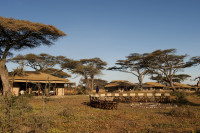
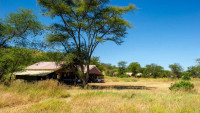
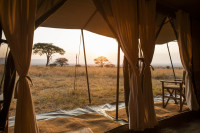
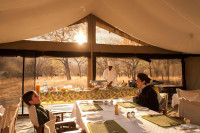
- Mara Kati Kati Tented Lodge
- Meals & Drinks:

Day 4
Serengeti ndutu plain
Serengeti ndutu plain
On the fourth day we continue to explore the nothern Serengeti in the Ndutu area. Explore the range of different habitats that include swamps, woodland, soda lakes and the world famous Serengeti short grass plains. See great herds of wildebeest and zebra. During a short time frame around February, normally lasting for about 3 weeks, the majority of the wildebeest calve. The sea of grass provides little cover and the young are easy pickings for a variety of predators. Wildebeest calves can run minutes after they are born and within 3 days they are normally strong enough to keep up with the herd.
- Main Destination:
- Northern Serengeti National Park
- Accommodation:
- Mara Kati Kati Tented Lodge
- Meals & Drinks:

Day 5
Serengeti Ndutu plain
Serengeti Ndutu plain
On the fith day, after breakfast, you will continue to enjoy the game drive in the Ndutu area. Explore the range of different habitats that include swamps, woodland, soda lakes and the world famous Serengeti short grass plains. See great herds of wildebeest and zebra. During a short time frame around February, normally lasting for about 3 weeks, the majority of the wildebeest calve. The sea of grass provides little cover and the young are easy pickings for a variety of predators. Wildebeest calves can run minutes after they are born and within 3 days they are normally strong enough to keep up with the herd.
- Main Destination:
- Northern Serengeti National Park
- Accommodation:
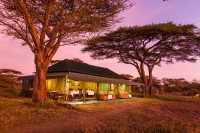
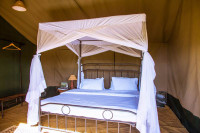
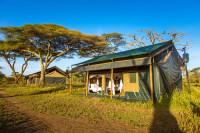
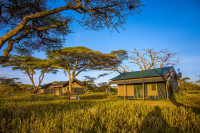
- Heritage Mara Camp
- Meals & Drinks:

Day 6
Southern Serengeti & Ngorongoro Plain - Ndutu Area calving area for migration
Southern Serengeti & Ngorongoro Plain - Ndutu Area calving area for migration
From December to March, follow wildebeest herds across Kusini in Serengeti National Park, Ndutu in the Ngorongoro Conservation Area, and Maswa Game Reserve. Kusini’s kopjes shelter lions, cheetahs, and leopards. After the short rains, lush grass attracts herbivores. Wildlife thrives around kopjes and termite mounds, where predators watch for prey while aardvarks, pangolins, hedgehogs, and other small animals roam.
- Main Destination:
- Southern Serengeti National Park
- Accommodation:
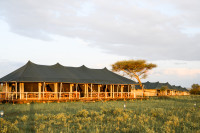
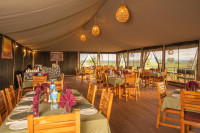
- Tukaone Weavers Camp
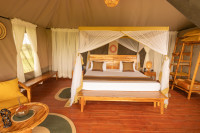
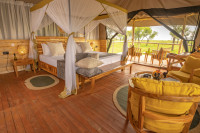
- Meals & Drinks:

Day 7
Southern Serengeti & Ngorongoro Plain - Ndutu Area calving area for migration
Southern Serengeti & Ngorongoro Plain - Ndutu Area calving area for migration
On the rich grasslands from Ndutu to Kusini, the gnus produce 8000 calves a day for a three week era. Predatory leopards, hyenas, cheetahs, jackals and lions eat their fill, but the majority survives. Nearby alkaline lakes of Ndutu and Masek attract colorful flamingos. Acacia woodlands provide homes for hundreds of birds, monkeys and small mammals. Grassland erupts with wildflowers and fascinating insect life. Maswa Game Reserve, south west of the Serengeti National Park also provides dry season pasture. Here and all around southern Serengeti, you will also find buffalos, hartebeests, impalas, gazelles and dozens of other ungulates, from the gentle duikers to the impudent klipspringers and minute dik-diks.
- Main Destination:
- Southern Serengeti National Park
- Accommodation:
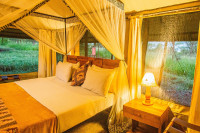
- Tukaone Hembe Camp

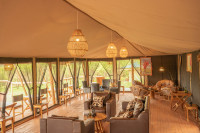
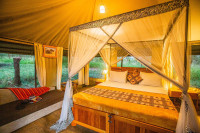
- Meals & Drinks:

Day 8
Southern Serengeti & Ngorongoro Plain - Ndutu Area calving area for migration
Southern Serengeti & Ngorongoro Plain - Ndutu Area calving area for migration
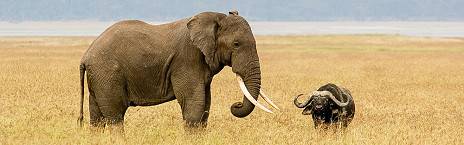
You will also see comical warthogs, shrewd baboons and gawky ostriches, iconic images of wildlife holidays in Africa. In the lush haven of the nearby Ngorongoro Crater genetic strains of non-migrating wildebeests and distinctive lions have evolved over many years. Black rhinoceros reside here, protected by the park rangers. Not far away, the Olduvai Gorge sheltered the prehistoric man.
- Main Destination:
- Southern Serengeti National Park
- Accommodation:
- Central Serengeti Moyo Camp Warangi
- Meals & Drinks:
Day 9
Serengeti to Ngorongoro via Maasai bomas
Serengeti to Ngorongoro via Maasai bomas
Today we leave the Serengeti and drive to Ngorongoro Crater passing some very scenic landscapes. En route to the Ngorongoro crater we stop by Maasai Bomas enjoy the Local Maasai traditional Dances and learn some of their cultures including how they survive in environment with some dangerous wild animals such as Lion.
- Main Destination:
- Ngorongoro Crater
- Accommodation:
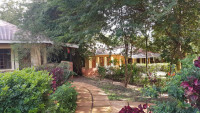
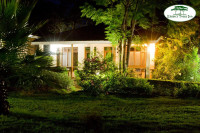
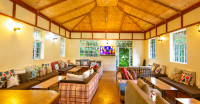
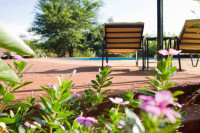
- Eileen's Trees Inn
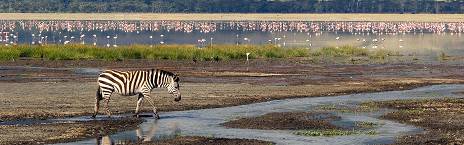
Wildlife in Ngorongoro Crater


- Meals & Drinks:
Day 10
Ngorongoro crater
Ngorongoro crater
The Ngorongoro Crater is the largest unbroken volcanic caldera in the world covering approximately 260 sq. km's with walls rising 600 meters from the crater floor. Before the Ngorongoro Volcano exploded and collapsed 2 million years ago the area was home of some of the tallest mountain it is home to more than 30,000 large mammals - mainly gazelle, buffalo, eland, hartebeest and warthog - and has the highest predator density in the world.
- Main Destination:
- Ngorongoro Crater
- Accommodation:
- No accommodation (End of tour)
- Meals & Drinks: