

$6,100 pp (USD)
2 travelers on Start dateArrival
Arrival
Day 1
Addis Ababa – Jimma –Mizan Teferi
Addis Ababa – Jimma –Mizan Teferi
Start your day early and drive to the Airport for your flight to Jimma. Upon arrival, you’ll be welcomed by our Extraordinary Ethiopia Tours drivers.
Jimma, the largest city in southwestern Ethiopia, was once the capital of the former Kaffa Province — a region renowned for its vast coffee estates. This area isn’t just known for large coffee farms; it is also celebrated as the birthplace of coffee itself.
After settling in for lunch, continue your drive to Mizan Teferi. Western and southwestern Ethiopia are home to the country’s richest and most diverse forests and vegetation. Be captivated by the scenery of cultivated lands dominated by coffee, tea, and various spices. Enjoy the photographic opportunities along the way.
- Main Destination:
- Mizan Teferi (Town)
- Accommodation:
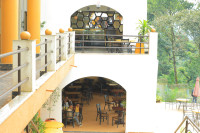
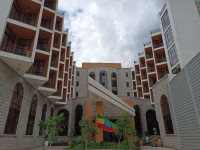
- Salayish The Grand Hotel and Spa

- Meals & Drinks:
Day 2
Mizan Teferi -Kibish
Mizan Teferi -Kibish
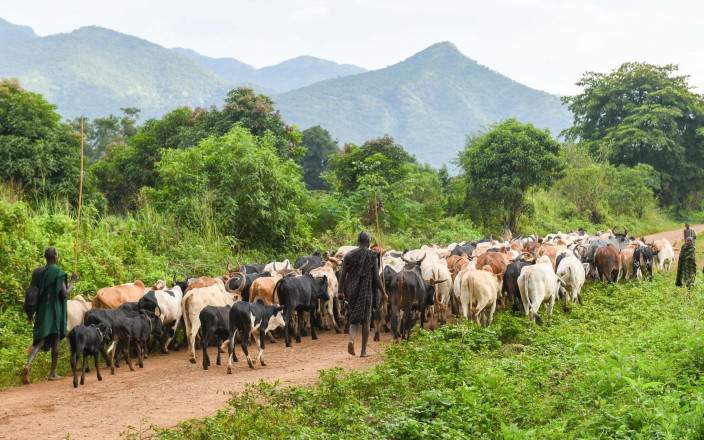
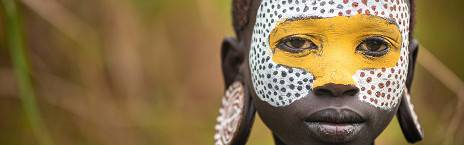
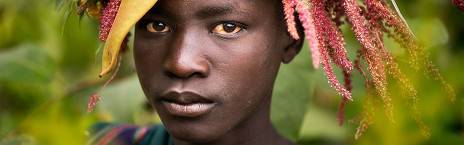
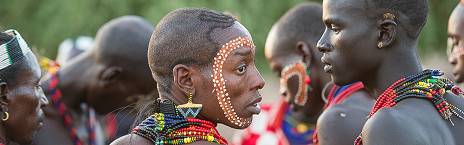
Today marks the beginning of your first photo session as you head deep into the remote southwestern part of Ethiopia. On the way, pass through the Bebeka Coffee Plantation (about 30 km from Mizan), the oldest coffee plantation in Ethiopia. After passing the town of Tulgit, you’ll arrive in Kibish. Our focus today will be on photographing the fascinating Suri people— one of the least-visited and most culturally intact tribes in the Omo Valley. The Suri are pastoralists who place great value on their cattle. The Suri are known not for carvings or statues, but for their elaborate body decoration through painting, scarification, and creative adornments using flowers and other natural materials — a dynamic and visually striking art form. Notably, Suri women, like the Mursi, wear lip plates.
- Main Destination:
- Kibish (Lower Omo Valley)
- Accommodation:
- Budget camping
- Meals & Drinks:
Day 3
Kibish (Surma Tribe)
Kibish (Surma Tribe)
After breakfast explore the Suri tribe, A highlight of Suri culture is sticking fighting (Donga), a traditional sport and rite of passage for young men. If your visit coincides with a Donga contest, you may be lucky enough to witness it.
Each contestant wields a hardwood pole about six feet long and under two pounds in weight. The goal is to strike the opponent until they are knocked down or retreat. Participants are typically unmarried men.
The winner is carried away on a stretcher to a group of waiting girls, who then decide which one will propose marriage to him. Taking part in Donga is considered more important than winning.
- Main Destination:
- Kibish (Lower Omo Valley)
- Accommodation:
- Budget camping
- Meals & Drinks:
Day 4
Full-Day Photography with the Suri
Full-Day Photography with the Suri
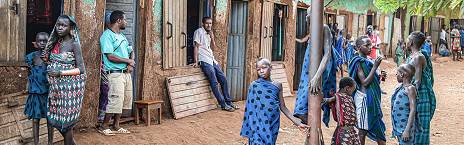
After an early breakfast, prepare your camera gear for a full day of photographing the Suri people in their daily lives. Capture moments in villages and streams.
In the late afternoon, you’ll have the chance to photograph a traditional Suri dance at sunset — a vibrant and culturally rich experience.
- Main Destination:
- Kibish (Lower Omo Valley)
- Accommodation:
- Budget camping
- Meals & Drinks:
Day 5
Drive to Turmi
Drive to Turmi
Depart early 5:00 Am, Today, we leave behind the Suri for good and embark on a long day journey to Turmi, which will serve as our base for the next 4 days. As we travel through Omo national park we may spot some wildlife along the way.
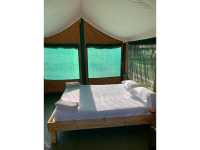
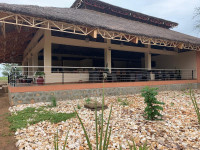
Turmi is a town in the Debub Omo Zone of southwestern Ethiopia, serving as a primary base for visiting the Hamer people, exploring the lower Omo Valley, and witnessing traditional ceremonies like the Bull Jumping. It is famous for its vibrant Monday market and traditional, often rustic, accommodation.
Day 6
Photography of Nyghatom and the Karo tribes
Photography of Nyghatom and the Karo tribes
After an early breakfast, prepare your camera gear for a full day of photographing these incredible tribes.
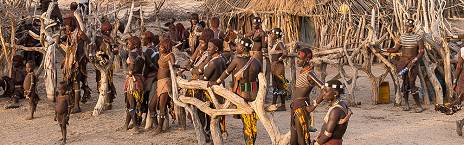
After an early breakfast, drive to Kangatin by crossing a newly built long bridge over the Omo River. The Nyangatom tribe are believed to be descendants of the Toposa tribe of South Sudan. The Nyangatom people also have ties to tribes in Kenya and Uganda.
This tribe lives in a harsh, arid environment. The women wear multiple strands of beads, which they build upon over their lifetime as a symbol of status. Water is collected daily from the Omo River, making it a lifeline for survival.
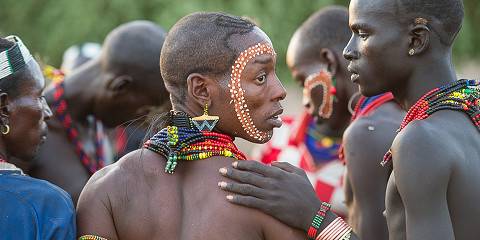
Soon after, head to the Kara people of Dus. The Kara is known for their creative body chalk painting and intricate adornments.
Women often pierce their lips and insert thin sticks, flowers, or pins. If you’re lucky, you might also witness a communal dance on the banks of the Omo River a dramatic and dusty scene perfect for photography. Late in the evening return back to Turmi.
- Main Destination:
- Turmi (Lower Omo Valley)
- Accommodation:
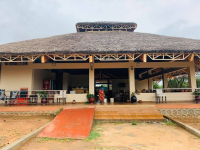
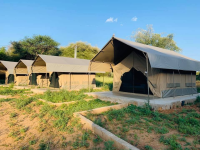
- Paradise Lodge Turmi
- Meals & Drinks:
Day 7
Photography in Turmi
Photography in Turmi
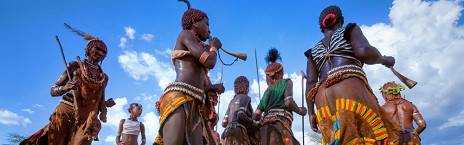
After breakfast, start exploring the Hamar tribe open-air market
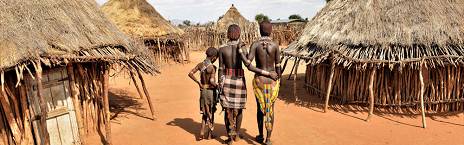
The Hamar women are known for their distinctive appearance, including thick copper necklaces (signifying marital status), beaded skirts, and hair treated with red ochre and butter. Men style their hair with colored clay caps (Poro). Photo session program in the market.
- Main Destination:
- Turmi (Lower Omo Valley)
- Accommodation:
- Paradise Lodge Turmi
- Meals & Drinks:
Day 8
Hamar Village lifestyle and Bull Jumping ceremony
Hamar Village lifestyle and Bull Jumping ceremony
Today is fully dedicated to experiencing and capturing a village life of the Hamar tribe. Step into one of the Hamar village homesteads to discover the unique goat-skin dresses and elaborate hairstyles of Hamar women. Learn about their distinctive rituals, language, and daily life, including their household responsibilities. In the late afternoon, witness the Bull Jumping Ceremony — a rite of passage for young men from the Hamar and Karo tribes.
- Main Destination:
- Turmi (Lower Omo Valley)
- Accommodation:
- Paradise Lodge Turmi
- Meals & Drinks:
Day 9
Turmi- Arbore
Turmi- Arbore
After breakfast travel to Arbore, located at the edge of Mount Buska. Arbore women have striking dark skin and strong features, often shaving their heads before marriage. Extended photo session.
The Arbore are a semi-nomadic pastoralist tribe in Ethiopia's South Omo Valley, near Lake Chew Bahir, known for their strong cultural identity, vibrant beadwork, and unique traditions like head coverings for women and age-based social systems, relying on cattle, fishing, and sorghum cultivation for survival. They maintain ancestral ties to the Konso people, serve as middlemen in regional trade, and are characterized by their distinctive art, music, and unique rituals for prosperity, coexisting with neighboring groups through intermarriage and shared resources. Return to Turmi.
- Main Destination:
- Turmi (Lower Omo Valley)
- Accommodation:
- Paradise Lodge Turmi
- Meals & Drinks:
Day 10
Turmi – Omorate – Jinka
Turmi – Omorate – Jinka
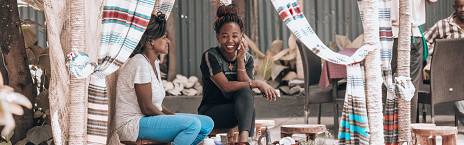
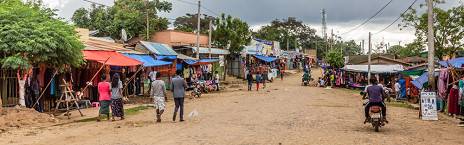
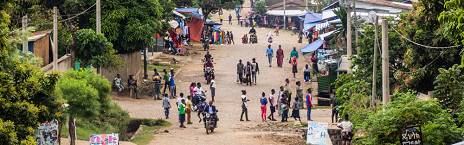
Wake up early in the morning before the dawn and drive to Omorate near the Kenyan border, home to the Dassanech tribe. If fortunate, you may witness a Dimi ceremony celebrating female fertility. After a photography session with the Dassanech, return to Turmi for breakfast, then continue or journey to Jinka en route explore a keyafer open-air market, a lively open-air market, where you will encounter members of the Bana, Aari, and Tsemay tribes, as well as merchants from Jinka and neighboring villages. Lunch break, meet the playful Bana stilt walking boys, atop a hill propel to Jinka.
- Main Destination:
- Jinka (Lower Omo Valley)
- Accommodation:
- Nasa Hotel
- Meals & Drinks:
Day 11
Jinka – Mago National Park (Mursi Village
Jinka – Mago National Park (Mursi Village
After breakfast drive to Mago National Park to Visit the Mursi Tribes. The Mursi is one of the most original ethnic groups. They live in very low huts made of straw leaves. The women like to wear terra cotta on their enormously stretched lower lips and ear lobes. The men are famous for their hairstyles. They go in for body scarification and among the women the wearing of lip plates. The larger the lip plate, the greater the woman’s value when she is married. She removes her plate for eating and sleeping. They are easily distinguished by how their long, distended lips hang down from their mouths. Drive back to jinka.
- Main Destination:
- Jinka (Lower Omo Valley)
- Accommodation:
- Nasa Hotel
- Meals & Drinks:
Day 12
An Excursion to the Bodi tribe
An Excursion to the Bodi tribe
The Bodi are renowned for their cattle-centered culture, where livestock play a vital role in marriage, divination, and name-giving rituals. They are both pastoralists and agriculturalists, cultivating sorghum, maize, and coffee along the fertile banks of the Omo River.
- Main Destination:
- Jinka (Lower Omo Valley)
- Accommodation:
- Nasa Hotel
- Meals & Drinks:
Day 13
Jinka- Addis Ababa
Jinka- Addis Ababa
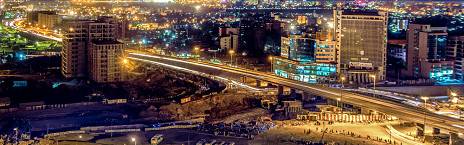
After breakfast Vit the Ari Village who lives in the high land of Jinka. Return to the hotel and check out for your flight to Africa’s diplomatic capital Addis Ababa. In the afternoon, Visit the National Museum of Ethiopia for visiting the long age history of Ethiopia and the oldest human ancestor, Lucy. Set within Haile Selassie’s former palace and surrounded by the beautiful gardens and fountains of Addis Ababa University’s main campus is the enthralling Ethnological Museum. In the evening farewell party dinner with cultural dinner and traditional special buffet and local drinks to experience Ethiopia’s cultural meals and drinks at Yod Abyssinia restaurants after the farewell party transfer to Bole international Airport to catch a flight back home.
- Main Destination:
- Addis Ababa (City)
- Accommodation:
- No accommodation (End of tour)
- Meals & Drinks: