

$7,095 to $7,672 pp (USD)
2 travelers on Start dateArrival
Arrival
Day 1
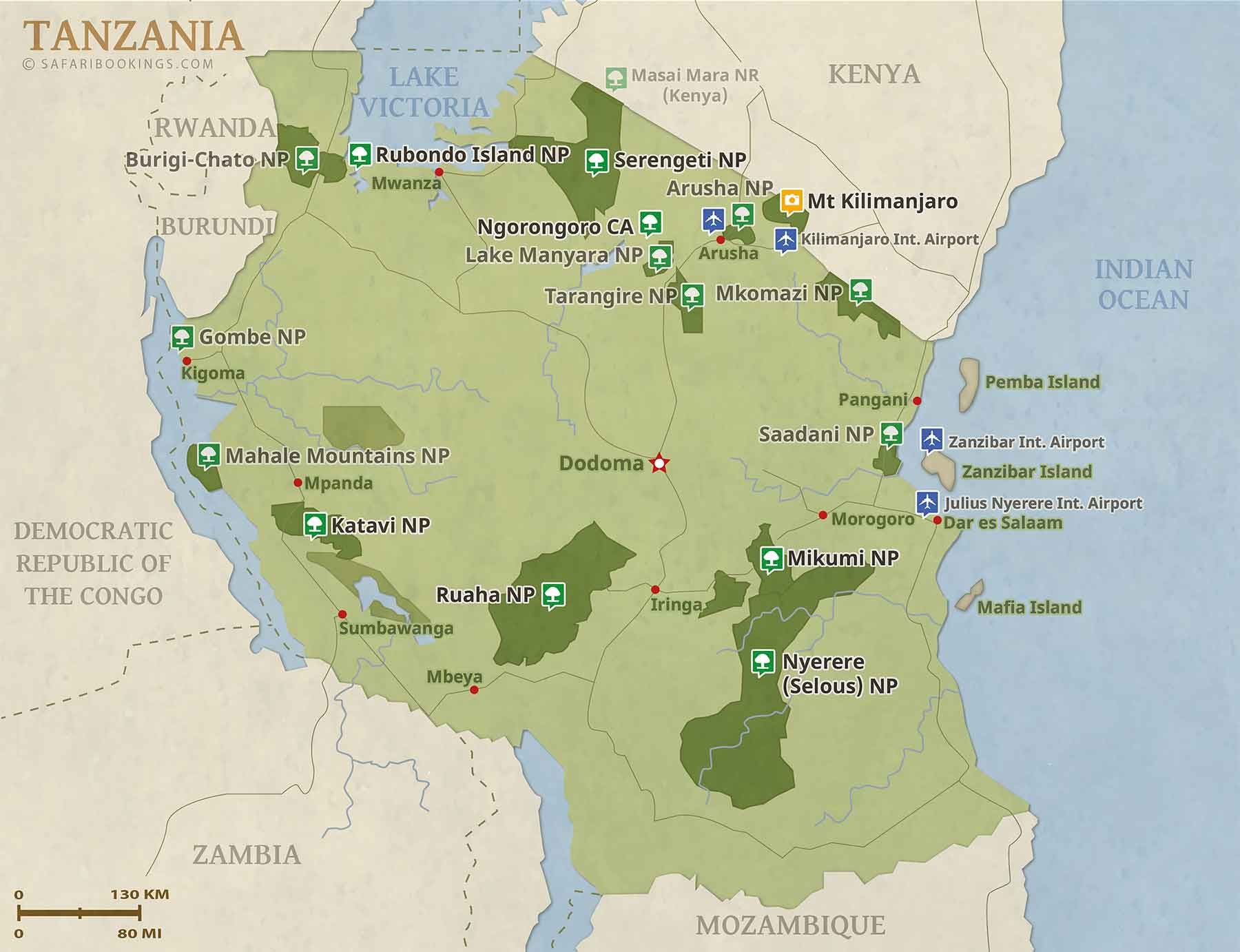
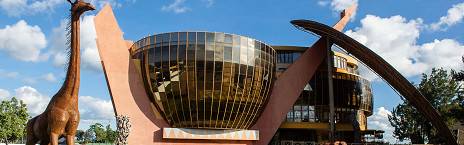
Arrival in Arusha, the Gateway to Tanzania's Northern Circuit Safari
Arrival in Arusha, the Gateway to Tanzania's Northern Circuit Safari
Drive time: ~1 hour from Kilimanjaro International Airport
You arrive in northern Tanzania, where the fertile slopes of Mount Meru rise above the town of Arusha. The air often smells faintly of coffee and wood smoke drifting from nearby farms.
Arusha has long been the launch point for East Africa’s great expeditions, from early explorers mapping the Serengeti to modern wildlife researchers studying elephant migration routes.
After settling into your lodge, the afternoon is yours to unwind.
Optional experiences (time permitting)
• Visit the Shanga workshop, where artisans with disabilities transform recycled glass into beautiful handmade pieces.
• Coffee farm tour on the volcanic slopes outside town.
• Guided walk through Arusha’s lively local markets.
These experiences offer a gentle introduction to Tanzania’s culture and community initiatives.
- Main Destination:
- Arusha (City)
- Accommodation:
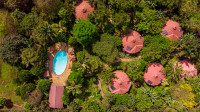
- Arusha Planet Lodge



- Meals & Drinks:

Day 2
Tarangire National Park - Land of Giants
Tarangire National Park - Land of Giants
Drive time: ~2.5 hours
Tarangire is often overshadowed by its famous neighbors, yet seasoned safari guides consider it one of Tanzania’s most fascinating parks.
Its landscape is dominated by ancient baobab trees, some over a thousand years old. Their swollen trunks store water like natural reservoirs, an adaptation that allows them to survive harsh dry seasons.
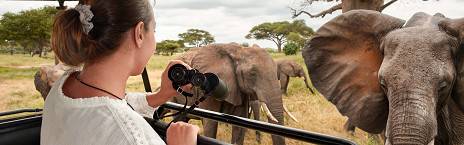
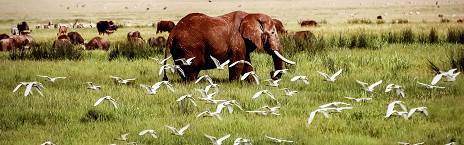
Tarangire is also known for its extraordinary elephant herds. Families numbering over a hundred individuals sometimes gather along the Tarangire River.
Interesting wildlife behavior to watch for:
• Young elephants practicing mock fights with their trunks
• Giraffes delicately stripping leaves from thorny acacia branches
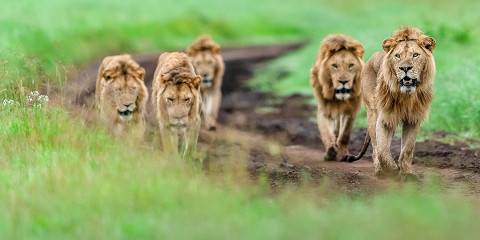
• Lions resting in the shade of baobabs during the heat of the day
• Large flocks of colorful birds gathering along the riverbanks
During the dry season, animals from across the region migrate toward Tarangire’s permanent water sources, creating wildlife densities comparable to the Serengeti.
- Main Destination:
- Tarangire National Park
- Accommodation:
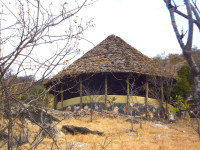
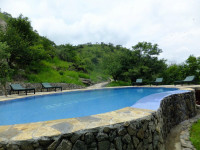
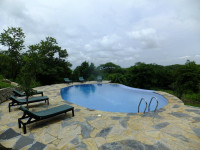
- Sangaiwe Tented Lodge
Wildlife in Tarangire NP



- Meals & Drinks:
Day 3
Tarangire Morning Safari & Night Game Drive
Tarangire Morning Safari & Night Game Drive
Early morning is one of the most rewarding times in the bush.
Predators that hunted during the night may still be active, while herbivores cautiously emerge to graze.
You might see:
• Lions returning from a hunt
• Hyenas finishing the remains of a kill
• Elephants bathing in dust to protect their skin from insects
After a relaxed afternoon at the lodge, the day concludes with a rare night game drive.
Few parks allow this activity.
With spotlights sweeping across the savannah, you search for animals that rarely appear during the day:
• Genets gliding through the trees
• Bush babies leaping between branches
• Porcupines shuffling through the grass
• Lions sometimes beginning their evening hunts
The African bush transforms completely after dark.
- Main Destination:
- Tarangire National Park
- Accommodation:
- Sangaiwe Tented Lodge
- Meals & Drinks:

Day 4
Cultural Immersion & Adventure in Mto wa Mbu
Cultural Immersion & Adventure in Mto wa Mbu
Drive time: ~3 hours
At the base of the Rift Valley escarpment lies Mto wa Mbu, a lively farming village surrounded by banana plantations and rice paddies.
Remarkably, more than 120 ethnic groups live here, making it one of the most culturally diverse communities in Tanzania.
You may:
• Explore bustling produce markets filled with tropical fruits and spices
• Watch artisans carving Makonde sculptures
• Learn how bananas are used to brew traditional local beer
OR set out on a guided village cycling tour through farmlands surrounding Mto wa Mbu.
Along quiet dirt paths, you pass through:
• Towering banana groves
• Emerald-green rice paddies
• Small family farms shaded by mango trees
Farmers wave as they tend their crops, children run alongside laughing, and the distant cliffs of the Great Rift Valley escarpment rise dramatically above the landscape.
It’s a gentle adventure that reveals the everyday rhythm of rural life.
Continue afterward to the cool highland town of Karatu.
- Main Destination:
- Mto Wa Mbu (Town)
- Accommodation:
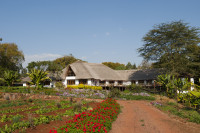
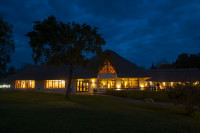
- Ngorongoro Farm House


- Meals & Drinks:
Day 5
NgoroNgoro Crater - Africa's Wildlife Amphitheater
NgoroNgoro Crater - Africa's Wildlife Amphitheater
Drive time: ~1 hour
Descending into Ngorongoro feels like entering a lost world.
The crater was formed when a massive volcano collapsed over two million years ago, creating a natural wildlife enclosure nearly 20 km wide.
Within this ecosystem live around 25,000 animals.
Because the crater walls limit migration, wildlife viewing here is remarkably consistent.
Unique sightings possible here include:
• Black rhinos, one of Africa’s most endangered animals
• Lions known for unusually large prides
• Flamingos gathering along alkaline lakes
• Massive buffalo herds grazing the crater floor
One fascinating ecological detail: predators here often grow larger because prey animals are plentiful year-round.
Enjoy a picnic lunch beside a hippo pool before returning to Karatu.
- Main Destination:
- Ngorongoro Crater
- Accommodation:
- Ngorongoro Farm House
Wildlife in Ngorongoro Crater


- Meals & Drinks:

Day 6
Journey to the Serengeti, the Crown Jewel of Tanzania's Safari
Journey to the Serengeti, the Crown Jewel of Tanzania's Safari
Drive time: ~4–5 hours
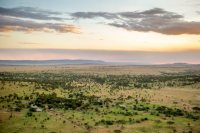
The road winds through the Ngorongoro highlands before the landscape gradually opens into the vast plains of the Serengeti. The word Serengeti comes from the Maasai word "Siringet", meaning “the land that runs forever.”
This ecosystem supports the largest remaining wildlife migration on Earth.
As you enter the park, wildlife sightings often begin almost immediately.
You might encounter:
• Giraffes moving gracefully across the plains
• Elephants feeding on acacia branches
• Cheetahs scanning the horizon from termite mounds
These termite mounds act as natural lookout towers, perfect for predators searching for prey.
- Main Destination:
- Serengeti National Park
- Accommodation:
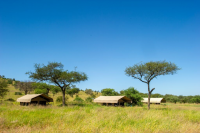
- Serengeti Kati Kati Tented Camp
Wildlife in Serengeti NP


- Meals & Drinks:

Day 7
Predator Country - Life on the Serengeti Plains
Predator Country - Life on the Serengeti Plains
A full day exploring the central Serengeti reveals the complex lives of Africa’s predators.
The region around Seronera is famous for year-round wildlife concentrations due to its permanent water sources.
Fascinating animal behavior to watch for:
• Large prides often spend the morning resting together. Cubs play-fight constantly, learning the skills they’ll need as hunters.
• Unlike lions, cheetahs prefer open terrain. They often climb termite mounds to scan the plains for gazelles.
• The elusive leopard is a master of camouflage. Guides often spot them draped over tree branches, where they store prey away from scavengers.
• Often misunderstood, hyenas are highly intelligent hunters with complex social structures led by dominant females.
Optional signature experience
🎈 Sunrise hot-air balloon safari
Drift silently above the Serengeti as the first light touches the plains, followed by a champagne bush breakfast.
- Main Destination:
- Central Serengeti National Park
- Accommodation:
- Serengeti Kati Kati Tented Camp
- Meals & Drinks:

Day 8
Tracking the Great Migration
Tracking the Great Migration
Today focuses on one of the planet’s greatest wildlife spectacles: the Great Wildebeest Migration.
Nearly two million animals move across the Serengeti ecosystem in search of fresh grass.
The movement changes seasonally:
Season Region
Jan–Mar Southern Serengeti (calving season)
Apr–Jun Western Corridor
Jul–Oct Northern Serengeti river crossings
Nov–Dec Central Serengeti
Your guide adjusts routes to maximize sightings.
Remarkable migration facts:
• Over 8,000 wildebeest calves are born each day during calving season.
• Predators closely follow the herds.
• Zebras often lead migration groups because they have better eyesight.
Special moment
Enjoy a private bush breakfast on the plains surrounded by wildlife.
- Main Destination:
- Northern Serengeti National Park
- Accommodation:
- Serengeti Kati Kati Tented Camp
- Meals & Drinks:

Day 9
Sunrise Safari & Maasai Cultural Visit
Sunrise Safari & Maasai Cultural Visit
Your final Serengeti morning begins before sunrise.
At this hour the plains glow with golden light, and many animals are active.
You may witness:
• Lions finishing a night hunt
• Hyenas returning to their dens
• Jackals trotting through the grass
Later visit a nearby Maasai community.
The Maasai are semi-nomadic pastoralists who have lived alongside wildlife for centuries.
Learn about:
• Traditional cattle herding
• Beadwork symbolism
• How Maasai culture coexists with conservation areas.
- Main Destination:
- Serengeti National Park
- Accommodation:
- Serengeti Kati Kati Tented Camp
- Meals & Drinks:

Day 10
Flight to Zanzibar Island - From Bush to Beach
Flight to Zanzibar Island - From Bush to Beach
Flight time: ~2 hours
After days on safari, the turquoise waters of Zanzibar feel like another world.
The island has been a crossroads of trade for centuries - Arab, Persian, Indian, and African cultures have all shaped its identity.
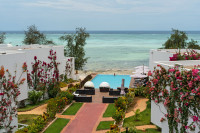
Transfer to the northern beaches near Nungwi, known for calm turquoise waters and powder-white sand.
Spend the afternoon relaxing by the Indian Ocean.
- Main Destination:
- Nungwi (Zanzibar)
- Accommodation:
- Nungwi Dreams by Mantis



- Meals & Drinks:
Day 11
Snorkeling the Coral Reefs & Zanzibar Spice Farm
Snorkeling the Coral Reefs & Zanzibar Spice Farm
Morning: Explore the reefs surrounding Mnemba Atoll, one of East Africa’s most pristine marine areas. Snorkel over colorful coral gardens teeming with life:
• Butterflyfish, angelfish, and vibrant reef fish weaving through corals
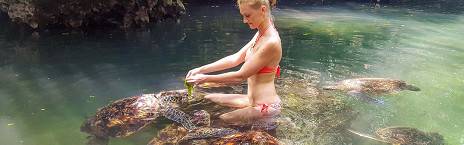
• Graceful sea turtles gliding silently below
• Occasional dolphins curiously passing nearby
The reefs flourish thanks to active conservation and community stewardship. Return to your resort for a leisurely lunch.
Afternoon: Venture inland to a community-run spice farm and discover how spices grow in tropical abundance:
• Vanilla pods climbing orchids
• Cloves harvested from towering evergreen trees
• Cinnamon bark peeled from fragrant branches
• Nutmeg tucked inside bright fruit
Taste fresh fruits, inhale the fragrant spices, and learn surprising insights, like how black pepper grows on vines and cardamom thrives in forest shade. Your visit directly supports families maintaining traditional cultivation methods. Return to the resort in the early evening.
- Main Destination:
- Nungwi (Zanzibar)
- Accommodation:
- Nungwi Dreams by Mantis
- Meals & Drinks:

Day 12
Stone Town & Sunset Dhow Cruise
Stone Town & Sunset Dhow Cruise
Morning: Wander the labyrinthine streets of Stone Town, a UNESCO World Heritage site where history breathes from coral-stone buildings and intricately carved doors.
Explore on foot:
• The Sultan’s Palace, a glimpse of royal heritage
• The Old Fort, echoing centuries of trade and defense
• Vibrant spice markets and historic merchant houses
Afternoon: Pause at local cafés or artisan shops, soaking in the scents of cinnamon, cloves, and freshly baked chapati.
Evening: Board a traditional wooden dhow for a sunset cruise along the turquoise coast. Watch the sky ignite in orange and gold as fishermen cast their nets and the distant call to prayer drifts across the harbor. Finish with a light seafood feast at Forodhani Gardens, tasting grilled fish, prawns, and local street delicacies, surrounded by the evening bustle of the town.
- Main Destination:
- Zanzibar Stone Town (Zanzibar)
- Accommodation:
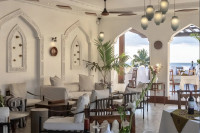
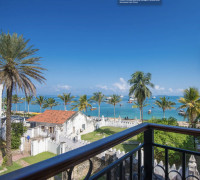
- The Seyyida Hotel & Spa


- Meals & Drinks:

Day 13
Swahili Cooking Experience & Departure
Swahili Cooking Experience & Departure
With a late afternoon or evening flight, the final day allows for one last cultural experience before departure.
Enjoy a relaxed start to the day in historic Stone Town.
You may :
• Wander through the spice and fruit markets
• Explore small artisan shops tucked into the old alleyways
Before heading to the airport, you visit a local home where women from the neighborhood host a traditional Swahili cooking session.
Swahili cuisine blends African, Arab, and Indian influences, reflecting centuries of maritime trade across the Indian Ocean.
You may help prepare dishes such as:
• Coconut curry with fresh spices
• Chapati flatbread cooked on a hot pan
• Fragrant rice infused with cloves and cardamom
• Tropical fruit desserts
More than a formal cooking class, the experience feels like being welcomed into a family kitchen.
Stories are shared, recipes passed down through generations are demonstrated, and you taste the dishes together in a relaxed setting.
- Main Destination:
- Zanzibar Stone Town (Zanzibar)
- Accommodation:
- No accommodation (End of tour)
- Meals & Drinks: