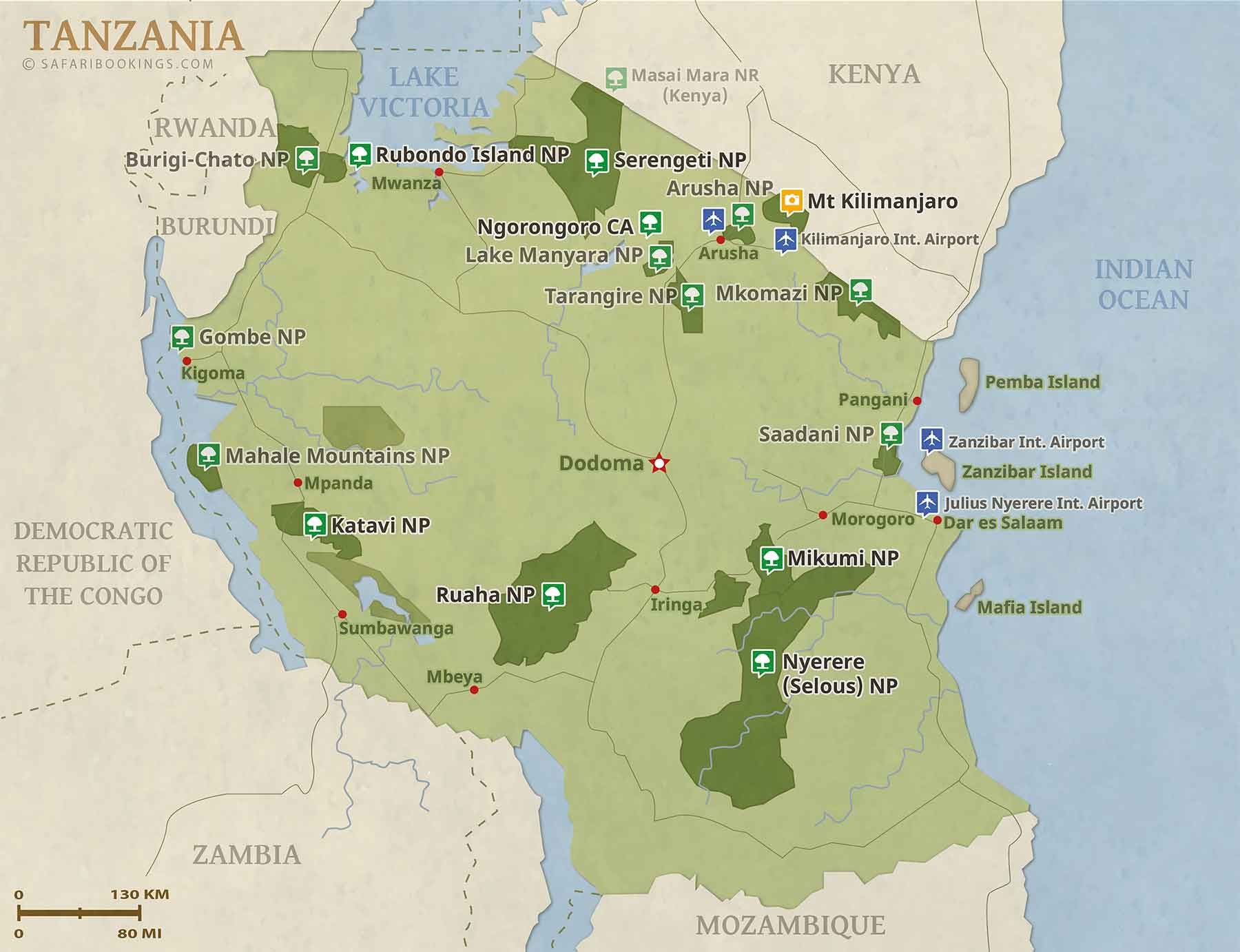
$1,943 pp (USD)
2 travelers on Start dateArrival
Arrival
Day 1
Tarangire National Park
Tarangire National Park
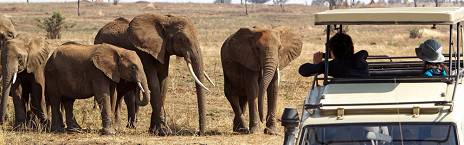
Your safari adventure begins after breakfast with a scenic drive from Arusha to Tarangire National Park, one of Tanzania's most beautiful and wildlife-rich destinations. Famous for its vast elephant herds and iconic baobab trees, Tarangire offers an authentic African wilderness experience away from the larger crowds. Upon arrival, enjoy an extensive game drive through diverse habitats where elephants, lions, giraffes, zebras, wildebeests, buffaloes, and numerous antelope species roam freely. The Tarangire River attracts wildlife throughout the year, creating exceptional opportunities for close-up sightings and photography. After a rewarding day exploring the wilderness and capturing unforgettable wildlife moments, exit the park and continue to the charming town of Karatu, where you will enjoy dinner, relax, and spend the night in preparation for the next stage of your safari adventure.
- Main Destination:
- Tarangire National Park
- Accommodation:
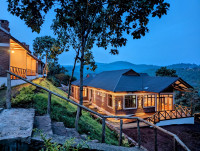
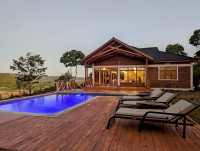
- Mvuli Lodge Ngorongoro
Wildlife in Tarangire NP




- Meals & Drinks:

Day 2
En-route Game Drive to Central serengeti national park
En-route Game Drive to Central serengeti national park
After an early breakfast, depart for the world-renowned Serengeti National Park, traveling through the scenic highlands and conservation areas that showcase Tanzania's spectacular natural beauty. As you enter the Serengeti, endless golden plains stretch toward the horizon, creating one of Africa's most iconic landscapes. Enjoy a game drive en route to Central Serengeti, an area celebrated for its abundant resident wildlife and excellent predator sightings throughout the year. This region is particularly known for its healthy populations of lions, leopards, and cheetahs, offering exciting opportunities to witness nature in its purest form. Along the way, encounter large herds of zebras, wildebeests, gazelles, giraffes, and elephants while your professional guide shares fascinating insights about the ecosystem. The day's adventure concludes with a spectacular Serengeti sunset, one of the most unforgettable sights in Africa.
- Main Destination:
- Central Serengeti National Park
- Accommodation:
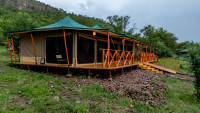
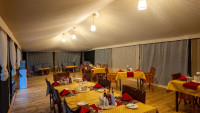
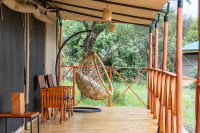
- Mbuni Serengeti Camp
Wildlife in Serengeti NP

- Meals & Drinks:

Day 3
Serengeti National Park to Ngorongoro Highlands
Serengeti National Park to Ngorongoro Highlands
After breakfast, enjoy a final game drive in the legendary Serengeti National Park, giving you more time to explore its vast plains and search for the incredible wildlife that makes this destination famous worldwide. Accompanied by your professional safari guide, you'll have excellent opportunities to spot lions, cheetahs, leopards, elephants, giraffes, zebras, wildebeests, and many other species in their natural habitat. The Serengeti's breathtaking scenery and abundant wildlife ensure every moment is filled with excitement and discovery. After lunch and an afternoon game drive, depart the Serengeti and travel toward the beautiful Ngorongoro Highlands. Along the way, enjoy stunning views of the surrounding landscapes before arriving at your lodge in the evening. Relax, enjoy dinner, and spend the night in preparation for your Ngorongoro Crater adventure the following day.
- Main Destination:
- Serengeti National Park
- Accommodation:
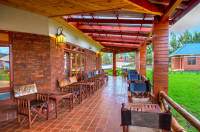
- Marera Valley Lodge



- Meals & Drinks:
Day 4
Ngorongoro crater & Departure
Ngorongoro crater & Departure
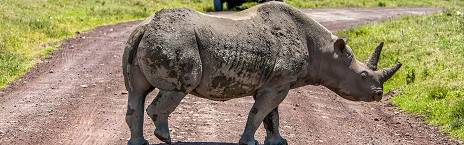
After an early breakfast, descend into the magnificent Ngorongoro Crater, one of Africa's most remarkable wildlife destinations and a UNESCO World Heritage Site. Often referred to as the "Eighth Wonder of the World," the crater is home to an extraordinary concentration of wildlife, offering one of the best safari experiences in Tanzania. Enjoy a game drive across the crater floor as you search for lions, elephants, buffaloes, hippos, zebras, wildebeests, hyenas, and the rare black rhino. Surrounded by breathtaking crater walls and stunning scenery, every moment presents excellent opportunities for wildlife viewing and photography. After a picnic lunch in the crater, continue with your game drive before ascending the crater and beginning your journey back to Arusha. Arrive in the late afternoon with unforgettable memories of Tanzania's iconic landscapes and incredible wildlife.
- Main Destination:
- Ngorongoro Crater
- Accommodation:
- No accommodation (End of tour)
Wildlife in Ngorongoro Crater


- Meals & Drinks: