$2,664 pp (USD)
2 travelers on Start dateArrival
Arrival

Day 1
Arrival in Arusha
Arrival in Arusha
Arusha is a vibrant city located in northern Tanzania, widely regarded as the gateway to some of East Africa’s most famous safari destinations. Nestled at the foot of Mount Meru and within close proximity to Mount Kilimanjaro, Arusha serves as a major hub for tourism, diplomacy, and commerce in the region.
The city is strategically positioned near world-renowned attractions such as Serengeti National Park, Ngorongoro Crater, and Tarangire National Park, making it a common starting point for safari adventures. Its pleasant climate, characterized by mild temperatures and lush surroundings, adds to its appeal for both visitors and residents.
Arusha is also a cultural melting pot, home to diverse ethnic groups and a rich blend of traditions. Visitors can experience local markets, cultural heritage centers, and historical landmarks that reflect the city’s dynamic identity. Additionally, it hosts important international institutions and conferences.
- Main Destination:
- Arusha (City)
- Accommodation:
- Gran Meliá Arusha


- Meals & Drinks:

Day 2
Game Drive Tarangire National Park
Game Drive Tarangire National Park
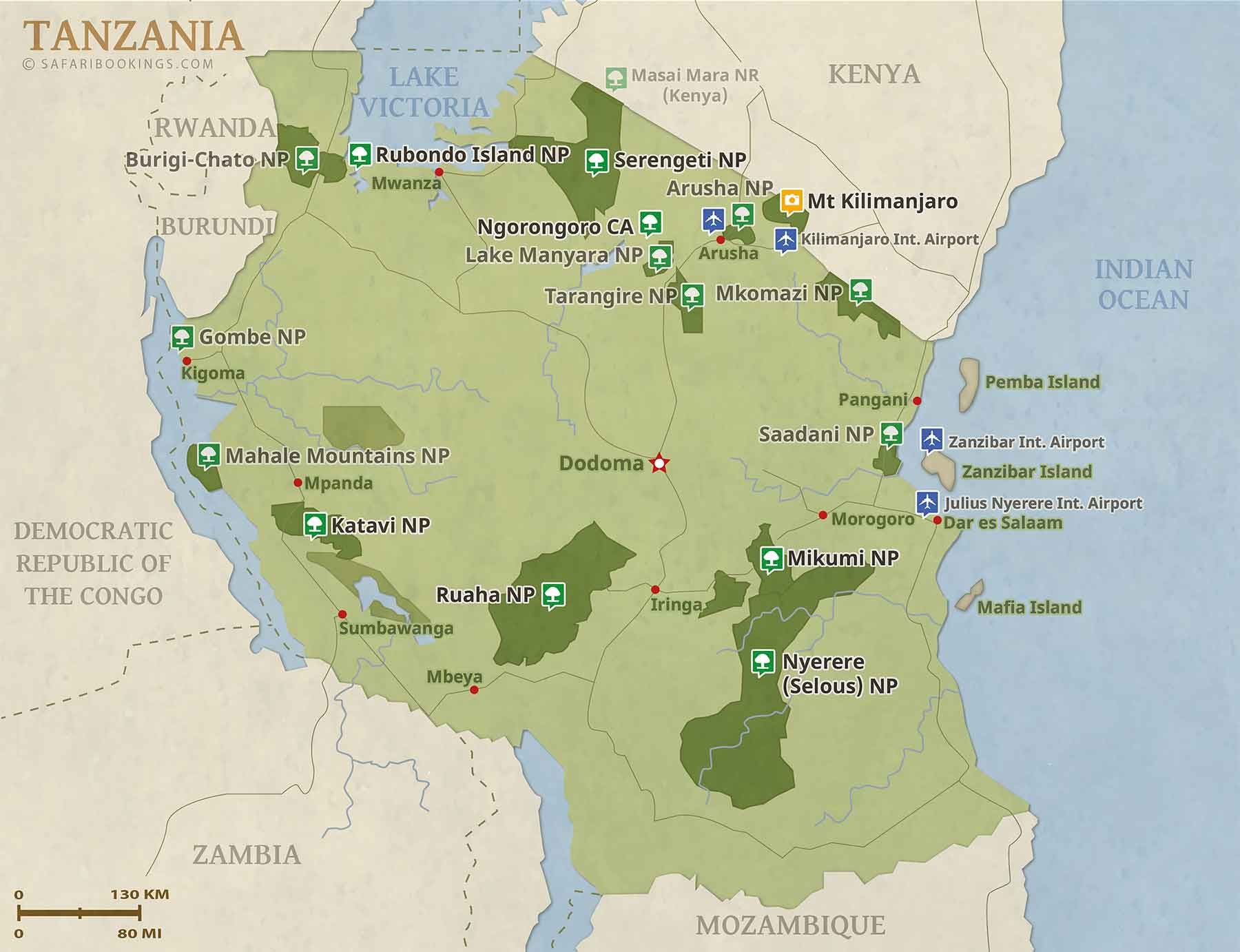
Your safari begins with a morning pick-up from Arusha, followed by a scenic drive to Tarangire National Park, one of Tanzania’s most beautiful wildlife destinations. After entering the park, you will enjoy an exciting game drive through its diverse landscapes of open savannah, acacia woodlands, and the iconic giant baobab trees.
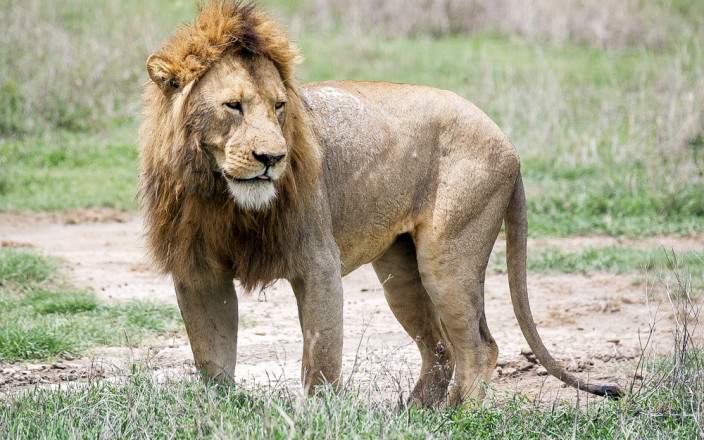
Tarangire is renowned for its large elephant herds and offers excellent opportunities to spot lions, giraffes, zebras, wildebeests, buffaloes, impalas, warthogs, and many other wildlife species. The Tarangire River, which flows year-round, attracts animals from across the park, making it one of the best places for wildlife viewing. Bird enthusiasts can also enjoy sightings of numerous colorful bird specie.
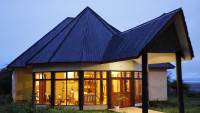
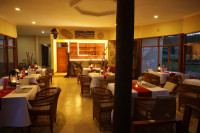
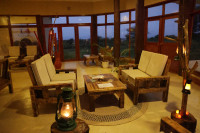
In the late afternoon, you will leave the park and drive to Furaha Luxury Lodge for check-in. Relax in the lodge peaceful surroundings, enjoy a delicious dinner, and spend the night preparing for another unforgettable day of your Tanzania safari adventure.
- Main Destination:
- Tarangire National Park
- Accommodation:
- Furaha Luxury Lodge
Wildlife in Tarangire NP



- Meals & Drinks:

Day 3
Game Drive Central Serengeti National Park
Game Drive Central Serengeti National Park
After breakfast, you will head to the heart of the world-famous Central Serengeti, an area renowned for its year-round wildlife and spectacular landscapes. Upon arrival, you will embark on an exciting game drive across the endless plains, where you will have excellent opportunities to spot the Big Five and a wide variety of other animals, including lions, leopards, elephants, cheetahs, giraffes, zebras, wildebeests, hyenas, and numerous antelope species.
You will enjoy a picnic lunch at a scenic site within the park before continuing your afternoon game drive, exploring different areas in search of more incredible wildlife and breathtaking views of the Serengeti plains.
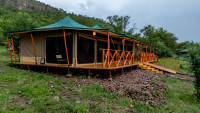
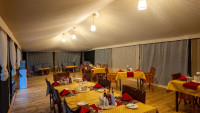
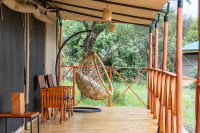
In the late afternoon, you will drive to Mbuni Luxury Lodge for check-in. Relax and enjoy the lodge’s luxurious amenities, followed by a delicious dinner and a comfortable overnight stay surrounded by the beauty of the Serengeti.
- Main Destination:
- Central Serengeti National Park
- Accommodation:
- Mbuni Serengeti Camp
Wildlife in Serengeti NP

- Meals & Drinks:

Day 4
Game Drive Central Serengeti National Park
Game Drive Central Serengeti National Park
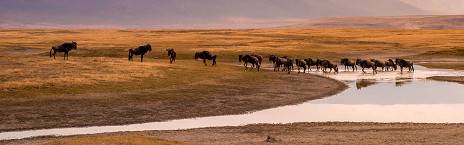
After an early breakfast, you will set out for a full-day game drive in the heart of Central Serengeti, one of Africa’s most celebrated wildlife destinations. This region is famous for its vast open plains, abundant resident wildlife, and exceptional predator sightings throughout the year.
A picnic lunch will be enjoyed at a designated site inside the park, allowing you to maximize your time in the wilderness before continuing your afternoon game drive. Along the way, admire the breathtaking Serengeti landscapes and keep an eye out for the park’s rich birdlife and fascinating wildlife interactions.
After a rewarding full day of wildlife viewing and unforgettable safari experiences, you will return to Mbuni Luxury Lodge in the evening. Enjoy a delicious dinner and relax in the comfort of the lodge, surrounded by the peaceful atmosphere of the Serengeti, before your overnight stay.
- Main Destination:
- Serengeti National Park
- Accommodation:
- Mbuni Serengeti Camp
- Meals & Drinks:
Day 5
Game Drive Serengeti National Park to Ngorongoro highland
Game Drive Serengeti National Park to Ngorongoro highland
Ngorongoro Crater is one of Africa’s most remarkable natural landmarks and a highlight of Tanzania’s Northern safari circuit. Formed millions of years ago when a massive volcano collapsed, it created the world’s largest intact volcanic caldera, with steep crater walls rising up to about 600 meters and enclosing a vast, self-contained wildlife ecosystem.
Located within the broader Ngorongoro Conservation Area, the crater floor spans roughly 260 square kilometers and supports a wide variety of habitats, including grasslands, swamps, forests, and a soda lake. These diverse environments sustain an exceptionally high concentration of wildlife year-round.
The Ngorongoro Crater is famous for offering one of the best chances in Africa to see the Big Five (lion, leopard, elephant, buffalo, and the rare black rhinoceros) within a single day. It also hosts large populations of wildebeest, zebra, hippo, hyenas, and flamingo, creating constant wildlife activity within a relatively compact area.
- Main Destination:
- Ngorongoro Crater
- Accommodation:
-
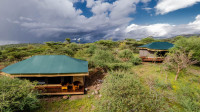
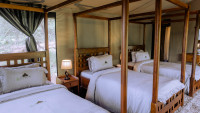
Embalakai Ngorongoro Camp

Wildlife in Ngorongoro Crater


- Meals & Drinks:

Day 6
Ngorongoro Crater to Lake Manyara National Park
Ngorongoro Crater to Lake Manyara National Park
Lake Manyara National Park is a scenic and ecologically diverse protected area located in northern Tanzania, at the base of the Great Rift Valley escarpment. The park is centered around the shallow, alkaline Lake Manyara, which attracts a rich variety of birdlife and seasonal wildlife, creating a striking blend of water, forest, and open plains.
The park is well known for its lush groundwater forests, home to troops of baboons, blue monkeys, and other primates, as well as its open grassy floodplains where elephants, giraffes, zebras, and antelopes are commonly seen. Along the lakeshore, large flocks of flamingos, pelicans, and other waterbirds gather, making it one of the best birdwatching destinations in Tanzania.
Lake Manyara National Park is also famous for its tree-climbing lions, a rare behavior observed in only a few places in Africa. This unique characteristic, combined with its compact size and diverse habitats, makes the park a rewarding stop on the Northern safari circuit.
- Main Destination:
- Lake Manyara National Park
- Accommodation:
- No accommodation (End of tour)
Wildlife in Lake Manyara NP
- Meals & Drinks: