$4,815 pp (USD)
2 travelers on Start dateArrival
Arrival

Day 1
Arrival in arusha
Arrival in arusha
Arusha is a vibrant city in northern Tanzania, often called the “gateway to safari” because it lies close to famous wildlife areas like Serengeti National Park and Ngorongoro Crater. Situated at the foot of Mount Meru, Arusha enjoys a mild climate and scenic landscapes.
The city is an important hub for tourism, trade, and international diplomacy. It hosts the East African Community headquarters, making it a key center for regional cooperation. Arusha’s economy is supported by agriculture, particularly coffee farming, as well as services linked to tourism.
Culturally, Arusha is diverse, with influences from local groups such as the Maasai and Meru communities. Markets, crafts, and traditional lifestyles add to its unique character.
Overall, Arusha combines natural beauty, cultural richness, and economic importance, making it one of Tanzania’s most significant cities.
- Main Destination:
- Arusha (City)
- Accommodation:
- Gran Meliá Arusha



- Meals & Drinks:
Day 2
Tarangire national park
Tarangire national park
Tarangire National Park is a large wildlife reserve located in northern Tanzania, not far from Arusha. It is especially famous for its vast elephant herds and iconic baobab trees.
The park is named after the Tarangire River, the main water source that attracts animals during the dry season. At this time, thousands of animals such as zebras, wildebeest, giraffes, buffaloes, and predators like lions gather near the river, making it one of the best places in Tanzania for wildlife viewing.
Tarangire has a varied environment that includes savannah, swamps, and seasonal wetlands. This diversity supports a wide range of birdlife, with over 500 species recorded, making it a popular destination for bird watchers.
Compared to more famous parks like the Serengeti, Tarangire is less crowded, offering a quieter and more intimate safari experience. Its combination of rich wildlife, dramatic scenery, and peaceful atmosphere makes it a unique and rewarding destination for visitors.
- Main Destination:
- Tarangire National Park
- Accommodation:
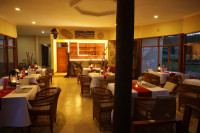
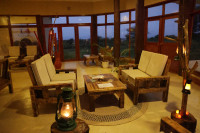
- Furaha Luxury Lodge
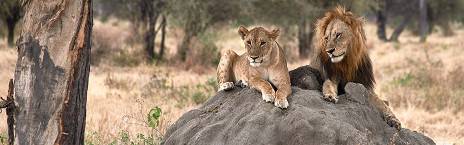
Wildlife in Tarangire NP




- Meals & Drinks:

Day 3
Central serengeti national park
Central serengeti national park
The Central Serengeti, also known as Seronera Valley, is the heart of Serengeti National Park in northern Tanzania. It is one of the most popular and wildlife-rich areas of the park, known for its year-round game viewing.
This region features open grasslands dotted with rocky outcrops called kopjes, which provide shelter for animals and vantage points for predators like lions and leopards. The Seronera River flows through the area, supplying water that attracts a wide variety of wildlife even during the dry season.
Central Serengeti is especially famous for its high concentration of big cats, including lions, cheetahs, and leopards. It is also part of the route of the Great Migration, when millions of wildebeest and zebras move across the plains in search of fresh grazing.
Because of its rich biodiversity, scenic landscapes, and reliable wildlife sightings, the Central Serengeti offers one of the best safari experiences in Africa.
- Main Destination:
- Central Serengeti National Park
- Accommodation:
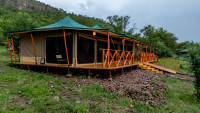
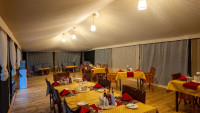
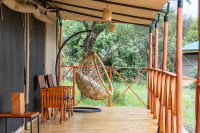
- Mbuni Serengeti Camp
Wildlife in Serengeti NP

- Meals & Drinks:
Day 4
Central serengeti national park
Central serengeti national park
The Central Serengeti, commonly called the Seronera Valley, lies at the core of Serengeti National Park in northern Tanzania. It is one of the most accessible and wildlife-rich parts of the park, offering excellent game viewing throughout the year.
The landscape is made up of wide open plains mixed with rocky hills known as kopjes and scattered acacia trees. The Seronera River runs through the area, providing a permanent water source that supports large populations of animals even in the dry season.
Central Serengeti is famous for its abundance of predators, especially lions, leopards, and cheetahs. It is also a key area for the Great Migration, when huge herds of wildebeest and zebras pass through in search of fresh grazing.
Because of its rich wildlife, beautiful scenery, and reliable animal sightings, the Central Serengeti is considered one of the best safari destinations in Africa.
- Main Destination:
- Central Serengeti National Park
- Accommodation:
- Mbuni Serengeti Camp
- Meals & Drinks:

Day 5
Serengeti national park to ngorongoro
Serengeti national park to ngorongoro
Serengeti National Park is one of the most famous wildlife conservation areas in the world, located in northern Tanzania and extending toward the border with Kenya. It is best known for its vast open plains, incredible biodiversity, and dramatic natural events.
The landscape of the Serengeti is mostly endless savannah, dotted with acacia trees, rocky outcrops called kopjes, and seasonal rivers. These wide plains create ideal conditions for large herds of grazing animals and the predators that hunt them.
One of the most remarkable features of the Serengeti is the Great Migration. Each year, millions of wildebeest, zebras, and gazelles move across the ecosystem in search of fresh grass and water. This movement also attracts predators such as lions, cheetahs, hyenas, and crocodiles, creating one of the most dramatic wildlife spectacles on Earth.
The park is also home to the “Big Five” animals lion, elephant, leopard, buffalo, and rhinoceros along with hundreds of bird.
- Main Destination:
- Serengeti National Park
- Accommodation:
-
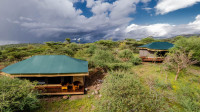
Embalakai Ngorongoro Camp


- Meals & Drinks:
Day 6
Ngorongoro crater
Ngorongoro crater
Ngorongoro Crater is a large volcanic caldera located within the Ngorongoro Conservation Area in northern Tanzania. It is one of the most famous natural wildlife sites in Africa and a UNESCO World Heritage Site.
The crater was formed millions of years ago when a massive volcano collapsed, creating a huge, bowl-shaped landscape. Today, its steep walls enclose a rich ecosystem with grasslands, forests, lakes, and swamps.
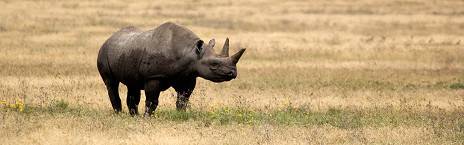
Ngorongoro is often called a natural wildlife sanctuarn because it supports a high concentration of animals living within a relatively small area. Visitors can see elephants, lions, buffaloes, zebras, hippos, flamingos, and the rare black rhinoceros.
The area is also shared with the Maasai people, who live and graze livestock alongside wildlife, maintaining a unique balance between nature and human life.
Because of its stunning scenery, dense wildlife population, and unique geology, Ngorongoro Crater is considered one of the most spectacular safari.
- Main Destination:
- Ngorongoro Crater
- Accommodation:
- Embalakai Ngorongoro Camp
Wildlife in Ngorongoro Crater


- Meals & Drinks:

Day 7
Lake manyara national park
Lake manyara national park
Lake Manyara is a shallow, alkaline lake located in northern Tanzania along the base of the Great Rift Valley escarpment. It is famous for its striking scenery, where the lake sits between steep cliffs on one side and open plains on the other, creating a very diverse and scenic ecosystem.
The lake is the centerpiece of Lake Manyara National Park, a protected area known for its rich variety of wildlife. Despite its relatively small size compared to other East African lakes, it supports a wide range of animals and birdlife. Large flocks of flamingos are often seen along its shores when conditions are right, giving the water a pinkish hue.
The surrounding park is also well known for elephants, giraffes, zebras, hippos, and baboons. One of its most famous wildlife highlights is the presence of tree-climbing lions, which are rarely seen in most other places. The groundwater forests near the lake contrast sharply with the open savannah.
- Main Destination:
- Lake Manyara National Park
- Accommodation:
- Furaha Luxury Lodge
Wildlife in Lake Manyara NP
- Meals & Drinks:

Day 8
Lake eyasi
Lake eyasi
Lake Eyasi is a large, shallow, seasonal salt lake located in northern Tanzania along the floor of the Great Rift Valley, just southwest of the Ngorongoro Conservation Area. Unlike permanent freshwater lakes, Lake Eyasi often changes in size depending on rainfall shrinking dramatically during dry seasons and expanding during wet periods.
The lake is highly alkaline, which means it has very salty water that limits fish life but creates an important habitat for certain birds. When water levels are suitable, it attracts large numbers of flamingos and other migratory birds that feed on algae and small organisms in the shallow waters.
The surrounding environment is mostly semi-arid, with dry plains, scattered acacia trees, and rocky escarpments. Despite the harsh conditions, the area supports both wildlife and human communities.
- Main Destination:
- Lake Eyasi
- Accommodation:
- No accommodation (End of tour)
- Meals & Drinks: