
Family-owned Schotia Safaris Private Game Reserve offers the Eastern Cape’s ultimate one-stop safari. Half-day and overnight packages in this compact reserve provide an opportunity to see four of the and many other safari favorites on one affordable outing. However, because convoy-like line up one sighting after another, Schotia lacks the spontaneity of a true wilderness experience.

-
 Best Time To Go
- January to December (All year)
-
 High Season
- October to April (Summer)
-
 Size
Size
- 16km² / 6mi²
-
 Altitude
-
60-200m /197-656ft
 View Photos
 View Photos
+22
Photos
View Photos
+22
Photos
Pros & Cons
- The Eastern Cape’s most affordable private reserve
- Four of the (no leopard) are usually seen on
- Only 45 minutes’ drive from Gqeberha (Port Elizabeth)
- Afternoon package ends with a buffet dinner in the
- Overnight package also includes a and morning drive
- Limited accommodations in rustic bush lodges and tents
- Malaria-free
- Small area and internal fences mean it lacks wilderness appeal
- Vehicles often move in convoy and crowd around one sighting
- A very packaged feel (but less so if you stay overnight)
- No leopard or
Wildlife
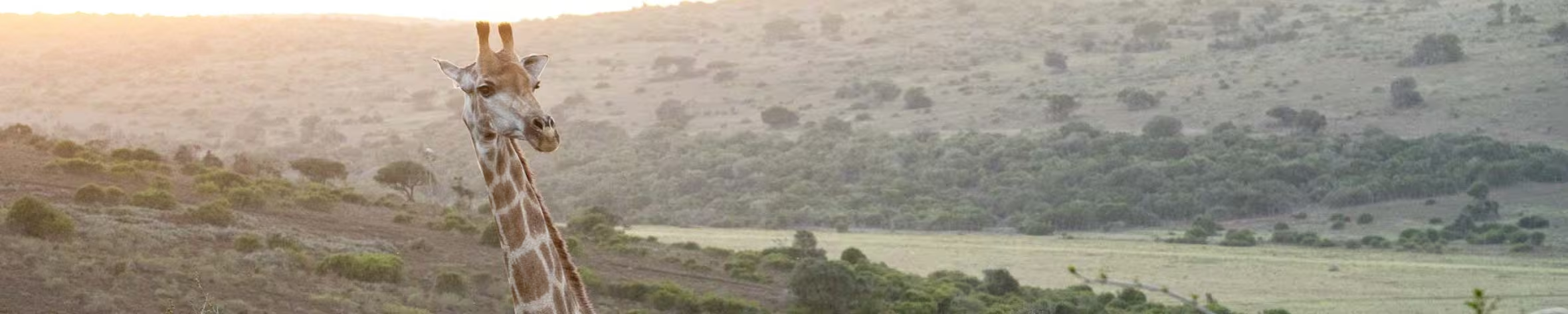
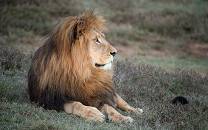
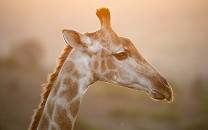
Schotia is stocked with a wide variety of wildlife. Almost all visitors will see lion, elephant, , buffalo, giraffe, zebra, , and . The reserve hosts 14 antelope species including the massive , the handsome , and the and . often yield good views of the , a comical kangaroo-like rodent that appears as a pair of bouncing eyes glowing in the spotlight.
Scenery
The rolling hills and valleys of Schotia share a fenced border with Addo Elephant National Park. Although the reserve comprises former farmland, there are significant tracts of , a type of tangled shrubland that is unique to the Eastern Cape. Other habitats include open grassland and . One of the reserve’s most common trees is the (farmer’s bean; ‘Schotia afra’), for which it is named.
Activities
Schotia’s signature activity is a half-day Tooth & Claw Safari. This consists of guided afternoon and evening , both roughly two hours in duration and separated by a tea-and-toilet break. The evening drive is followed by dinner in an attractive wood-and-thatch . Overnight guests also get to enjoy a short post-dinner and another game drive in the early morning, when there are no day visitors.
Weather & Climate
Schotia experiences distinct summers and winters. In summer (October to April), you can expect hot days and pleasantly cool evenings. Winter (May to September) is characterized by mild to warm days, but nights can be cold. The reserve broadly falls into a summer rainfall area, but it differs from many other parts of South Africa in that it also gets some winter rain.
Best Time To Visit Schotia GR
For wildlife viewing, Schotia is good to visit throughout the year, and there is no significant seasonal variation in how much you’re likely to see. There is also no seasonal change in package rates. Because activities continue after dark, however, Schotia is generally more pleasant to visit in summer (October to April) than it is in winter (May to September). During winter, daylight hours are much shorter and nights tend to be very cold.
How To Get to Schotia GR
Schotia lies 50km/31mi northeast of the Eastern Cape’s largest city Gqeberha (Port Elizabeth). The direct drive via the N2 and N10 takes 45 minutes*, but the reserve also offers full-day packages inclusive of a guided visit to Addo Elephant National Park. Gqeberha is serviced by Chief Dawid Stuurman International Airport (PLZ) and marks the eastern end of a popular self-drive route from Cape Town through the Garden Route.
*Driving times are only a rough indication. You should always consider the possibility of significant delays.
Health & Safety
With its package safari model, Schotia is generally a safe destination to visit in our opinion. For more information on health and safety, please read our malaria and vaccinations page for South Africa and our general ‘Wildlife Viewing Safety Precautions’ page: