
Average Expert Rating
Rating Breakdown
Write a User ReviewTanzania’s most underrated wilderness
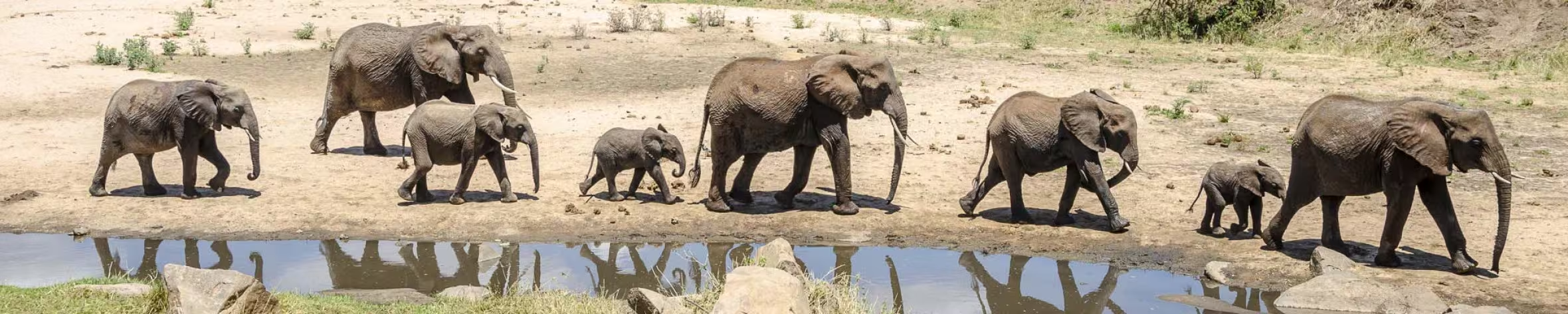
Although it’s only a couple of hours up the road from Arusha, most tourists hurry on towards Lake Manyara and Ngorongoro with barely a second glance at the Tarangire turn-off; and in doing so they are missing the wildest park on Tanzania’s northern circuit. Elephants and baobabs – the giants of the animal and vegetable kingdoms – define the nature of Tarangire. Add 500 square miles of acacia glades, swamps and anthill-dotted plains and you have a classic African big game sanctuary. Tsetse flies can be bothersome but soon forgotten when you find a lion pride or a beautiful Tarangire leopard. Birding is good, too. I saw my first-ever pennant-winged nightjar here. The best advice for anyone wanting to visit Tarangire is to come in the dry season between June and October when the only water for miles around is the Tarangire River, attracting thousands of animals from the Masai steppe.

The Home of Giants
The park's distinctive landscape is scattered with ancient baobabs, whose swollen trunks create a dramatic backdrop for photography, particularly when framed by passing elephant herds. At sunset the open plains of Little Serengeti glow in warm golden light, while farther south the seasonal Silale Swamp attracts large numbers of elephants, buffalo and plains game. The remote Oliver's Camp provides an excellent base for exploring this quieter corner of the park, where visitor numbers
Read more
are low and walking safaris are a particular highlight.Although several superb lodges occupy secluded corners of the park, it is hard to beat staying close to the Tarangire River for sheer wildlife viewing. The long-established Tarangire Safari Lodge remains one of the best locations, with its elevated terrace overlooking a stretch of river that becomes a constant procession of elephants throughout the dry season. Even if you're staying elsewhere, it's well worth stopping for lunch or a drink while enjoying one of the park's most memorable views.
Elephant Heaven
When I was researching a popular guidebook, I asked my extremely experienced driver/guide which was his favourite park – he chose Tarangire. Many people overlook this smaller, less dramatic park in their haste to get to the Serengeti or Ngorongoro, which is a shame because it’s quite special in its own way and I can certainly see why it was my driver’s favourite. He loves elephants and Tarangire has one of the highest densities of elephant populations in Africa, particularly in the dry season when its river provides sustenance for thousands of elephants along with zebra, buffalo, wildebeest and the elegant eland. In the wet season, when I visited, the game is far sparser but the park still has a quiet charm, plenty of birdlife and a strangely fairy-tale like quality with masses of quirky baobab trees.
Seasonal Elephant Migration, Baobabs & Tarangire River Views
Tarangire comes alive during the Dry season, from July to October, when it is a first-rate safari destination. At this time, huge herds of migratory elephant congregate around the permanent waters of the Tarangire River, together with large numbers of zebra and wildebeest. The park’s landscapes are alluring, with an abundance of baobabs and rich vegetation, including the green swampland of the south and acacia woodland in the north. During the Dry season, I’d recommend planning at least two nights in Tarangire to appreciate all it has to offer. However, even with less time, it’s possible to have a rewarding visit, as the best wildlife watching is in the park’s northern section, within relatively close proximity of the entrance gate. Tarangire’s other draws include easy access from Arusha and a lovely collection of lodges.