
Tour Length
Rates in USD $ – Change Currency
Per person, excl. international flightsOperator Rating
Other Tour Features
Filter by Operator
Filter by Accommodation
7-Day Kruger Safari Tours
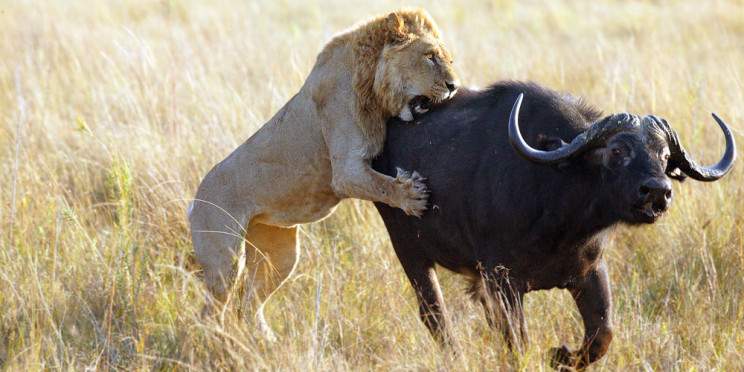
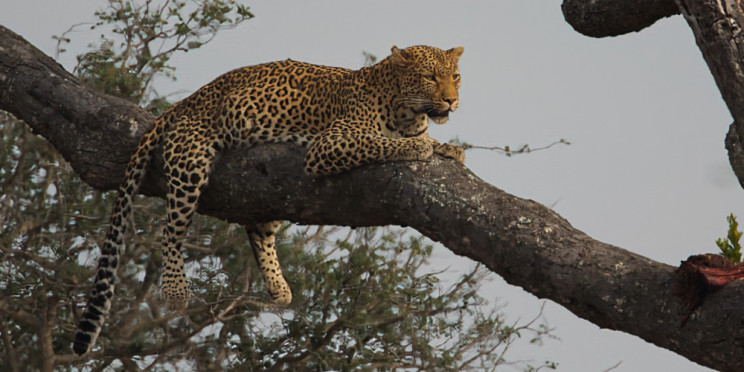
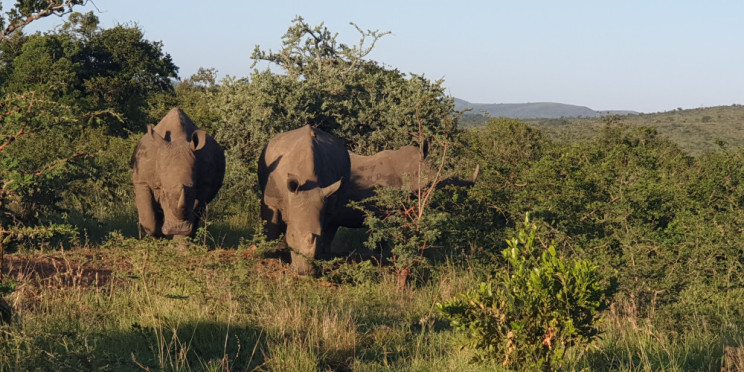
The 19,485km²/7,523mi² Kruger National Park is South Africa’s largest national park and most important refuge for savannah wildlife. Boasting a checklist of almost 150 mammal and 500-plus bird species, it is possibly the last place in Africa where sustainable breeding populations of lion, leopard, cheetah, African wild dog, elephant, buffalo, black rhino and white rhino still thrive. It is also a park that tends to reward those who allocate it sufficient time, and a 1-week safari is exactly that. It’s long enough to get a really good feel for several of Kruger’s habitats and see a wide variety of its astonishing range of iconic mammals and beautiful birds.
-
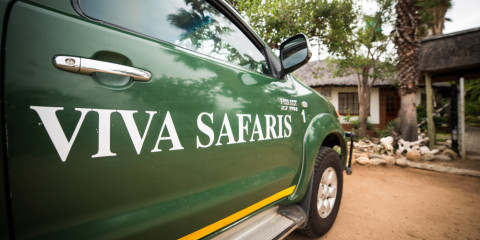
7-Day Tremisana Lodge - Kruger Park Safari
$1,564 to $1,680 pp (USD)
South Africa: Shared tour (max 9 people per vehicle)
Mid-range LodgeYou Visit: Johannesburg (Start), Balule NR (Greater Kruger), Greater Kruger, Kruger NP, Moholoholo Wildlife Centre (Wildlife Sanctuary), 3 Rondavels (Panorama Route), Johannesburg (End)

Viva Safaris
5.0/5 – 365 Reviews

-
Best Seller
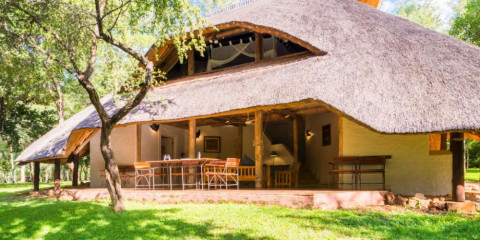
7-Day Affordable Dumela Kruger & Victoria Falls Package
$2,160 pp (USD)
South Africa & Zimbabwe: Shared tour (max 10 people per vehicle)BudgetLodge & Tented Camp
You Visit: Johannesburg (Start), Kruger NP, Panorama Route (Highlight), Johannesburg (City), Victoria Falls, Victoria Falls Airport (End)
MoAfrika Tours
4.9/5 – 5,498 Reviews
-

7-Day Kruger, Panorama Route and Private Game Reserve
$4,496 to $4,946 pp (USD)
South Africa: Shared tour (max 9 people per vehicle)
Mid-range LodgeYou Visit: Johannesburg (Start), Klaserie NR (Greater Kruger), Panorama Route (Highlight), Kruger NP, Johannesburg (End)

Elephant Herd Tours & Safaris
5.0/5 – 235 Reviews
-

7-Day Budget Kruger, Victoria Falls & Chobe Safari
$2,700 to $2,756 pp (USD)
Botswana, South Africa & Zimbabwe: Shared tour (max 3 people per vehicle)BudgetLodge
You Visit: Johannesburg (Start), Greater Kruger, Kruger NP, Panorama Route (Highlight), Victoria Falls, Chobe NP, Kasane Airport (End)
Knap Tours
4.8/5 – 55 Reviews
-
Best Seller
![7-Day Kruger, Victoria Falls, Hwange & Chobe Safari]()
7-Day Kruger, Victoria Falls, Hwange & Chobe Safari
$2,194 to $2,413 pp (USD)
Botswana, South Africa & Zimbabwe: Private tour
Mid-range Lodge & ResortYou Visit: Johannesburg (Start), Hazyview (Town), Kruger NP, Victoria Falls, Chobe NP, Hwange NP, Victoria Falls Airport (End)

Africa Incoming
5.0/5 – 64 Reviews
-
7-Day Exclusive Custom Kruger/Private Lodge Photo Safari
$5,051 to $5,832 pp (USD)
South Africa: Private tour
Mid-range Tented CampYou Visit: Johannesburg (Start), Kruger NP, Timbavati NR (Greater Kruger), Johannesburg (End)
Ukhozi Tours
5.0/5 – 23 Reviews
-
![7-Day Cape Town and Safari in Sabi Sands Private Reserve]()
7-Day Cape Town and Safari in Sabi Sands Private Reserve
$2,611 to $2,920 pp (USD)
South Africa: Private tourLuxuryLodge & Guest House
You Visit: Cape Town (Start), Sabi Sands (Greater Kruger), Kruger NP, Johannesburg (End)
The Eco Travel Boutique
5.0/5 – 2 Reviews
-
7-Day Kruger Park, Hluhluwe & St Lucia Safari
$1,940 to $2,037 pp (USD)
South Africa: Shared tour (max 9 people per vehicle)
Mid-range LodgeYou Visit: Johannesburg (Start), Balule NR (Greater Kruger), Greater Kruger, Kruger NP, Hluhluwe (Town), Hluhluwe-iMfolozi Park (KZN Parks), iSimangaliso Wetland Park (KZN Parks), King Shaka Airport (End)
Viva Safaris
5.0/5 – 365 Reviews
-
7-Day Ivory Tree & Kapama River Lodge Combo Safari
$3,896 to $4,402 pp (USD)
South Africa: Shared tour (max 10 people per vehicle)LuxuryLodge & Hotel
You Visit: Johannesburg (Start), Pilanesberg GR, Kruger NP, Kapama GR (Greater Kruger), Johannesburg Airport (End)
MoAfrika Tours
4.9/5 – 5,498 Reviews
-
![7-Day Affordable Kruger & Victoria Falls Adventure]()
7-Day Affordable Kruger & Victoria Falls Adventure
$3,429 to $3,542 pp (USD)
South Africa & Zimbabwe: Shared tour (max 3 people per vehicle)BudgetLodge & Tented Camp
You Visit: Johannesburg (Start), Blue Canyon GR, Kruger NP, Zambezi River, Victoria Falls (End)
Knap Tours
4.8/5 – 55 Reviews
-
7-Day Radisson and Balule Combo Safari
$2,563 pp (USD)
South Africa: Shared tour (max 10 people per vehicle)
Mid-range Lodge & HotelYou Visit: Johannesburg (Start), Kruger NP, Greater Kruger, Panorama Route (Highlight), Hoedspruit (Town), Johannesburg Airport (End)
MoAfrika Tours
4.9/5 – 5,498 Reviews
-
![7-Day Fly-in Radisson & Greenfire Kruger Safari from Cpt]()
7-Day Fly-in Radisson & Greenfire Kruger Safari from Cpt
$2,836 pp (USD)
South Africa: Shared tour (max 10 people per vehicle)LuxuryLodge & Hotel
You Visit: Cape Town (Start), Tshukudu GR, Kruger NP, Panorama Route (Highlight), Balule NR (Greater Kruger), Cape Town (End)
MoAfrika Tours
4.9/5 – 5,498 Reviews
-
![7-Day Fly-in Luxury Kruger & Private Reserve Safari]()
7-Day Fly-in Luxury Kruger & Private Reserve Safari
$2,654 pp (USD)
South Africa: Shared tour (max 10 people per vehicle)LuxuryLodge & Hotel
You Visit: Johannesburg (Start), Tshukudu GR, Kruger NP, Panorama Route (Highlight), Balule NR (Greater Kruger), Johannesburg (End)
MoAfrika Tours
4.9/5 – 5,498 Reviews
-
![7-Day Luxury Kruger & Private Reserve Safari]()
7-Day Luxury Kruger & Private Reserve Safari
$2,413 pp (USD)
South Africa: Shared tour (max 10 people per vehicle)LuxuryLodge & Hotel
You Visit: Johannesburg (Start), Hoedspruit (Town), Kruger NP, Panorama Route (Highlight), Balule NR (Greater Kruger), Johannesburg (End)
MoAfrika Tours
4.9/5 – 5,498 Reviews
-
7-Day Luxury Kruger Radisson & Victoria Falls Combo
$2,762 pp (USD)
South Africa & Zimbabwe: Shared tour (max 10 people per vehicle)LuxuryLodge & Hotel
You Visit: Johannesburg (Start), Kruger NP, Panorama Route (Highlight), Johannesburg Airport (Johannesburg), Victoria Falls, Victoria Falls Airport (End)
MoAfrika Tours
4.9/5 – 5,498 Reviews
-
7-Day Safari Moon & Kapama Ultimate Luxury Safari Combo
$4,186 to $4,367 pp (USD)
South Africa: Shared tour (max 10 people per vehicle)LuxuryLodge
You Visit: Johannesburg (Start), Kruger NP, Panorama Route (Highlight), Kapama GR (Greater Kruger), Johannesburg Airport (End)
MoAfrika Tours
4.9/5 – 5,498 Reviews
-
7-Day Radisson and Greenfire Safari
$2,413 pp (USD)
South Africa: Shared tour (max 10 people per vehicle)LuxuryLodge & Hotel
You Visit: Johannesburg (Start), Hoedspruit (Town), Kruger NP, Panorama Route (Highlight), Johannesburg (End)
MoAfrika Tours
4.9/5 – 5,498 Reviews
-
7-Day Radisson and Greenfire Safari Combo
$2,676 pp (USD)
South Africa: Shared tour (max 10 people per vehicle)LuxuryLodge & Hotel
You Visit: Johannesburg (Start), Hoedspruit (Town), Kruger NP, Panorama Route (Highlight), Hoedspruit Endangered Species Centre (Wildlife Sanctuary), Balule NR (Greater Kruger), Johannesburg (End)
MoAfrika Tours
4.9/5 – 5,498 Reviews
-
7-Day Victoria Falls and Hoedspruit Safari Combo
$3,539 pp (USD)
Botswana, South Africa & Zimbabwe: Private tour
Mid-range Lodge & HotelYou Visit: Victoria Falls town (Start), Chobe NP, Victoria Falls, Hoedspruit (Town), Kruger NP, Panorama Route (Highlight), Hoedspruit (End)
MoAfrika Tours
4.9/5 – 5,498 Reviews
-
![7-Day Victoria Falls and Hoedspruit Big 5 Combo]()
7-Day Victoria Falls and Hoedspruit Big 5 Combo
$3,765 pp (USD)
Botswana, South Africa & Zimbabwe: Private tour
Mid-range LodgeYou Visit: Victoria Falls town (Start), Chobe NP, Victoria Falls, Hoedspruit (Town), Kruger NP, Panorama Route (Highlight), Hoedspruit (End)
MoAfrika Tours
4.9/5 – 5,498 Reviews








Related Searches
5 Questions About 7-Day Kruger Safaris

Answered by
Philip Briggs
Philip Briggs is an Africa-specialized travel writer who grew up and lives in South Africa. He first visited Kruger as a child in the 1970s, and has explored its every accessible corner on countless subsequent visits.› More about Philip
5 Questions About 7-Day Kruger Safaris
 Philip Briggs
Where should I go on a 7-day Kruger safari?
“If you’re a first-time safari-goer whose main priority is seeing as much wildlife as possible, focus on the area south of the Sabie River. This most southerly sector of the park is renowned for its concentrations of wildlife, and it’s particularly good for lions, leopards and rhinos. The downside of the far south is that its relative proximity to Johannesburg, its convenience to day visitors and its high concentration of rest camps means it tends to be the busiest part of the park in terms of tourist traffic, which dilutes the bush atmosphere. For this reason, the ideal option for a 1-week Kruger safari would be to split your time between a southern rest camp, such as Skukuza or Lower Sabie, and one in the quieter central or northern region. Central rest camps such as Satara or Olifants also offer good wildlife viewing, particularly for lion and cheetah, but have a more restful atmosphere. Letaba Rest Camp, which lies in Northern Kruger but not that far past Olifants, is also a good option for a combination of good animal viewing and a tranquil feel. If your budget allows, consider tagging on a couple of nights at a concession lodge within the park or a private reserve bordering it. Guided game drives at these all-inclusive lodges generally excel when it comes to close-up sightings of big cats (lion, leopard and cheetah) and other large predators.”
1How do I get away from the crowds on a Kruger trip?
“If you really want to avoid the crowds on a 7-day Kruger tour, ignore the advice about focusing on the far south. For all its positives, this is by far the busiest part of the park, and you’ll be much less conscious of other tourists if you stick to the central and northern sectors. Central Kruger, bounded by the Sabie River to the south and Olifants to the north, offers an excellent compromise between good wildlife viewing and relatively low tourist numbers. There are also a few scattered rest camps north of the Olifants, the most accessible from the south being Letaba, but while these generally have a wonderful wilderness atmosphere, wildlife viewing tends to be erratic and will disappoint most first-time safari-goers. If you do decide to spend time in the south, it is still possible to stay away from the crowds by avoiding surface roads in favor of dirt roads wherever possible. Bearing in mind that Southern Kruger carries a high volume of domestic tourism, it is also advisable to avoid visiting over long weekends and school holidays.”
2Am I likely to see the Big Five on a 7-day Kruger safari?
“You should see most of the Big Five (lion, leopard, buffalo, elephant and rhino) over the course of a 7-day Kruger safari, and with a bit of luck you will see them all. The most common members of the Big Five in Kruger are elephant and buffalo, which you’re likely to encounter on a daily basis, along with hippo, giraffe, zebra, warthog, baboon and a good variety of antelopes and birds. Of the rest of the Big Five, you’d be exceptionally unlucky to miss out on lion and white rhino during the course of a full week in Kruger, but leopard sightings are more hit-and-miss, as are encounters with the relatively scarce and secretive black rhino.”
3What is the best time of year for a Kruger trip?
“The winter months of May to September offer optimum wildlife-viewing conditions in Kruger, but the cusp months of March, April and October are also pretty good. The main reason for this is that winter coincides with the Dry season, when animals tend to cluster around water sources and the thinned-out vegetation makes it easier to spot them. The dry conditions also mean fewer mosquitoes, which reduces the risk of being exposed to malaria. Having said that, Kruger can be visited productively at any time of year, and birdlife is more prolific and the scenery greener during the summer months of November to April.”
4What accommodations can I expect?
“Accommodations options within the park are quite varied. The most luxurious option is an all-inclusive package at one of the five-star concession lodges that lie within Kruger or in the various private reserves that form part of the same unfenced ecosystem. The lodges offer top-notch wildlife viewing on guided game drives on land that’s closed to the public. Budget-conscious visitors generally opt for one of the park’s official rest camps, which cater primarily to a domestic market and are thus very affordable. Most Kruger rest camps offer the choice of camping in your own tent or sleeping in a simple self-catering bungalow, and amenities generally include restaurants, well-stocked supermarkets and barbecue facilities. There are also plenty of accommodations outside Kruger’s main entrance gates, but these are not so well positioned for game drives in the early morning, which tends to be the most productive time of day.”
5Kruger Reviews

Mike is an award-winning wildlife writer, former editor of Travel Zambia magazine and author of the Bradt Guide to Southern African Wildlife.
Africa’s Best DIY Safari
In 2026, Kruger’s centenary year, South Africa’s flagship national park continues to divide opinion. On the one hand, some argue that its developed infrastructure – complete with paved roads and large public camps – undermines the...

Lizzie authored many guidebooks, including Footprint guides to South Africa, Namibia, Kenya, Tanzania, Uganda and Zimbabwe.
South Africa’s Flagship Park with Excellent Facilities and Unrivalled Game-viewing
South Africa’s largest park most certainly fulfils most visitors’ expectations of seeing magnificent herds of game roaming across acacia-studded savannah. After countless visits at different times of the year, I have found it can get a...
Kruger National Park exceeded every expectation and was the highlight of our trip to South Africa. The park is incredibly beautiful, well-maintained, and offers some of the best wildlife viewing in the world. We were fortunate enough to see...
A 3 day walking safari with Africa-on Foot in the Klaserie Private Nature Reserve, a Big 5 game reserve in the Limpopo Province of South Africa. It sits within the Greater Kruger….
Walking up to 15km a day, with 2 guides.
 AE
AE
We saw four of the Big 5 during our day trip (we didn't see a leopard here, but we did at the private nature reserve where we were staying). We saw lots of other animals too at Kruger, including wild dogs, hyenas, giraffes, wart hogs,...
Visiting The Kruger offers a fantastic opportunity to view the best of South Africa's wildlife in a relatively compact area. Whilst The Kruger is a huge space in it's own right, the tarmac roads make game spotting relatively easy and whilst...