

$1,943 pp (USD)
2 travelers on Start dateArrival
Arrival
Day 1
Arusha to Tarangire National Park
Arusha to Tarangire National Park
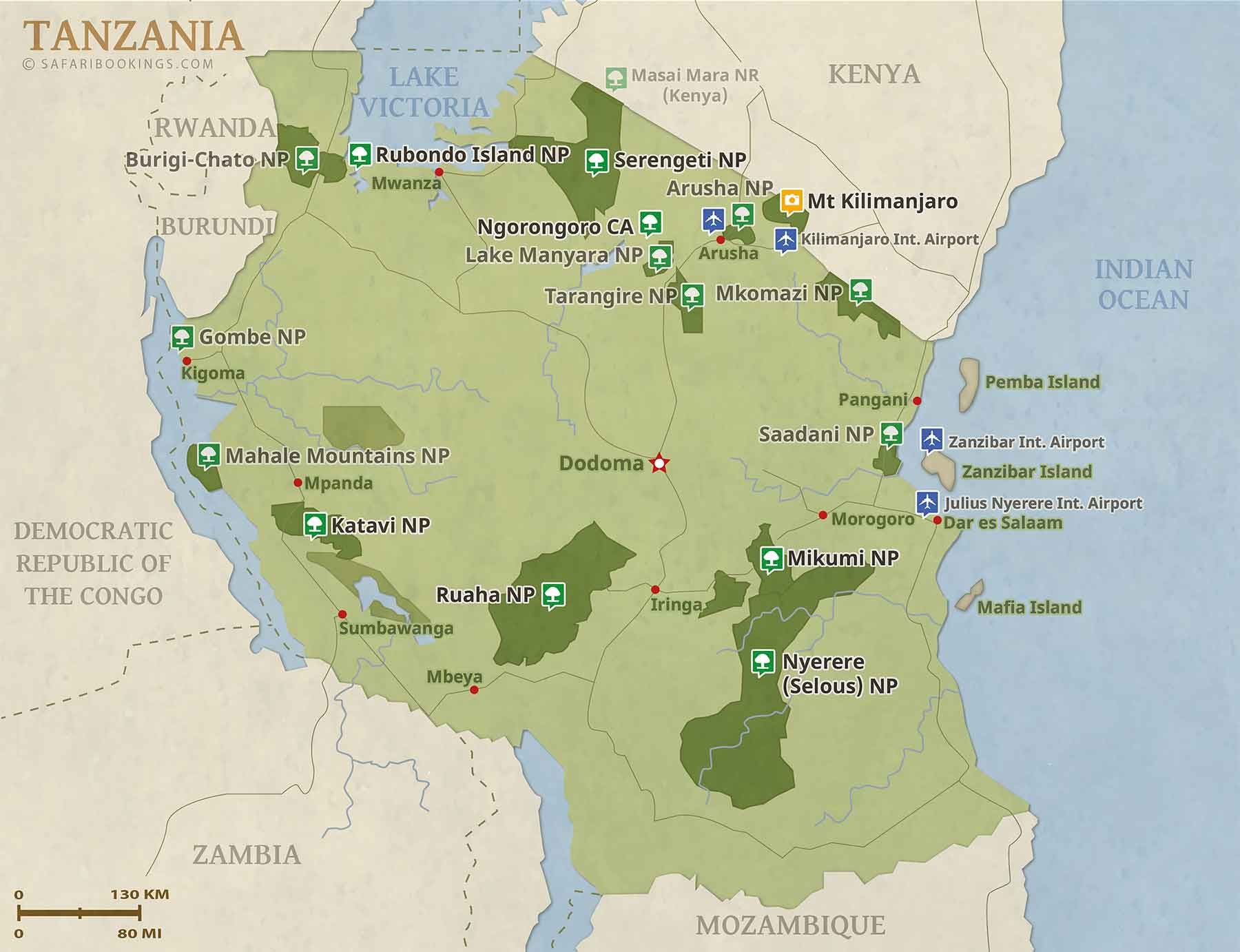
Tarangire National Park is a wildlife-rich reserve in northern Tanzania, near Arusha. It is best known for its large elephant herds, iconic baobab trees, and the life-giving Tarangire River, which attracts diverse animals during the dry season. The park supports lions, leopards, cheetahs, giraffes, zebras, and over 500 bird species. It is a key part of Tanzania’s northern safari circuit, with peak wildlife viewing from June to October. On this day you can enjoy an exciting full-day game drive to explore the park’s diverse landscapes and spot elephants, big cats, and other wildlife along the river. Guests may stop for a scenic picnic lunch inside the park, take part in bird watching, capture stunning photographs of baobabs and wildlife, and experience a late afternoon sunset game drive before heading to their lodge for dinner and relaxation.
- Main Destination:
- Tarangire National Park
- Accommodation:
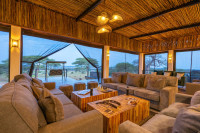
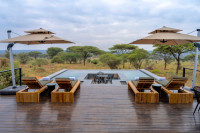
- Tarangire Elephant Springs Camp
Wildlife in Tarangire NP




- Meals & Drinks:

Day 2
Tarangire National Park to Serengeti National Park
Tarangire National Park to Serengeti National Park
Serengeti National Park in northern Tanzania, established in 1951, spans about 14,750 sq km of savannah, woodlands, and riverine forests. Known for the Great Migration of over 1.5 million wildebeest, zebras, and gazelles, it also hosts lions, leopards, cheetahs, elephants, buffalo, rhinos, giraffes, and diverse birds. “Serengeti” means “endless plains,” defined by vast grasslands dotted with acacia trees and rocky kopjes. A UNESCO World Heritage Site, it is a top safari destination and vital conservation area. On day 2, you may depart from Tarangire National Park after breakfast and enjoy a scenic drive toward the Serengeti via the Ngorongoro highlands, with wildlife viewing en route, cultural encounters with Maasai communities (optional), and photo stops at panoramic viewpoints. After picnic lunch along the way, guests continue with an afternoon game drive upon entering the Serengeti, spotting plains game and predators before heading to their camp or lodge for dinner and relaxation.
- Main Destination:
- Serengeti National Park
- Accommodation:
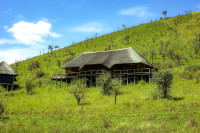
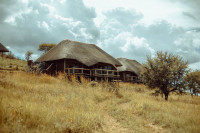
- Serengeti Central Lodge
Wildlife in Serengeti NP


- Meals & Drinks:

Day 3
Serengeti National Park / Full Game Drive
Serengeti National Park / Full Game Drive
The Serengeti National Park is a world-famous wildlife reserve in northern Tanzania, covering about 14,750 km². Renowned for its vast savannahs, it hosts the Great Migration, where over a million wildebeest, zebras, and gazelles move seasonally. The park is home to Africa’s “Big Five” – lions, leopards, elephants, buffaloes, and rhinos – along with cheetahs, giraffes, and hippos. Its diverse ecosystems include grasslands, riverine forests, and kopjes, supporting rich biodiversity. A UNESCO World Heritage Site, Serengeti is vital for conservation, eco-tourism, and scientific research, offering unmatched wildlife viewing experiences year-round. On this day, clients can enjoy an early morning game drive to witness predators in action, followed by a bush breakfast or picnic lunch in the plains, an optional hot air balloon safari for panoramic views, afternoon wildlife tracking, bird watching, photography sessions, and a scenic sunset drive before returning to the lodge for relaxation.
- Main Destination:
- Serengeti National Park
- Accommodation:
- Serengeti Central Lodge
- Meals & Drinks:
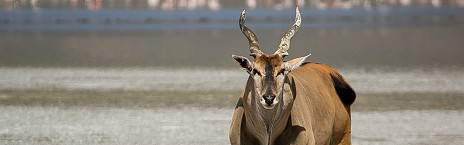
Day 4
Serengeti National Park to Ngorongoro Crater
Serengeti National Park to Ngorongoro Crater
The Ngorongoro Crater is the world’s largest inactive volcanic caldera, about 20 km wide and 600 m deep. Formed 2–3 million years ago, it hosts diverse wildlife including lions, elephants, rhinos, and flamingos. Its fertile soil supports Maasai pastoralists who live on the crater rim. The crater is part of the Ngorongoro Conservation Area, a UNESCO World Heritage Site that combines conservation with human habitation. On thi day you can enjoy a morning game drive in Serengeti National Park en route to Ngorongoro, spotting wildlife across the plains, followed by scenic photography stops and a picnic lunch. Upon arrival, guests descend into the crater for a half-day game drive to see the Big Five, visit Lake Magadi for flamingo viewing, and experience breathtaking views from the crater rim before heading to their lodge for dinner and.
- Main Destination:
- Ngorongoro Crater
- Accommodation:
- Ikumbi Safari Lodge
Wildlife in Ngorongoro Crater




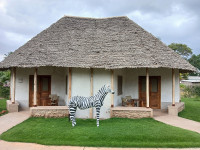

- Meals & Drinks:

Day 5
Ngorongoro Crater to Lake Manyara National Park
Ngorongoro Crater to Lake Manyara National Park
Lake Manyara is a shallow, alkaline lake located in northern Tanzania within Lake Manyara National Park. It lies in the Great Rift Valley and is fed by rivers from the surrounding highlands. The lake is famous for its large populations of flamingos that create spectacular pink stretches along the shore, as well as hippos, elephants, baboons, and diverse bird species. The park’s acacia woodlands and groundwater forests provide rich habitats for wildlife. At this day, you can depart from Ngorongoro Crater after breakfast and enjoy a scenic drive to Lake Manyara National Park, followed by a game drive to spot tree-climbing lions, elephants, and flamingos, a picnic lunch inside the park, birdwatching along the lakeshore, photography of the Rift Valley escarpment, and a relaxing evening transfer to their lodge.
- Main Destination:
- Lake Manyara National Park
- Accommodation:
- No accommodation (End of tour)
Wildlife in Lake Manyara NP
- Meals & Drinks: