$1,662 to $2,144 pp (USD)
2 travelers on Start dateArrival
Arrival

Day 1
Nairobi to Masai mara
Nairobi to Masai mara
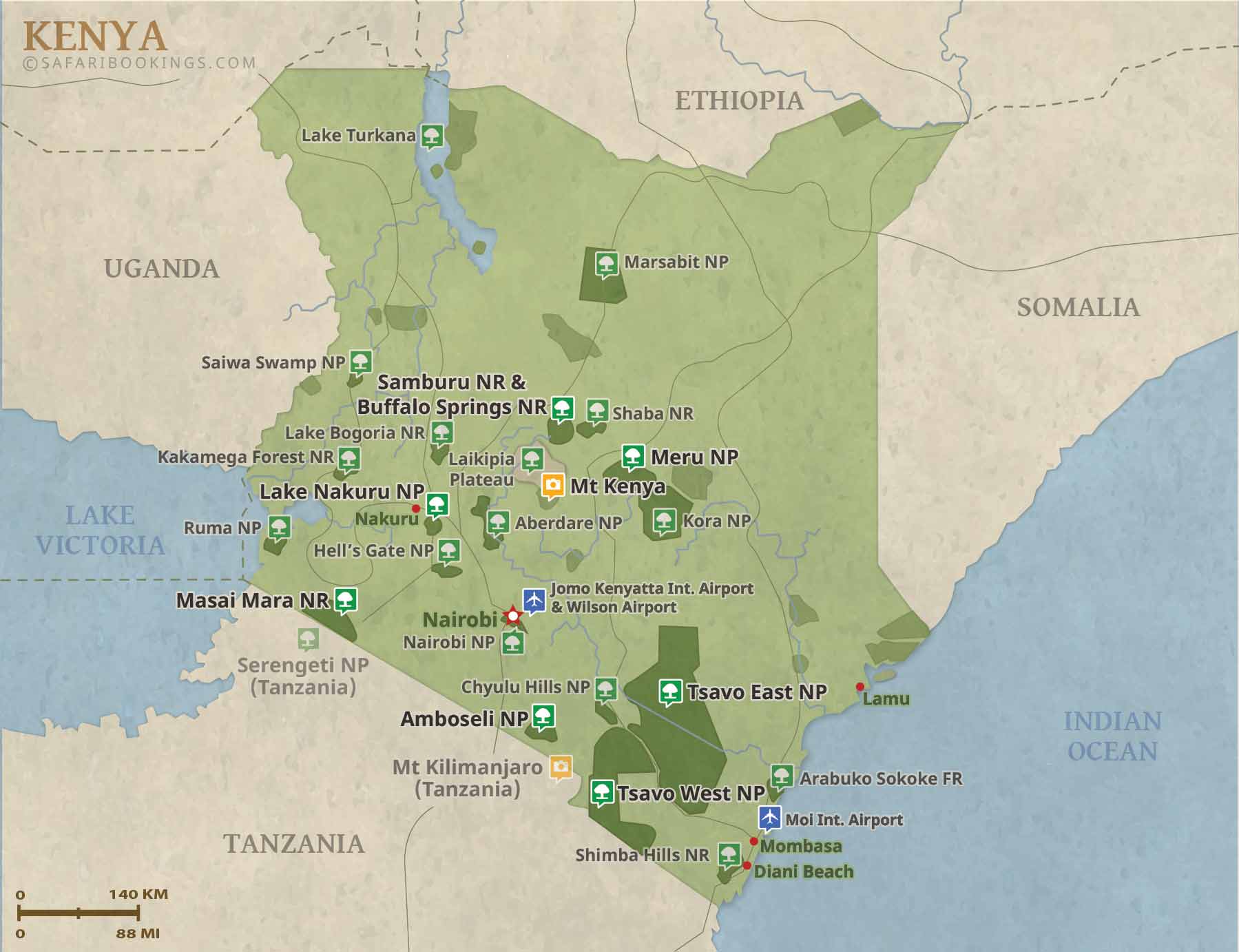
The journey typically commences in Nairobi, Kenya's capital, with a departure toward the Great Rift Valley. The drive to the Masai Mara takes approximately 5.5 to 6 hours, covering a distance of roughly 284 kilometers.
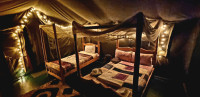
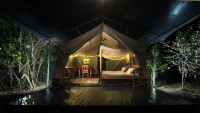
Upon entering the Masai Mara, travelers transition into an ecosystem that serves as the northern extension of Tanzania's Serengeti. The Mara is globally renowned for the Great Migration, where over 1.5 million wildebeest, 200,000 zebras, and 350,000 gazelles traverse the plains between July and October. After checking into a camp such as Talek Bush Camp, an afternoon game drive introduces visitors to the "black-manned lions" and the high density of predators that follow the migratory herds.
- Main Destination:
- Masai Mara National Reserve
- Accommodation:
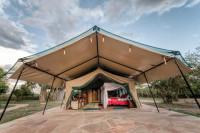
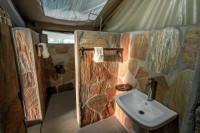
- Talek Bush Camp
Wildlife in Masai Mara NR


- Meals & Drinks:

Day 2
Full day Masai Mara
Full day Masai Mara
A full day in the Mara allows for deep penetration into the reserve, often reaching the Mara River. This river is a critical site during the migration, where crocodiles lie in wait for crossing herbivores. The landscape is characterized by rolling grasslands and "islands" of acacia trees, providing a habitat for the "Big Five."
For those seeking a different perspective, optional hot air balloon safaris at dawn offer an aerial view of the plains, followed by a champagne breakfast in the bush. Cultural interactions are also available through visits to local Maasai manyattas (villages), where visitors can learn about the traditional pastoralist lifestyle, beadwork, and the "Adamu" jumping dance.
- Main Destination:
- Masai Mara National Reserve
- Accommodation:
- Talek Bush Camp
- Meals & Drinks:

Day 3
Masai Mara to Lake Nakuru National Park
Masai Mara to Lake Nakuru National Park
Following breakfast, the tour departs the Mara for Lake Nakuru National Park, a journey of approximately 5 to 5.5 hours (250 km). Lake Nakuru is a shallow alkaline lake situated on the floor of the Rift Valley. Historically, the lake was famous for millions of Lesser Flamingos that created a "pink fringe" around the shores; however, rising water levels in recent years have altered the alkalinity, leading to a fluctuation in flamingo populations.
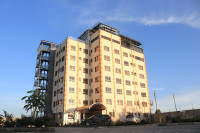
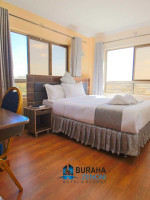
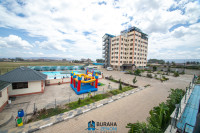
Despite the change in bird life, Lake Nakuru remains a premier destination for rhino sightings. It was established as Kenya's first rhino sanctuary and hosts significant populations of both the Southern White Rhino and the endangered Black Rhino.[14] The park also features the Makalia Falls and unique vegetation such as the yellow-barked acacia (fever trees) and the largest euphorbia forest in Africa. Accommodation for this leg is often at the Buraha Zenoni Hotel or similar establishments in Nakuru town.
- Main Destination:
- Lake Nakuru National Park
- Accommodation:
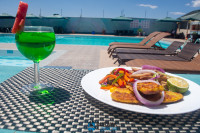
- Buraha Zenoni Hotel & Resort
Wildlife in Lake Nakuru NP


- Meals & Drinks:

Day 4
Lake Nakuru to Amboseli
Lake Nakuru to Amboseli
The fourth day involves a long transit (approximately 7.5 to 8 hours) toward the southeast to Amboseli National Park. This park is situated at the foot of Mount Kilimanjaro, the highest free-standing mountain in the world at 5,895 meters The mountain provides a stunning backdrop for photography, particularly in the early morning before cloud cover sets in.
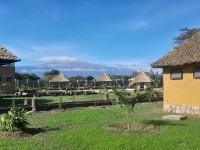
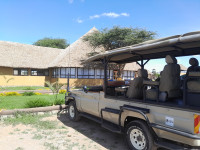
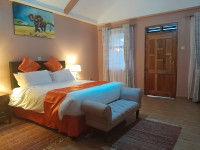
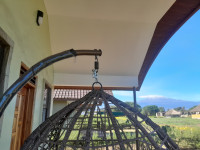
Amboseli is famous for being the best place in Africa to get close to free-ranging elephants. The park's ecosystem is driven by underground springs from Kilimanjaro’s ice cap, which create permanent swamps in an otherwise arid landscape. These swamps, such as Enkongo Narok and Olokenya, attract a high concentration of wildlife, including hippos and buffaloes. Travelers may stay at Penety Resort or similar lodges near the park gates.
- Main Destination:
- Amboseli National Park
- Accommodation:
- Penety Amboseli Resort
Wildlife in Amboseli NP
- Meals & Drinks:

Day 5
Full Day in Amboseli National Park
Full Day in Amboseli National Park
A full day in Amboseli allows for an extensive exploration of its five distinct habitats: the dried-up bed of Lake Amboseli, wetlands with sulfur springs, savannah, and woodlands. A visit to Observation Hill is a standard highlight; it offers a panoramic view of the entire park and the marshes below, where large herds of elephants congregate.
The park is also a haven for birdwatchers, with over 400 species recorded, including pelicans, kingfishers, and various raptors. Because Amboseli can be quite hot during the midday, game drives are typically concentrated in the early morning and late afternoon when animal activity is at its peak.
- Main Destination:
- Amboseli National Park
- Accommodation:
- Penety Amboseli Resort
- Meals & Drinks:

Day 6
Amboseli to Nairobi
Amboseli to Nairobi
The final day begins with a pre-breakfast game drive to catch the last views of Kilimanjaro and any predators that may still be active from the night's hunt. After breakfast and checkout, the return journey to Nairobi takes approximately 4 to 4.5 hours. The tour concludes with a drop-off at the Jomo Kenyatta International Airport or a city hotel, marking the end of a comprehensive circuit through Kenya's most iconic wildlife territories.
- Main Destination:
- Nairobi (City)
- Accommodation:
- No accommodation (End of tour)
- Meals & Drinks: