$4,840 pp (USD)
2 travelers on Start dateArrival
Arrival
Day 1
Arrival to Arusha
Arrival to Arusha
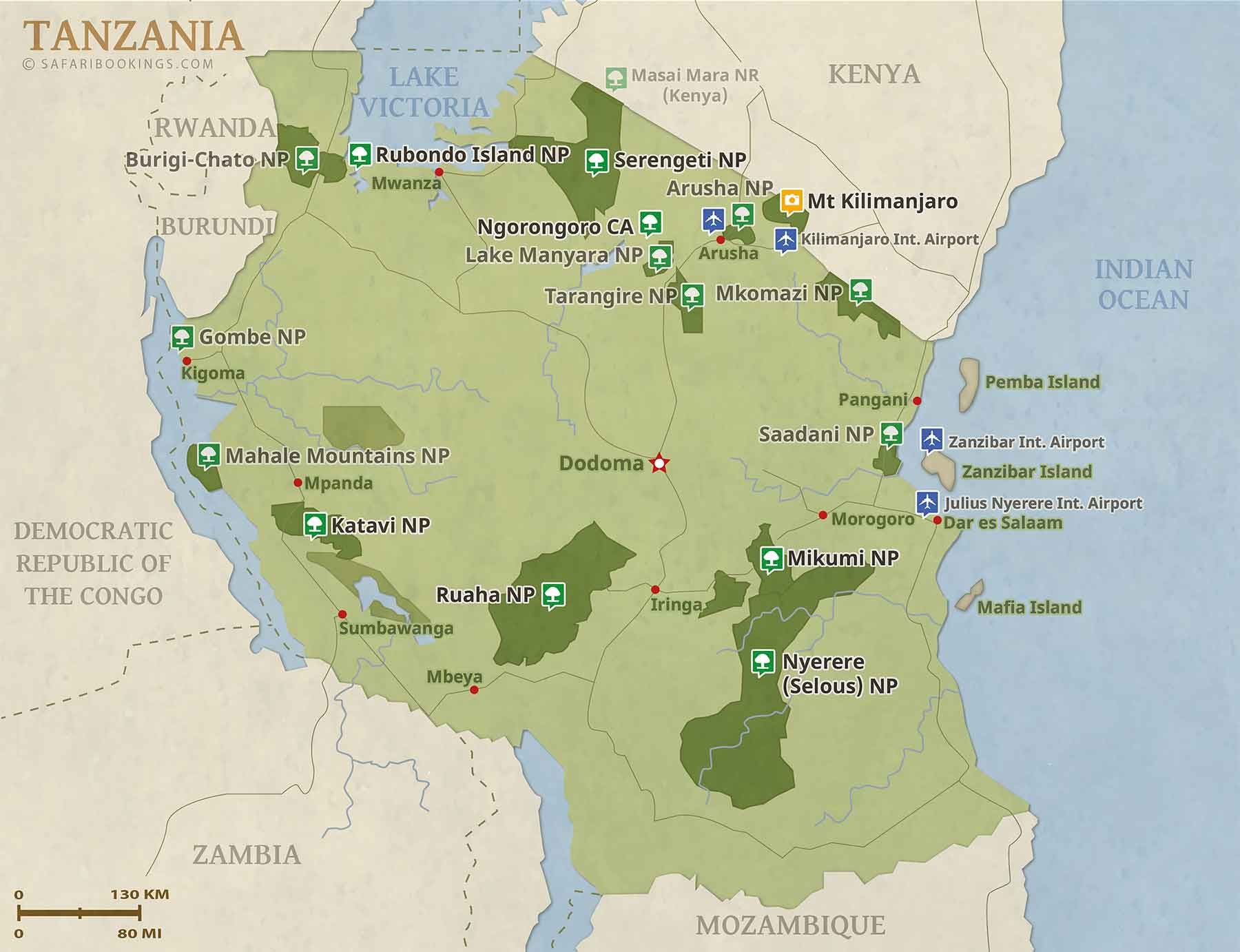
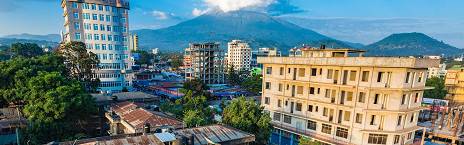
Arusha is a vibrant city in northern Tanzania, often called the gateway to the Northern Safari Circuit. Located at the foot of Mount Meru, it offers a mild climate and lush green surroundings that make it a comfortable base for travelers. The city is a major hub for visitors heading to world-famous destinations such as Serengeti National Park, Ngorongoro Conservation Area, and Mount Kilimanjaro.
Arusha blends urban life with natural beauty, featuring lively markets, cultural heritage centers, coffee plantations, and scenic viewpoints. It also serves as an important diplomatic and business center in East Africa, hosting international organizations and regional conferences. Its strategic location makes it the starting point for most safari adventures in northern Tanzania.
With its mix of culture, commerce, and access to iconic wildlife destinations, Arusha offers visitors both authentic local experiences and easy access to some of Africa’s most spectacular landscapes.
- Main Destination:
- Arusha (City)
- Accommodation:
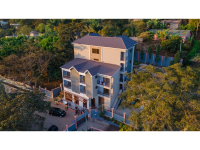
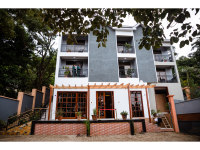
- Greenside Hotel


- Meals & Drinks:

Day 2
Lake Manyara National Park
Lake Manyara National Park
Lake Manyara National Park is a scenic wildlife destination in northern Tanzania, located at the base of the Great Rift Valley escarpment. The park is centered around the shallow alkaline Lake Manyara, which attracts thousands of flamingos and a wide variety of waterbirds, especially during the wet season.
Despite its relatively small size, the park offers diverse landscapes including groundwater forests, open grasslands, acacia woodlands, and hot springs. It is famous for its tree-climbing lions, large elephant herds, and rich birdlife with over 400 recorded species.
Visitors can enjoy game drives through varied ecosystems in a single day, spotting giraffes, zebras, buffalo, hippos, and baboons. The dramatic Rift Valley backdrop and lush scenery make Lake Manyara a compact but highly rewarding safari experience, often included as a stop on Tanzania’s northern circuit tours.
- Main Destination:
- Lake Manyara National Park
- Accommodation:
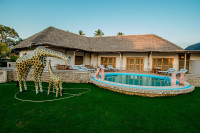
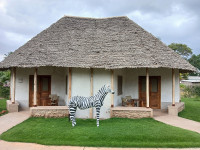
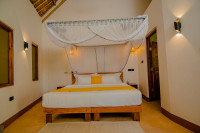
- Ikumbi Safari Lodge
Wildlife in Lake Manyara NP



- Meals & Drinks:

Day 3
Tarangire National Park
Tarangire National Park
Tarangire National Park is a stunning wildlife reserve in northern Tanzania, famous for its vast landscapes, ancient baobab trees, and large elephant herds. Centered around the Tarangire River, the park becomes a major wildlife haven during the dry season when animals migrate in search of water.
Visitors can see elephants, lions, leopards, giraffes, zebras, buffalo, and wildebeest across open savannahs, woodlands, and seasonal wetlands. The park is especially known for its impressive elephant concentrations, often seen in large family groups.
Tarangire is also a paradise for bird lovers, with over 500 recorded species including colorful hornbills, bee-eaters, and ostriches. Its quieter atmosphere compared to other northern parks offers a more relaxed safari experience, making it a hidden gem on Tanzania’s safari circuit.
- Main Destination:
- Tarangire National Park
- Accommodation:
- Ikumbi Safari Lodge
Wildlife in Tarangire NP
- Meals & Drinks:

Day 4
Mto Wa Mbu To Serengeti National Park
Mto Wa Mbu To Serengeti National Park
Serengeti National Park is one of Africa’s most famous wildlife destinations, located in northern Tanzania. It is renowned for its endless golden savannahs and the spectacular Great Migration, where millions of wildebeest, zebras, and gazelles move across the plains in search of fresh grazing, closely followed by predators like lions, cheetahs, and hyenas.
The park offers year-round game viewing with the Big Five lion, leopard, elephant, buffalo, and rhino alongside giraffes, hippos, crocodiles, and over 500 bird species. Its diverse landscapes include open grasslands, river valleys, woodlands, and granite kopjes that serve as predator lookouts.
As a UNESCO World Heritage Site, the Serengeti represents one of the last truly wild ecosystems on Earth, delivering an unmatched safari experience filled with dramatic wildlife encounters and breathtaking natural beauty.
- Main Destination:
- Serengeti National Park
- Accommodation:
-
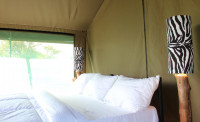
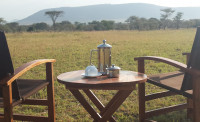
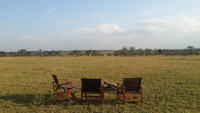
Shuhudia Adventure Camp
Wildlife in Serengeti NP
- Meals & Drinks:

Day 5
Full Game Drive In Serengeti National Park
Full Game Drive In Serengeti National Park
Serengeti National Park is a world-renowned safari destination in northern Tanzania, famous for its endless plains and incredible wildlife diversity. It is best known for the Great Migration, where millions of wildebeests, zebras, and gazelles move across the ecosystem in search of fresh grazing, closely followed by predators like lions, cheetahs, and hyenas.
The park offers outstanding game viewing year-round, including chances to see the Big Five in their natural habitat. Its vast landscapes, dramatic sunsets, and rich ecosystems make it one of Africa’s most iconic and unforgettable wildlife destinations.
- Main Destination:
- Serengeti National Park
- Accommodation:
- Shuhudia Adventure Camp
- Meals & Drinks:

Day 6
Serengeti National Park Ngorongoro Crater
Serengeti National Park Ngorongoro Crater
Serengeti National Park is one of Africa’s most famous wildlife parks, located in northern Tanzania. It is known for its vast open savannahs, rich biodiversity, and the spectacular Great Migration of wildebeests, zebras, and gazelles.
The park supports a high concentration of predators including lions, leopards, and cheetahs, making it ideal for game viewing.
With its endless plains, dramatic landscapes, and year-round wildlife sightings, Serengeti offers an unforgettable safari experience and is a highlight of any northern Tanzania itinerary.
- Main Destination:
- Serengeti National Park
- Accommodation:
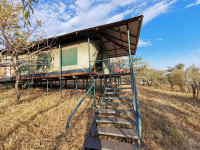
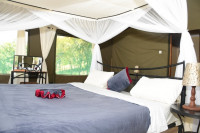
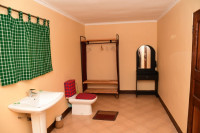
- Ngorongoro Wild Camp

- Meals & Drinks:
Day 7
Ngorongoro Crater
Ngorongoro Crater
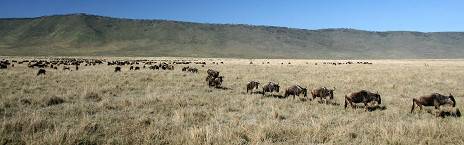
Ngorongoro Conservation Area is a UNESCO World Heritage Site in northern Tanzania, home to the spectacular Ngorongoro Crater, the world’s largest intact volcanic caldera. Often called a “natural wildlife haven,” it supports one of the densest populations of large animals in Africa, including the Big Five lion, elephant, buffalo, leopard, and the rare black rhino.
The crater floor is a unique ecosystem with grasslands, lakes, swamps, and forests, creating ideal conditions for year-round wildlife viewing. It also hosts a variety of bird species, hippos, zebras, wildebeests, and predators living in close proximity.
Surrounded by highland forests and Maasai communities, the area blends breathtaking scenery with rich cultural heritage. Ngorongoro is a key highlight of Tanzania’s northern safari circuit, offering one of the most concentrated and rewarding game-viewing experiences in Africa.
- Main Destination:
- Ngorongoro Crater
- Accommodation:
- Greenside Hotel
Wildlife in Ngorongoro Crater


- Meals & Drinks:

Day 8
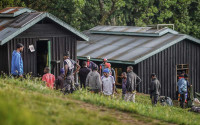
Marangu gate to Maranda hut
Marangu gate to Maranda hut
Marangu Gate is one of the main entry points to Mount Kilimanjaro National Park and a popular starting point for climbers attempting the Marangu Route, also known as the “Coca-Cola Route.” Located on the southeastern slopes of Kilimanjaro, the gate sits in a lush, green area surrounded by coffee and banana farms, offering a scenic and cultural introduction to the mountain experience.
At Marangu Gate, hikers complete registration, meet guides and porters, and begin their trek through dense rainforest filled with unique flora, monkeys, and diverse birdlife. It is also a place where climbers receive briefing and final preparations before ascending Africa’s highest peak.
Beyond trekking, Marangu Gate reflects the local Chagga culture and serves as an important gateway for tourism in the Kilimanjaro region, blending natural beauty, adventure, and community life.
Day 9
Mandara Hut to Horombo Hut
Mandara Hut to Horombo Hut
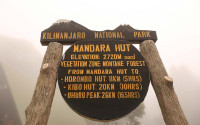
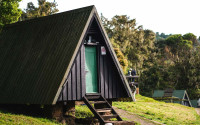
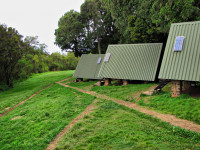
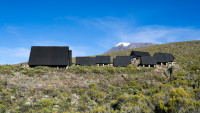
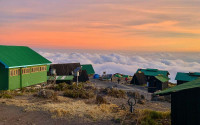
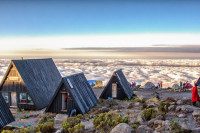
Mandara Hut is the first mountain hut stop on the Marangu Route of Mount Kilimanjaro, located within the lush rainforest zone at about 2,700 meters above sea level. It serves as an overnight resting point for climbers on their way to the summit, offering basic accommodation, meals, and shelter.
Surrounded by dense tropical forest, Mandara Hut is rich in biodiversity, with frequent sightings of colobus monkeys, blue monkeys, and various bird species. Nearby, hikers can visit the Maundi Crater viewpoint for scenic views toward Kenya and the surrounding landscape.
The hut provides an important acclimatization stop and marks the transition from rainforest to higher alpine zones. It is a peaceful and atmospheric part of the Kilimanjaro climbing experience, combining nature, rest, and the early stages of high-altitude trekking.

Day 10
Horombo hut to Mawenzi ridge for acclimatization
Horombo hut to Mawenzi ridge for acclimatization
Horombo Hut is a key resting point on the Marangu Route of Mount Kilimanjaro, located at about 3,700 meters above sea level. It lies in the moorland zone, where the dense rainforest gives way to open landscapes filled with giant heathers, lobelias, and striking volcanic scenery.
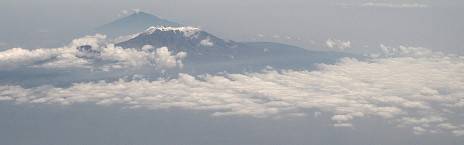
Horombo Hut serves as an important acclimatization stop for climbers, often used for both ascent and descent nights. From here, trekkers enjoy panoramic views of Mawenzi Peak, Kibo summit, and the surrounding plains on clear days.
The area around the hut is rich in unique alpine flora and occasional wildlife sightings such as hyraxes. It is a crucial stage in the Kilimanjaro journey, helping climbers adjust to higher altitude before continuing toward Kibo Hut and the summit attempt.
- Main Destination:
- Mount Kilimanjaro
- Accommodation:
- Horombo Hut
- Meals & Drinks:

Day 11
Horombo Hut to Kibo Hut
Horombo Hut to Kibo Hut
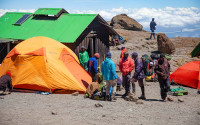
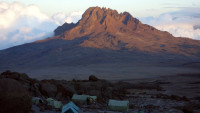
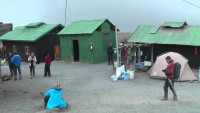
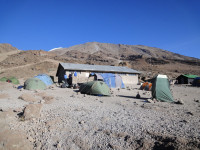
Horombo Hut is an important accommodation stop on the Marangu Route of Mount Kilimanjaro, situated at about 3,700 meters above sea level in the moorland zone. It provides basic lodging for climbers as they acclimatize and prepare for higher elevations on the way to the summit.
The landscape around Horombo Hut is open and dramatic, with volcanic terrain, giant lobelias, and views of Mawenzi and Kibo peaks. On clear days, trekkers can also see far across the surrounding plains below the mountain.
It is a key acclimatization point where many climbers take an extra day to rest and adjust to altitude. Horombo Hut plays a vital role in the success of Kilimanjaro ascents, offering both physical recovery and stunning high-altitude scenery.
- Main Destination:
- Mount Kilimanjaro
- Accommodation:
- Kibo Hut
- Meals & Drinks:

Day 12
Kibo Hut to Uhuru Peak
Kibo Hut to Uhuru Peak
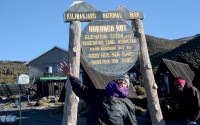
Kibo Hut is the final base camp on the Marangu Route of Mount Kilimanjaro, located at about 4,700 meters above sea level in a barren alpine desert zone. It is the last resting point before climbers begin their midnight summit attempt to Uhuru Peak, the highest point in Africa.
The environment around Kibo Hut is harsh and rocky, with low oxygen levels, cold temperatures, and little vegetation, marking a dramatic change from lower slopes. Climbers typically arrive here in the afternoon, rest, and prepare for the challenging ascent to the summit.
Despite its basic facilities, Kibo Hut is a crucial staging point for success on Kilimanjaro, offering shelter, meals, and final guidance before the final push to the top of the mountain.
- Main Destination:
- Mount Kilimanjaro
- Accommodation:
- Horombo Hut
- Meals & Drinks:

Day 13
Horombo Hut to Marangu gate
Horombo Hut to Marangu gate
After breakfast, continue your trek through the alpine desert zone as you make your way steadily upward. The trail becomes steeper and more challenging as you gain altitude, with breathtaking views of the surrounding peaks and glaciers. Enjoy a packed lunch en route while taking breaks to acclimatize and rest.
By afternoon, you will arrive at Barafu Camp, your final high camp before the summit attempt. Here, you will have an early dinner, receive a detailed briefing from your guide, and rest in preparation for the midnight ascent. Overnight at Barafu Camp.
- Main Destination:
- Mount Kilimanjaro
- Accommodation:
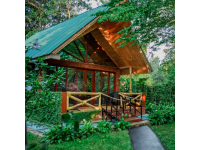
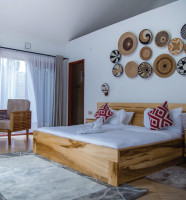
- Shose Farmhouse and Chalets

- Meals & Drinks:

Day 14
Kilimanjaro International Airport To Zanzibar
Kilimanjaro International Airport To Zanzibar
Zanzibar is a tropical island destination off the coast of Tanzania, famous for its white sandy beaches, turquoise waters, and rich cultural heritage. Often called the “Spice Island,” it has a long history shaped by African, Arab, Indian, and European influences, especially visible in its architecture, cuisine, and traditions.
The island’s historic heart, Stone Town, is a UNESCO World Heritage Site known for its narrow streets, carved wooden doors, bustling markets, and landmarks such as the Old Fort and House of Wonders. Beyond the town, Zanzibar offers stunning beaches like Nungwi, Kendwa, and Paje, ideal for swimming, snorkeling, diving, and dhow sailing.
Visitors can also explore spice farms, mangrove forests, and nearby islands such as Prison Island. With its mix of relaxation, history, and marine adventure, Zanzibar is a perfect finale to a Tanzania safari or trekking experience, offering a peaceful and scenic escape by the Indian Ocean.
- Main Destination:
- Zanzibar Island (Tanzania Beaches)
- Accommodation:
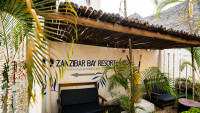
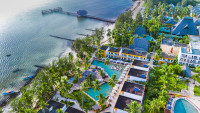
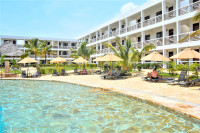
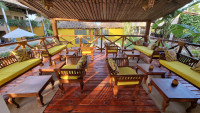
- Zanzibar Bay Resort
- Meals & Drinks:

Day 15
Zanzibar Island and Departure
Zanzibar Island and Departure
Zanzibar is a beautiful island off the coast of Tanzania known for its pristine beaches, warm Indian Ocean waters, and rich cultural history. It blends African, Arab, and Swahili influences, making it a unique destination for both relaxation and exploration.
The historic Stone Town, a UNESCO World Heritage Site, features narrow alleys, carved wooden doors, lively markets, and important landmarks that reflect centuries of trade and culture.
Outside the town, the island is famous for its palm-lined beaches such as Nungwi, Kendwa, and Paje, where visitors enjoy swimming, snorkeling, diving, and sunset dhow cruises.
Zanzibar is also known as the “Spice Island” due to its spice farms producing cloves, cinnamon, and nutmeg.
With its combination of history, culture, and tropical beauty, it offers a perfect beach getaway after a Tanzania safari or mountain adventure.
- Main Destination:
- Zanzibar Island (Tanzania Beaches)
- Accommodation:
- No accommodation (End of tour)
- Meals & Drinks: