

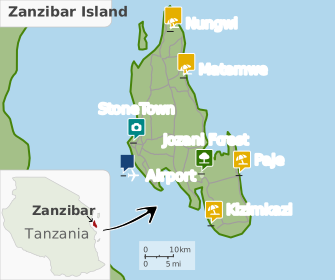
 Google Maps
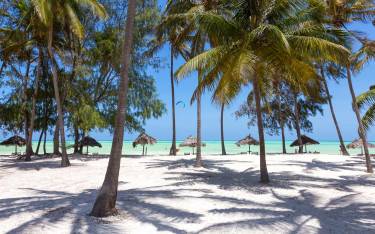
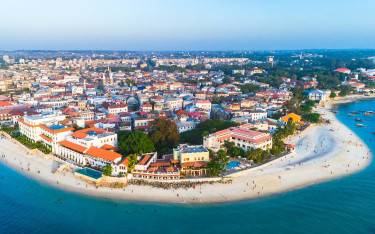

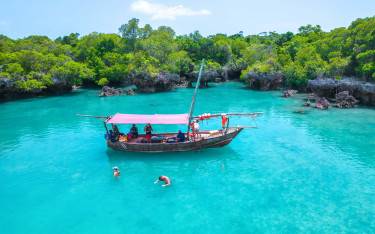
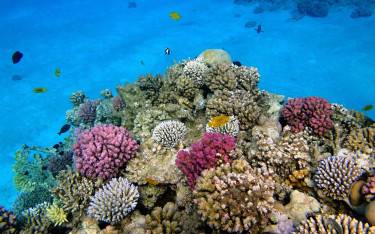
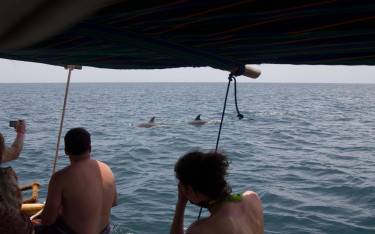
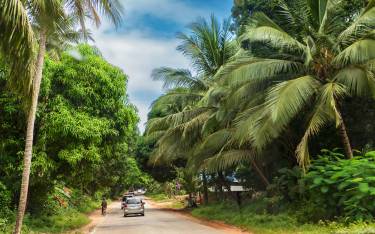
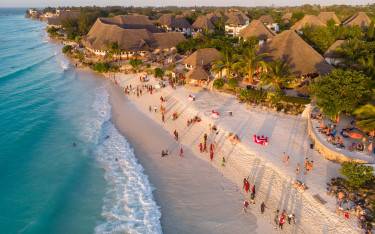
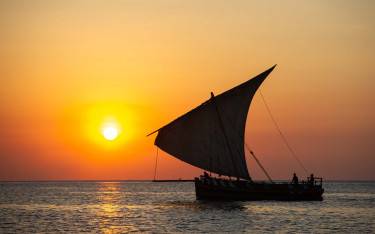
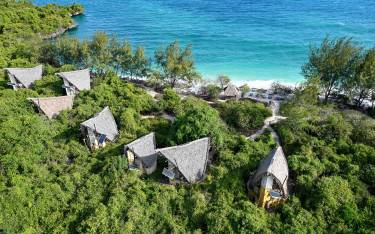
Whether you visit it on a stand-alone beach holiday or as an add-on to a safari on mainland Tanzania, Zanzibar seldom disappoints. The beaches on this beautiful Indian Ocean island are as varied as they are idyllic, ranging from bustling resort villages such as Nungwi, Kendwa and Paje to remote wilderness retreats such as Fumba, Mtende and Chumbe Island. Better still, Zanzibar’s gorgeous beaches are complemented by many other compelling attractions, including lush tropical forests, pristine offshore coral reefs and the winding alleys of the historic old Stone Town.
-
 Population
- ± 2 million people
-
 Beaches
- White sand, coconut palms and calm blue water
-
 Best Time To Go
- January to February and June to October (Dry and warm)
-
 High Season
- December to February and June to October
Pros & Cons
- Breathtakingly beautiful Indian Ocean beaches
- An exceptional choice of accommodations and restaurants
- Superb diving and snorkeling in pristine coral gardens
- Barrier reefs ensure that most beaches are calm for swimming
- Atmospheric Stone Town abounds with architecture and tradition
- Wildlife ranges from to dolphins and turtles
- Good connections to mainland destinations such as Serengeti, Ngorongoro and Kilimanjaro
- Swimming is not possible on most beaches at low tide
- Some beaches have a lot of vendors and touts
- More commercialized than other Tanzanian islands such as Mafia and Pemba
Best Beaches on Zanzibar
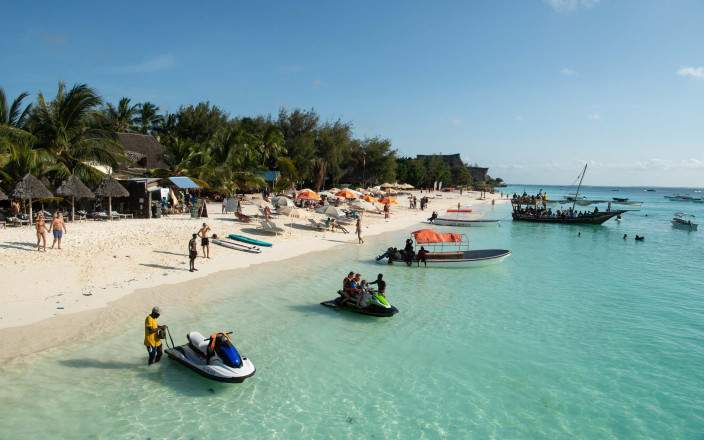 Nungwi Beach
Integrated into the village of the same name, this long, palm-lined beach on Zanzibar’s northern headland combines a lively atmosphere with a diverse choice of seafront hotels and restaurants.
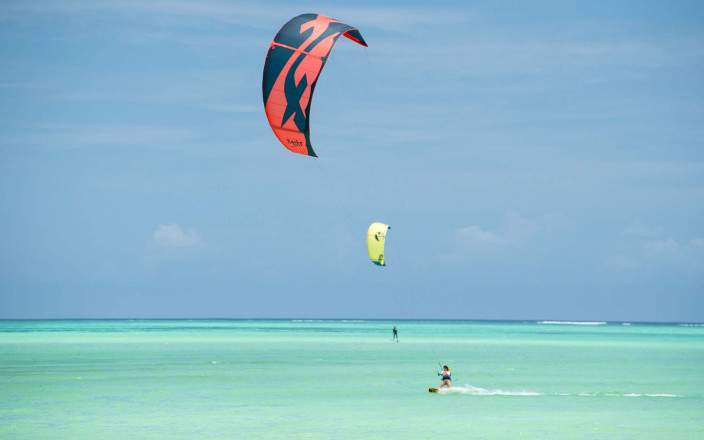 Paje Beach
A famous kitesurfing hot spot, Paje is also great for swimming and barefoot beach walks, and its boutique hotels and hip beachfront cafés and bars attract a chilled, youthful crowd.
 Jambiani Beach
A down-to-earth southern extension of Paje, charming Jambiani is a sprawling fishing village where beach tourism and traditional fishing culture coexist in an organic, comfortable way.
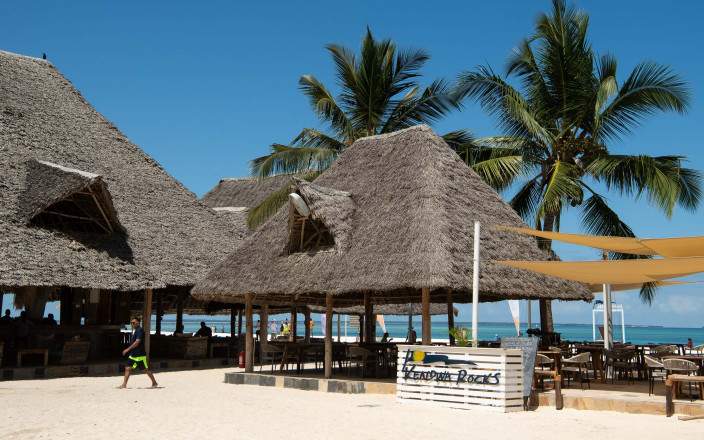 Kendwa Beach
Set below striking coral cliffs, the long, wide beach at Kendwa is lined with large resort hotels that cater to the all-inclusive package market.
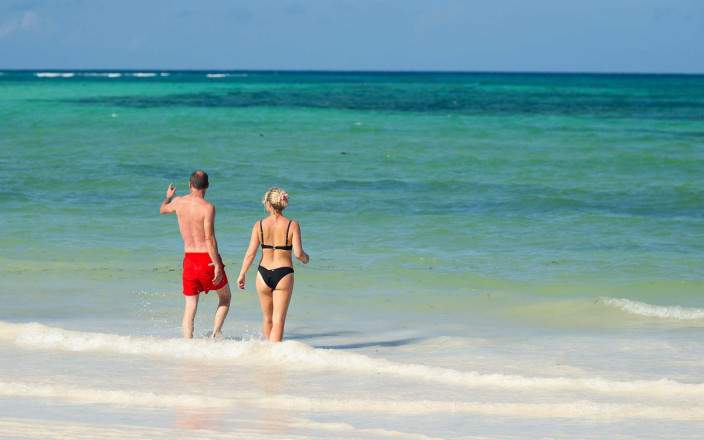 Kiwengwa Beach
Fast-growing but less developed than Paje or Nungwi, Kiwengwa is an all-round gem where you can enjoy swimming, sunbathing, water sports and a culinary scene with a distinct Italian flair.
Best Things To Do on Zanzibar
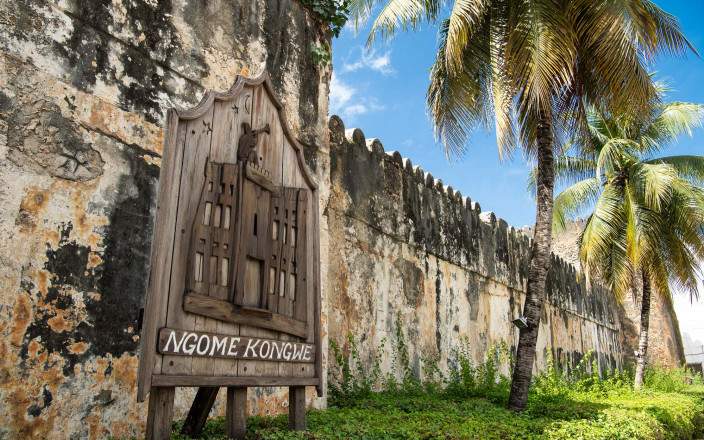 Explore the historic alleys of Stone Town
A key international trade port since medieval times, Stone Town is steeped in tradition and studded with historic forts, palaces, mosques, churches and mansions.
 Join a spice tour to a plantation around Kizimbani
Zanzibar was nicknamed the ‘Spice Island’ in the 19th century, when it was the world’s largest exporter. A spice tour introduces you to many tropical spices, herbs and fruits.
 Take a dhow to Changuu (Prison) Island and Nakupenda Beach
A popular boat outing from Stone Town takes you to Changuu Island, with its sanctuary and 19th-century buildings, then to a sandbar called Nakupenda for a seafood barbecue.
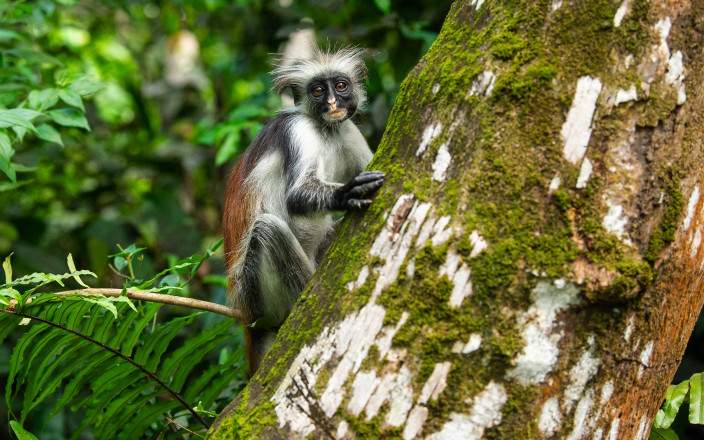 Look for endemic monkeys in Jozani Forest
The highlight of guided tours in Jozani Forest is the opportunity to see , a striking monkey unique to the island. You can also explore a boardwalk.
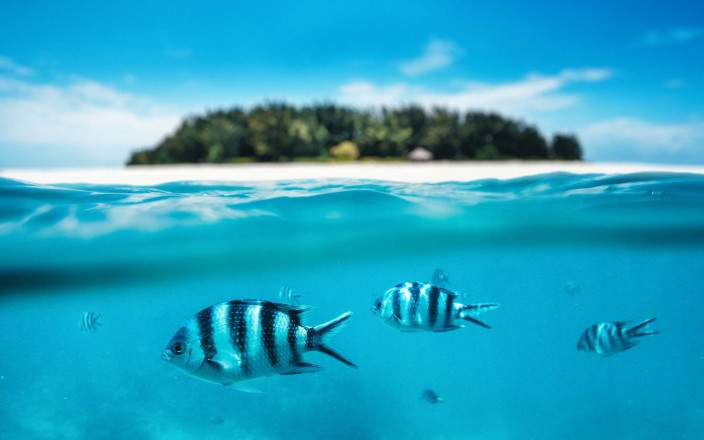 Snorkel or dive in colorful coral gardens
The coral reefs off Zanzibar support a dazzling variety of marine life. Top dive and snorkel sites include Mnemba Atoll, Tumbatu Island and a reef known as Blue Lagoon.
Sleeping

Zanzibar is serviced by literally hundreds of hotels and beach resorts. Those who want to spend time in atmospheric Stone Town can choose from a long list of upmarket and mid-range hotels (many converted from historical 18th- and 19th-century buildings) as well as a couple of backpacker hostels.
Out on the beaches, you’ll find a mix of international all-inclusive package resorts, more exclusive and individualistic boutique properties, and more down-to-earth budget lodgings. Different beach areas often specialize in certain types of accommodations, so it is worth doing a bit of homework before you make a booking.
Eating

As might be expected, Stone Town supports Zanzibar’s largest cluster of restaurants. Many of these specialize in fresh seafood, but a good range of international cuisines is also represented, from Indian and Thai to Italian and Ethiopian. Stone Town is a good place to explore local Zanzibari cuisine, which includes - and -infused , mild but flavorsome coconut curries, and spicy chicken .
When staying out on the beaches, it’s likely you’ll eat a fair number of meals at your hotel, especially if you’ve booked a full- or half-board package. That said, most of Zanzibar’s larger resort villages have a good selection of stand-alone restaurants. The likes of Nungwi, Paje and Kendwa support sophisticated and cosmopolitan culinary scenes, and vegetarians are well catered for. In more rustic villages such as Jambiani and Matemwe, most restaurants are locally owned setups that specialize in grilled seafood and dishes.
Best Time To Visit Zanzibar

If you’re hoping for clear skies and low rainfall, visit Zanzibar during the Dry season months of January, February and June to October. These are generally the busiest months too, though the island can also get crowded over major holiday periods (i.e. a week or so either side of Christmas, New Year and Easter). The Dry seasons generally offer the best conditions for snorkeling and diving, and good underwater visibility. If you’ll be combining a Zanzibar beach holiday with a safari on mainland Tanzania, you should also consider the best time to visit whichever parks and reserves you include in your itinerary.
More about the best time to visit ZanzibarWeather & Climate on Zanzibar

Because Zanzibar lies close to the equator, inter-seasonal temperature variations are relatively minor. The hottest months are December to March, when the average daily maximum hits around 32°C/90°F and the minimum is around 24°C/75°F. The coolest time of year is May to September, when average daily temperatures range from 29°C/84°F to 22°C/72°F. Humidity is high throughout the year, but on the beaches this is usually tempered by a cooling sea breeze. The two rainy seasons run from March to May and November to December, with April being the wettest month by far.
More about weather and climate on ZanzibarHow To Get to Zanzibar

The main entry point to Zanzibar is Abeid Amani Karume International Airport (ZNZ). This lies in the south of Zanzibar City, about 7km/4mi from Stone Town. Many international carriers operate direct flights to Zanzibar. It is also possible to route via Kilimanjaro International Airport (JRO) or Dar es Salaam’s Julius Nyerere International Airport (DAR), both of which are connected to Zanzibar by regular domestic flights. If you are flying to the island at the end of a safari, there are also good domestic flight connections between Zanzibar and the main national parks on the Tanzanian mainland.
The only alternative to flying to Zanzibar is crossing from the mainland by boat. Several operators run regular ferry services between Dar es Salaam and Zanzibar Stone Town. The fastest services complete the crossing in less than 1 hour.