

$2,260 to $2,526 pp (USD)
This tour is offered in NAD.
Show rate in NAD
Arrival
Arrival

Day 1
Arrival at Hosea Kutako International Airport - Windhoek
Arrival at Hosea Kutako International Airport - Windhoek
On arrival at Windhoek's Hosea Kutako International Airport, proceed through immigration and customs, collect your luggage and enter the arrivals hall. A representative of your car rental supplier will be waiting for you - please look for a signboard with your name on it.
The remainder of the afternoon/evening is at leisure. You might want to spend some time exploring our small but attractive capital. Windhoek city centre is quite compact. Most attractions are within easy walking distance of each other. You might want to visit the historic parliament buildings and wander through the Independence Museum to learn more about the history of Namibia. Next door to this very modern structure is one of the oldest buildings in Windhoek, the Alte Feste (old fort).
- Main Destination:
- Windhoek (City)
- Accommodation:
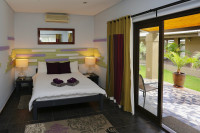
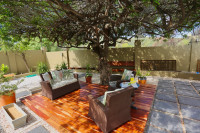
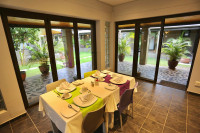
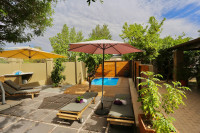
- Villa Violet Guesthouse
- Meals & Drinks:

Day 2
Windhoek - Desert Quiver Camp - Sossusvlei
Windhoek - Desert Quiver Camp - Sossusvlei
After a hearty breakfast, you begin your journey to the Namib Desert. We recommend stocking up on some essentials before leaving town. Always carry water and snacks (fresh and dried fruit, nuts, biscuits and maybe try our biltong and droewors) in your vehicle as distances can be long and facilities few and far between.
It's a fairly long drive of 4 to 5 hours, depending on which route you take. We suggest the Spreetshoogte Pass. With gradients between 1:4 and 1:6, it is the steepest pass in Namibia, as well as the one with the biggest elevation difference, descending almost 1,000 metres over 4 kilometres. It offers spectacular views down the escarpment to the desert plains below.
Continue via the small settlement of Solitaire and on to your overnight stop on the edge of the Namib dune sea.
- Main Destination:
- Sossusvlei (Sand Dunes)
- Accommodation:
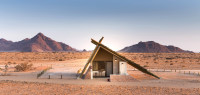
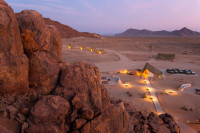
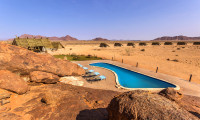
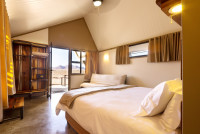
- Desert Quiver Camp
Wildlife in Namib-Naukluft NP


- Meals & Drinks:

Day 3
Sossusvlei and Deadvlei
Sossusvlei and Deadvlei
Wake up early and leave your lodge, heading to the Sesriem entrance gate of Namib-Naukluft National Park. This gate only opens at sunrise, so there is no point arriving earlier. Driving the 60 kilometres from Sesriem through the dunes toward Sossusvlei while the sun rises is a real pleasure. The first major dune you will encounter goes by the imaginative name of Dune 45. Many people choose to stop and climb this dune, but we suggest you continue onwards towards Sossusvlei.
Park at the 2x4 car park (unless you have a 4x4 vehicle, this is as far as you can drive). Sossusvlei is a further 4 kilometres from here, but you are already amongst fairly large dunes. The walk along the dry riverbed into Sossusvlei is lovely, but for the very unfit or terminally lazy, there are 4x4 shuttles from the car park to Sossusvlei. Deadvlei, so named because it is a large pan with sculptural dead trees, is close by and definitely worth a visit.
- Main Destination:
- Sossusvlei (Sand Dunes)
- Accommodation:
- Desert Quiver Camp
- Meals & Drinks:

Day 4
Desert Quiver Camp - Swakopmund
Desert Quiver Camp - Swakopmund
A fairly long but interesting drive awaits today. The fascinating drive takes you northwest through the awesome and ever-changing desert landscapes of the Namib-Naukluft National Park, including the impressive Gaub and Kuiseb Canyons. Stop in Solitaire to refuel (the bakery here is pretty good).
Skirting around the edge of the Namib Dune Sea (a World Heritage Site) to reach the Atlantic Ocean, you witness the many faces of the Namib, petrified dunes, deep canyons, wind-sculptured outcrops and desert plains that stretch into infinity. The cool mists of the coastal desert offer a respite from the inland heat, while the dunes and calm waters of the bay offer a superb variety of sand and water-based activities.
- Main Destination:
- Swakopmund (City)
- Accommodation:
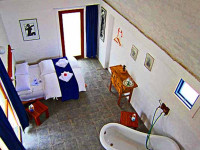
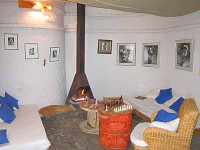
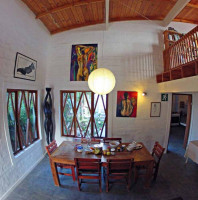
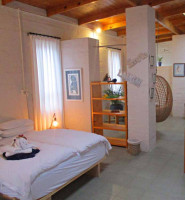
- The Alternative Space Bed and Breakfast
- Meals & Drinks:

Day 5
Swakopmund
Swakopmund
You have a full day to relax and explore this quaint desert town. Swakopmund has made a name for itself as the activity centre of Namibia, but the town offers so much more than just something for adrenaline junkies.
Sandwiched between the hot, arid desert and the cold waters of the Atlantic, Swakop is one of the most fascinating colonial towns in Africa. It is an eclectic mix of South African, Namibian and German cultures, architecture, languages and cuisine. Both locals and foreigners love the laid-back atmosphere, good restaurants, many activities and the temperate climate. A great variety of activities are available to explore the coastal dune fields, the rocky desert and the rich Atlantic waters. Activities range from seal and dolphin cruises, kayaking with the seals, exploring the coastal dunes and meeting the desert-adapted creatures that live here, scenic flights, desert walks, and quad biking. The list is long.
We can advise you on some excellent excursions to pre-book.
- Main Destination:
- Swakopmund (City)
- Accommodation:
- The Alternative Space Bed and Breakfast
- Meals & Drinks:

Day 6
Swakopmund - Spitzkoppe
Swakopmund - Spitzkoppe
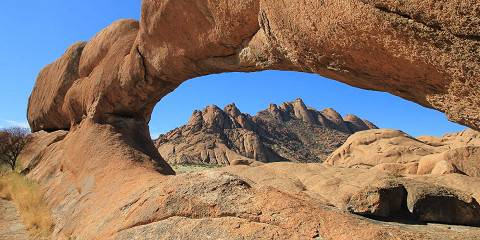
Departing Swakopmund, you take the B2 west towards Arandis, Usakos and Karibib. This road can be fairly busy with lorries en route to/from the port at Walvis Bay. Before Usakos, you will see the Spitzkoppe rising above the desert plains to the north of the road. The Spitzkoppe, often referred to as the "Matterhorn of Namibia", is a huge granite inselberg which rises to approximately 1,728 metres above sea level.
Explore the famous Spitzkoppe Arch, relax in the shade of giant boulders, or visit ancient San rock art sites with a local guide. The heat makes this a slower part of the day — great for scenic drives or enjoying a picnic surrounded by desert views.
- Main Destination:
- Spitzkoppe (Damaraland)
- Accommodation:
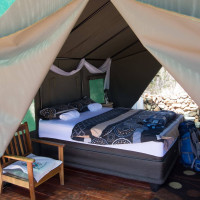
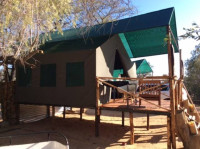
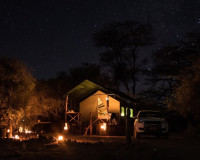
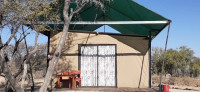
- Spitzkoppe Tented Camp
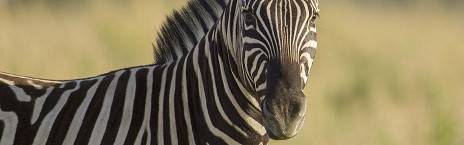
Wildlife in Damaraland
- Meals & Drinks:

Day 7
Spitzkoppe - Twyfelfontein
Spitzkoppe - Twyfelfontein
A drive from Spitzkoppe to Twyfelfontein takes you through some of Namibia’s most striking desert and Damaraland scenery. Leaving the granite peaks of Spitzkoppe behind, the route follows wide gravel roads past open plains, dry riverbeds, and clusters of dramatic inselbergs. Small Herero and Damara settlements appear along the way, and mountain ranges rise and fall on the horizon as the landscape becomes increasingly rugged. Approaching Twyfelfontein, the scenery shifts to deep rust-coloured sandstone, basalt formations, and the iconic rocky valleys that define this UNESCO World Heritage area. It’s a quiet, beautiful drive full of big skies and geological contrasts.
- Main Destination:
- Twyfelfontein (Rock Art)
- Accommodation:
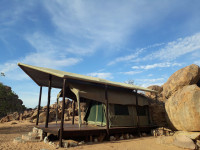
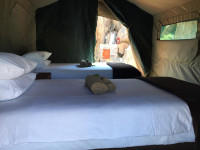
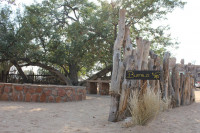
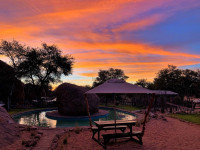
- Madisa Camp
- Meals & Drinks:
Day 8
Twyfelfontein - Etosha National Park
Twyfelfontein - Etosha National Park
Bidding farewell to Damaraland, you head east to the game-filled plains of Etosha. En route, you can visit the petrified forest, with its ancient stone logs lying alongside welwitchia plants. Local guides will show you around the area and explain the origin of the trees. Continue east to Outjo, where you might want to stock up on some snacks and drinks for the coming days in Etosha.
The game-rich plains of Etosha offer some of the best game viewing available. By day, visit the waterholes and artesian springs scattered along the edge of a pan so large it is visible from space. By night, sit quietly at the floodlit waterhole and witness the interactions between different game species, mere meters away.
- Main Destination:
- Western Etosha National Park
- Accommodation:
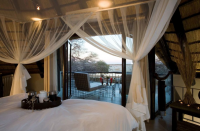
- Okaukuejo Resort
Wildlife in Etosha NP



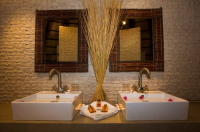
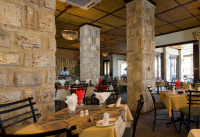
- Meals & Drinks:

Day 9
Etosha National Park
Etosha National Park
You have a full day for game viewing in Etosha today as you cross the park from south to east. As the crow flies, it is a distance of 200 kilometres; however, this journey will take most of the day as you will be game viewing en route. The park speed limit is 40 kilometres per hour, but at times you will be driving even slower as you search for game. The park gates are open from sunrise to sunset. Plan your day to allow enough time to exit the park at least one hour before sunset, so that you can settle in at Mushara Bush Camp before it gets dark. It is easy to lose track of time in the park; be aware of how far you have to go.
- Main Destination:
- Eastern Etosha National Park
- Accommodation:
-
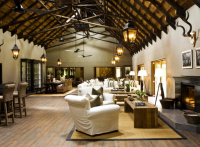
Mushara Bush Camp
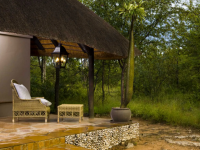
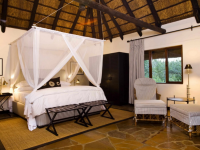
- Meals & Drinks:

Day 10
Etosha National Park
Etosha National Park
Undoubtedly one of the great parks of Africa, Etosha covers more than 22,300 square kilometres and is synonymous with big game and wide open spaces. The name Etosha means “great white place”, referring to the massive (130-kilometre-long and 50-kilometre-wide) dry saline pan in the middle of the park, believed to have been formed over 100 million years ago.
Etosha is home to a staggering amount of wildlife, both common and rare, including several threatened and endangered species. The mammal list is at over 110 species, including 4 of Africa’s Big Five, cheetah, giraffe, spotted hyena, zebra, greater kudu, springbok, gemsbok/oryx (Namibia’s national animal), warthog, honey badger and many more. Etosha also has a bird list of more than 350 species. The park is also home to smaller mammals like banded and yellow mongoose, scrub hare and springhare, as well as rare ones like pangolin, aardvark, aardwolf and Cape porcupine.
- Main Destination:
- Eastern Etosha National Park
- Accommodation:
- Mushara Bush Camp
- Meals & Drinks:
Day 11
Mushara Bush Camp - Cheetah Conservation Fund
Mushara Bush Camp - Cheetah Conservation Fund
Sadly, it's time to bid farewell to Etosha and begin your journey back towards Windhoek. Heading south, you travel via the mining town of Tsumeb. Apart from copper, the mine is world-renowned for the quality and variety of mineral specimens that it has produced. Mined for a century, the Tsumeb mine has produced over 240 minerals. Many of the minerals discovered here have never been found anywhere else.
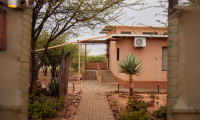
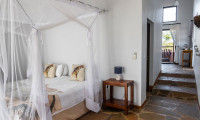
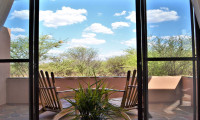
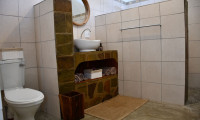
Continuing south, you meander through the beautiful hills between Tsumeb and Otavi. Continue south to Otjiwarongo, a much larger farming town appropriately named "the place of fat cows". Tonight you stay at the Cheetah Conservation Fund, a world-renowned conservation, research, education and rehabilitation centre. Namibia has the largest population of cheetah in the world, many of which live on farmlands and not in our national parks. You have the opportunity to join several cheetah-based activities like the cheetah drive and the cheetah run.
- Main Destination:
- Cheetah Conservation Foundation (Otjiwarongo)
- Accommodation:
- Cheetah View Lodge
- Meals & Drinks:

Day 12
CCF - Windhoek International Airport
CCF - Windhoek International Airport
It's time to meander back to the main road through the reserve. It is an easy 3 to 4-hour drive back to the city on good tar roads. One must just re-adjust to the faster-paced city traffic as you get closer to Windhoek. You will need to drop your vehicle off at Windhoek International Airport.
Thank you for booking with us.
- Main Destination:
- Hosea Kutako International Airport (Windhoek)
- Accommodation:
- No accommodation (End of tour)
- Meals & Drinks: