

Lalibela Wildlife Reserve ranks among the most enjoyable, exclusive and ethical safari destinations in the malaria-free Eastern Cape. Named after a medieval Ethiopian king, it protects an area of rehabilitated farmland inhabited by all the . Bed space in the luxury lodges is limited, day visitors are not allowed, and proceeds support various conservation, wildlife and community outreach programs.
-
 Best Time To Go
- January to December (All year)
-
 High Season
- October to April (Rates are discounted May to September)
-
 Size
Size
- 105km² / 41mi²
-
 Altitude
-
400-550m /1,312-1,804ft
 View Photos
 View Photos
+14
Photos
View Photos
+14
Photos
Pros & Cons
- Excellent wildlife viewing, with four of the almost certain to be seen
- Rewilding of former farmland includes extensive clearance of vegetation
- Guided are unhurried and sightings uncrowded
- Six upmarket small lodges and camps offer an exclusive experience
- Superb cuisine and an expertly curated wine list
- Popular add-on to a road trip taking in Cape Town and the Garden Route
- No malaria
- Leopards are shy and seldom seen
- No or day visitors
Wildlife
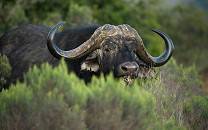
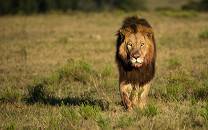
A wide variety of reintroduced wildlife roams freely within Lalibela. Most visitors will enjoy lively encounters with elephant, , buffalo, lion, cheetah, giraffe, and antelope such as the handsome and . are uncommon, and although leopards occur naturally, sightings are very rare. Highlights of a bird checklist comprising 275 species include the majestic , and colorful .
Scenery
Lalibela is a scenic reserve of rolling green hills and rocky valleys. It incorporates five ecosystems, namely (which is unique to the Eastern Cape), , , valley and . Some parts of the reserve were formerly used for agriculture, but these areas are gradually being rewilded through the clearance of inherited vegetation such as wattle trees and cactus shrubs.
Activities
The main activity is guided in open vehicles. Two drives per day are conducted from each of the lodges: one in the morning, the other in the afternoon. The guiding style here is very relaxed; there’s no crowding and you’ll usually get to spend as long as you like with any special sighting. allow visitors to focus on smaller creatures such as birds and insects.
Weather & Climate
Lalibela is set in the interior of the Eastern Cape, a region that has hot summers (October to April) and temperate winters (May to September). Winter nights tend to be very cold, with temperatures sometimes even dropping to freezing, especially over June to August. Rain falls occasionally throughout the year, but summer is significantly wetter than winter.
Best Time To Visit Lalibela WR
Because Lalibela covers a relatively small area, wildlife viewing is good all year round. Climatically, the area is most agreeable in the warm summer months (October to April), despite the higher chance of rain. Winter (May to September) is pleasant enough by day, but it gets seriously chilly in the morning and late afternoon. Rates for stays of two nights or longer are discounted over May to September.
How To Get to Lalibela WR
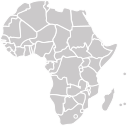
Situated alongside the N2 as it runs through the Eastern Cape interior, Lalibela lies 90km/56mi (1 hour’s drive*) northeast of Gqeberha (Port Elizabeth) and 35km/22mi (30 minutes’ drive*) southwest of Makhanda (Grahamstown). It is often added onto a road trip from Cape Town to the Eastern Cape via the Garden Route. It is also possible to fly into Gqeberha and rent a vehicle or arrange a road transfer from there.
*Driving times are only a rough indication. You should always consider the possibility of significant delays.
Health & Safety
In our opinion, Lalibela is generally a safe destination to visit. For more information on health and safety, please read our malaria and vaccinations page for South Africa and our general ‘Wildlife Viewing Safety Precautions’ page: