

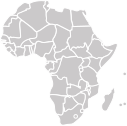
Wild, beautiful and undisturbed Mlawula Nature Reserve protects an area of densely wooded rising toward the Lebombo Mountains in the country’s east, where Eswatini (formerly Swaziland) borders Mozambique. It is a little-visited hiker’s paradise, with more than 50km/31mi of trails and dirt roads to explore. Birding is outstanding, with at least 350 species recorded, but other wildlife is scarce and .
-
 Best Time To Go
- May to September (Dry season; best wildlife viewing)
-
 High Season
- December to January (Little-visited reserve)
-
 Size
Size
- 165km² / 64mi²
-
 Altitude
-
147-450m /482-1,476ft
 View Photos
 View Photos
+10
Photos
View Photos
+10
Photos
Pros & Cons
- Off the beaten track and very little visited
- Pristine scenery and excellent birding
- Floral diversity incorporates more than 1,000 plant species
- Many self-guided hiking trails available
- Fishing and mountain biking permitted
- Visits are easily combined with nearby Hlane Royal National Park
- Serviced by a well-priced and scenically located lodge and rest camp
- Not much wildlife
- Limited road network
Wildlife
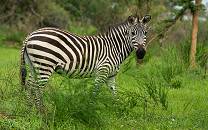
Mlawula is not primarily a wildlife-viewing destination. Although the mammal checklist tops 80 species, only , , , , , , , and are likely to be seen by casual visitors. The sole member of the present in Mlawula is the rarely seen leopard. A notable feature of the reserve is its prolific birdlife, with being particularly well represented.
Scenery
Mlawula is an exceptionally scenic reserve with a genuine wilderness feel. The Mlawula River flows through the western hills, which support a cover of dense thornbush. The more remote and easterly Lebombo Plateau is dotted with seasonal , incised by forested ravines and home to a unique flora including rare species. The northern boundary follows the Mbuluzi River, which cuts through an impressive gorge in the east.
Activities
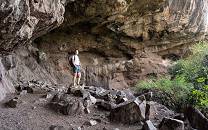
Mlawula is best explored on foot. The 2.5km/1.6mi self-guided Khabane Cave Explorer Walk leads to an impressive national monument that has yielded remains of Stone Age occupation. A more extensive trail network traverses the spectacular Lebombo Plateau. Fishing and mountain biking are allowed, but bring your own gear. are restricted to the limited road network connecting Main and Magadzavane Gates. A map is sold at the entrance gate.
Weather & Climate
Mlawula has a hot and humid subtropical climate. The Wet season summer months from October to April can be very hot, with daytime temperatures typically peaking above 30°C/86°F, and regular afternoon rain. Winter (Dry season), which runs from May to September, is pleasantly warm by day but cools off at night, and rain is very unusual.
Best Time To Visit Mlawula NR
Mlawula can be visited throughout the year. The winter months (May to September) are cooler and more pleasant for hiking, with little likelihood of rain and better wildlife viewing. By contrast, the summer months (October to April) are characterized by lusher, greener scenery and better birding (this is when are present). April and September are beautiful transitional months.
How To Get to Mlawula NR
Mlawula is quite accessible and any vehicle is usually fine for getting around the reserve’s limited road network. The main gate is located about 90km/56mi northeast of Manzini (1½ hours’ drive*), 55km/34mi northeast of King Mswati III International Airport (50 minutes’ drive*) and 20km/12mi northeast of Hlane Royal National Park (20 minutes’ drive*). The reserve can also be accessed via Magadzavane Gate in the south.
*Driving times are only a rough indication. You should always consider the possibility of significant delays.
Health & Safety
Although activities in Mlawula are self-guided, it is a safe destination to visit in our opinion. The reserve carries a small risk of malaria in the rainy season (from around September to May). For more information, please read our malaria and vaccinations page for Eswatini, and our general ‘Wildlife Viewing Safety Precautions’ page: