$2,999 pp (USD)
2 travelers on Start dateArrival
Arrival

Day 1
Arusha To Tarangire National Park
Arusha To Tarangire National Park
Tarangire National Park is one of Tanzania’s most beautiful wildlife destinations, located in the northern safari circuit not far from Arusha. The park is famous for its large herds of elephants, ancient baobab trees, and the Tarangire River, which attracts many animals especially during the dry season. Visitors can see lions, giraffes, zebras, wildebeest, buffalo, and many bird species in their natural habitat.
Tarangire offers a peaceful and less crowded safari experience, making it a perfect place for travelers who want to enjoy real African wilderness, stunning landscapes, and unforgettable game driveS.
- Main Destination:
- Tarangire National Park
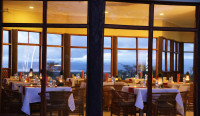
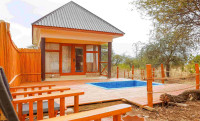
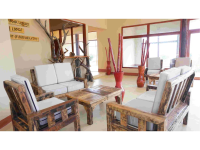
- Accommodation:
- Furaha Luxury Lodge
Wildlife in Tarangire NP



- Meals & Drinks:

Day 2
Tarangire National Park To Serengeti National Park
Tarangire National Park To Serengeti National Park
Serengeti National Park is one of Africa’s most iconic wildlife destinations, located in northern Tanzania and covering vast open plains, rolling hills, and riverine forests. The park is world-famous for the Great Migration, where millions of wildebeest, zebras, and gazelles move across the savannah in search of fresh grazing, creating one of the most spectacular natural events in the world. Serengeti is home to the Big Five — lion, leopard, elephant, buffalo, and rhino — as well as cheetahs, giraffes, hyenas, and over 500 bird species. Visitors can enjoy exciting activities such as game drives, hot air balloon safaris, guided walking safaris, bird watching, photography safaris, and seasonal migration viewing. The park offers an unforgettable safari experience filled with breathtaking landscapes, rich wildlife, and true African wilderness adventure.
- Main Destination:
- Serengeti National Park
- Accommodation:
- Friends - Serengeti Camp
Wildlife in Serengeti NP
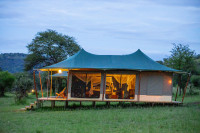
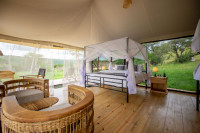
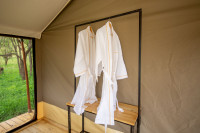
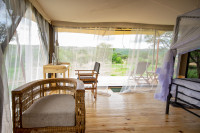
- Meals & Drinks:

Day 3
Serengeti National Park To Ngorongoro Crater
Serengeti National Park To Ngorongoro Crater
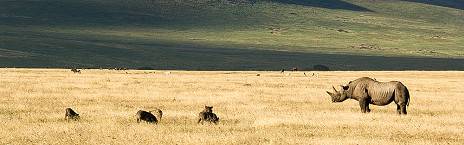
Ngorongoro Crater is one of Africa’s most breathtaking natural wonders, located within the Ngorongoro Conservation Area in northern Tanzania. Formed from a collapsed volcanic caldera, the crater is home to a dense concentration of wildlife within its enclosed walls, creating one of the best places in Africa for game viewing. It hosts the Big Five — lion, leopard, elephant, buffalo, and the rare black rhino — as well as zebras, wildebeest, hippos, hyenas, and a variety of bird species around Lake Magadi. The fertile floor, permanent water sources, and diverse habitats support wildlife throughout the year. Activities in Ngorongoro Crater include half-day and full-day game drives, wildlife photography, bird watching, picnic lunches inside the crater, and cultural visits to nearby Maasai communities. The crater offers a unique and unforgettable safari experience with stunning scenery and exceptional wildlife encounters.
- Main Destination:
- Serengeti National Park
- Accommodation:
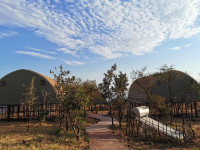
- Ngorongoro Safari Lodge



- Meals & Drinks:
Day 4
Ngorongoro Crater
Ngorongoro Crater
Lake Manyara National Park is a beautiful and diverse wildlife destination located at the base of the Great Rift Valley escarpment in northern Tanzania. Although relatively small in size, the park is rich in habitats, including groundwater forests, open grasslands, acacia woodlands, and the alkaline Lake Manyara itself, which attracts thousands of flamingos and other water birds. The park is famous for its tree-climbing lions, large herds of elephants, giraffes, zebras, hippos, and a wide variety of bird species, making it a paradise for bird lovers. Visitors can enjoy exciting activities such as morning and afternoon game drives, bird watching, wildlife photography, canoeing on the lake (seasonal), guided nature walks, and cultural tours to nearby communities. Lake Manyara offers a scenic and peaceful safari experience with stunning landscapes and diverse wildlife encounters.
- Main Destination:
- Ngorongoro Crater
- Accommodation:
- No accommodation (End of tour)
Wildlife in Ngorongoro Crater


- Meals & Drinks: