Guide to Visiting Karoo National Park – All You Need To Know
 By Philip Briggs
 Philip is a renowned Africa expert and author of ‘The Rough Guide to Game Parks of South Africa’.
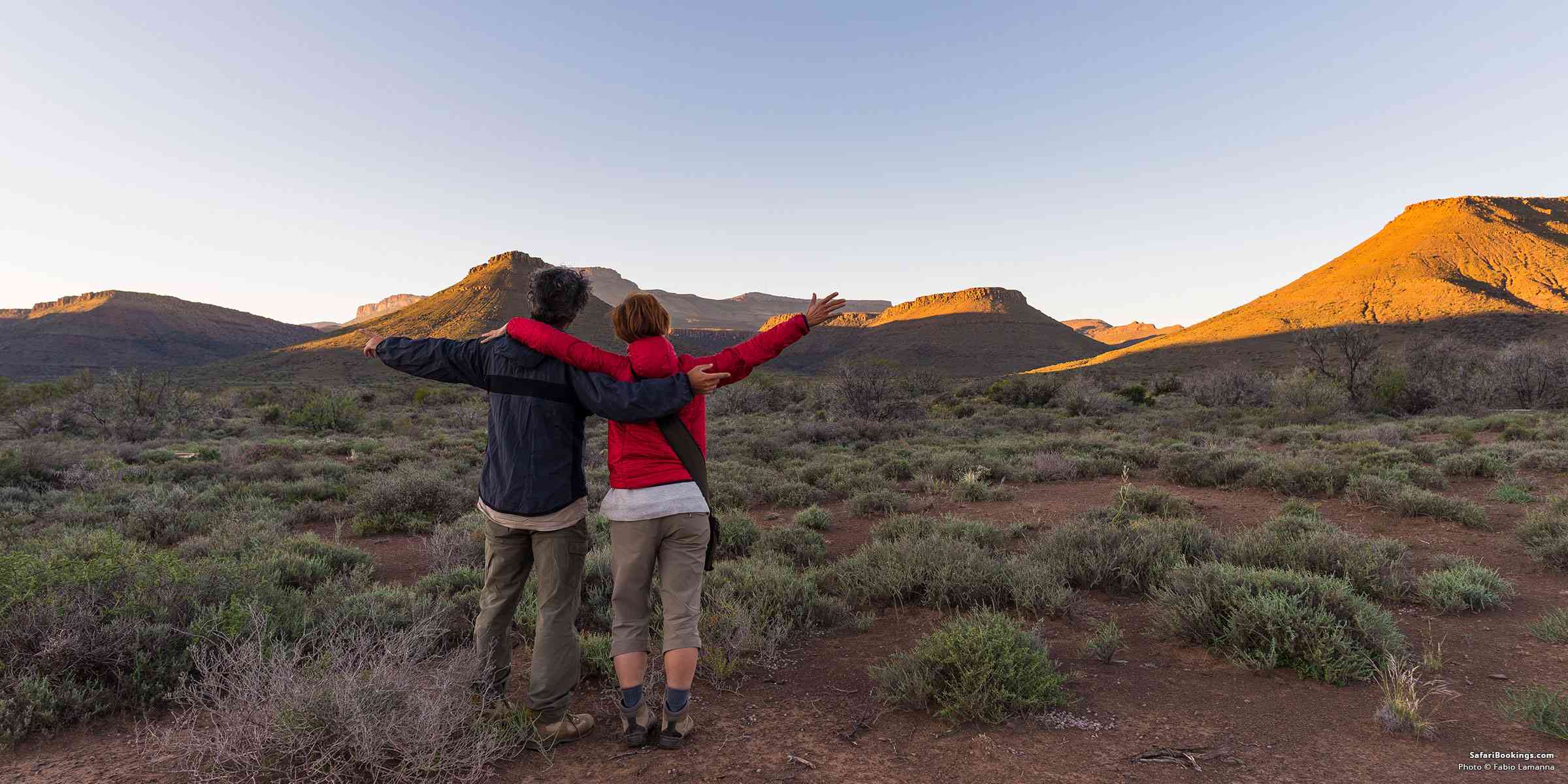
South Africa’s 831km²/321mi² Karoo National Park protects a scenic wilderness of rugged mountains and valleys near the town of Beaufort West. It forms part of the Great Karoo, a vast semi-desert region that can come across as forbidding and featureless in the harsh midday sun, but which assumes an austere beauty of its own in the softer light of early morning and late afternoon. Once an inland sea, this pristine region is known for its immense fossil wealth, diverse succulent plants, unique dry-country wildlife and sparkling night skies.
Why Should I Visit Karoo National Park?
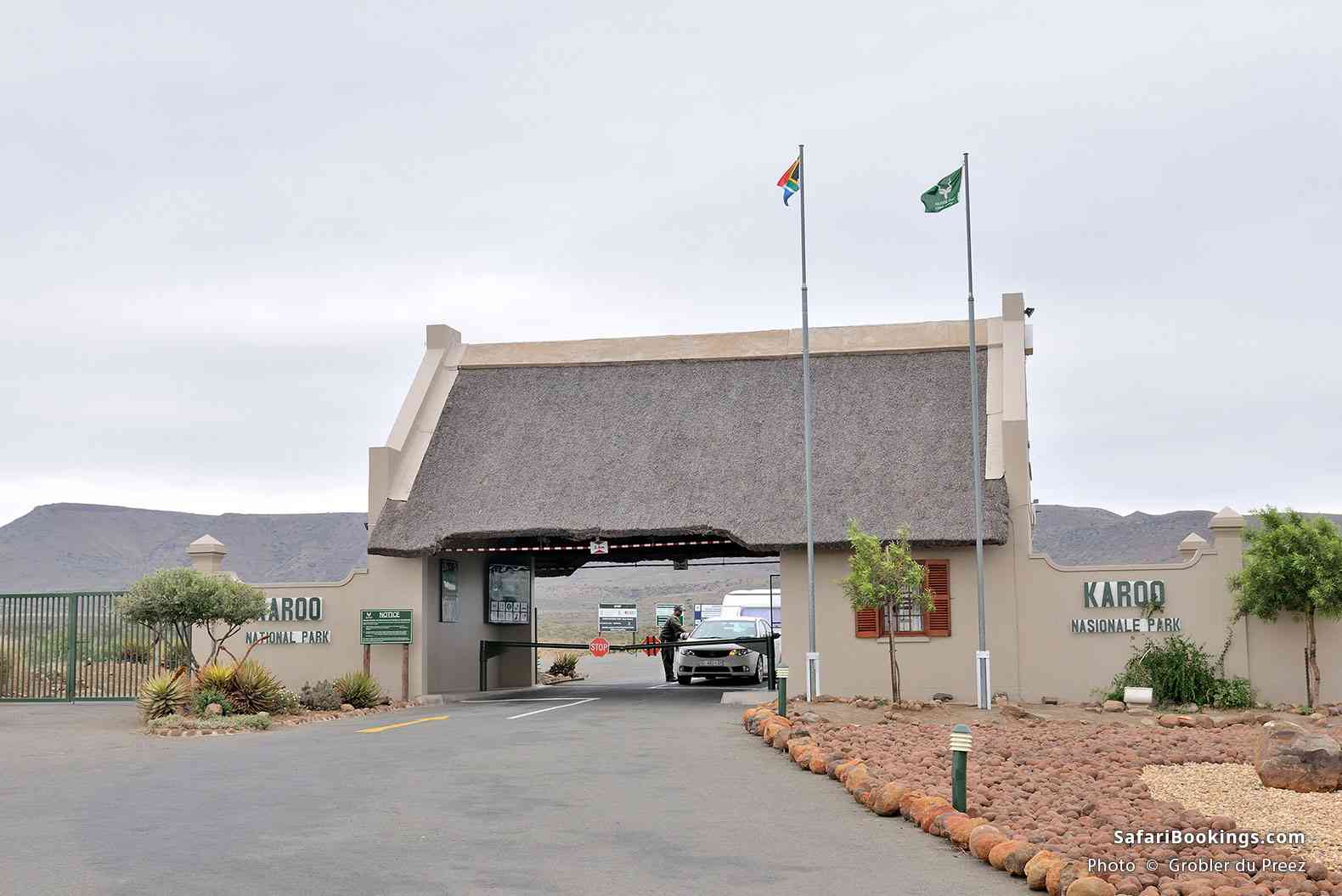
Karoo National Park is the most accessible protected area where visitors can experience the tranquility and vast landscapes of the Great Karoo. The park offers a good opportunity to see endemic and localized large mammals such as black wildebeest, gemsbok and Cape mountain zebra. It is very rewarding for bird-watchers, with birds of prey and western dry-country specials being well represented. During daylight hours, this mountainous landscape can be explored along a quiet road network that includes several trails for 4x4 vehicles only. Evenings offer the opportunity to marvel at immense night skies whose clarity has long attracted astronomers from all around the globe.
What Wildlife Can I Expect To See?
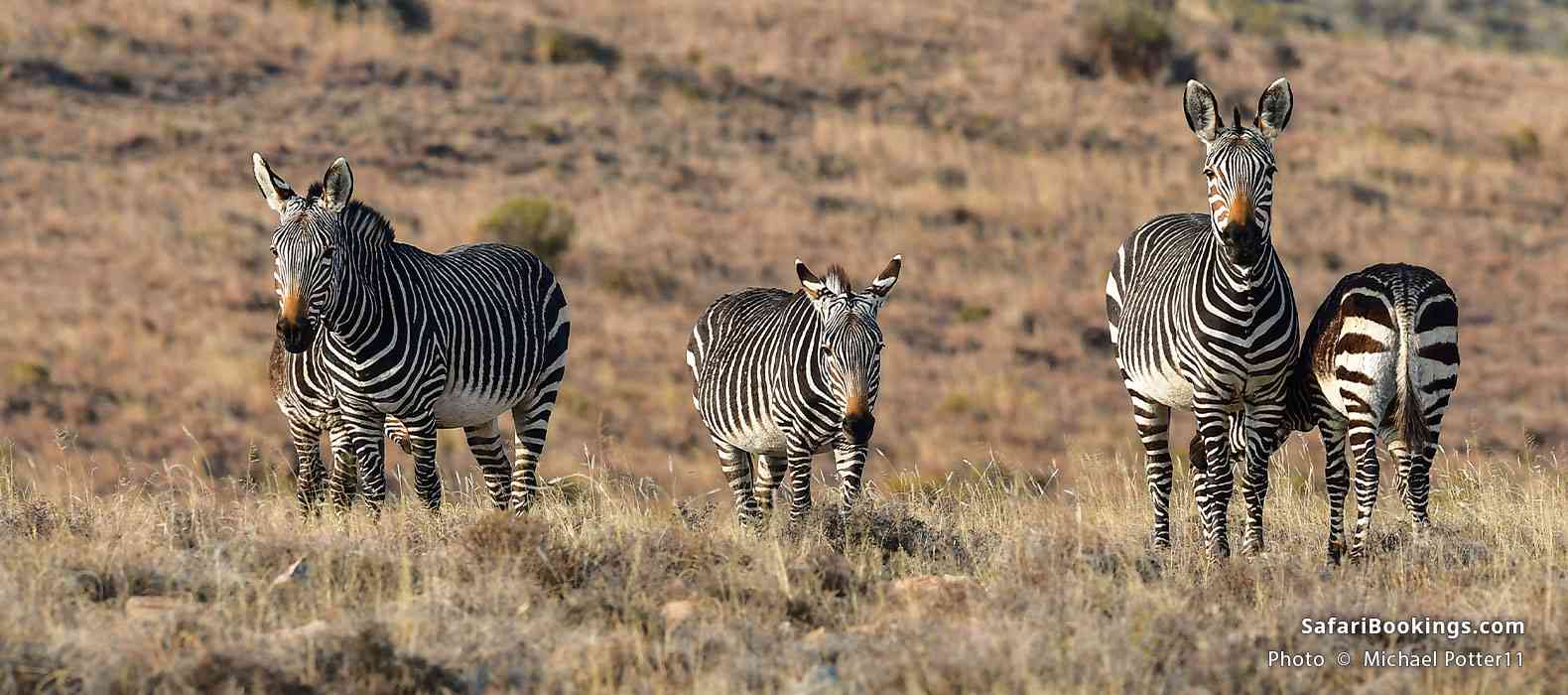
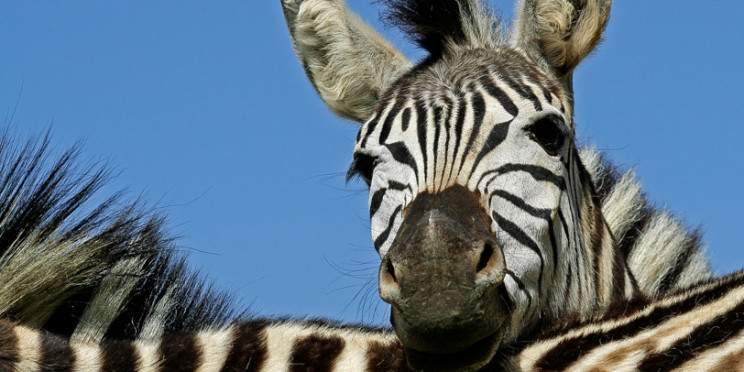
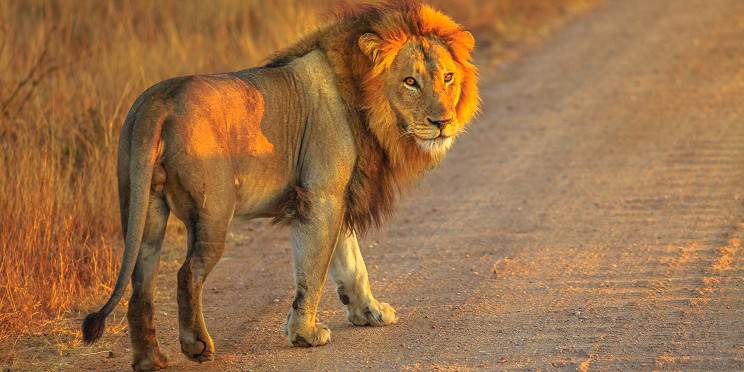
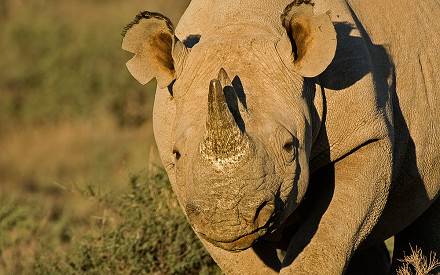
Karoo National Park is not primarily a safari destination. Of the Big Five, elephant, buffalo and leopard are absent altogether, and although lion and black rhino have both been reintroduced, sightings are very occasional. Dry-country antelope – remnants of the immense herds that migrated through the region prior to the arrival of gun-happy European settlers – include red hartebeest, black wildebeest, eland, gemsbok and springbok. Pairs of dainty klipspringer are often seen in rocky areas. This is also one of the few places where the Cape mountain zebra, a subspecies unique to South Africa, occurs alongside the widespread plains zebra.
Smaller carnivores include bat-eared fox, yellow mongoose and lively bands of meerkats. The park is home to five tortoise and more than 200 bird species, including the mighty Verreaux’s eagle and dry-country endemics such as Karoo bustard, Karoo scrub robin and Namaqua warbler.
Where Is Karoo National Park Located?
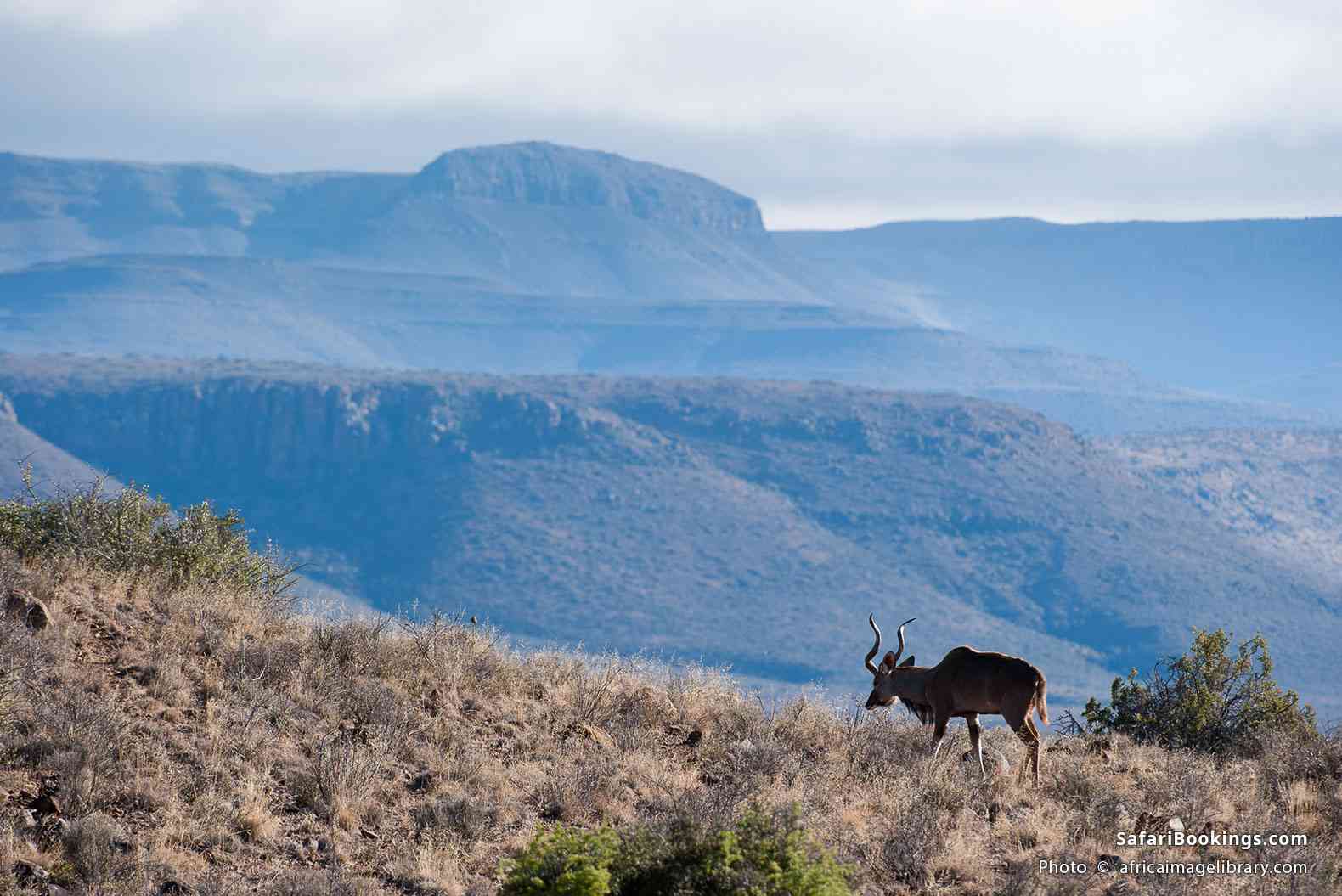
Karoo National Park is located in the dry interior of South Africa’s Western Cape province. Situated about 470km/290mi inland of the provincial capital Cape Town, it lies on the outskirts of Beaufort West, a historical small town that dates back to 1818 and now sees plenty of through traffic as a popular overnight stop along the N1 to Johannesburg. The park lies in the heart of the Great Karoo, a vast rocky semi-desert that extends across a total area of 400,000km2/155,000mi2, making it by far the largest single ecosystem in South Africa.
How Do I Get to Karoo National Park?
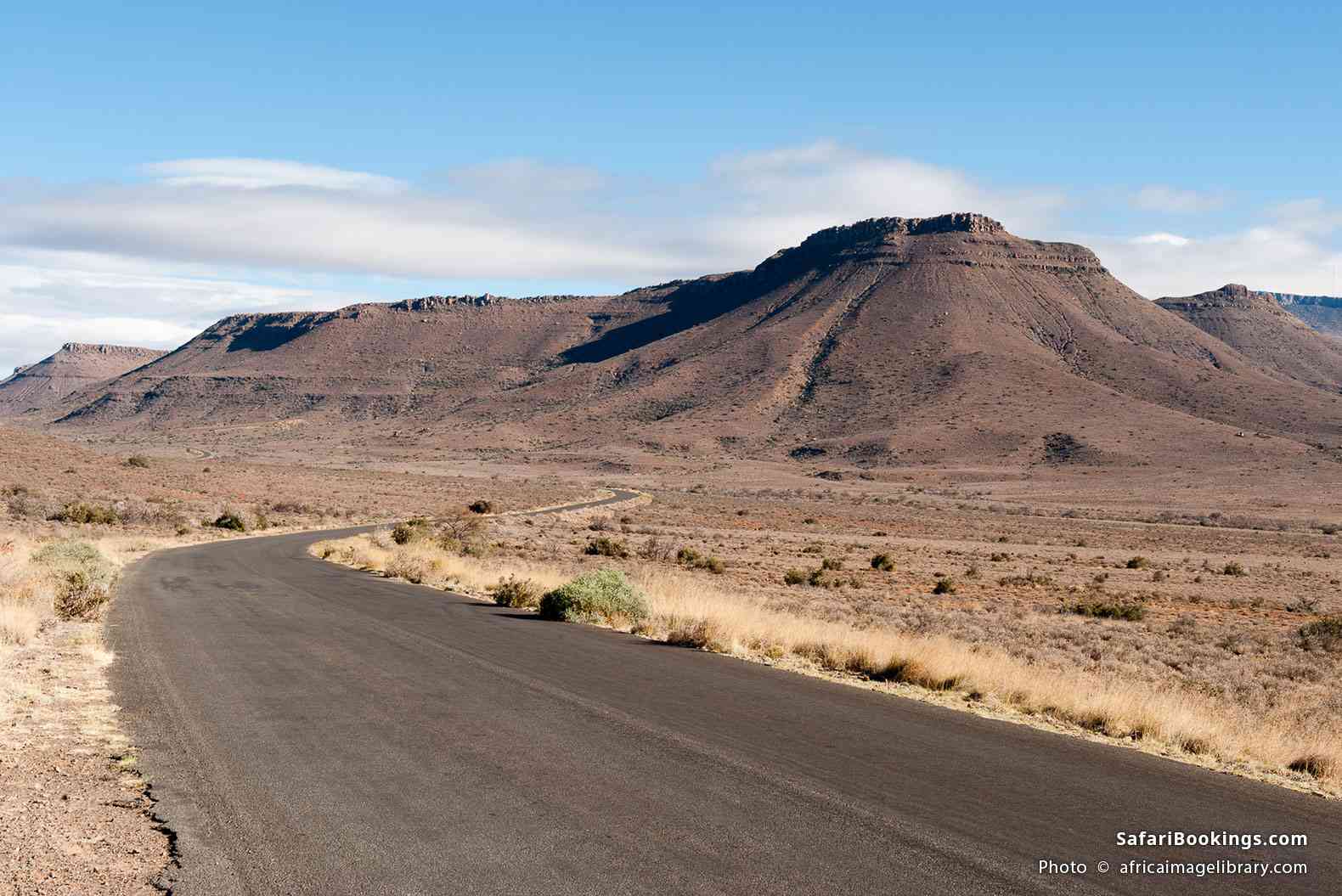
Karoo National Park stands alongside the N1 just outside Beaufort West. Primarily a self-drive destination, it can be accessed in any car, and is often visited as a stopover between other towns. It lies 470km/290mi (five to six hours) northeast of Cape Town and 940km/585mi (10 to 11 hours) southwest of Johannesburg, both of which are serviced by busy international airports. George, which lies 240km/150mi (three hours) to the south, is the site of the closest airport serviced by regular scheduled flights and a good choice of car rental companies.
Can Karoo National Park Be Combined With Other Parks?
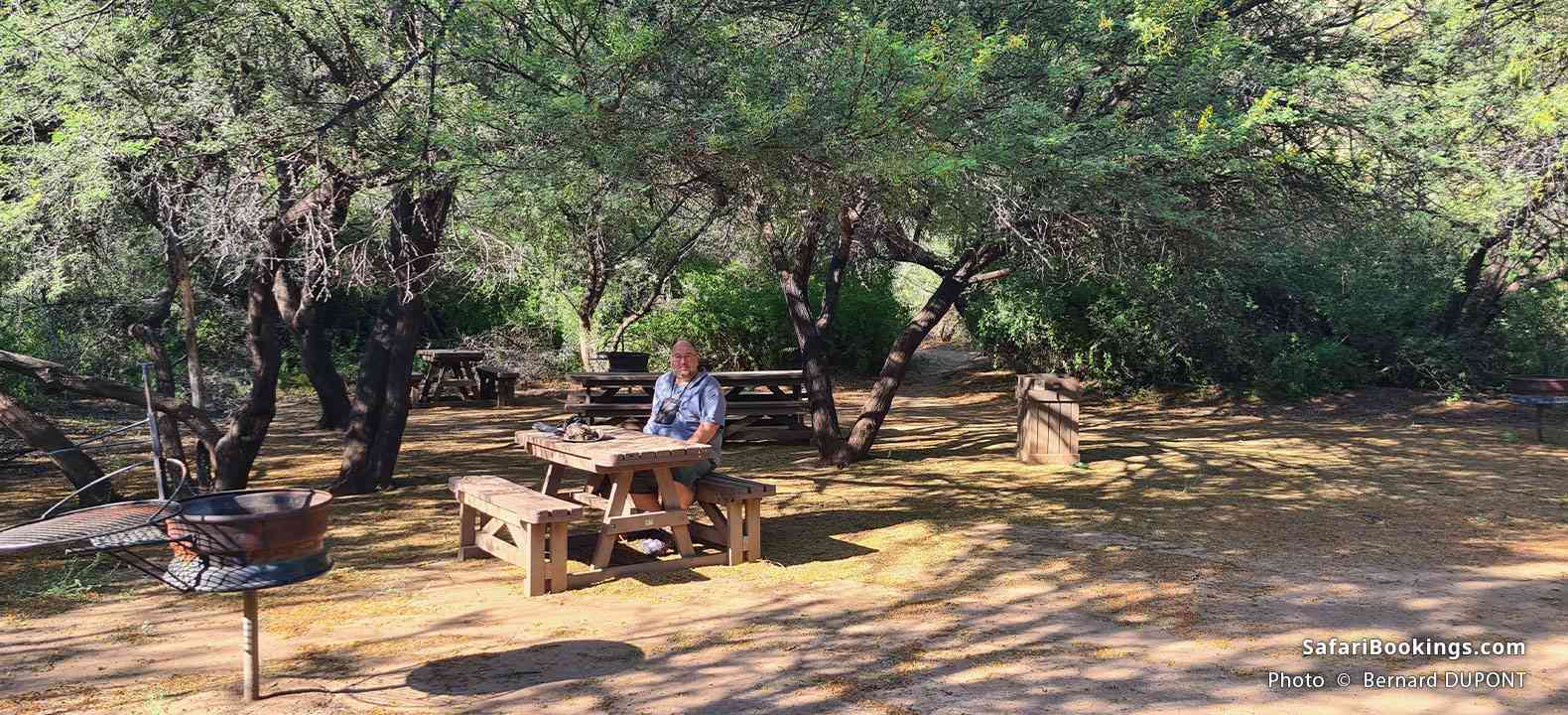
No and yes. Because Karoo National Park stands alongside the N1 and is somewhat isolated from most other major parks and attractions in South Africa, it is generally treated more as an incidental stopover than as a full destination in its own right. Having said that, the park’s location at the junction of the main freeway from Cape Town to Johannesburg and major roads running to the Garden Route and Northern Cape mean that it might be slotted into practically any itinerary that involves cutting through the South African interior west of Lesotho.
What Is the Best Time To Visit?
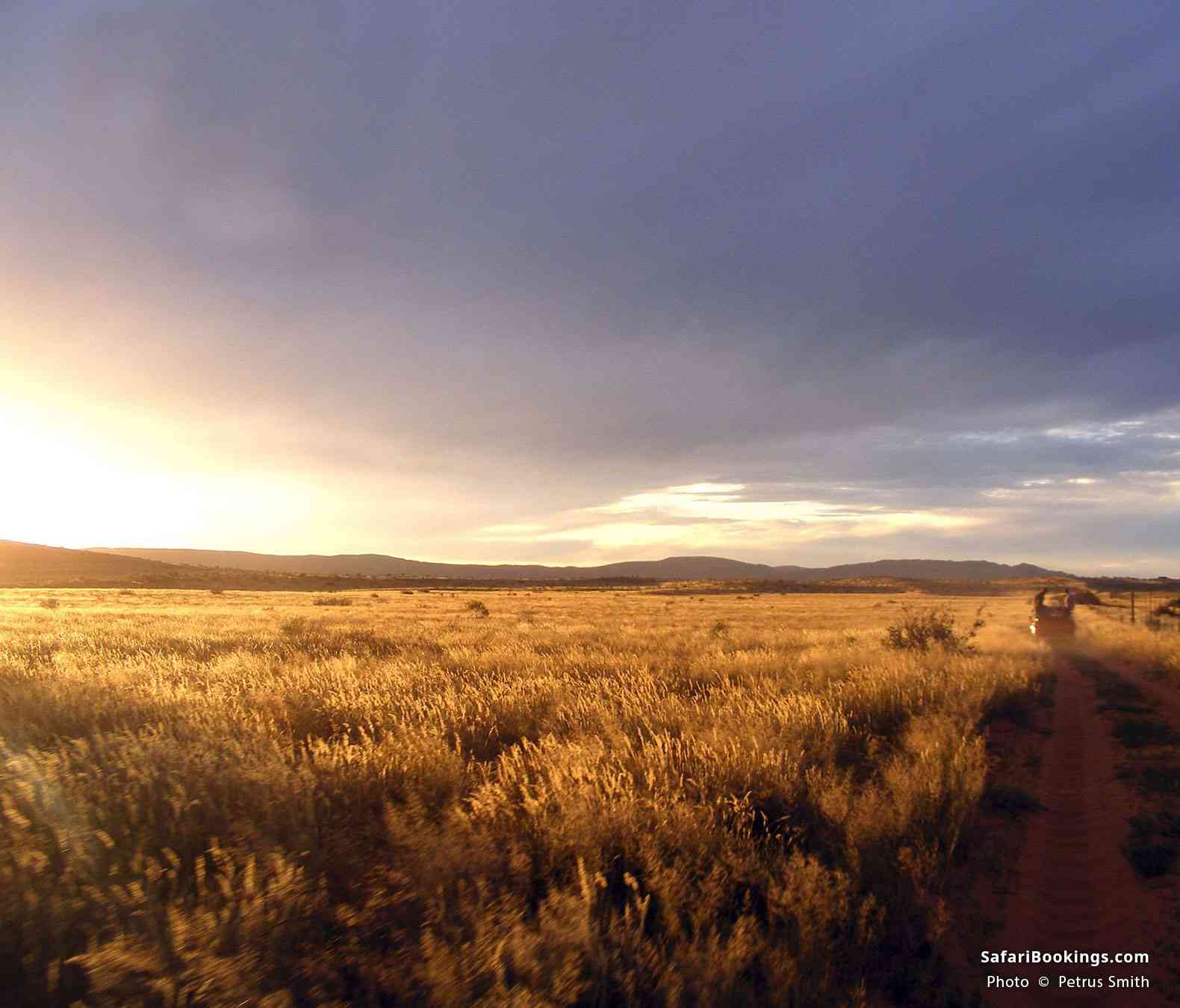
Karoo National Park can be visited at any time of year as wildlife viewing in this low-rainfall region isn’t greatly influenced by season. Furthermore, because the park is usually visited as a stopover between other more iconic destinations, your timing is more likely to be dictated by conditions elsewhere in South Africa than by those in the park itself.
That said, the different seasons do have their pros and cons. The midsummer months of November to February tend to be very hot in the middle of the day but pleasantly cool in the morning and evening, while the midwinter months of June and July are warm and sunny by day but often very chilly at night. For milder weather that avoids these extremes, the best times to visit are the cusp seasons of spring (August, September) or autumn (April, May). Spring is also when wildflowers come into bloom.
How Do I Get Around in Karoo National Park?
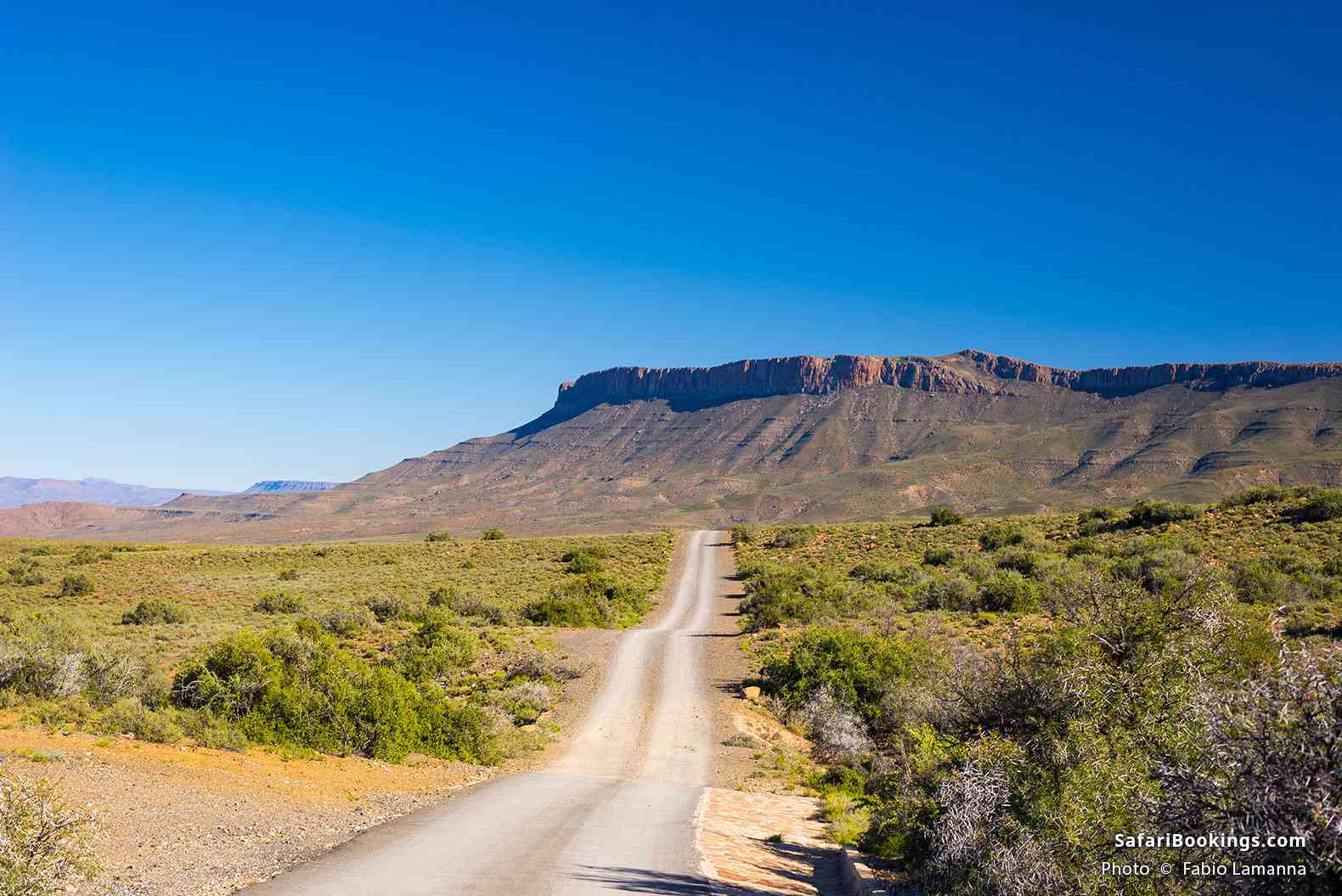
Karoo National Park can be explored by car only. A limited but well-maintained network of roads suited to all vehicles leads from the main gate and rest camp through a scenic setting of valleys and mountains where you can expect to see many large mammals and birds. The park also contains several 4x4 trails, ranging in length from 7km/4.5mi to 90km/55mi, that can be driven only in a high-clearance 4x4 vehicle. The hiking trails that once ran through the park were closed for safety reasons following the reintroduction of lions and black rhinos.
How Many Days Is It Best To Stay?
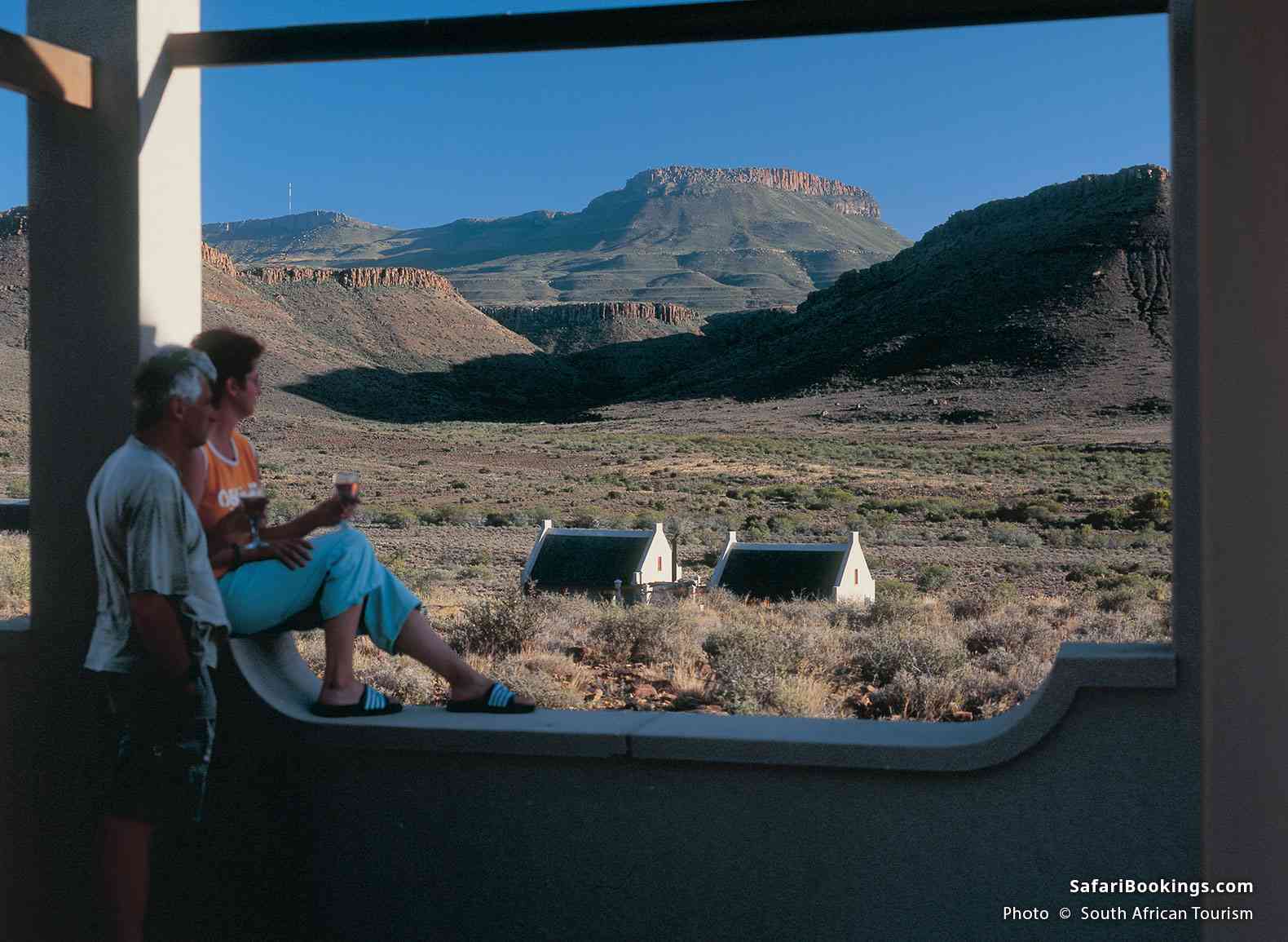
For many visitors, a one-night stopover in Karoo National Park, arriving from Cape Town, George or elsewhere early enough to explore in the afternoon, then leaving after breakfast the next morning, will be perfectly adequate. A more relaxed two-night stay would allow you to explore the park more thoroughly, soak up the remote wilderness atmosphere, and see a greater variety of wildlife. A longer stay is certainly possible but the limited internal road network means it could become repetitive unless you’re a dedicated bird-watcher or plan on spending much of your time chilling at the rest camp.
Is the Park Safe To Visit?
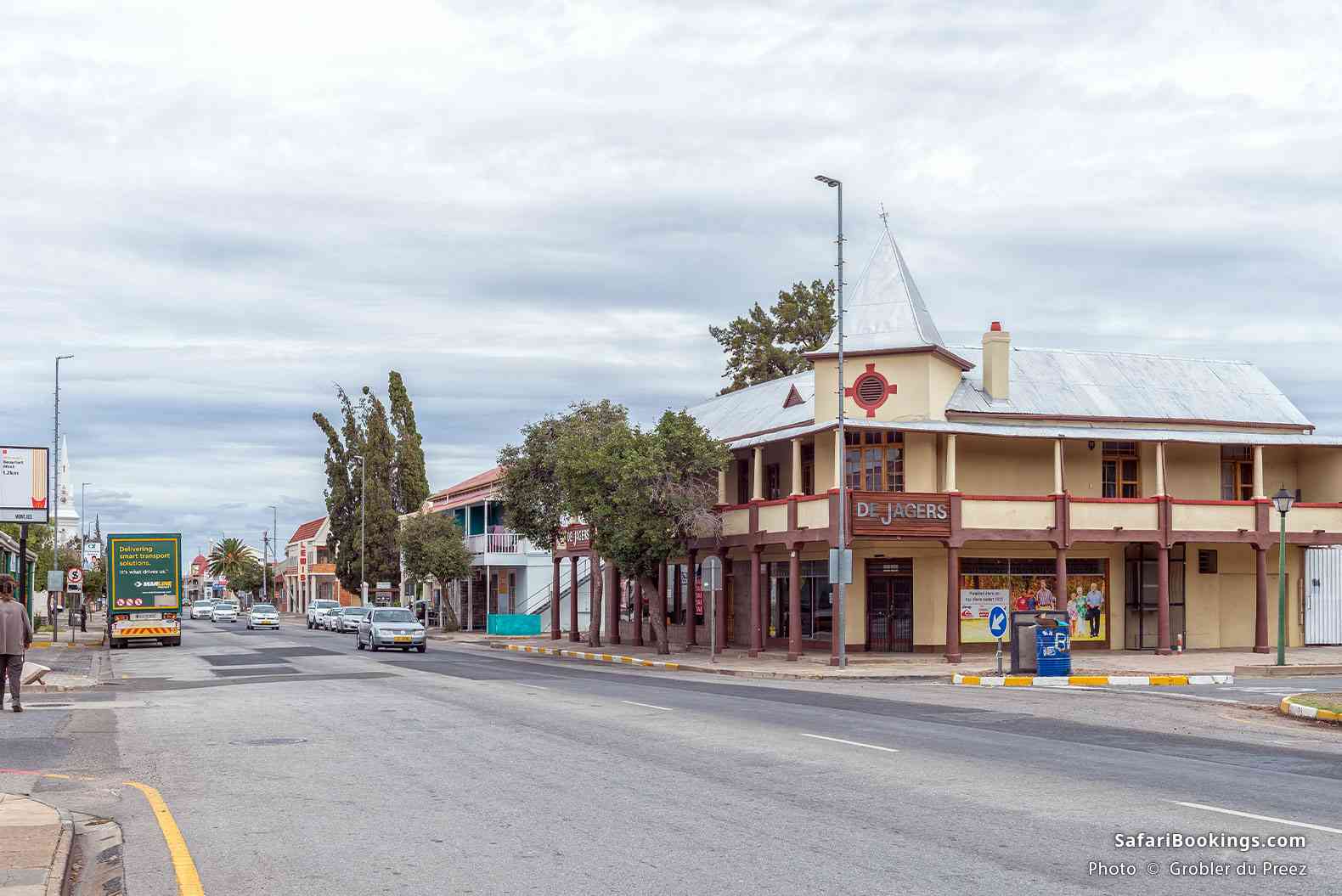
There are no major safety concerns attached to visiting Karoo National Park. In common with most other parks and reserves in South Africa, it is virtually free of crime, though you might want to exercise (mild) caution if you go shopping for supplies in Beaufort West. There is no malaria in Karoo National Park and wildlife viewing from a vehicle is very safe. Be aware that summer daytime temperatures can be searingly hot in this part of the country, so carry plenty of water when exploring.
What Are the Best Places To Stay?
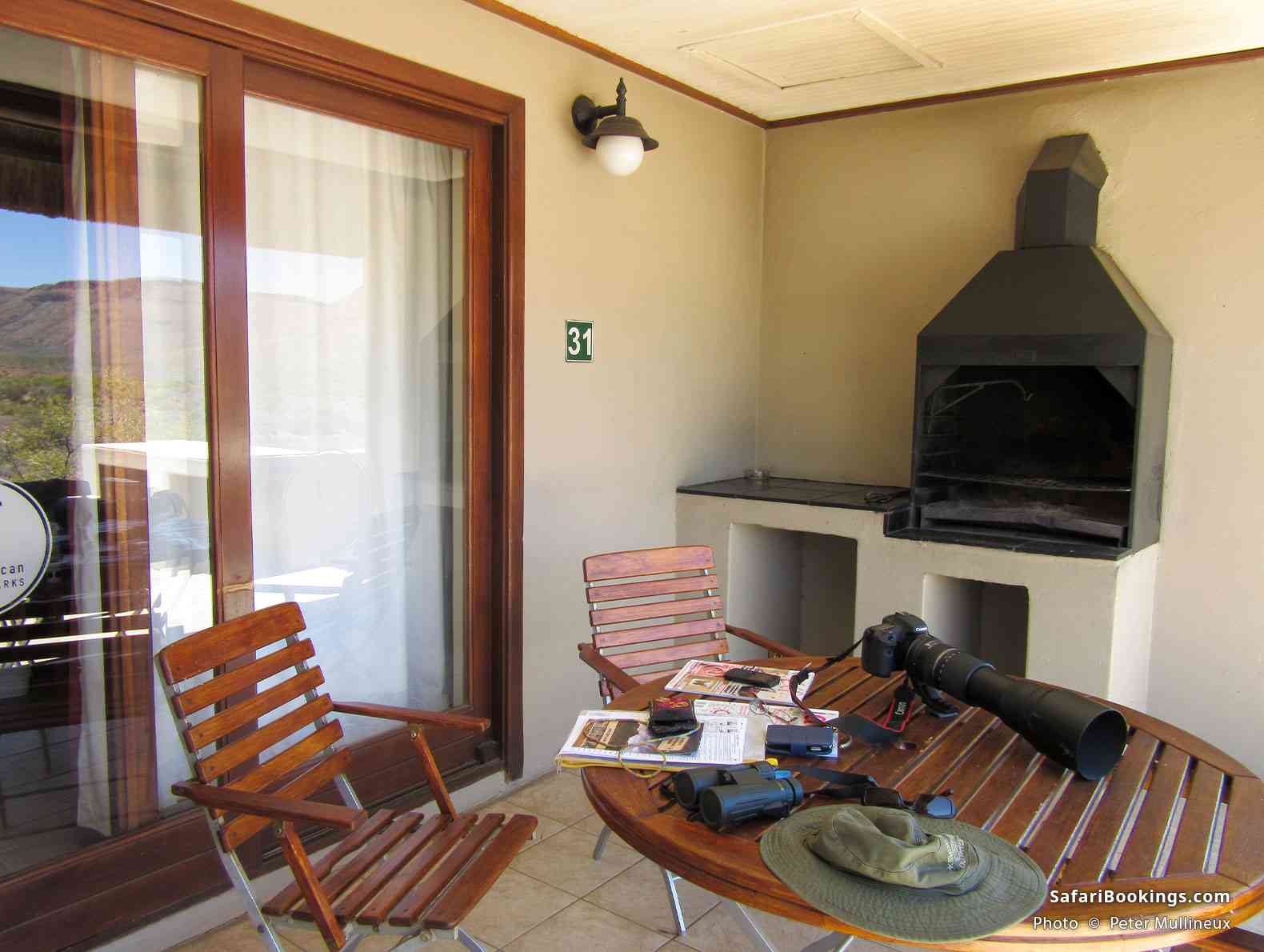
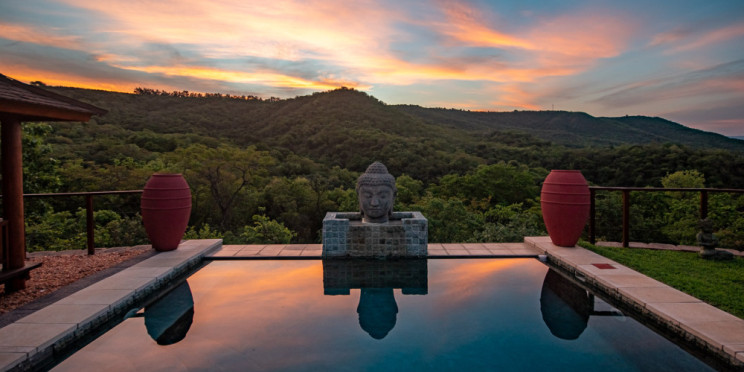
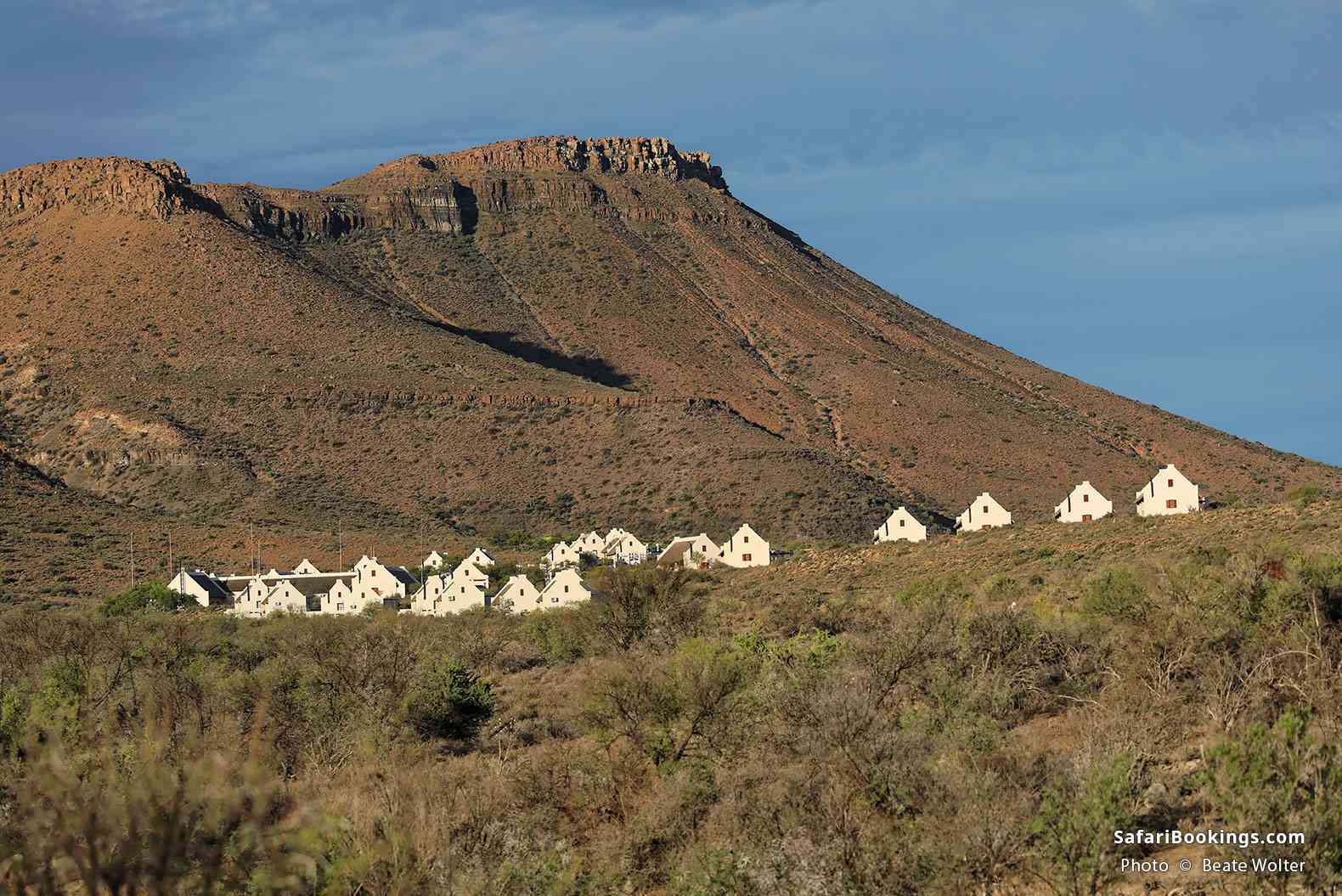
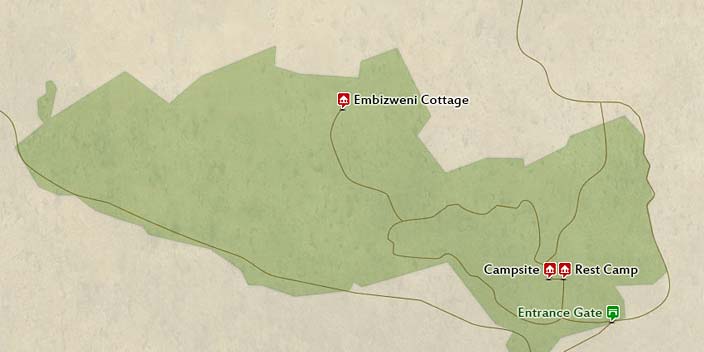
Options within the park are limited. The government-run Karoo Rest Camp, 6km/3.5mi inside the main entrance gate, comprises 24 reasonably priced and comfortable Cape Dutch chalets with self-catering and barbecue facilities. The camp also has a campsite, shop, restaurant and swimming pool. The only other places to stay within the park are Afsaal Cottage and Embizweni Cottage, both of which have isolated locations along overnight trails designed for 4x4 vehicles only. By contrast, a huge choice of accommodations, most of it very affordable, can be found in nearby Beaufort West, which is entrenched as a popular stopover on the N1 between Cape Town and Johannesburg.
What Facilities Are There?
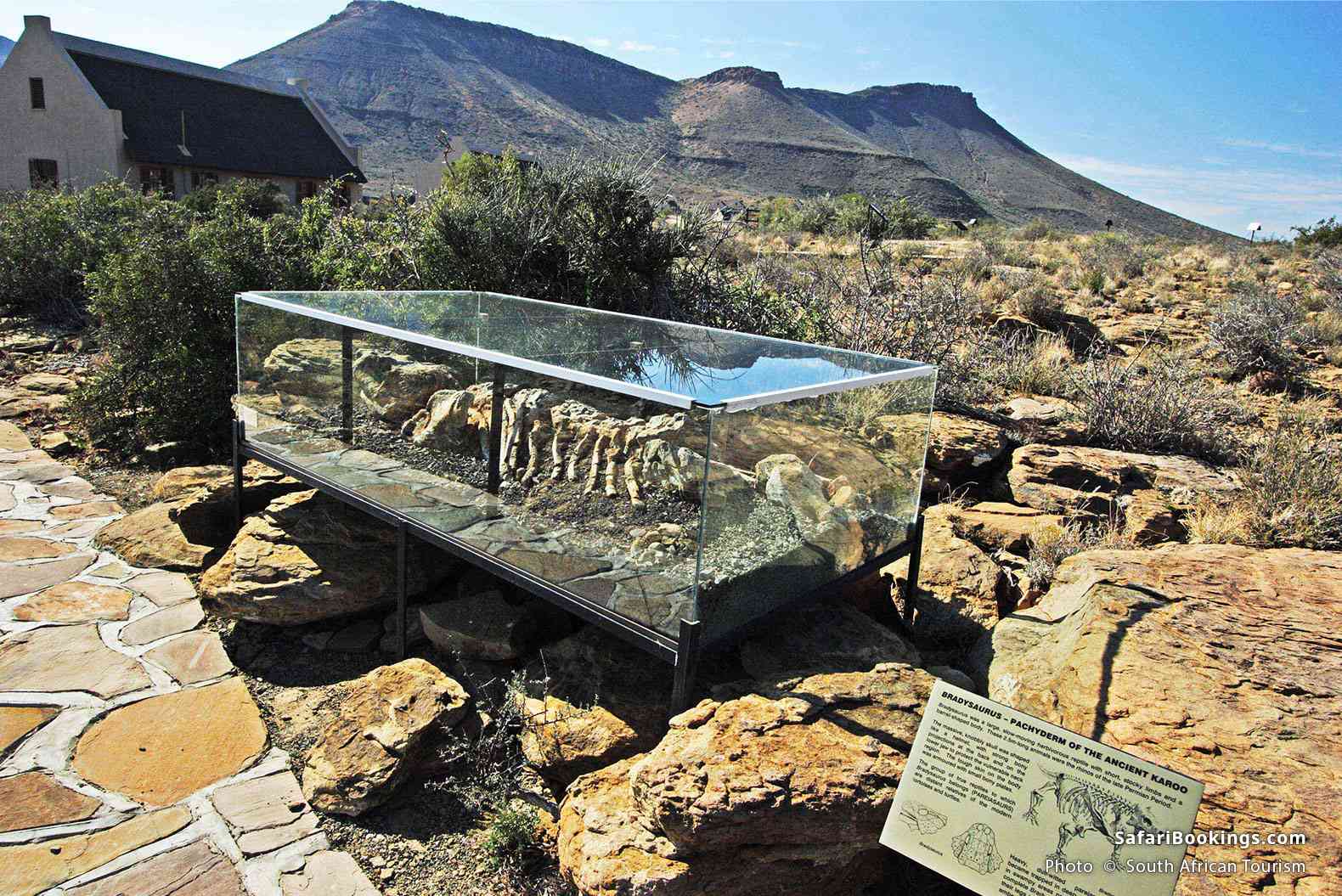
The restaurant and shop at Karoo Rest Camp are open to day visitors. The swimming pool is reserved for overnight guests only, as is a 2.7km-/1.7mi-long jogging and biking track situated inside the camp. Close to the camp, the wheelchair-friendly Fossil Trail leads for 400m-/1,300ft-long past an interesting selection of fossils, petrified wood and other geological items unearthed in the park. Otherwise, facilities are limited to the network of roads and 4x4 trails. A good selection of shops and other typical urban amenities can be found in nearby Beaufort West.
What Are the Costs for Visiting Karoo National Park?
Because Karoo National Park caters mainly to independent self-drivers, it is relatively inexpensive to visit. The only fixed costs are the park conservation fees and (assuming you stay overnight) the cost of rest camp accommodations or camping. These are all very reasonably priced by international standards. Other costs for which you might need to budget include car rental, fuel, and food and drink (there is a restaurant in the rest camp, but you could also self-cater or barbecue). Very few guided tours include Karoo National Park in their itinerary or visit it specifically.
Want To Visit South Africa?
Click on the button below to compare South Africa tours offered by top-rated tour operators.
By Philip Briggs Philip is a renowned Africa expert and author of ‘The Rough Guide to Game Parks of South Africa’.
More About This Author

 Subscribe to our newsletter
 Follow us on Instagram
Safari Tours to South Africa
-
![5-Day Kruger Park and Sabi Sands Memorable Safari]()
5-Day Kruger Park and Sabi Sands Memorable Safari
$1,938 to $2,145 pp (USD)
South Africa: Private tourLuxuryLodge & Tented Camp
You Visit: Mbombela / Nelspruit (Start), Kruger NP, Sabi Sabi GR (Sabi Sands), Skukuza (End)

African Family Safaris
5.0/5 – 27 Reviews

-
![10-Day South Africa Wildlife Safari Tour]()
10-Day South Africa Wildlife Safari Tour
$3,079 to $3,387 pp (USD)
South Africa: Private tour
Mid-range Tented Camp & ResortYou Visit: Johannesburg (Start), Hazyview (Town), Kruger NP, Sabi Sands (Greater Kruger), Cape Town (End)
Africa Incoming
5.0/5 – 60 Reviews
-
5-Day Exclusive Kruger & Private Game Reserve Experience
$2,522 to $2,768 pp (USD)
South Africa: Shared tour (max 9 people per vehicle)LuxuryTented Camp & Private Villa
You Visit: Johannesburg (Start), Hazyview (Town), Kruger NP, Sabi Sands (Greater Kruger), Mbombela / Nelspruit (End)
Elephant Herd Tours & Safaris
5.0/5 – 228 Reviews