Guide to Visiting Kruger National Park – All You Need To Know
 By Philip Briggs
 Philip is a renowned Africa expert and author of ‘The Rough Guide to Game Parks of South Africa’.
Extending across an incredible 19,485km²/7,523mi², Kruger National Park is South Africa’s largest protected area and most celebrated wildlife destination. Almost 150 mammal and more than 500 bird species have been recorded, and it’s the last place on Earth where all the Big Five (elephant, buffalo, rhino, lion and leopard) still number in their thousands. An extensive network of affordable rest camps and surfaced roads make Kruger the ultimate do-it-yourself safari destination. But the park also contains several exclusive concession areas that function like private reserves and are serviced by small all-inclusive luxury lodges.
Why Should I Visit Kruger National Park?
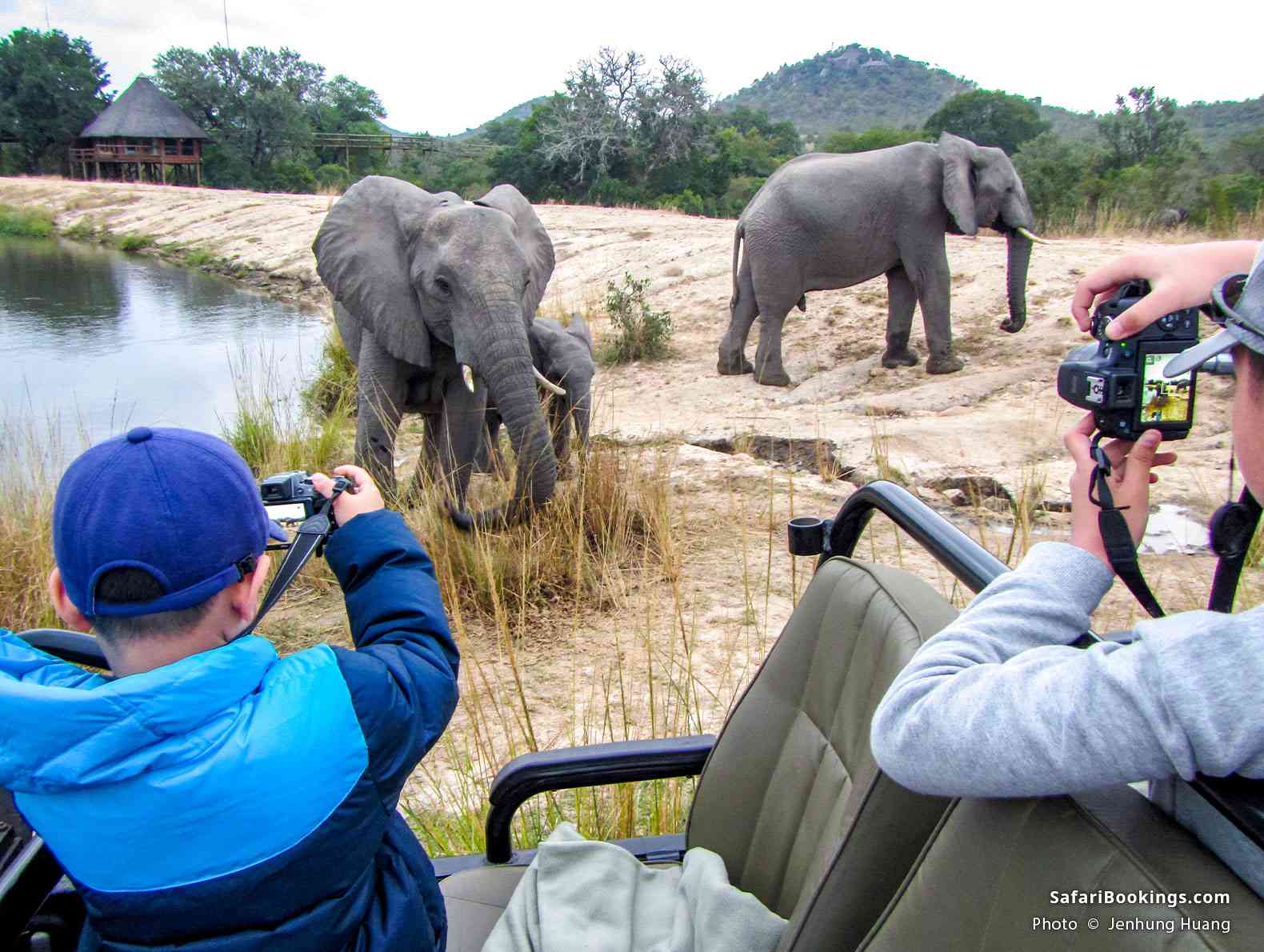 Visitors watching elephants in Kruger National Park
Kruger National Park is the obvious choice for anybody wanting to do a Big Five safari in South Africa. The country’s largest national park, it also ranks as one of Africa’s most consistently rewarding safari destinations, thanks to its vast area, varied wildlife and exceptional amenities. A well-maintained road network and scattering of rest camps make Kruger the ideal destination for an affordable self-drive safari. At the other end of the scale, those seeking an exclusive guided safari can book into one of several small luxury lodges that operate on private concessions within the park.
Where Is Kruger National Park Located?
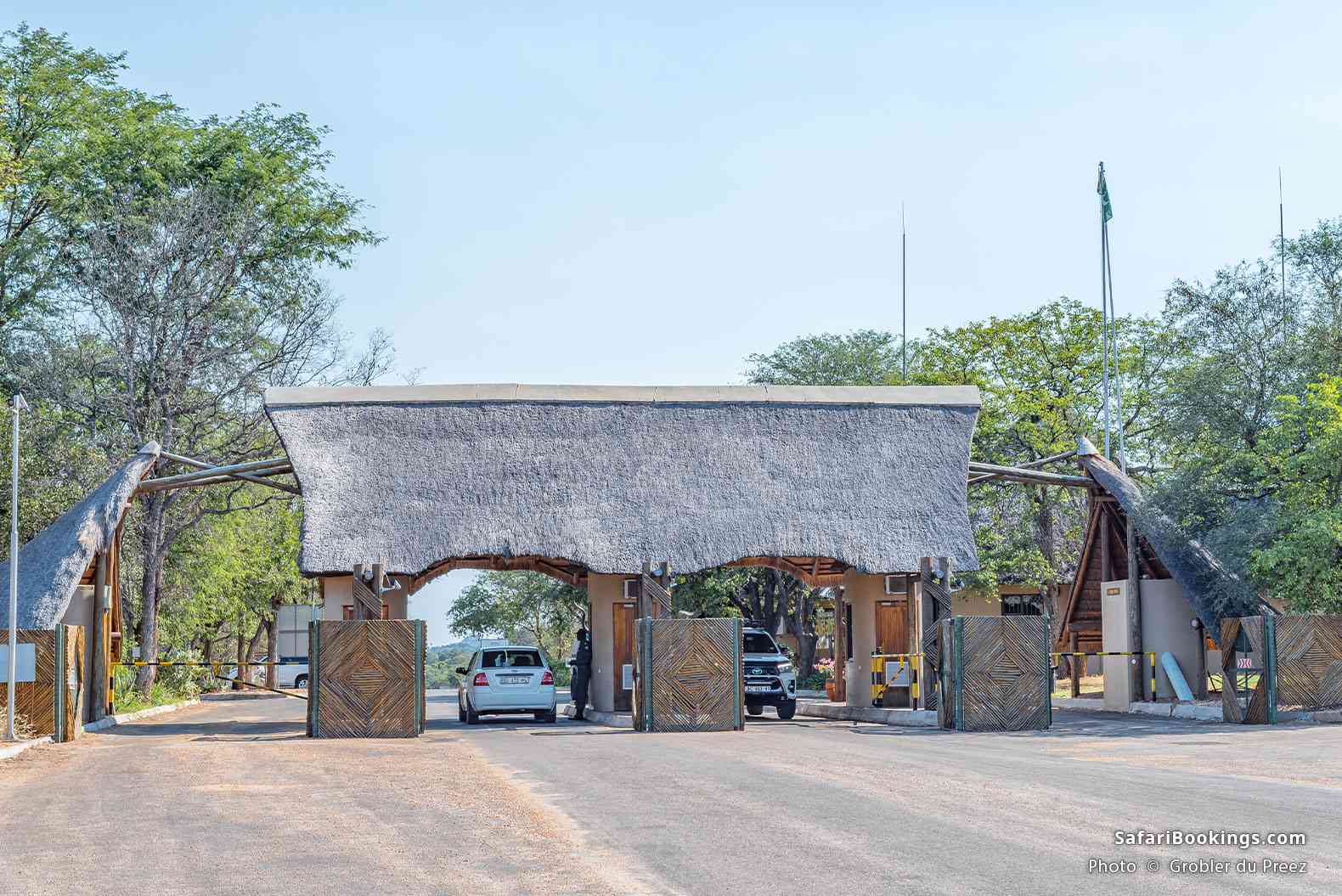 Phalaborwa entrance gate of Kruger National Park
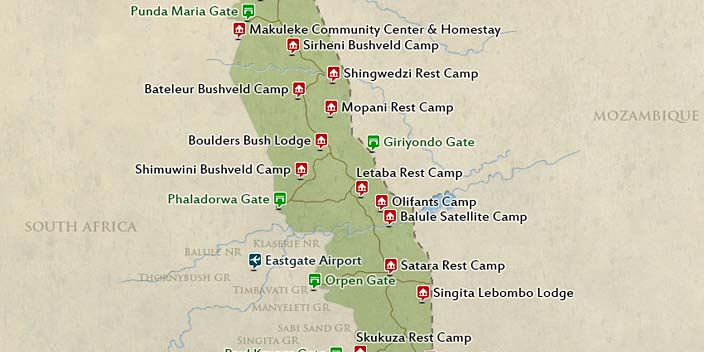
Measuring roughly 350km/217mi from north to south, Kruger National Park is situated in the far northeast of South Africa and forms part of a hot and low-lying region called the Lowveld. Its southern half lies in the province of Mpumalanga, while the more remote north is in Limpopo. The park shares a long eastern border with Mozambique and a shorter northern one with Zimbabwe. Much of the western border is unfenced and shared with a group of private reserves, including Sabi Sand Nature Reserve, MalaMala Game Reserve and Timbavati Nature Reserve. Collectively, these are known as Greater Kruger.
The closest city to Kruger is Mbombela (formerly Nelspruit), which is the provincial capital of Mpumalanga and lies 30km/19mi from the western park boundary. More northerly gateway towns include Hazyview, Hoedspruit and Phalaborwa. Depending on which gate you use, the road distance from Gauteng, a highly urbanized province that includes the cities of Johannesburg and Pretoria, is 375km to 600km (233mi to 373mi).
What Wildlife Can I Expect To See?
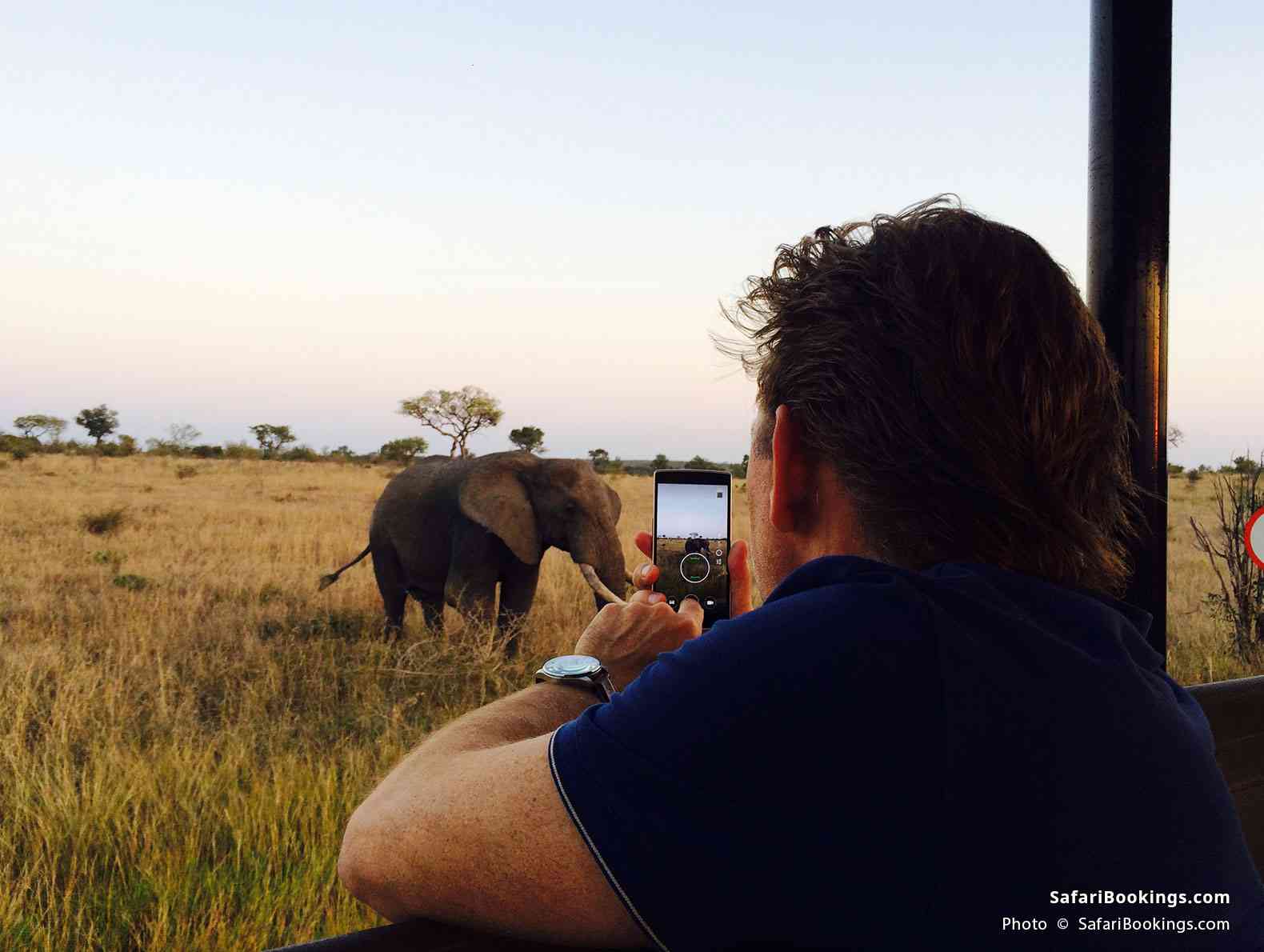 Visitor photographing an elephant on a game drive
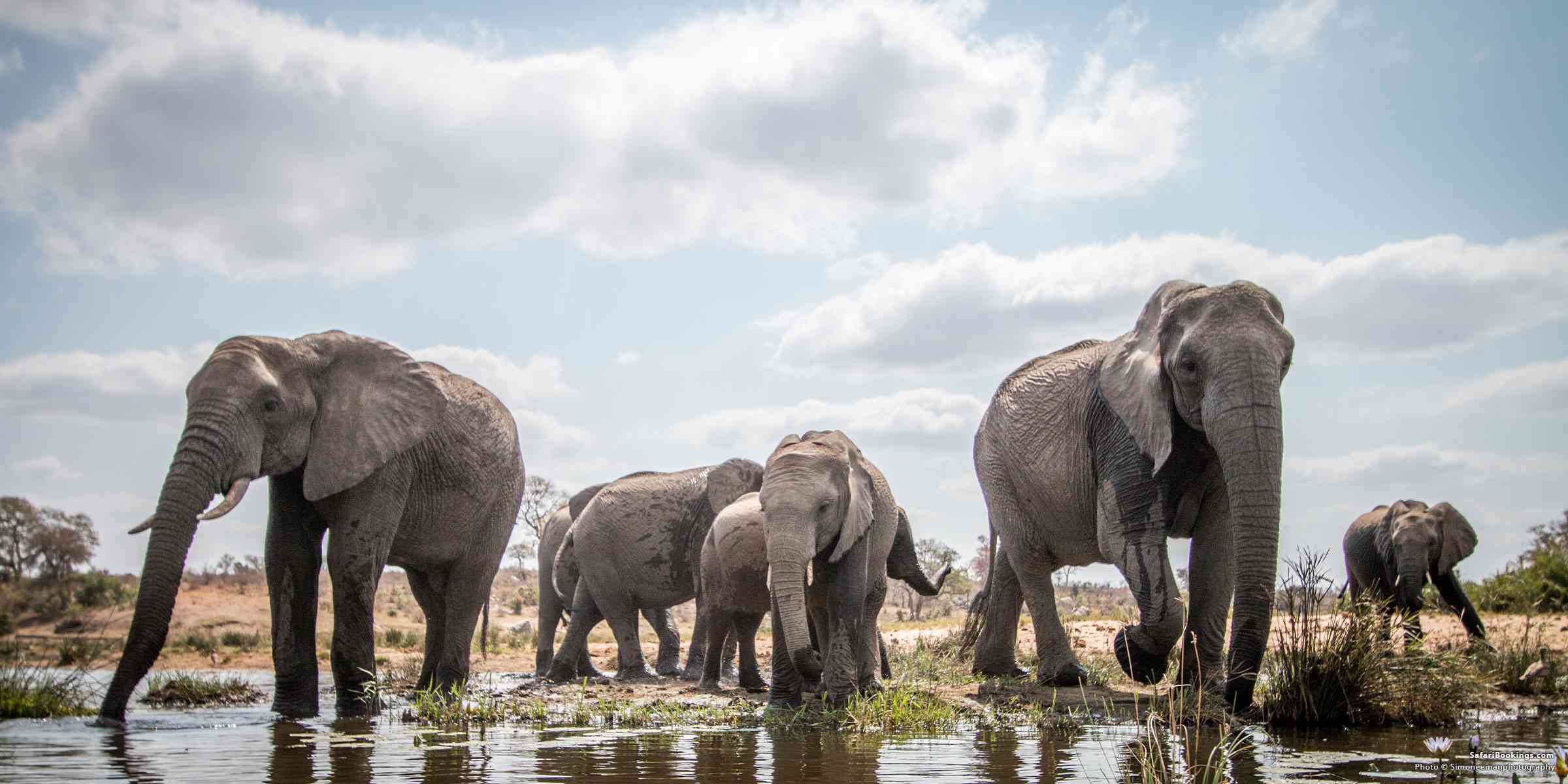
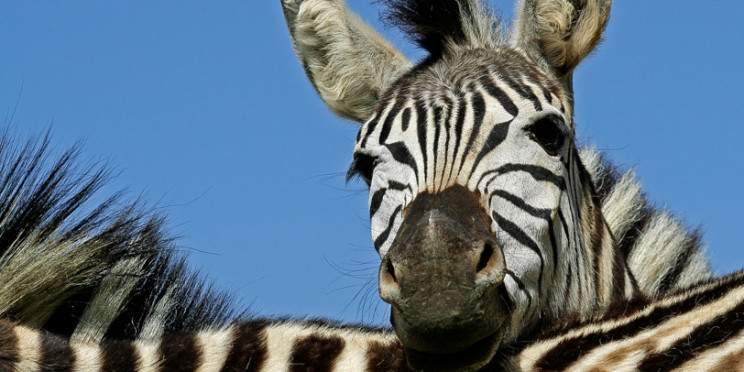
Kruger is home to pretty much all the wildlife you’d hope to encounter on an African safari. How much of it you do see will depend greatly on how long you spend in the park, but also on luck. Even on a short day visit, however, practically all visitors can expect sightings of elephant, buffalo, giraffe, zebra, warthog, vervet monkey, baboon and a wide variety of antelope and birds.
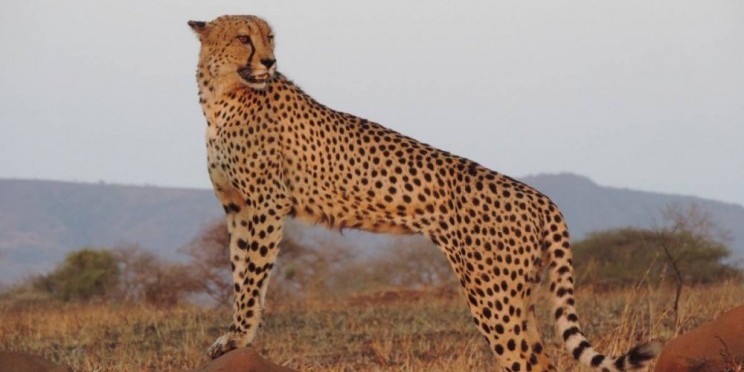
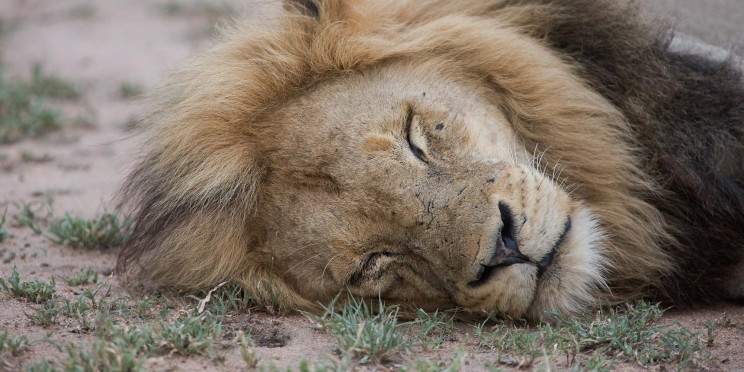
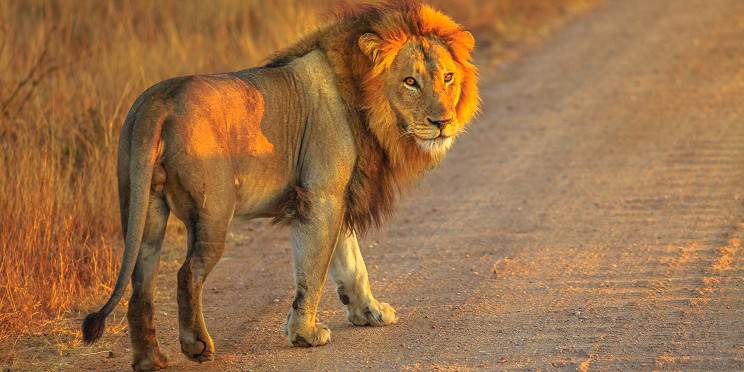
There are no guarantees with large carnivores. You’re probably more likely than not to see lions on a day visit, but would be fortunate to encounter a leopard, cheetah, spotted hyena or African wild dog. White rhinos are seen with some regularity, while black rhinos are more secretive and scarcer. The odds of spotting large carnivores and rhinos improve if you spend several days in the park. Better still, think about adding a stay at an adjoining private reserve in Greater Kruger.
How Do I Get To Kruger National Park?
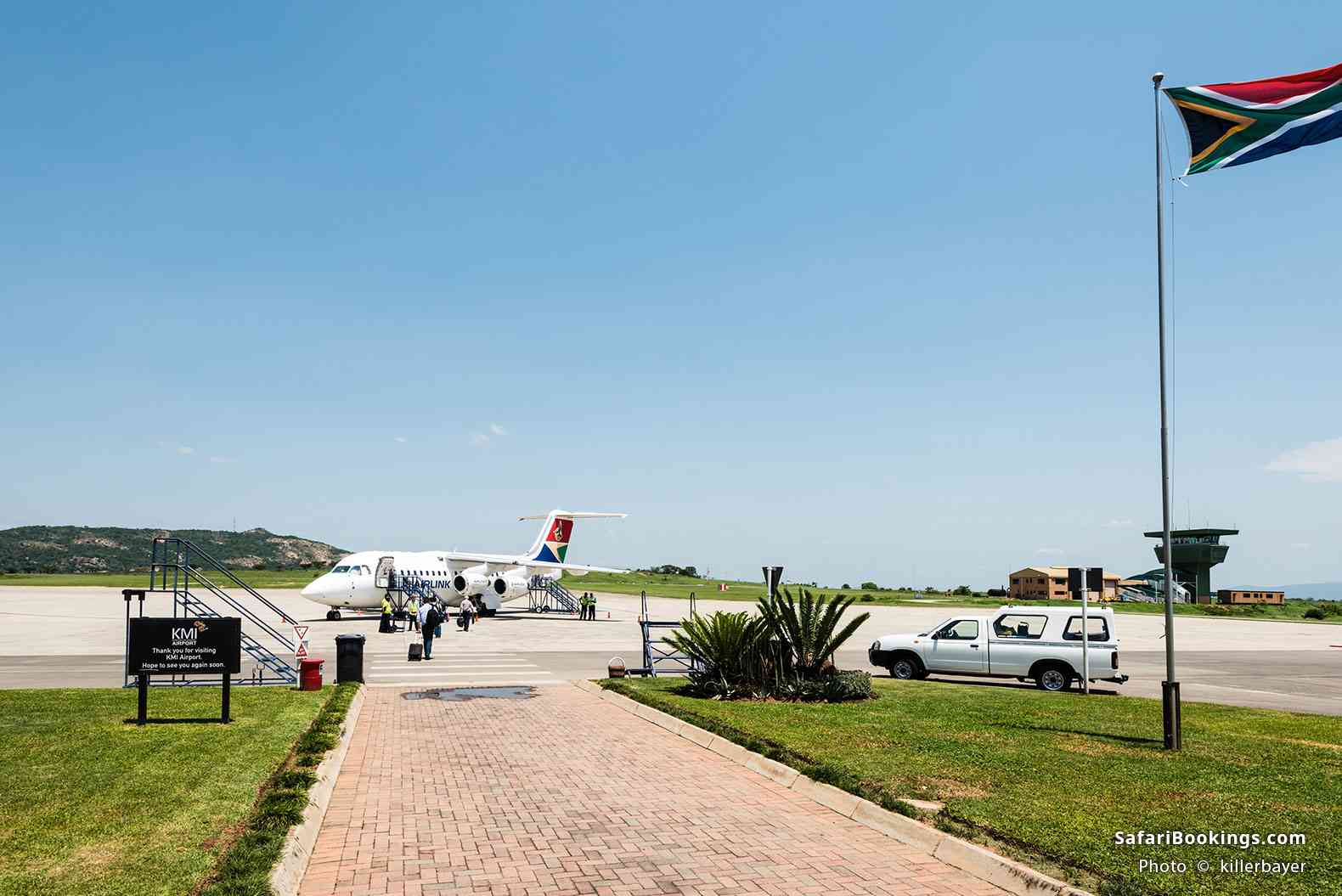 Passengers departing Kruger Mpumalanga Airport
Whether you fly or drive, Kruger National Park is one of Africa’s more accessible safari destinations. Most visitors arrive in South Africa at Johannesburg’s O.R. Tambo International Airport (JNB). From O.R. Tambo, scheduled flights run daily to three airports in and around Kruger. These are Skukuza (SZK; situated inside Kruger), Kruger Mpumalanga (MQP; 40km/25mi from Southern Kruger’s Numbi Gate) and Hoedspruit’s Eastgate (HDS; 70km/43mi from Central Kruger’s Orpen Gate). There are also scheduled flights from Cape Town International Airport (CPT) to Kruger Mpumalanga and Eastgate. Rental cars are available by arrangement at Skukuza, Kruger Mpumalanga or Eastgate.
Many visitors travel from Johannesburg to Kruger by road. There are two ways of doing this. The more conservative option is to book onto a guided multiday safari, while the more adventurous choice is to arrange a rental car at O.R. Tambo and self-drive. Either way, the 375km/233mi drive to Numbi Gate, the closest park entrance, takes at least five hours. Other gates are significantly farther from Johannesburg, and if you are staying inside the park you must also allow time to reach your rest camp.
Can Kruger National Park Be Combined With Other Parks?
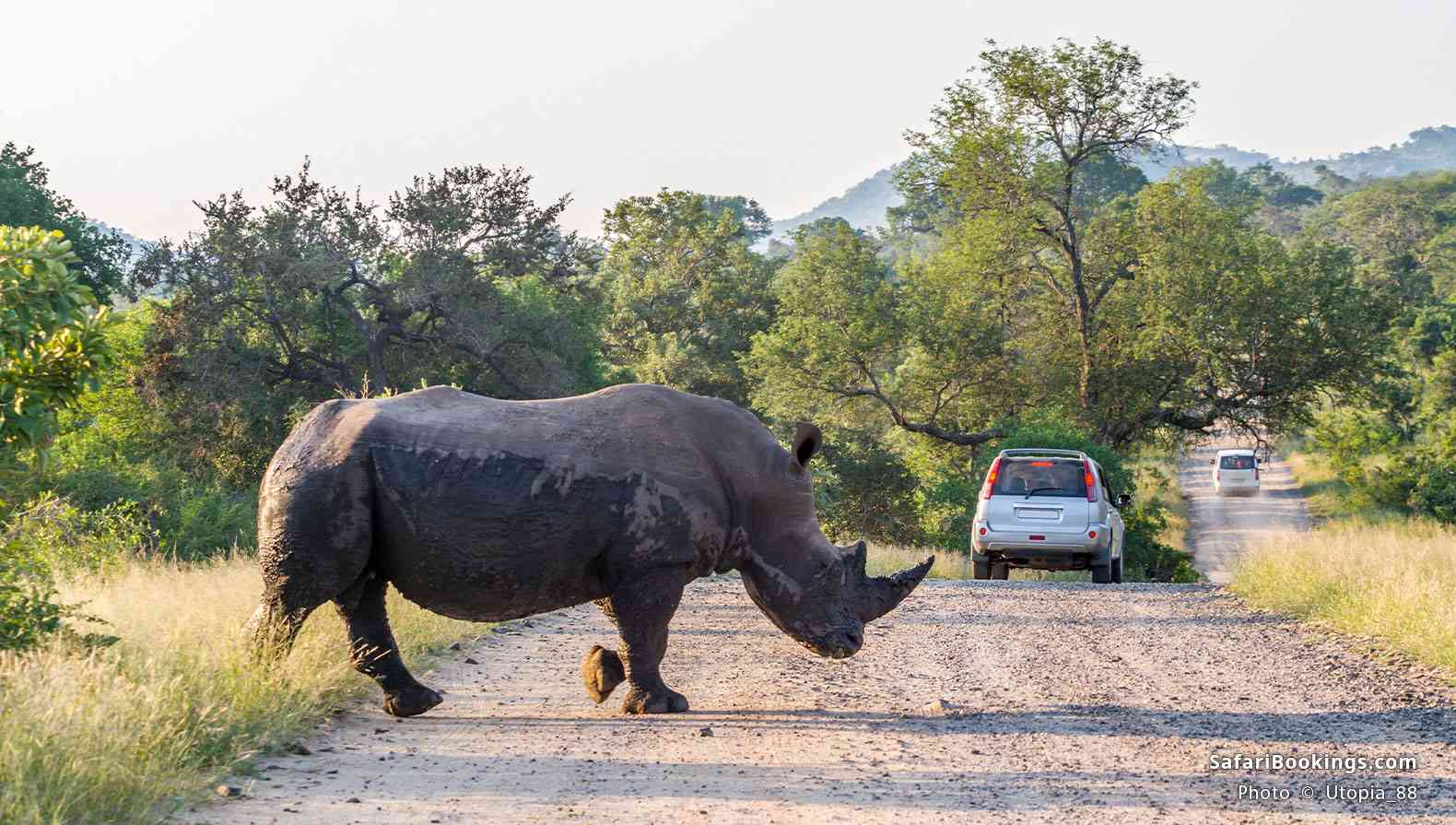 Rhino crossing a road in Kruger National Park
Kruger National Park is usually seen as a stand-alone safari destination rather than part of a multi-park circuit. Having said that, many travelers who include Kruger on an extended South African itinerary will also visit other parks. If you want to be reasonably certain of checking off all the Big Five, a good option is to combine a few days in Kruger with an overnight stay in a neighboring private reserve.
For those driving between Kruger and Durban, it’s worth exploring some of the many reserves in northern KwaZulu-Natal province. These include the staggeringly biodiverse iSimangaliso Wetland Park (a Unesco World Heritage Site), rhino-rich Hluhluwe-iMfolozi Park, off-the-beaten-track Ithala Game Reserve and exclusive Phinda Private Game Reserve.
When Is the Best Time To Visit?
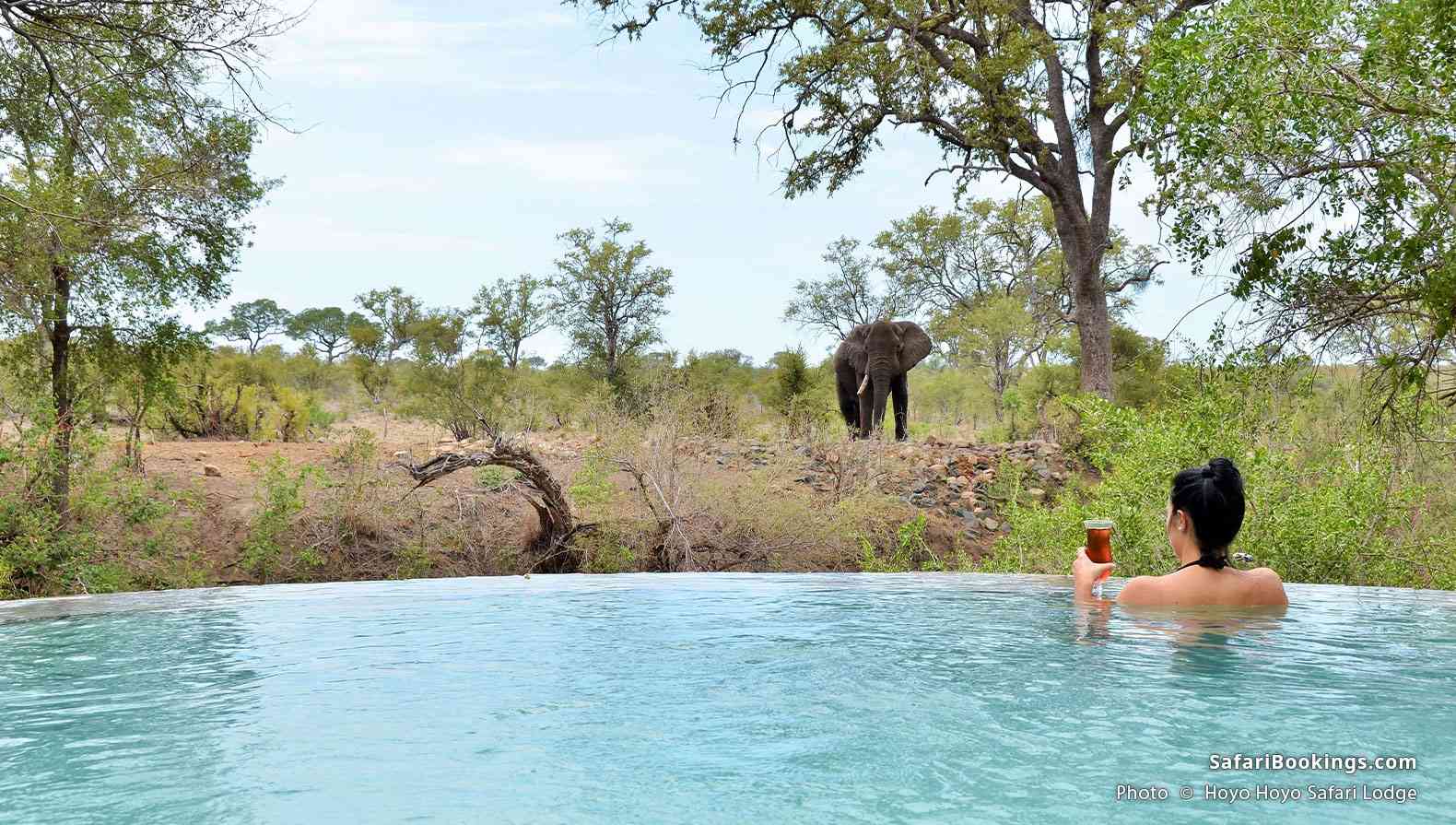 Visitor watching an elephant from a swimming pool at Hoyo Hoyo Safari Lodge
Kruger is rewarding throughout the year, but the best time to visit is undoubtedly from May to September. The vegetation thins out during these dry winter months, making it far easier to spot animals, and wildlife tends to concentrate around permanent water sources rather than dispersing deep and wide into the bush. Conditions become drier as winter progresses, which means September is often cited as the ideal month for wildlife viewing in Kruger, and this trend continues until the first rain falls, usually in October or November.
Winter is characterized by pleasantly warm days and cool evenings, but can be quite chilly at night. It is generally preferable to summer, when days can be very hot and humid, and there is more rain and a greater risk of being exposed to malaria. April, May, September and October offer a good compromise between mid-season extremes. South African school holidays and long weekends are best avoided as the park tends to become more crowded, especially in the far south. One group that prefers summer to winter is bird-watchers; this is mainly because resident species are joined by a wide range of colorful migrants from November to April.
How Do I Get Around in Kruger National Park?
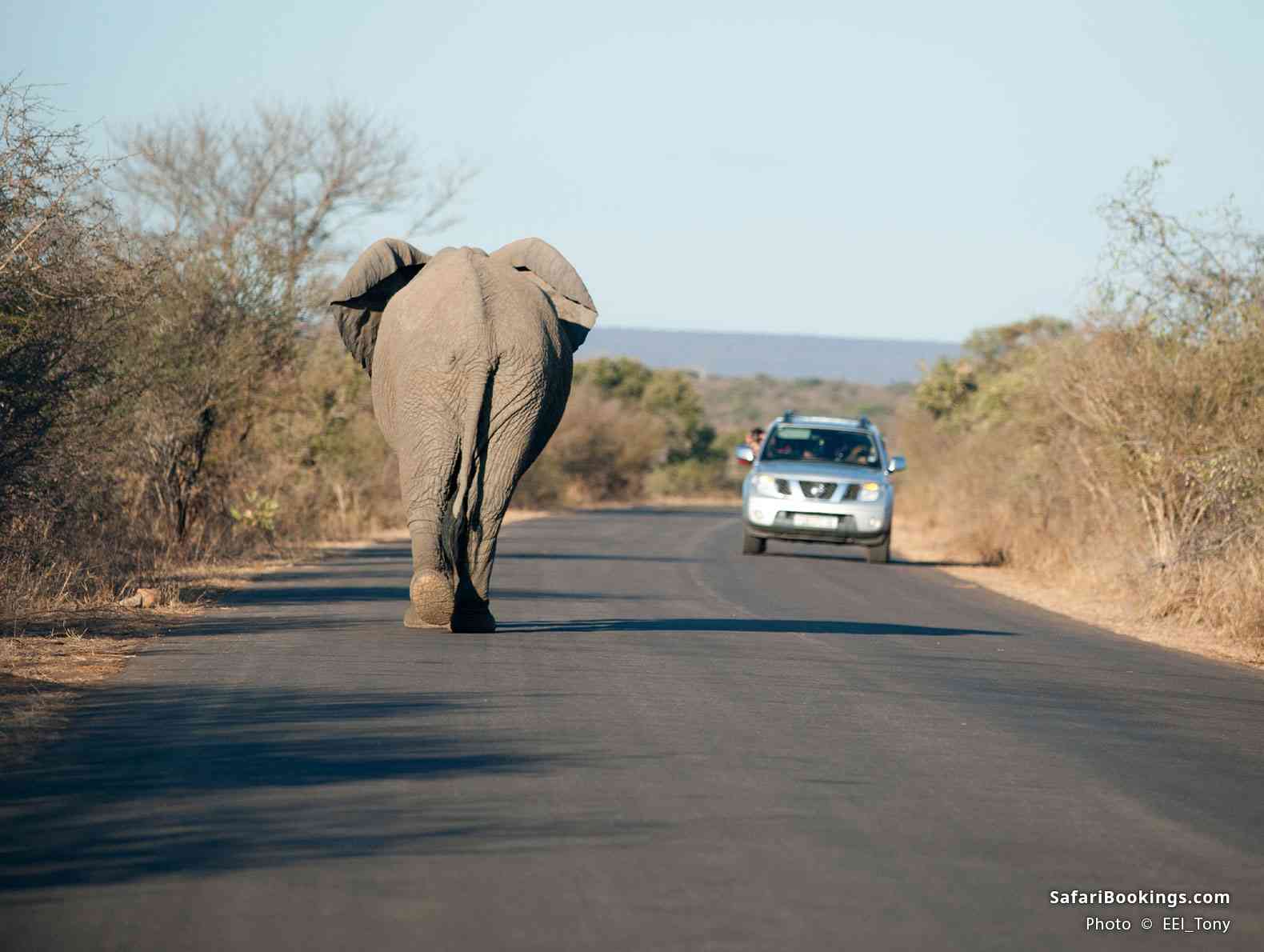 Elephant walking toward a car in Kruger National Park
Kruger is a popular self-drive destination. All the park’s entrance gates and rest camps are connected by surfaced roads, and the supplementary network of dirt side roads can also be covered in any vehicle. Detailed maps are available at all entrance gates, and road junctions are clearly signposted, so there’s little risk of losing your way.
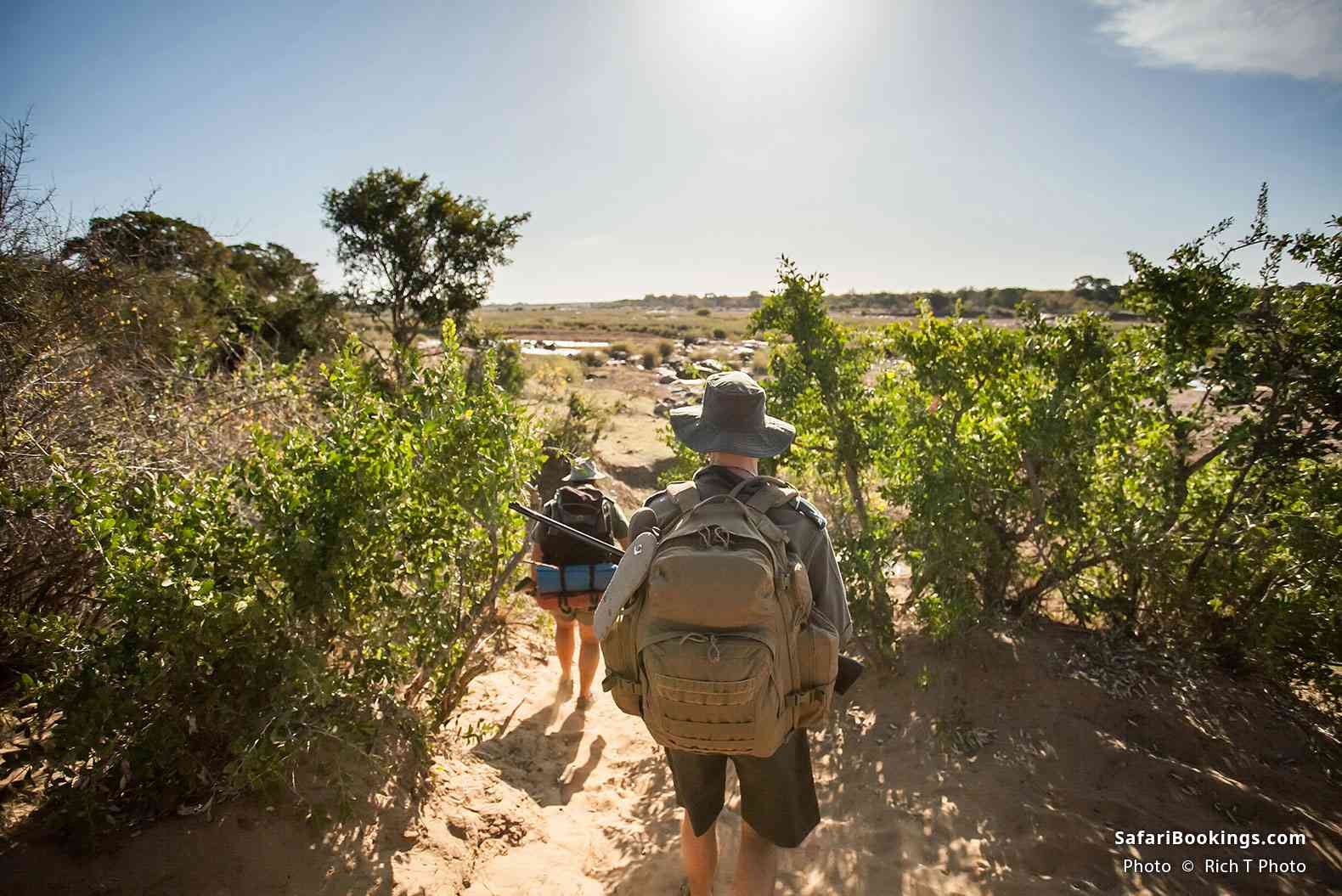 Visitors on a walking safari in Kruger National Park
If you don’t fancy self-driving, it’s also possible to book a guided day trip from outside the park or a longer safari. Most rest camps offer guided game drives and night drives. For obvious reasons, it is forbidden to walk unguided outside of rest camps and a handful of other designated areas. However, most rest camps offer guided bush walks, and it is also possible to join a three-day/two-night Wilderness Trail, though these are generally booked up well in advance.
How Many Days Should I Stay?
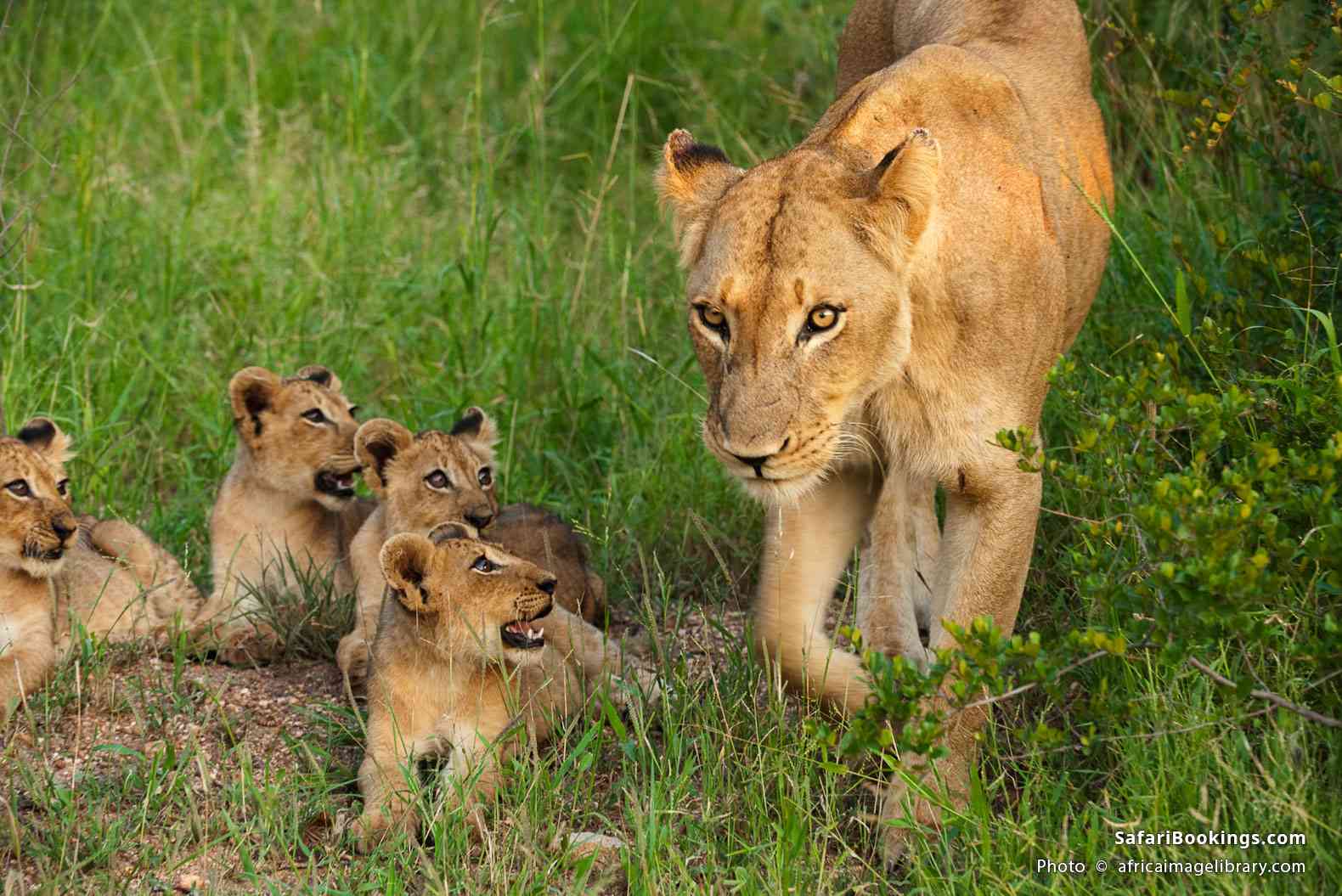 Lioness with cubs in Kruger National Park
This is a personal decision and depends both on how much time you have available and how deeply you’re interested in wildlife. At one extreme, many visitors are content to do a half-day safari in Kruger from a base outside the park. At the other, there are South African wildlife-lovers who return to Kruger for a couple of weeks every year.
As a rough guideline, three or four nights is the sweet spot for most first-time safari-goers. This gives you a decent chance of spotting all the Big Five, but it’s not so long that game drives start to feel repetitive. Having said that, you need at least 10 days – or better, two weeks – to explore this vast park in its entirety from north to south. However, even if time or financial constraints mean you can only spend a few hours in Kruger, it is still bound to be an exciting and worthwhile experience.
Is the Park Safe To Visit?
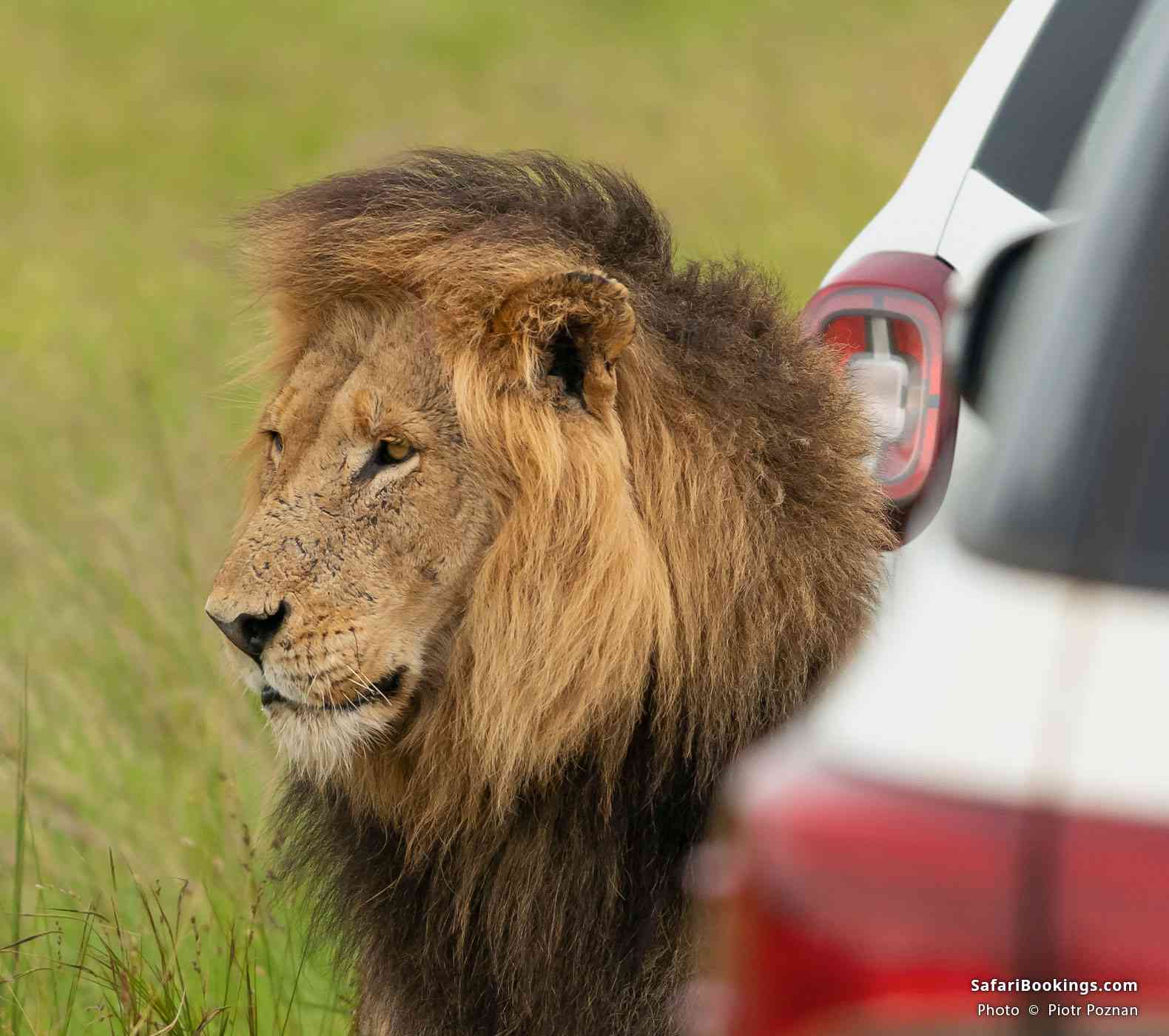 Lion standing next to tourist cars in Kruger National Park
Kruger National Park is considered safe to visit. The park itself is virtually free of crime, but approach roads are best avoided after dark and visitors spending time in nearby towns such as Mbombela, Hazyview and Hoedspruit should exercise moderate caution.
Kruger is a low-risk malaria area, but even in summer the chance of catching it is far lower than in most other major African safari destinations, and it is almost nonexistent in the dry winter months (May to September).
Wildlife viewing from a vehicle is very safe, though it pays to be alert when elephants are blocking the road or standing very close by. Disembarking from your vehicle outside of rest camps, picnic sites and other designated areas is both forbidden and foolhardy.
How Can I Avoid the Crowds in Kruger National Park?
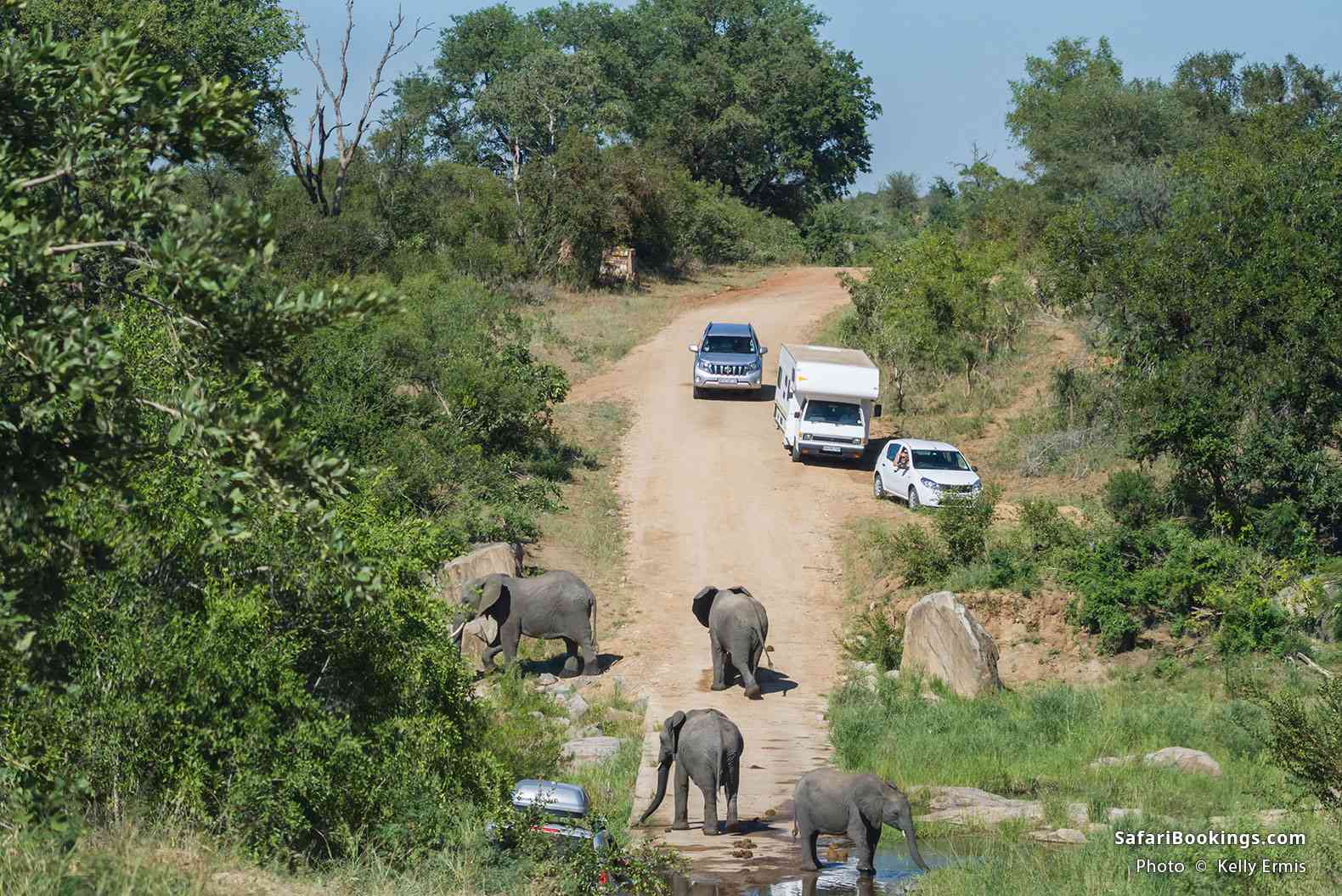 Elephants blocking the road in Kruger National Park
A common complaint about Kruger is that it can become very busy, and vehicles tend to crowd lion, leopard and cheetah sightings. This criticism applies most to the compact, wildlife-rich sector south of the Sabie River. Not only is Southern Kruger the closest part of the park to Johannesburg, but it also accounts for a full 40% of visitor accommodations, and attracts the largest number of day visitors. If you are visiting this sector – which generally provides the most reliable wildlife viewing – it helps to avoid school holidays and long weekends, when the park is at its busiest.
Another option is to avoid Southern Kruger altogether. The prime elephant, lion and cheetah country of Central Kruger, which lies between the Sabie and Olifants Rivers, is relatively quiet and still offers good wildlife viewing. Self-drivers who really want to escape the crowds could also head into remote Northern Kruger. It is much less crowded than the rest of the park, but also tends to be slower when it comes to wildlife sightings. Another option for an exclusive experience is to stay at one of the concession lodges or the private reserves of Greater Kruger.
What Are the Best Places To Stay?
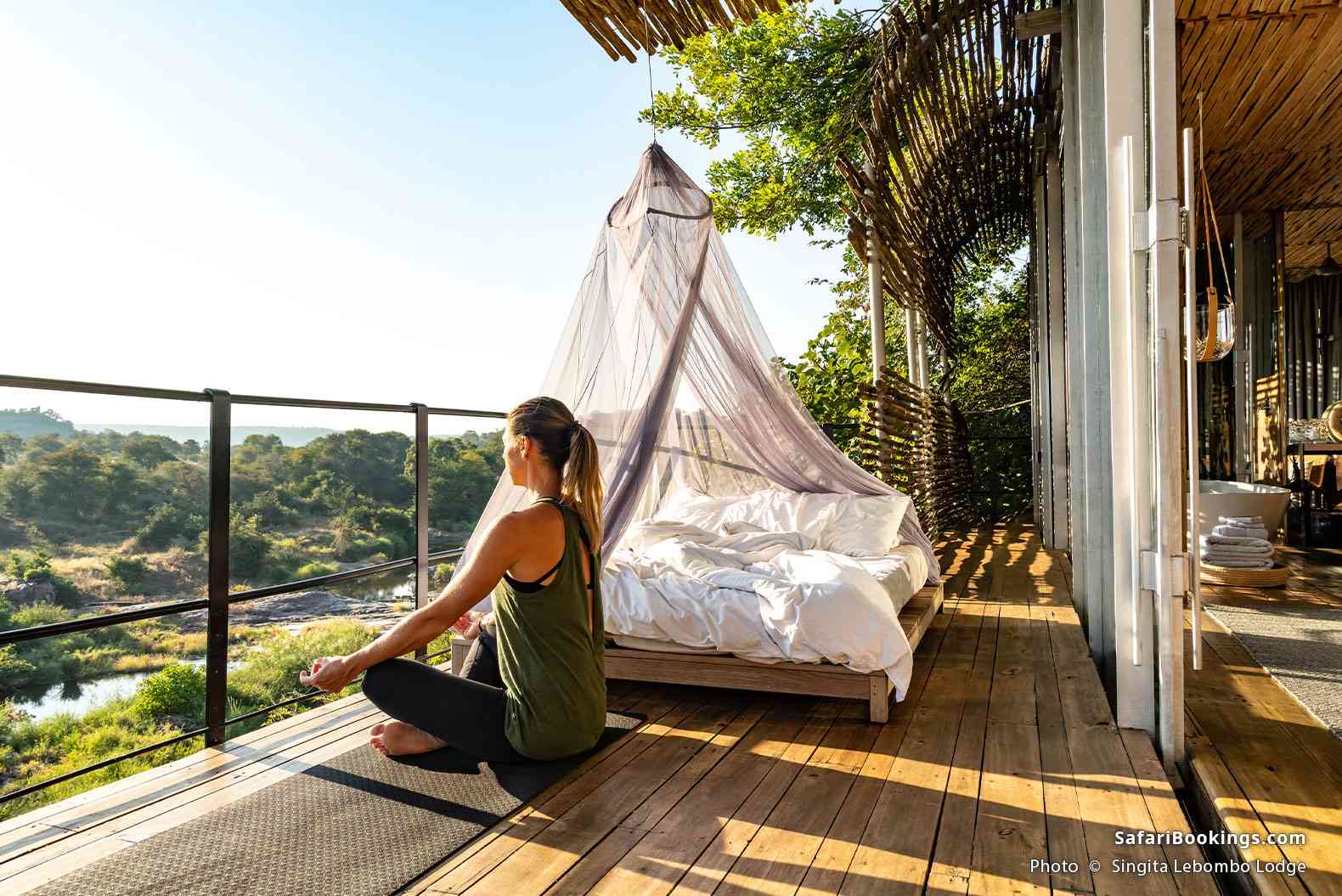 Visitor relaxing on a private terrace in Singita Lebombo Lodge
Kruger has a range of accommodations suited to all budgets and travel styles. Most visitors stay in one of the 12 main rest camps. These typically offer a choice of camping sites, basic huts and tented units – all of which use shared toilet and shower blocks – as well as more comfortable en suite bungalows and family guesthouses. The largest rest camps are Skukuza and Satara, while smaller, quieter and more scenic options include Lower Sabie, Olifants, Letaba and Shingwedzi. For a more intimate self-catering experience, the park also runs several small satellite camps, bush camps and bush lodges.
For a more luxurious experience, Kruger incorporates several concessions that are leased to individual operators and serviced by one or more small private lodges. Much like the private reserves of Greater Kruger, concessions such as Lukimbi, Shishangeni, Jock and Mluwati offer luxury packages that include guided activities in areas with low guest densities. The most upmarket accommodations in Kruger are the pair of concession lodges operated by Singita in the Lebombo area. There are also quality private lodges in the community-owned Makuleke Contractual Park in the far north.
What Facilities Are There?
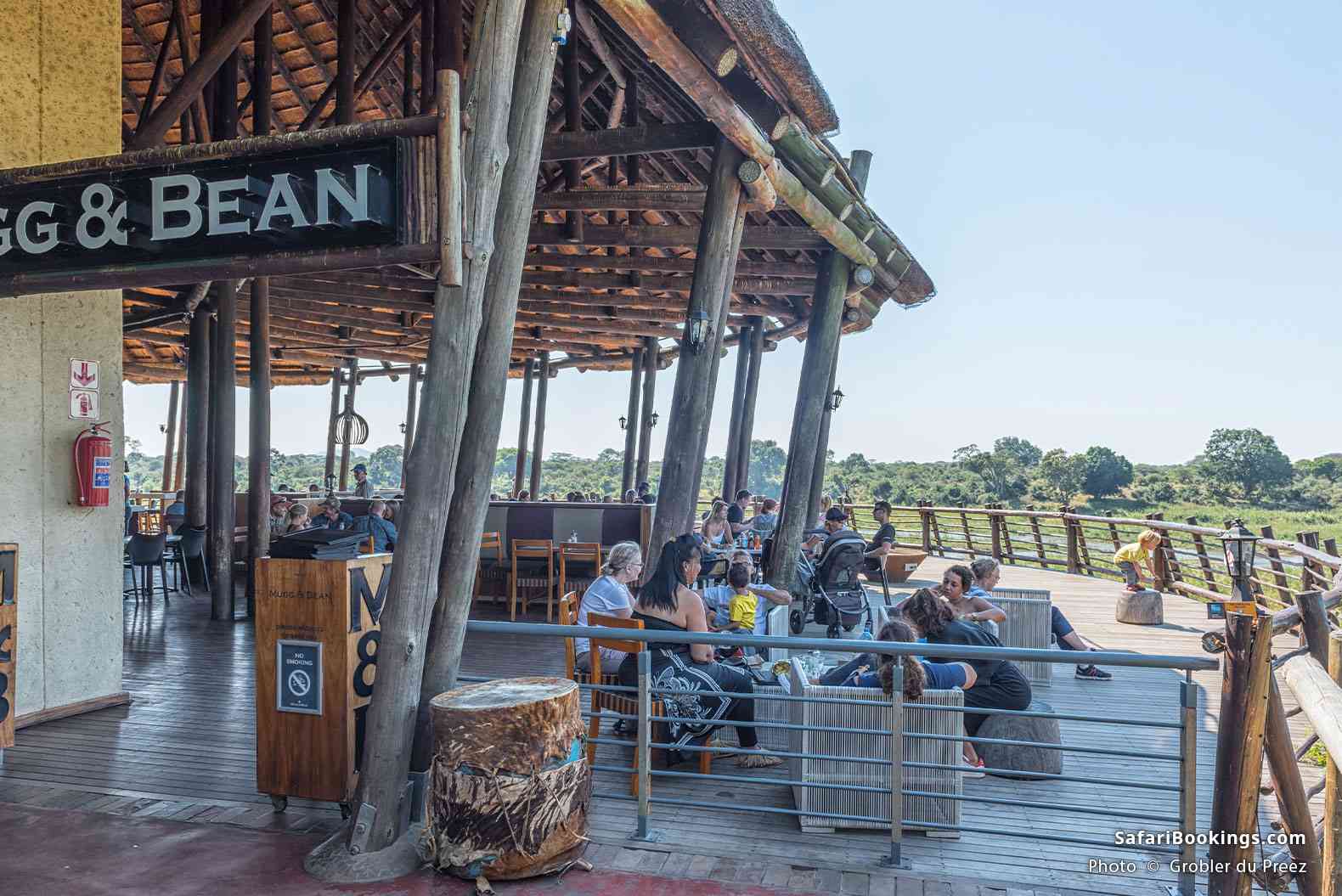 Restaurant deck in Lower Sabie Rest Camp
Kruger is Africa’s most developed safari destination when it comes to facilities for self-drive visitors. In addition to offering accommodations, the main rest camps all have a restaurant and/or café, a filling station, a laundromat and a well-stocked shop selling a wide selection of food and drink. Skukuza also has medical facilities, an ATM and an airstrip. Outside the rest camps, the park is dotted with picnic sites with toilets, barbecue facilities and snack kiosks, as well as game-viewing hides and lookout platforms overlooking watering points that tend to attract plenty of wildlife.
A unique feature of Kruger is the immense body of quality interpretative material dedicated specifically to the park. This includes detailed guidebooks, bird field guides, illustrated map books and wildlife identification charts, all of which can help self-drive visitors make the most of the experience. These publications are sold at most park entrance gates and rest camp shops.
What Are the Costs for Visiting Kruger National Park?
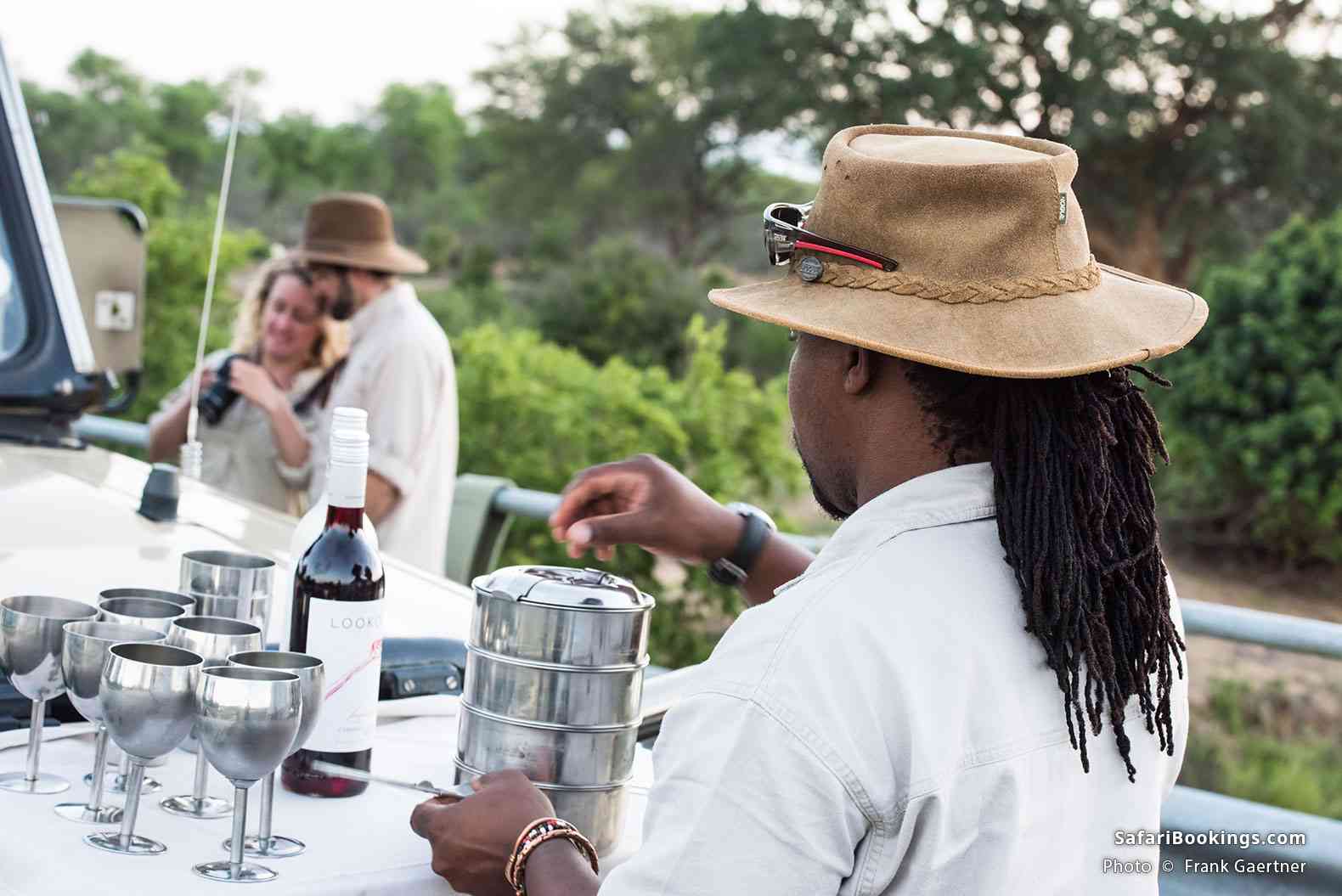 Guide preparing sundowner drinks in the bush at Kruger National Park
Kruger is a relatively affordable safari destination, especially for self-drivers. A couple using a small rental car could aim for a daily minimum budget of US$75 per person if camping or US$100 if staying in simple huts and standing tents. This includes car rental, fuel, conservation fees, accommodations costs, and food and drink (assuming you self-cater). A daily budget of US$150 per person would allow you to eat in restaurants and stay in superior rest camp units.
The price of a guided Kruger safari depends greatly on duration, group size and where you stay. Expect to pay around US$150 to US$200 per person for a half- or full-day safari out of a nearby town such as Hazyview or Hoedspruit. For longer visits, budget safaris staying at rest camps inside the park typically cost US$200 to US$350 per person per day. More luxurious safaris vary greatly in price, depending on where you stay (many use lodges in exclusive concessions or private reserves) and whether flights are included.
Want To Visit Kruger?
Click on the button below to compare Kruger tours offered by top-rated tour operators.
By Philip Briggs Philip is a renowned Africa expert and author of ‘The Rough Guide to Game Parks of South Africa’.
More About This Author


 Subscribe to our newsletter
 Follow us on Instagram
Safari Tours to South Africa
-
![5-Day Kruger Park and Sabi Sands Memorable Safari]()
5-Day Kruger Park and Sabi Sands Memorable Safari
$1,923 to $2,129 pp (USD)
South Africa: Private tourLuxuryLodge & Tented Camp
You Visit: Mbombela / Nelspruit (Start), Kruger NP, Sabi Sabi GR (Sabi Sands), Skukuza (End)

African Family Safaris
5.0/5 – 27 Reviews

-
4-Day Kwazulu Natal Safari with Springbok Lodge
$1,092 to $1,354 pp (USD)
South Africa: Private tourLuxuryLodge
You Visit: Durban (Start), Nambiti GR (KZN Parks), Durban (End)
Indigo Safaris
4.8/5 – 233 Reviews
-
![4-Day Classic Kruger Park Safari]()
4-Day Classic Kruger Park Safari
$1,319 to $1,453 pp (USD)
South Africa: Shared tour (max 6 people per vehicle)
Mid-range LodgeYou Visit: Johannesburg (Start), Kruger NP, Johannesburg (End)
Wildlife Safaris
5.0/5 – 335 Reviews