$3,549 pp (USD)
2 travelers on Start dateArrival
Arrival

Day 1
Arusha National Park
Arusha National Park
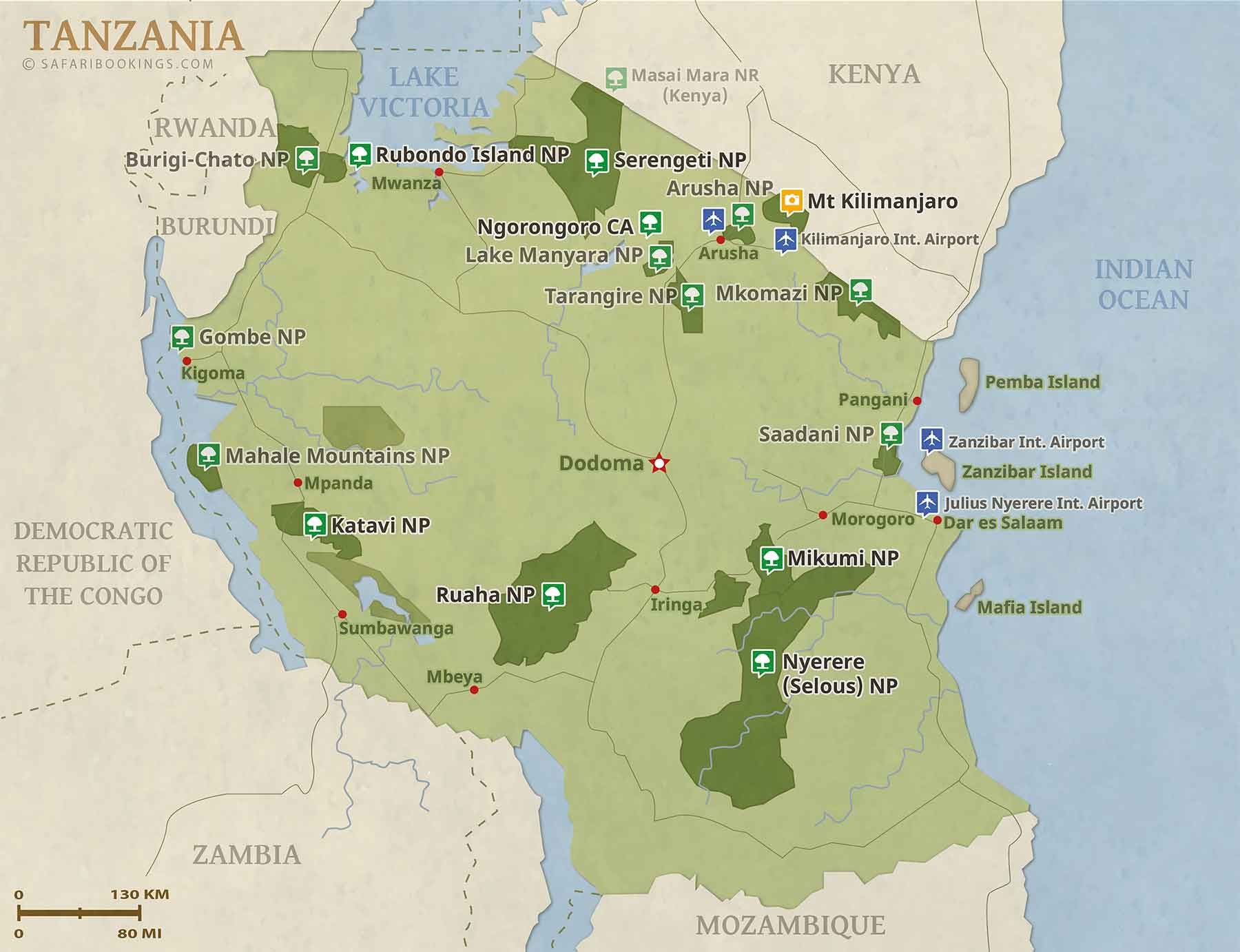
You'll be picked up from your accommodation in Arusha and driven to the park.
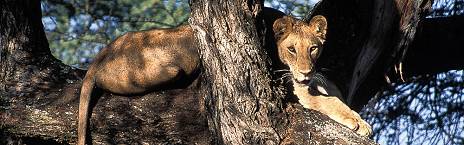
You'll embark on a full-day game drive through the park. Your drive will take you to park landmarks such as the Momella Lakes and Ngurdoto Crater, sometimes known as “Little Ngorongoro.”
Canoe Safari: Available at an extra cost. You'll trade the car for a canoe as you take a guided canoe safari on the Momella Lakes to see bushbucks, giraffes, hippos, and buffalo.
Walking Safari: Available at an extra cost. Stretch your legs with a guided walking safari through the park. While on your safari, you can expect to see endless acres of forest, home to black and white colobus monkeys, zebras, buffalos, and a variety of antelopes. You will also have a chance to observe more than 400 bird species, including the crowned eagle, lanner falcon, and Levaillant’s cuckoo. You'll return to Arusha late in the afternoon with a head full of memories and a camera full of unforgettable photos, or be dropped off at Arusha Airport.
- Main Destination:
- Arusha National Park
- Accommodation:
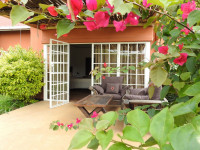
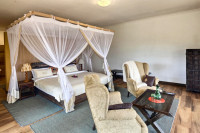
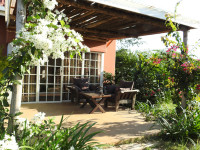
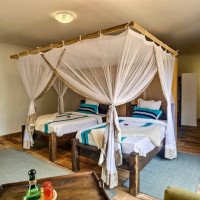
- Olerai Lodge
Wildlife in Arusha NP


- Meals & Drinks:
Day 2
Lake Manyara National Park
Lake Manyara National Park
You'll depart from Arusha after breakfast for the drive to Lake Manyara National Park. The journey takes approximately two hours, but we'll pass through the market town of Mto wa Mbu along the way. This agricultural and fresh produce market is a melting pot of local cultures and a souvenir hunter's paradise.
After a brief stop at the village market, you'll enter Lake Manyara National Park. The park is truly a photographer's playground and offers some of the best game viewing in the world. You can expect to see many of Africa's most well-known animals, with the tree-climbing lions a particular treat.
Bird-watchers will find Lake Manyara is an absolute delight, with a huge variety of birds on display in the park. Even the novice can expect to be amazed by large flamingo flocks, circling birds of prey, and the brightly coloured lilac-breasted roller.
You'll then retire to your chosen accommodation for dinner and a good night's rest.
- Main Destination:
- Lake Manyara National Park
- Accommodation:
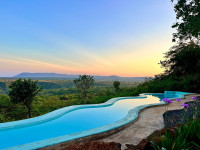
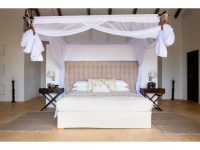
- Mawe Mawe Lodge
Wildlife in Lake Manyara NP
- Meals & Drinks:
Day 3
Serengeti National Park
Serengeti National Park
We'll take an early breakfast, as we've got a big day of exploration and adventure ahead of us!
We'll begin the day with the scenic drive towards the Serengeti. Along the way, we'll pass through the mist-shrouded rainforests of the Ngorongoro Conservation Area where you might be lucky enough to glimpse Cape buffalo, baboons, or even elephants and leopards in the dense undergrowth.
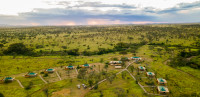
After a delicious lunch at the Serengeti National Park picnic area, it’s time to explore the Serengeti itself. Witness Africa’s iconic savannah landscape and be amazed by the sheer number of animals that roam these grassy plains.
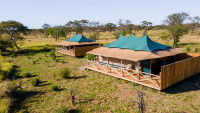
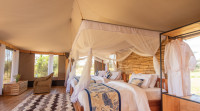
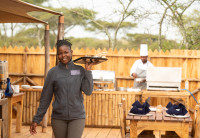
Dinner and your overnight stay will be in the heart of the Serengeti National Park according to the standard and the type of accommodation requested from our options.
- Main Destination:
- Serengeti National Park
- Accommodation:
- Nyota Serengeti Camp
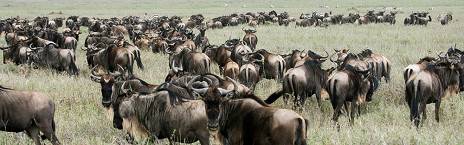
Wildlife in Serengeti NP
- Meals & Drinks:

Day 4
Serengeti National Park to the Ngorongoro Conservation Area
Serengeti National Park to the Ngorongoro Conservation Area
After breakfast, we will get right on the road towards the Ngorongoro Conservation Area.
Our drive takes us back through the Serengeti via a different route, offering plenty of opportunities to spot the animals that eluded you on day two. As far as the eye can see, you’ll spot thousands upon thousands of animals in herds; wildebeests and zebras migrating together, tall and graceful giraffes, jumping antelopes and gazelles, the powerful African elephant and the most respected group of animals: the predators. You will have the chance to spot lean cheetahs and shy leopards, foraging hyenas, and last but not least, the king himself; the lion.
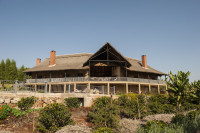
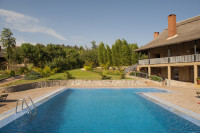
Dinner and your overnight stay will be in nearby Karatu Town according to the standard and the type of accommodation requested from our options.
- Main Destination:
- Ngorongoro Highlands
- Accommodation:
- Kitela Lodge


- Meals & Drinks:
Day 5
Ngorongoro Crater
Ngorongoro Crater
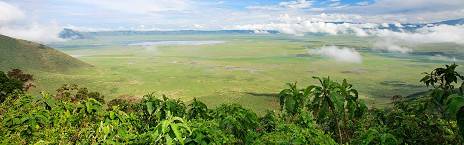
After breakfast, you'll depart for Ngorongoro Crater; considered by some to be the eighth Wonder of the World. When you get your first glimpse of this vast, verdant caldera from the panoramic viewpoint, you'll soon understand why it has earned such a lofty reputation.
Home to over 120 species of mammal including the fabled Big Five, the Ngorongoro Conservation Area is one of the most sought after safari destinations in the world.
From the comfort of your open-top vehicle, you'll be able to observe and photograph some of Africa's most recognizable faces. The crater is home to a large number of predators including lions, leopards, cheetahs, jackals, and hyenas, as well as a large population of wildebeests, zebras, antelopes, Cape buffalo, and more. It is truly one of Africa's premier safari destinations.
You'll then continue to the border of Tarangire National Park for dinner & overnight.
- Main Destination:
- Ngorongoro Crater
- Accommodation:
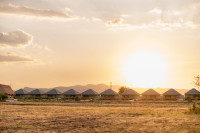
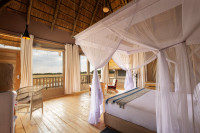
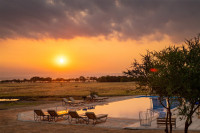
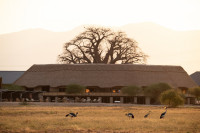
- Lake Burunge Baobab Tented Lodge
Wildlife in Ngorongoro Crater


- Meals & Drinks:
Day 6
Tarangire National Park to Arusha
Tarangire National Park to Arusha
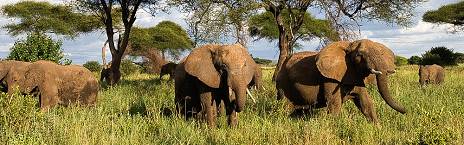
You'll depart your accommodations early for the drive south to Tarangire, where you'll spend your day driving through Tanzania's most underrated national park.
Once inside the park, you'll see the eponymous Tarangire River lined with acacia and baobab where game amble to and fro throughout the day. During the dry season, thousands of animals from the Maasai Steppe migrate to the Tarangire region looking for water so you can see dozens of different species in a small amount of time.
Exclusive to the park are endangered animals such as the greater kudu, fringe-eared oryx, and the ashy starling.
Enjoy a picnic lunch at one of the park's picnic areas and take in an unparalleled view of the Tarangire River. Keep an eye on your food though, as the local monkey population will be only too happy to make off with a tasty treat if given the opportunity!
You will return to Arusha in the late afternoon and be dropped off at your hotel in Arusha or at Arusha Airport.
- Main Destination:
- Tarangire National Park
- Accommodation:
- No accommodation (End of tour)
Wildlife in Tarangire NP
- Meals & Drinks: