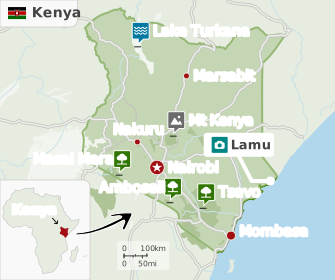
21-30 of 50 Best Things To Do in Kenya
-
Google Maps
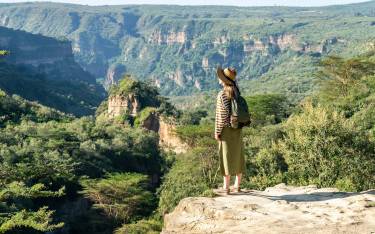
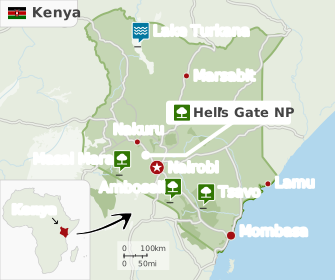
Looking out over a gorge in Hell's Gate NP Hell’s Gate National Park, Kenya. Photo by Melnikov Dmitriy. © All rights reserved 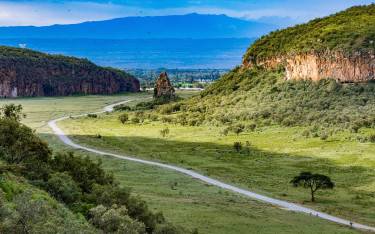
Road running through the park Hell’s Gate National Park, Kenya. Photo by Antony Trivet Photography. © All rights reserved 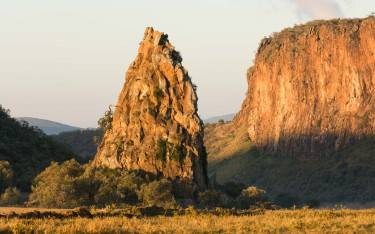
Fischer's Tower volcanic rock formation Hell’s Gate National Park, Kenya. Photo by Ariadne van Zandbergen. © All rights reserved 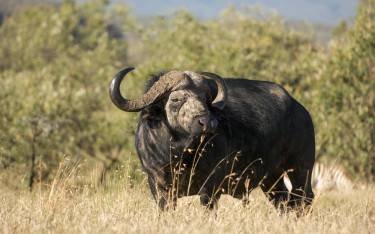
African buffalo Hell’s Gate National Park, Kenya. Photo by Ariadne van Zandbergen. © All rights reserved 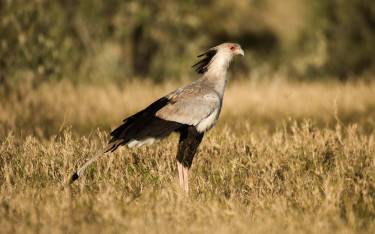
Secretary bird in grassland Hell’s Gate National Park, Kenya. Photo by Ariadne van Zandbergen. © All rights reserved 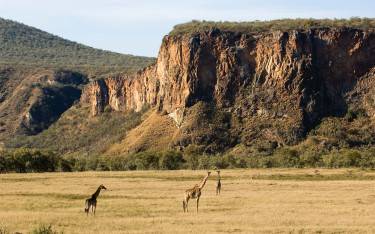
Masai giraffes in front of towering cliffs Hell’s Gate National Park, Kenya. Photo by Ariadne van Zandbergen. © All rights reserved 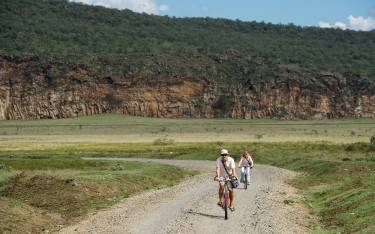
Cycling through the park Hell’s Gate National Park, Kenya. Photo by Ariadne van Zandbergen. © All rights reserved 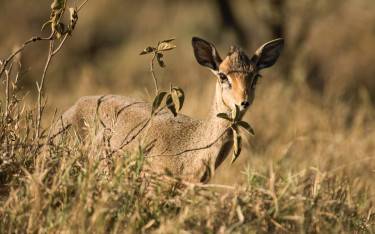
A tiny Kirk's dik-dik Hell’s Gate National Park, Kenya. Photo by Ariadne van Zandbergen. © All rights reserved 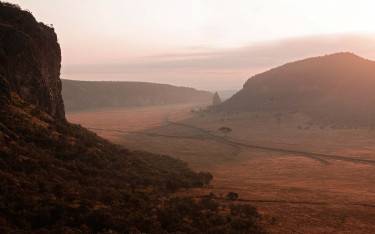
View over the park at dusk Hell’s Gate National Park, Kenya. Photo by WLDavies. © All rights reserved 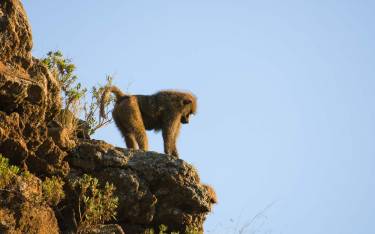
Olive baboon standing high on a cliff Hell’s Gate National Park, Kenya. Photo by Ariadne van Zandbergen. © All rights reserved 21. Hike and Cycle Past Wildlife in Hell’s Gate NP
This scenic park is dominated by a central valley framed by tall red cliffs
If you’ve spent time in Kenya’s main safari destinations, it’s both strange and rather liberating to discover that you can walk or cycle unguided into Hell’s Gate National Park. At first, it feels like you’re doingRead more
something wonderfully naughty. But the near absence of predators in this small park near Lake Naivasha means that walking and cycling are not only permitted but actively encouraged – and even if you arrive by vehicle, you can step outside as you please.Hell’s Gate protects a rugged volcanic landscape studded with ancient lava plugs, bubbling hot springs, glass-like boulders, and sheer cliffs that glow red at sunrise and sunset. It’s a real thrill to be able to walk or cycle here, often within view of giraffe, buffalo, zebra and other wildlife. For the more adventurous, guides and equipment are available for climbing Fischer’s Tower, a striking volcanic plug that guards the main valley’s entrance. -
Google Maps
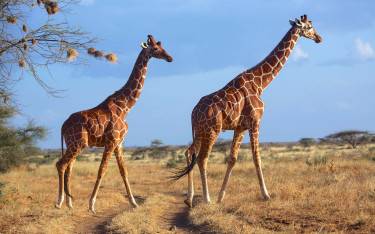
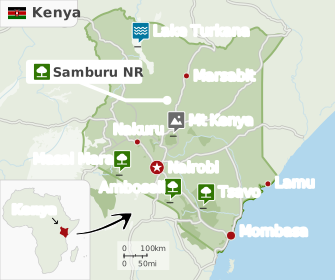
Reticulated giraffes Samburu National Reserve, Kenya. Photo by Matthieu Gallet. © All rights reserved 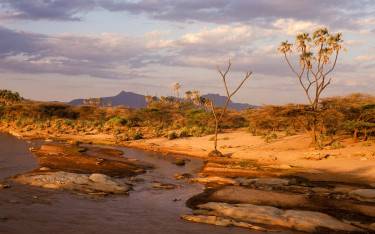
Ewaso Nyiro River Samburu National Reserve, Kenya. Photo by Ariadne van Zandbergen. © All rights reserved 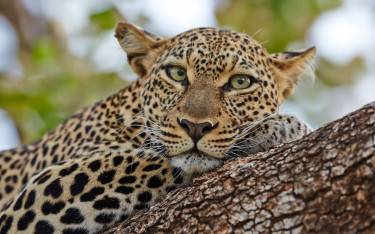
Female leopard lying in a tree Samburu National Reserve, Kenya. Photo by Maggy Meyer. © All rights reserved 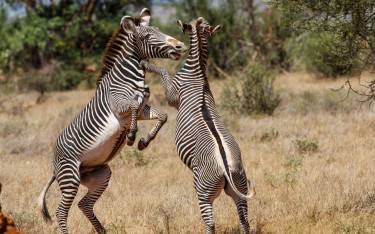
Grevy's zebras fighting Samburu National Reserve, Kenya. Photo by Maggy Meyer. © All rights reserved 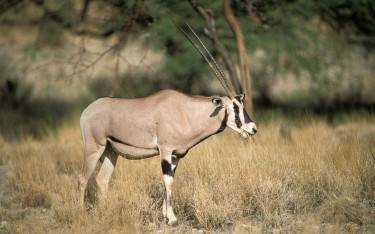
Beisa oryx Samburu National Reserve, Kenya. Photo by Ariadne van Zandbergen. © All rights reserved 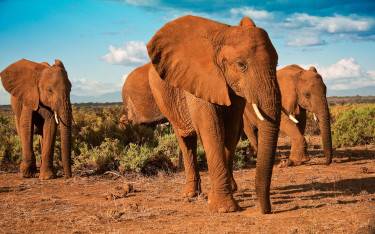
Elephants covered in red dust Samburu National Reserve, Kenya. Photo by danielle mussman. © All rights reserved 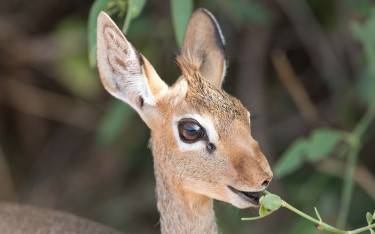
Kirk's dik-dik feeding Samburu National Reserve, Kenya. Photo by JohnCarnemolla. © All rights reserved 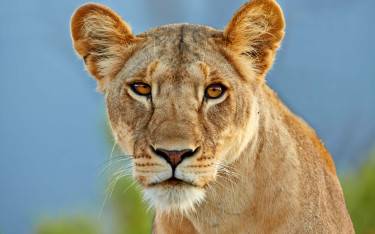
Portrait of a lioness Samburu National Reserve, Kenya. Photo by Maggy Meyer. © All rights reserved 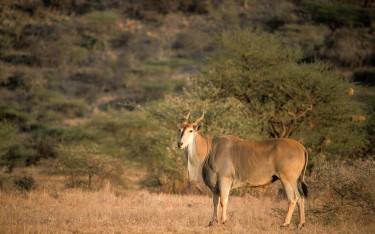
Eland Samburu National Reserve, Kenya. Photo by Ariadne van Zandbergen. © All rights reserved 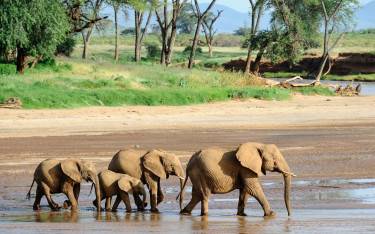
Herd of elephants walking through the riverbed Samburu National Reserve, Kenya. Photo by ~UserGI15633014. © All rights reserved 22. Watch Dry-country Wildlife in Samburu NR
The plains north of Mt Kenya host a wealth of local specials
Samburu National Reserve is different. Together with neighboring Buffalo Springs and Shaba National Reserves, it protects a sun-drenched landscape of thorny and bare rocky bounded by the palm-fringed Ewaso Nyiro River. Separated fromRead more
East Africa’s other main safari destinations by the highlands around Mt Kenya, these semi-arid plains support plenty of unusual wildlife, including the narrow-striped , geometrically marked , regal and timid .Samburu is the best place to see the bizarre , whose long neck is alluded to in its name ‘swala twiga’ (antelope giraffe). In addition, four of the are present, with the exception being rhino. Birders can look out for a number of northern specials, including the blue-legged , cobalt-chested and . The surrounding area is home to the Samburu people, who speak the same language as the Maasai and share many similar customs. -
Google Maps
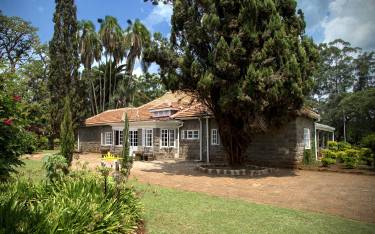
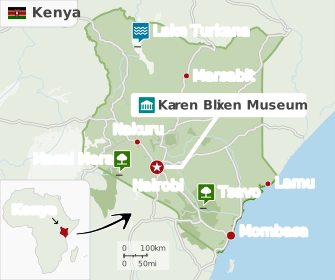
Karen Blixen's house and museum Karen Blixen Museum, Kenya. Photo by Andrzej Kubik. © All rights reserved 23. Visit the Karen Blixen Museum in Nairobi
This period museum explores the life of the celebrated ‘Out of Africa’ writer
A Danish settler who moved to Kenya in 1914, Karen Blixen was a prominent figure in colonial-era Nairobi. Later, under the pen name Isak Dinesen, she wrote the classic memoir ‘Out of Africa’, which vividly capturesRead more
the landscapes and people of early-20th-century Kenya. In 1985, Blixen was played by Meryl Streep in an Oscar-winning film named after that memoir.Blixen lived on an expansive coffee plantation in what is now the forested suburb of Karen. Her charming homestead – complete with wraparound verandas, red-tiled roof and tree-shaded gardens – has been restored as a museum that offers a fascinating glimpse into a complex period of Kenyan history. Period furnishings and personal effects help bring Blixen’s story to life. And if you’ve seen the film, much of which was shot here, you wouldn’t be the first visitor to expect Meryl Streep to appear around the corner at any moment. -
Google Maps
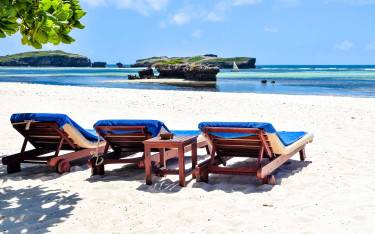
Sun loungers on the beach Watamu, Kenya. Photo by Erica Chiale. © All rights reserved 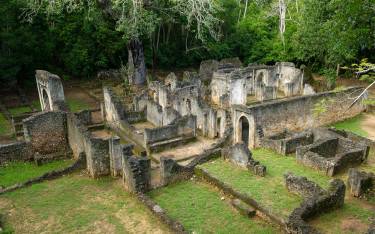
The palace at Gedi Ruins Arabuko Sokoke Forest Reserve, Kenya. Photo by Ariadne van Zandbergen. © All rights reserved 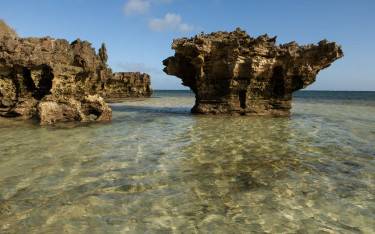
Coral outcrops in the sea Watamu, Kenya. Photo by Ariadne van Zandbergen. © All rights reserved 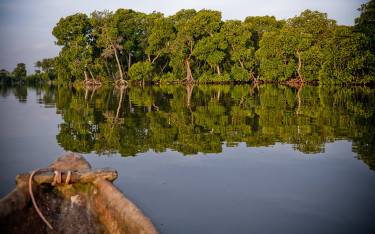
Kayaking in Mida Creek Mida Creek, Kenya. Photo by Erica Chiale. © All rights reserved 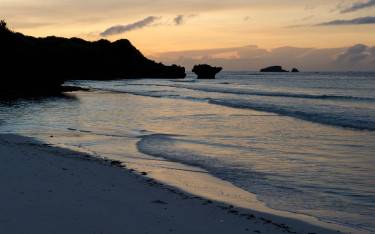
Sunrise over the bay Watamu, Kenya. Photo by Ariadne van Zandbergen. © All rights reserved 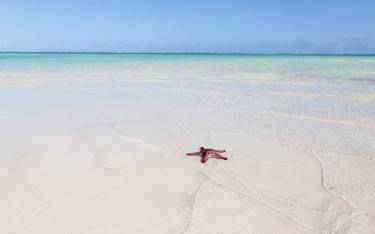
Starfish at low tide Watamu, Kenya. Photo by Alessio farinatti. © All rights reserved 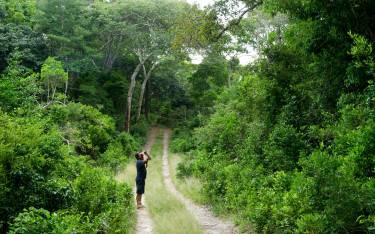
Bird watching in Arabuko Sokoke FR Arabuko Sokoke Forest Reserve, Kenya. Photo by Ariadne van Zandbergen. © All rights reserved 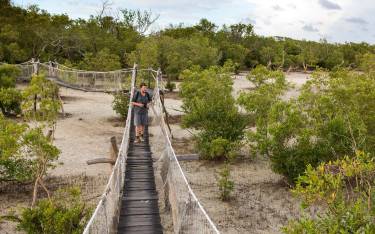
Bird-watcher on a boardwalk in Mida Creek Mida Creek, Kenya. Photo by Ariadne van Zandbergen. © All rights reserved 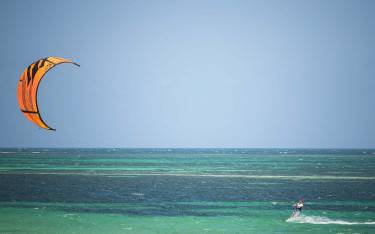
Kitesurfing Watamu, Kenya. Photo by Make it Kenya. © All rights reserved 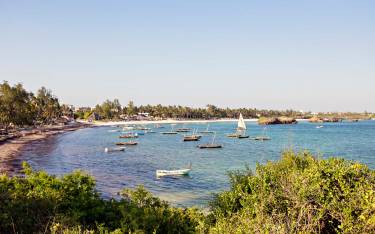
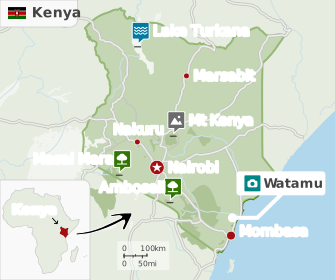
Activity and fishing boats anchored in the bay Watamu, Kenya. Photo by Greens and Blues. © All rights reserved 24. Enjoy an Active Beach Holiday in Sleepy Watamu
Watamu’s wonderful beaches are complemented by a range of engaging day trips
Watamu is a great all-around seaside destination. Its main swimming beach is arguably the most spectacular in Kenya, a gorgeous stretch of white sand overlooked by a series of striking mushroom-like coral outcrops. At Watamu, youRead more
can swim or kitesurf in calm water, go snorkeling in coral gardens directly from the beach, or wander out to secluded sandy coves at the mouth of Mida Creek.Watamu is a great base for travelers who like to break up beach time with other experiences. Highlights include exploring the fascinating jungle-bound Gedi Ruins, guided hikes in search of rare wildlife in Arabuko Sokoke Forest Reserve, a community-run boardwalk and bird at Mida Creek, and snorkeling or diving excursions deep into Malindi Marine National Park. Yet despite increased tourist development in recent years, Watamu retains a small-town charm that distinguishes it from the more built-up likes of Diani Beach, Malindi or Kilifi. -
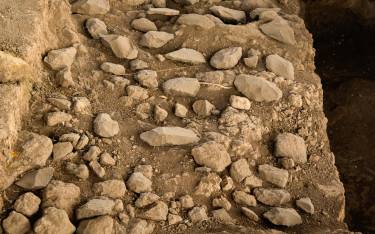
Ancient stone tools at Kariandusi Prehistoric Site Kariandusi Prehistoric Site, Kenya. Photo by Ariadne van Zandbergen. © All rights reserved 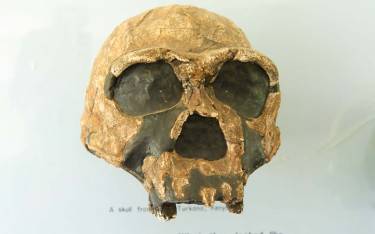
Skull of a Homo erectus at Kariandusi Kariandusi Prehistoric Site, Kenya. Photo by Ariadne van Zandbergen. © All rights reserved 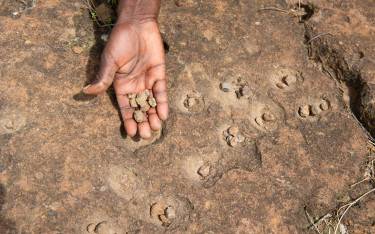
Ancient bao board game at Hyrax Hill Nakuru, Kenya. Photo by Ariadne van Zandbergen. © All rights reserved 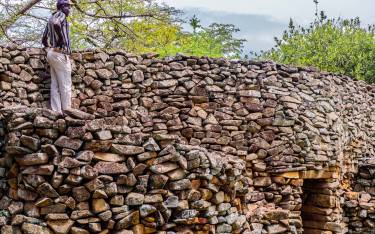
Drystone wall at Thimlich Ohinga Thimlich Ohinga Archaelogical Site, Kenya. Photo by Jennifer Watson. © All rights reserved 25. Investigate Layers of Human Prehistory
Kenya boasts a wealth of prehistoric sites linked to our ancient ancestors
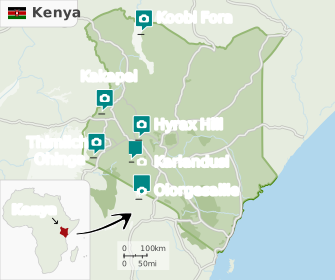
The crown jewel of Kenya’s prehistoric sites is remote Koobi Fora, which forms part of a Unesco World Heritage Site on the eastern shore of Lake Turkana. Thousands of fossils unearthed here include roughly 350Read more
specimens illuminating key stages of evolution over the past 2.6 million years. Koobi Fora’s scientific importance is unequaled, but visits require careful planning and a 4x4 vehicle.More accessible is Olorgesailie, 70km/43mi from Nairobi, where excavations have uncovered stone tools attributed to the early human species Homo erectus and fossils of extinct giant elephant and hippo species. The Nakuru region boasts two notable sites: Kariandusi preserves a 700,000-year-old tool-making village, while Hyrax Hill hosts an Iron Age burial site and rock-carved bao board game. Farther west, Kakapel National Monument is a trio of caves decorated with prehistoric rock art, while the drystone ruins at Thimlich Ohinga date to the 14th century. -
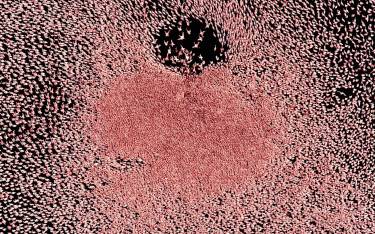
Flamingos in Lake Bogoria Lake Bogoria National Reserve, Kenya. Photo by Michael Poliza. © All rights reserved 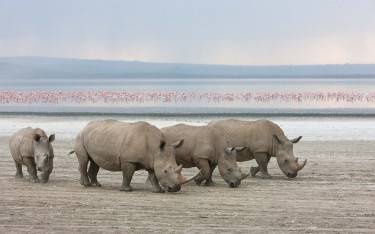
White rhinos and flamingos at Lake Nakuru Lake Nakuru National Park, Kenya. Photo by Michael Poliza. © All rights reserved 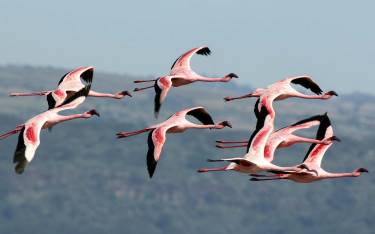
Lesser flamingos in flight at Lake Nakuru Lake Nakuru National Park, Kenya. Photo by MP. © All rights reserved 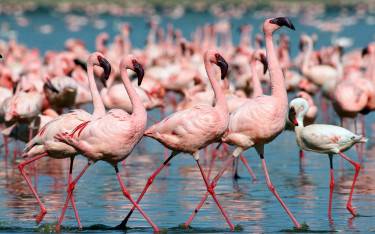
Flamingos in Lake Nakuru Lake Nakuru National Park, Kenya. Photo by MP. © All rights reserved 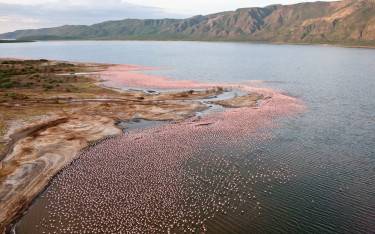
Flamingos along the shoreline of Lake Bogoria Lake Bogoria National Reserve, Kenya. Photo by Michael Poliza. © All rights reserved 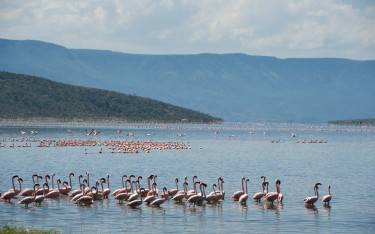
Lesser flamingos in Lake Bogoria Lake Bogoria National Reserve, Kenya. Photo by Ariadne van Zandbergen. © All rights reserved 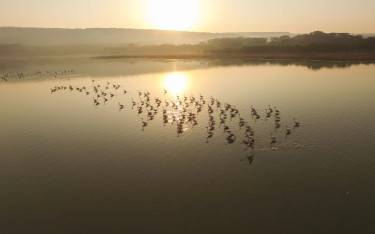
Flamingos in Lake Elementaita Lake Elementaita, Kenya. Photo by Damaris Kerry Onguso. © All rights reserved 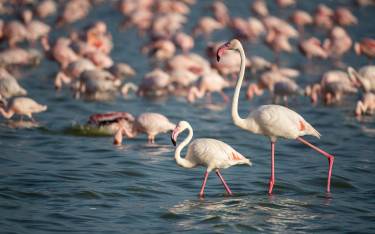
Greater flamingos in Amboseli NP Amboseli National Park, Kenya. Photo by Ariadne van Zandbergen. © All rights reserved 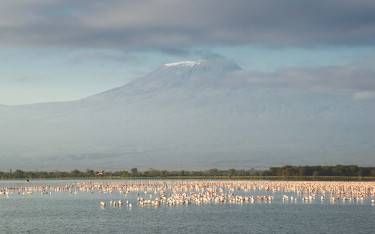
Greater flamingos in front of Mt Kilimanjaro Amboseli National Park, Kenya. Photo by Ariadne van Zandbergen. © All rights reserved 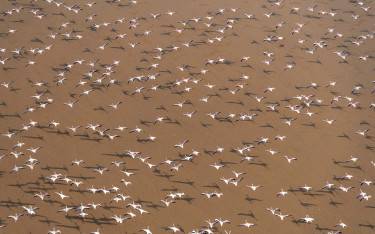
Flamingos flying over Lake Logipi Lake Logipi, Kenya. Photo by my_blue_passport. © All rights reserved 26. Marvel at Immense Pink-hued Flamingo Flocks
Around 2 million and feed on Kenya’s
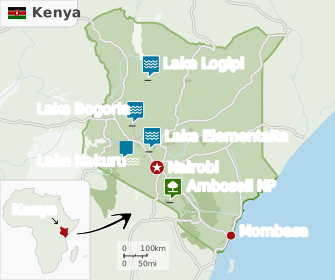
East Africa’s estimated 4 million flamingos represent well over half the global population of these iconic birds. Roughly 50% of these birds are usually present in Kenya, where nomadic flocks – often numbering hundreds of thousandsRead more
– move between suitable lakes. Their movements are unpredictable, and are influenced by fluctuations in water level and , as well as the abundance of , shrimp and other tiny organisms on which they feed.Historically, Lake Nakuru was Kenya’s top flamingo hot spot, its shallows sometimes tinged pink by over a million birds. Since the 1990s, however, Lake Bogoria and Lake Elementaita, also nestled on the floor, have typically offered more reliable viewing. In recent years, large flocks have been regularly recorded in Amboseli National Park, creating stunning pink displays beneath snowcapped Kilimanjaro. Kenya’s newest flamingo haunt is little-visited Lake Logipi, where almost a million birds were counted in a 2024 aerial survey. -
Google Maps
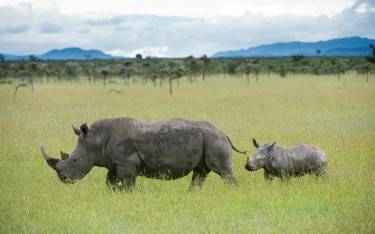
White rhino with calf in lush grassland Ol Pejeta Conservancy, Kenya. Photo by Ariadne van Zandbergen. © All rights reserved 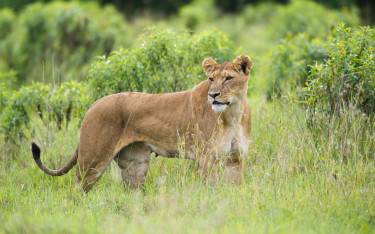
Alert lioness Ol Pejeta Conservancy, Kenya. Photo by Ariadne van Zandbergen. © All rights reserved 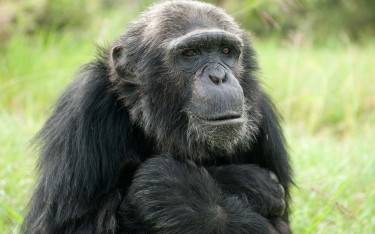
Chimp in Sweetwaters Chimpanzee Sanctuary Sweetwaters, Kenya. Photo by Ariadne van Zandbergen. © All rights reserved 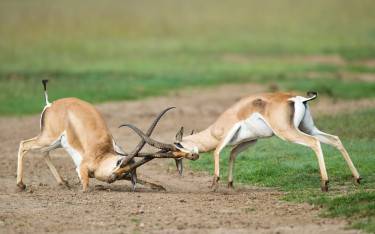
Grant's gazelles fighting Ol Pejeta Conservancy, Kenya. Photo by Ariadne van Zandbergen. © All rights reserved 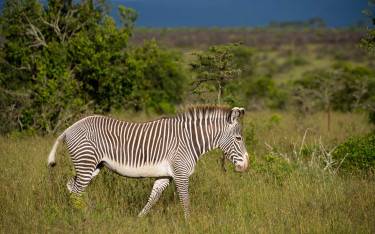
Grevy's zebra Ol Pejeta Conservancy, Kenya. Photo by Ariadne van Zandbergen. © All rights reserved 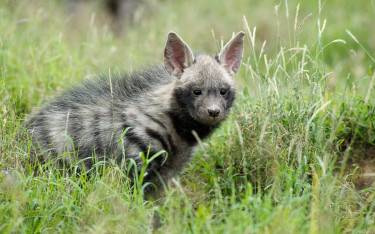
Striped hyena pup Ol Pejeta Conservancy, Kenya. Photo by Ariadne van Zandbergen. © All rights reserved 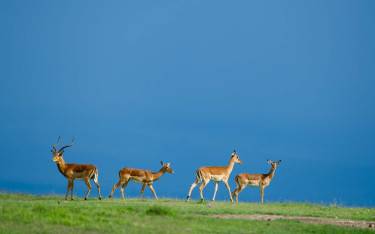
Impala ram and ewes Ol Pejeta Conservancy, Kenya. Photo by Ariadne van Zandbergen. © All rights reserved 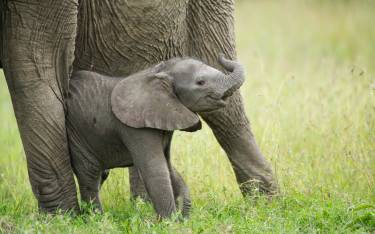
Baby elephant between its mother's legs Ol Pejeta Conservancy, Kenya. Photo by Ariadne van Zandbergen. © All rights reserved 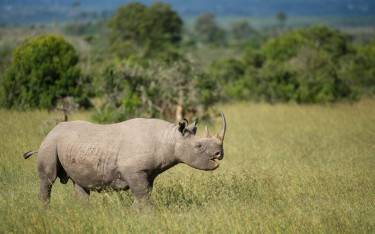
Black rhinoceros with distinctive hooked lip Ol Pejeta Conservancy, Kenya. Photo by Ariadne van Zandbergen. © All rights reserved 27. Look for Lions, Chimps and Rhinos in Ol Pejeta
Take your pick of wildlife encounters on the Laikipia Plateau
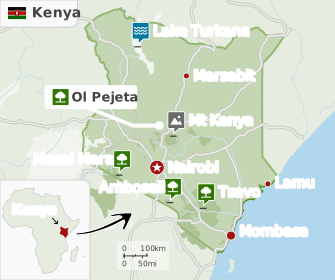
Located high on the Laikipia Plateau, Ol Pejeta is a large private conservancy that has substantial numbers of all the . Rhinos are something of a specialty. In addition to hosting one of Africa’s highestRead more
densities of both and , the conservancy provides refuge to a closely guarded pair of female – the last two surviving individuals of a subspecies regarded as extinct in the wild.Ol Pejeta is also an important stronghold for the localized , and , while carnivores include cheetah, and . In addition to guided , the conservancy offers several wildlife experiences unavailable in most national parks. This includes , the opportunity to track collared lions with a team of researchers, and visits to Kenya’s only (rescued animals brought from Burundi) at Sweetwaters Chimpanzee Sanctuary. -
Google Maps
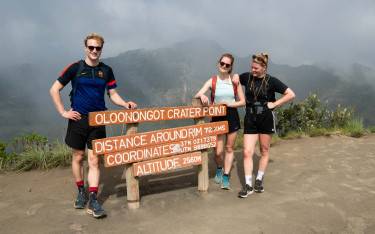
Hikers at Oloonongot Crater Point Mount Longonot, Kenya. Photo by Ariadne van Zandbergen. © All rights reserved 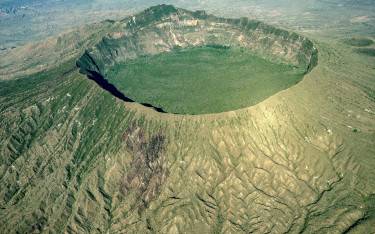
Aerial view of the crater Mount Longonot, Kenya. Photo by Mutahi Chiira. © All rights reserved 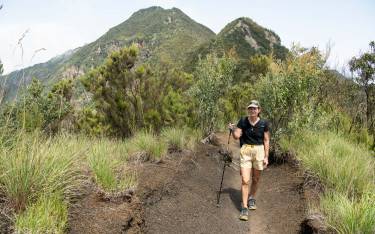
Hiker descending from the summit Mount Longonot, Kenya. Photo by Ariadne van Zandbergen. © All rights reserved 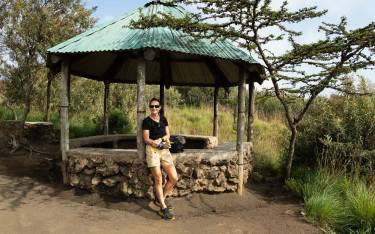
Rest area on the hiking trail Mount Longonot, Kenya. Photo by Ariadne van Zandbergen. © All rights reserved 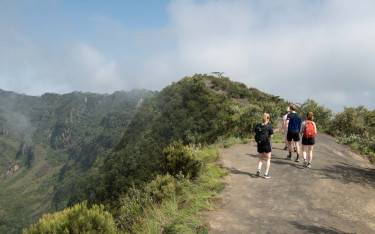
Hikers on the crater rim Mount Longonot, Kenya. Photo by Ariadne van Zandbergen. © All rights reserved 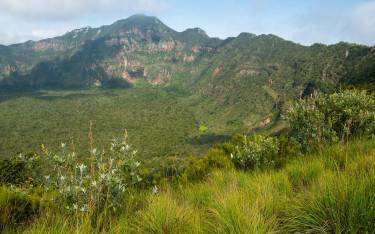
View of the crater and the summit Mount Longonot, Kenya. Photo by Ariadne van Zandbergen. © All rights reserved 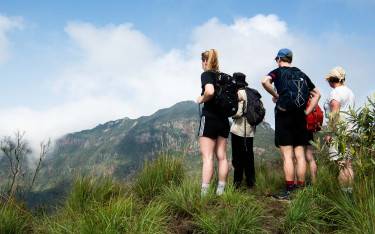
Hikers on the crater rim Mount Longonot, Kenya. Photo by Ariadne van Zandbergen. © All rights reserved 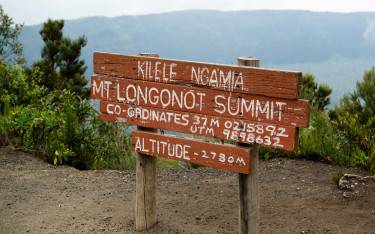
Mt Longonot summit Mount Longonot, Kenya. Photo by Ariadne van Zandbergen. © All rights reserved 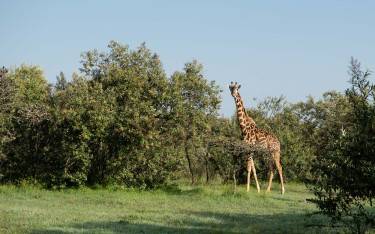
Masai giraffe Mount Longonot, Kenya. Photo by Ariadne van Zandbergen. © All rights reserved 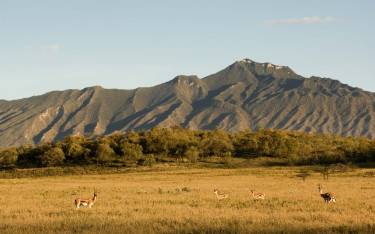
Thomson's gazelles in front of Mt Longonot Mount Longonot, Kenya. Photo by Ariadne van Zandbergen. © All rights reserved 28. Climb the Sheer Slopes of Mt Longonot
This dormant volcano rises from the floor to a spectacular crater
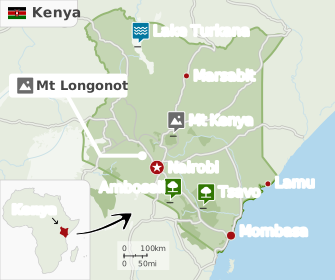
Volcanoes, extinct and dormant, rise like a dragon’s backbone from the floor of Kenya’s Rift Valley. Most can realistically only be admired from a distance. However, Mt Longonot – protected in a national park since 1983Read more
– is rare because it is straightforward to climb to the crater rim, with or without a local guide. The return hike takes roughly three hours, and giraffe, zebra and antelope are often seen on the way.The views from the crater rim are stunning. Ahead, 500m-/1,640ft-tall cliffs plummet into a densely forested lost world dotted with marshes and steam vents. There are also superb views toward Lake Naivasha and Mt Suswa over the rumpled contours of the Rift Valley. After pausing at the rim, some hikers return directly back to the lower slopes, while others follow a 6km/4mi footpath around the full circumference of the crater rim via Longonot’s 2,776m/9,108ft peak. -
Google Maps
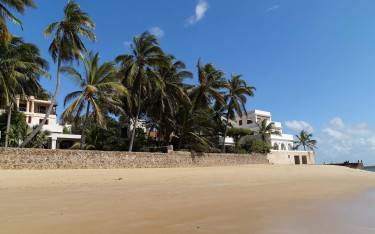
Shela Beach in Lamu Lamu, Kenya. Photo by Przemyslaw Skibinsk. © All rights reserved 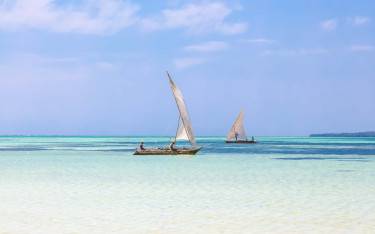
Swahili dhows sailing along the shore Lamu, Kenya. Photo by Anski. © All rights reserved 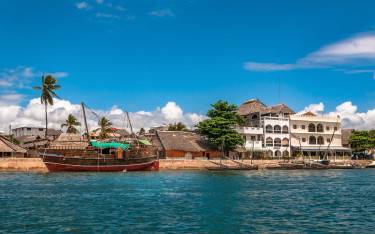
Old Town waterfront Lamu, Kenya. Photo by Javarman. © All rights reserved 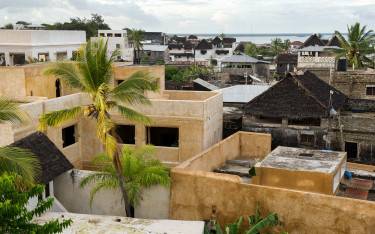
Rooftop view over the Swahili Old Town Lamu, Kenya. Photo by Ariadne van Zandbergen. © All rights reserved 
Traditional Swahili food Lamu, Kenya. Photo by Ariadne van Zandbergen. © All rights reserved 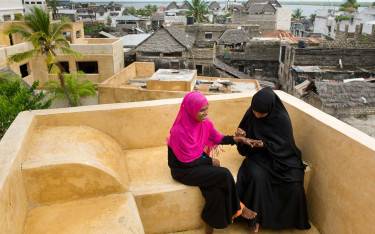
Swahili woman painting hands with henna Lamu, Kenya. Photo by Ariadne van Zandbergen. © All rights reserved 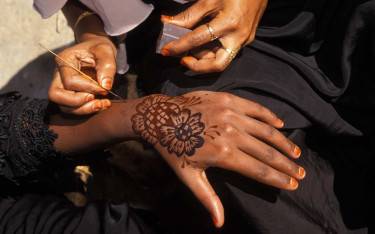
Painting hands with henna Lamu, Kenya. Photo by Ariadne van Zandbergen. © All rights reserved 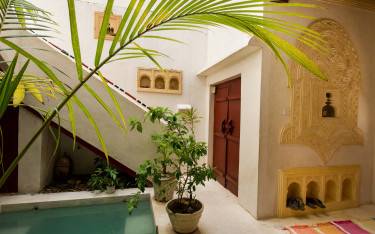
Interior of a typical Swahili house Lamu, Kenya. Photo by Ariadne van Zandbergen. © All rights reserved 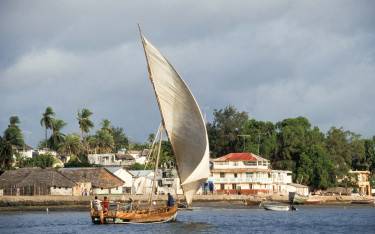
Dhow sailing past Lamu Town Lamu, Kenya. Photo by Ariadne van Zandbergen. © All rights reserved 
Swahili woman selling jewelry Lamu, Kenya. Photo by Ariadne van Zandbergen. © All rights reserved 29. Chill on the Calm and Historic Island of Lamu
The Old Town of Lamu is the hub of the laid-back archipelago of the same name
Lamu is a magical place. Reminiscent of Zanzibar, but without the tourist crowds, this time-warped seaport offers a fascinating mix of history, culture, natural beauty and unhurried island living. Donkeys rather than cars weave throughRead more
the whitewashed alleys of the atmospheric Old Town, while notable landmarks include an old Omani fort, the waterfront Lamu Museum and several ancient mosques.Lamu Town lies within walking distance of Shela Beach, an idyllic strip of white sand that runs for 10km/6mi along the island’s south coast. But a visit to Lamu is about more than just a beach. Whether you’re drifting in a traditional wooden , snorkeling a pristine coral reef, visiting medieval Swahili ruins, or spending time with locals learning about Swahili traditions, Lamu possesses a timeless and unhurried vibe that makes it arguably Kenya’s most enchanting coastal destination. -
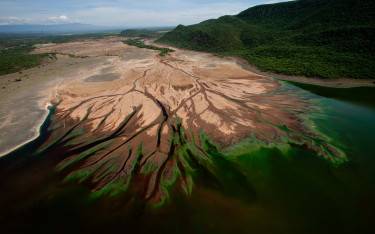
Lake Bogoria in the Rift Valley Lake Bogoria National Reserve, Kenya. Photo by Michael Poliza. © All rights reserved
Lesser flamingos in Lake Bogoria Lake Bogoria National Reserve, Kenya. Photo by Ariadne van Zandbergen. © All rights reserved 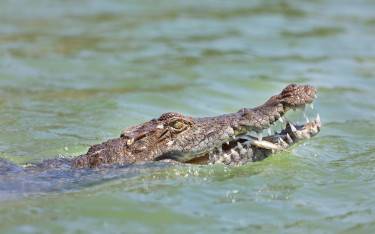
Nile crocodile eating a fish in Lake Baringo Lake Baringo, Kenya. Photo by MichaelUtech. © All rights reserved 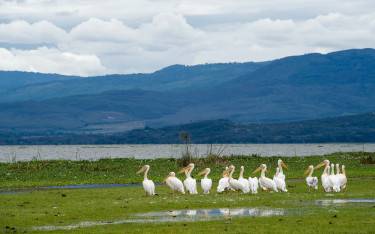
Great white pelicans on Lake Naivasha Lake Naivasha, Kenya. Photo by Ariadne van Zandbergen. © All rights reserved 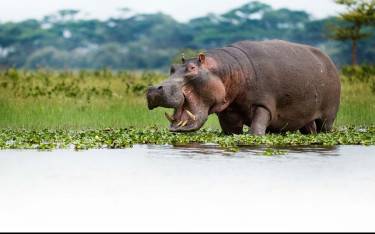
Hippo in Lake Naivasha Lake Naivasha, Kenya. Photo by TheBionicDan. © All rights reserved 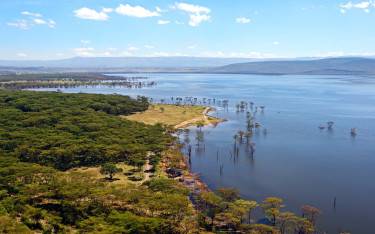
View over Lake Nakuru Lake Nakuru National Park, Kenya. Photo by Kyslynskyy. © All rights reserved 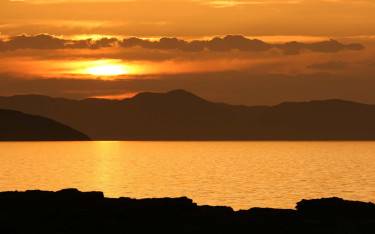
Sunset over Lake Turkana Lake Turkana, Kenya. Photo by Piotr Gatlik. © All rights reserved 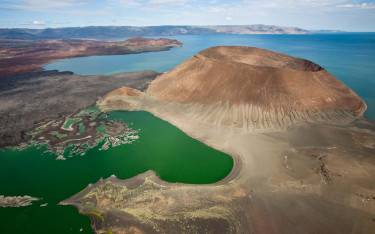
Scenic view of the craters in Lake Turkana Lake Turkana, Kenya. Photo by Michael Poliza. © All rights reserved
Flamingos in Lake Elementaita Lake Elementaita, Kenya. Photo by Damaris Kerry Onguso. © All rights reserved 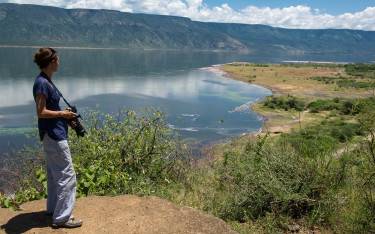
Looking out over Lake Bogoria Lake Bogoria National Reserve, Kenya. Photo by Ariadne van Zandbergen. © All rights reserved 30. Explore a Chain of Gem-like Lakes in Kenya’s Rift Valley
Each of these scenic lakes has its own character and wildlife
Kenya’s Rift Valley is dotted with lakes that vary dramatically in size, and scenery. The readily accessible Lakes Nakuru and Naivasha are popular fixtures on tour itineraries, while northerly Turkana, the world’s largest desert lake,Read more
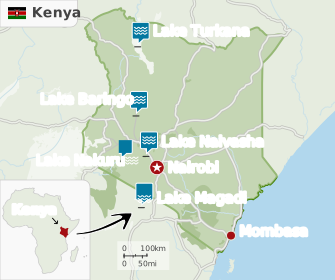
is one of the country’s most remote. Several lesser-known lakes are also quite easily visited. Closest to Nairobi is Lake Magadi, a starkly beautiful expanse of blinding-white sodium carbonate that has been mined for soda ash since 1911 and makes few concessions to tourism.Situated between Naivasha and Nakuru, Lake Elementaita boasts a primeval setting below the evocative volcanic formation known as the Sleeping Warrior. North of Nakuru, spectacular Lake Bogoria is famed for the that flock to its shallows and the geysers on its shore. Nearby Lake Baringo is an unprotected freshwater body that supports plenty of and , and is renowned for the diversity of aquatic and northern specials on its checklist of more than 500 bird species.