11-20 of 50 Best Things To Do in Tanzania
-
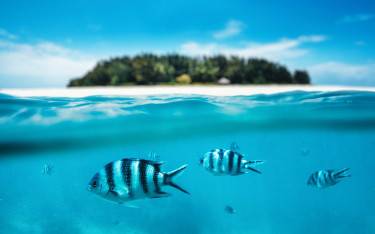
Snorkeling in the Mnemba Atoll Mnemba Island, Tanzania. Photo by Borut Trdina. © All rights reserved 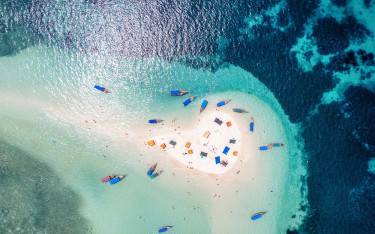
Tourist boats around a sandbank near Zanzibar Zanzibar Island, Tanzania. Photo by SebastianGorzow. © All rights reserved 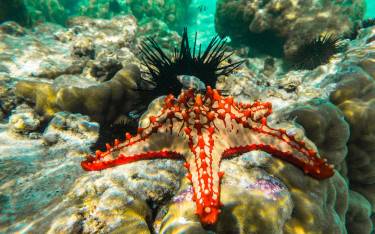
African red-knobbed starfish near Zanzibar Zanzibar Island, Tanzania. Photo by Marius Dobilas. © All rights reserved 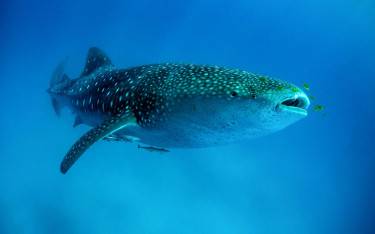
Whale shark with pilot fish near Mafia Island Mafia Island, Tanzania. Photo by Daniel Lamborn. © All rights reserved 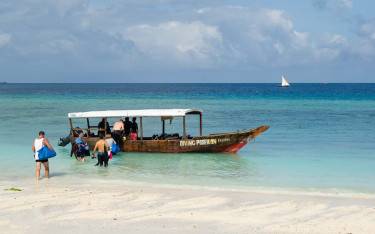
Boarding a boat to go snorkeling in Nungwi Nungwi, Tanzania. Photo by Ariadne van Zandbergen. © All rights reserved 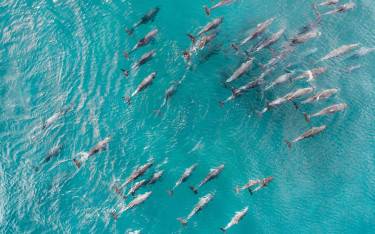
Pod of dolphins near Zanzibar Island Zanzibar Island, Tanzania. Photo by F Photography R. © All rights reserved 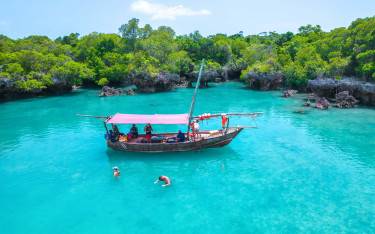
Zanzibar snorkeling trip Zanzibar Island, Tanzania. Photo by SebastianGorzow. © All rights reserved 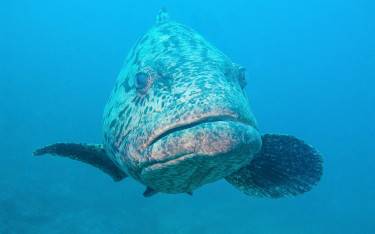
Grouper near Mafia Island Mafia Island, Tanzania. Photo by dvlcom. © All rights reserved 11. Snorkel or Dive in Pristine Coral Gardens
The Indian Ocean reefs off Tanzania teem with marine life
It’s another world down there below the waves. Beautiful coral formations come in every shape and color you can think of. Around them swirls a kaleidoscope of reef fish comprising dozens of different species. If youRead more
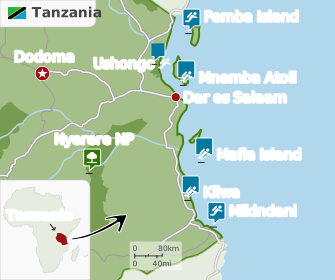
are lucky, you might also catch occasional glimpses of sharks, stingrays, groupers, morays or giant turtles. Whether you snorkel from the surface or dive the deeper reefs, the tropical waters off Tanzania offer a wildlife experience that could scarcely be more different to a land-based safari.Tanzania’s most popular spot for casual diving and snorkeling excursions is Zanzibar’s Mnemba Atoll. For serious divers, the legendary reefs off Pemba and Mafia Islands are more pristine and less busy. Suitable reefs also exist offshore of mainland destinations such as Dar es Salaam, Ushongo, Kilwa Masoko and Mikindani. For something different, try Lake Tanganyika, which supports the world’s greatest diversity of freshwater fish, mostly . -
Google Maps
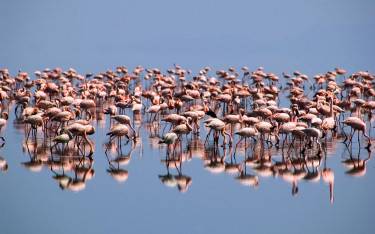
Flamingos feeding in Lake Natron Lake Natron, Tanzania. Photo by Sebastien Burel. © All rights reserved 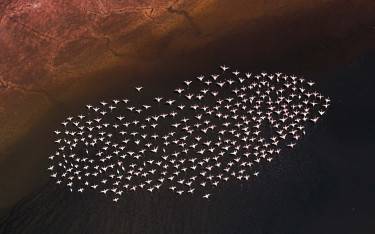
Flamingos in flight over the lake Lake Natron, Tanzania. Photo by Michael Poliza. © All rights reserved 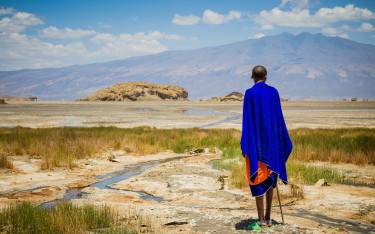
Maasai person in front of Ol Doinyo Lengai Lake Natron, Tanzania. Photo by cinoby. © All rights reserved 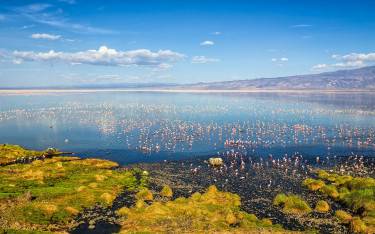
Lesser flamingos feeding in the lake Lake Natron, Tanzania. Photo by cinoby. © All rights reserved 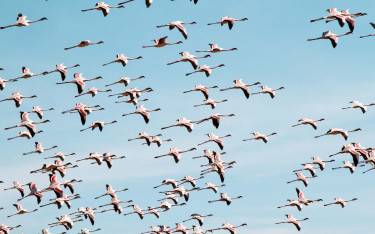
Flamingos in flight Lake Natron, Tanzania. Photo by beusbeus. © All rights reserved 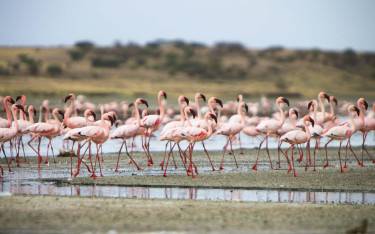
Lesser flamingos Lake Natron, Tanzania. Photo by JordiStock. © All rights reserved 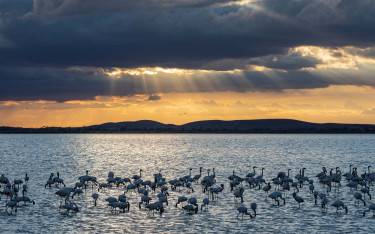
Flamingos in the lake at sunset Lake Natron, Tanzania. Photo by Moiz Husein. © All rights reserved 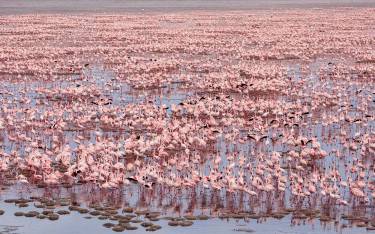
Flamingos in the lake at sunset Lake Natron, Tanzania. Photo by Danita Delimont. © All rights reserved 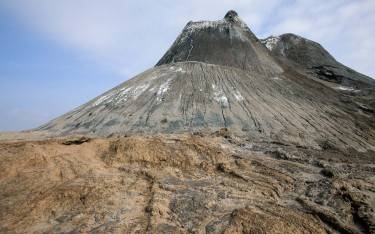
Active volcano Ol Doinyo Lengai Ol Doinyo Lengai, Tanzania. Photo by Ariadne van Zandbergen. © All rights reserved 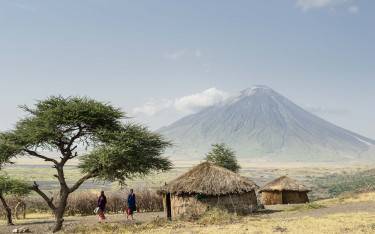
Maasai village at the base of Ol Doinyo Lengai Ol Doinyo Lengai, Tanzania. Photo by Ariadne van Zandbergen. © All rights reserved 12. Discover Mysterious Lake Natron
Africa’s deadliest lake lies in the below volcanic Ol Doinyo Lengai
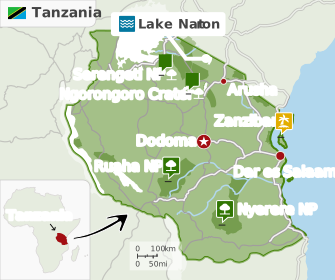
Natron is East Africa’s most saline and forbidding lake. Dense concentrations of color the water red when viewed from the air and feed the millions of flamingos for which Natron forms the region’s only breedingRead more
ground. Yet the water is deadly to most other life-forms, and its victims are frequently preserved like statues, in eerie action, thanks to the high level of sodium carbonate. Despite this, Natron is a starkly beautiful sight, set below Ol Doinyo Lengai, an ash-strewn volcano whose active peak towers roughly 2.3km/1.4mi above the lake’s surface. -
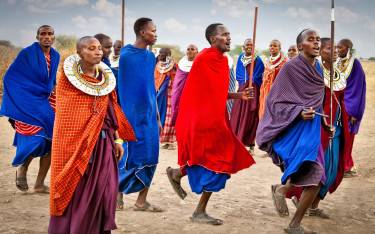
Maasai people dancing Maasai Village, Tanzania. Photo by master2. © All rights reserved 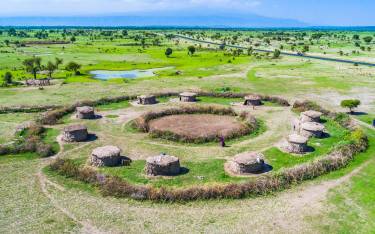
Traditional manyatta Maasai Village, Tanzania. Photo by MariusLtu. © All rights reserved 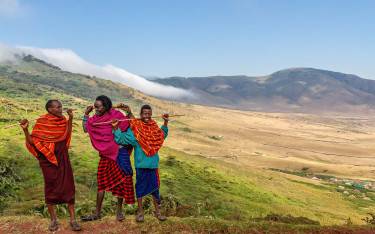
Maasai cattle herders Maasai Village, Tanzania. Photo by Ozbalci. © All rights reserved 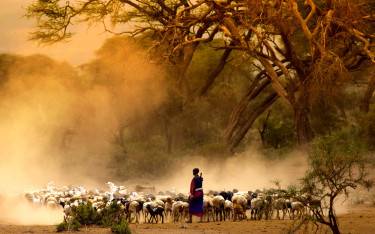
Maasai boy herding goats Maasai Village, Tanzania. Photo by Andrzej Kubik. © All rights reserved 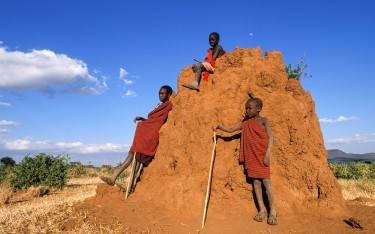
Maasai boys sitting on a termite mound Maasai Village, Tanzania. Photo by Ariadne van Zandbergen. © All rights reserved 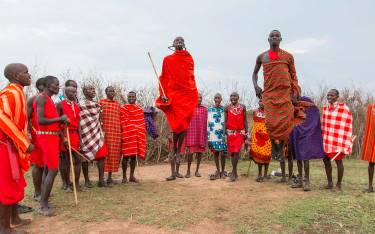
Maasai people dancing Maasai Village, Tanzania. Photo by mantaphoto. © All rights reserved 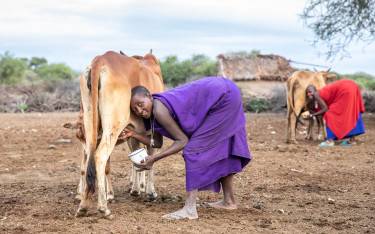
Maasai women milking cows Maasai Village, Tanzania. Photo by Kairi Aun. © All rights reserved 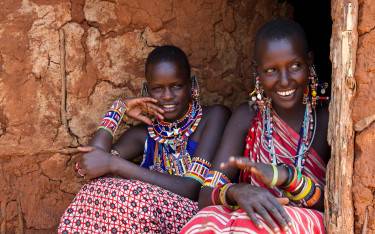
Maasai women in a mud hut Maasai Village, Tanzania. Photo by Ariadne van Zandbergen. © All rights reserved 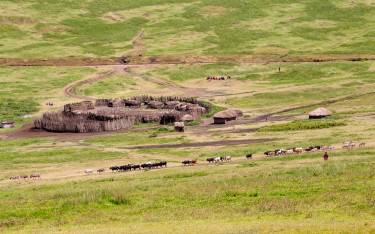
Maasai manyatta and livestock Ngorongoro Highlands, Tanzania. Photo by Digital Lions. © All rights reserved 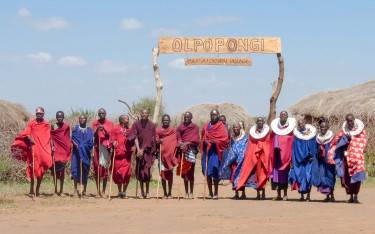
A Maasai welcome at Olpopongi Cultural Village Olpopongi Maasai Cultural Village, Tanzania. Photo by makasana photo. © All rights reserved 13. Visit a Maasai Manyatta
Experience the unique culture of East Africa’s most charismatic pastoralists
We owe much to the Maasai people. In colonial times, these red-robed cattle herders, who never hunt for meat, possessed a reputation for ferocity that ensured their territory was spared the attention of trigger-happy sportsmen. ThisRead more
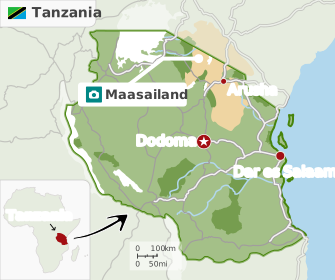
is why so many of East Africa’s top safari destinations, including Serengeti National Park and Ngorongoro Crater, lie on traditional Maasai land.Maasai traditionally live in family compounds known as manyattas. These comprise a central livestock enclosure and cluster of mud-and-wood dwellings protected within an impenetrable fence of thorny branches. A visit to a Maasai manyatta, usually undertaken in the Ngorongoro Highlands or outside Tarangire National Park, provides an opportunity to interact with these proud traditionalists on their own terms. In addition to obtaining cultural insights, you’ll be treated to a vibrant jumping dance performed to a hypnotic chant. You’ll also have an opportunity to buy colorful and intricate Maasai beadwork at its source. -
Google Maps
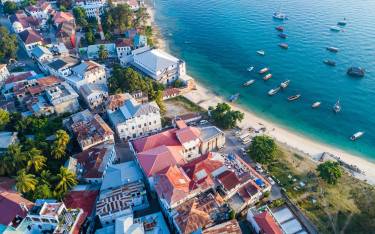
View over Stone Town Zanzibar Stone Town, Tanzania. Photo by MariusLtu. © All rights reserved 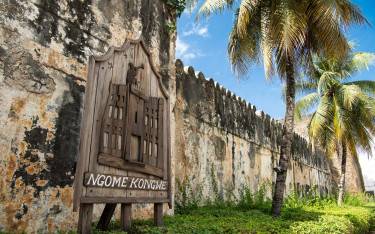
The Old Fort Zanzibar Stone Town, Tanzania. Photo by Ariadne van Zandbergen. © All rights reserved 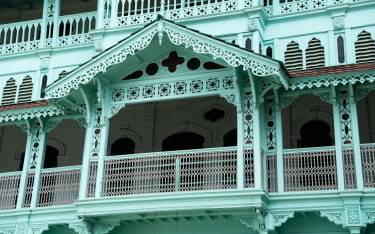
The Old Dispensary Zanzibar Stone Town, Tanzania. Photo by Ariadne van Zandbergen. © All rights reserved 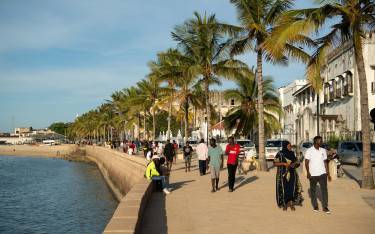
Stone Town waterfront Zanzibar Stone Town, Tanzania. Photo by Ariadne van Zandbergen. © All rights reserved 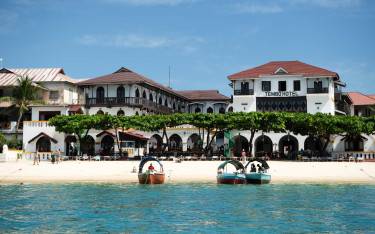
Shangani Beach Zanzibar Stone Town, Tanzania. Photo by Ariadne van Zandbergen. © All rights reserved 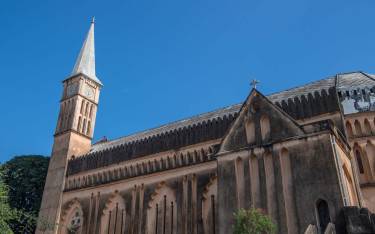
The Anglican Cathedral Zanzibar Stone Town, Tanzania. Photo by Ariadne van Zandbergen. © All rights reserved 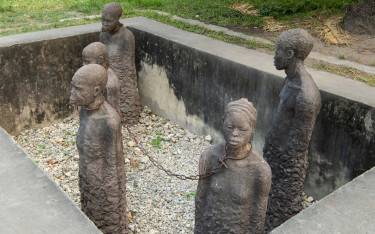
Sculpture of slaves at the Old Slave Market Zanzibar Stone Town, Tanzania. Photo by Ariadne van Zandbergen. © All rights reserved 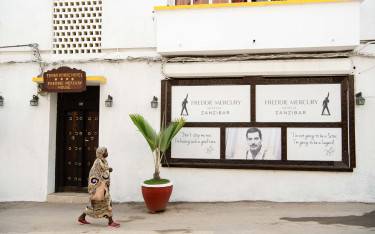
Freddie Mercury Museum Zanzibar Stone Town, Tanzania. Photo by Ariadne van Zandbergen. © All rights reserved 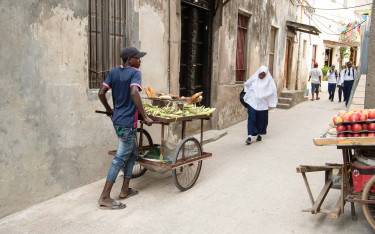
Alley in the old town Zanzibar Stone Town, Tanzania. Photo by Ariadne van Zandbergen. © All rights reserved 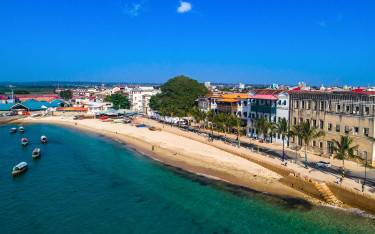
Stone Town waterfront Zanzibar Stone Town, Tanzania. Photo by MariusLtu. © All rights reserved 14. Wander the Alleys of Zanzibar’s Stone Town
East Africa’s most atmospheric town boasts a wealth of historic landmarks
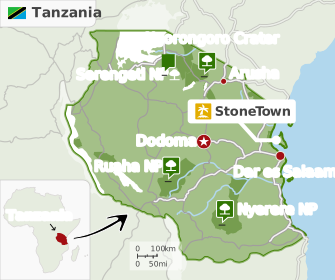
Stone Town stands at the historic heart of Zanzibar Island. A knot of narrow alleys lined with handsome old mansions, it retains the genuinely lived-in character of a traditional cultural enclave that has embraced tourismRead more
without surrendering its soul to it. All of which makes Stone Town a fascinating and enjoyable place to explore, whether you do so on a guided tour or independently.Historic waterfront landmarks include the robust Old Fort, the beautifully restored Old Dispensary and the partially collapsed House of Wonders. Deeper inland, Zanzibar’s imposing Anglican Cathedral was built on the site of an infamous slave market after it was shut down in the 1870s. A must-see for music-lovers is the Freddie Mercury Museum, which occupies the ground floor of the former family home of its Zanzibar-born namesake. -
Google Maps
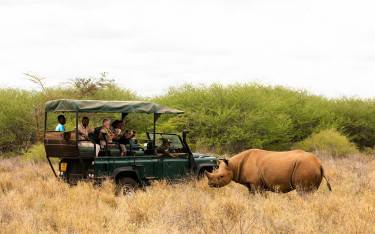
Guided 4x4 safari in the black rhino sanctuary Mkomazi National Park, Tanzania. Photo by Ariadne van Zandbergen. © All rights reserved 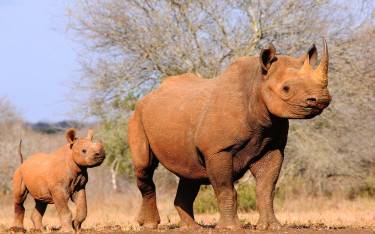
Black rhino with calf Mkomazi National Park, Tanzania. Photo by Jiri Balek. © All rights reserved 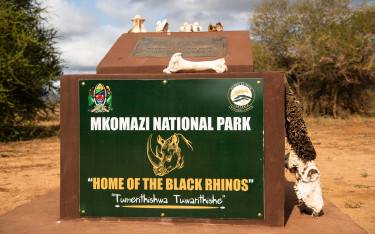
Signboard at the rhino sanctuary Mkomazi National Park, Tanzania. Photo by Ariadne van Zandbergen. © All rights reserved 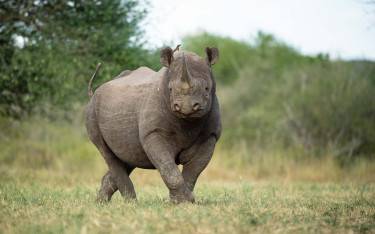
Black rhino Mkomazi National Park, Tanzania. Photo by Ariadne van Zandbergen. © All rights reserved 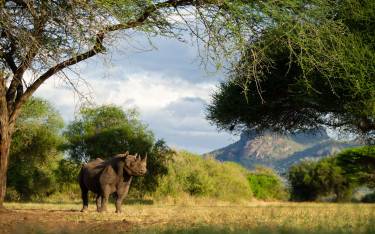
Black rhino Mkomazi National Park, Tanzania. Photo by Ariadne van Zandbergen. © All rights reserved 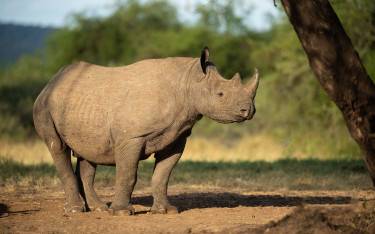
Black rhino Mkomazi National Park, Tanzania. Photo by Ariadne van Zandbergen. © All rights reserved 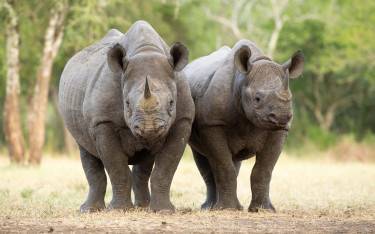
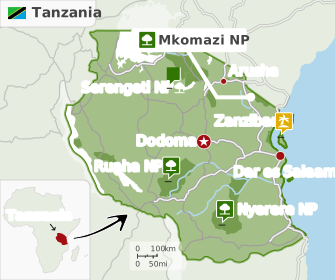
Black rhinos Mkomazi National Park, Tanzania. Photo by Ariadne van Zandbergen. © All rights reserved 15. Look for Black Rhinos in Mkomazi NP
Mkomazi is Tanzania’s main stronghold for the black rhino
The most obscure park on Tanzania’s houses the country’s only black rhino breeding program. These rhinos are descended from a population that was airlifted out of Mkomazi in 1985 due to poaching issues, onlyRead more
to be reintroduced in the late 1990s. Today, around 40 of these Critically Endangered creatures are split between the main breeding sanctuary at Kisima and the smaller Mkomazi Black Rhino Tourist Sanctuary, which opened at Mbula in 2021 and can be visited on guided 4x4-vehicle excursions. Aside from the near certainty of seeing rhinos, Mkomazi is a rewarding off-the-beaten-track safari destination that protects all the . -
Google Maps
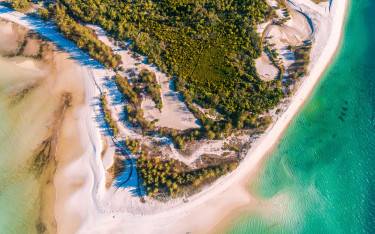
Utende Beach Mafia Island, Tanzania. Photo by Moiz Dossaji. © All rights reserved
Whale shark with pilot fish around its mouth Mafia Island, Tanzania. Photo by Daniel Lamborn. © All rights reserved 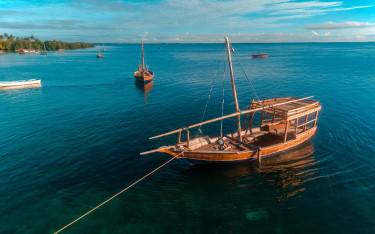
Traditional sailboats Mafia Island, Tanzania. Photo by MOIZ HUSEIN STORYTELLER. © All rights reserved 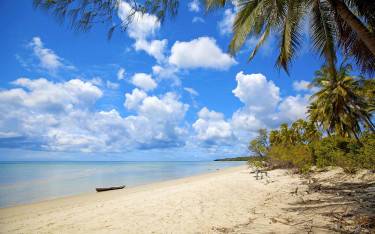
Sandy beach Mafia Island, Tanzania. Photo by Kjersti Jorgensen. © All rights reserved 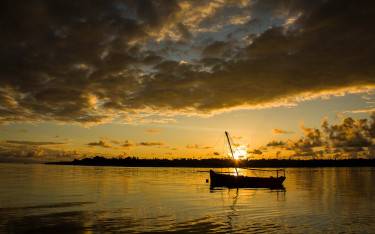
Fishing boat at sunset Mafia Island, Tanzania. Photo by paulthefreeman. © All rights reserved 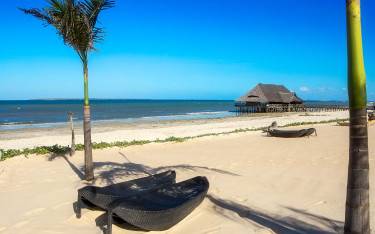
Resort beach Mafia Island, Tanzania. Photo by byakkaya. © All rights reserved 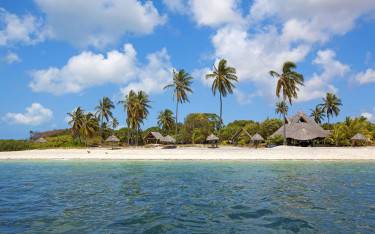
Palm-lined beach Mafia Island, Tanzania. Photo by Kjersti Jorgensen. © All rights reserved 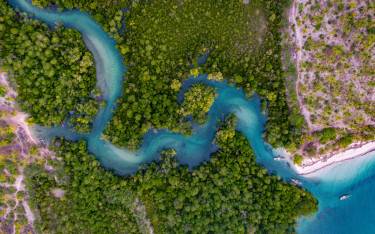
Mangrove swamp at Kanga Beach Mafia Island, Tanzania. Photo by MOIZ HUSEIN STORYTELLER. © All rights reserved 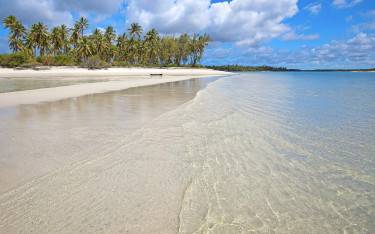
Palm-lined beach Mafia Island, Tanzania. Photo by Kjersti Joergensen. © All rights reserved 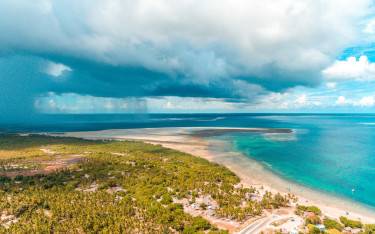
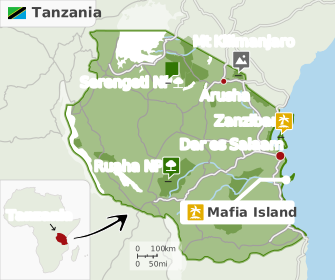
Utende Beach Mafia Island, Tanzania. Photo by MOIZ HUSEIN STORYTELLER. © All rights reserved 16. Explore the Seas Around Mafia Island
Marine life abounds off the beaches of Mafia, a quieter alternative to Zanzibar
Mafia is the perfect seaside holiday choice for those seeking a low-key alternative to Zanzibar Island. It is also the best destination in Tanzania for marine wildlife. The coral reefs of Mafia Island Marine Park, whichRead more
lies off the island’s south coast, offer some superb diving and snorkeling opportunities. On ocean safaris, you can usually swim with , especially between October and February, and you might also spot dolphins, whales and giant turtles. Other attractions of this tranquil island include some wonderful beaches, several interesting ruins, and the general feeling of being remote from any beaten tourist trail. -
Google Maps
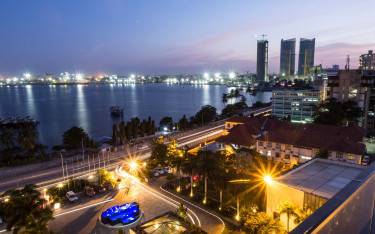
View of Dar es Salaam at night Dar es Salaam, Tanzania. Photo by Sohadiszno. © All rights reserved 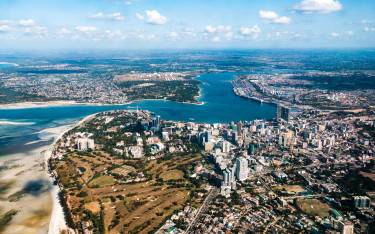
Aerial view over the city and harbor Dar es Salaam, Tanzania. Photo by Borut Trdina. © All rights reserved 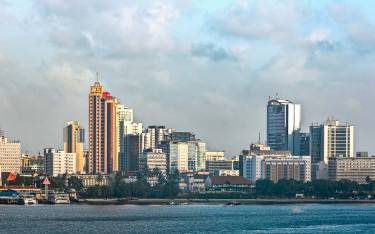
High-rise buildings Dar es Salaam, Tanzania. Photo by IgorSPb. © All rights reserved 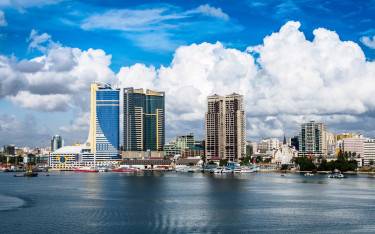
View of the city from the sea Dar es Salaam, Tanzania. Photo by Jevgenijs Sulins. © All rights reserved 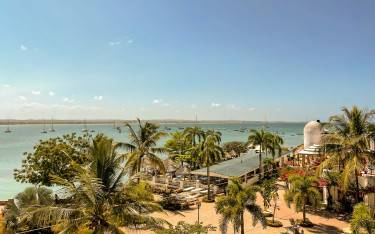
Msasani Peninsula Dar es Salaam, Tanzania. Photo by Joris Leermakers. © All rights reserved 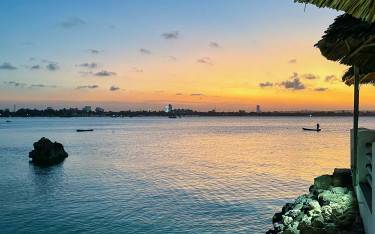
Msasani Peninsula at night Dar es Salaam, Tanzania. Photo by Joris Leermakers. © All rights reserved 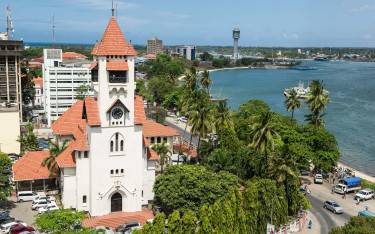
The Lutheran Church at the city harbor Dar es Salaam, Tanzania. Photo by Ariadne van Zandbergen. © All rights reserved 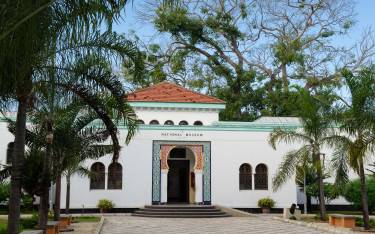
The National Museum of Tanzania Dar es Salaam, Tanzania. Photo by Ariadne van Zandbergen. © All rights reserved 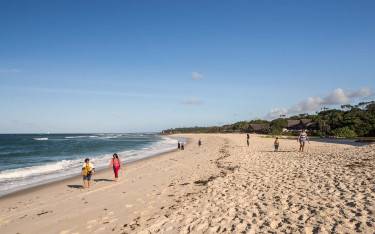
People walking on Kutani Beach Dar es Salaam Beaches, Tanzania. Photo by Sohadiszno. © All rights reserved 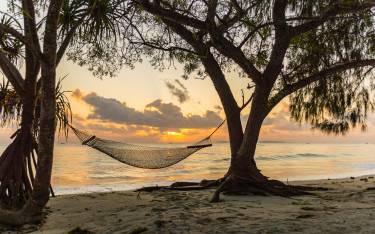
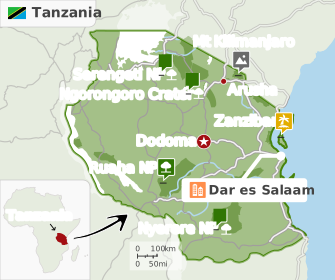
Hammock on the beach at sunrise Dar es Salaam Beaches, Tanzania. Photo by Chris Hartman. © All rights reserved 17. Immerse Yourself in Bustling Dar es Salaam
East Africa’s largest Indian Ocean port is a modern city with a historic center
Founded by the Sultan of Zanzibar in the 1860s, Dar es Salaam (‘House of Peace’) served as the German and British capital during the colonial era. It was officially replaced as capital in 1973 by theRead more
inland city of Dodoma. But with a population of 6 million, Dar es Salaam remains Tanzania’s largest and most economically thriving city. Tourist activity is focused on the leafy seaside suburbia of the Msasani Peninsula, where several slick resort-like hotels gaze out to the open ocean.Central Dar es Salaam stands on a claw-like peninsula overlooking the deep natural harbor to which it owes its existence. Notable buildings include the precolonial Old Boma built by the Sultan of Zanzibar, the Bavarian-style Lutheran Church from 1898, and the British-constructed National Museum of Tanzania. Dar es Salaam also boasts a rich , Hindu and Arabic heritage reflected in the characterful architecture – and aromatic culinary scene – that enlivens the vicinity of India and Kisutu Streets. -
Google Maps
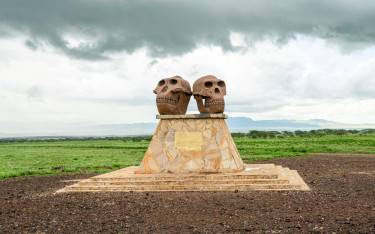
Statue at the entrance of the site museum Olduvai Gorge, Tanzania. Photo by IvanGrabilin. © All rights reserved 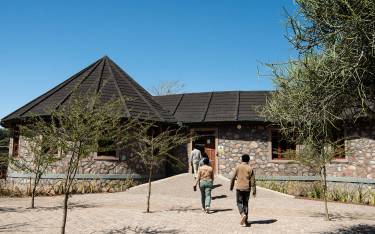
People entering the site museum Olduvai Gorge, Tanzania. Photo by Ariadne van Zandbergen. © All rights reserved 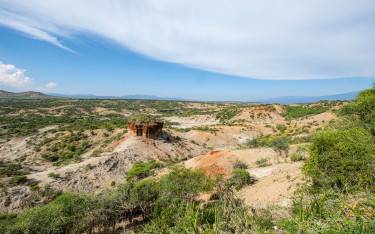
Scenic view of Olduvai Gorge Olduvai Gorge, Tanzania. Photo by William A. Morgan. © All rights reserved 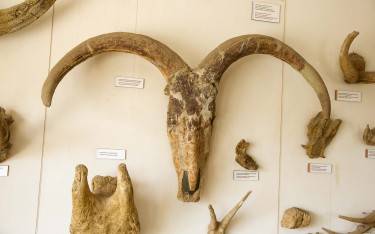
Museum displays Olduvai Gorge, Tanzania. Photo by Ariadne van Zandbergen. © All rights reserved 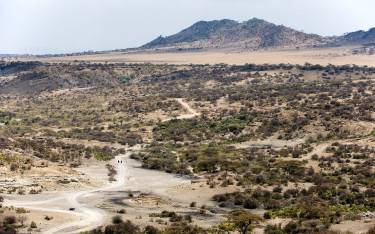
Hominin fossil site excavated by the Leakeys Olduvai Gorge, Tanzania. Photo by Ariadne van Zandbergen. © All rights reserved 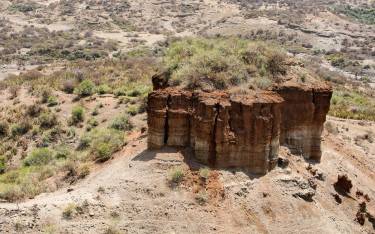
Hominin fossil site excavated by the Leakeys Olduvai Gorge, Tanzania. Photo by Ariadne van Zandbergen. © All rights reserved 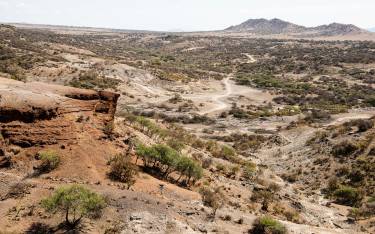
Hominin fossil site excavated by the Leakeys Olduvai Gorge, Tanzania. Photo by Ariadne van Zandbergen. © All rights reserved 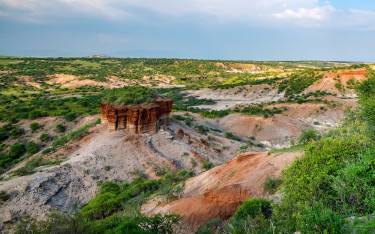
Scenic view of Olduvai Gorge Olduvai Gorge, Tanzania. Photo by Yakov Oskanov. © All rights reserved 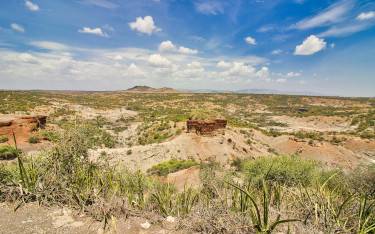
Scenic view of Olduvai Gorge Olduvai Gorge, Tanzania. Photo by CK-TravelPhotos. © All rights reserved 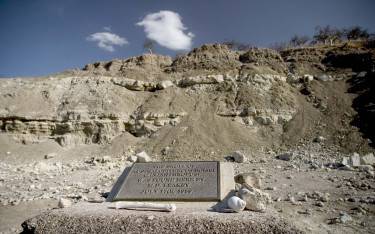
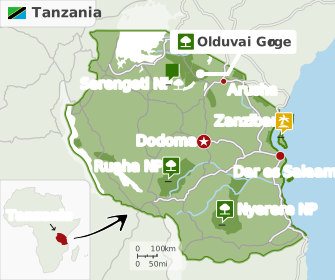
Discovery site of a 1.75-million-year-old jawbone Olduvai Gorge, Tanzania. Photo by Sandra R. Barba. © All rights reserved 18. Relive Ancient Prehistory at Olduvai Gorge
This paleoanthropological site below Ngorongoro has yielded a wealth of human fossils
Cut into the plains that separate Ngorongoro Crater from Serengeti National Park, Olduvai (Oldupai) Gorge is one of the world’s most celebrated paleoanthropological sites. It was here in 1959 that Mary Leakey unearthed a 1.75-million-year-old fossilizedRead more
jawbone that revolutionized our understanding of humanity’s distant past. Nicknamed Nutcracker Man, this fossil provided the first conclusive evidence not only that the human lineage evolved in Africa but also that it stretched back more than 1 million years.Olduvai Gorge is easily visited en route to the Serengeti. A superb site museum places Nutcracker Man and other Olduvai fossils in a broader African context. It also includes a replica of the Laetoli footprints, which were left behind by a party of as they trod through ash deposited by volcanic Ngorongoro 3 million years ago. Once you’ve looked around the museum, you can optionally take a guided tour into the gorge itself. -
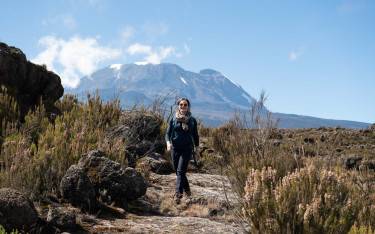
Hiker on Shira Plateau on Mt Kilimanjaro Mount Kilimanjaro, Tanzania. Photo by Ariadne van Zandbergen. © All rights reserved 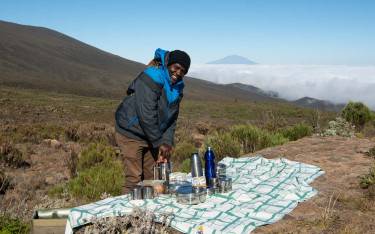
Coffee stop on Shira Plateau on Mt Kilimanjaro Mount Kilimanjaro, Tanzania. Photo by Ariadne van Zandbergen. © All rights reserved 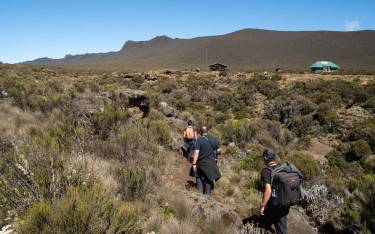
Hikers on Shira Plateau on Mt Kilimanjaro Mount Kilimanjaro, Tanzania. Photo by Ariadne van Zandbergen. © All rights reserved 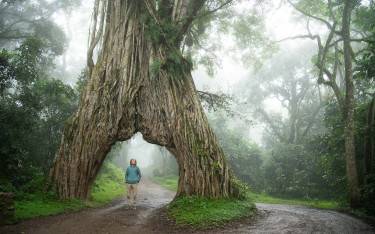
Fig tree arch on the way to Meru Crater, Arusha NP Arusha National Park, Tanzania. Photo by Ariadne van Zandbergen. © All rights reserved 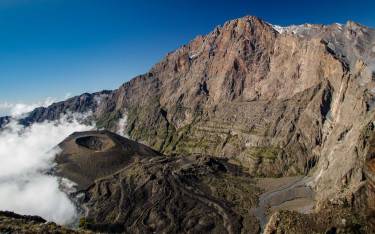
Mt Meru and its ash cone above the clouds Arusha National Park, Tanzania. Photo by LP Production. © All rights reserved 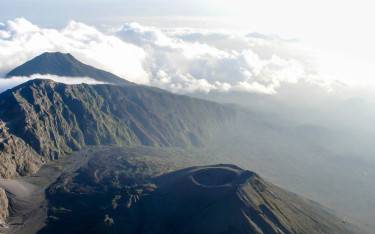
Mt Meru and its ash cone above the clouds Mount Meru, Tanzania. Photo by makasanaphoto. © All rights reserved 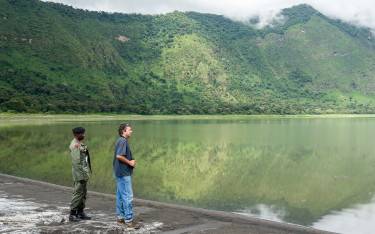
Empakaai Crater, Ngorongoro CA Empakaai Crater, Tanzania. Photo by Ariadne van Zandbergen. © All rights reserved 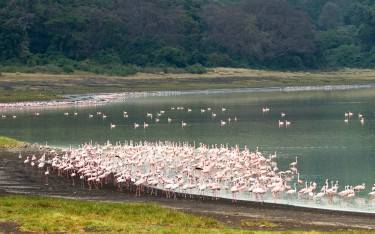
Flamingos in Empakaai Crater, Ngorongoro CA Empakaai Crater, Tanzania. Photo by Ariadne van Zandbergen. © All rights reserved 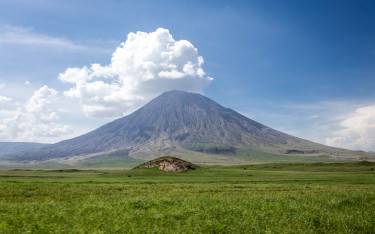
View of Ol Doinyo Lengai Ol Doinyo Lengai, Tanzania. Photo by nok6716. © All rights reserved 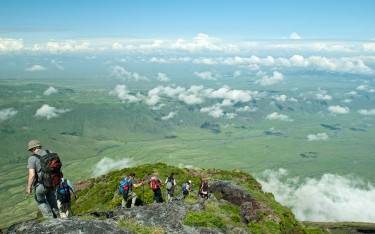
People hiking down Ol Doinyo Lengai Ol Doinyo Lengai, Tanzania. Photo by Guenter Guni. © All rights reserved 19. Take a Day Hike in the Mountains
Tanzania offers numerous options to clear your head with a highland hike
Think ‘mountain’ and ‘Tanzania’, and the next word that springs to mind will most likely be ‘Kilimanjaro’. But while summiting this iconic landmark requires several days and considerable effort, a few less-challenging day hikes can beRead more
undertaken on its slopes. Try the Shira Plateau Day Trail, which runs through an area of that offers superb close-up views of the snowcapped peak, weather permitting.Several other alluring highland walks can be undertaken in Tanzania. The immense of Mt Meru, Africa’s fifth-highest , can be accessed on a short hike that crosses the collapsed eastern wall. In the Ngorongoro Highlands, there’s the spectacular descent into Empakaai, a volcanic caldera that encloses an emerald . More ambitiously, the five-to-six-hour ascent of Ol Doinyo Lengai, an active volcano whose Maasai name translates as ‘Mountain of God’, is usually undertaken at night due to the lack of shade. -
Google Maps
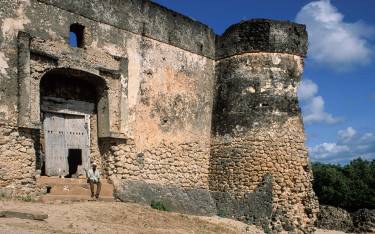
The Gereza Fort, built by Omani Arabs in 1800 Kilwa Kisiwani, Tanzania. Photo by Ariadne van Zandbergen. © All rights reserved 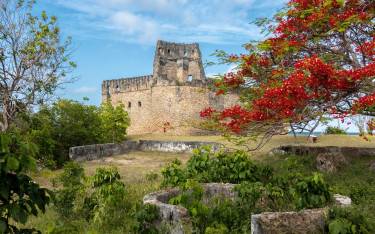
The Gereza Fort Kilwa Kisiwani, Tanzania. Photo by Fabian Leu. © All rights reserved 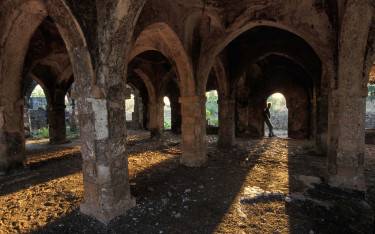
Great Mosque interior, built in the 14th century Kilwa Kisiwani, Tanzania. Photo by Ariadne van Zandbergen. © All rights reserved 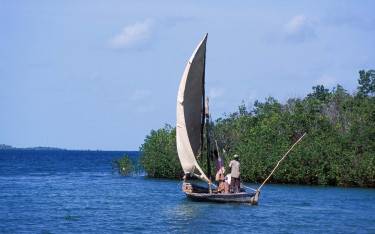
Dhow transport to Kilwa Island Kilwa Kisiwani, Tanzania. Photo by Ariadne van Zandbergen. © All rights reserved 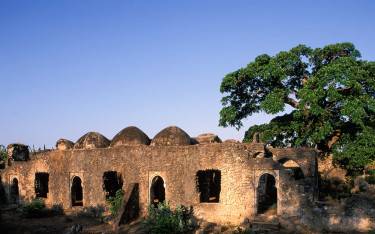
The Great Mosque Kilwa Kisiwani, Tanzania. Photo by Ariadne van Zandbergen. © All rights reserved 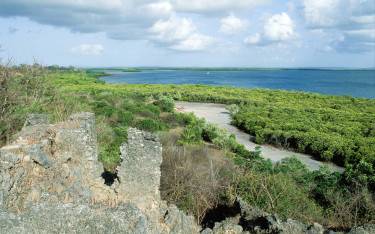
Husuni Kubwa, a 14th-century sultan's palace Kilwa Kisiwani, Tanzania. Photo by Ariadne van Zandbergen. © All rights reserved 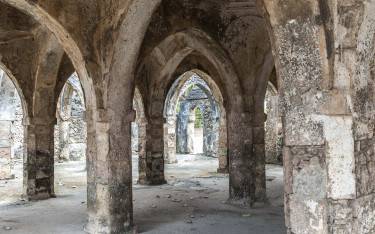
The Great Mosque Kilwa Kisiwani, Tanzania. Photo by travelview. © All rights reserved 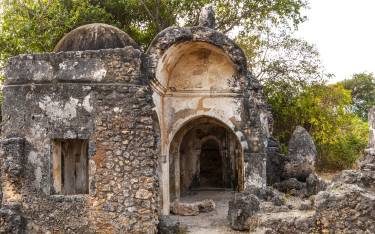
The Great Mosque Kilwa Kisiwani, Tanzania. Photo by travelview. © All rights reserved 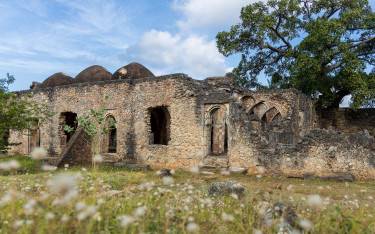
The Great Mosque Kilwa Kisiwani, Tanzania. Photo by Fabian Leu. © All rights reserved 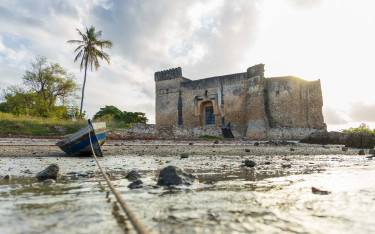
The Gereza Fort Kilwa Kisiwani, Tanzania. Photo by Fabian Leu. © All rights reserved 20. Sail Back in Time to Kilwa Ruins
East Africa’s most important medieval trade port stood on remote Kilwa Island
The Moroccan adventurer Ibn Battuta described Kilwa as “one of the most beautiful and well-constructed cities in the world” when he visited in its medieval prime. Although the port never recovered from a Portuguese naval massacreRead more
in 1505, its sprawling ruins still stand today – neglected and largely forgotten – on the island of Kilwa Kisiwani. The most fun way to reach Kilwa is to catch a across the narrow channel that separates it from the mainland. Once there, architectural highlights include an imposing waterfront fort, several palaces and a beautiful 14th-century mosque complete with multiple arches and cupolas.