31-40 of 50 Best Things To Do in Tanzania
-
Google Maps
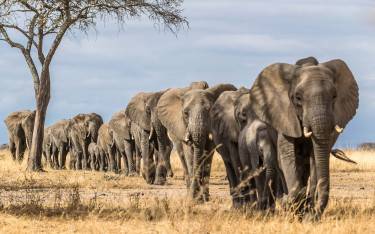
Elephants walking toward water Tarangire National Park, Tanzania. Photo by hansen.matthew.d. © All rights reserved 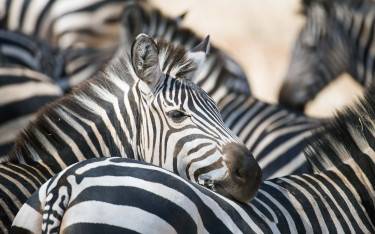
Herd of plains zebras Tarangire National Park, Tanzania. Photo by Ariadne van Zandbergen. © All rights reserved 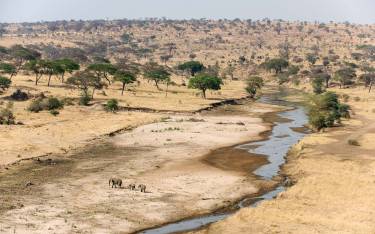
Elephants on a riverbed Tarangire National Park, Tanzania. Photo by Ariadne van Zandbergen. © All rights reserved 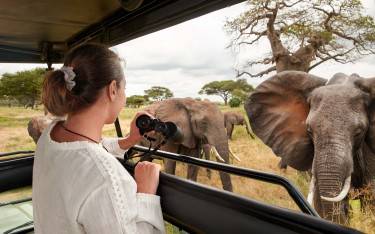
Watching elephants from a safari vehicle Tarangire National Park, Tanzania. Photo by soft_light. © All rights reserved 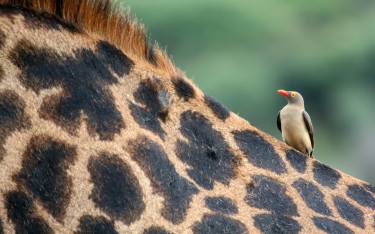
Red-billed oxpecker on a giraffe Tarangire National Park, Tanzania. Photo by Imagex. © All rights reserved 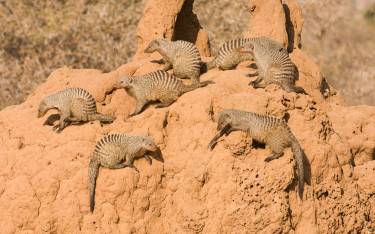
Banded mongooses on a termite mound Tarangire National Park, Tanzania. Photo by Ariadne van Zandbergen. © All rights reserved 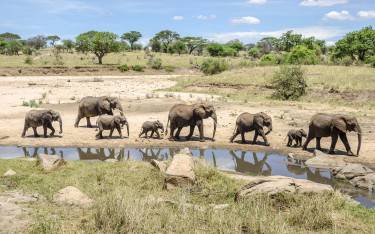
Elephants walking in a riverbed Tarangire National Park, Tanzania. Photo by laranik. © All rights reserved 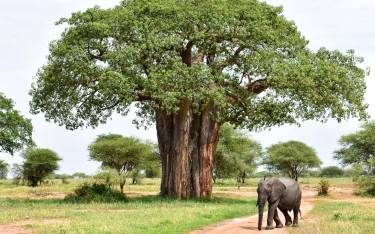
Elephant next to a baobab tree Tarangire National Park, Tanzania. Photo by Agnieszka Goleniowska. © All rights reserved 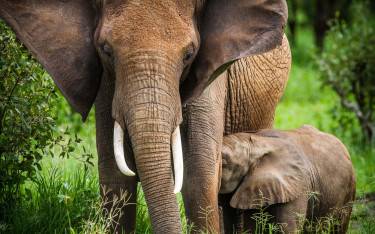
Elephant with calf Tarangire National Park, Tanzania. Photo by Radek Borovka. © All rights reserved 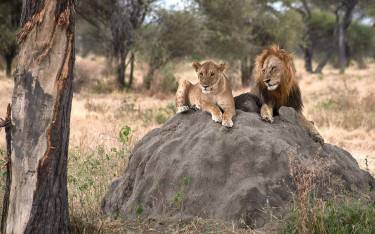
Lions sitting on a termite mound Tarangire National Park, Tanzania. Photo by Hana_Kurilova_Photography. © All rights reserved 31. Marvel at the Gray Giants of Tarangire NP
Large elephant herds and immense stud the slopes of Tarangire
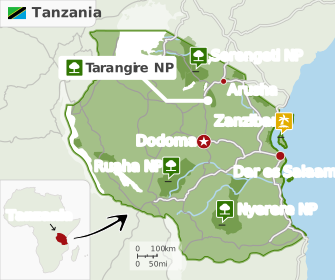
Tarangire National Park, set on the south of Arusha, is one of the most popular stops along the . Its defining feature is the Tarangire River, which attracts plentiful wildlife from manyRead more
miles around during the Dry season. Elephant numbers here can be incredible, especially in the heat of the day, when you’ll see one herd after another coming down to drink.Tarangire is also notable for the baobab trees that line its slopes. Elephants often huddle in the meagre shade of these distinctively bulbous trees, which also provide perches to eagles and vultures, and nesting sites to brightly colored . Many safaris pop into Tarangire before lunch to look for elephants, then move on in the afternoon. But an overnight stay greatly increases your chances of seeing , and it also allows you to experience this attractive park when it’s less busy. -
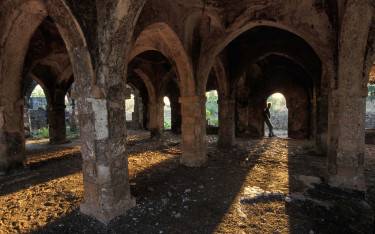
Ruins at Kilwa Kisiwani Kilwa Kisiwani, Tanzania. Photo by Ariadne van Zandbergen. © All rights reserved 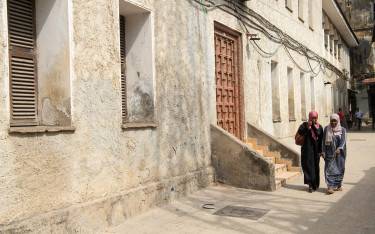
Stone Town, Zanzibar Zanzibar Stone Town, Tanzania. Photo by Ariadne van Zandbergen. © All rights reserved 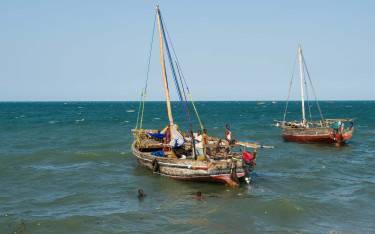
Traditional dhows at Bagamoyo Bagamoyo, Tanzania. Photo by Ariadne van Zandbergen. © All rights reserved 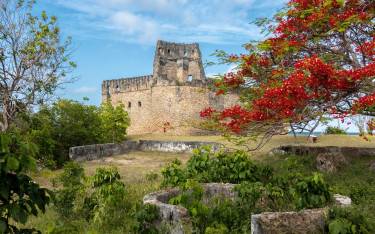
Ruins at Kilwa Kisiwani Kilwa Kisiwani, Tanzania. Photo by Fabian Leu. © All rights reserved 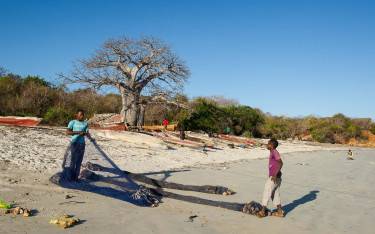
Beach scene in Kilwa Masoko Kilwa Masoko, Tanzania. Photo by Ariadne van Zandbergen. © All rights reserved 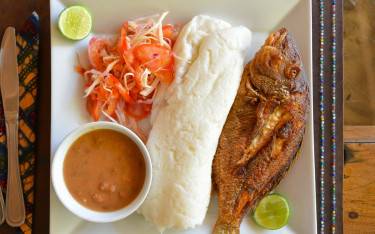
Swahili food: ugali and deep-fried fish Zanzibar Island, Tanzania. Photo by Ivan13dm. © All rights reserved 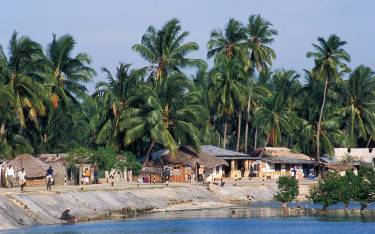
Mikindani waterfront Mikindani, Tanzania. Photo by Ariadne van Zandbergen. © All rights reserved 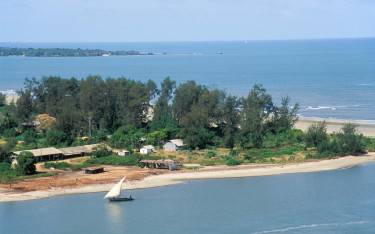
Dhow arriving at Pangani Pangani, Tanzania. Photo by Ariadne van Zandbergen. © All rights reserved 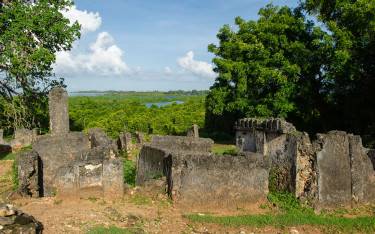
Tongoni Ruins Tongoni Ruins, Tanzania. Photo by Ariadne van Zandbergen. © All rights reserved 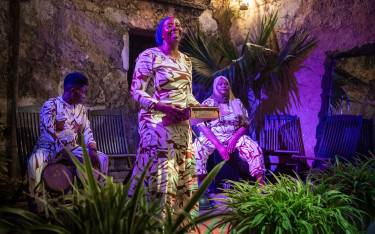
Taarab music in Zanzibar's Stone Town Zanzibar Stone Town, Tanzania. Photo by Ariadne van Zandbergen. © All rights reserved 32. Engage With Swahili Culture Along the Coast
Tanzania’s historic Indian Ocean ports are steeped in tradition
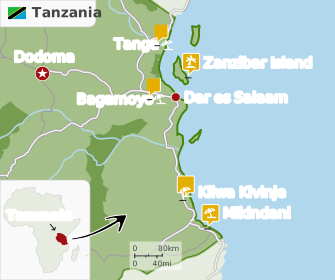
The coastal Swahili culture, a vibrant fusion of African, Arab and influences molded over a thousand years of maritime trade, can be experienced at many of Tanzania’s older ports. Best known is Zanzibar’s StoneRead more
Town, with its historic mosques, lively music scene and restaurants serving fragrant Swahili dishes such as , and coconut-laced curries.For a more down-to-earth Swahili experience, little-visited mainland ports such as Bagamoyo, Pangani, Tanga, Kilwa Kivinje and Mikindani are steeped in history and retain a strong traditional feel. Contemporary Swahili culture can also be placed in historical context by visiting the impressive medieval ruins at archaeological sites such as Kilwa Kisiwani, Songo Mnara or Tongoni. -
Google Maps
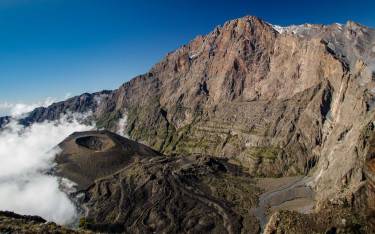
Mt Meru and its ash cone Arusha National Park, Tanzania. Photo by LP Production. © All rights reserved 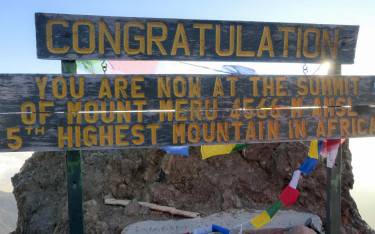
The summit Mount Meru, Tanzania. Photo by makasanaphoto. © All rights reserved 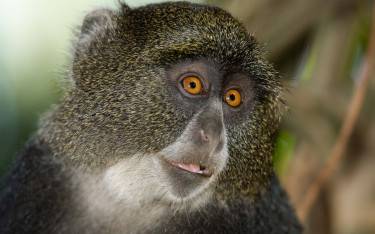
Blue monkey Arusha National Park, Tanzania. Photo by Ariadne van Zandbergen. © All rights reserved 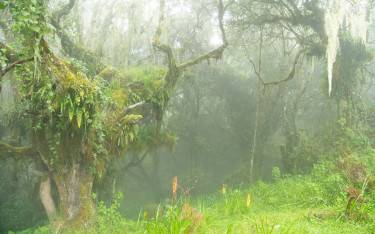
Forest shrouded in mist Mount Meru, Tanzania. Photo by Ariadne van Zandbergen. © All rights reserved 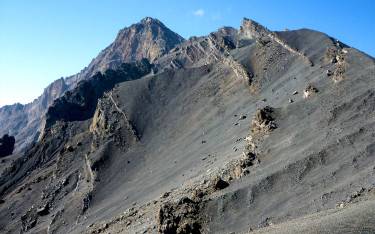
Mountain peaks Mount Meru, Tanzania. Photo by mhgallery. © All rights reserved 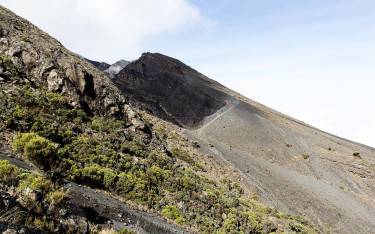
Volcanic landscape Mount Meru, Tanzania. Photo by Carlos Larretxi. © All rights reserved 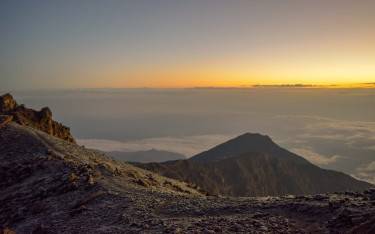
Sunrise above the clouds Mount Meru, Tanzania. Photo by Martin Mwaura. © All rights reserved 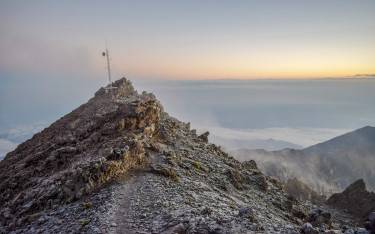
Sunrise above the clouds Mount Meru, Tanzania. Photo by Martin Mwaura. © All rights reserved 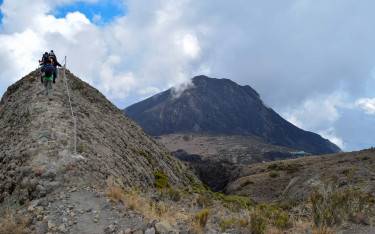
Hikers on Mt Meru Mount Meru, Tanzania. Photo by Martin Mwaura. © All rights reserved 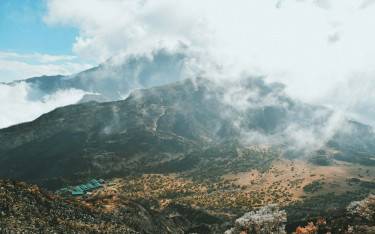
Saddle Hut Mount Meru, Tanzania. Photo by Martin Mwaura. © All rights reserved 33. Climb Meru, Africa’s Fifth-highest Mountain
A two- or four-day hike from Arusha takes you to the peak of Mt Meru
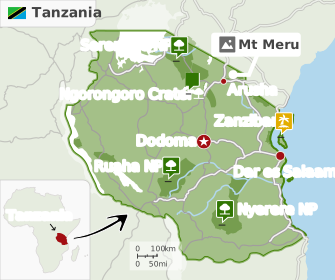
Overshadowed by Kilimanjaro 50km/31mi to the east, Mt Meru (Africa’s fifth-highest mountain) is a dormant volcano protected within Arusha National Park. Rising to 4,562m/14,967ft, Meru not only dominates the northern skyline of Arusha town, it isRead more
also responsible for the region’s fertile volcanic soil and wet microclimate.A round-trip hike up Mt Meru takes two to four days, climbing through dense into the partially collapsed , then ascending along the western crater rim to Socialist Peak. The hike is often tackled as a preliminary activity to climbing Kilimanjaro to help acclimatize to high altitude. But it also makes for a relatively affordable and uncrowded alternative to its eastern neighbor. Plenty of wildlife can be seen along the way, and the summit offers great views of Kilimanjaro’s snowcap. For those who don’t fancy a full climb, the day hike into Meru Crater, which encloses an immense ash cone, is thoroughly worthwhile. -
Google Maps
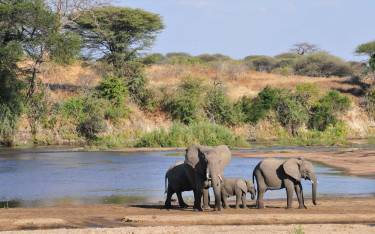
Elephants at the Great Ruaha River Ruaha National Park, Tanzania. Photo by ChristineDavies. © All rights reserved 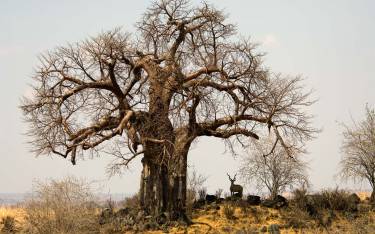
Greater kudu under a baobab tree Ruaha National Park, Tanzania. Photo by Ariadne van Zandbergen. © All rights reserved 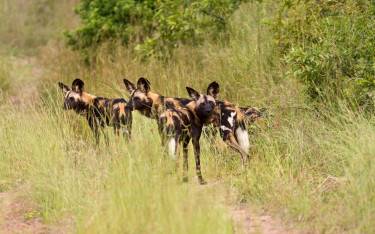
African wild dogs Ruaha National Park, Tanzania. Photo by Nick Greaves. © All rights reserved 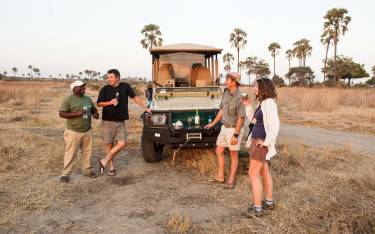
Sundowner drinks on safari Ruaha National Park, Tanzania. Photo by Ariadne van Zandbergen. © All rights reserved 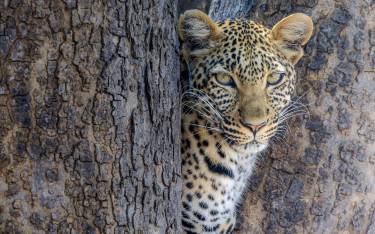
Leopard in a tree Ruaha National Park, Tanzania. Photo by Roger de la Harpe. © All rights reserved 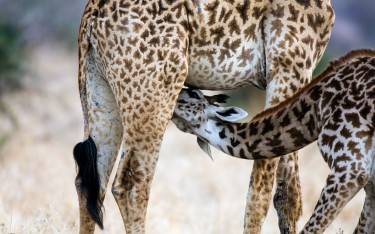
Masai giraffe suckling Ruaha National Park, Tanzania. Photo by Ariadne van Zandbergen. © All rights reserved 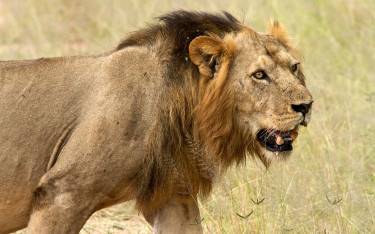
Male lion walking Ruaha National Park, Tanzania. Photo by Nick Greaves. © All rights reserved 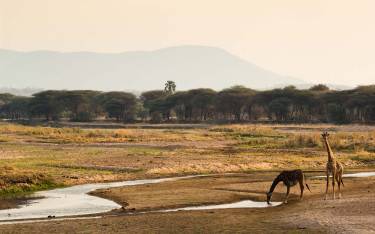
Masai giraffes Ruaha National Park, Tanzania. Photo by Ariadne van Zandbergen. © All rights reserved 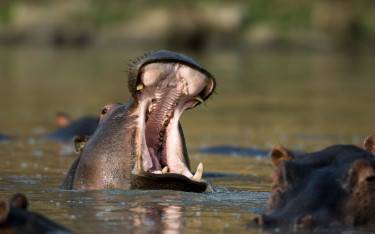
Hippo yawning Ruaha National Park, Tanzania. Photo by Ariadne van Zandbergen. © All rights reserved 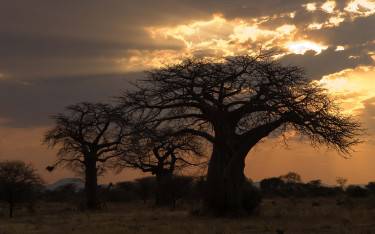
Baobab trees at sunset Ruaha National Park, Tanzania. Photo by Ariadne van Zandbergen. © All rights reserved 34. Take a Safari in the Wilds of Ruaha NP
Tanzania’s second-largest national park has a compelling wilderness vibe
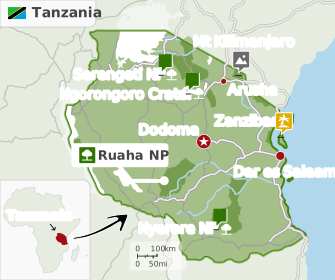
Ruaha National Park lacks the wall-to-wall wildlife that makes places such as the Serengeti and Masai Mara so appealing to first-time safari-goers. But ask a regular visitor to East Africa which is their favorite safari destinationRead more
and there’s a good chance the answer will be Ruaha. This is a very special park, one whose remote location, vast size and rugged -studded slopes combine to create a thrilling wilderness character.This 20,226km²/7,809mi² park can also offer excellent wildlife viewing. You sometimes need to work for your sightings, but it is one of the few places where you might realistically see all of Africa’s five largest carnivores – lion, leopard, cheetah, and – in the course of a standard-length safari. In addition, large herds of elephant and buffalo haunt the banks of the Ruaha River, while a diversity of antelope includes , , , and . -
Google Maps
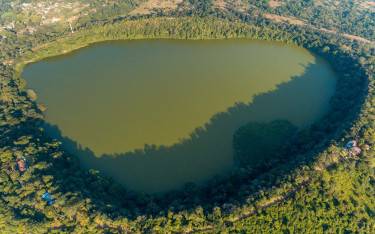
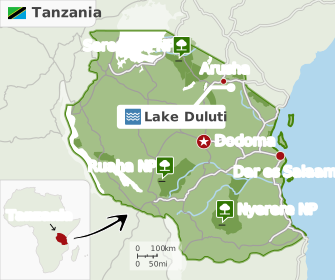
Lake Duluti Lake Duluti, Tanzania. Photo by Moiz Husein. © All rights reserved 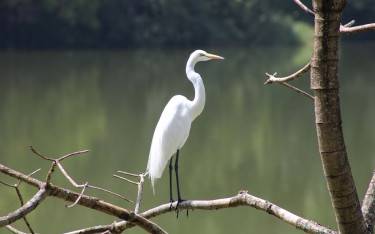
Great egret Lake Duluti, Tanzania. Photo by Amanda Emily Ulrich. © All rights reserved 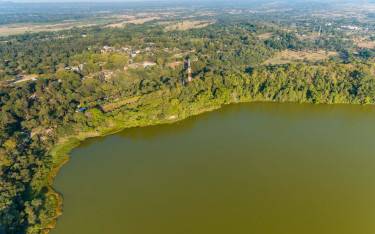
Lake Duluti Lake Duluti, Tanzania. Photo by Moiz Husein. © All rights reserved 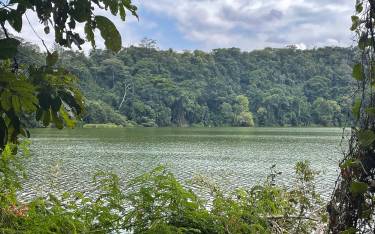
Lake Duluti Lake Duluti, Tanzania. Photo by Ariadne van Zandbergen. © All rights reserved 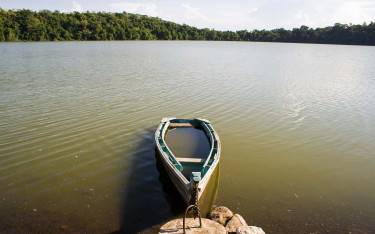
Boat on the lake Lake Duluti, Tanzania. Photo by Erichon. © All rights reserved 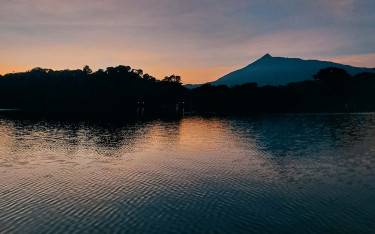
View of Mt Meru from Lake Duluti Lake Duluti, Tanzania. Photo by evo176. © All rights reserved 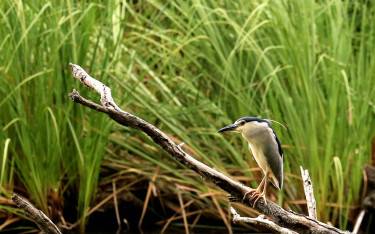
Night heron Lake Duluti, Tanzania. Photo by Bruce Ellis. © All rights reserved 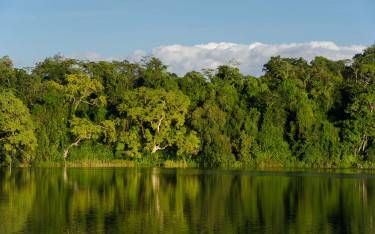
Lake Duluti Lake Duluti, Tanzania. Photo by Ariadne van Zandbergen. © All rights reserved 35. Canoe or Take a Guided Walk Around Lake Duluti
This forest-fringed crater lake is an easy day trip from Arusha
Only 30 minutes’ drive from Arusha, Duluti is a pretty crater lake enclosed by a small forest reserve. A fun way to explore it is on a trip, which needs to be arranged in advance.Read more
Alternatively, guides working with a community project are available to lead you on a 3km/2mi walking trail that circles the lake. Look out for and , along with forest birds such as , and . Views of Mounts Meru and Kilimanjaro are possible, and you can finish the outing with a lakeside drink at Duluti Forest Club. -
Google Maps
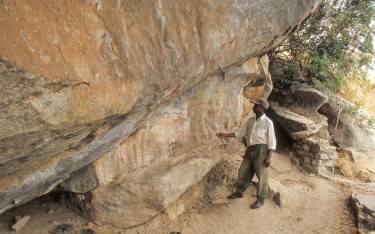
Guide showing rock art Kondoa Rock Art Sites, Tanzania. Photo by Ariadne van Zandbergen. © All rights reserved 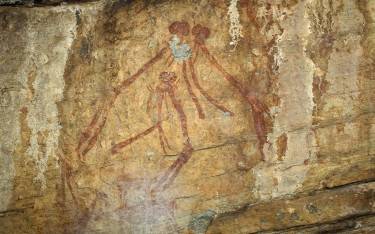
Mungomi wa Kolo rock-art panel of therianthropes Kondoa Rock Art Sites, Tanzania. Photo by Ariadne van Zandbergen. © All rights reserved 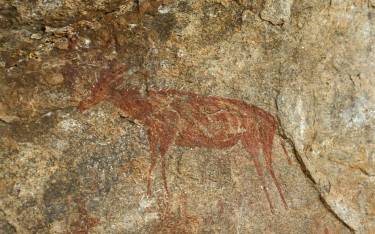
Mungomi wa Kolo rock-art panel Kondoa Rock Art Sites, Tanzania. Photo by Ariadne van Zandbergen. © All rights reserved 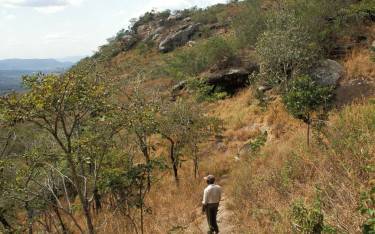
Guide leading the way to the rock-art shelter Kondoa Rock Art Sites, Tanzania. Photo by Ariadne van Zandbergen. © All rights reserved 36. Visit Mysterious Rock Paintings Around Kondoa
The boulders of this remote landscape are adorned with prehistoric art
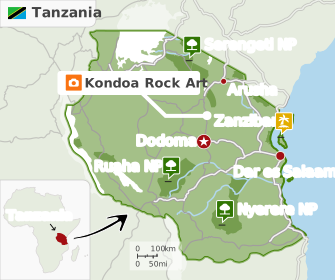
One of Tanzania’s most neglected cultural treasures, Kondoa is a Unesco World Heritage Site comprising more than 150 rock-art panels. This makes it East Africa’s largest gallery of prehistoric paintings. Geometric patterns, wildlife, people and therianthropesRead more
(human-like figures endowed with animal features) are all depicted, and the oldest paintings are thought to be 4,000 years old. The widespread superimposition of styles suggests that many panels were worked by a succession of artists over several centuries.If you visit only one panel, make it Mungomi wa Kolo (‘Dancers of Kolo’), whose mysterious central figure comprises four ant-like therianthropes with stick bodies, spindly limbs and enlarged heads. Situated on a hillside near the village of Kolo, this panel is easily visited as a day trip from Tarangire National Park, two hours’ drive to the north. If you want to see more rock art, you could easily spend a week exploring this fascinating region. -
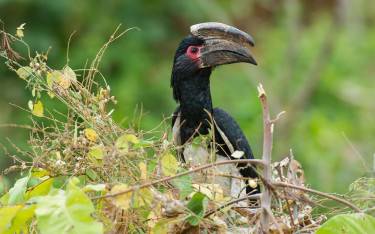
Trumpeter hornbill in the Udzungwa Mountains Udzungwa Mountains National Park, Tanzania. Photo by Ariadne van Zandbergen. © All rights reserved 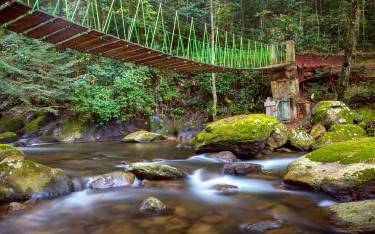
Suspension bridge in the Udzungwa Mountains Udzungwa Mountains National Park, Tanzania. Photo by Moiz Husein. © All rights reserved 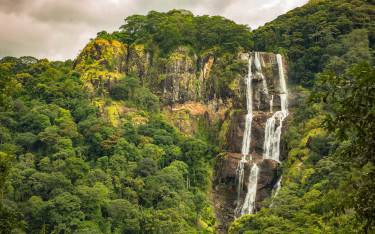
Sanje Waterfall in the Udzungwa Mountains Udzungwa Mountains National Park, Tanzania. Photo by Moiz Husein. © All rights reserved 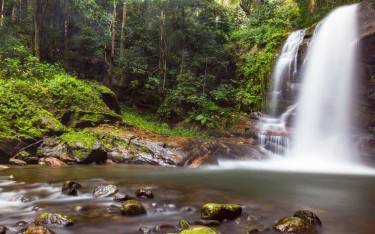
Sanje Waterfall in the Udzungwa Mountains Udzungwa Mountains National Park, Tanzania. Photo by Moiz Husein. © All rights reserved 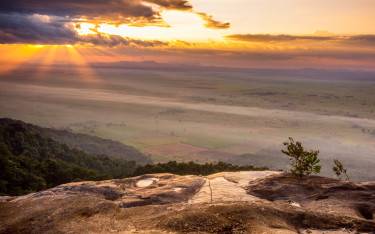
View from the Udzungwa Mountains Udzungwa Mountains National Park, Tanzania. Photo by Moiz Husein. © All rights reserved 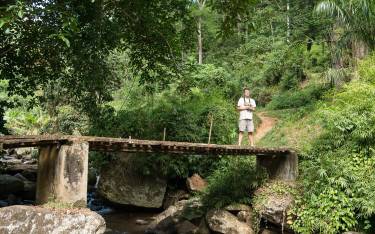
Bird watching in Amani NR Amani Nature Reserve, Tanzania. Photo by Ariadne van Zandbergen. © All rights reserved 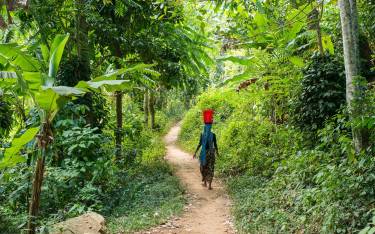
Woman carrying water in Amani NR Amani Nature Reserve, Tanzania. Photo by Ariadne van Zandbergen. © All rights reserved 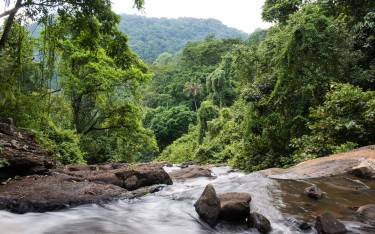
Waterfall in Amani NR Amani Nature Reserve, Tanzania. Photo by Ariadne van Zandbergen. © All rights reserved 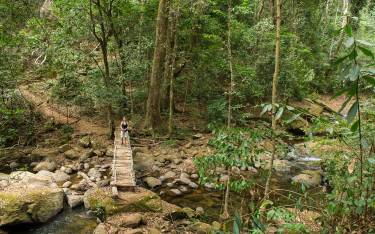
Hiker in the Udzungwa Mountains Udzungwa Mountains National Park, Tanzania. Photo by Ariadne van Zandbergen. © All rights reserved 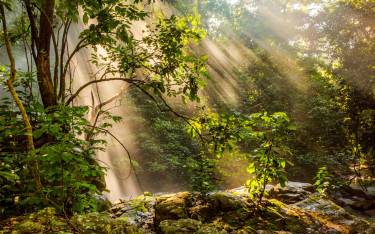
Forest in the Udzungwa Mountains Udzungwa Mountains National Park, Tanzania. Photo by Moiz Husein. © All rights reserved 37. Spot Unique Flora and Fauna in the Eastern Arc
These forested mountains are a global hot spot rich in
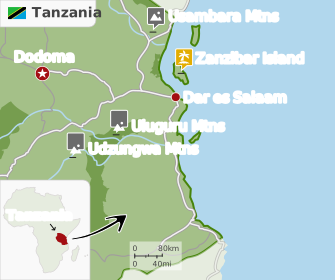
Often referred to as the African Galápagos, the Eastern Arc is a chain of 13 distinct mountain ranges, all but one of which lies within Tanzania. In ecological terms, each range is much like an island,Read more
supporting a cover of ancient forest that’s been separated from the other 12 for 10 million years. Collectively, the mountains rank among the world’s top 20 biodiversity hot spots, with a wealth of endemics that includes more than 75 species and 16 plant genera.The Udzungwa Mountains – the only Eastern Arc range protected in a national park – are often tagged onto a safari. Farther north, Lushoto, the main town of the West Usambara Mountains, hosts a community ecotourism project offering a range of guided hikes, while Amani Nature Reserve in East Usambara is a top birding hot spot. Other less-developed ranges such as Uluguru, Pare and Rubeho offer rich pickings to off-the-beaten-track adventurers. -
Google Maps
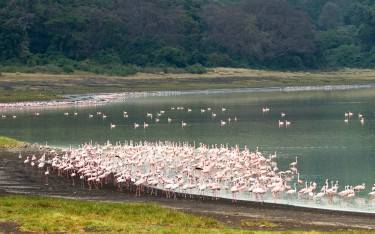
Flamingos in Empakaai Crater Empakaai Crater, Tanzania. Photo by Ariadne van Zandbergen. © All rights reserved 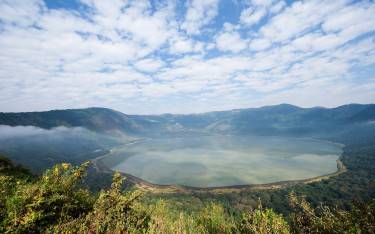
Empakaai Crater Empakaai Crater, Tanzania. Photo by Ariadne van Zandbergen. © All rights reserved 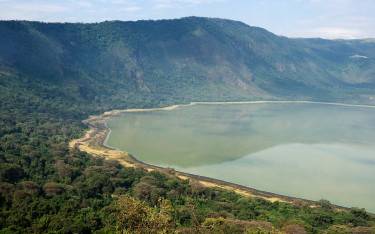
Empakaai Crater Empakaai Crater, Tanzania. Photo by Ariadne van Zandbergen. © All rights reserved 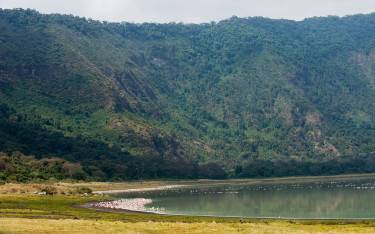
Flamingos in Empakaai Crater Empakaai Crater, Tanzania. Photo by Ariadne van Zandbergen. © All rights reserved 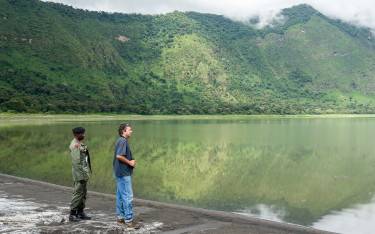
Traveler and park ranger in Empakaai Crater Empakaai Crater, Tanzania. Photo by Ariadne van Zandbergen. © All rights reserved 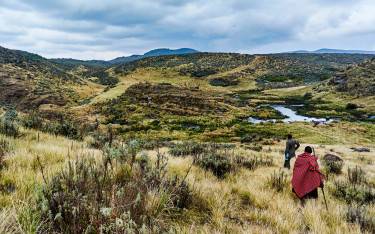
Olmoti Crater Olmoti Crater, Tanzania. Photo by Thomas Brissiaud. © All rights reserved 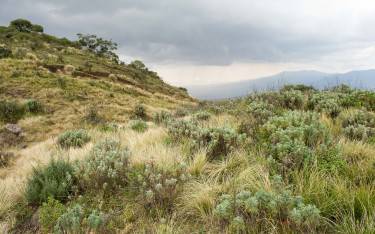
Olmoti Crater Ngorongoro Highlands, Tanzania. Photo by Ariadne van Zandbergen. © All rights reserved 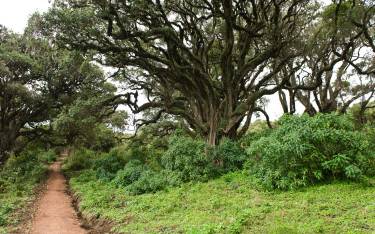
Path leading to Olmoti Crater Olmoti Crater, Tanzania. Photo by Ariadne van Zandbergen. © All rights reserved 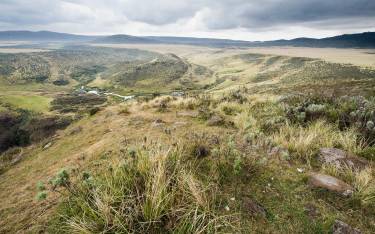
View into Olmoti Crater Olmoti Crater, Tanzania. Photo by Ariadne van Zandbergen. © All rights reserved 38. Explore Empakaai and Olmoti Craters
These scenic gems lie in the same volcanic highlands as Ngorongoro Crater
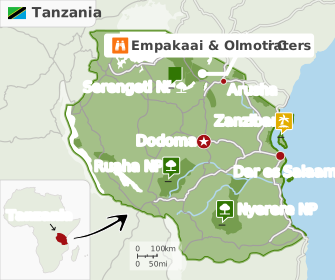
Empakaai Crater is one of the most neglected beauty spots on Tanzania’s . Enclosed by 540m-/1,772ft-deep walls, this intact volcanic has a diameter of 8km/5mi and surrounds an emerald-colored lake that often hosts flocksRead more
of flamingo. From the rim, there are views to the active volcano Ol Doinyo Lengai and, on a clear day, to distant Mt Kilimanjaro. The steep guided hike to the crater floor takes around 45 minutes in each direction, passing through lush highland forest inhabited by buffalo, and .Empakaai is a spectacular spot for a day outing within the Ngorongoro Conservation Area. The 90-minute drive there passes below 3,648m/11,968ft Mt Lolmalasin, the tallest peak in the Ngorongoro Highlands. On the way, you can do a short guided walk to the wider and shallower Olmoti Crater, where you might see antelope grazing alongside red-blanketed Maasai herders and their livestock. -
Google Maps
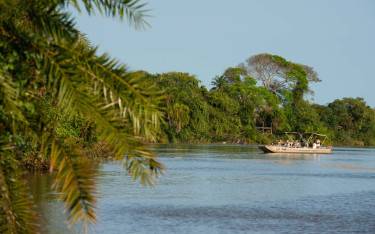
Boat safari on the Wami River Saadani National Park, Tanzania. Photo by Ariadne van Zandbergen. © All rights reserved 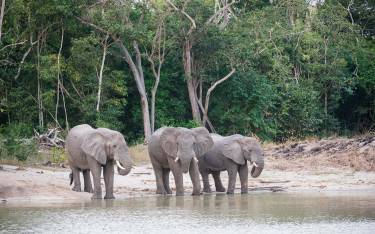
Elephants drinking Saadani National Park, Tanzania. Photo by Ariadne van Zandbergen. © All rights reserved 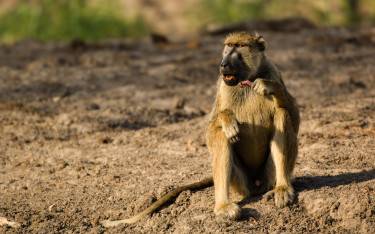
Yellow baboon Saadani National Park, Tanzania. Photo by Ariadne van Zandbergen. © All rights reserved 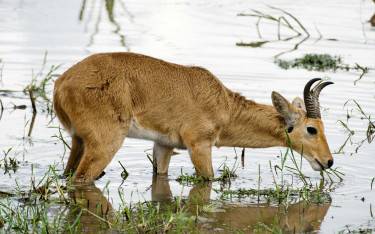
Bohor reedbuck Saadani National Park, Tanzania. Photo by Ariadne van Zandbergen. © All rights reserved 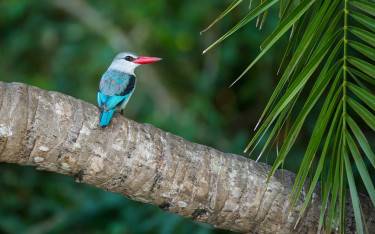
Mangrove kingfisher Saadani National Park, Tanzania. Photo by Ariadne van Zandbergen. © All rights reserved 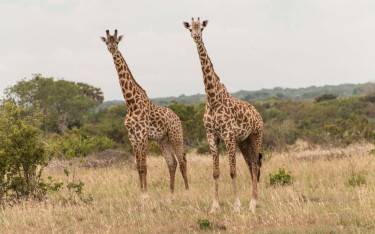
Two giraffes Saadani National Park, Tanzania. Photo by UlangaTz. © All rights reserved 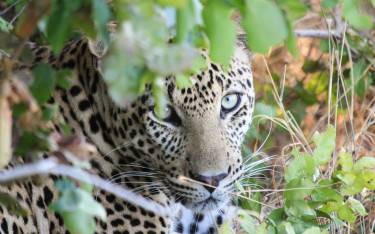
Leopard Saadani National Park, Tanzania. Photo by peter kilasa. © All rights reserved 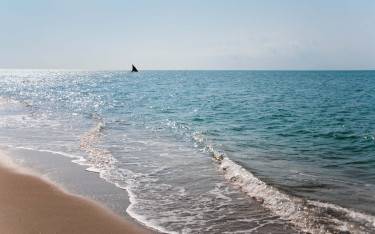
Dhow at sea Saadani National Park, Tanzania. Photo by Alexandra Giese. © All rights reserved 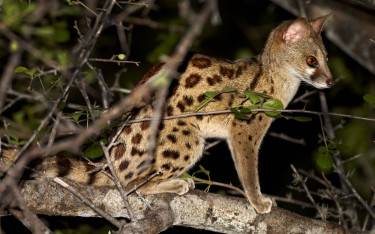
Large-spotted genet Saadani National Park, Tanzania. Photo by Martin Mecnarowski. © All rights reserved 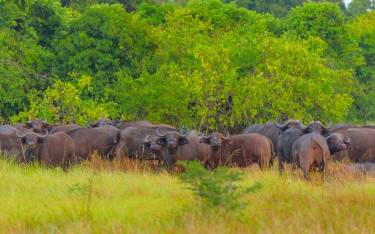
Buffalo herd Saadani National Park, Tanzania. Photo by KlavdiyaV. © All rights reserved 39. Try a Beach-and-bush Combo at Saadani NP
The only East African beach destination inhabited by four of the
Saadani National Park is a thoroughly enjoyable off-the-beaten-track safari destination. The Indian Ocean beaches are gorgeous and double as northern Tanzania’s only -nesting site. Boat trips on the Wami River are good for spotting ,Read more
and , while nearby often host large flocks of . Common plains wildlife includes giraffe, buffalo, , , and half a dozen antelope species.Saadani is often marketed as the only place in East Africa where elephants or might be seen strolling along the beach. In practice, however, none of these animals subsist on sand or salt water, so the odds of a beach encounter are slim. That said, there’s a good chance of spotting elephant – and to a lesser extent lion or leopard – on inland. And if you do, other visitors are so rare that you’ll probably have the sighting to yourself. -
Google Maps

Runners at the Kilimanjaro Marathon Mount Kilimanjaro, Tanzania. Photo by Wild Frontiers. © All rights reserved 
Participants posing for a photo at the start Mount Kilimanjaro, Tanzania. Photo by Wild Frontiers. © All rights reserved 
Runners approaching a water table Mount Kilimanjaro, Tanzania. Photo by Wild Frontiers. © All rights reserved 
Runners posing for a photo Mount Kilimanjaro, Tanzania. Photo by Wild Frontiers. © All rights reserved 
Water table Mount Kilimanjaro, Tanzania. Photo by Wild Frontiers. © All rights reserved 
Runners at the Kilimanjaro Marathon Mount Kilimanjaro, Tanzania. Photo by Wild Frontiers. © All rights reserved 
Spectators Mount Kilimanjaro, Tanzania. Photo by Wild Frontiers. © All rights reserved 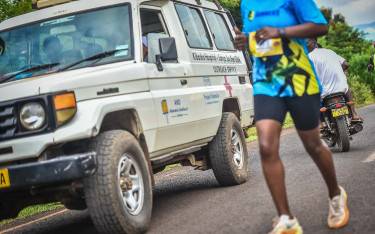
Medical support crew Mount Kilimanjaro, Tanzania. Photo by Wild Frontiers. © All rights reserved 
People running and walking Mount Kilimanjaro, Tanzania. Photo by Wild Frontiers. © All rights reserved 
Medal for the half-marathon Mount Kilimanjaro, Tanzania. Photo by Wild Frontiers. © All rights reserved 40. Run the Kilimanjaro Marathon
This annual marathon takes place in the shadow of Africa’s tallest mountain
Held every February or March, the Kilimanjaro Marathon first took place in 2002. It has since grown to become East Africa’s premier running event, attracting around 12,000 local and international entrants. The run doesn’t actually takeRead more
place on the mountain but in the foothills around Moshi. The route follows surfaced roads that span relatively moderate altitudes of 830m to 1,150m (2,700ft to 3,800ft), with most of the climbing occurring in the first 10km/6mi. In addition to the full marathon, there is a half-marathon and a 5km/3mi fun run.