21-30 of 50 Best Things To Do in Tanzania
-
Google Maps
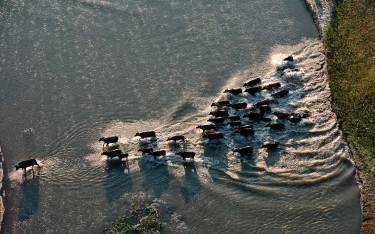
Herd of buffalo crossing the Rufiji River Nyerere National Park, Tanzania. Photo by Michael Poliza. © All rights reserved 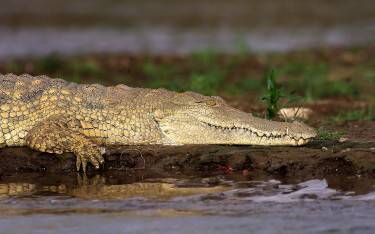
Nile crocodile Nyerere National Park, Tanzania. Photo by Michael Poliza. © All rights reserved 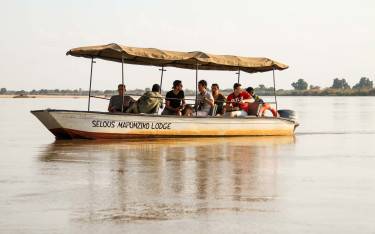
Boat safari on the Rufiji River Nyerere National Park, Tanzania. Photo by Joris Leermakers. © All rights reserved 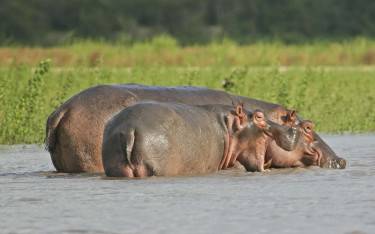
Hippos in the water Nyerere National Park, Tanzania. Photo by Photoblueice. © All rights reserved 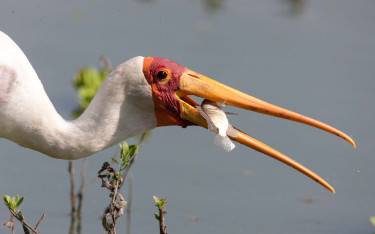
Yellow-billed stork eating a fish Nyerere National Park, Tanzania. Photo by Michael Poliza. © All rights reserved 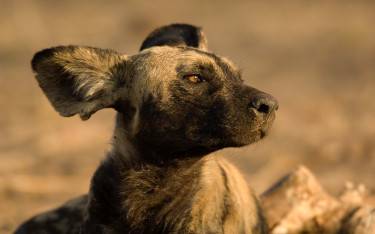
Africa wild dog Nyerere National Park, Tanzania. Photo by Ariadne van Zandbergen. © All rights reserved 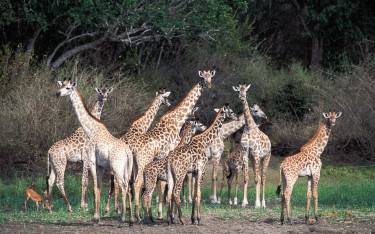
Masai giraffes Nyerere National Park, Tanzania. Photo by Ariadne van Zandbergen. © All rights reserved 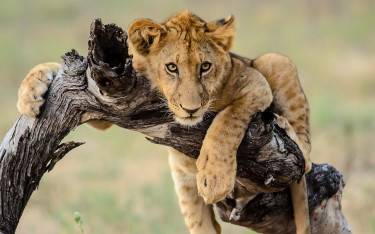
Lion cub lying on a branch Nyerere National Park, Tanzania. Photo by Trevorplatt. © All rights reserved 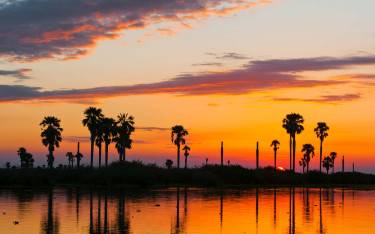
Sunset over Lake Manze Nyerere National Park, Tanzania. Photo by Zwilling330. © All rights reserved 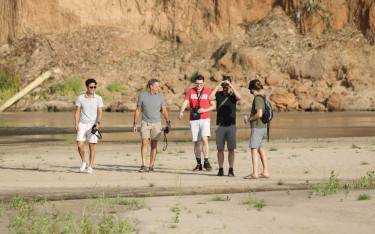
Walking safari Nyerere National Park, Tanzania. Photo by Matthijs Verberkmoes. © All rights reserved 21. Mix Boat, Foot and 4x4 Safaris in Nyerere NP
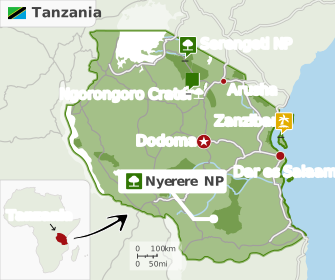
Nyerere is the only major Tanzanian park suited to boat safaris
It’s difficult to absorb the sheer scale of Nyerere National Park (formerly Selous Game Reserve). Extending across southeast Tanzania for 30,893km²/11,928mi², this vast park is larger than Belgium or Rwanda, and it provides sanctuary to someRead more
of Africa’s most substantial populations of elephant, buffalo, lion, and .Nyerere stands out for its exceptional variety of wildlife-viewing activities. here are always rewarding, and most lodges and camps also offer quality guided . But the defining Nyerere experience is a boat safari, which can be undertaken on the Rufiji (Tanzania’s largest river) or a network of associated lakes. Hippos grunt loudly in the shallows, massive show off their fearsome teeth as they bask on the sandbanks, the birdlife is dazzling, and you might well see giraffes coming down to drink or elephants crossing between riverbanks. It’s a magical experience. -
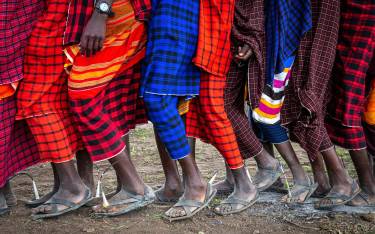
Maasai warriors dancing Maasai Village, Tanzania. Photo by Katiekk. © All rights reserved 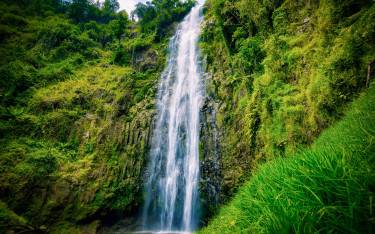
Materuni Waterfalls Materuni Waterfalls, Tanzania. Photo by Robert Cernat. © All rights reserved 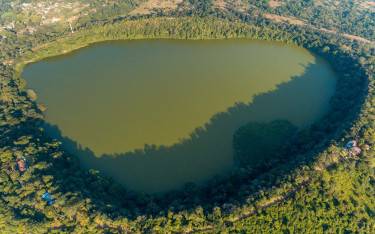
Lake Duluti Lake Duluti, Tanzania. Photo by Moiz Husein. © All rights reserved 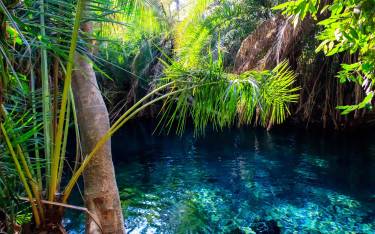
Kikuletwa Hot Springs Kikuletwa Hot Springs, Tanzania. Photo by Olha Solodenko. © All rights reserved 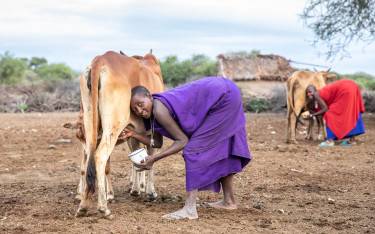
Maasai women milking cows Maasai Village, Tanzania. Photo by Kairi Aun. © All rights reserved 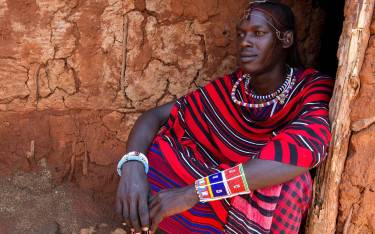
Maasai warrior in front of his hut Maasai Village, Tanzania. Photo by Ariadne van Zandbergen. © All rights reserved 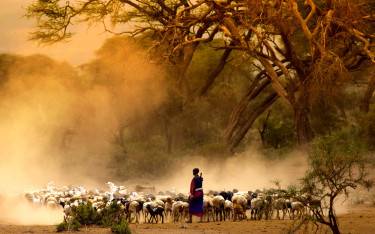
Maasai boy herding livestock Maasai Village, Tanzania. Photo by Andrzej Kubik. © All rights reserved 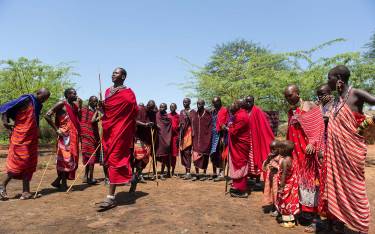
Maasai dancing Maasai Village, Tanzania. Photo by Ariadne van Zandbergen. © All rights reserved 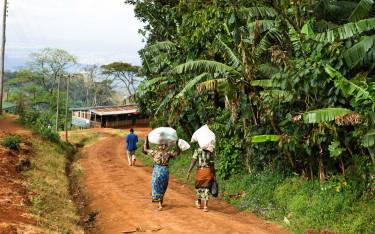
Road through Chagga farmland Foothills of Mt Kilimanjaro, Tanzania. Photo by Ariadne van Zandbergen. © All rights reserved 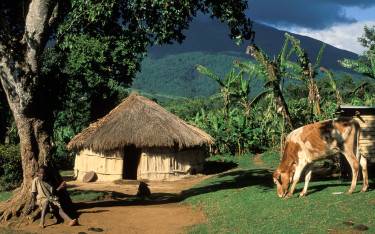
Ng'iresi Village Foothills of Mt Meru, Tanzania. Photo by Ariadne van Zandbergen. © All rights reserved 22. Go Local on a Cultural Tourism Outing
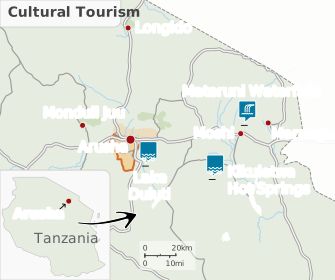
Many enjoyable community tourism programs operate around Arusha and Moshi
Experience a different side of East Africa on a day excursion to one of the community-based projects overseen by the Tanzania Cultural Tourism Programme. Some projects focus on natural features such as Materuni Waterfalls, Lake DulutiRead more
or Kikuletwa Hot Springs. Others are more about cultural interaction – for instance, with Maasai cattle herders at Longido, or Chagga subsistence farmers at Marangu, or a Wa-arusha women’s group at Ng’iresi. More active overnight options include a camelback safari at Mkuru or a remote mountain hike at Monduli Juu.Whichever cultural project you visit, you can be sure it will be fascinating – and fun – to interact with local Tanzanians outside the mainstream tourist infrastructure. Just as importantly, these projects play a vital role when it comes to empowering and providing work opportunities to women and young people in rural areas. -
Google Maps
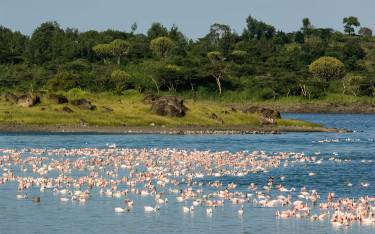
Lesser flamingos in the Momela Lakes Arusha National Park, Tanzania. Photo by Ariadne van Zandbergen. © All rights reserved 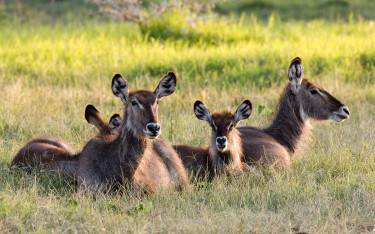
Common waterbuck resting Arusha National Park, Tanzania. Photo by Ariadne van Zandbergen. © All rights reserved 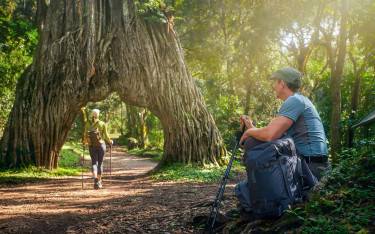
Hikers in the forest Arusha National Park, Tanzania. Photo by Arshinov Andrei. © All rights reserved 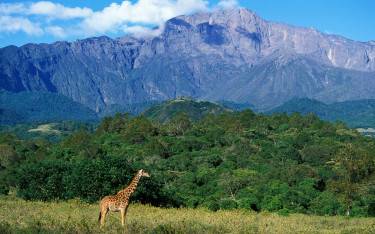
Giraffe in front of Mt Meru Arusha National Park, Tanzania. Photo by Ariadne van Zandbergen. © All rights reserved 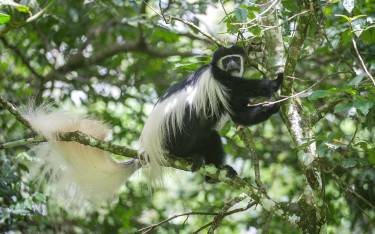
Black-and-white colobus Arusha National Park, Tanzania. Photo by Ariadne van Zandbergen. © All rights reserved 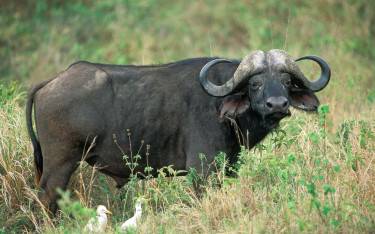
Buffalo bull Arusha National Park, Tanzania. Photo by Ariadne van Zandbergen. © All rights reserved 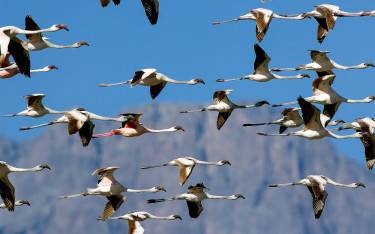
Flamingos in flight Arusha National Park, Tanzania. Photo by Michael Poliza. © All rights reserved 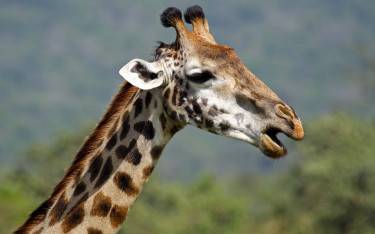
Giraffe Arusha National Park, Tanzania. Photo by Mogens Trolle. © All rights reserved 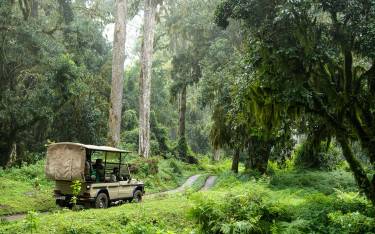
Safari vehicle in the forest Foothills of Mt Meru, Tanzania. Photo by Ariadne van Zandbergen. © All rights reserved 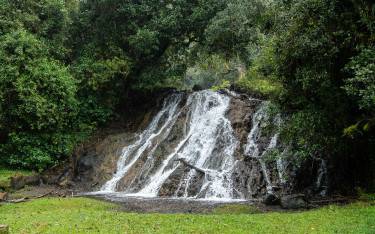
Maio Waterfall Foothills of Mt Meru, Tanzania. Photo by Ariadne van Zandbergen. © All rights reserved 23. Take a Safari in Arusha NP
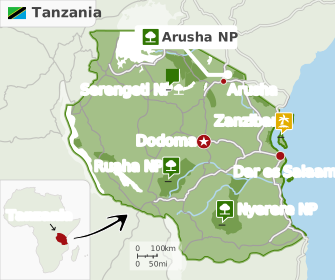
This underrated park is the closest wildlife destination to Arusha town
Arusha National Park packs plenty of variety into a smallish area. Focused around the 4,562m-/14,967ft-high Mt Meru, this well-watered park protects a green mosaic of grassland, forest and wetland habitats. Scenic landmarks include Ngurdoto Crater (whichRead more
resembles a scaled-down version of Ngorongoro) and the pretty Momela Lakes. There are also close-up views of Mt Meru and more distant ones of Kilimanjaro.The wildlife doesn’t compare to Tanzania’s big-name parks, but you could see elephant, buffalo, giraffe, , , and . Forest and wetland birds include the dazzling and large flamingo flocks. can be combined with on the lakes or guided hikes into Meru or Ngurdoto Craters. Because Arusha NP is less than an hour’s drive from Arusha town or Kilimanjaro International Airport, a day trip there is a perfect itinerary filler at the start or end of an extended safari. -
Google Maps
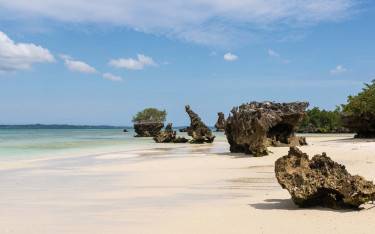
White sandy beach with coral outcrops Pemba Island, Tanzania. Photo by Nicola Ferrari. © All rights reserved 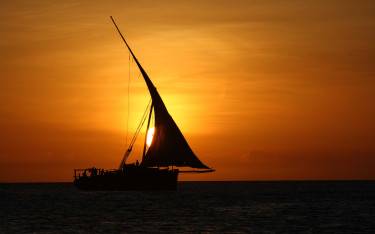
Dhow at sunset Pemba Island, Tanzania. Photo by Alex Edwards. © All rights reserved 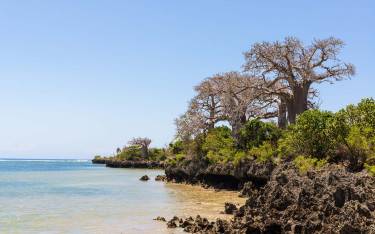
Baobab trees on the rocky shore Pemba Island, Tanzania. Photo by Nicola Ferrari. © All rights reserved 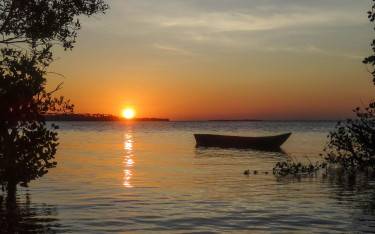
Sunset over the ocean Pemba Island, Tanzania. Photo by Christopher Graf. © All rights reserved 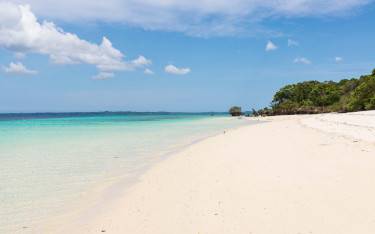
White sandy beach Pemba Island, Tanzania. Photo by Nicola Ferrari. © All rights reserved 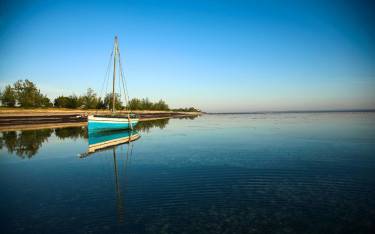
Dhow in front of the beach Pemba Island, Tanzania. Photo by Jacobus Janse van Rensburg. © All rights reserved 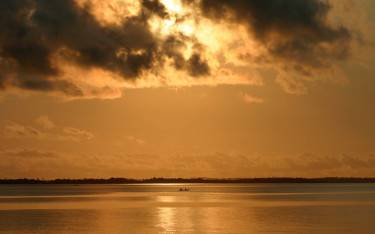
Ocean view at sunrise Pemba Island, Tanzania. Photo by Aron Vincze. © All rights reserved 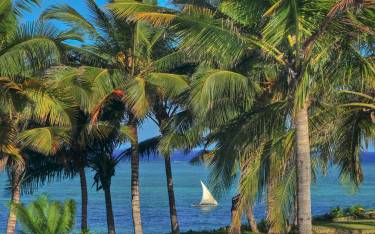
Dhow seen through palm trees Pemba Island, Tanzania. Photo by benitolinares. © All rights reserved 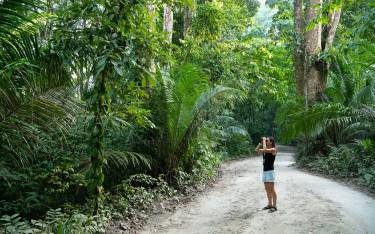
Bird watching in Ngezi Vumawimbi FR Pemba Island, Tanzania. Photo by Ariadne van Zandbergen. © All rights reserved 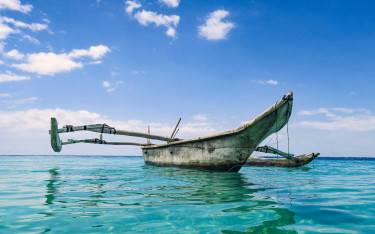
Dhow on turquoise water Pemba Island, Tanzania. Photo by Wmdbanks. © All rights reserved 24. Explore Pristine Beaches and Reefs on Pemba
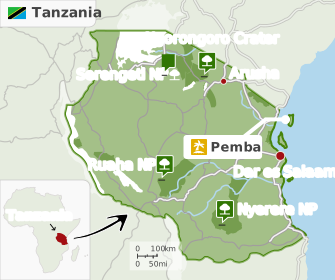
Pemba Island, Zanzibar’s neglected twin, remains unspoiled and idyllic
The Indian Ocean island of Pemba shares many attractive features with its more celebrated neighbor Zanzibar, 80km/50mi farther south. Along the coast, you’ll find long sandy swimming beaches, traditional fishing villages and crumbling medieval ruins,Read more
while the hilly interior is planted with aromatic spices and tropical fruits. When it comes to snorkeling and diving, Pemba’s extensive offshore coral gardens and reefs have few peers anywhere in East Africa. There is also Ngezi Vumawimbi Forest Reserve, which is home to the outsized and four bird species. Despite all this, tourist development is restricted to a handful of small resorts, making Pemba a great uncrowded alternative to Zanzibar. -
Google Maps
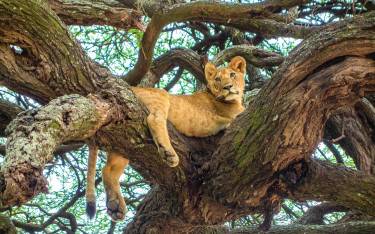
Tree-climbing lion Lake Manyara National Park, Tanzania. Photo by Melanie Stuije. © All rights reserved 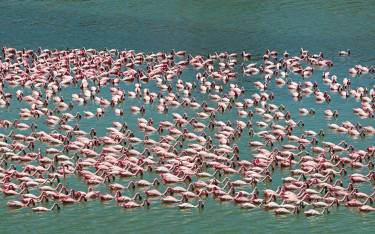
Flock of flamingos feeding Lake Manyara National Park, Tanzania. Photo by Irena Kofman. © All rights reserved 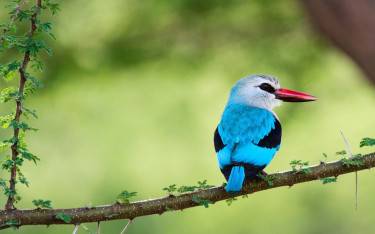
Woodland kingfisher Lake Manyara National Park, Tanzania. Photo by Shalamov. © All rights reserved 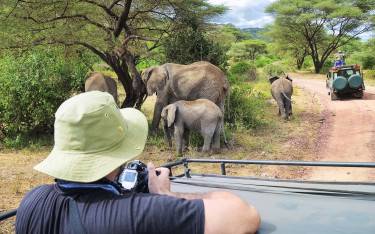
Safari vehicles with elephants Lake Manyara National Park, Tanzania. Photo by Oleg Znamenskiy. © All rights reserved 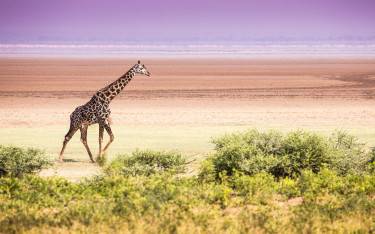
Giraffe walking on the floodplains Lake Manyara National Park, Tanzania. Photo by Curioso.Photography. © All rights reserved 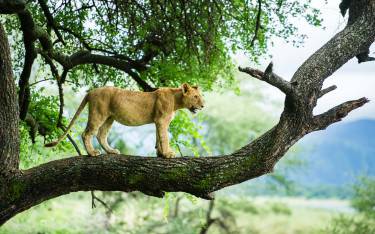
Tree-climbing lion Lake Manyara National Park, Tanzania. Photo by Ariadne van Zandbergen. © All rights reserved 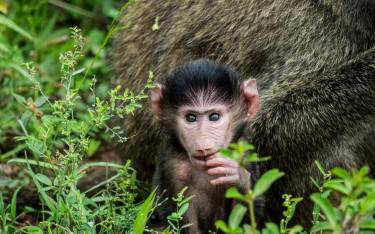
Baby baboon Lake Manyara National Park, Tanzania. Photo by Alexander Goemans. © All rights reserved 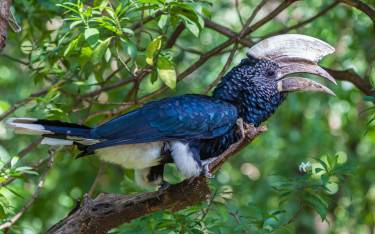
Silvery-cheeked hornbill Lake Manyara National Park, Tanzania. Photo by Marius Dobilas. © All rights reserved 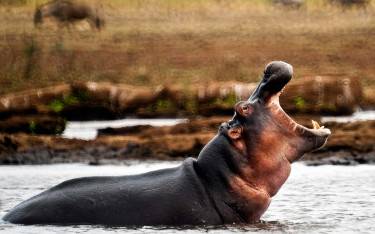
Hippo yawning Lake Manyara National Park, Tanzania. Photo by gmg61. © All rights reserved 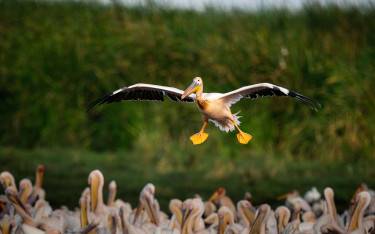
Great white pelican in flight Lake Manyara National Park, Tanzania. Photo by Wirestock Creators. © All rights reserved 25. Look for Lions up Trees in Lake Manyara NP
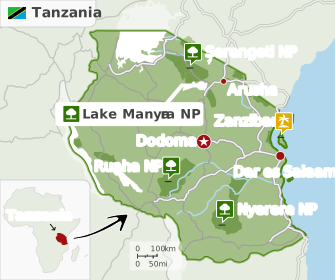
This scenic park on the is home to tree-climbing lions
Everybody knows that lions don’t climb trees. Indeed, in most parts of their range, you could encounter these determinedly earthbound cats on a daily basis for years and never see one in a tree. Not soRead more
at Lake Manyara National Park. Here, the lions have thrown out the rule book and they routinely laze on branches in the heat of the day; truly a sight to behold!If you only do one or two in Manyara, there’s no guarantee you’ll encounter lions. But the park is also notable for the lake’s plentiful waterbirds and scenic location below the , while common wildlife includes elephant, buffalo, giraffe and . And if you do miss out on tree-climbing lions, don’t despair. Assuming you’re heading on to the Serengeti, this unusual behavior is now also seen with increasing frequency there, especially in the central Seronera Valley. -
Google Maps
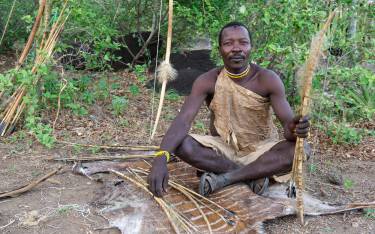
Hadzabe man with bow and arrow Lake Eyasi, Tanzania. Photo by Ariadne van Zandbergen. © All rights reserved 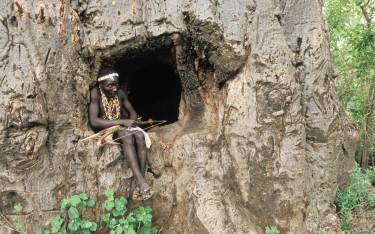
Hadzabe hunter sitting in a baobab tree Lake Eyasi, Tanzania. Photo by Ariadne van Zandbergen. © All rights reserved 
Hadzabe women and child Lake Eyasi, Tanzania. Photo by Ariadne van Zandbergen. © All rights reserved 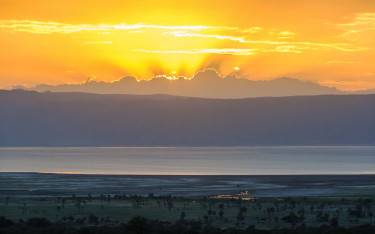
Sunset over Lake Eyasi Lake Eyasi, Tanzania. Photo by kovgabor79. © All rights reserved 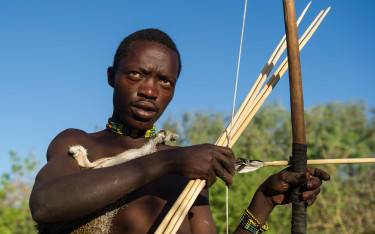
Hadzabe man hunting with bow and arrow Lake Eyasi, Tanzania. Photo by Ariadne van Zandbergen. © All rights reserved 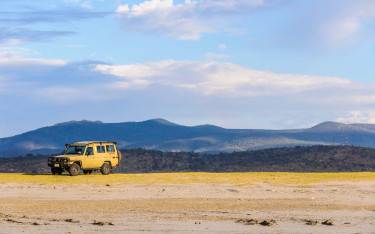
4x4 vehicle on the lakeshore Lake Eyasi, Tanzania. Photo by kovgabor79. © All rights reserved 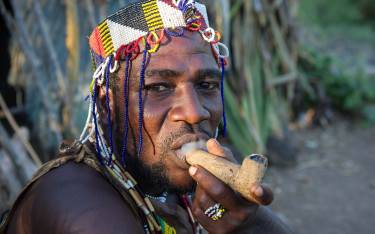
Hadzabe man smoking a traditional pipe Karatu District, Tanzania. Photo by Ariadne van Zandbergen. © All rights reserved 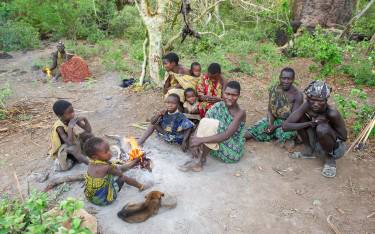
Hadzabe family sitting by the fire Lake Eyasi, Tanzania. Photo by Ariadne van Zandbergen. © All rights reserved 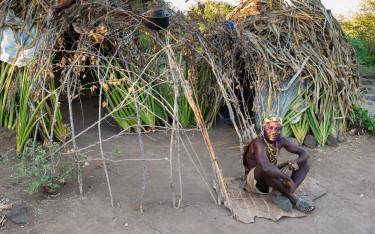
Hadzabe man sitting in front of his hut Lake Eyasi, Tanzania. Photo by Ariadne van Zandbergen. © All rights reserved 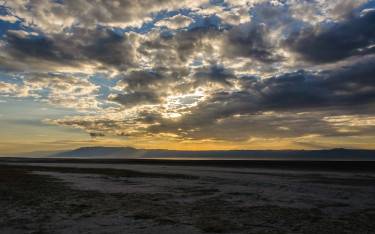
Sunset over Lake Eyasi Lake Eyasi, Tanzania. Photo by kovgabor79. © All rights reserved 26. Meet Hadzabe Hunter-gatherers at Lake Eyasi
Tanzania’s last hunter-gatherers live around this remote lake
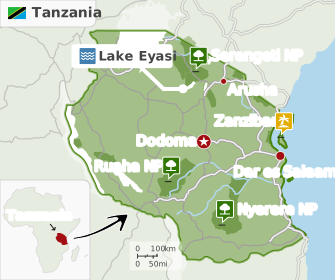
The Hadzabe people of Eyasi are among the last adherents to the hunter-gatherer lifestyle, which sustained the world’s entire human population for 99% of our existence. Traditionally, they live in nomadic family groups and subsist onRead more
a combination of roots, fruits and other vegetarian fare collected by the women, while meat is hunted by the men with a bow and arrow.A cultural tourism program in Mang’ola, the area’s largest settlement, arranges guided visits and hunting excursions with Hadzabe clans who choose to maintain a seminomadic lifestyle, despite repeated government attempts to settle them. The other attraction of this area is Lake Eyasi itself. Set below a dramatic 800m/2,625ft , the soda-crusted shallows of this vast Rift Valley lake usually support large flocks of flamingos and shorebirds. -
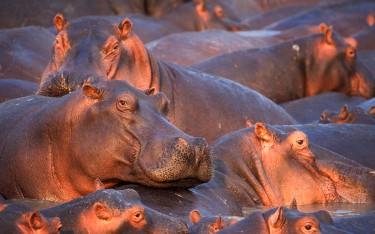
Pod of hippos in Katavi NP Katavi National Park, Tanzania. Photo by Ariadne van Zandbergen. © All rights reserved 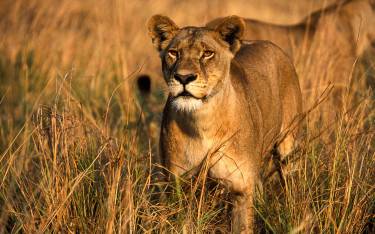
Lion in Katavi NP Katavi National Park, Tanzania. Photo by Ariadne van Zandbergen. © All rights reserved 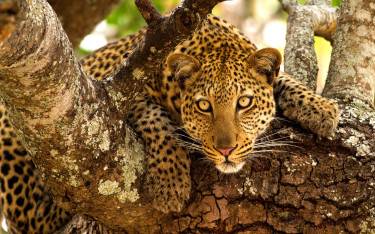
Leopard in Katavi NP Katavi National Park, Tanzania. Photo by Nick Greaves. © All rights reserved 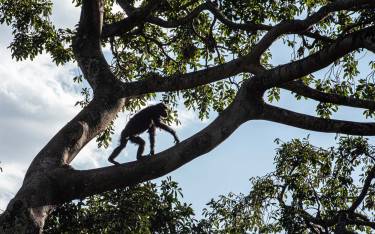
Chimpanzee in Gombe NP Gombe National Park, Tanzania. Photo by Paco Forriol. © All rights reserved 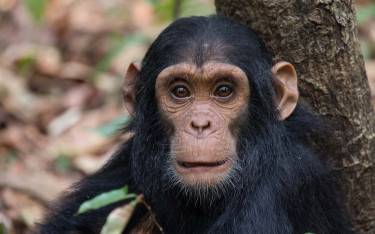
Chimpanzee in Gombe NP Gombe National Park, Tanzania. Photo by Steffen Foerster. © All rights reserved 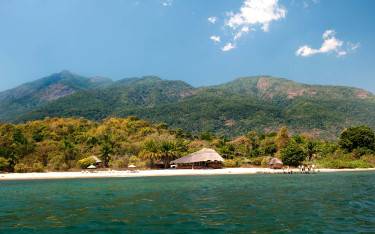
Lodge on Lake Tanganyika, Mahale Mountains NP Mahale Mountains National Park, Tanzania. Photo by Stevenallan. © All rights reserved 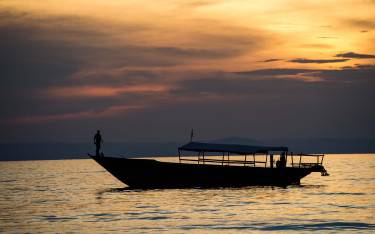
Boat on Lake Tanganyika, Mahale Mountains NP Mahale Mountains National Park, Tanzania. Photo by Ariadne van Zandbergen. © All rights reserved 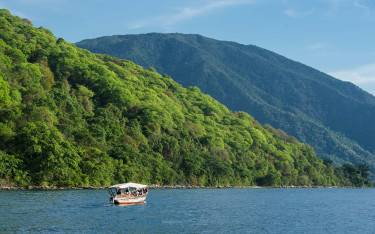
Boat on Lake Tanganyika, Mahale Mountains NP Mahale Mountains National Park, Tanzania. Photo by Ariadne van Zandbergen. © All rights reserved 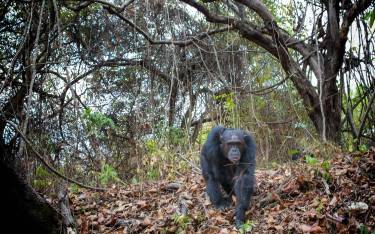
Chimpanzee in Mahale Mountains NP Mahale Mountains National Park, Tanzania. Photo by mhgallery. © All rights reserved 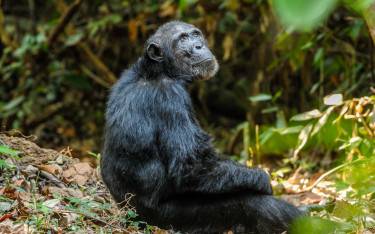
Chimpanzee in Mahale Mountains NP Mahale Mountains National Park, Tanzania. Photo by Gert Olsson. © All rights reserved 27. Head West to Africa’s Remotest Safari Circuit
Tanzania’s Western circuit includes Katavi, Gombe and Mahale Mountains
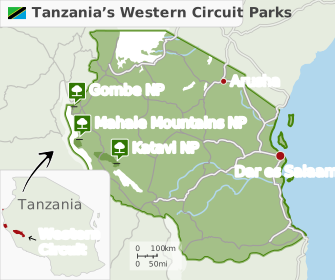
You need to dedicate significant time or money, or both, to exploring Tanzania’s remote Western safari circuit. But if you’re willing and able to do so, the rewards are incredible. Vast and little-visited Katavi National Park,Read more
renowned for its large herds of buffalo and elephant, is perhaps the last place in Africa where you’re likely to see lions more often than you encounter other vehicles.Often visited on a fly-in combination safari with Katavi, Mahale Mountains National Park is arguably Africa’s premier destination. It also boasts an idyllic forested setting on the remote mountainous shore of beautiful Lake Tanganyika. Farther north on the same lake, the smaller Gombe National Park is famed for its association with Jane Goodall, who launched a pioneering chimp research project there in 1960. -
Google Maps
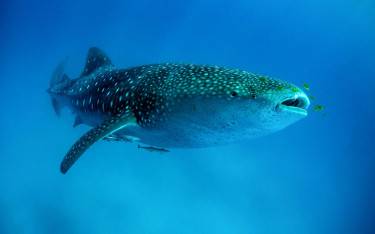
Whale shark with pilot fish near Mafia Island Mafia Island, Tanzania. Photo by Daniel Lamborn. © All rights reserved 28. Swim With Whale Sharks in the Indian Ocean
The world’s largest fish thrives in the Mafia Channel and Archipelago
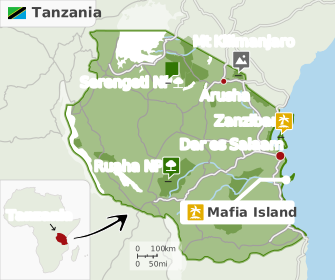
It sounds like a scary prospect. Whale sharks can be three times as heavy as an elephant bull and they belong to a notorious group of marine carnivores. In reality, however, these handsome spotted fish areRead more
one of the ocean’s gentlest giants. Placid whose main diet consists of plankton and other microscopic organisms, whale sharks also tend to be slow-moving and relaxed when approached carefully by swimmers.The channel that divides Mafia from mainland Tanzania is one of the best places in the world to swim with whale sharks. A seasonal population of around 200 individuals usually arrives here in October, feeding on nutrients washed down by the floodwaters of the Rufiji River, and departs again in February. It’s a thrilling experience, and very safe, provided you go with an ethical operator who ensures their clients don’t crowd the fish. -
Google Maps
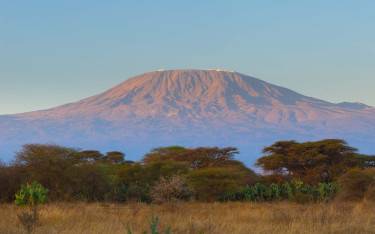
Mt Kilimanjaro at sunrise Mount Kilimanjaro, Tanzania. Photo by Javarman. © All rights reserved 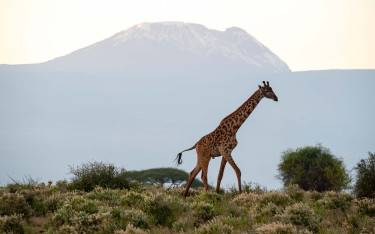
Giraffe in West Kilimanjaro West Kilimanjaro, Tanzania. Photo by Ariadne van Zandbergen. © All rights reserved 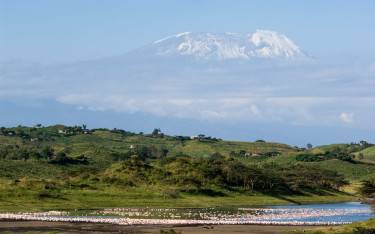
View of Mt Kilimanjaro from Arusha NP Momela Lakes, Tanzania. Photo by Ariadne van Zandbergen. © All rights reserved 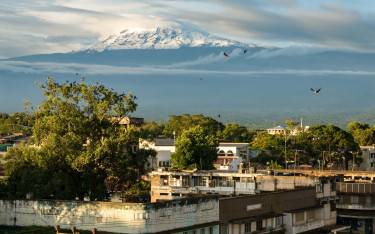
Mt Kilimanjaro seen from Moshi Moshi, Tanzania. Photo by Salparadis. © All rights reserved 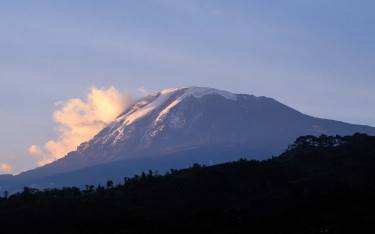
Mt Kilimanjaro seen from Moshi Mount Kilimanjaro, Tanzania. Photo by Ariadne van Zandbergen. © All rights reserved 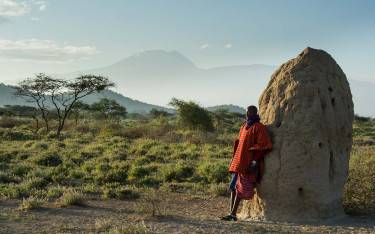
Maasai man in West Kilimanjaro West Kilimanjaro, Tanzania. Photo by Ariadne van Zandbergen. © All rights reserved 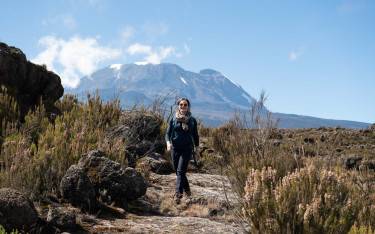
Hiker on Shira Plateau on Mt Kilimanjaro Mount Kilimanjaro, Tanzania. Photo by Ariadne van Zandbergen. © All rights reserved 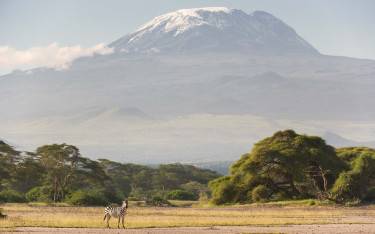
Snowcapped Mt Kilimanjaro West Kilimanjaro, Tanzania. Photo by Ariadne van Zandbergen. © All rights reserved 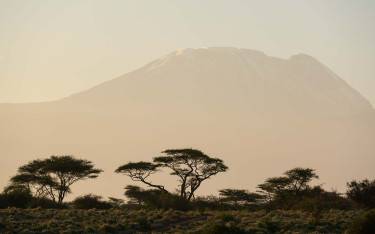
Mt Kilimanjaro seen from West Kilimanjaro West Kilimanjaro, Tanzania. Photo by Ariadne van Zandbergen. © All rights reserved 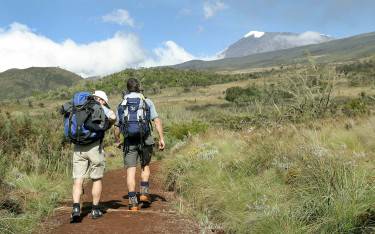
Hikers on the footslopes of Mt Kilimanjaro Mount Kilimanjaro, Tanzania. Photo by Lumieres. © All rights reserved 29. Enjoy Stirring Views of Kilimanjaro’s Snowcap
You don’t need to climb Africa’s most iconic mountain to see its lofty peak
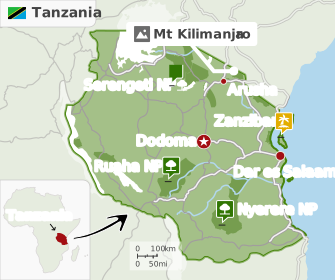
The snowcapped peak of the world’s tallest freestanding mountain is – unsurprisingly – a prominent landmark for miles around. Or at least it would be if it didn’t spend most of its time shrouded in theRead more
clouds. Still, when the skies clear (usually in the late afternoon or early morning) to reveal Kilimanjaro’s distinctive rounded peak and glistening snowy crown, it’s a genuinely breathtaking sight.There are many places in northern Tanzania that offer superb views of Kilimanjaro, weather permitting. These include the towns of Moshi and Marangu on the mountain’s southern footslopes, as well as more distant Arusha National Park and the many upmarket lodges scattered around Usa River. To get up really close, however, nothing beats an off-the-beaten-track safari in the Maasai concessions of West Kilimanjaro or an early morning guided walk above the 3,500m/11,483ft contour on the Shira Plateau Day Trail. -
Google Maps
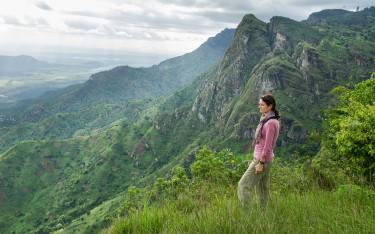
Hiker at Irente Viewpoint Usambara Mountains, Tanzania. Photo by Ariadne van Zandbergen. © All rights reserved 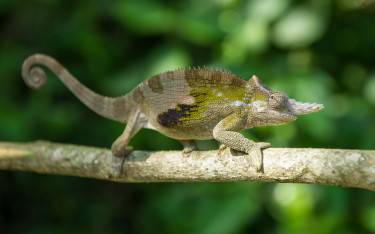
West Usambara two-horned chameleon Usambara Mountains, Tanzania. Photo by Ariadne van Zandbergen. © All rights reserved 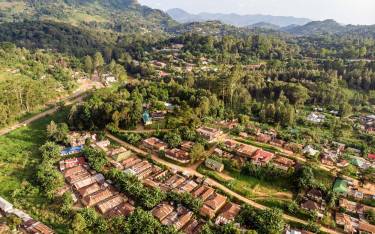
Lushoto village Lushoto, Tanzania. Photo by Gideon Ikigai. © All rights reserved 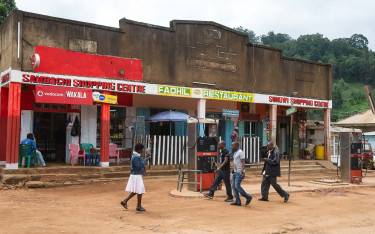
Old petrol station in Lushoto Lushoto, Tanzania. Photo by Ariadne van Zandbergen. © All rights reserved 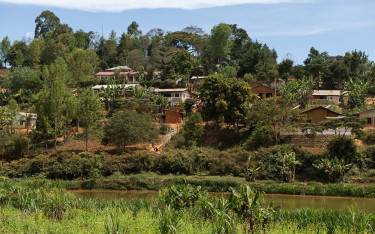
Lushoto village Lushoto, Tanzania. Photo by Ariadne van Zandbergen. © All rights reserved 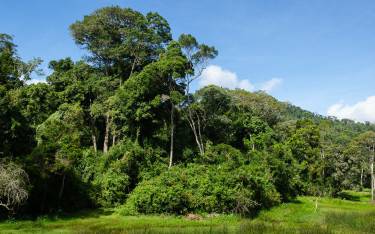
Magamba FR Magamba Forest Reserve, Tanzania. Photo by Ariadne van Zandbergen. © All rights reserved 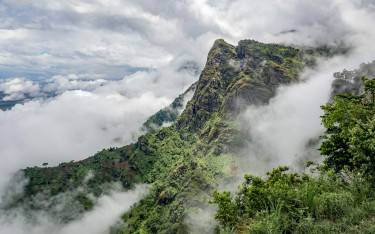
Irente Viewpoint Usambara Mountains, Tanzania. Photo by Mathias Möller. © All rights reserved 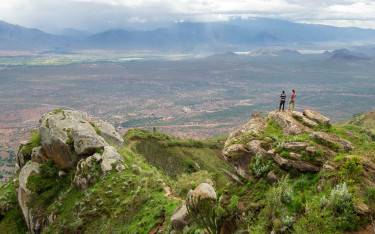
Hikers in Mambo Usambara Mountains, Tanzania. Photo by Ariadne van Zandbergen. © All rights reserved 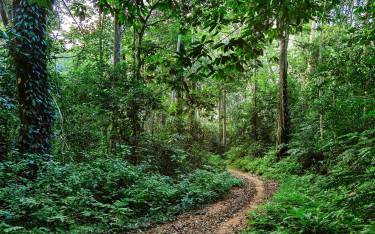
Road through the forest Usambara Mountains, Tanzania. Photo by Wirestock Creators. © All rights reserved 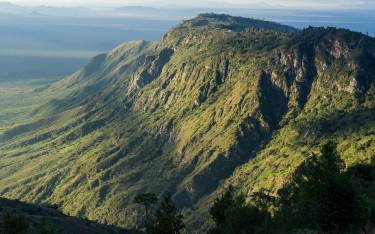
Dramatic landscape Usambara Mountains, Tanzania. Photo by Ariadne van Zandbergen. © All rights reserved 30. Stretch Your Legs in the West Usambara
Picturesque Lushoto is the base for guided hikes into these green mountains
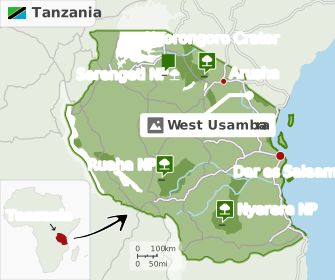
Lushoto is an instantly likable town. Founded by German colonists in the 1890s, it stands at a cool elevation of 1,400m/4,600ft in a river valley enclosed by lush cultivated slopes. The town center is dotted withRead more
century-old buildings and focused around a colorful market, where local Shambaa women sell fresh produce grown in the surrounding West Usambara Mountains.Lushoto is a great base for affordable guided walks deeper into the West Usambara. Guides can be arranged at a well-organized community tourism office. Options range from a relaxed half-day stroll to the sensational Irente Viewpoint to a multiday hike to Mambo, 55km/34mi to the north. A highlight for wildlife enthusiasts, Magamba Forest Reserve is home to a wealth of rare birds, reptiles and monkeys, including the Usambara weaver and .