21-26 of 26 Best Things To Do in Stone Town
-
Google Maps
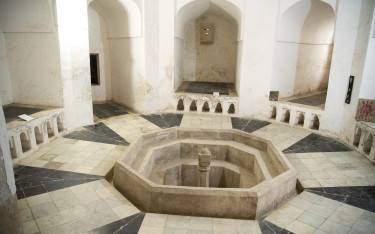
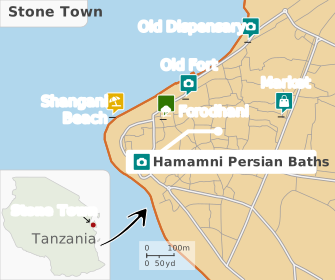
Hamamni Persian Baths Zanzibar Stone Town, Tanzania. Photo by Ariadne van Zandbergen. © All rights reserved 21. Visit the Historic Hamamni Persian Baths
This disused 19th-century bathhouse is tucked away in Stone Town’s back alleys
The Omani plantation owners and slave traders who settled Zanzibar in the 19th century built several Persian-style bathhouses. The largest and most intricate of these lies in the heart of Stone Town and lends its nameRead more
to the neighborhood of Hamamni (literally ‘Place of Baths’). Commissioned in the 1870s by Sultan Barghash, this bathhouse was designed by the Iranian architect Haji Gulamhussein and remained in use until the 1920s. Illuminated by skylights, the interior incorporates a six-sided pool and hot and cold baths that were fed by aqueducts. Visitors can follow a narrow staircase up to the twin-domed roof. -
Google Maps

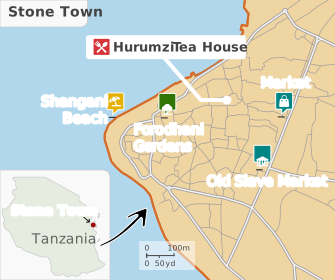
Server at the rooftop Tea House Zanzibar Stone Town, Tanzania. Photo by Dr. Kacie Crisp. © All rights reserved 22. Dine Out on the Roof of Emerson on Hurumzi
Enjoy fresh seafood and heady views at the Hurumzi Tea House Restaurant
Arguably Zanzibar’s most prestigious fine-dining venue, the Tea House is perched on the roof of Emerson on Hurumzi, one of Stone Town’s tallest buildings. Here, cocktail in hand, you can enjoy panoramic views over the alleys,Read more
minarets and spires of Stone Town as the sun sets over the Indian Ocean. are followed by a three-course set menu of Zanzibari-style seafood, accompanied by traditional music performed by members of the Dhow Countries Music Academy. Space is limited and there is only one daily seating, so booking is usually necessary. -
Google Maps
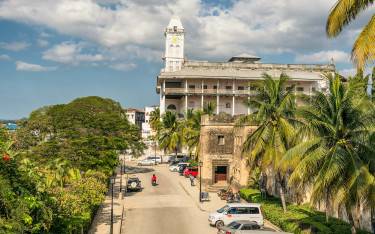
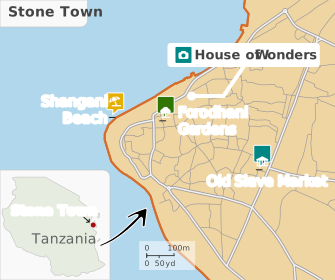
The House of Wonders Zanzibar Stone Town, Tanzania. Photo by miroslav_1. © All rights reserved 23. Admire the Handsome House of Wonders
This waterfront gem should once again shine when renovations are complete
One of the most architecturally impressive landmarks on Stone Town’s historic waterfront is the 19th-century ceremonial palace nicknamed Beit al Ajaib, meaning ‘House of Wonders’. Built in 1883 for Sultan Barghash, it was the first buildingRead more
on Zanzibar to have electric lights and an elevator, which is why locals found it so wondrous. The construction is also notable for its tall ceilings, ornate tiered balconies and a tall clock tower that was integrated into the facade in 1897.According to local legend, Beit al Ajaib stands on the same site as an earlier palace built for an influential 17th-century queen called Fatuma. Prior to being rendered unsafe by partial collapses in 2016 and 2020, the old palace housed the Museum of History and Culture. Unfortunately, the facade has for some years been obscured by scaffolding associated with restoration works. -
Google Maps
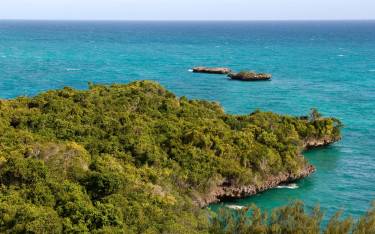
Chumbe Island Chumbe Island, Tanzania. Photo by Ariadne van Zandbergen. © All rights reserved 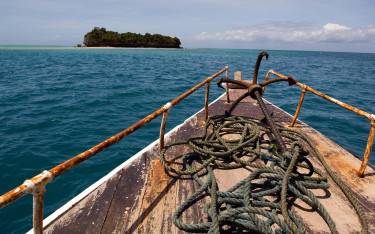
Boat approaching Chumbe Island Chumbe Island, Tanzania. Photo by Ariadne van Zandbergen. © All rights reserved 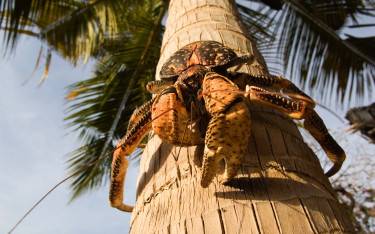
Giant coconut crab Chumbe Island, Tanzania. Photo by Ariadne van Zandbergen. © All rights reserved 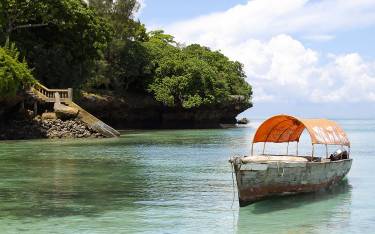
Boat in the water Chumbe Island, Tanzania. Photo by Adwo. © All rights reserved 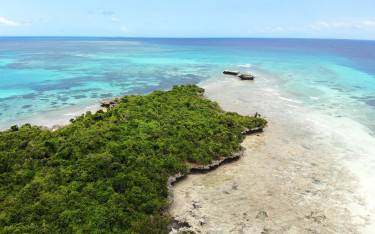
Aerial view of the forested island Chumbe Island, Tanzania. Photo by AlexandraPlanquais. © All rights reserved 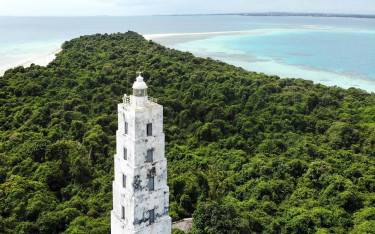
Chumbe lighthouse Chumbe Island, Tanzania. Photo by AlexandraPlanquais. © All rights reserved 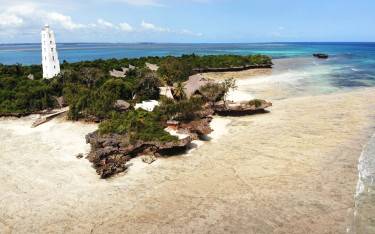
Chumbe lighthouse and lodge Chumbe Island, Tanzania. Photo by AlexandraPlanquais. © All rights reserved 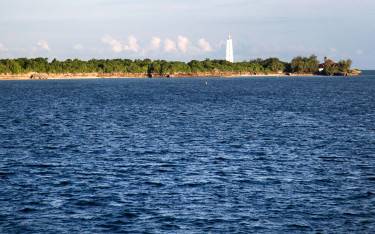
View of the island from the sea Chumbe Island, Tanzania. Photo by Robin Batista. © All rights reserved 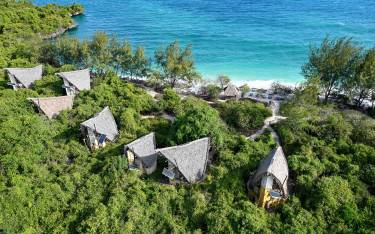
Ecolodge Chumbe Island, Tanzania. Photo by Steffen Boerner. © All rights reserved 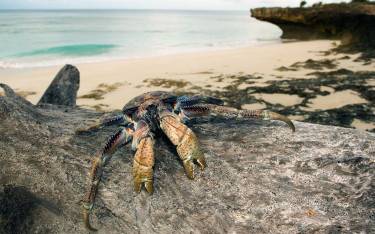
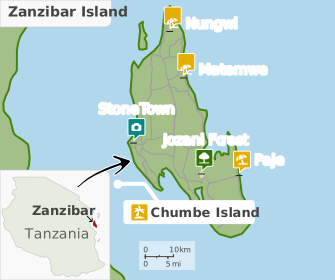
Giant coconut crab on the beach Chumbe Island, Tanzania. Photo by Ariadne van Zandbergen. © All rights reserved 24. Make a Day or Overnight Trip to Chumbe Island
This private offshore coral park hosts a truly ecofriendly small lodge
Created in 1991, Chumbe Island Coral Park protects the tiny namesake island as well as some of the region’s most pristine and snorkel-friendly reefs. Overnight guests get to stay in a gorgeous low-impact ecolodge whose fiveRead more
solar-powered units, built using organic local materials, exude a barefoot luxury feel. Otherwise uninhabited, the island features a small sandy swimming beach, as well as a lighthouse erected in 1904. It’s also one of the best places to look for the world’s largest land-living , the absolutely monstrous . Day packages from Stone Town are available when the lodge isn’t full. -
Google Maps
Kibweni Palace Museum Zanzibar Island, Tanzania. Photo by Ariadne van Zandbergen. © All rights reserved 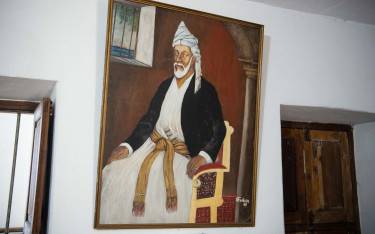
Portrait of Sultan Said Zanzibar Island, Tanzania. Photo by Ariadne van Zandbergen. © All rights reserved 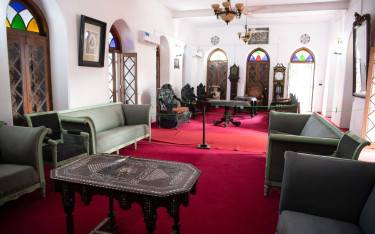
Kibweni Palace Museum Zanzibar Island, Tanzania. Photo by Ariadne van Zandbergen. © All rights reserved 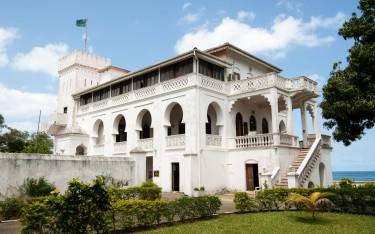
Kibweni Palace Museum Zanzibar Island, Tanzania. Photo by Ariadne van Zandbergen. © All rights reserved 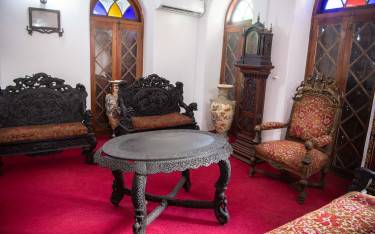
Kibweni Palace Museum Zanzibar Island, Tanzania. Photo by Ariadne van Zandbergen. © All rights reserved 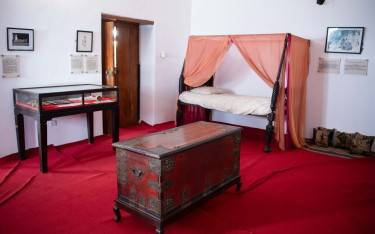
Kibweni Palace Museum Zanzibar Island, Tanzania. Photo by Ariadne van Zandbergen. © All rights reserved 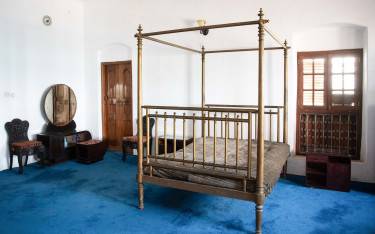
Kibweni Palace Museum Zanzibar Island, Tanzania. Photo by Ariadne van Zandbergen. © All rights reserved 25. Delve Into Zanzibar’s Past at Kibweni Palace
This palace north of Stone Town now houses a small but worthwhile museum
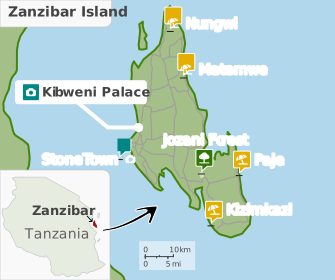
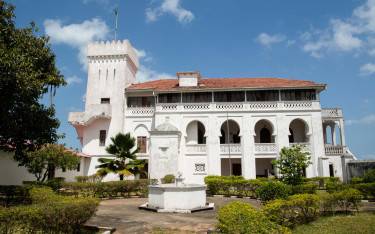
Designed by the British architect John Sinclair in 1915, this three-story mansion at Kibweni was originally the country residence of Sultan Khalifa II, who named it Kassrusaada (‘Palace of Happiness’). In 2022, it was opened asRead more
the Kibweni Palace Museum and all the contents of the former People’s Palace Museum, opposite Forodhani Gardens, were moved across to it. Exhibits focus on the period when Zanzibar was under Omani rule, and include 19th-century paintings of Stone Town, a contemporary portrait of Sultan Said, household items and furniture from various sultans’ palaces, and a room dedicated to Princess Salme. -
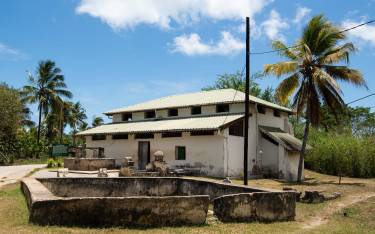
The 900-year-old Kizimkazi Mosque Kizimkazi, Tanzania. Photo by Ariadne van Zandbergen. © All rights reserved 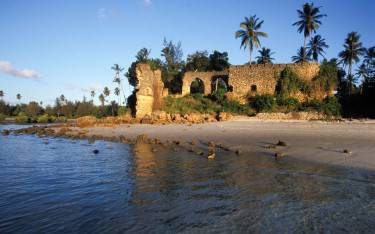
Mtoni Palace Mtoni Palace, Tanzania. Photo by Ariadne van Zandbergen. © All rights reserved 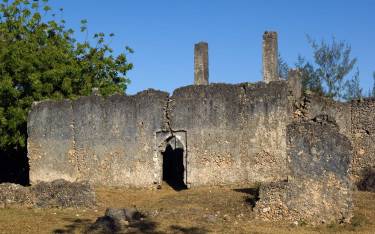
Fukuchani Ruins Nungwi, Tanzania. Photo by Ariadne van Zandbergen. © All rights reserved 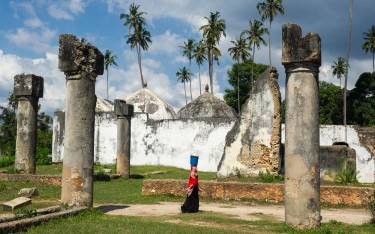
Maruhubi Palace Zanzibar Island, Tanzania. Photo by Ariadne van Zandbergen. © All rights reserved 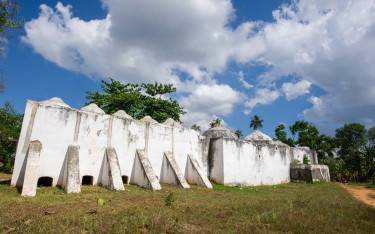
Kidichi Persian Baths Zanzibar Island, Tanzania. Photo by Ariadne van Zandbergen. © All rights reserved 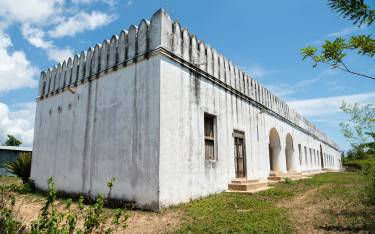
Bi Khole Ruins Zanzibar Island, Tanzania. Photo by Ariadne van Zandbergen. © All rights reserved 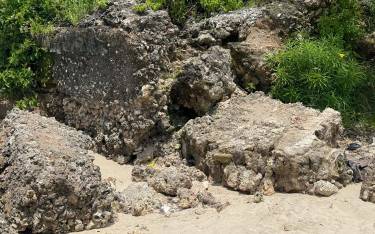
Unguja Ukuu Ruins Zanzibar Island, Tanzania. Photo by Mnazini. © All rights reserved 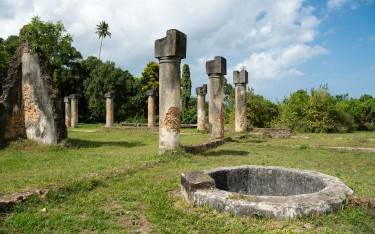
Maruhubi Palace Zanzibar Island, Tanzania. Photo by Ariadne van Zandbergen. © All rights reserved 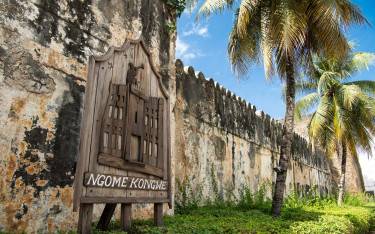
The Old Fort Zanzibar Stone Town, Tanzania. Photo by Ariadne van Zandbergen. © All rights reserved 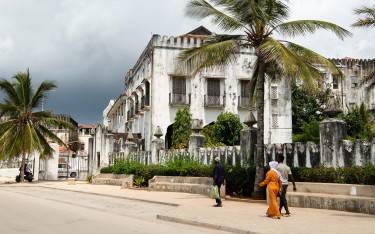
People’s Palace Zanzibar Stone Town, Tanzania. Photo by Ariadne van Zandbergen. © All rights reserved 26. Time Travel to Ancient Swahili Ruins
Zanzibar is studded with archaeological sites reflecting its long history
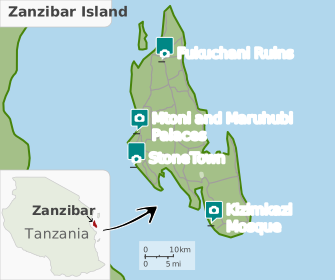
The most ancient ruin on Zanzibar is Unguja Ukuu, of which a few crumbling walls survive dating back to the 8th to 10th centuries. The island’s oldest intact structure, set close to its southern tip, isRead more
Kizimkazi Mosque, which can be dated more accurately due to the presence of an Arabic inscription from 1107 CE. Farther north, close to Nungwi and Kendwa, stand the Fukuchani Ruins, a fortified trading port dating back to the 16th century. Many other ruins date from the 19th-century Omani occupation; these include the coastal Mtoni and Maruhubi Palaces as well as the ruined Persian baths at Kizimbani and Kidichi.