Zanzibar feels like a living history museum. And while this is most evident in the alleys of its centuries-old Stone Town, the rest of the island is also dotted with historical sites and ruins. Spanning more
Zanzibar Tour Packages
Read more
than a thousand years, these landmarks range from grandiose palaces to humble mosques. Collectively, they reflect Zanzibar’s long-standing role as an Indian Ocean trading hub, as well as the vibrant African and Arabian heritage of the coastal people.8 of Zanzibar’s Swahili Ruins
-
Google Maps
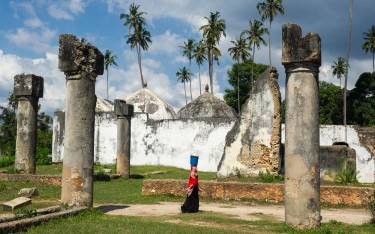
Maruhubi Palace Zanzibar Island, Tanzania. Photo by Ariadne van Zandbergen. © All rights reserved 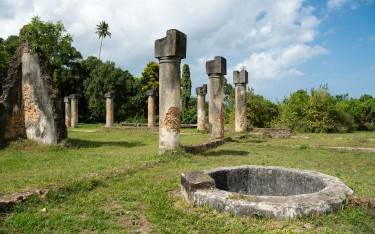
Columns at Maruhubi Palace Zanzibar Island, Tanzania. Photo by Ariadne van Zandbergen. © All rights reserved 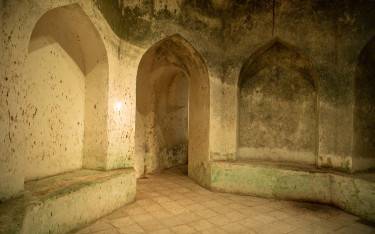
Bathhouse at Maruhubi Palace Maruhubi Palace, Tanzania. Photo by Ariadne van Zandbergen. © All rights reserved 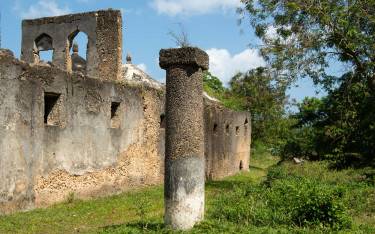
Maruhubi Palace Maruhubi Palace, Tanzania. Photo by Ariadne van Zandbergen. © All rights reserved 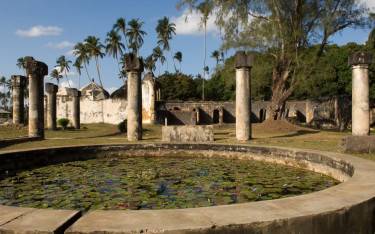
Garden pond at Maruhubi Palace Maruhubi Palace, Tanzania. Photo by Ariadne van Zandbergen. © All rights reserved 1. Maruhubi Palace
This 19th-century palace functioned as a harem for Sultan Barghash
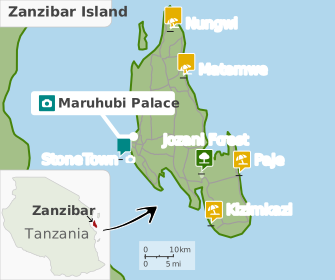
Built for Sultan Barghash in 1882, Maruhubi Palace stands on the west coast of Zanzibar, 1.6km/1mi south of the older Mtoni Palace. A photograph taken shortly after its construction shows a double-story building enclosed by anRead more
ornate balcony and topped by a domed minaret-like tower. An unusual feature of this massive palace was the aqueduct that linked it to a freshwater spring some distance inland.Despite its grand appearance, Maruhubi was not the primary residence of Barghash, who lived in nearby Stone Town. Instead, the palace served as a holiday house and harem shared by the sultan’s official wife and up to 100 concubines. It was destroyed by fire in 1899, but several arched walls and old columns still survive, as do part of the bathhouse and a circular garden pond. -
Google Maps
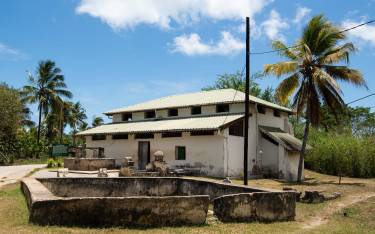
The 12th-century mosque at Kizimkazi Kizimkazi, Tanzania. Photo by Ariadne van Zandbergen. © All rights reserved 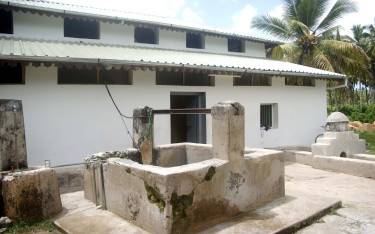
Well at Kizimkazi Mosque Kizimkazi, Tanzania. Photo by Attila JANDI. © All rights reserved 2. Kizimkazi Mosque
The 12th-century mosque at Kizimkazi is still in use today
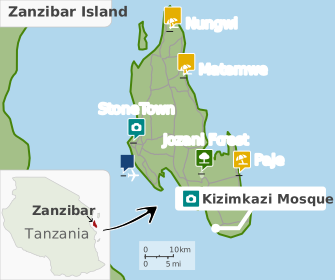
Situated close to the southernmost tip of Zanzibar, Kizimkazi is one of the island’s oldest and most historically significant settlements. Its name reputedly dates back to the 12th century, when an architect called Kazi built aRead more
mosque there for a king named Kizi.The mosque for which Kizimkazi is named is the third-oldest documented in East Africa and the oldest functioning building on Zanzibar. Despite intensive reconstruction in the 18th century, it retains several original features including an Arabic inscription dated to 1107 CE and a pair of silver pillars adorned with crushed shells. A cluster of ancient tombs and a disused aqueduct (water supply) stand in the grounds. -
Google Maps
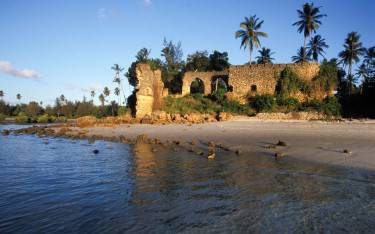
Mtoni Palace by the sea Mtoni Palace, Tanzania. Photo by Ariadne van Zandbergen. © All rights reserved 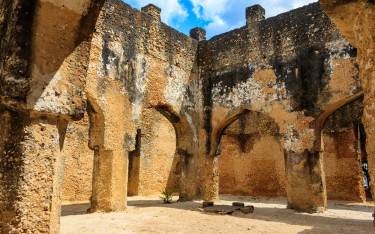
Arched walls Mtoni Palace, Tanzania. Photo by Olha Solodenko. © All rights reserved 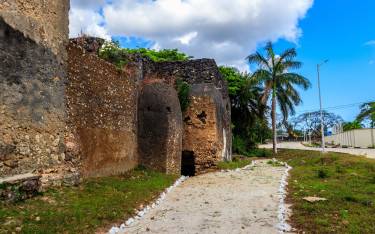
Mtoni Palace Ruins Mtoni Palace, Tanzania. Photo by Olha Solodenko. © All rights reserved 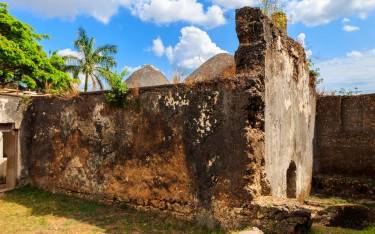
Mtoni Palace Ruins Mtoni Palace, Tanzania. Photo by Olha Solodenko. © All rights reserved 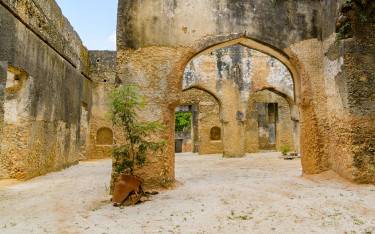
Arched walls Mtoni Palace, Tanzania. Photo by Ihor Bondarenko. © All rights reserved 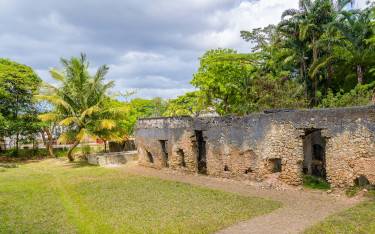
Mtoni Palace Ruins Mtoni Palace, Tanzania. Photo by Ihor Bondarenko. © All rights reserved 3. Mtoni Palace Ruins
One of Zanzibar’s grandest palace ruins stands on the coast north of Stone Town
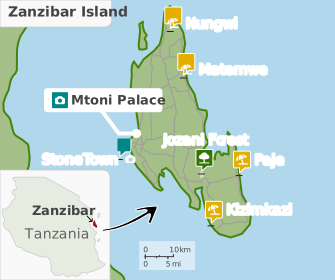
Mtoni Palace is the oldest surviving structure of its type on Zanzibar. It was built in 1828 for Sultan Said, who lived there with his mother, several wives, dozens of concubines and hundreds of slaves. AccordingRead more
to Princess Salme, who was born there in 1844, the palace was tucked away in a grove of gigantic mango, palm and other tropical trees. The fountain-filled gardens were roamed by , , and .Mtoni Palace is in poor repair today. However, the extensive ruins, which include several arched walls, intricately carved wooden doors and tall columns, provide a glimpse of how it must have looked in its heyday. This important heritage site is now the focal point of the Mtoni Palace Conservation Project. The initiative aims to stabilize the site’s surviving structures and restore others. -
Google Maps
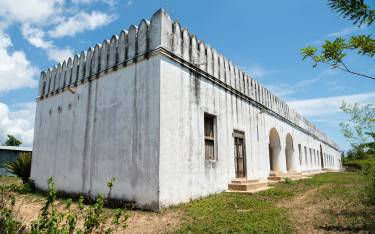
Restored mansion Zanzibar Island, Tanzania. Photo by Ariadne van Zandbergen. © All rights reserved 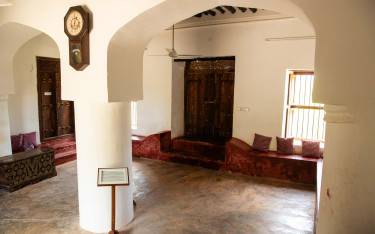
Bi Khole Palace Museum Bi Khole Ruins, Tanzania. Photo by Ariadne van Zandbergen. © All rights reserved 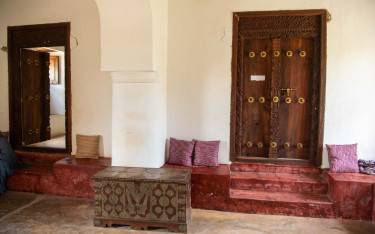
Bi Khole Palace Museum Bi Khole Ruins, Tanzania. Photo by Ariadne van Zandbergen. © All rights reserved 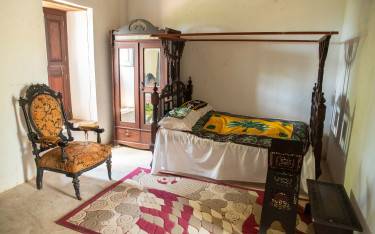
Restored bedroom in Bi Khole Palace Museum Bi Khole Ruins, Tanzania. Photo by Ariadne van Zandbergen. © All rights reserved 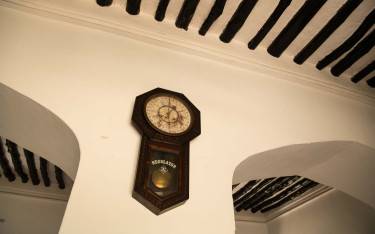
Clock at Bi Khole Palace Museum Bi Khole Ruins, Tanzania. Photo by Ariadne van Zandbergen. © All rights reserved 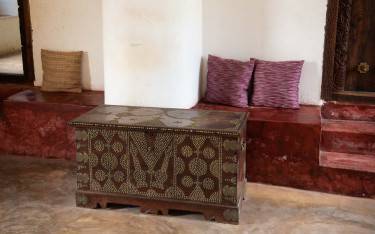
Teak chest at Bi Khole Palace Museum Bi Khole Ruins, Tanzania. Photo by Ariadne van Zandbergen. © All rights reserved 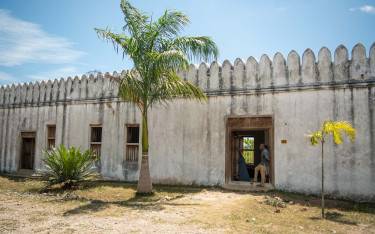
Bi Khole Palace Museum Bi Khole Ruins, Tanzania. Photo by Ariadne van Zandbergen. © All rights reserved 4. Bi Khole Ruins
This restored noblewoman’s mansion now houses a small museum
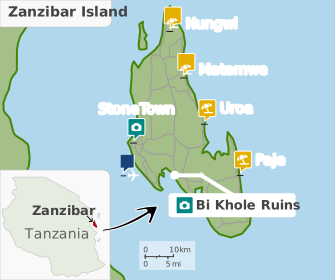
This rectangular mansion was built in 1880 for Princess Bi Khole Binti Hamoud, a favored granddaughter of Sultan Said. Situated on a former estate near the western outskirts of Jozani Forest, the house has anRead more
attractive seaside location. It faces the small port town of Fumba on a -studded stretch of Menai Bay. Bi Khole never married and had no children, so the house was abandoned after her death in 1918 and gradually fell into disrepair. Just over a century later, in 2020, the building was restored as a museum whose artifacts include a clock, teak chest and other former possessions of the princess. -
Google Maps
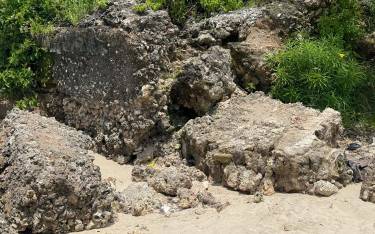
Unguja Ukuu ruins Zanzibar Island, Tanzania. Photo by Mnazini. © All rights reserved 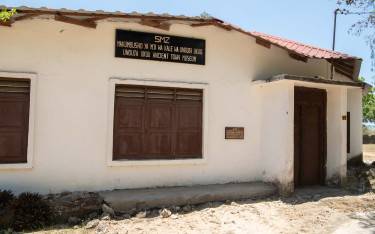
Unguja Ukuu Ancient Town Museum Unguja Ukuu, Tanzania. Photo by Ariadne van Zandbergen. © All rights reserved 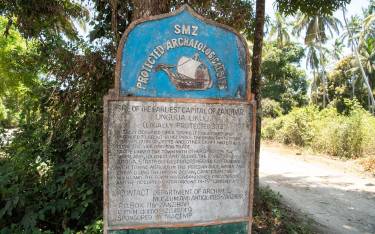
Unguja Ukuu information board Unguja Ukuu, Tanzania. Photo by Ariadne van Zandbergen. © All rights reserved 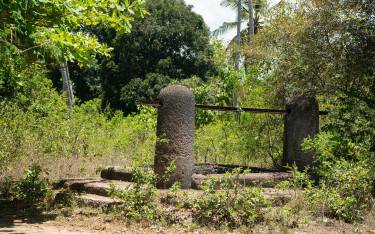
Ancient well at Unguja Ukuu Unguja Ukuu, Tanzania. Photo by Ariadne van Zandbergen. © All rights reserved 5. Unguja Ukuu
A few crumbling walls and a museum mark the site of Zanzibar’s oldest settlement
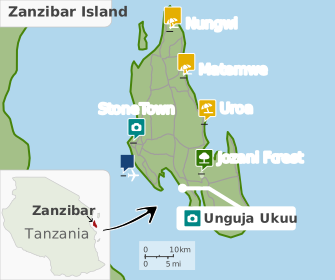
Unguja is the official name for Zanzibar Island, while Ukuu translates as ‘Great’. Together, the two words form the name of an ancient Muslim town in Menai Bay. Founded by settlers during the 7th orRead more
8th century CE, Unguja Ukuu was probably Zanzibar’s most important trade port for several centuries. Artifacts found there include coins minted in Baghdad in 798 to 799, and Chinese and Arabian pottery of a similar age.A curious legend associated with Unguja Ukuu is that one of its rulers, Mohamed wa Joka, could magically make the settlement invisible to outsiders. Casual visitors today might wonder whether the former king is still casting his spells. Explore the site with a knowledgeable local guide, however, and you’ll be shown the remains of old coral rock walls, a mosque and a large well. Several artifacts unearthed here are displayed at a site museum that opened in 2020. -
Google Maps
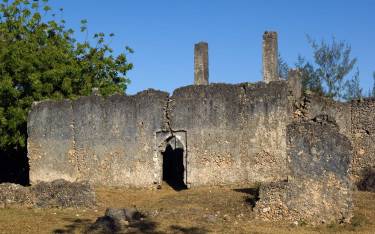
Fukuchani Ruins Nungwi, Tanzania. Photo by Ariadne van Zandbergen. © All rights reserved 6. Fukuchani Ruins
The remains of this 16th-century house stand on the north coast close to Kendwa
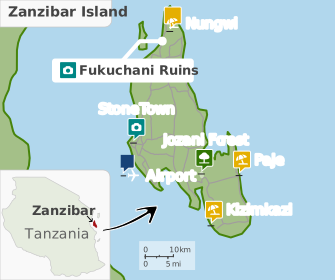
A popular destination for a day trip out of Nungwi or Kendwa, the modest village of Fukuchani lies alongside the ruins of a large coral stone house built in the 16th century or earlier. Locals knowRead more
the building as the Portuguese House, but more likely it originally formed part of a trading port established in the 12th century. The surviving walls feature pointed arched doorways and are fortified with what appear to be gun slits.Other local points of interest include a massive tree alongside the old house and a nearby cave with a tempting natural swimming pool. Tumbatu Island and its lighthouse can also be seen from Fukuchani. -
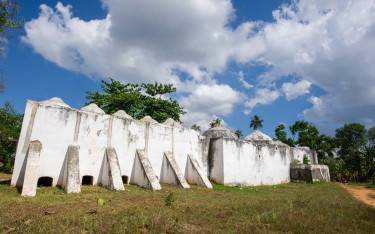
Kidichi Persian Baths Zanzibar Island, Tanzania. Photo by Ariadne van Zandbergen. © All rights reserved 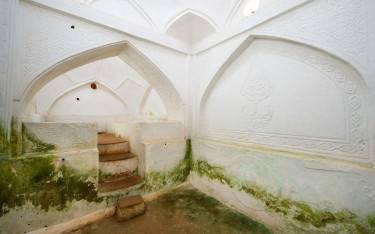
Kidichi Persian Baths Zanzibar Island, Tanzania. Photo by Ariadne van Zandbergen. © All rights reserved 7. Kizimbani & Kidichi Persian Baths
This pair of Persian baths was built in the 1850s for Sultan Said
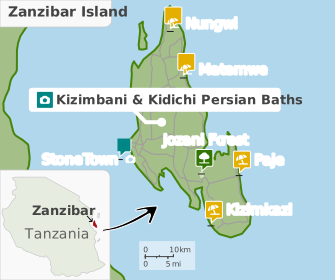
The historic Persian baths at Kizimbani and Kidichi stand about 3km/2mi apart in a part of the Zanzibari interior known for its fertile soils and spice farms. This is no coincidence. Both bathhouses were built forRead more
the pleasure of Sultan Said, the most prominent of many wealthy Omani landowners who operated plantations in the 1850s. Easily visited in conjunction with a spice tour, Kidichi is the more interesting and ornate of the two bathhouses. However, both are in rather poor repair and somewhat less interesting than the well-maintained Hamamni Persian Baths in Stone Town. -
Google Maps
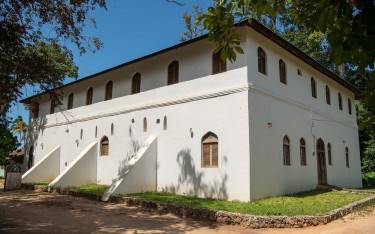
Restored building known as Mwinyi Mkuu’s Palace Dunga Ruins, Tanzania. Photo by Ariadne van Zandbergen. © All rights reserved 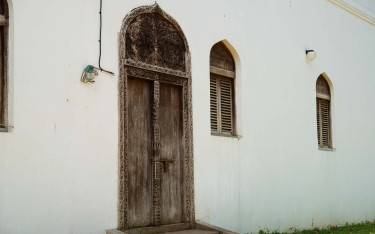
Restored building known as Mwinyi Mkuu’s Palace Dunga Ruins, Tanzania. Photo by Ariadne van Zandbergen. © All rights reserved 8. Dunga Ruins
Visit the restored palace of a traditional leader known as the Mwinyi Mkuu
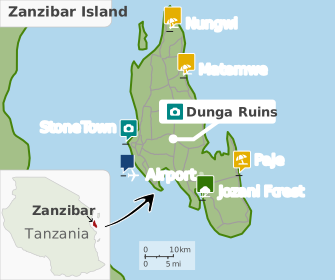
Also known as the Mwinyi Mkuu’s Palace, this once ruined double-story building at Dunga was transformed by a program of renovations in 2020. It was originally built in the 1850s as the residence of Sultan Muhammad,Read more
who turned out to be the second-last ruler in a centuries-old dynastic line traditionally referred to as the Mwinyi Mkuu (literally ‘Great Leader’). Now that the old palace has been restored in all its whitewashed glory, it is well worth stopping here en route between Stone Town and Jozani Forest or the southeast coast.