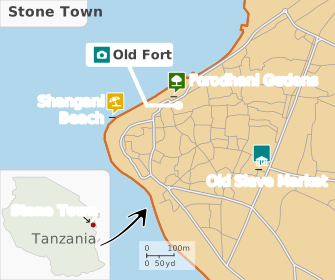
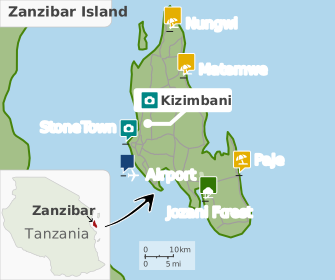
Stone Town is as enjoyable as it is compelling. This port was for centuries the hub of a trade network that extended across the Indian Ocean to Arabia, Asia and beyond. At the heart of
Stone Town Tour Packages
Read more
Stone Town is an atmospheric knot of pedestrian-friendly alleys lined with timeworn architectural landmarks. The old town also has a pretty waterfront, and it provides a great base for excursions to some of the most alluring beaches, beautiful coral gardens and finest safari destinations Africa has to offer.26 Best Things To Do in Stone Town
-
Google Maps
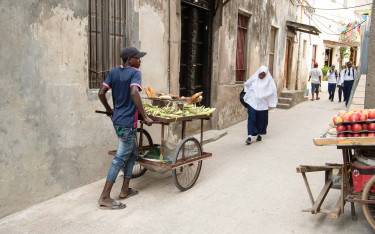
Alley in the old town Zanzibar Stone Town, Tanzania. Photo by Ariadne van Zandbergen. © All rights reserved 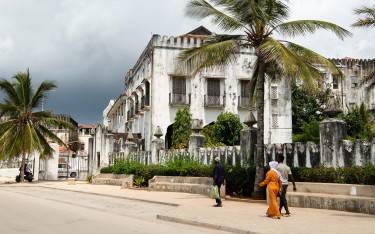
People’s Palace Zanzibar Stone Town, Tanzania. Photo by Ariadne van Zandbergen. © All rights reserved 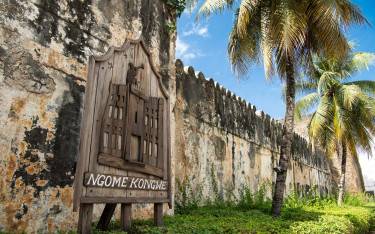
The Old Fort Zanzibar Stone Town, Tanzania. Photo by Ariadne van Zandbergen. © All rights reserved 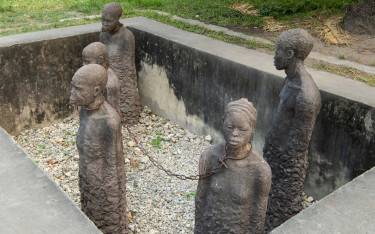
Sculpture of slaves at the Old Slave Market Zanzibar Stone Town, Tanzania. Photo by Ariadne van Zandbergen. © All rights reserved 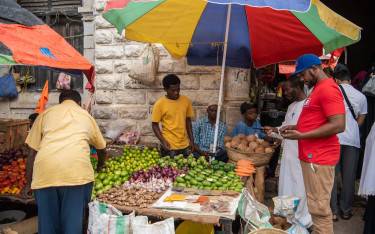
Darajani Market Zanzibar Stone Town, Tanzania. Photo by Ariadne van Zandbergen. © All rights reserved 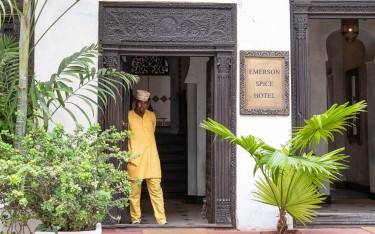
Emerson Spice Hotel Zanzibar Stone Town, Tanzania. Photo by Ariadne van Zandbergen. © All rights reserved 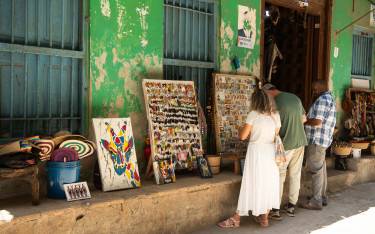
People shopping for souvenirs Zanzibar Stone Town, Tanzania. Photo by Ariadne van Zandbergen. © All rights reserved 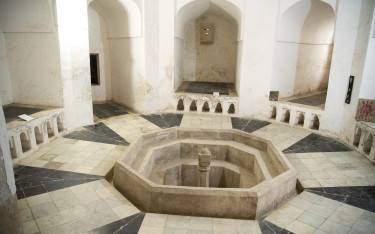
Hamamni Persian Baths Zanzibar Stone Town, Tanzania. Photo by Ariadne van Zandbergen. © All rights reserved 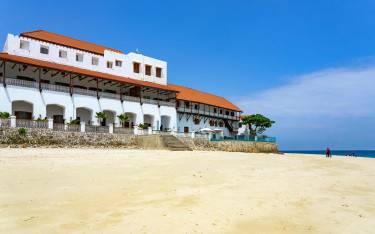
Shangani Beach Zanzibar Stone Town, Tanzania. Photo by posztos. © All rights reserved 
Motorboats at Shangani Beach Zanzibar Stone Town, Tanzania. Photo by Mfotophile. © All rights reserved 1. Wander Through Winding Alleys on a Walking Tour
Mingle with local Zanzibaris in pedestrian-friendly Stone Town
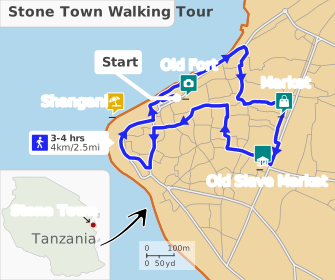
Stone Town is best explored on foot – not least because many of its atmospheric old alleys are simply too narrow to be traversed any other way. The easiest way to get to grips with theRead more
town’s complex layout is a guided tour, which can be arranged through any hotel or local tour operator. Guided tours are particularly suited to time-restricted visitors who want to check all the major landmarks in one condensed outing.Stone Town is safe and easy enough to explore without a guide. Every fresh turn will reveal something different, and the town is compact enough that you’ll never be far from a recognizable landmark. True, newcomers are bound to lose their bearings every so often, but that’s part of the fun. Just embrace the local catchphrases ‘pole pole’ (‘slowly slowly’) and ‘hakuna matata’ (‘no problem’), and take the attitude that you’re not so much lost as seeing new things. -
Google Maps
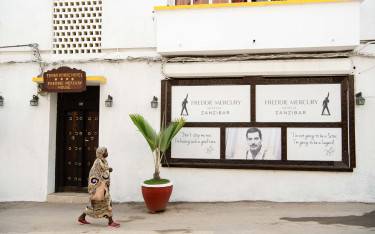
Freddie Mercury Museum Zanzibar Stone Town, Tanzania. Photo by Ariadne van Zandbergen. © All rights reserved 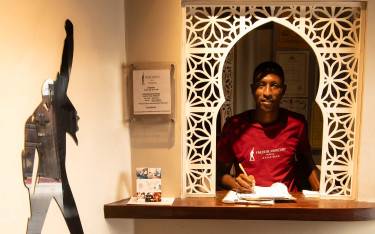
Entrance to the Freddie Mercury Museum Zanzibar Stone Town, Tanzania. Photo by Ariadne van Zandbergen. © All rights reserved 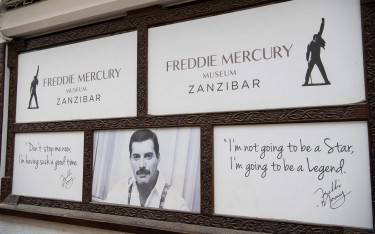
Freddie Mercury Museum Zanzibar Stone Town, Tanzania. Photo by Ariadne van Zandbergen. © All rights reserved 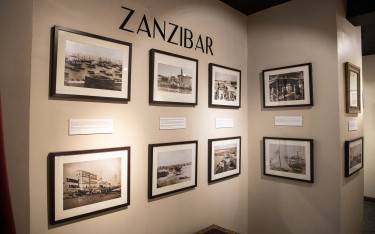
Historical photos of Zanzibar Zanzibar Stone Town, Tanzania. Photo by Ariadne van Zandbergen. © All rights reserved 
Queen objects with Freddie Mercury's piano Zanzibar Stone Town, Tanzania. Photo by Ariadne van Zandbergen. © All rights reserved 
Handwritten lyrics Zanzibar Stone Town, Tanzania. Photo by Ariadne van Zandbergen. © All rights reserved 
Dedications to Freddie Mercury Zanzibar Stone Town, Tanzania. Photo by Ariadne van Zandbergen. © All rights reserved 
Queen memorabilia Zanzibar Stone Town, Tanzania. Photo by Ariadne van Zandbergen. © All rights reserved 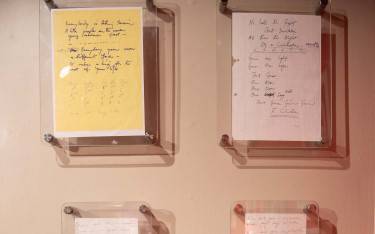
Handwritten lyrics Zanzibar Stone Town, Tanzania. Photo by Ariadne van Zandbergen. © All rights reserved 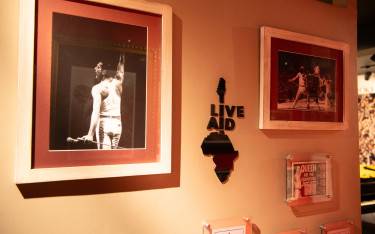
Photos of the Live Aid concert Zanzibar Stone Town, Tanzania. Photo by Ariadne van Zandbergen. © All rights reserved 2. Visit the Fabulous Freddie Mercury Museum
This fun installation explores the flamboyant Queen singer’s early years
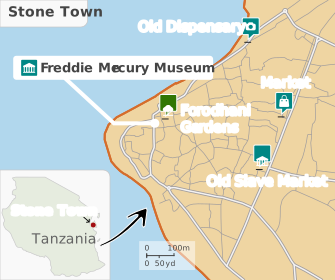
It’s a little-known fact that Freddie Mercury was born in Stone Town and spent the first eight years of his life here. The house on Kenyatta Road where young Freddie – then called Farrokh Bulsara –Read more
lived with his Indian mother Jer, Irani father Bomi (an employee of the British Colonial Office) and sister Kashmira is now a museum. One of Zanzibar’s most popular attractions, it displays a wealth of material relating to Freddie’s early childhood in Stone Town, his subsequent years spent at boarding school in India, and the popular heyday of Queen. -
Google Maps
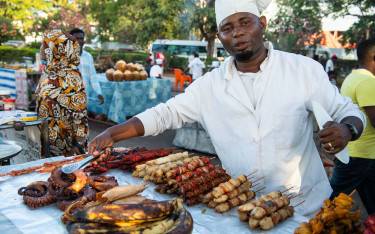
Food stall at Forodhani Gardens Zanzibar Stone Town, Tanzania. Photo by Ariadne van Zandbergen. © All rights reserved 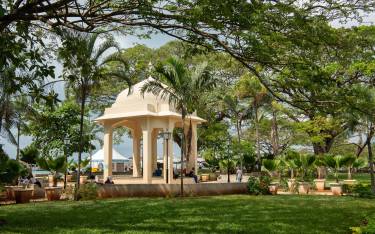
Forodhani Gardens Zanzibar Stone Town, Tanzania. Photo by Ariadne van Zandbergen. © All rights reserved 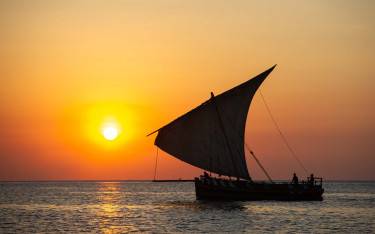
Traditional Swahili dhow at sunset Shangani Beach, Tanzania. Photo by Ariadne van Zandbergen. © All rights reserved 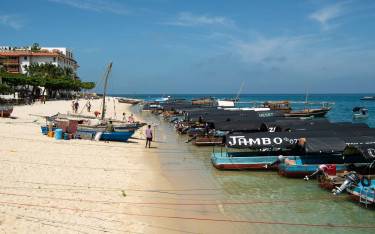
Boats at Shangani Beach Shangani Beach, Tanzania. Photo by Ariadne van Zandbergen. © All rights reserved 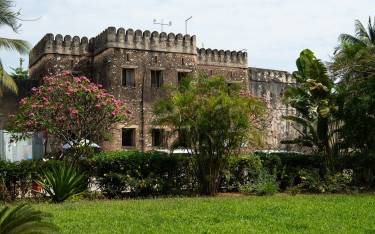
The Old Fort seen from Forodhani Gardens Zanzibar Stone Town, Tanzania. Photo by Ariadne van Zandbergen. © All rights reserved 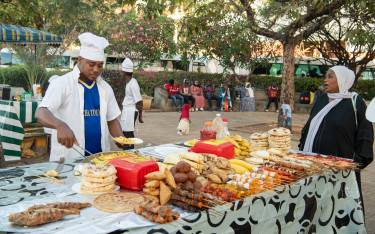
Food stall at Forodhani Gardens Zanzibar Island, Tanzania. Photo by Ariadne van Zandbergen. © All rights reserved 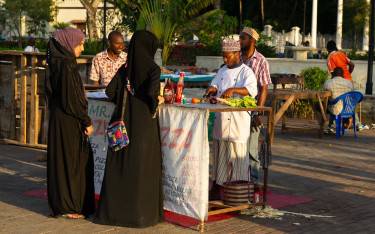
People buying food at Forodhani Gardens Zanzibar Stone Town, Tanzania. Photo by Ariadne van Zandbergen. © All rights reserved 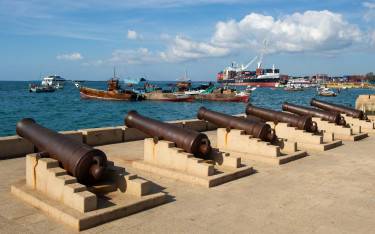
Historic cannons at Forodhani Gardens Zanzibar Stone Town, Tanzania. Photo by Ariadne van Zandbergen. © All rights reserved 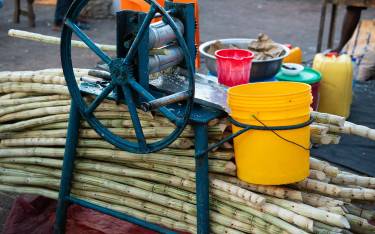
Sugarcane juice stall at Forodhani Gardens Zanzibar Stone Town, Tanzania. Photo by Ariadne van Zandbergen. © All rights reserved 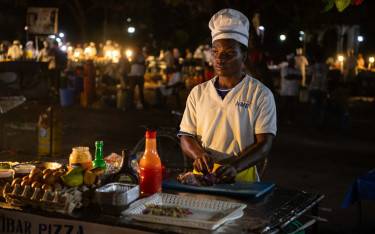
Food stall at Forodhani Gardens at night Zanzibar Stone Town, Tanzania. Photo by Ariadne van Zandbergen. © All rights reserved 3. Feast on Grilled Seafood at Forodhani Gardens
A mass of friendly food stalls opens every evening at this seafront park
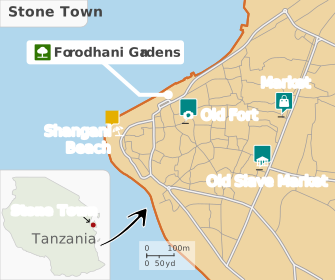
Forodhani Gardens is a lovely spot to visit at any time of day. Opened in 1936 to mark the joint silver jubilee of Sultan Khalifa II and King George V, it feels like an oasis ofRead more
well-tended greenery on Stone’s Town’s historic waterfront, and is also a great place to watch ordinary Zanzibari folk go about their business. But Forodhani Gardens really comes into its own toward dusk, when its westward orientation allows you to enjoy the sun setting over the sea, and a lively nighttime food market specializes in freshly grilled seafood and other cuisine. -
Google Maps
Sculpture of slaves chained in a pit Zanzibar Stone Town, Tanzania. Photo by Ariadne van Zandbergen. © All rights reserved 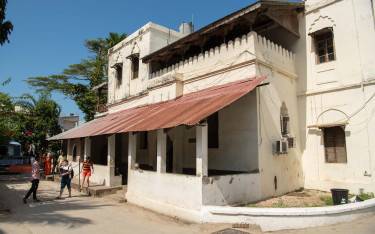
Visitors arriving at the Old Slave Market Zanzibar Stone Town, Tanzania. Photo by Ariadne van Zandbergen. © All rights reserved 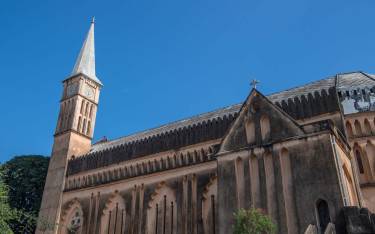
Anglican Cathedral at the Old Slave Market Zanzibar Stone Town, Tanzania. Photo by Ariadne van Zandbergen. © All rights reserved 
Display at the East African Slave Trade Exhibit Zanzibar Stone Town, Tanzania. Photo by Ariadne van Zandbergen. © All rights reserved 
Display at the East African Slave Trade Exhibit Zanzibar Stone Town, Tanzania. Photo by Ariadne van Zandbergen. © All rights reserved 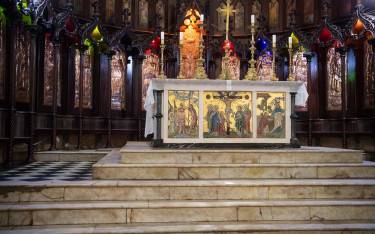
Interior of the Anglican Cathedral Zanzibar Stone Town, Tanzania. Photo by Ariadne van Zandbergen. © All rights reserved 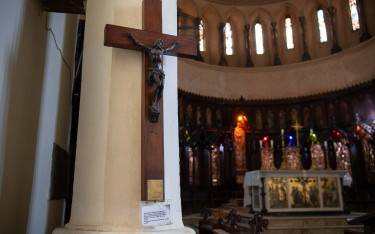
Crucifix in the Anglican Cathedral Zanzibar Stone Town, Tanzania. Photo by Ariadne van Zandbergen. © All rights reserved 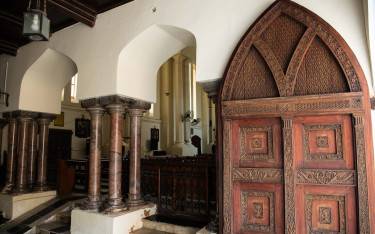
Entrance to the Anglican Cathedral Zanzibar Stone Town, Tanzania. Photo by Ariadne van Zandbergen. © All rights reserved 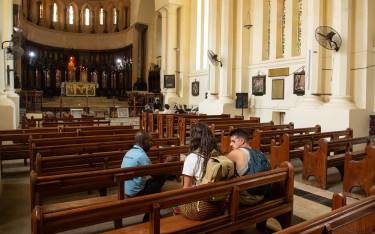
Interior of the Anglican Cathedral Zanzibar Stone Town, Tanzania. Photo by Ariadne van Zandbergen. © All rights reserved 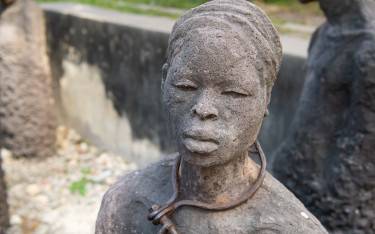
Sculpture of a slave chained in a pit Zanzibar Stone Town, Tanzania. Photo by Ariadne van Zandbergen. © All rights reserved 4. See the Old Slave Market & Anglican Cathedral
Here, the East African Slave Trade Exhibit explores Zanzibar’s darkest past
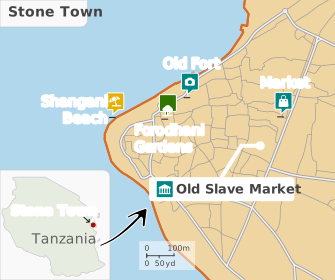
For much of the 19th century, Zanzibar lay at the hub of the East African slave trade. Indeed, it has been estimated that from 1820 onward, more than 50,000 captives from the African interior were soldRead more
annually at Stone Town’s Mkunazini Slave Market. The market was finally shut down in 1873, when Sultan Barghash of Zanzibar abolished the slave trade, and the Anglican Cathedral was built on the site.The pulpit of this handsome cathedral occupies an identical location to the slave market’s old whipping post. In the courtyard outside is a powerful Slave Trade Memorial sculpted in 1998 by the Scandinavian artist Clara Sörnäs. More potent still is the East African Slave Trade Exhibit, which stands in a mission outbuilding that dates to 1877. Here, a series of exhibits illustrated with period photos and drawings provides a sobering overview of every aspect of the brutal 19th-century slave trade out of Zanzibar. -
Google Maps
Boats at Shangani Beach Shangani Beach, Tanzania. Photo by Ariadne van Zandbergen. © All rights reserved 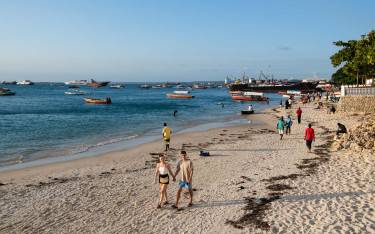
People walking on Shangani Beach Shangani Beach, Tanzania. Photo by Ariadne van Zandbergen. © All rights reserved
Traditional Swahili dhow at sunset Shangani Beach, Tanzania. Photo by Ariadne van Zandbergen. © All rights reserved 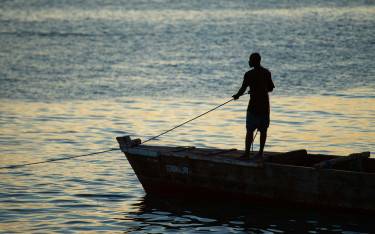
Fishing boat in the harbor Shangani Beach, Tanzania. Photo by Ariadne van Zandbergen. © All rights reserved 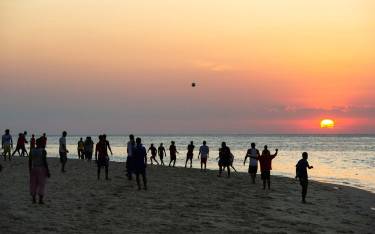
Soccer game on the beach at sunset Shangani Beach, Tanzania. Photo by Ariadne van Zandbergen. © All rights reserved 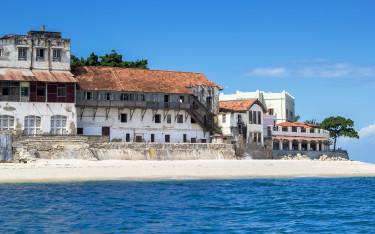
Waterfront and beach Zanzibar Stone Town, Tanzania. Photo by MattiaATH. © All rights reserved 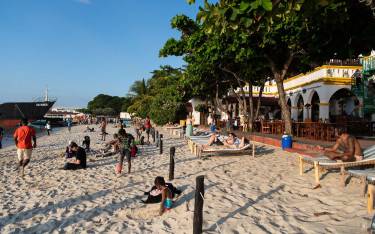
Busy beach on Stone Town waterfront Shangani Beach, Tanzania. Photo by Ariadne van Zandbergen. © All rights reserved 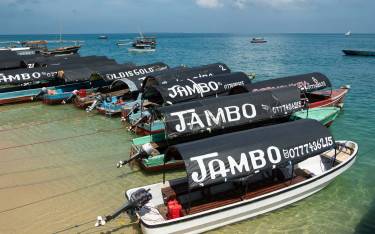
Boats at Shangani Beach Shangani Beach, Tanzania. Photo by Ariadne van Zandbergen. © All rights reserved 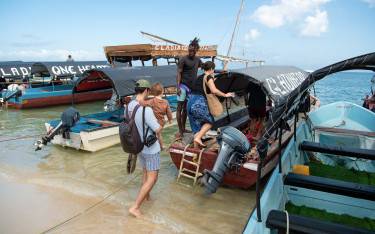
People leaving on a day trip by boat Shangani Beach, Tanzania. Photo by Ariadne van Zandbergen. © All rights reserved
Shangani Beach Zanzibar Stone Town, Tanzania. Photo by posztos. © All rights reserved 5. Chill on Urban Shangani Beach
This central beach is lined with historical hotels and bustles with activity
Shangani is no conventional beach destination. But it’s a fun place to hang out. Combining the down-to-earth feel of a fishing beach with a historic waterfront location in Stone Town’s most upmarket quarter, it alsoRead more
boasts a compelling sense of place. Below a row of 19th-century hotel facades you’ll see fishers show off their catch, teenagers kick around a football, and cruise past with billowing sails. Locals swim here, and even if the relatively murky water puts you off taking a dip, it’s worth heading to the cluster of bars and restaurants around Shangani Gardens for . -
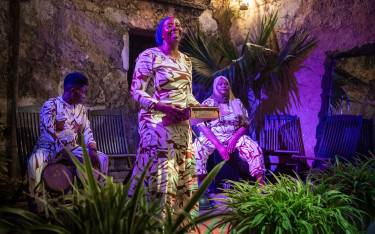
Taarab music at the Secret Garden Zanzibar Stone Town, Tanzania. Photo by Ariadne van Zandbergen. © All rights reserved 6. Tap Your Toes to Traditional Taarab Music
This vibrant Zanzibari fusion style is still played live in Stone Town
The roots of go back to the 1870s, when Sultan Barghash sent a musician called Mohammed Ibrahim to Egypt to master the (an Arabian stringed instrument). Mohammed later formed the Zanzibar Taarab Orchestra, whoseRead more
unique fusion of Arabian, Indian and African styles soon became widely mimicked elsewhere in East Africa. Taarab was popularized by Siti Binti Saad, a mold-breaking singer who was born the daughter of slaves but went on to record more than 250 songs – many of which addressed gender-based violence and other social injustices – between 1928 and her death in 1950.Taarab music is still alive and well on Zanzibar. Ask around about places to see live performances. Current artists include the Uwaridi Female Band, Culture Musical Club and Dhow Countries Music Academy Young Stars, and regular venues include the Old Customs House, the Old Fort and the Secret Garden. Alternatively, visit during February’s Sauti za Busara music festival. -
Google Maps
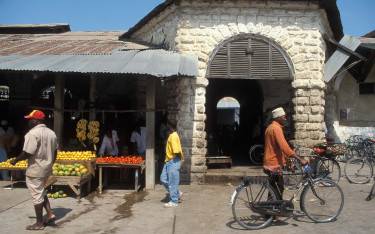
Covered market built in 1904 Zanzibar Stone Town, Tanzania. Photo by Ariadne van Zandbergen. © All rights reserved
Fruits, vegetables and spices for sale Zanzibar Stone Town, Tanzania. Photo by Ariadne van Zandbergen. © All rights reserved 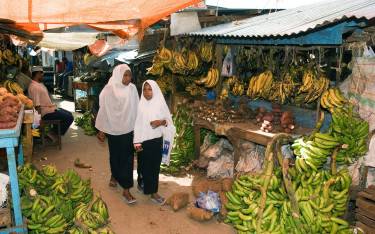
Girls walking through the market Zanzibar Stone Town, Tanzania. Photo by Ariadne van Zandbergen. © All rights reserved 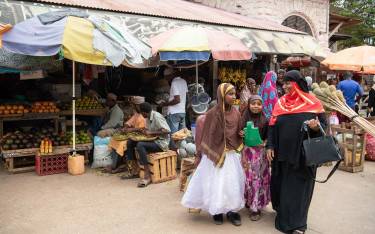
Darajani Market Zanzibar Stone Town, Tanzania. Photo by Ariadne van Zandbergen. © All rights reserved 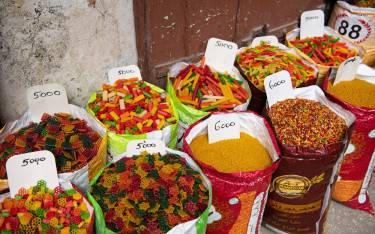
Darajani Market Zanzibar Stone Town, Tanzania. Photo by Ariadne van Zandbergen. © All rights reserved 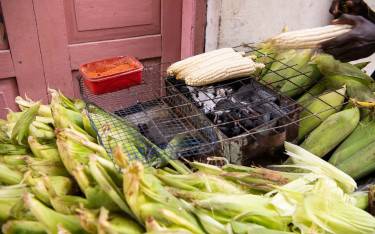
Grilled corn for sale in Darajani Market Zanzibar Stone Town, Tanzania. Photo by Ariadne van Zandbergen. © All rights reserved 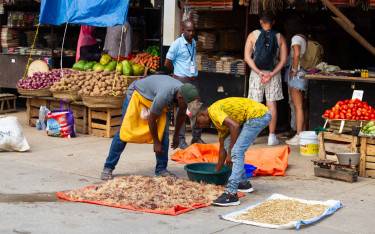
Fruits, vegetables and spices for sale Zanzibar Stone Town, Tanzania. Photo by Ariadne van Zandbergen. © All rights reserved 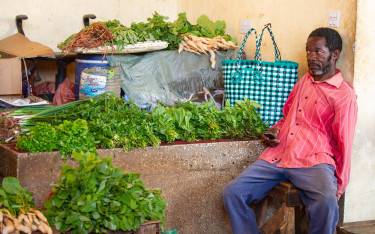
Vegetable store Zanzibar Stone Town, Tanzania. Photo by Ariadne van Zandbergen. © All rights reserved 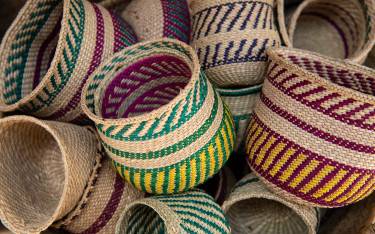
Baskets for sale in Darajani Market Zanzibar Stone Town, Tanzania. Photo by Ariadne van Zandbergen. © All rights reserved 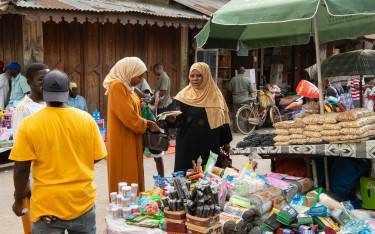
Darajani Market Zanzibar Stone Town, Tanzania. Photo by Ariadne van Zandbergen. © All rights reserved 7. Browse the Stalls of Bustling Darajani Market
Darajani has been Stone Town’s commercial hub since it opened in the 1880s
A stroll through the chaotic but welcoming Marikiti Kuu (Great Market) at Darajani, on the east side of Stone Town, is one of Zanzibar’s defining cultural experiences. This is a great place to try some ofRead more
the delicious tropical fruits and spices for which the island is famed. It also assaults visitors – in the best possible way – with the unfiltered colors, fragrances, sights and sounds of a genuine urban market.The centerpiece of Darajani is a colonial-style covered market constructed in 1904. Back then, the market was perched on the edge of a wide creek that separated Stone Town from the more modern settlement of Ng’ambo. The creek was filled in as part of a land reclamation program in the 1920s, and nothing remains of the bridge (daraja) hinted at in the market’s name. -
Google Maps
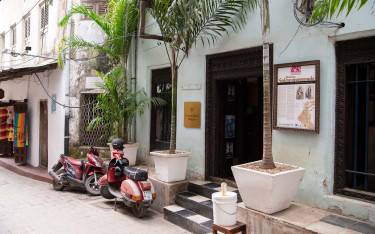
Princess Salme Museum Zanzibar Stone Town, Tanzania. Photo by Ariadne van Zandbergen. © All rights reserved 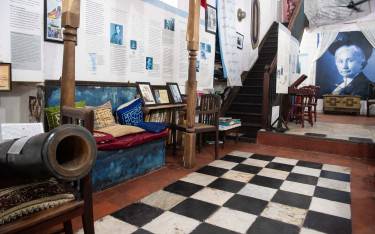
Princess Salme Museum Zanzibar Stone Town, Tanzania. Photo by Ariadne van Zandbergen. © All rights reserved 
Photo of Princess Salme Zanzibar Stone Town, Tanzania. Photo by Ariadne van Zandbergen. © All rights reserved 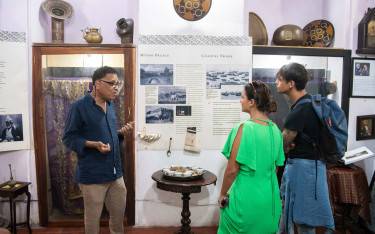
A tour in the Princess Salme Museum Zanzibar Stone Town, Tanzania. Photo by Ariadne van Zandbergen. © All rights reserved 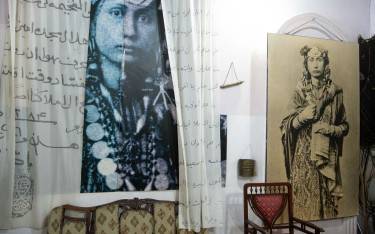
Princess Salme Museum Zanzibar Stone Town, Tanzania. Photo by Ariadne van Zandbergen. © All rights reserved 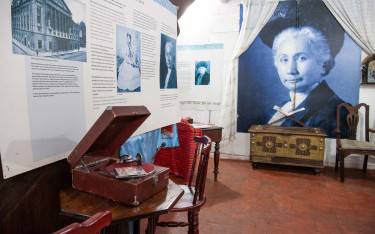
Princess Salme Museum Zanzibar Stone Town, Tanzania. Photo by Ariadne van Zandbergen. © All rights reserved 
‘Memoirs of an Arabian Princess From Zanzibar’ Zanzibar Stone Town, Tanzania. Photo by Ariadne van Zandbergen. © All rights reserved 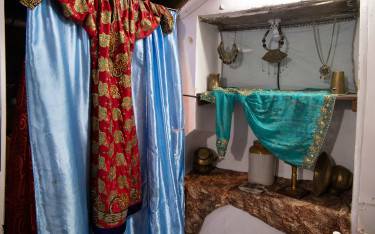
Displays in the Princess Salme Museum Zanzibar Stone Town, Tanzania. Photo by Ariadne van Zandbergen. © All rights reserved 8. Tour the Fascinating Princess Salme Museum
Zanzibar’s most famous daughter is the subject of this quirky museum
The lovingly curated Princess Salme Museum is dedicated to its namesake, the youngest of Sultan Said’s 36 children. Born in 1844, Salme broke with Omani tradition by insisting on learning to read and write, then laterRead more
– when aged 21 – by having an affair with the German merchant Rudolph Ruete. In 1866, the pregnant princess set sail for the Port of Aden (Yemen) to avoid the shame and likely punishment associated with having an illegitimate child, particularly one fathered by a non-Muslim.In Aden, Salme took Christian instruction, was baptized under the name Emily, and married Ruete before relocating to Hamburg. Following her husband’s death, Emily Ruete penned the book ‘Memoirs of an Arabian Princess From Zanzibar’, making her the first East African woman to publish an autobiography. Her remarkable story is brought to life by a wealth of photos and memorabilia displayed in this small museum in Stone Town. -
Google Maps
The Old Fort Zanzibar Stone Town, Tanzania. Photo by Ariadne van Zandbergen. © All rights reserved 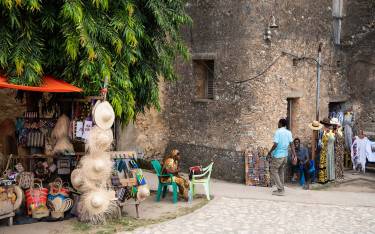
Vendors inside the Old Fort Zanzibar Stone Town, Tanzania. Photo by Ariadne van Zandbergen. © All rights reserved 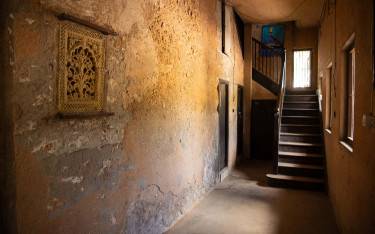
Gatehouse in the Old Fort Zanzibar Stone Town, Tanzania. Photo by Ariadne van Zandbergen. © All rights reserved 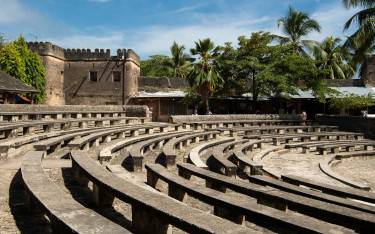
Open-air amphitheater in the Old Fort Zanzibar Stone Town, Tanzania. Photo by Ariadne van Zandbergen. © All rights reserved 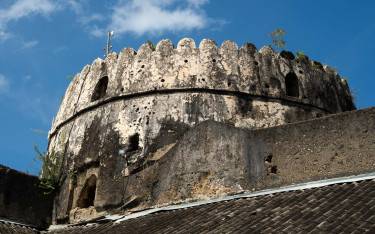
Bastion of the Old Fort Zanzibar Stone Town, Tanzania. Photo by Ariadne van Zandbergen. © All rights reserved 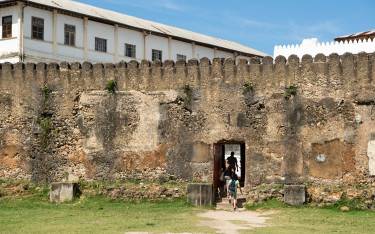
Fortified wall of the Old Fort Zanzibar Stone Town, Tanzania. Photo by Ariadne van Zandbergen. © All rights reserved
The Old Fort Zanzibar Stone Town, Tanzania. Photo by Ariadne van Zandbergen. © All rights reserved 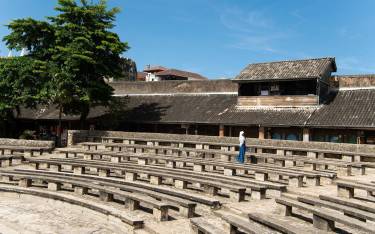
Open-air amphitheater in the Old Fort Zanzibar Stone Town, Tanzania. Photo by Ariadne van Zandbergen. © All rights reserved 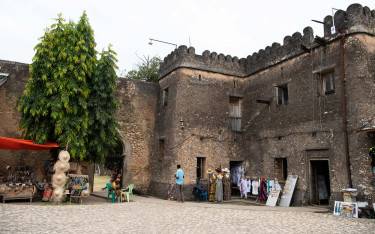
Vendors inside the Old Fort Zanzibar Stone Town, Tanzania. Photo by Ariadne van Zandbergen. © All rights reserved 
Music festival at the Old Fort Zanzibar Stone Town, Tanzania. Photo by Robin Batista. © All rights reserved 9. Stroll Around the Historic Old Fort
Also known as Ngome Kongwe, this is Stone Town’s oldest standing building
At the time of writing (July 2026) the Old Fort is closed for renovations. Before visiting, please check to see if it has reopened. Incorporating the walls of a Portuguese church built in 1598, the OldRead more
Fort took its present shape a century later after Zanzibar was captured by Omani Arabs. Its northern facade once occupied a defensive location on the seafront, but today it is stranded a short distance inland overlooking Forodhani Gardens. Over the years, the fort has served as a prison and a railway terminal, but following extensive renovations in 1997, it is now a cultural center with a tree-shaded café, an amphitheater, various craft shops and an art gallery. A wooden staircase climbs to the fortified western . -
Google Maps
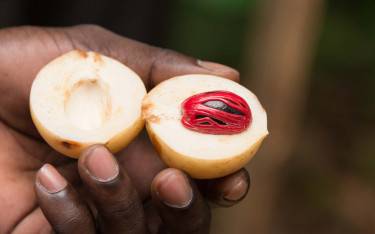
Freshly harvested nutmeg Spice Farm Zanzibar, Tanzania. Photo by Nlink. © All rights reserved 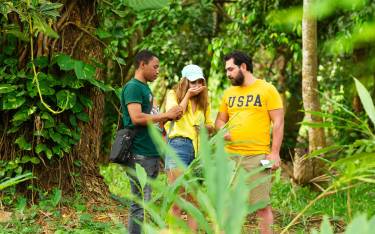
Spice tour Spice Farm Zanzibar, Tanzania. Photo by Ariadne van Zandbergen. © All rights reserved 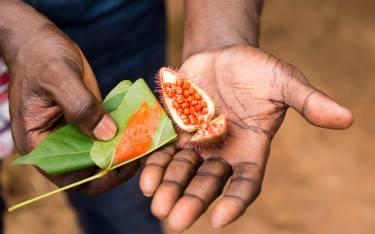
Annatto food coloring seed Spice Farm Zanzibar, Tanzania. Photo by Nlink. © All rights reserved 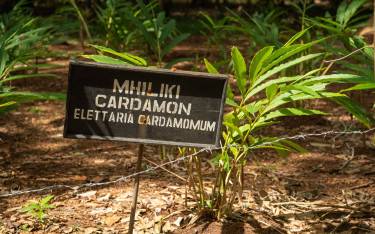
Cardamom plant Spice Farm Zanzibar, Tanzania. Photo by Ariadne van Zandbergen. © All rights reserved 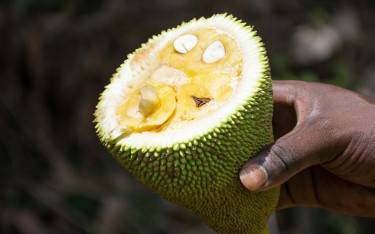
Jackfruit Spice Farm Zanzibar, Tanzania. Photo by Daniela968. © All rights reserved 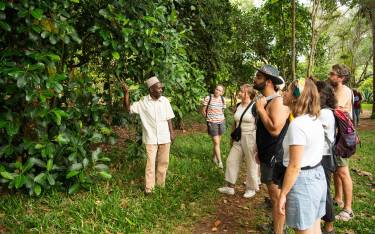
Guide showing jackfruit on a spice tour Spice Farm Zanzibar, Tanzania. Photo by Ariadne van Zandbergen. © All rights reserved 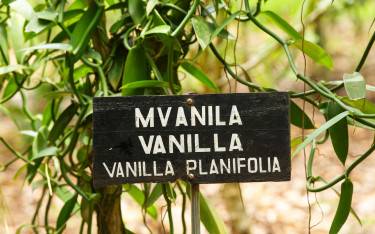
Vanilla vine Spice Farm Zanzibar, Tanzania. Photo by Ariadne van Zandbergen. © All rights reserved 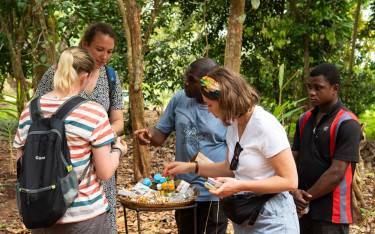
Organic soap for sale on a spice tour Spice Farm Zanzibar, Tanzania. Photo by Ariadne van Zandbergen. © All rights reserved 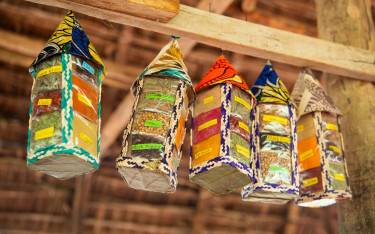
Spices for sale on a spice tour Spice Farm Zanzibar, Tanzania. Photo by Ariadne van Zandbergen. © All rights reserved 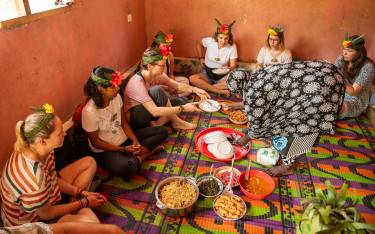
Lunch in a local home Spice Farm Zanzibar, Tanzania. Photo by Ariadne van Zandbergen. © All rights reserved 10. Join a Spice Tour to a Plantation at Kizimbani
Smell and taste some of the tropical spices and fruits grown on Zanzibar
Zanzibar was nicknamed the Spice Island in the 19th century, when it was the world’s most important exporter. The cloves were produced on plantations belonging to wealthy Omani slave owners in the vicinity of Kizimbani,Read more
which is the most fertile part of Zanzibar due its volcanic soil. On a visit to one of these plantations, which are now government-opened and community-managed, you’ll be shown a variety of local produce: from cloves, and to , pineapples and coconuts. Most tours include a lunchtime stop at a local homestead to sample traditionally spiced dishes.