Guide to Visiting Hwange National Park – All You Need To Know
 By Philip Briggs
 Philip is a renowned Africa expert and author of more than 20 guidebooks to African destinations.
Hwange National Park is Zimbabwe’s largest protected area, extending across some 14,650km²/5,656mi² along the western border with Botswana. It is also the country’s most popular safari destination, thanks partly to its proximity to the iconic Victoria Falls, but also because of its diverse and plentiful wildlife. Whether you drive yourself to Hwange, book onto a guided day trip from Victoria Falls or arrange a longer multiday safari, this outstanding national park should be included in any extended visit to Zimbabwe.
Why Should I Visit Hwange National Park?
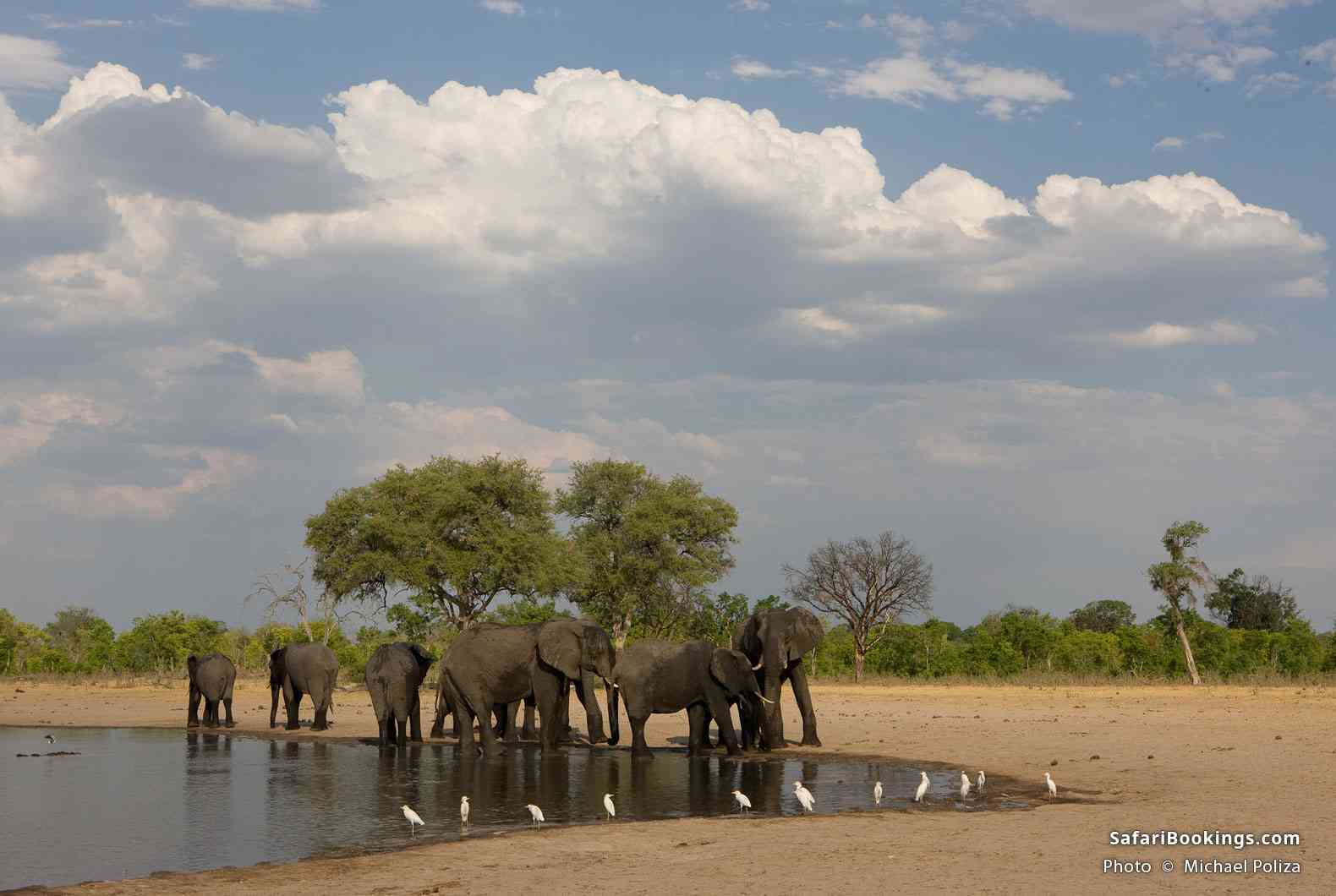 Elephants drinking at a waterhole
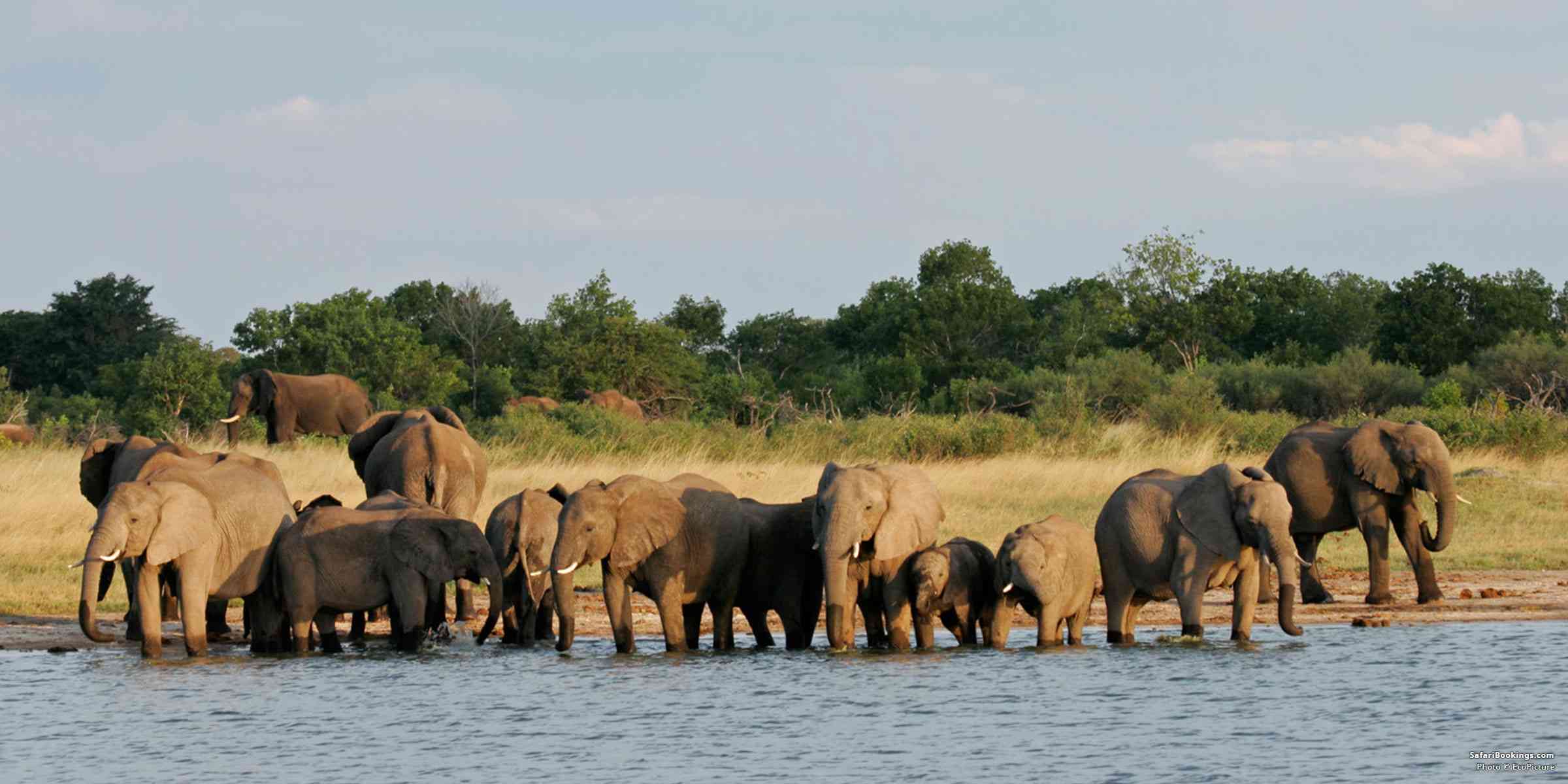
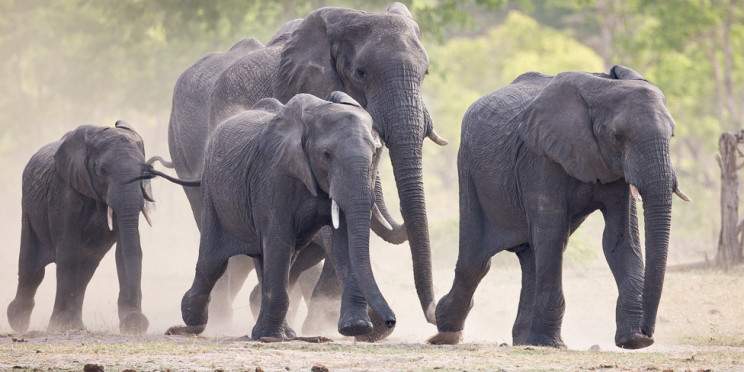
Hwange National Park’s main attraction is its prolific wildlife. The mammal checklist of 100-plus species includes all the Big Five (lion, leopard, buffalo, elephant and rhino; though rhinos are very rare) and many other safari favorites, from giraffe and zebra to cheetah and hyena. Hwange is famous for its elephants, with up to 50,000 individuals – roughly 10% of the continental population – gathering within its boundaries in the Dry season (April to October). It also supports large populations of lions, plus the Critically Endangered African wild dog.
Although most international visitors book on a guided tour or into an all-inclusive lodge, Hwange is one of the best safari destinations for budget-minded self-drivers, thanks to its good road network and affordable government rest camps. And while mammals get most of the attention, the park is also great for bird watching, with close to 500 species recorded. This includes a long list of birds of prey and several species unique to the Kalahari ecosystem at the eastern limit of their range.
What Wildlife Can I Expect To See?
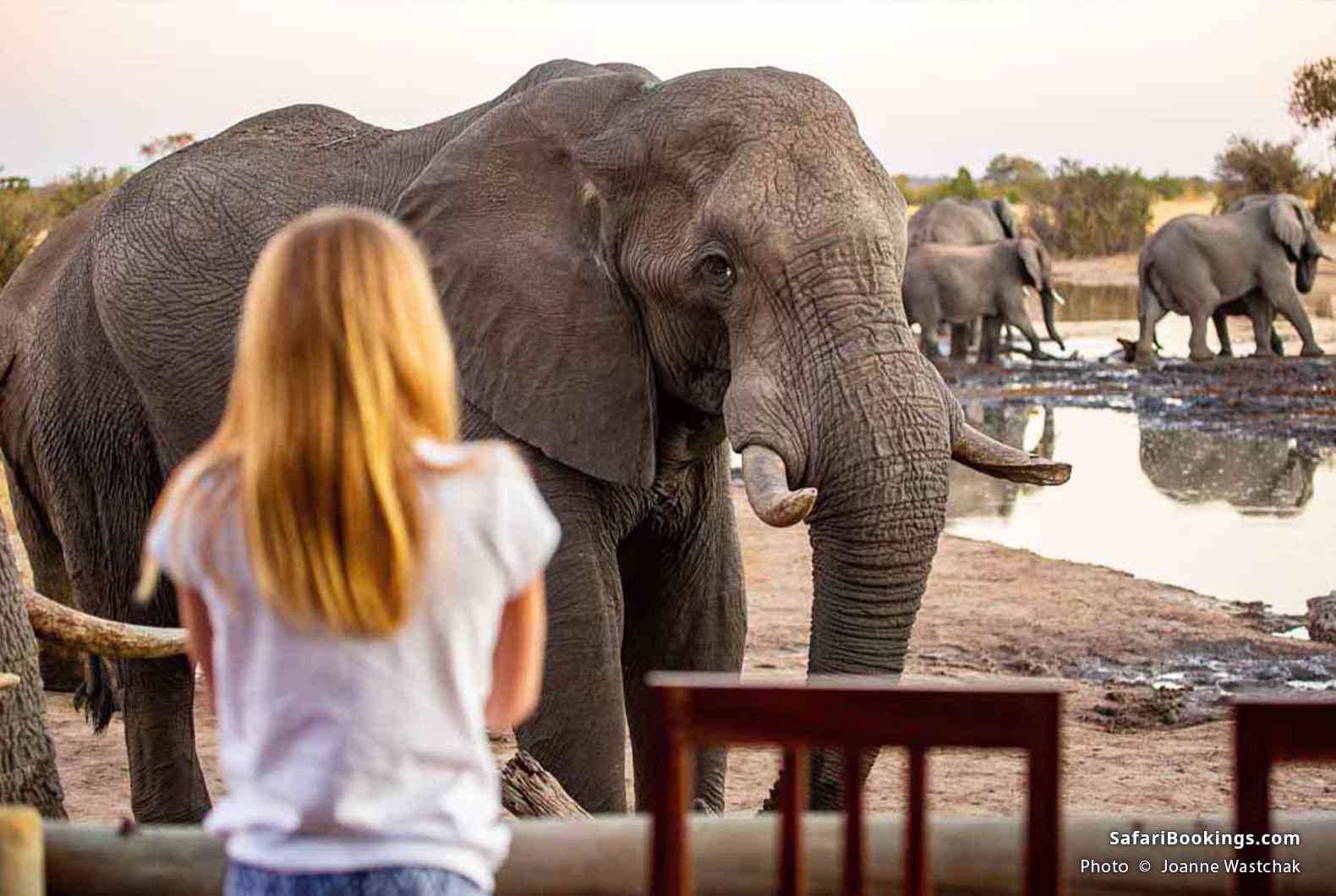 Watching elephants at a waterhole in front of a lodge
Elephants, definitely. These magnificent creatures are common in Hwange throughout the year, but most numerous from July to October, toward the end of the Dry season. At this time of year, it’s not unusual for hundreds of individuals to gather at one waterhole in the heat of the day, offering visitors a great opportunity to watch interaction within and between herds.
Other common wildlife includes buffalo, giraffe, zebra, warthog and a wide variety of antelope, notably wildebeest, greater kudu, gemsbok and large herds of sable antelope. Hwange is also a good park for spotting large carnivores. Lion, spotted hyena and black-backed jackal are all reasonably common, while lucky visitors might come across cheetah, leopard or a pack of African wild dog. Nocturnal dry-country specials sometimes seen on night drives include brown hyena, bat-eared fox and springhare.
Where Is Hwange National Park Located?
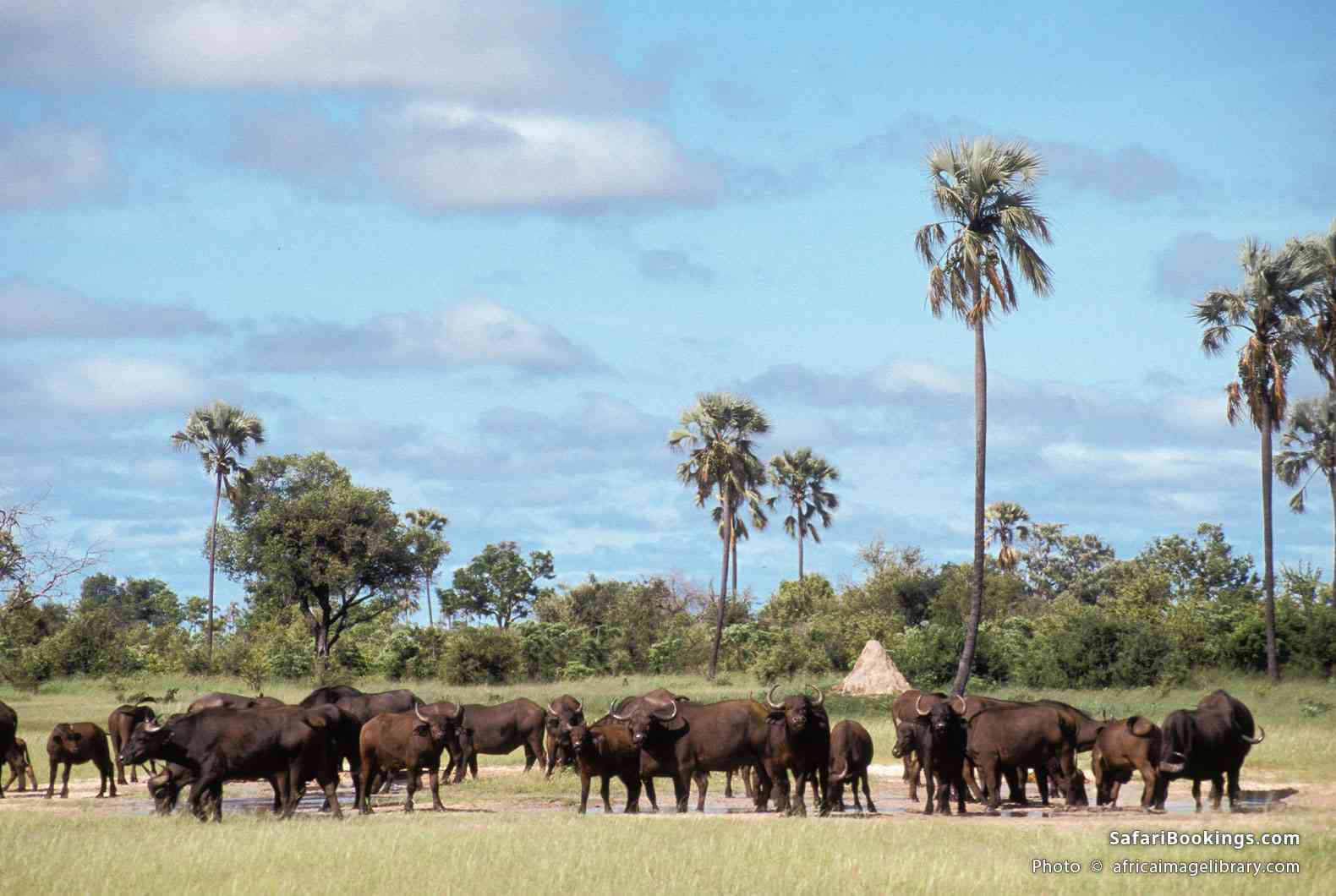 Herd of buffalo
Hwange is situated in the far west of Zimbabwe along the border with Botswana. It lies roughly halfway between the iconic Victoria Falls and Zimbabwe’s second-largest city Bulawayo, and is easily accessed from the main surfaced road that runs between them. Ecologically, Hwange differs from the rest of Zimbabwe in that it shares strong affinities with the sandy semi-arid Kalahari region of Botswana, and stands at the eastern limit of the range of many plant and animal species associated with that region.
How Do I Get to Hwange National Park?
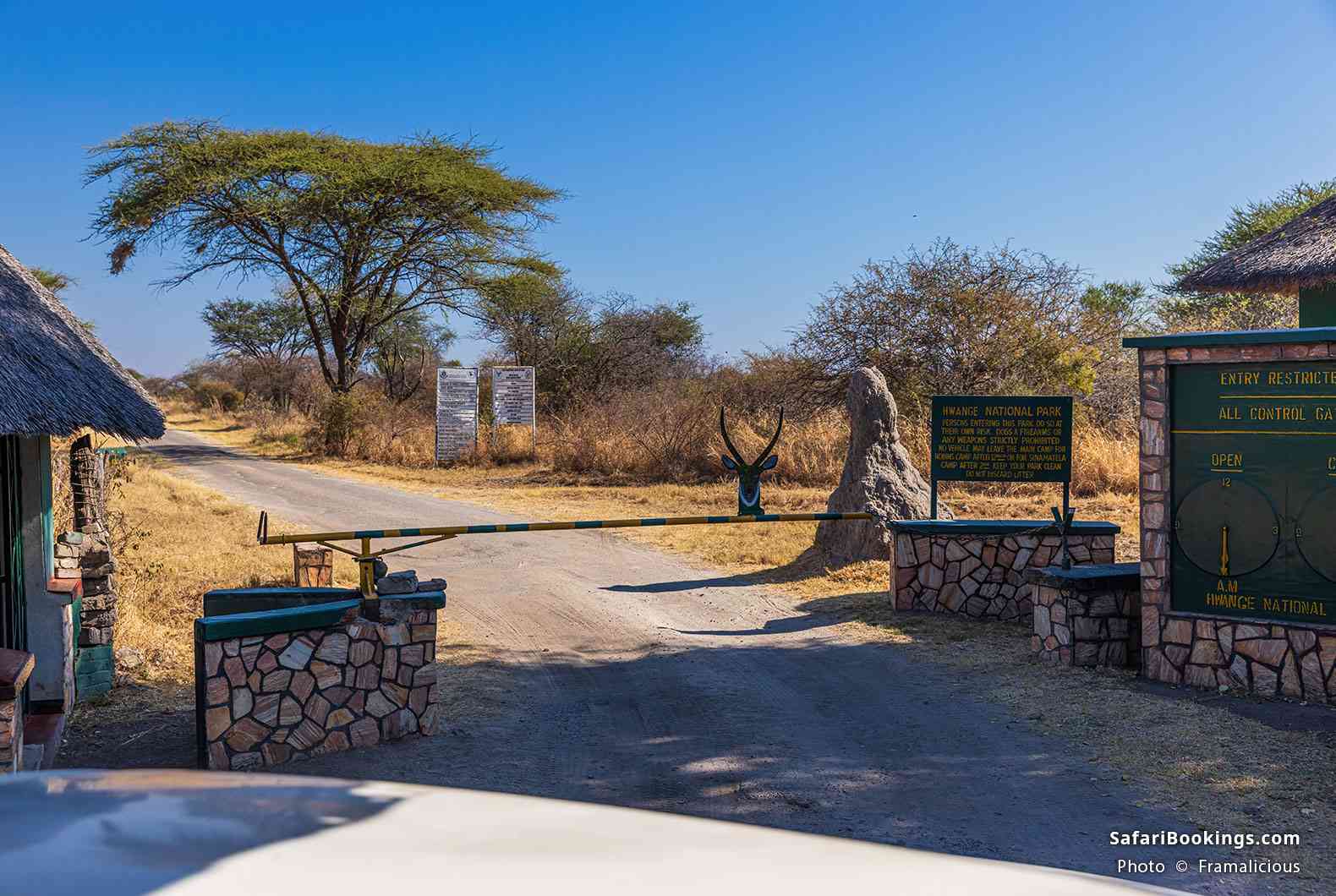 Entrance gate
Most visitors to Hwange travel by road from Victoria Falls, either on an organized guided safari or in self-drive mode. Several routes are possible, and the best choice might depend on the location of your lodge. Most frequently used is the 200km/124mi surfaced road between Victoria Falls and Main Gate (also the site of Main Camp), which takes around three hours. This road can be covered in any vehicle (keeping an eye out for potholes), as can most internal roads close to Main Camp, but a 4WD vehicle might be necessary to reach some camps deeper in the park.
There are no scheduled flights to Hwange. However, some upmarket lodges have small airstrips suitable for charter flights. The closest proper airport to Hwange is Victoria Falls International Airport (VFA), which stands on the outskirts of Victoria Falls town and is where many visitors to Zimbabwe arrive in the country.
Can Hwange National Park Be Combined With Other Parks?
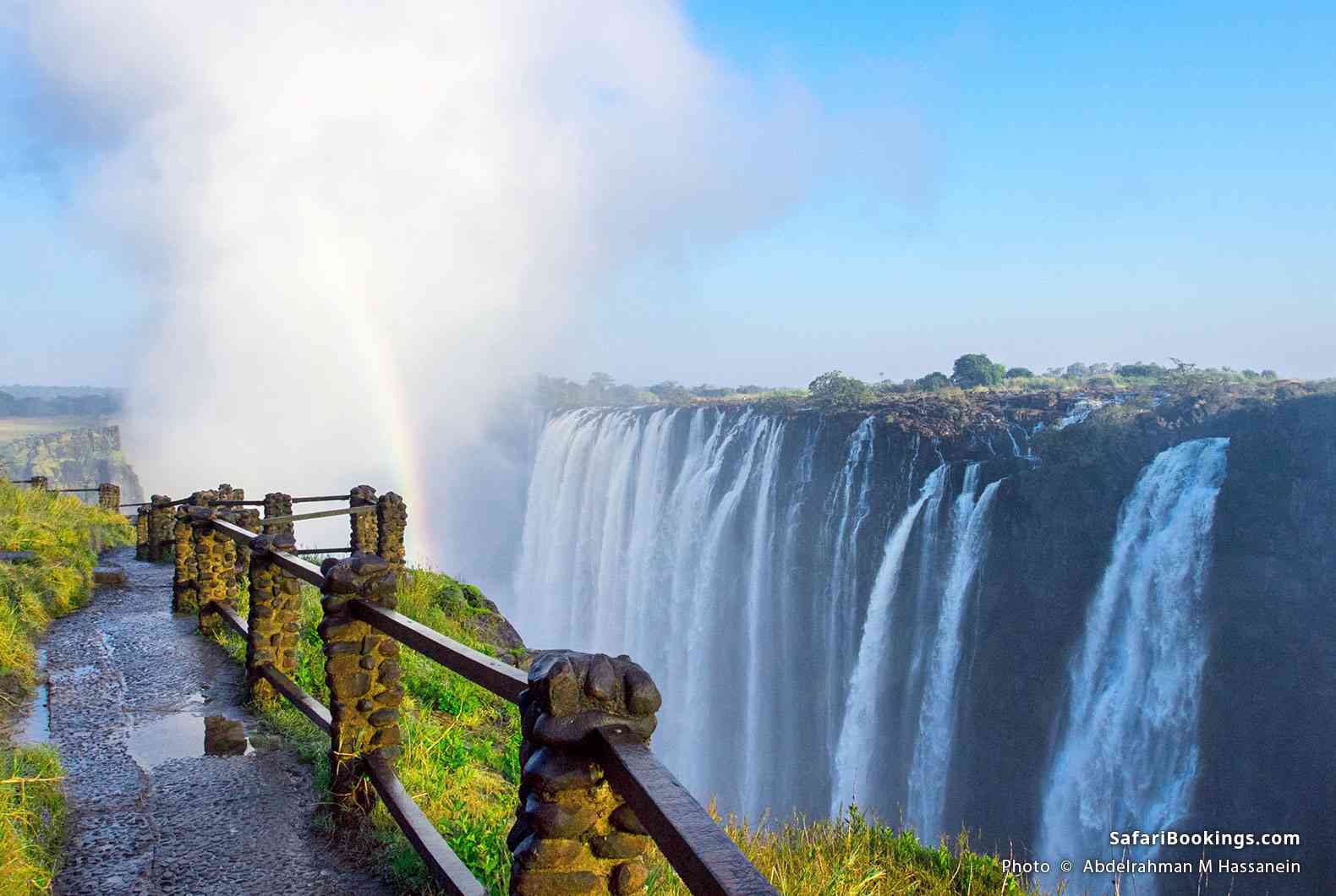 Path along Victoria Falls
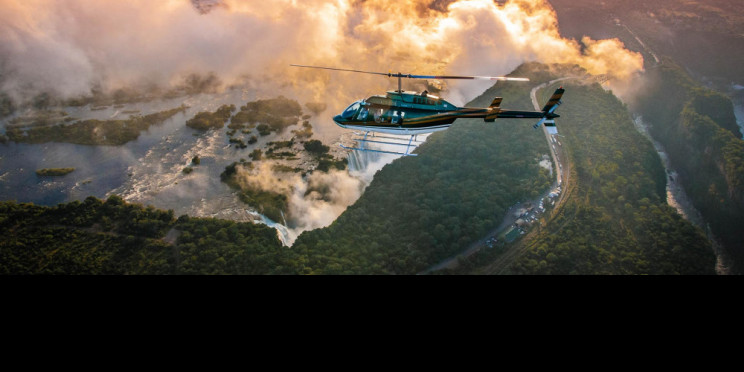
The attraction most often combined with Hwange is Victoria Falls, which lies on the Zambezi River and forms part of the border between Zimbabwe and Zambia. Arguably the most spectacular natural landmark in Africa, this mile-wide waterfall is best viewed from Victoria Falls National Park, a small pedestrian-only reserve set in a clifftop spray forest on the Zimbabwean riverbank.
If you’re looking to combine Hwange with another pure safari destination, Zambezi National Park, which protects the wild stretch of riverfront immediately west of Victoria Falls, is very convenient but not in the top tier when it comes to wildlife viewing. More popular is Botswana’s Chobe National Park, which forms part of the same elephant-dense ecosystem as Hwange and is known for its unforgettable boat safaris.
Back in Zimbabwe, scenic Matobo National Park complements Hwange as it is the country’s top spot for rhinos (which can be tracked on foot with park rangers). The remarkable Great Zimbabwe National Monument preserves the extensive ruins of the medieval stone city for which the country is named. Also worth considering, especially for fly-in safaris, is the wildlife-rich 4WD-only wilderness of Mana Pools or Gonarezhou National Parks.
When Is the Best Time To Visit?
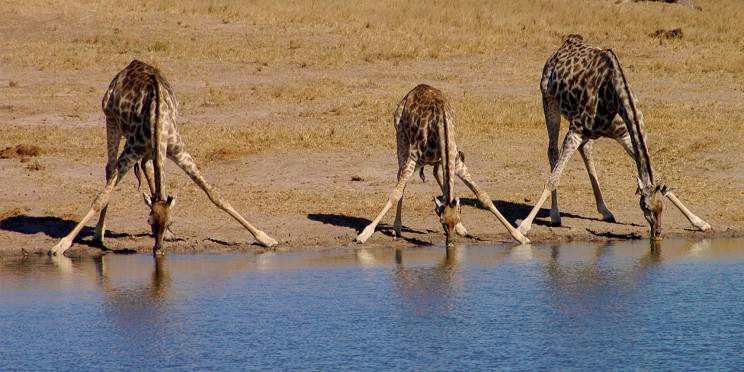
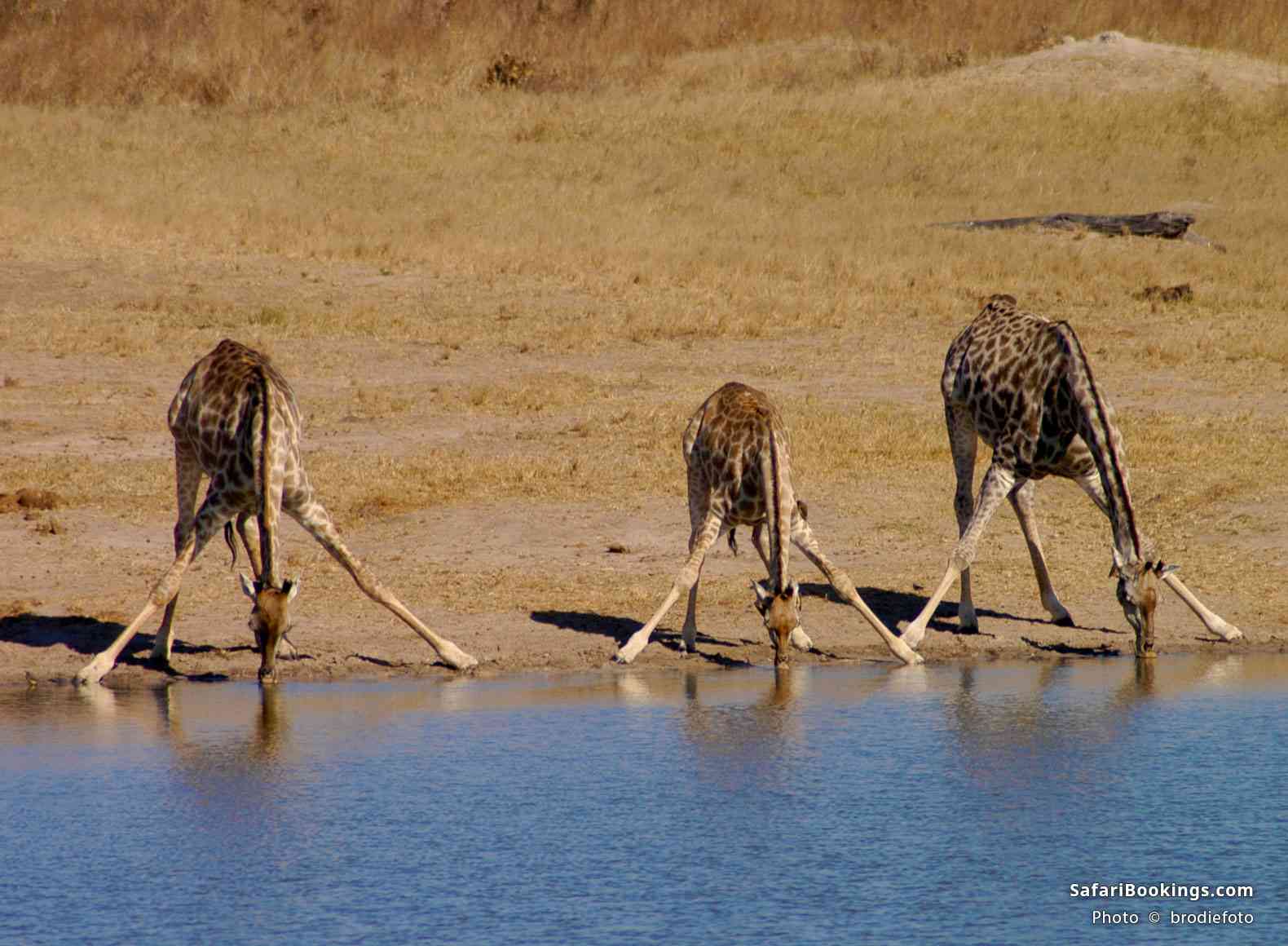 Giraffes drinking at a waterhole
There is no bad time to visit Hwange, though wildlife viewing is at its absolute best from July to October, over the middle and end of the Dry season. A feature of the park at this time is the large herds of wildlife – especially elephants – that gather at its waterholes. The lower, thinner vegetation also makes it easier to spot lions and other carnivores. And the climate is more agreeable, too: daytime temperatures are pleasantly warm (as opposed to very hot in summer) and there’s little chance of rain interfering with your wildlife viewing.
Advantages of visiting Hwange during the summer months of November to March (which is the Wet season) are that days are longer, the scenery is greener, tourist volumes are lower, and the birdlife is more varied and colorful thanks to the presence of migratory species.
How Do I Get Around in Hwange National Park?
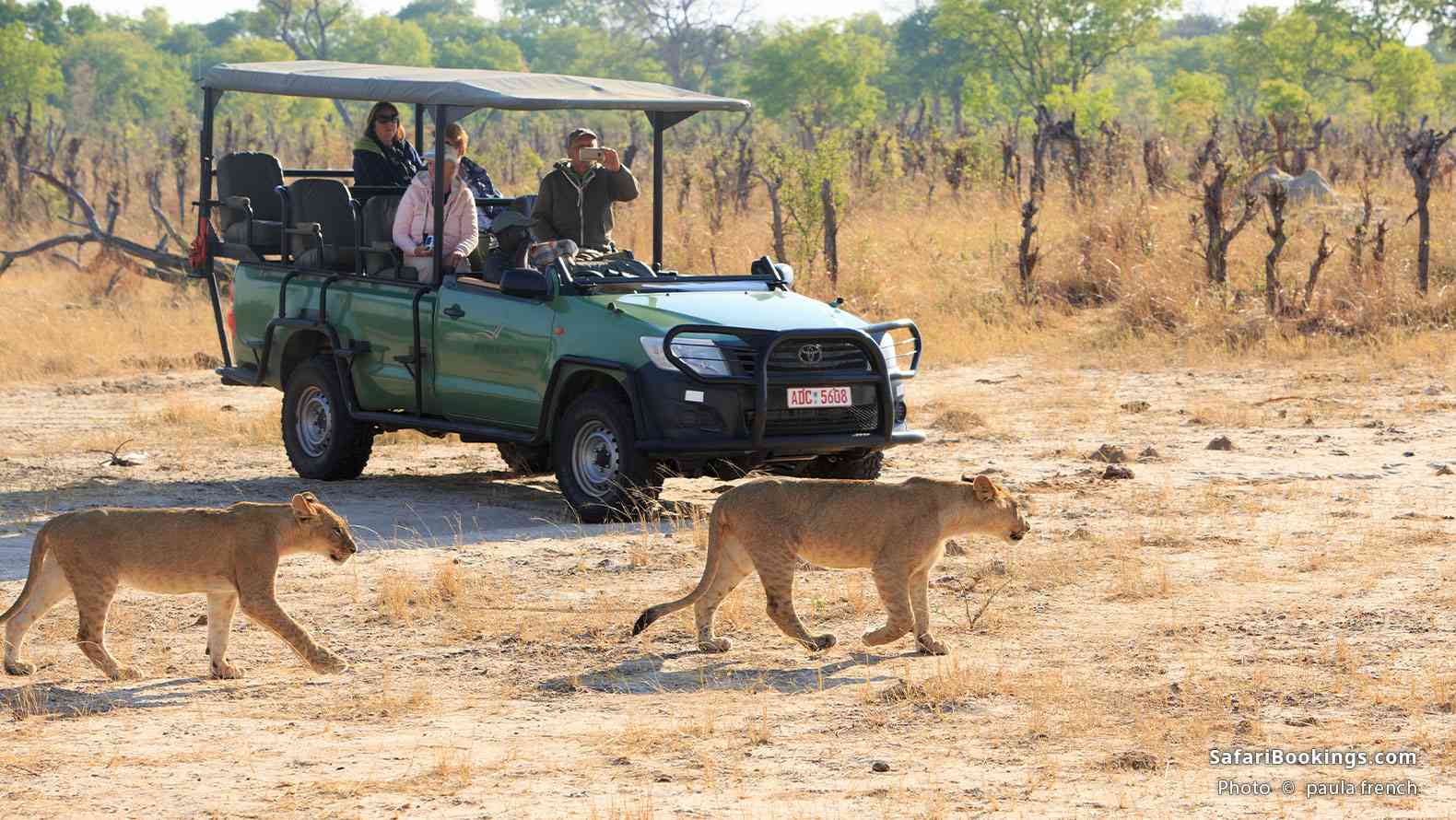 Lions walking past a safari vehicle
The only way to get around Hwange, whether you visit on a tour or in self-drive mode, is by car. The extensive circuit of wildlife-viewing roads close to Main Camp is navigable in any vehicle, but you may need to take care in places if driving a very low-slung sedan car. A high-clearance 4WD is recommended for more remote roads.
Self-drivers staying at rest camps must conduct their own game drives. By contrast, if you book onto an organized tour or stay at an upmarket camp, guided game drives will almost certainly be included in the package. Most private lodges and camps also offer bush walks with experienced armed guides, but only those situated in private concessions are permitted to do night drives.
How Many Days Should I Stay?
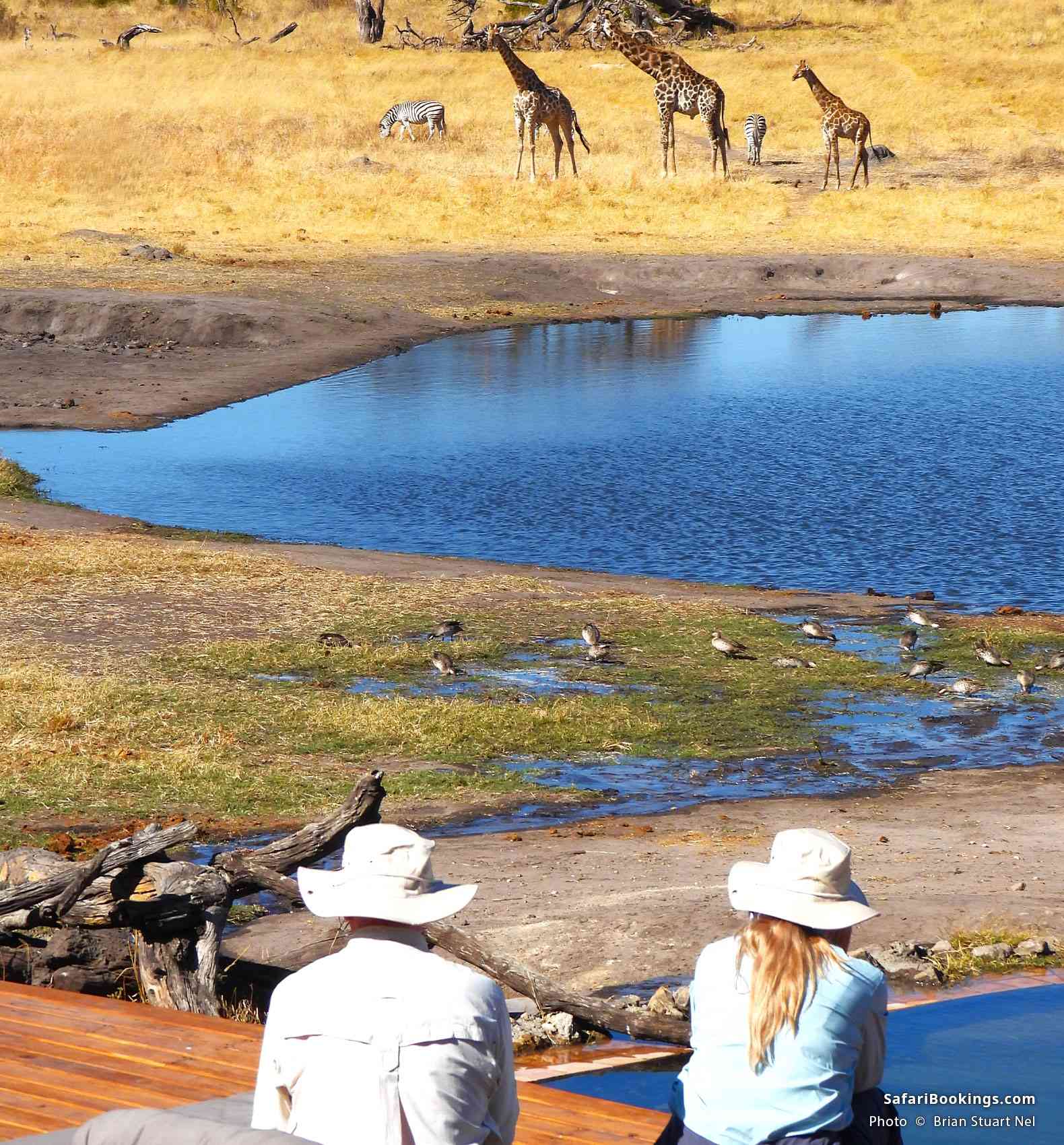 Wildlife viewing at a waterhole
Within reason, the longer you stay, the better. If you are really pushed for time, several operators offer one-day safaris to Hwange from Victoria Falls. These are certainly worthwhile, but they are rushed affairs that involve a lot of driving – up to three hours in each direction – and mean you miss out on the most productive wildlife-viewing hours (early morning and late afternoon).
A more realistic and relaxed minimum stay would be three or five days, which gives you time to settle into the safari mood and to be reasonably confident of getting close to a wide range of large carnivores and more unusual antelope species. With more time at your disposal, say six days or longer, you could split your time between two or more lodges or camps, allowing you to explore different areas of this vast park.
Is the Park Safe To Visit?
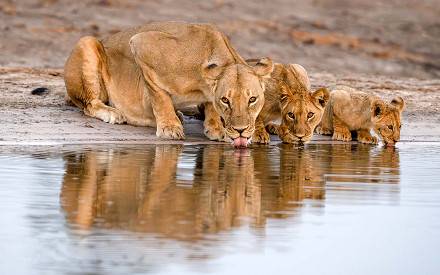
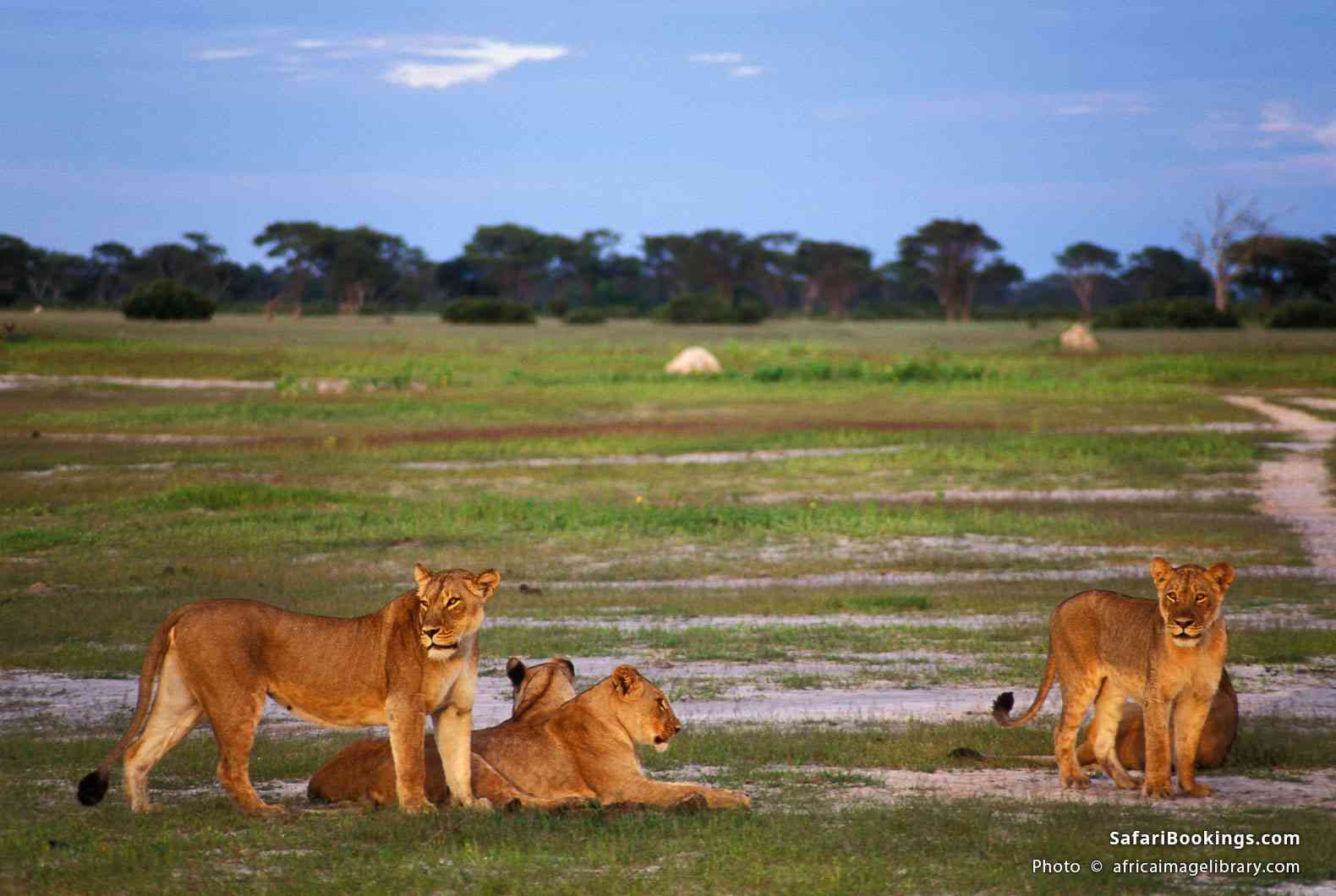 Pride of lions
Yes. Hwange is generally regarded to be a very safe destination, especially if you’re traveling on an organized tour or book an all-inclusive lodge package. A self-drive safari is also safe, since the main park gate lies just off a surfaced trunk road, but do ask local advice before you set off, and keep an eye open for potholes, especially when heavy trucks are coming in the opposite direction.
Once in the park, wildlife poses little to no risk to self-drivers, but it is wise to be cautious around elephants, especially if they seem agitated. Many camps in Hwange offer walking safaris or bush walks accompanied by an armed ranger; these are regarded to be safe, provided you follow your guide’s instructions.
Hwange lies in a malaria zone, so it is advisable to take antimalarial drugs, cover up exposed skin, and carry a good mosquito repellent. The risk of malaria is greatest in the wet summer months of November to March, which is yet another good reason to visit in the Dry season.
What Are the Best Places To Stay?
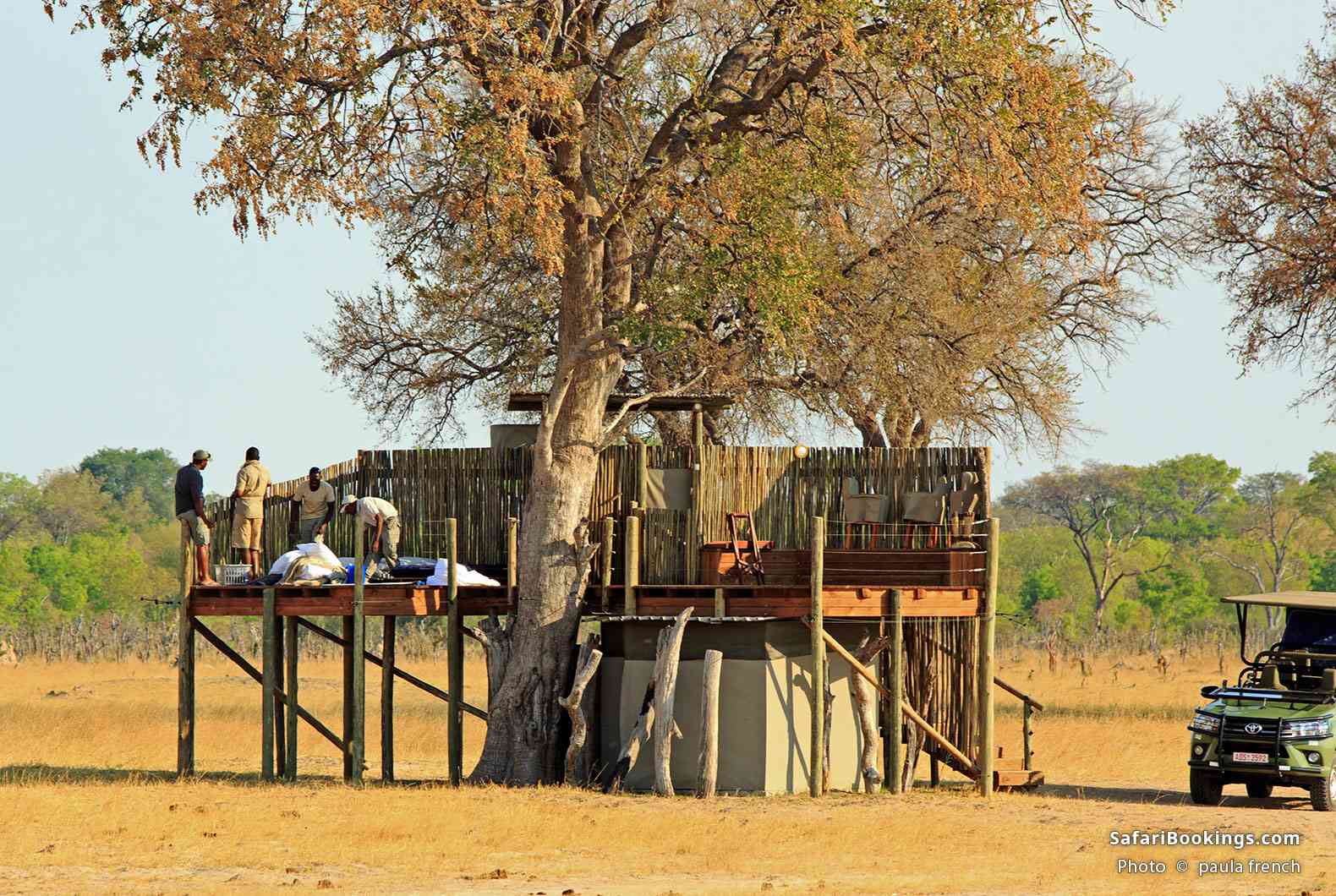 Local guides setting up a tree house where guests can sleep out at night
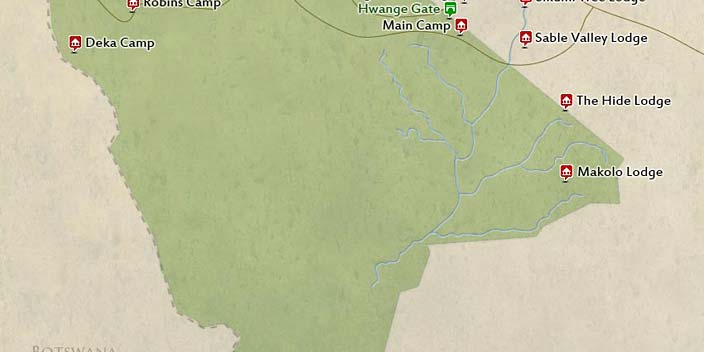
A varied selection of accommodations is available at Hwange. The most established option is a trio of government rest camps – Main, Sinamatella and Robins – that cater mainly to self-drive and budget visitors. These all offer simple but functional self-catering accommodations in en suite chalets and cottages, as well as camping and caravan sites with communal toilet and shower blocks.
A long list of more upmarket and intimate private lodges and camps are set in exclusive concessions inside the park or on private land outside its borders. These range from ultra-luxury safari lodges to more low-key mid-range tented camps. Almost without exception, they offer overnight packages inclusive of meals, park fees, game drives and other activities. Generally speaking, lodges and camps within the park offer a more immersive safari experience than those outside it, and places on larger concessions are more flexible when it comes to pre-dawn departures, bush walks and night drives.
What Facilities Are There?
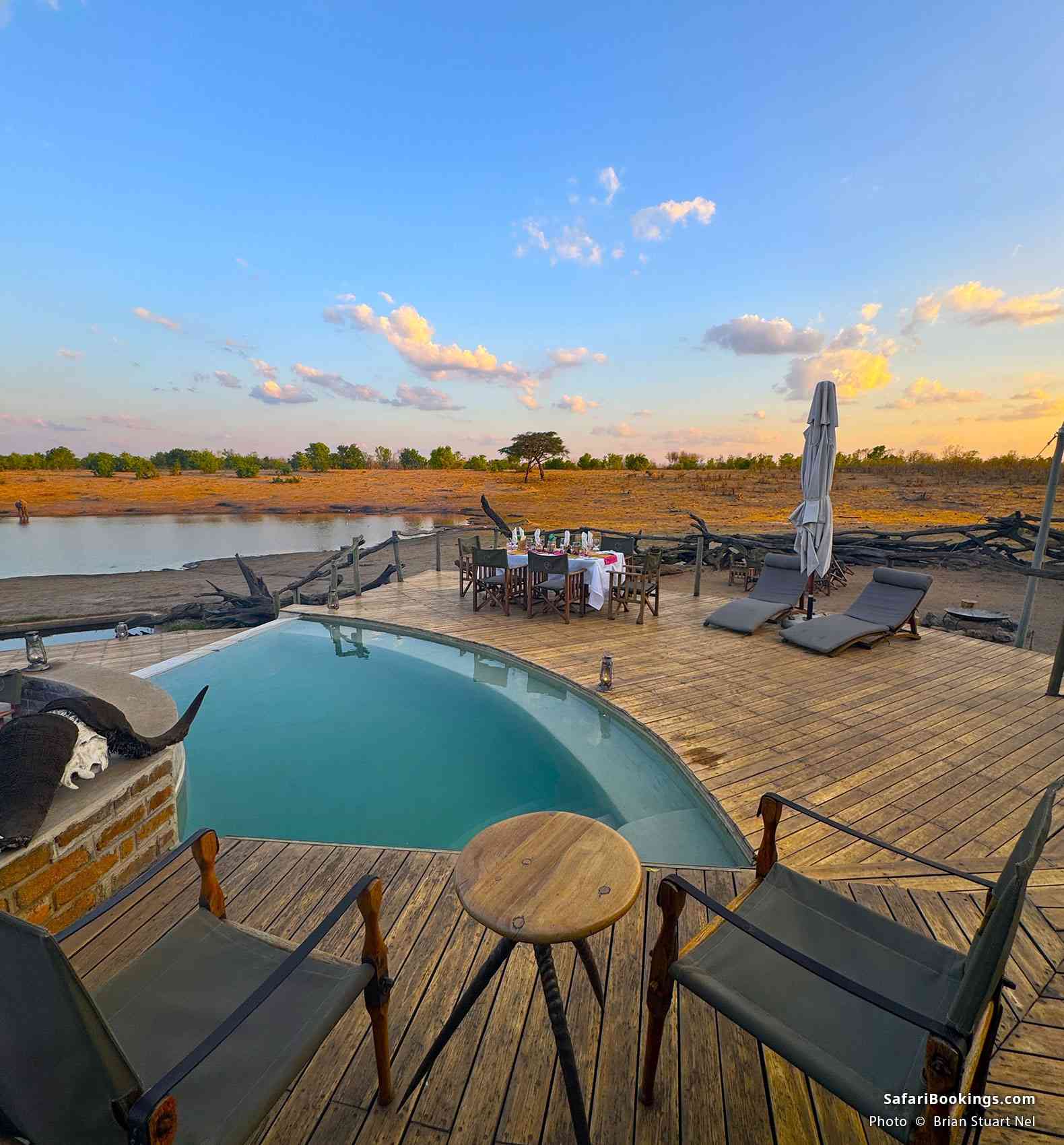 Bush camp swimming pool
Although Hwange is serviced by a good network of all-weather wildlife-viewing roads and has a great choice of private lodges and government rest camps, other facilities are limited. The three government rest camps all have restaurants, self-catering facilities and piped water, along with small grocery shops and filling stations that cannot be relied upon entirely. In addition, there are several picnic sites scattered around the park; these usually have toilets and many overlook waterholes that attract plenty of wildlife. Other facilities include viewing platforms and hides at wildlife hot spots such as Ngweshla Pan, Nyamandhlovu Pan and Dom Waterhole.
What Are the Costs for Visiting Hwange National Park?
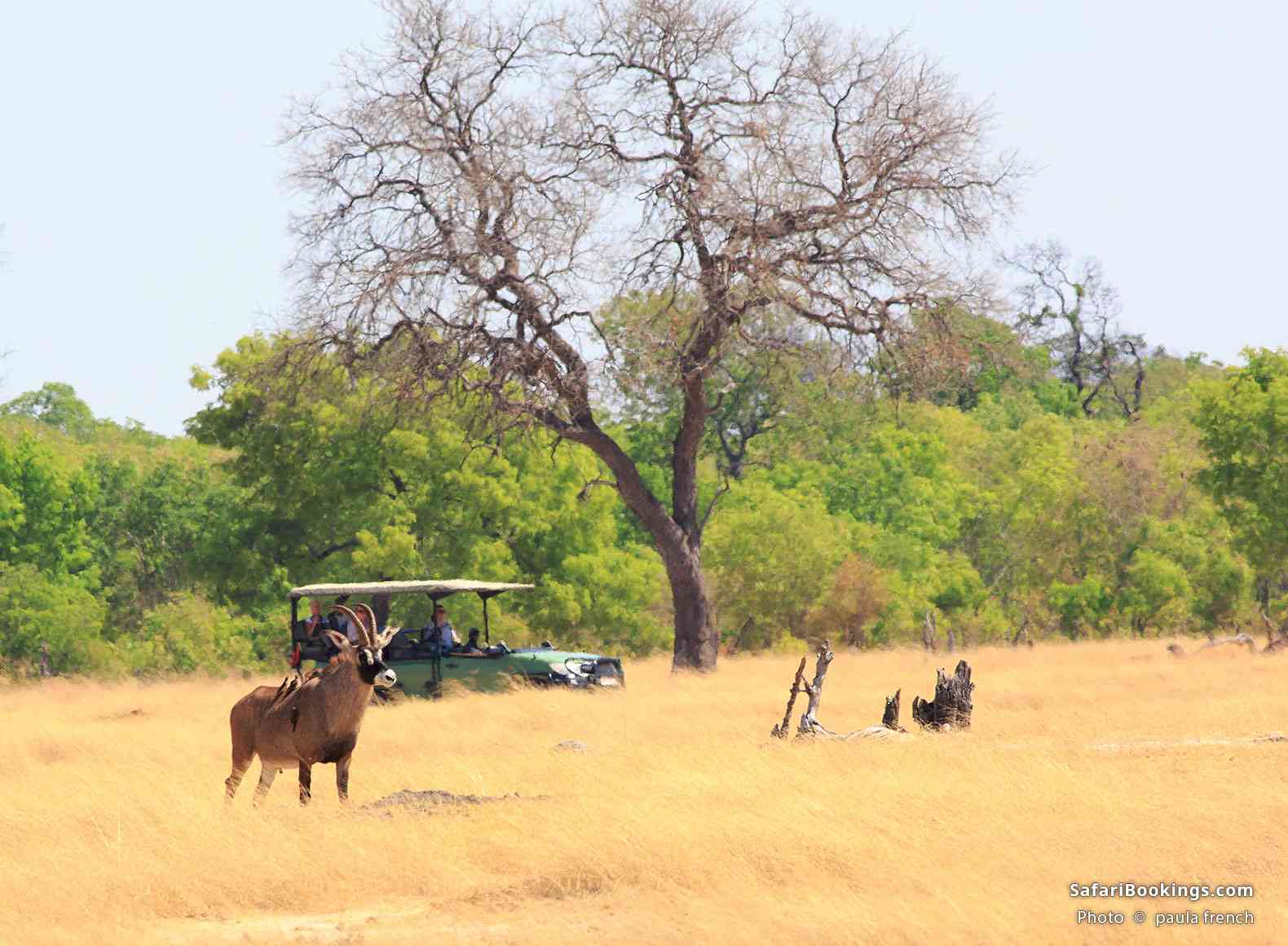 Safari-goers enjoying a game drive
The cost of an organized safari to Hwange will depend on how long you’ll spend in the park, your group size, and where you’ll stay once you arrive. The price of an all-inclusive one-day safari from Victoria Falls is usually around US$270 to US$350 per person. For overnight trips, you are typically looking at US$200 to US$300 per person per day for a camping or basic lodge safari. Stays at a more upmarket lodge or camp start at US$500 to US$600, while a fly-in safari to a top-end luxury lodge might cost double that, or more!
Want To Visit Hwange?
Click on the button below to compare Hwange tours offered by top-rated tour operators.
By Philip Briggs Philip is a renowned Africa expert and author of more than 20 guidebooks to African destinations.
More About This Author

 Subscribe to our newsletter
 Follow us on Instagram
Safari Tours to Zimbabwe
-
![3-Day Full Game Drive Experience]()
3-Day Full Game Drive Experience
$1,210 pp (USD)
Zimbabwe: Shared tour (max 10 people per vehicle)
Mid-range LodgeYou Visit: Victoria Falls Town (Start), Hwange NP, Victoria Falls (End)

Wanderlust Safaris
5.0/5 – 50 Reviews

-
7-Day Victoria Falls, Hwange NP and Matobo NP Experience
$3,300 to $4,006 pp (USD)
Zimbabwe: Private tourLuxuryLodge & Hotel
You Visit: Victoria Falls (Start), Hwange NP, Matobo NP, Bulawayo (End)
Off2Africa Travel
5.0/5 – 241 Reviews
-
![5-Day Hwange National Park, Chobe NP and Victoria Falls]()
5-Day Hwange National Park, Chobe NP and Victoria Falls
$2,408 pp (USD)
Botswana, Zimbabwe & Namibia: Shared tour (max 9 people per vehicle)
Mid-range Lodge & HotelYou Visit: Victoria Falls Airport (Start), Hwange NP, Victoria Falls, Chobe River, Victoria Falls Town (End)
Zambezi Quest Travel and Tours
4.9/5 – 42 Reviews