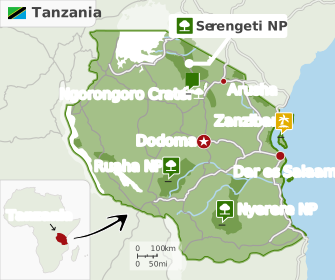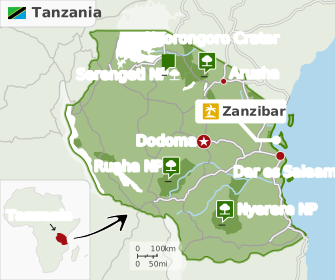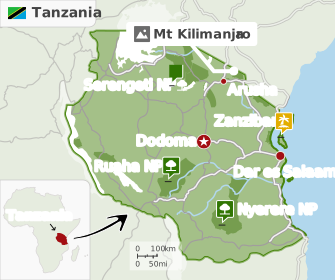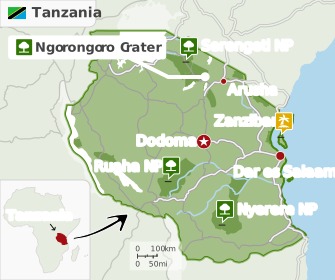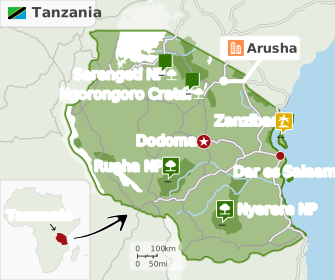
Tanzania doesn’t mess around when it comes to big-name landmarks. At least four of its major attractions – Kilimanjaro, Zanzibar, Serengeti and Ngorongoro Crater – would find their way onto most lists of the top 10
Tanzania Safari Tours
Read more
places to visit in Africa. But this diverse country also boasts a long list of alluring lesser-known highlights. These range from chimp tracking in the forests of the Mahale Mountains and safaris in the vast wilderness of Nyerere National Park to chilling on the long Indian Ocean coastline.50 Best Things To Do in Tanzania
-
Google Maps
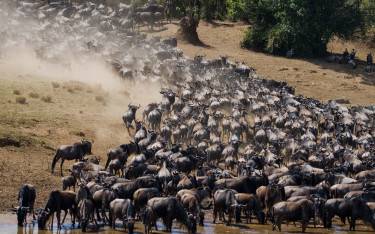
Wildebeest gathering at the Mara River Serengeti National Park, Tanzania. Photo by Gudkov Andrey. © All rights reserved 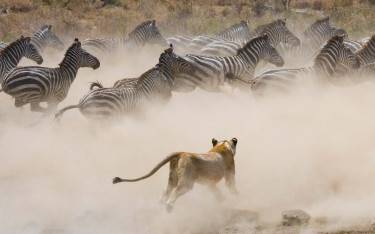
Lion chasing zebras Serengeti National Park, Tanzania. Photo by Gudkov Andrey. © All rights reserved 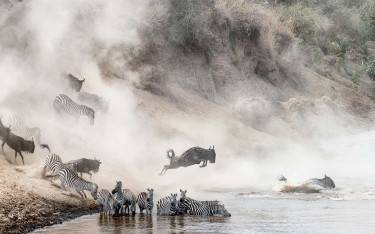
Wildebeest and zebras crossing the Mara River Mara River, Tanzania. Photo by Susan Schmitz. © All rights reserved 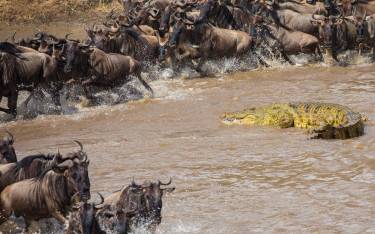
Crocodile hunting wildebeest at a river crossing Serengeti National Park, Tanzania. Photo by Tina Case. © All rights reserved 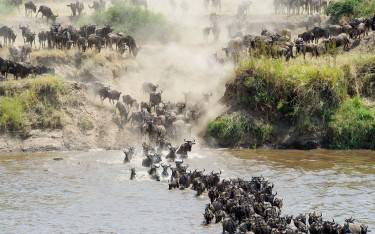
River crossing during the great migration Northern Serengeti National Park, Tanzania. Photo by Jannie Nikola Laursen. © All rights reserved 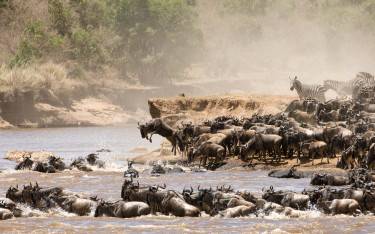
River crossing during the great migration Serengeti National Park, Tanzania. Photo by Kaphotokevm1. © All rights reserved 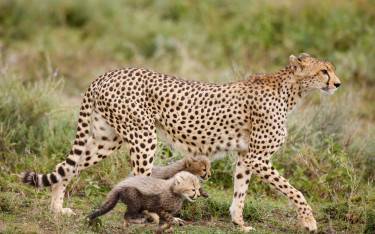
Cheetahs following the migration Ndutu, Tanzania. Photo by Paul Tessier. © All rights reserved 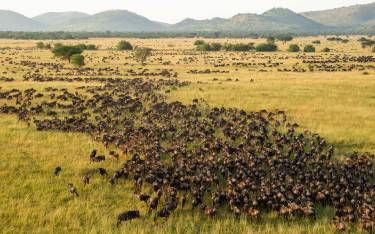
Wildebeest migrating across the plains Serengeti National Park, Tanzania. Photo by Ariadne van Zandbergen. © All rights reserved 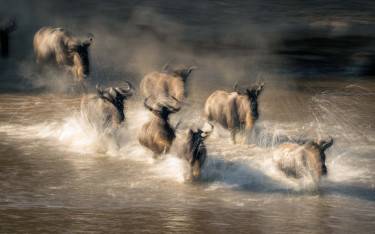
Wildebeest crossing the Mara River Serengeti National Park, Tanzania. Photo by nwdph. © All rights reserved 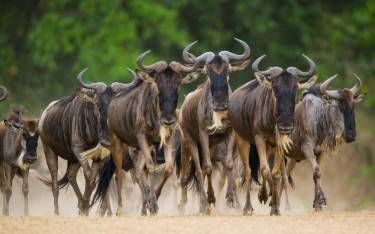
Wildebeest on the great migration Serengeti National Park, Tanzania. Photo by Gudkov Andrey. © All rights reserved 1. Follow the Great Migration Through the Serengeti
Some 2 million are involved in the world’s largest mammal migration
The annual migration through Serengeti National Park has been called the greatest wildlife spectacle on Earth. With good cause. Every year, an estimated 2 million wildebeest, zebra and other grazers undertake a clockwise migration through theRead more
vast unfenced ecosystem focused on this national park. There’s drama throughout the year, whether you visit in the calving season, catch the dust-kicking columns on a northward or southward march, or witness an adrenaline-charged crossing of the Mara or Grumeti Rivers.Where the wildebeest march, the carnivores follow. Serengeti’s provide a movable feast to what is probably the world's largest remaining lion population. The park also supports substantial numbers of leopard, cheetah, , and smaller predators such as and . Indeed, if any one African park can lay claim to being the world's greatest all-round safari destination, it is surely the Serengeti. -
Google Maps
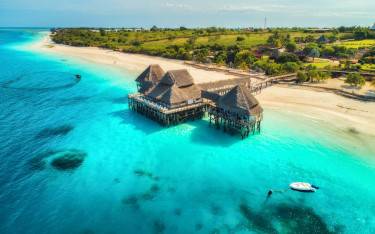
Beach resort Zanzibar Island, Tanzania. Photo by Denis Belitsky. © All rights reserved 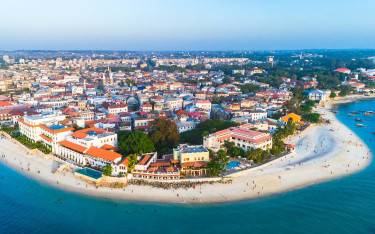
View of Stone Town Zanzibar Stone Town, Tanzania. Photo by MariusLtu. © All rights reserved 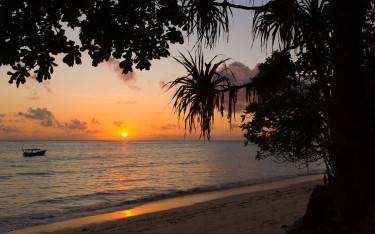
Sunrise at Nungwi Beach Nungwi, Tanzania. Photo by Ariadne van Zandbergen. © All rights reserved 
Guide on a spice tour showing annatto seeds Spice Farm Zanzibar, Tanzania. Photo by Nlink. © All rights reserved 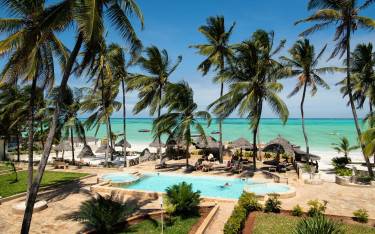
Resort at Paje Beach Paje, Tanzania. Photo by Ariadne van Zandbergen. © All rights reserved 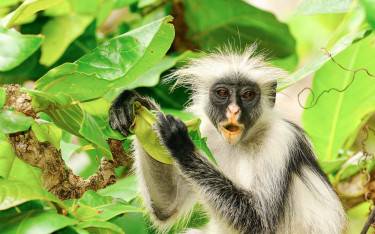
Zanzibar red colobus Zanzibar Island, Tanzania. Photo by Duelune. © All rights reserved 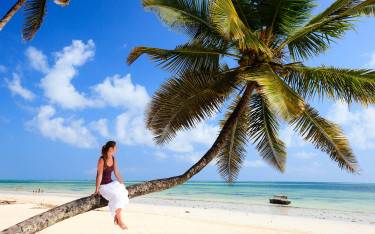
Enjoying the Zanzibar shoreline Zanzibar Island, Tanzania. Photo by BlueOrange Studio. © All rights reserved 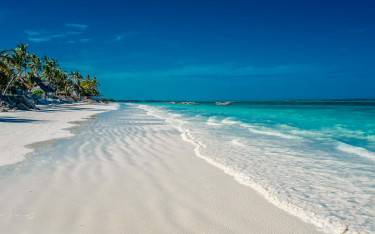
Jambiani Beach Zanzibar Island, Tanzania. Photo by Becker Stefan. © All rights reserved 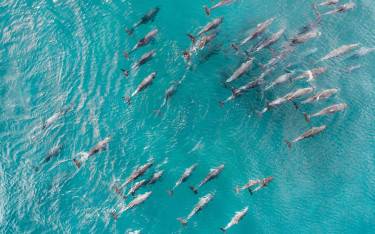
Pod of dolphins Zanzibar Island, Tanzania. Photo by F Photography R. © All rights reserved 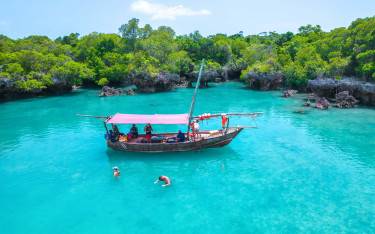
Snorkeling trip Zanzibar Island, Tanzania. Photo by SebastianGorzow. © All rights reserved 2. Chill on Palm-shaded Beaches on Zanzibar Island
The Spice Island also boasts dazzling coral reefs and the historic Stone Town
Whether you head there for some post-safari downtime or as a beach holiday destination in its own right, Zanzibar never fails to enchant. The cultural focal point of this beautiful Indian Ocean island is Stone Town,Read more
an enclave of traditionalism whose characterful alleys are lined with historic landmarks. Offshore, the island is hemmed in by shallow turquoise waters and multicolored coral reefs teeming with marine life. Inland, you can hike through tropical forests alive with monkeys, or visit the aromatic plantations alluded to in the nickname ‘Spice Island’.But for most visitors, Zanzibar’s main attraction is those postcard-perfect beaches. Lined with swaying palms, seafood restaurants and resorts to suit all tastes and budgets, the bone-white beaches of Zanzibar offer something for everyone. Collectively, they also provide perfect conditions for sunbathing, barefoot walks, swimming, kitesurfing, snorkeling, kayaking and a host of other seaside activities. -
Google Maps
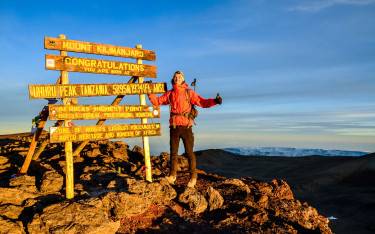
Hiker on Uhuru Peak at sunrise Uhuru Peak, Tanzania. Photo by wallix. © All rights reserved 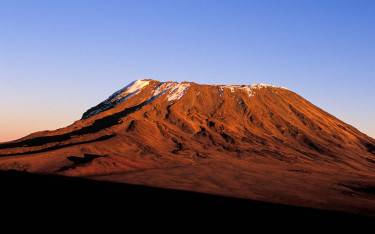
View of Kilimanjaro's east face from Mawenzi Hut Mount Kilimanjaro, Tanzania. Photo by Ariadne van Zandbergen. © All rights reserved 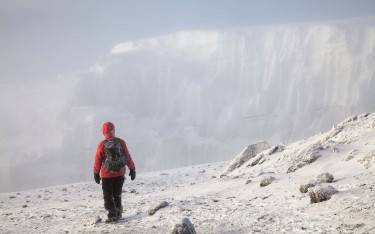
Hiker walking over a glacier Mount Kilimanjaro, Tanzania. Photo by Francoislaure. © All rights reserved 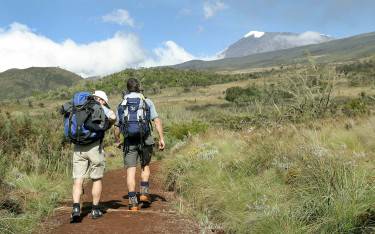
Hiking up Africa's tallest mountain Mount Kilimanjaro, Tanzania. Photo by Lumieres. © All rights reserved 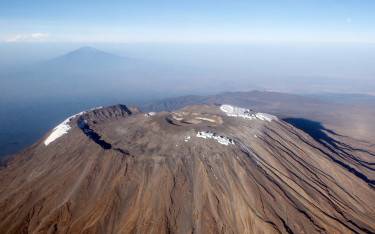
Aerial view of the summit Mount Kilimanjaro, Tanzania. Photo by Lexan. © All rights reserved 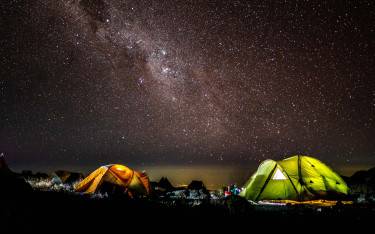
Camping under the Milky Way Mount Kilimanjaro, Tanzania. Photo by iBeatIt. © All rights reserved 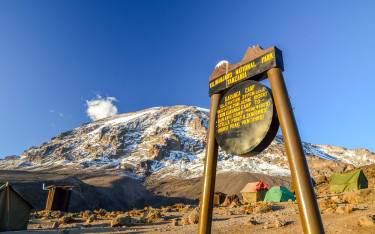
Karanga Camp Mount Kilimanjaro, Tanzania. Photo by Juergen_Wallstabe. © All rights reserved 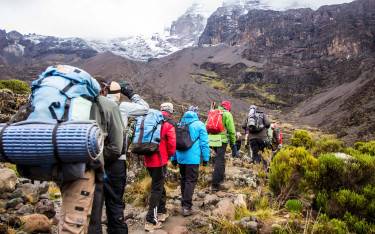
Hikers and porters on the Machame Route Mount Kilimanjaro, Tanzania. Photo by Timaldo. © All rights reserved 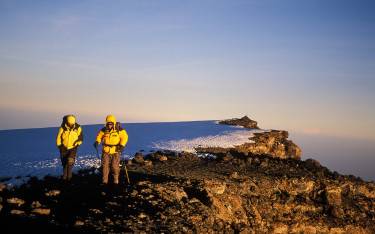
Climbers on the summit at Uhuru Peak Mt Kilimanjaro Summit, Tanzania. Photo by Ariadne van Zandbergen. © All rights reserved 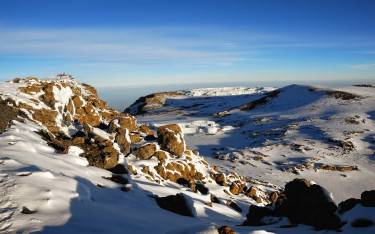
View from Uhuru Peak Mt Kilimanjaro Summit, Tanzania. Photo by znm. © All rights reserved 3. Stand on the Snowy Summit of Kilimanjaro
The multiday hike up Africa’s tallest mountain is challenging but achievable
It is well known that Kilimanjaro, which rises to an altitude of 5,895m/19,341ft above the dusty plains of eastern Tanzania, is Africa’s tallest peak. But this extinct volcano is also the world’s loftiest freestanding mountain, withRead more
a prominence of 4,900m/16,100ft from its base to its summit, and the highest that can be climbed without specialist equipment. It’s not an easy hike. A minimum of five days and a reasonable level of fitness are required. But it should be achievable to anybody who is sufficiently well prepared and determined.The rewards of a Kilimanjaro hike are plentiful. Accompanied by an experienced guide, you’ll set off in a rainforest alive with colorful monkeys and birds, before ascending into an studded with surreal . And the final nighttime ascent up slopes of loose black volcanic rocks brings you to the snowcapped summit in time (weather permitting) to enjoy a magnificent sunrise. -
Google Maps
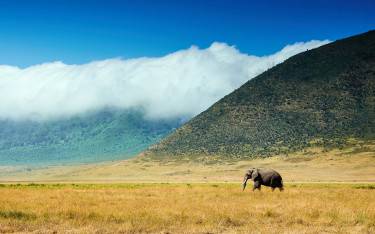
Elephant bull walking on the crater floor Ngorongoro Crater, Tanzania. Photo by ArCaLu. © All rights reserved 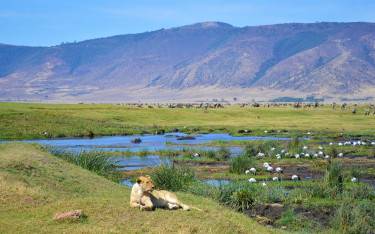
Lion resting Ngorongoro Crater, Tanzania. Photo by Anna Dunlop. © All rights reserved 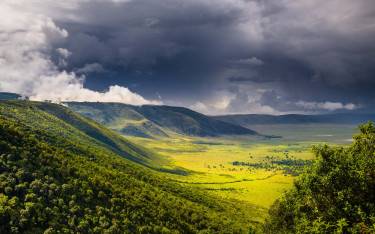
View over the crater floor from the rim Ngorongoro Crater, Tanzania. Photo by Radek Borovka. © All rights reserved 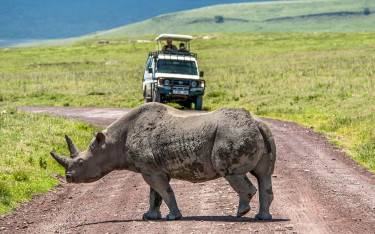
Black rhino crossing the road Ngorongoro Crater, Tanzania. Photo by Michal Hamet. © All rights reserved 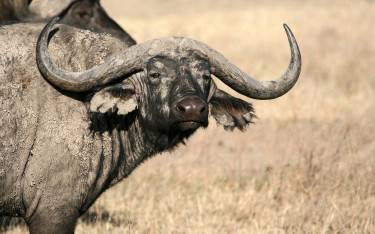
Buffalo Ngorongoro Crater, Tanzania. Photo by Imagex. © All rights reserved 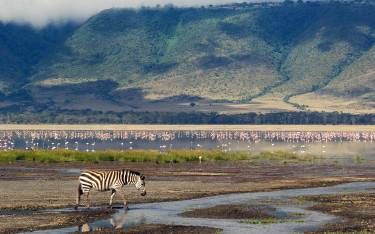
Zebra at Lake Magadi with flamingos Ngorongoro Crater, Tanzania. Photo by Ariadne van Zandbergen. © All rights reserved 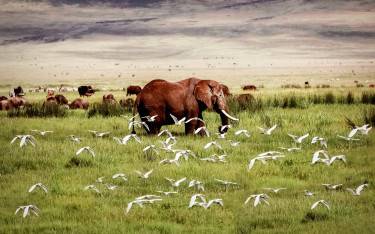
Cattle egrets and elephant on the crater floor Ngorongoro Crater, Tanzania. Photo by Delbars. © All rights reserved 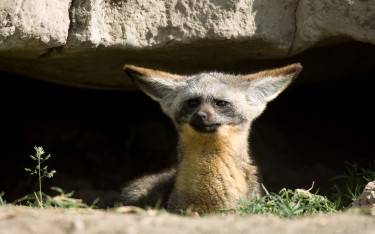
Bat-eared fox in its den Ngorongoro Crater, Tanzania. Photo by Ariadne van Zandbergen. © All rights reserved 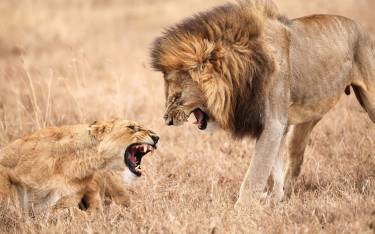
Mating lions snarling Ngorongoro Crater, Tanzania. Photo by Yenwen Lu. © All rights reserved 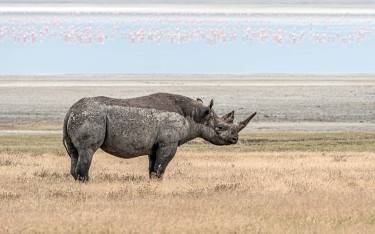
Black rhino Ngorongoro Crater, Tanzania. Photo by Pravine. © All rights reserved 4. Descend Into the Eden-like Ngorongoro Crater
The world’s largest volcanic doubles as a stellar destination
It’s incredible to think that Ngorongoro, back in its fiery volcanic prime, stood taller than Mt Kilimanjaro does today. That high summit has long since collapsed, but what remains is still nothing short of spectacular. ThisRead more
is the world’s largest intact volcanic crater: a 260km²/100mi² expanse of grassland enclosed by a circle of 600m-/1,968ft-high cliffs.No less memorable is Ngorongoro’s wildlife. Massive herds of buffalo, , zebra and provide sport to Africa’s densest populations of lion and . Dignified old elephant bulls with massive tusks forage amid . browse in the bushy grassland. Saline Lake Magadi is tinged pink by uncountable flocks of . The forested crater rim, meanwhile, is a haven for leopards and a colorful array of highland birds. Indeed, few places in the world offer a combination of wildlife and scenery comparable to Ngorongoro Crater. -
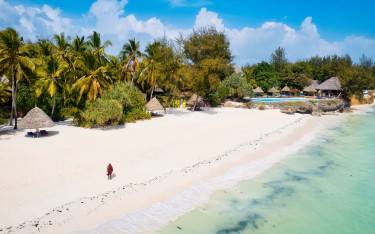
Palm-lined beach on Zanzibar Island Zanzibar Island, Tanzania. Photo by SebastianGorzow. © All rights reserved 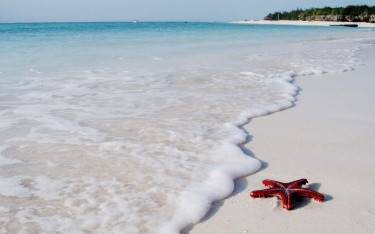
African red-knobbed starfish on Kendwa Beach Zanzibar Island, Tanzania. Photo by Louie Schoeman. © All rights reserved 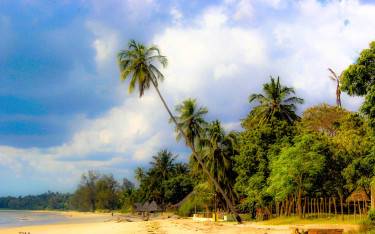
Bagamoyo beach scene Bagamoyo, Tanzania. Photo by Rayner Harakati. © All rights reserved 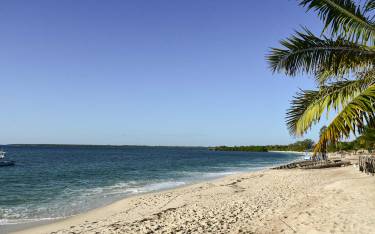
Unspoiled beach at Kilwa Masoko Kilwa Masoko, Tanzania. Photo by Richard Mortel. © All rights reserved 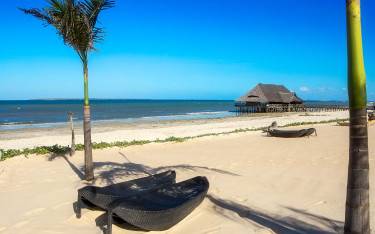
Beach on Mafia Island Mafia Island, Tanzania. Photo by byakkaya. © All rights reserved 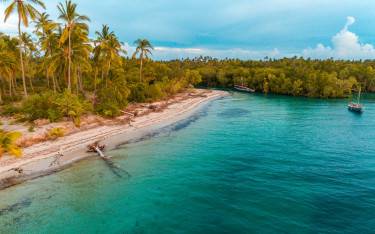
Kanga Beach on Mafia Island Mafia Island, Tanzania. Photo by MOIZ HUSEIN STORYTELLER. © All rights reserved 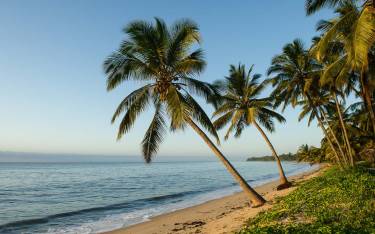
Ushongo Beach Pangani, Tanzania. Photo by Ariadne van Zandbergen. © All rights reserved 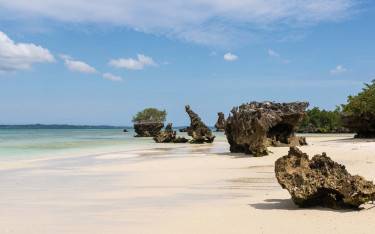
Coral outcrops on Pemba Island Pemba Island, Tanzania. Photo by Nicola Ferrari. © All rights reserved 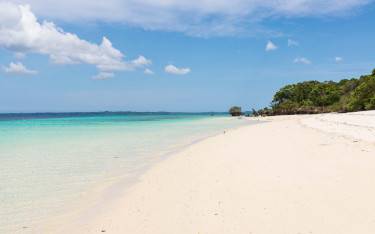
White sandy beach on Pemba Island Pemba Island, Tanzania. Photo by Nicola Ferrari. © All rights reserved
Beach resort on Zanzibar Island Zanzibar Island, Tanzania. Photo by Denis Belitsky. © All rights reserved 5. Holiday on Blissful Indian Ocean Beaches
Tanzania’s mainland coastline and islands are lined with idyllic beaches
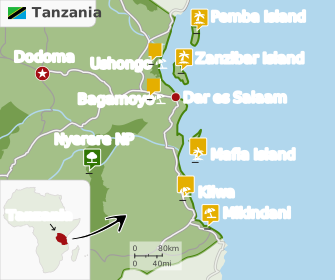
With tourism to Tanzania being so focused on safaris and Zanzibar, it is often forgotten that the mainland coastline comprises 800km/500mi of gorgeous Indian Ocean frontage. Here, devastatingly beautiful beaches such as Ushongo, Kilwa and BagamoyoRead more
are ideal for a refreshingly off-the-beaten-track seaside break. There is also well-developed Kunduchi Beach, close to the bustling port city of Dar es Salaam. And farther north, Saadani National Park is the only Indian Ocean beach destination where lions and elephants still roam wild.Then, of course, there are the islands. Zanzibar needs little introduction, except to say that its beaches are every bit as wonderful as reputation suggests. And if Zanzibar is too much of a tourist hot spot for your tastes, try Pemba or Mafia, a pair of Indian Ocean islands that are just as idyllic, but have a far more exclusive feel. -
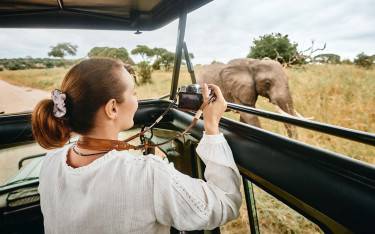
Photographing an elephant in Serengeti NP Serengeti National Park, Tanzania. Photo by Arshinov Andrei. © All rights reserved
The great migration in Serengeti NP Serengeti National Park, Tanzania. Photo by Kaphotokevm1. © All rights reserved 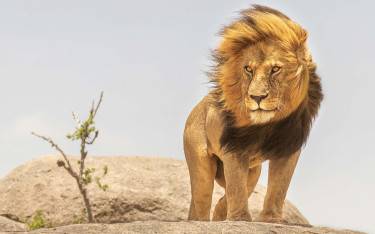
Male lion in Serengeti NP Serengeti National Park, Tanzania. Photo by YOGESH BHATIA PHOTOARTIST. © All rights reserved 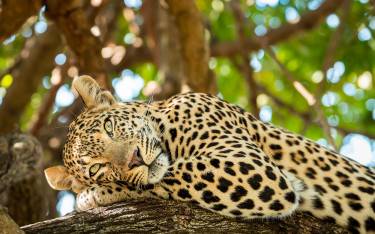
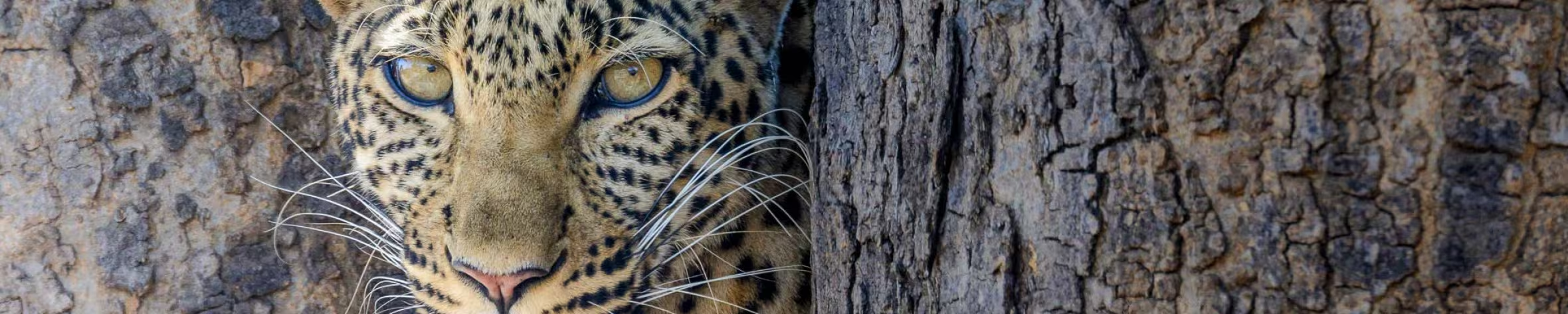
Leopard resting in a tree in Serengeti NP Southern Serengeti National Park, Tanzania. Photo by Dennis Stogsdill. © All rights reserved 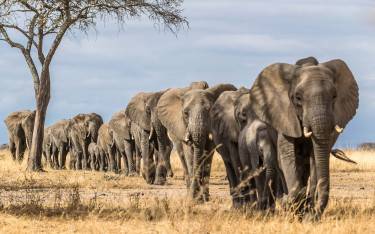
Elephants walking in Tarangire NP Tarangire National Park, Tanzania. Photo by hansen.matthew.d. © All rights reserved 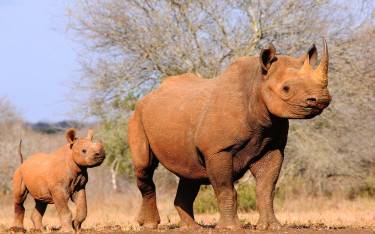
Black rhino with calf in Mkomazi NP Mkomazi National Park, Tanzania. Photo by Jiri Balek. © All rights reserved 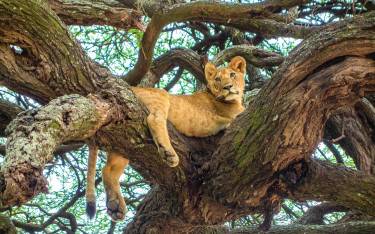
Tree-climbing lion in Lake Manyara NP Lake Manyara National Park, Tanzania. Photo by Melanie Stuije. © All rights reserved 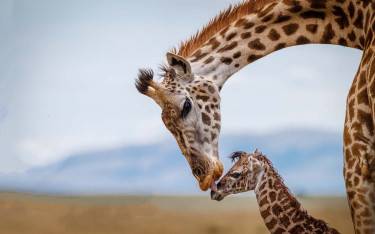
Female giraffe with young in Serengeti NP Serengeti National Park, Tanzania. Photo by Vladimir Turkenich. © All rights reserved 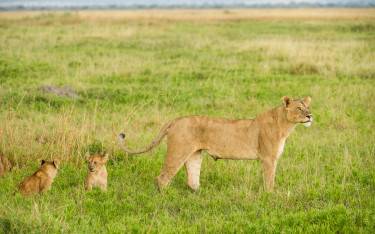
Lioness with cubs in Serengeti NP Western Serengeti National Park, Tanzania. Photo by Ariadne van Zandbergen. © All rights reserved 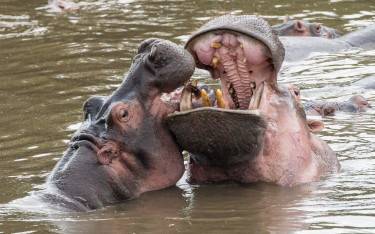
Hippos fighting in the water in Serengeti NP Western Serengeti National Park, Tanzania. Photo by Ariadne van Zandbergen. © All rights reserved 6. Track the Big Five on the Northern Safari Circuit
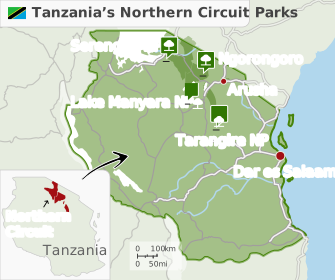
Northern Tanzania is home to some of Africa’s most celebrated national parks
Two of Africa’s greatest and most famous safari destinations are the highlights of Tanzania’s Northern circuit. These are Serengeti National Park, with its prolific and unique , and Ngorongoro Crater, where all theRead more
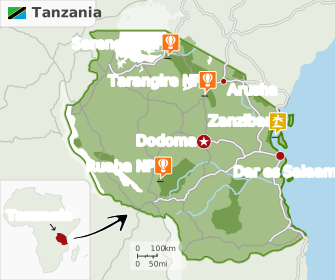
are regularly seen on one scenic . Indeed, were you only ever to do one safari, Serengeti and Ngorongoro would be difficult to improve on as a first choice.But while almost everyone who visits the region goes to Serengeti and Ngorongoro, the Northern safari circuit incorporates several other superb national parks. Tarangire, for instance, supports incredible concentrations of elephants and ancient , while Lake Manyara is known for its tree-climbing lions and sensational setting. Lesser-known highlights and add-ons include forest-swathed Arusha National Park on the slopes of Mt Meru, the of Mkomazi, and on the under-the-radar Rubondo Island. -
Google Maps
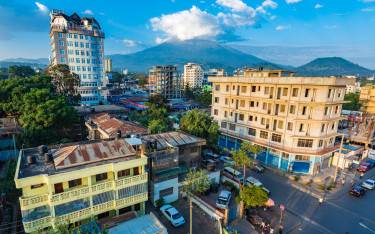
Arusha sits at the base of Mt Meru Arusha, Tanzania. Photo by MariusLtu. © All rights reserved 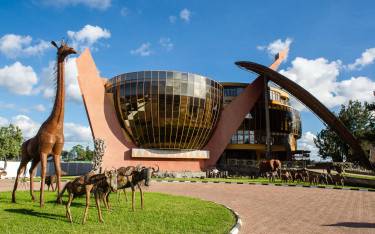
Arusha Cultural Heritage Centre Arusha, Tanzania. Photo by Ariadne van Zandbergen. © All rights reserved 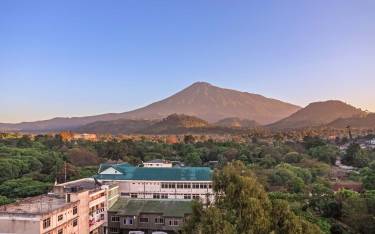
Sunrise over Mt Meru Arusha, Tanzania. Photo by Ariadne van Zandbergen. © All rights reserved 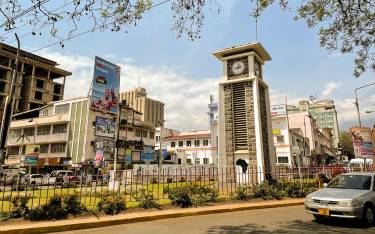
Arusha Clock Tower Arusha, Tanzania. Photo by Joris Leermakers. © All rights reserved 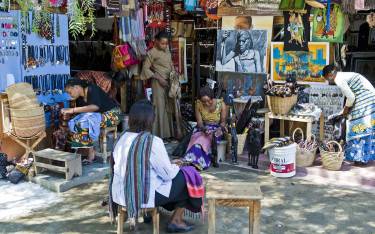
Maasai Craft Market Arusha, Tanzania. Photo by Gimas. © All rights reserved 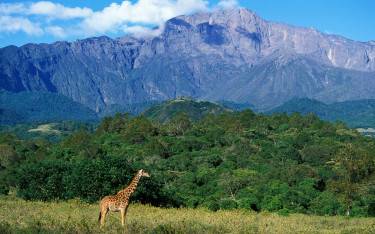
Giraffe at the base of Mt Meru in Arusha NP Arusha National Park, Tanzania. Photo by Ariadne van Zandbergen. © All rights reserved 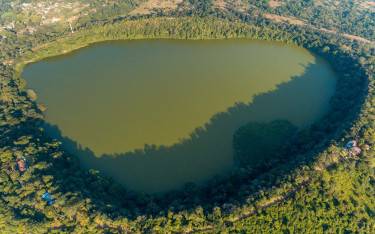
Lake Duluti Lake Duluti, Tanzania. Photo by Moiz Husein. © All rights reserved 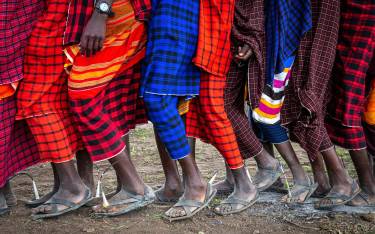
Maasai warriors dancing Maasai Village, Tanzania. Photo by Katiekk. © All rights reserved 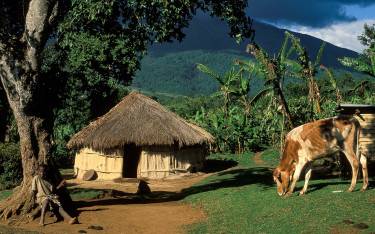
Wa-arusha cultural village Wa-arusha Village, Tanzania. Photo by Ariadne van Zandbergen. © All rights reserved 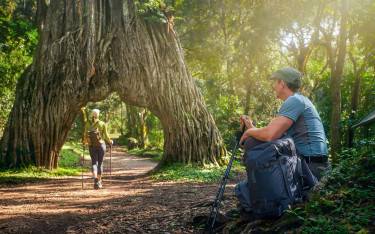
Hikers in Arusha NP Arusha National Park, Tanzania. Photo by Arshinov Andrei. © All rights reserved 7. Enjoy the Urban Vibe of Arusha
The lively ‘safari capital’ of Tanzania has an agreeable highland setting
Rapidly growing Arusha is the main starting point for safaris to Serengeti National Park and elsewhere in northern Tanzania. An attractively leafy city, it stands on the fertile foothills of Mt Meru. This dormant volcano risesRead more
to 4,562m/14,967ft, making it Africa’s fifth-highest .Although most tourists just pass through, Arusha can be rewarding to explore in its own right. Urban highlights include a museum dedicated to tanzanite (a violet-blue precious stone found nowhere else in the world) and a great choice of restaurants and craft markets. Farther afield, Arusha is a useful base for day visits to some fascinating cultural programs run by the local Maasai people and other rural communities. Also nearby is the gorgeous Lake Duluti, while the forested slopes of Mt Meru are protected in Arusha National Park. -
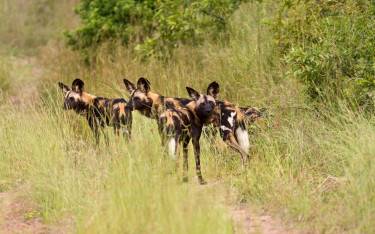
African wild dogs in Ruaha NP Ruaha National Park, Tanzania. Photo by Nick Greaves. © All rights reserved 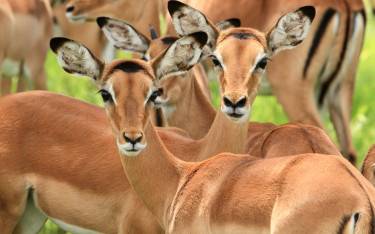
Herd of impalas in Mikumi NP Mikumi National Park, Tanzania. Photo by Grant Clow. © All rights reserved 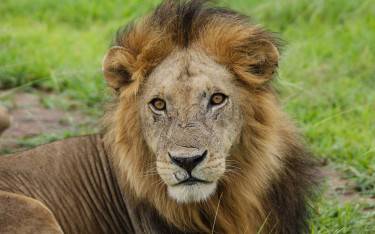
Male lion in Mikumi NP Mikumi National Park, Tanzania. Photo by Robert Alexander Hoekman. © All rights reserved 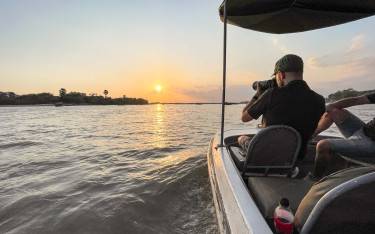
Boat safari on the Rufiji River in Nyerere NP Nyerere National Park, Tanzania. Photo by Joris Leermakers. © All rights reserved 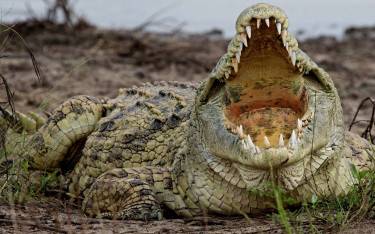
Nile crocodile in Nyerere NP Nyerere National Park, Tanzania. Photo by Rostasedlacek. © All rights reserved 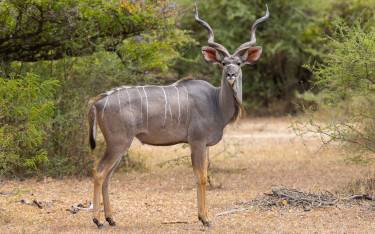
Greater kudu bull in Nyerere NP Nyerere National Park, Tanzania. Photo by Hyserb. © All rights reserved 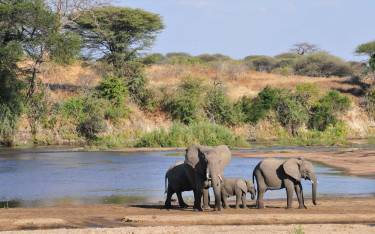
Elephants at the Great Ruaha River in Ruaha NP Ruaha National Park, Tanzania. Photo by ChristineDavies. © All rights reserved 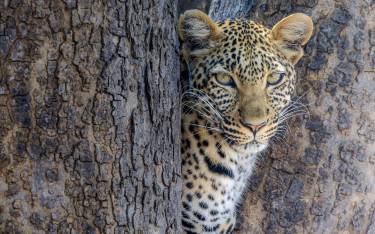
Leopard in a tree in Ruaha NP Ruaha National Park, Tanzania. Photo by Roger de la Harpe. © All rights reserved 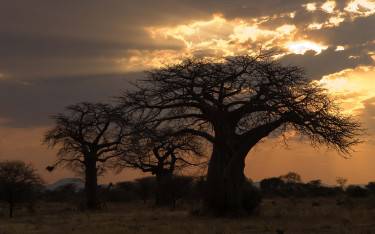
Baobab trees at sunset in Ruaha NP Ruaha National Park, Tanzania. Photo by Ariadne van Zandbergen. © All rights reserved 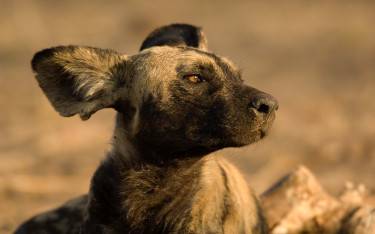
African wild dog in Nyerere NP Nyerere National Park, Tanzania. Photo by Ariadne van Zandbergen. © All rights reserved 8. Head Off the Beaten Track on a Southern Safari
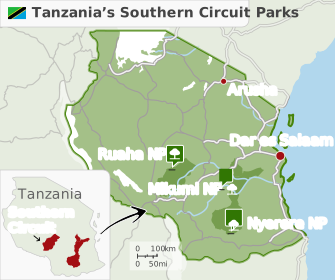
The Southern circuit includes Tanzania’s two largest parks: Nyerere and Ruaha
Tanzania’s Southern safari circuit is the connoisseur’s choice. At its wild heart, Nyerere National Park (formerly Selous Game Reserve) extends across 30,893km²/11,928mi², making it slightly larger than Belgium. Nyerere is home to four of theRead more
(no rhino) as well as an abundance of giraffes and a large population. But the park’s defining feature is the Rufiji River, where you’ll encounter countless and some terrifyingly large on boat trips.When it comes to wilderness, Nyerere is outdone by Ruaha National Park. Here, it is not unusual to see lion, leopard, cheetah and African wild dog in the course of one safari, along with a high diversity of antelope and other grazers. Elsewhere, the underrated Mikumi National Park, like Nyerere and Ruaha, hosts four of the Big Five, while the forested Udzungwa Mountains shelter three monkey and several bird species found nowhere else in the world. -
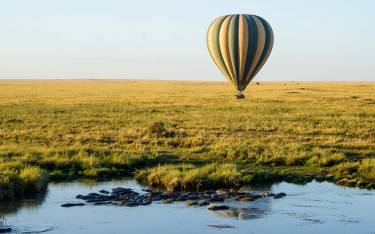
Hot-air balloon flying over hippos in Serengeti NP Serengeti National Park, Tanzania. Photo by Ariadne van Zandbergen. © All rights reserved 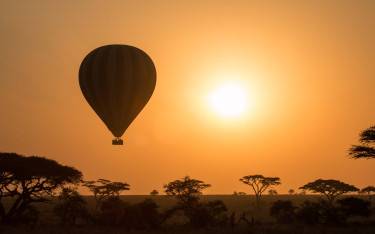
Hot-air balloon at sunrise in Serengeti NP Serengeti National Park, Tanzania. Photo by karthikveeramani. © All rights reserved 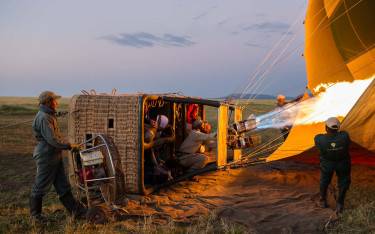
Filling the balloon before takeoff in Serengeti NP Serengeti National Park, Tanzania. Photo by Ariadne van Zandbergen. © All rights reserved 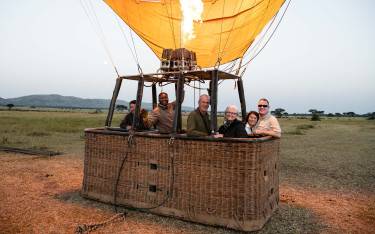
Ready for takeoff in Serengeti NP Serengeti National Park, Tanzania. Photo by Ariadne van Zandbergen. © All rights reserved 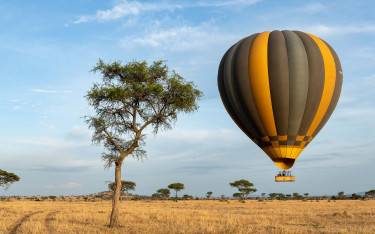
Hot-air balloon safari in Grumeti GR Grumeti Game Reserve, Tanzania. Photo by Singita. © All rights reserved 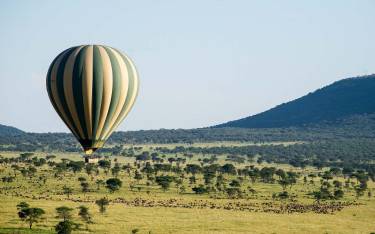
The wildebeest migration in Serengeti NP Serengeti National Park, Tanzania. Photo by Ariadne van Zandbergen. © All rights reserved 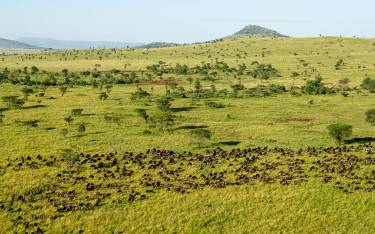
The wildebeest migration in Serengeti NP Serengeti National Park, Tanzania. Photo by Ariadne van Zandbergen. © All rights reserved 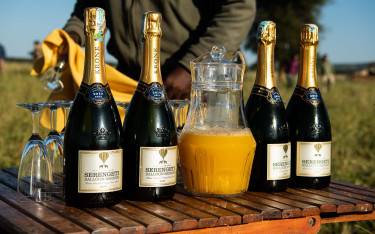
Post-flight champagne toast in Serengeti NP Serengeti National Park, Tanzania. Photo by Ariadne van Zandbergen. © All rights reserved 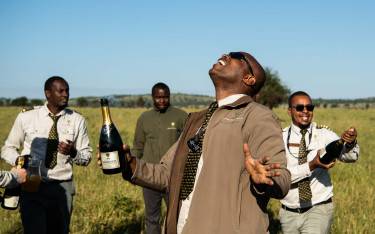
The captain opening champagne in Serengeti NP Serengeti National Park, Tanzania. Photo by Ariadne van Zandbergen. © All rights reserved 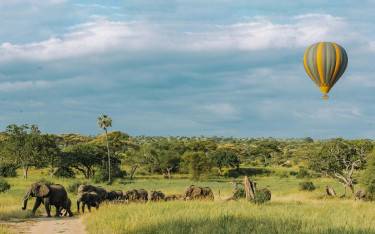
Floating over a herd of elephants in Tarangire NP Tarangire National Park, Tanzania. Photo by Tanzania Wild SKY. © All rights reserved 9. Glide Above the Wilds of Tanzania in a Balloon
A hot-air balloon ride provides a fresh perspective on the African sunrise
Dawn is a magical time on safari. As the emerging sun smears the sky gold and orange, the lightly chilled air is filled with anticipation of the day’s wildlife encounters. And it is even more excitingRead more
when experienced from a hot-air balloon, which offers an eagle’s-eye perspective on the sunrise as herds of elephant, giraffe and antelope mill around the plains below. Finally, when you descend back to Earth, this thrilling outing is capped by a delicious champagne .Serengeti National Park is Tanzania’s most established ballooning destination. Here, balloons depart daily from up to four different launch points scattered around the park. Time things right (aim for the Western Corridor in June or the Mara River area in September) and you might even find yourself gliding slowly above the . Elsewhere in Tanzania, dawn balloon safaris are also offered in Tarangire and Ruaha National Parks. -
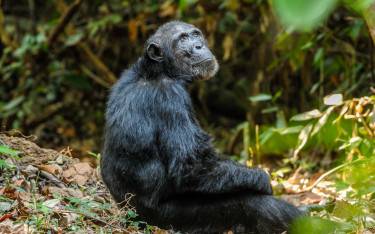
Chimpanzee in Mahale Mountains NP Mahale Mountains National Park, Tanzania. Photo by Gert Olsson. © All rights reserved 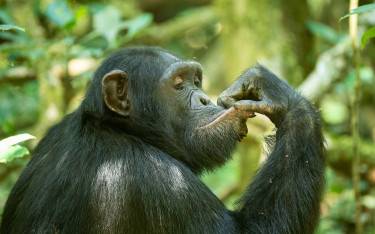
Chimpanzee in Rubondo Island NP Rubondo Island National Park, Tanzania. Photo by Ariadne van Zandbergen. © All rights reserved 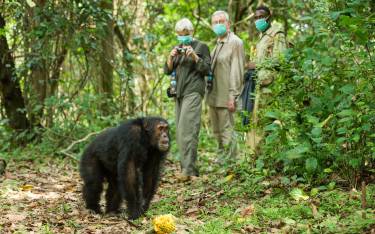
People watching a chimp in Mahale Mountains NP Mahale Mountains National Park, Tanzania. Photo by Ariadne van Zandbergen. © All rights reserved 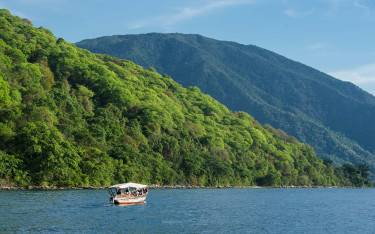
Boat on Lake Tanganyika in Mahale Mountains NP Mahale Mountains National Park, Tanzania. Photo by Ariadne van Zandbergen. © All rights reserved 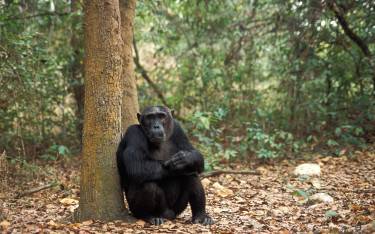
Chimp by a tree in Mahale Mountains NP Mahale Mountains National Park, Tanzania. Photo by Ariadne van Zandbergen. © All rights reserved 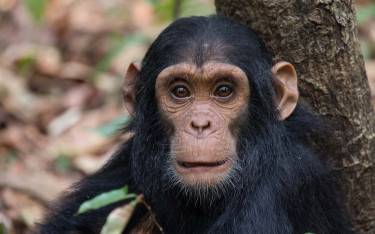
Juvenile chimpanzee in Gombe NP Gombe National Park, Tanzania. Photo by Steffen Foerster. © All rights reserved 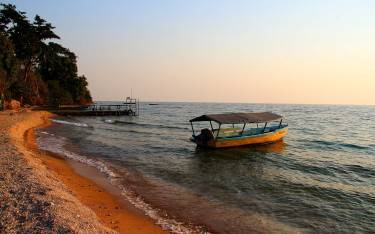
The shore of Lake Tanganyika in Gombe NP Gombe National Park, Tanzania. Photo by Josemar Franco. © All rights reserved 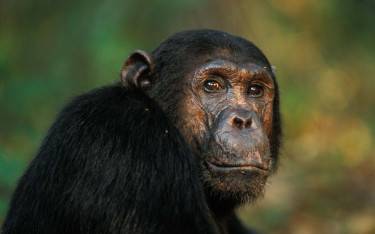
Chimpanzee close-up in Mahale Mountains NP Mahale Mountains National Park, Tanzania. Photo by Ariadne van Zandbergen. © All rights reserved 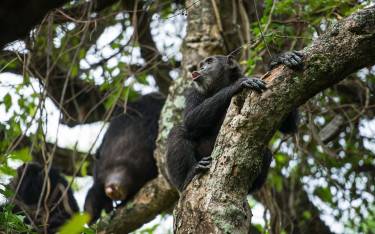
Chimp hooting in a tree in Mahale Mountains NP Mahale Mountains National Park, Tanzania. Photo by Ariadne van Zandbergen. © All rights reserved 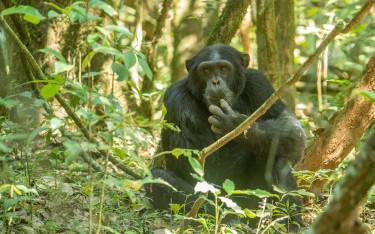
Chimp in the forest in Rubondo Island NP Rubondo Island National Park, Tanzania. Photo by Ariadne van Zandbergen. © All rights reserved 10. Go Chimp Trekking in Tanzania’s Western Jungles
Humankind’s closest genetic kin can be sought in three remote national parks
We are more closely related to chimpanzees – and they to us – than any other living creatures. And although these fascinating black apes are primarily creatures of the West African rainforest, they also inhabit westernRead more
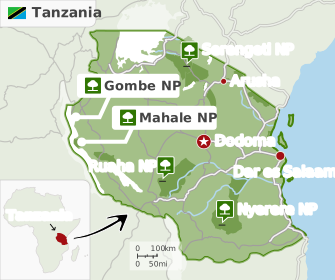
Tanzania, which vies with Uganda as the best place in the world to track them.For many, Gombe National Park, on the shore of Lake Tanganyika, is the world’s most alluring destination. This is because it is where, back in the early 1960s, the acclaimed primatologist Jane Goodall established what is now the world’s longest-running wildlife research project. Also on Lake Tanganyika, the wilder and more scenic Mahale Mountains National Park hosts Tanzania’s largest chimp population. The community visited by tourists there was also in the 1960s. A third option, in Lake Victoria, is Rubondo Island National Park, where you can track a chimp community whose ancestors were introduced in the 1970s and left to go wild.