11-20 of 20 Best Things To Do in Zanzibar
-
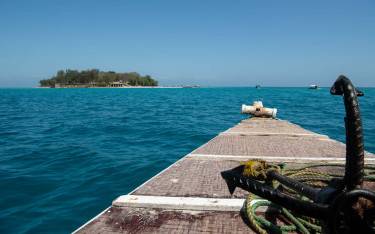
Boat approaching Changuu (Prison) Island Changuu (Prison) Island, Tanzania. Photo by Ariadne van Zandbergen. © All rights reserved 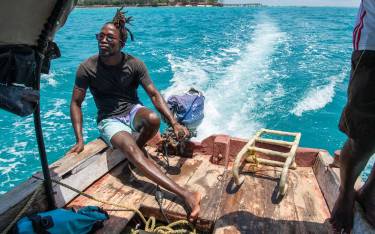
Boat trip to Changuu Island Changuu (Prison) Island, Tanzania. Photo by Ariadne van Zandbergen. © All rights reserved 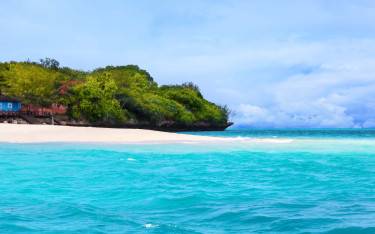
Changuu Island Changuu (Prison) Island, Tanzania. Photo by eskymaks. © All rights reserved 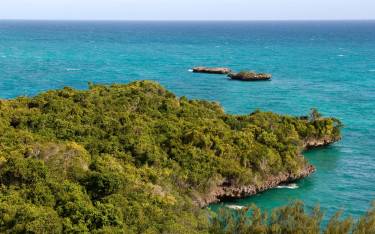
Chumbe Island Chumbe Island, Tanzania. Photo by Ariadne van Zandbergen. © All rights reserved 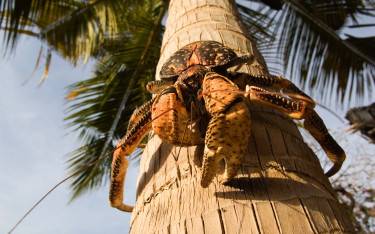
Giant coconut crab on Chumbe Island Chumbe Island, Tanzania. Photo by Ariadne van Zandbergen. © All rights reserved 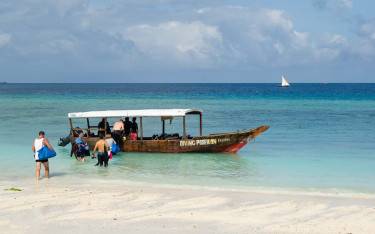
Boarding a boat in Nungwi Nungwi, Tanzania. Photo by Ariadne van Zandbergen. © All rights reserved 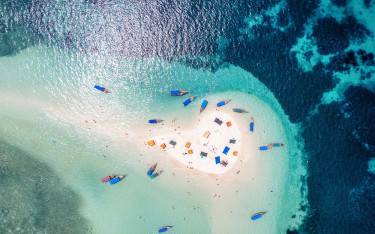
Boats around a sandbank Zanzibar Island, Tanzania. Photo by SebastianGorzow. © All rights reserved 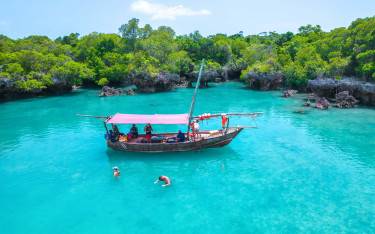
Snorkeling trip Zanzibar Island, Tanzania. Photo by SebastianGorzow. © All rights reserved 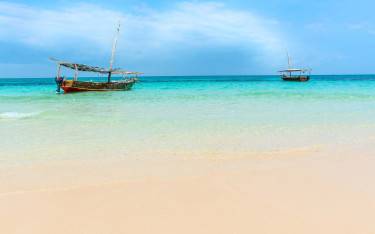
Dhows anchored in Mnemba Atoll Mnemba Island, Tanzania. Photo by Robertobinetti70. © All rights reserved 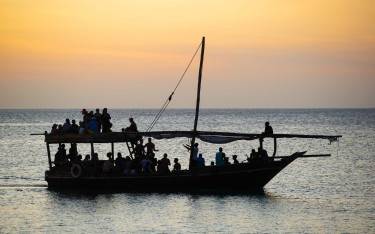
Dhow trip near Nungwi Nungwi, Tanzania. Photo by Ariadne van Zandbergen. © All rights reserved 11. Take a Boat Trip to an Offshore Island
Several islets and atolls can be visited as a day trip from Zanzibar
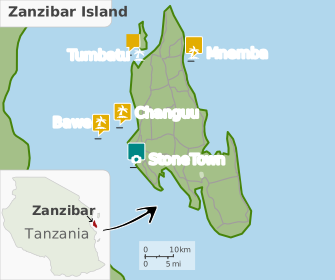
The Zanzibar Archipelago consists of around 50 islands and islets. The most popular destinations for day trips are Changuu (Prison) Island, a short distance from Stone Town, and the snorkel- and dive-friendly Mnemba Atoll off theRead more
northeast coast. Other less-visited islands close to Stone Town include Chapwani, which has a beautiful beach but is used exclusively by a private lodge, and Bawe, whose reefs are popular with divers.Recommended for nature enthusiasts, Chumbe Island is a private sanctuary that offers excellent offshore snorkeling and a good chance of spotting a 1m-/3.3ft-long tree-climbing . And if you really want to get off the beaten track, little-visited Tumbatu – the archipelago’s third-largest island – offers a combination of pristine beaches, sensational offshore reefs and traditional culture. -
Google Maps
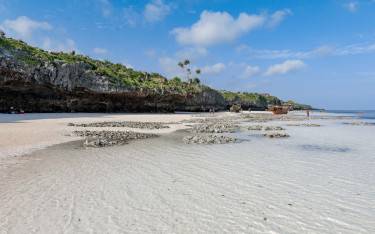
Beach at low tide Mtende Beach, Tanzania. Photo by Iris Sokolovskaya. © All rights reserved 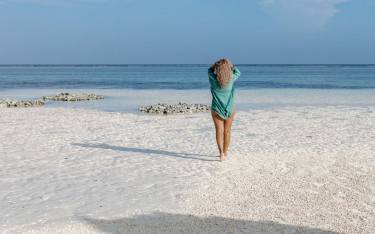
The beach at low tide Mtende Beach, Tanzania. Photo by Iris Sokolovskaya. © All rights reserved 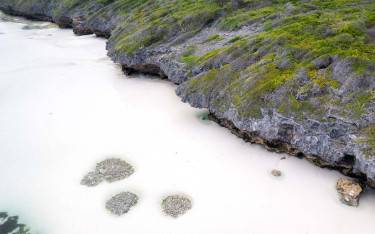
Coral rocks hanging over the beach Mtende Beach, Tanzania. Photo by SebastianGorzow. © All rights reserved 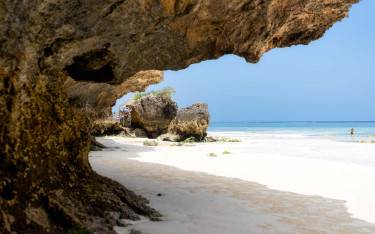
Rocky coastline Mtende Beach, Tanzania. Photo by SebastianGorzow. © All rights reserved 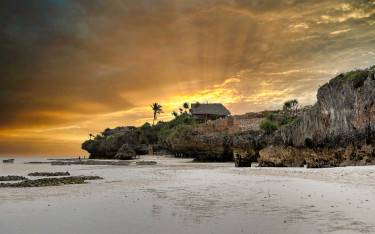
Beach at low tide Mtende Beach, Tanzania. Photo by SebastianGorzow. © All rights reserved 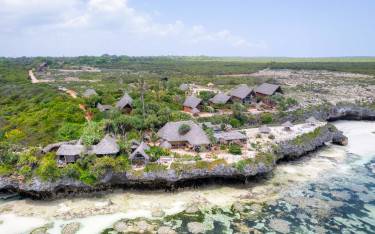
Lodge built on coral rocks Mtende Beach, Tanzania. Photo by SebastianGorzow. © All rights reserved 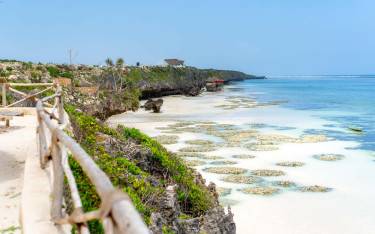
View over the sea Mtende Beach, Tanzania. Photo by SebastianGorzow. © All rights reserved 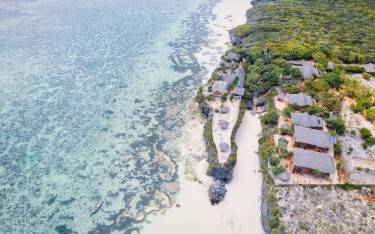
Lodge built on coral rocks Mtende Beach, Tanzania. Photo by SebastianGorzow. © All rights reserved 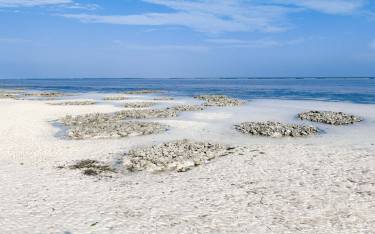
Tidal flats Mtende Beach, Tanzania. Photo by Iris Sokolovskaya. © All rights reserved 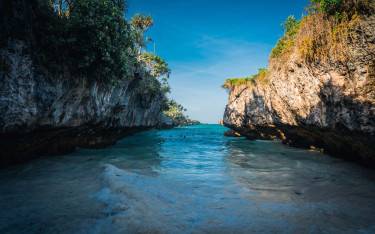
Rocky cliffs hanging above the sea Mtende Beach, Tanzania. Photo by AlexseyN. © All rights reserved 12. Make a Day Trip to Photogenic Mtende Beach
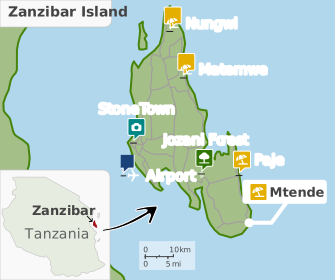
This wildly beautiful south-coast beach is one of Zanzibar’s best-kept secrets
The memorable drive to Mtende bumps along a quiet country road flanked by some of the most impressive trees you’ll see anywhere on Zanzibar. Once there, the beach itself comes across like a transplant fromRead more
the Seychelles, with black cliffs and giant boulders enclosing a short but very beautiful stretch of white sand and shallow turquoise water.Incredibly, Mtende was totally undeveloped for tourism prior to 2020. Even today, this magnificent beach retains something of a wilderness feel, with just a handful of rustic lodges and restaurants running along the cliffs above. Swimming is good at high tide and some interesting rock pools are exposed at low tide. For wildlife-lovers, dolphins are sometimes seen swimming offshore, and and are resident in the area. -
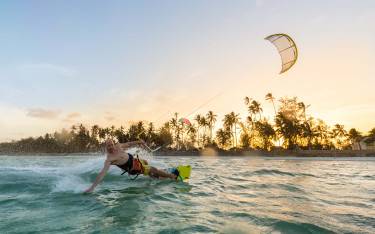
Kitesurfer Zanzibar Island, Tanzania. Photo by Matej Kastelic. © All rights reserved 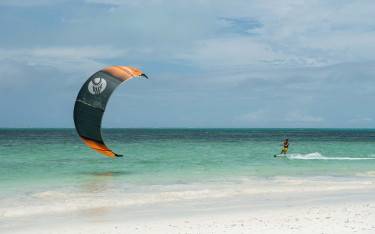
Kitesurfer in Jambiani Jambiani, Tanzania. Photo by Ariadne van Zandbergen. © All rights reserved 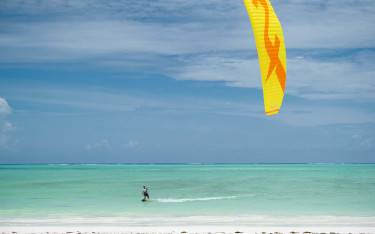
Kitesurfer in Paje Paje, Tanzania. Photo by Ariadne van Zandbergen. © All rights reserved 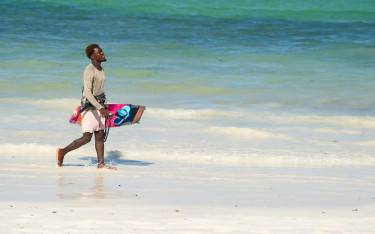
Kitesurfer walking on Kiwengwa Beach Zanzibar Island, Tanzania. Photo by Ariadne van Zandbergen. © All rights reserved 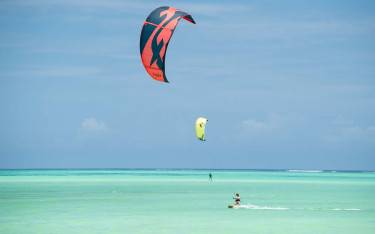
Kitesurfers in Paje Paje, Tanzania. Photo by Ariadne van Zandbergen. © All rights reserved 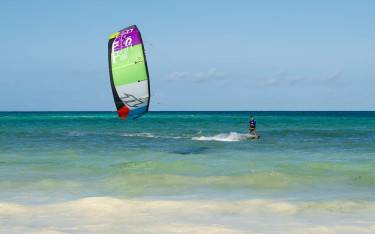
Kitesurfer in Kiwengwa Zanzibar Island, Tanzania. Photo by Ariadne van Zandbergen. © All rights reserved 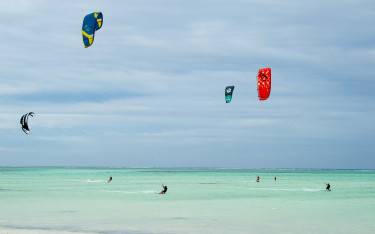
Kitesurfing in Paje Zanzibar Island, Tanzania. Photo by Ariadne van Zandbergen. © All rights reserved 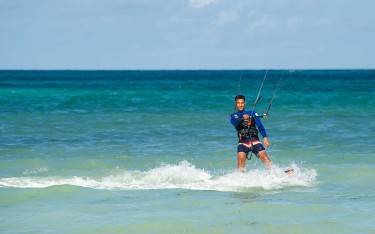
Kitesurfing in Kiwengwa Zanzibar Island, Tanzania. Photo by Ariadne van Zandbergen. © All rights reserved 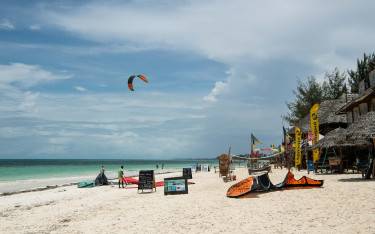
Activity centers in Jambiani Jambiani, Tanzania. Photo by Ariadne van Zandbergen. © All rights reserved 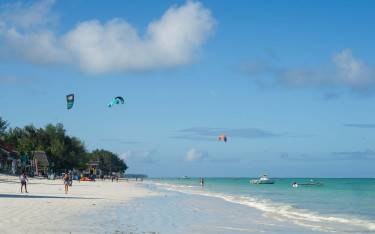
Paje Beach Paje, Tanzania. Photo by Ariadne van Zandbergen. © All rights reserved 13. Kitesurf off Idyllic Lagoon-like Beaches
Zanzibar’s beaches are perfect for kitesurfing when the trade winds blow
Because the shallow waters off Zanzibar are protected by a series of barrier reefs, most beaches are calm, flat and well suited to kitesurfing. Conditions are best at high tide. The kitesurfing season here runs fromRead more
June to October (a period characterized by strong, steady trade winds) and to a lesser extent December to February. The island’s most established hot spot is Paje, on the southeast coast, where several beachfront kitesurfing schools can provide lessons and rent out equipment. Other popular kitesurfing beaches, all with schools of their own, include Jambiani, Kiwengwa and Kendwa. -
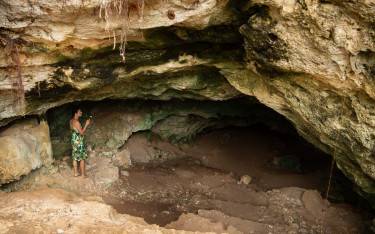
Exploring Tazari Twin Caves Nungwi, Tanzania. Photo by Ariadne van Zandbergen. © All rights reserved 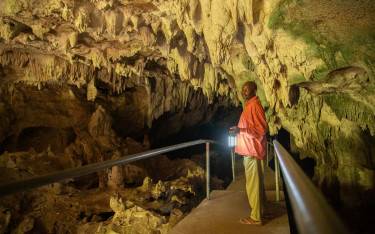
Guide leading the way in Kiwengwa Caves Zanzibar Island, Tanzania. Photo by Ariadne van Zandbergen. © All rights reserved 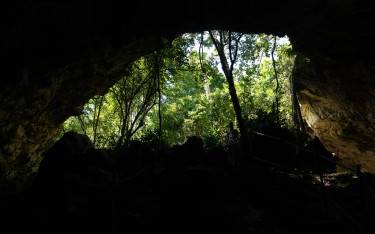
Entrance to Kuza Cave Zanzibar Island, Tanzania. Photo by Ariadne van Zandbergen. © All rights reserved 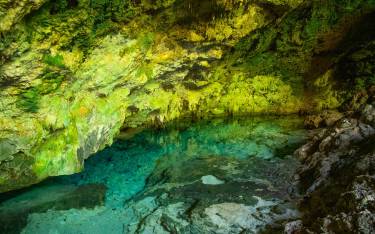
Kuza Cave Zanzibar Island, Tanzania. Photo by Ariadne van Zandbergen. © All rights reserved 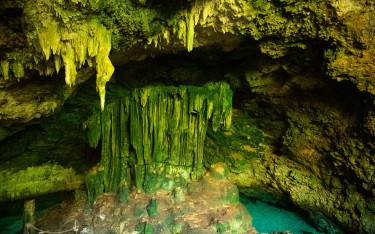
Kuza Cave Zanzibar Island, Tanzania. Photo by Ariadne van Zandbergen. © All rights reserved 14. Head Underground Into Limestone Caves
The coral limestone underlying most of Zanzibar is pitted with caverns
The most popular excursion of this sort is Kuza Cave, which lies conveniently close to the resort villages of Jambiani and Paje and encloses a wonderful natural swimming pool. Far more extensive, however, are the twinRead more
Kiwengwa Caves, which lie in the Kiwengwa-Pongwe Forest Reserve and are walkable for about 300m/985ft by flashlight.Several lesser-known caves can be visited on Zanzibar. The Tazari Twin Caves near Nungwi, which were once used to conceal captives held by slave traders, incorporate some impressive formations. The little-visited Machaga Historical Cave, near Jozani Forest, has yielded some interesting fossils, as well as the oldest remains of domestic chickens in East Africa. And the west coast’s Mangapwani Cave, like Kuza, has a freshwater pool at its base. -

Tandem skydiving jump Zanzibar Island, Tanzania. Photo by Sky Antonio. © All rights reserved 15. Skydive for Thrilling Aerial Views of Zanzibar
Do a tandem or solo skydive, or take a full accelerated free fall course
Skydiving really gets the adrenaline pumping. And there are few more scenic spots for a skydive than Zanzibar. The activity starts with a short plane ride offering superb aerial views over the island. You’ll take theRead more
leap at roughly 3,000m/10,000ft, then go into free fall for about 30 seconds before pulling the parachute and gliding down to land on the beach. An excellent option for novices who want to experience the excitement of free fall without having to control opening the chute is a tandem skydive harnessed to a qualified instructor. -
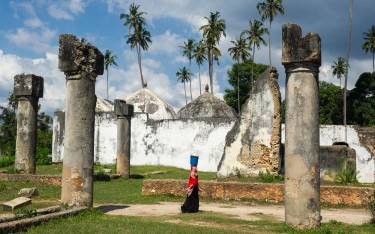
Maruhubi Palace Zanzibar Island, Tanzania. Photo by Ariadne van Zandbergen. © All rights reserved 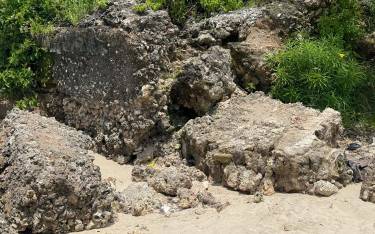
Unguja Ukuu Ruins Zanzibar Island, Tanzania. Photo by Mnazini. © All rights reserved 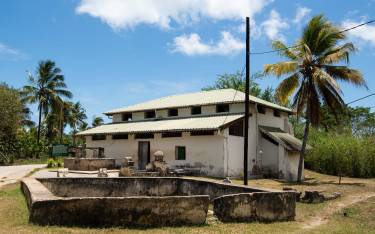
Kizimkazi Mosque Kizimkazi, Tanzania. Photo by Ariadne van Zandbergen. © All rights reserved 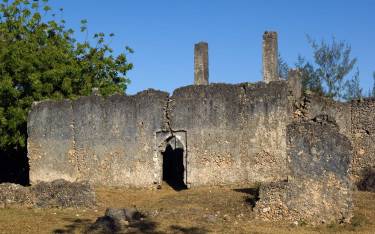
Fukuchani Ruins Nungwi, Tanzania. Photo by Ariadne van Zandbergen. © All rights reserved 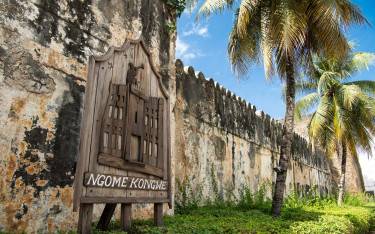
The Old Fort in Stone Town Zanzibar Stone Town, Tanzania. Photo by Ariadne van Zandbergen. © All rights reserved 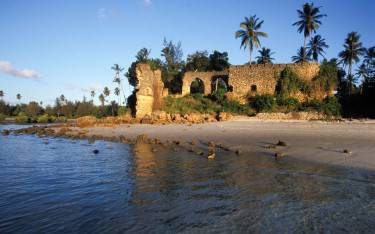
Mtoni Palace Mtoni Palace, Tanzania. Photo by Ariadne van Zandbergen. © All rights reserved 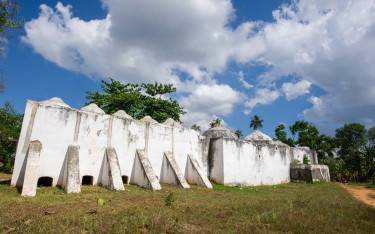
Kidichi Persian Baths Zanzibar Island, Tanzania. Photo by Ariadne van Zandbergen. © All rights reserved 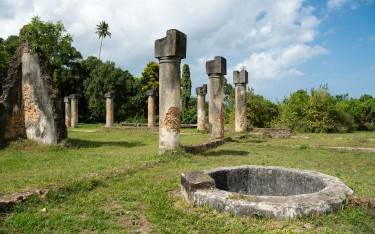
Maruhubi Palace Zanzibar Island, Tanzania. Photo by Ariadne van Zandbergen. © All rights reserved 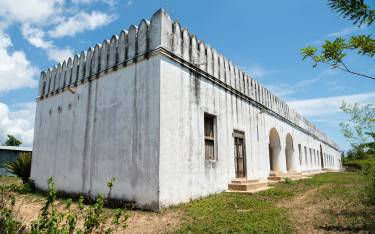
Bi Khole Ruins Zanzibar Island, Tanzania. Photo by Ariadne van Zandbergen. © All rights reserved 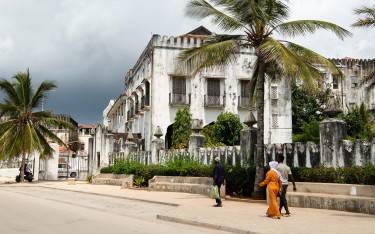
The Palace Museum in Stone Town Zanzibar Stone Town, Tanzania. Photo by Ariadne van Zandbergen. © All rights reserved 16. Step Back in Time at Mysterious Swahili Ruins
Zanzibar is studded with atmospheric archaeological sites
A few crumbling walls at Unguja Ukuu are all that remain of Zanzibar’s oldest-known settlement, which was active from the 8th to 10th centuries. Kizimkazi Mosque, near the island’s southern tip, is Zanzibar’s oldest intact structure,Read more
with an Arabic inscription that dates it back to 1107 CE. Farther north, the ruins at Fukuchani mark the site of a fortified 16th-century trading port.Most other old Zanzibari buildings and ruins date from the Omani occupation. Stone Town’s imposing Old Fort was constructed from 1698 to 1701 on the site of an older Portuguese church. The striking Mtoni Palace was built in 1828 as a harem for Sultan Said of Oman after he relocated to Zanzibar. The ruined Persian baths at Kizimbani and Kidichi date to around 1850, while Maruhubi Palace, Bi Khole Ruins and several waterfront buildings in Stone Town are from the late 19th century. -
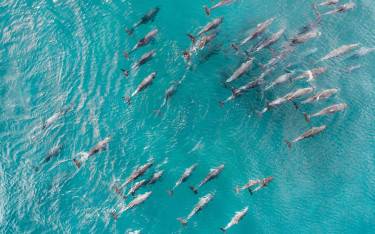
Pod of dolphins Zanzibar Island, Tanzania. Photo by F Photography R. © All rights reserved 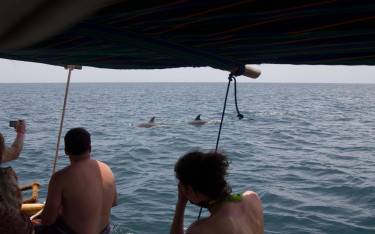
Watching dolphins swim next to the boat Zanzibar Island, Tanzania. Photo by MayankYadav. © All rights reserved 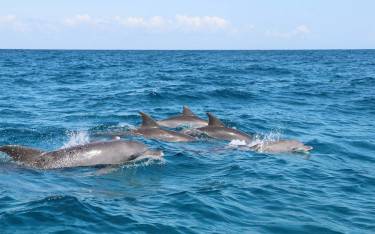
Dolphins at Kizimkazi Zanzibar Island, Tanzania. Photo by Rada Daisy. © All rights reserved 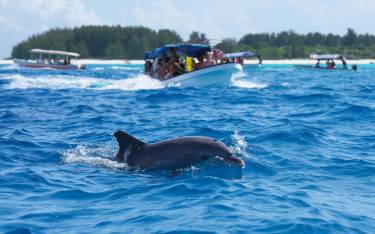
Dolphin swimming next to a boat Zanzibar Island, Tanzania. Photo by HunsaBKK. © All rights reserved 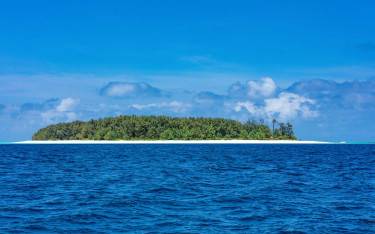
Mnemba Island Mnemba Island, Tanzania. Photo by franck camhi-vision. © All rights reserved 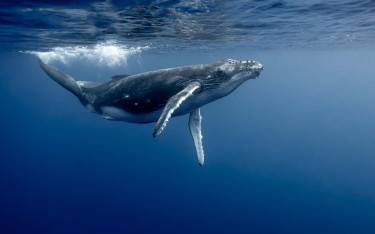
Humpback whale Zanzibar Island, Tanzania. Photo by Jonas Gruhlke. © All rights reserved 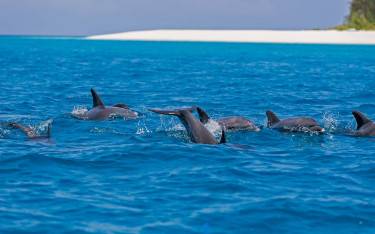
Pod of dolphins Mnemba Island, Tanzania. Photo by JJS-Pepite. © All rights reserved 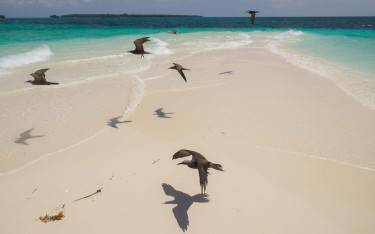
Sandbank in Menai Bay Conservation Area Menai Bay Conservation Area, Tanzania. Photo by Nowaczyk. © All rights reserved 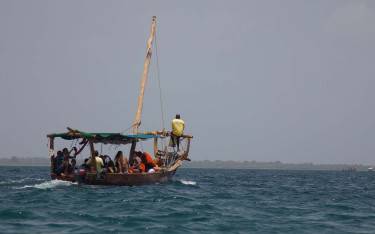
Ocean trip Zanzibar Island, Tanzania. Photo by MayankYadav. © All rights reserved 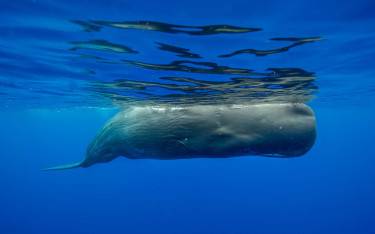
Sperm whale Zanzibar Island, Tanzania. Photo by wildestanimal. © All rights reserved 17. Hop Aboard a Whale- or Dolphin-watching Tour
Dolphins are around Zanzibar while whales appear seasonally
Good places to look for dolphins include Menai Bay and Mnemba Atoll. These sociable and charismatic marine mammals often move in large schools that jump and swim playfully in the wake of boats. Most likely you’llRead more
see the , but and are possible too.Over June to September, migrant are present around Zanzibar, and these massive creatures can sometimes be seen breaching, or spouting water. More occasional visitors include , the smaller Blainville’s beaked whale and (the latter actually a large dolphin). Other wildlife you might see on a boat tour includes , and a variety of marine birds. -
Google Maps
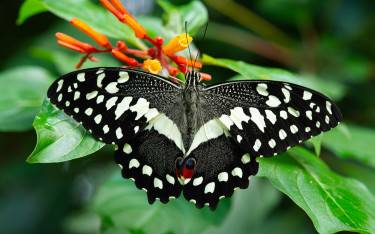
Citrus swallowtail Zanzibar Island, Tanzania. Photo by Ariadne van Zandbergen. © All rights reserved 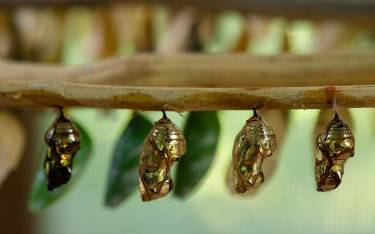
Chrysalides in metamorphosis Zanzibar Island, Tanzania. Photo by Ariadne van Zandbergen. © All rights reserved 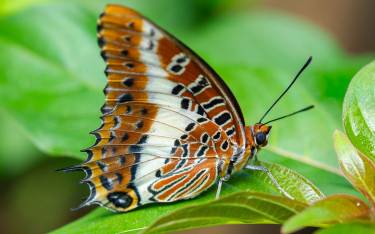
White-barred charaxes Zanzibar Island, Tanzania. Photo by Ariadne van Zandbergen. © All rights reserved 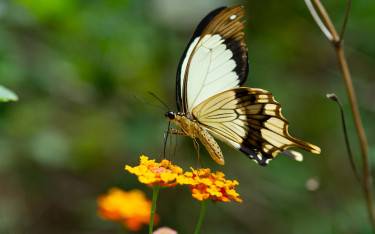
African swallowtail Zanzibar Island, Tanzania. Photo by Ariadne van Zandbergen. © All rights reserved 
Butterflies feeding on mango Zanzibar Island, Tanzania. Photo by Ventura. © All rights reserved 18. Pop Into Zanzibar Butterfly Centre
Learn about Zanzibar’s butterflies at this unique community project
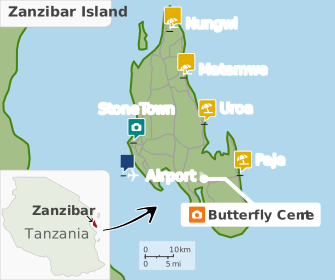
Easily visited in combination with nearby Jozani Forest, Zanzibar Butterfly Centre is a community-run enterprise that helps support some 40 local farmers from the nearby village of Pete. Guided tours take 30 to 45 minutes andRead more
are both educational and enjoyable. They provide an introduction to the various life stages of butterflies and offer an opportunity to see up to 30 species fluttering around. Entrance fees from this conservation project go toward participating community members, who also act as guides and derive income from the sale of butterfly art and other souvenirs. -
Google Maps
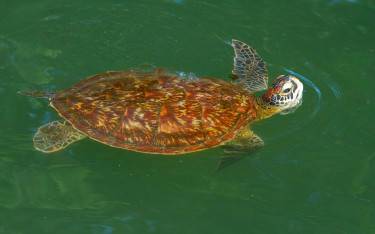
Green turtle Zanzibar Island, Tanzania. Photo by Ariadne van Zandbergen. © All rights reserved 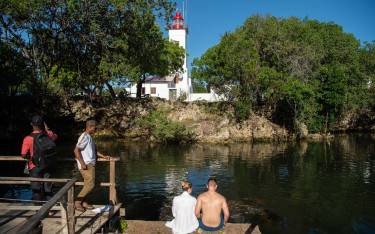
People looking at green turtles Nungwi, Tanzania. Photo by Ariadne van Zandbergen. © All rights reserved 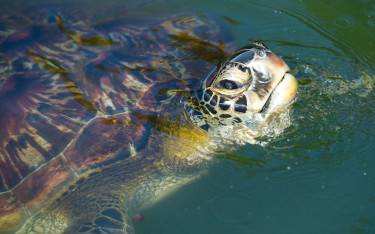
Green turtle Zanzibar Island, Tanzania. Photo by Ariadne van Zandbergen. © All rights reserved 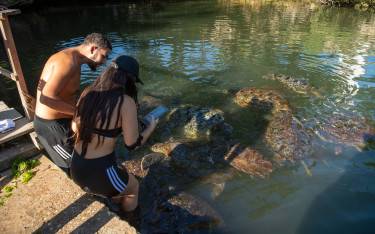
People looking at green turtles Nungwi, Tanzania. Photo by Ariadne van Zandbergen. © All rights reserved 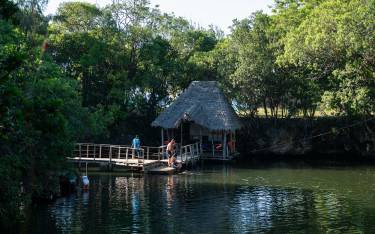
People looking at green turtles Nungwi, Tanzania. Photo by Ariadne van Zandbergen. © All rights reserved 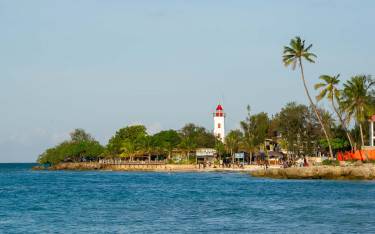
Lighthouse next to the aquarium Nungwi, Tanzania. Photo by Ariadne van Zandbergen. © All rights reserved 19. Hang With Turtles at Nungwi Mnarani Aquarium
This natural pool in Nungwi is a turtle rehabilitation site and hatchery
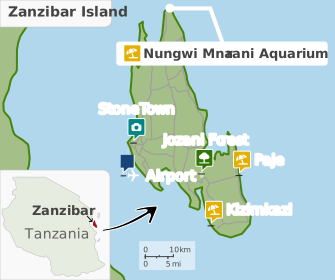
Also known as Mnarani Marine Turtles Conservation Pond, this respected conservation project stands at the northern tip of Zanzibar alongside the island’s oldest lighthouse. Community run, the project’s focal point is a deep natural pool whereRead more
turtles accidentally caught in fishing nets are rehabilitated before being released back into the open sea. The common species here is the , which is relatively numerous in the waters off Zanzibar, but other types of turtle are occasionally present too.Informative guided tours are available, and you can also swim in the turtle pond or feed seaweed to its inhabitants. The site also includes a project that hatches turtle eggs collected from vulnerable places before releasing the young into the wild at around six months of age. -
Google Maps
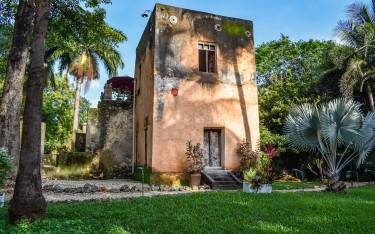
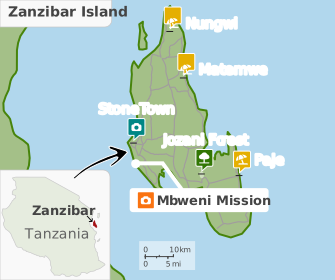
Ruins of the mission Mbweni Town, Tanzania. Photo by Paradise Zanzibar. © All rights reserved 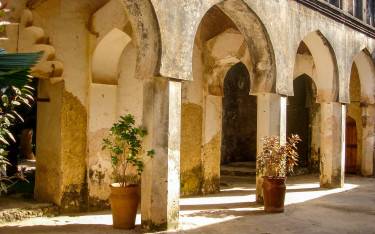
Courtyard of the mission building Mbweni Town, Tanzania. Photo by France OLICARD. © All rights reserved 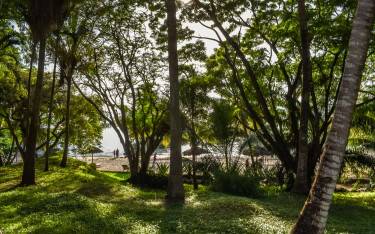
Lush gardens Mbweni Ruins, Tanzania. Photo by Tawanda Nhamburo. © All rights reserved 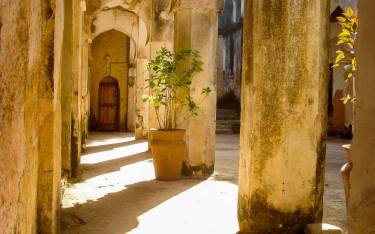
Arcades at the mission Mbweni Town, Tanzania. Photo by France OLICARD. © All rights reserved 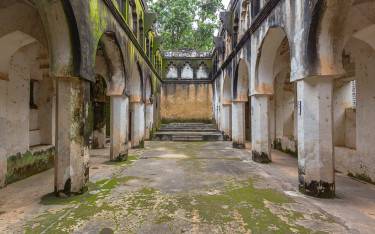
Courtyard of the mission building Mbweni Ruins, Tanzania. Photo by Mfotophile. © All rights reserved 20. Explore Historic Mbweni Mission
This mission is associated with the abolition of slavery
Established in the 1870s as a village for freed slaves, the former Anglican mission at Mbweni is now a community-driven heritage site known as Mbweni Ruins & Gardens. This beautifully landscaped beachfront property incorporates a hotel,Read more
a restaurant and a botanical garden, as well as the ruins of a mission school that once provided education to orphaned girls and the daughters of freed slaves. Other 19th-century buildings in Mbweni include the former home of (the British consul who pressured Sultan Barghash of Zanzibar into abolishing slavery in 1873) and the quaint St John’s Church.