Kenya Safari Itinerary – How To Spend 7 to 10 Days
 By Ella McKendrick
Ella McKendrick is a travel writer and filmmaker, boasting a substantial online following on YouTube and running a successful blog.
Kenya will always have a special place in my heart. From the large lion prides patrolling the plains of the Masai Mara National Reserve, to the huge elephant herds marching in the shadow of Mt Kilimanjaro in Amboseli National Park, there really is magic around every corner. The diversity of Kenya’s parks and wildlife is staggering and unlike anywhere else I’ve visited. Even after four visits, I still feel like there’s so much more for me to see and discover here.
Not only is Kenya a wildlife-lover’s dream, but it’s extremely accessible too. Nairobi’s Jomo Kenyatta International Airport sees frequent flights from all over the world, and Kenya’s well-maintained and developed tourism infrastructure means that it’s very easy to travel between parks. For this reason, it makes the perfect destination for first-time safari-goers.
But with so many parks and reserves, it can be overwhelming knowing which parks to prioritize and how long to spend in each location. I’m here to help! I’ve carefully crafted this seven-to-10-day itinerary after numerous visits to Kenya, making note of all the important lessons I’ve learned over the years.
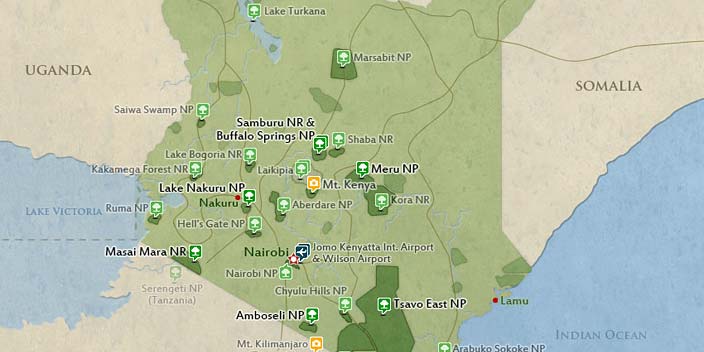
Seven days is an ideal amount of time to explore four of my favorite Kenya safari destinations, which combine well to make a circuit with minimal driving between locations, while maximizing your wildlife-viewing opportunities. You stand an extremely good chance of seeing all of the famous Big Five (elephant, rhino, lion, buffalo and leopard) with this itinerary.
By extending your safari to 10 days, you are able to journey to Kenya’s eastern parks, which are just as spectacular. The landscape here is very different and this part of Kenya is particularly good for spotting big tusker elephants (elephants whose tusks almost reach the floor).
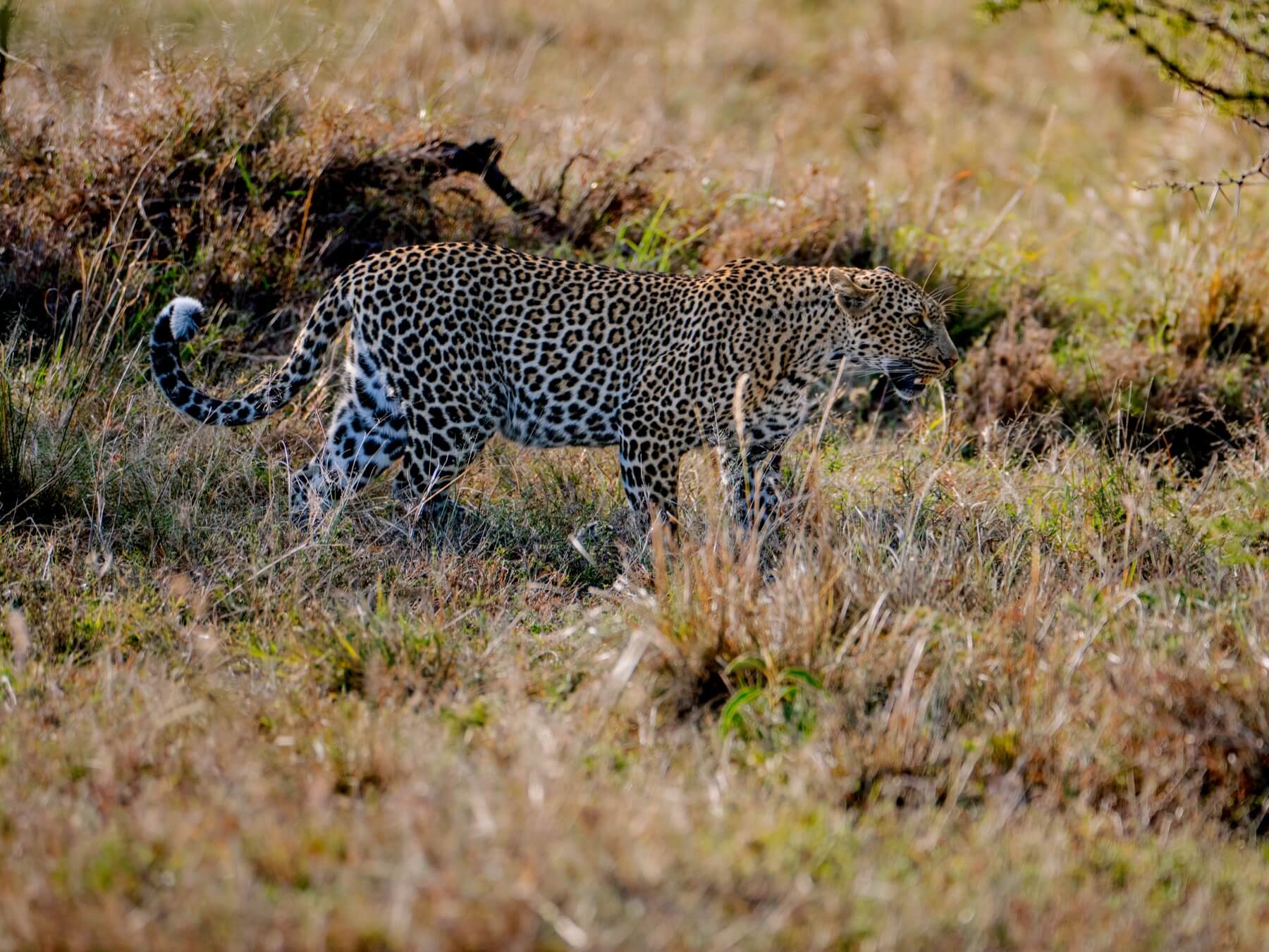 A female leopard in the Masai Mara National Reserve
Day 1: Nairobi
Nairobi is the starting point for most visitors arriving in Kenya. Jomo Kenyatta International Airport is extremely well connected and receives daily flights from a number of destinations around the world. After a weary day or so spent traveling, I’m sure you want nothing more than to settle down in a comfortable hotel room and recharge before your much-awaited safari begins. You’re in the right place as Nairobi has a range of fantastic hotels for you to choose from.
Where To Stay in Nairobi
There are many fantastic hotels in Nairobi, spread out across the city and its suburbs. My favorite choice is JW Marriott Hotel Nairobi, which is located in Westlands. This is a central and safe part of Nairobi.
For a truly memorable start to your adventures in Kenya, Giraffe Manor, which is in the leafy suburb of Karen, is another fantastic choice. Due to its popularity, it does book up many months in advance, so I’d strongly recommend booking at least a year in advance if staying here is on your bucket list.
Some mid-range options include Nairobi Serena Hotel and Hyatt Regency Nairobi Westlands, which are both in central locations.
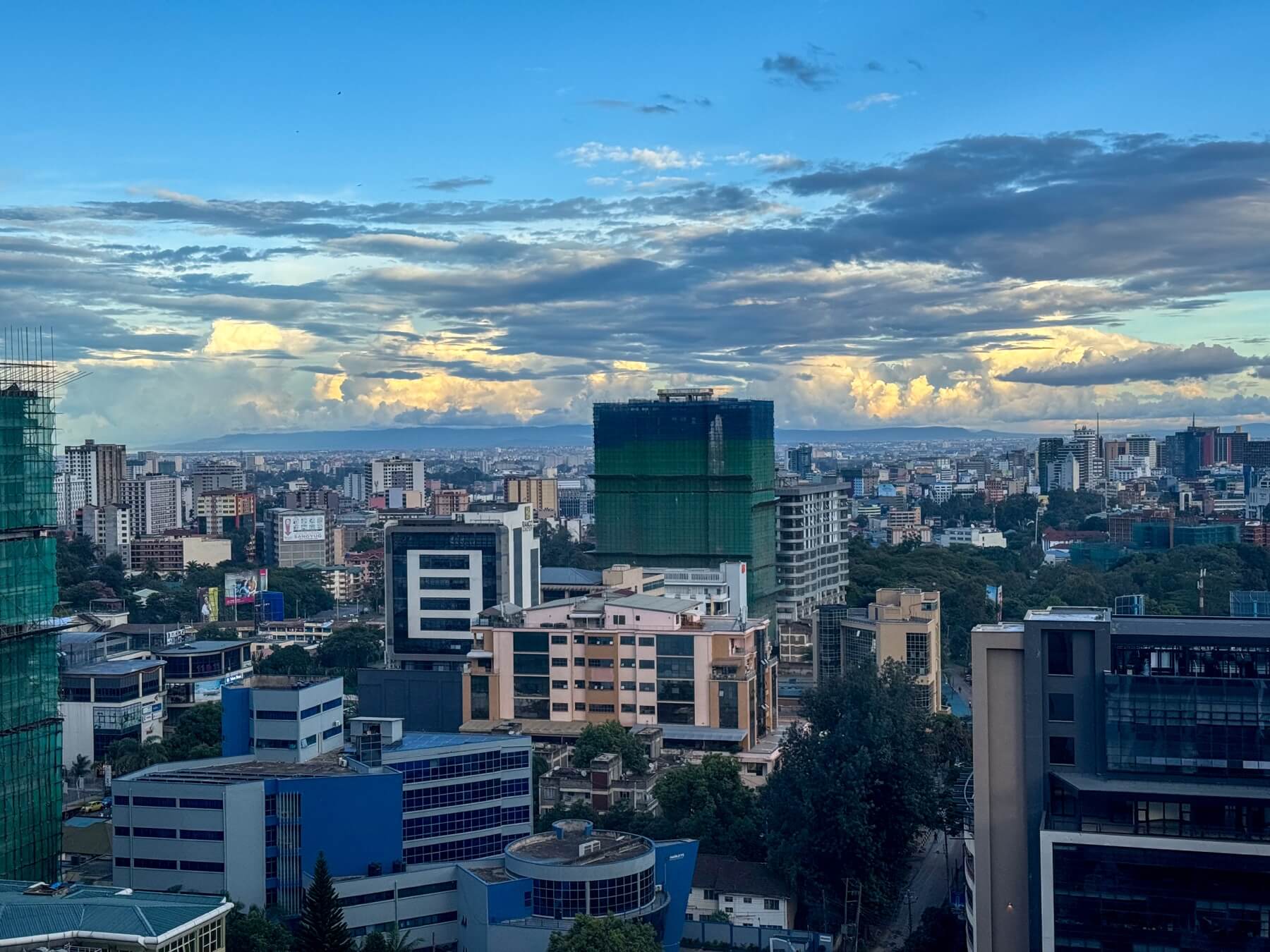 A view of Nairobi taken from my hotel room at JW Marriott Hotel Nairobi
Things To Do in Nairobi
If your flight arrives early in the day and you’re feeling energized, there are lots of things to do in this fantastic city.
One of my favorite things to do is visit the Giraffe Centre, which is in Karen. Here you will have the opportunity to hand-feed rare Rothschild’s giraffes. Not only is the experience incredibly unique and fun, but the Giraffe Centre has done fantastic conservation work over the years and has successfully reintroduced a number of Rothschild’s giraffes to several parks and reserves across Kenya.
Continuing with the theme of wildlife conservation, the Sheldrick Wildlife Trust elephant orphanage is also well worth a visit. At 11 AM each morning, visitors can witness the adorable baby orphans as they receive their morning feed. Not only is it sweet to watch, but it’s a very educational experience as the keepers inform you about the hard work that the charity does not only to rescue these elephants, but to look after them and eventually release them back into the wild.
Tickets to the Sheldrick Wildlife Trust elephant orphanage now also include access to Nairobi National Park, which is right next door. This national park, which borders the city, has four of the Big Five, with only elephants being absent. Despite its central location, it’s actually extremely rich in wildlife and I’ve managed to have fantastic sightings of both lions and rhinos here.
All of my top recommendations are close to the suburb of Karen. You’ll no doubt fancy a bite to eat and the great news is my favorite restaurant in Nairobi is just around the corner. I can never resist a visit to Talisman Restaurant each time I’m in Nairobi. The food is superb.
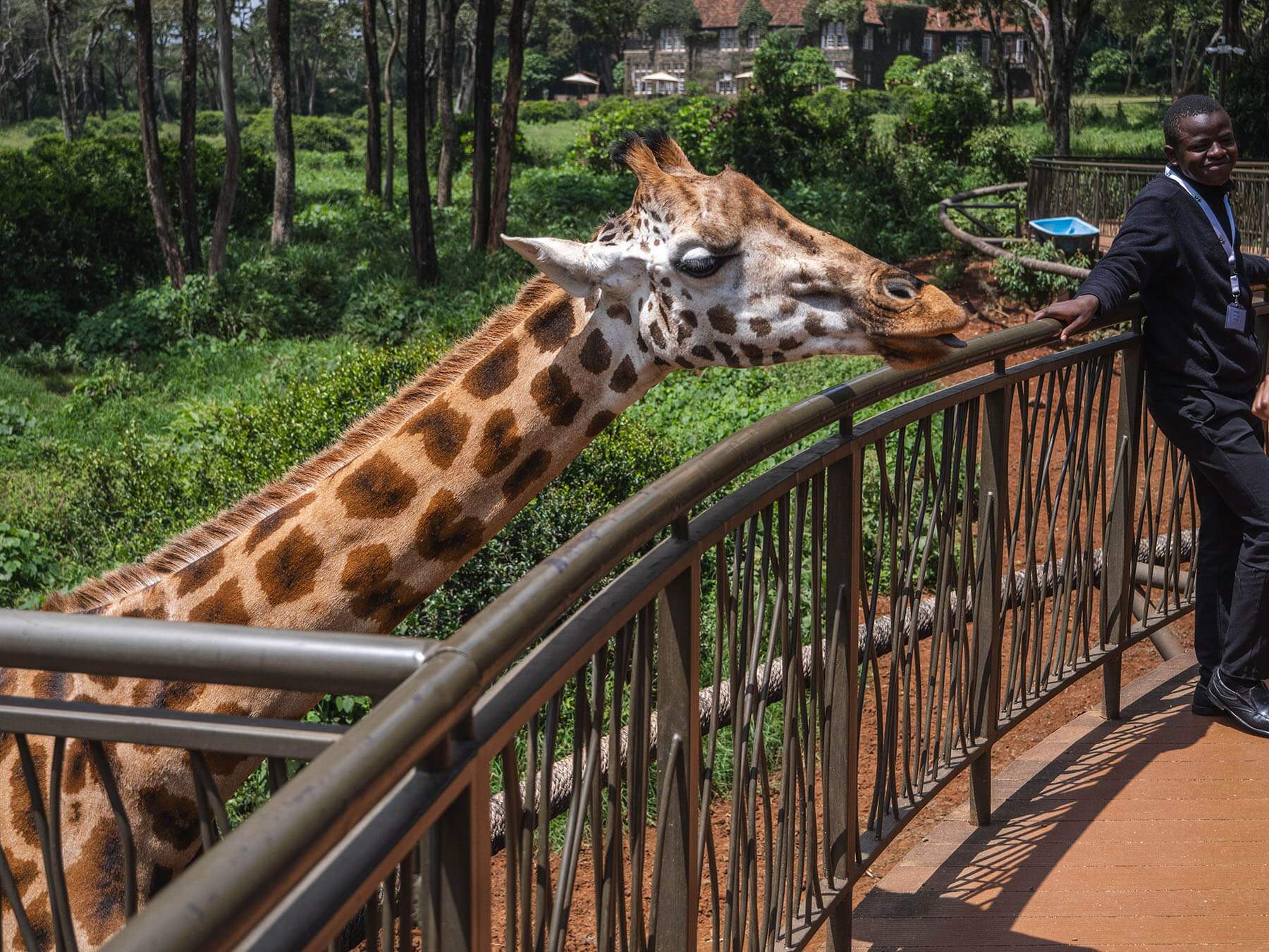 A giraffe is excited to receive some food at the Giraffe Centre
Day 2: Lake Nakuru National Park
Today your safari officially starts. Lake Nakuru National Park is around a four-hour drive northwest of Nairobi. I recommend leaving no later than 8 AM, to allow you plenty of time to reach Lake Nakuru before lunch. The road is in fantastic condition, although as it is a single carriageway and a popular cargo route, it’s possible to get stuck behind slow-moving trucks. There are plenty of great views to enjoy on the way and there is even a Rift Valley viewpoint where you can stop and admire the gorgeous vista.
You’ll enter Lake Nakuru National Park in the north and will gradually make your way south, hugging the lakeshore. This route passes through a variety of habitats, from the grasslands in the north where you can spot buffalo, zebra, waterbuck and other antelope, and the forests that flank the lake, which are alive with vervet monkey and baboon. The lake itself is a haven for waterbirds. Pelicans, storks, ibises and flamingos can all be spotted here.
I had some of my best wildlife sightings in Lake Nakuru just south of the lake. It’s in these open grasslands that I spotted two white rhinos. I was absolutely delighted to see them. Little did I know, they would be the first of many rhino sightings I’d have here. Barely a few moments had passed before I saw a black rhino and her young calf. It was a fleeting sight as they trotted between two dense areas of forest. Then, that evening, I witnessed a large crash of white rhinos, which consisted of at least seven individuals. If rhinos are on your bucket list, Lake Nakuru is a must!
After getting acquainted with Lake Nakuru, you will enjoy lunch at your lodge before having some time to settle into your room. Then it’s time to head back out for an afternoon game drive.
Lake Nakuru is home to four of the Big Five, with elephants being absent. The park is close to the bustling city of Nakuru and so is fenced on all sides. As it’s not a huge park, it simply isn’t a good habitat for elephants. Buffalo and rhino are the easiest of the Big Five to spot. I also found Lake Nakuru pretty reliable for lion sightings and even enjoyed a fantastic sighting of a large tower of Rothschild’s giraffes squaring up to two male lions.
After enjoying an evening safari, you will return to your lodge for your final meal of the day and a good night’s rest.
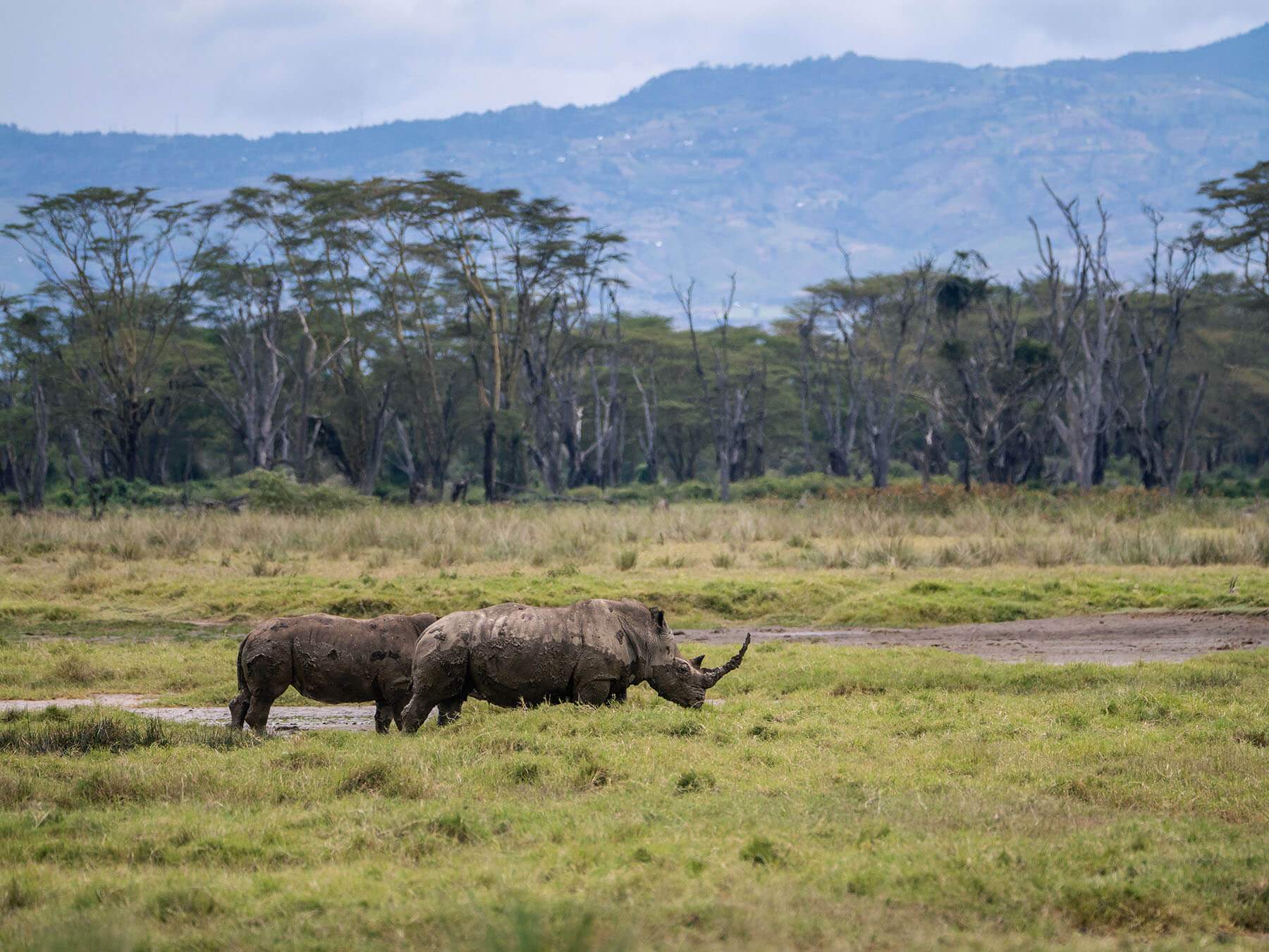 A pair of white rhinos in Lake Nakuru National Park
Where To Stay in Lake Nakuru
I’d recommend staying within Lake Nakuru National Park itself rather than in Nakuru city. This allows you quicker access to game drives and makes you feel immersed in nature.
My personal favorite lodge is Lake Nakuru Sopa Lodge. It’s in a superb location, not far away from the open plains where black rhinos and lions can frequently be spotted. Being situated in an elevated position, rooms have brilliant views of the lake. Pricing-wise, this lodge falls into the mid-range category, making it suitable for most travelers. The Cliff is a good option for those with a luxury budget. There are limited options in the park so if you’re struggling to secure accommodations here, Ziwa Bush Lodge, which is located outside the park, is a very good option.
Day 3: Ol Pejeta Conservancy
If you didn’t quite catch a sighting of a black rhino, don’t worry, you’ll have even more opportunities today! This morning, we’ll be heading to what can be described as ‘rhino paradise’. But first, there’s still time for one last game drive in Lake Nakuru.
Some of the best wildlife-viewing opportunities happen at sunrise and so I recommend heading out at 6 AM (Lake Nakuru’s opening time) with a packed breakfast to enjoy on the road. This is one of the best times of day to spot predators such as lions and leopards.
After a couple of hours on safari, it’s time to wave goodbye to Lake Nakuru and continue our journey northeast to Ol Pejeta Conservancy. The drive takes around five hours and a good chunk of that is on tarred roads before the gravel roads take over. You’ll arrive at your lodge in Ol Pejeta, just in time for a late lunch, before it’s time to head out on your first activity.
Ol Pejeta is different from other locations in this itinerary as it’s a privately managed conservancy rather than a national park. This means there are a number of different activities that you can enjoy here, such as walking safaris, night game drives, lion tracking and visiting the world’s last remaining northern white rhinos. The conservancy’s activities run at preset times and, as our time of arrival in Ol Pejeta today is dependent on the time we leave Lake Nakuru, it’s safer not to have any afternoon activities today that require prebooking. Instead, a game drive is the perfect way to get acquainted with Ol Pejeta.
Ol Pejeta is a Big Five reserve and so you can hope to see sightings of these magnificent animals. This is one of the best places in the world to see both white and black rhinos. Of the Big Five, leopards are the hardest to spot here but the rest can be viewed pretty reliably. Tonight I would highly recommend a night game drive. This will give you opportunities to see nocturnal wildlife such as civets and genets. It’s also a great time to see predators in action. Night game drives run at either 7 PM or 9 PM and are best booked in advance due to limited availability. After another fantastic day, you will spend the night in Ol Pejeta Conservancy.
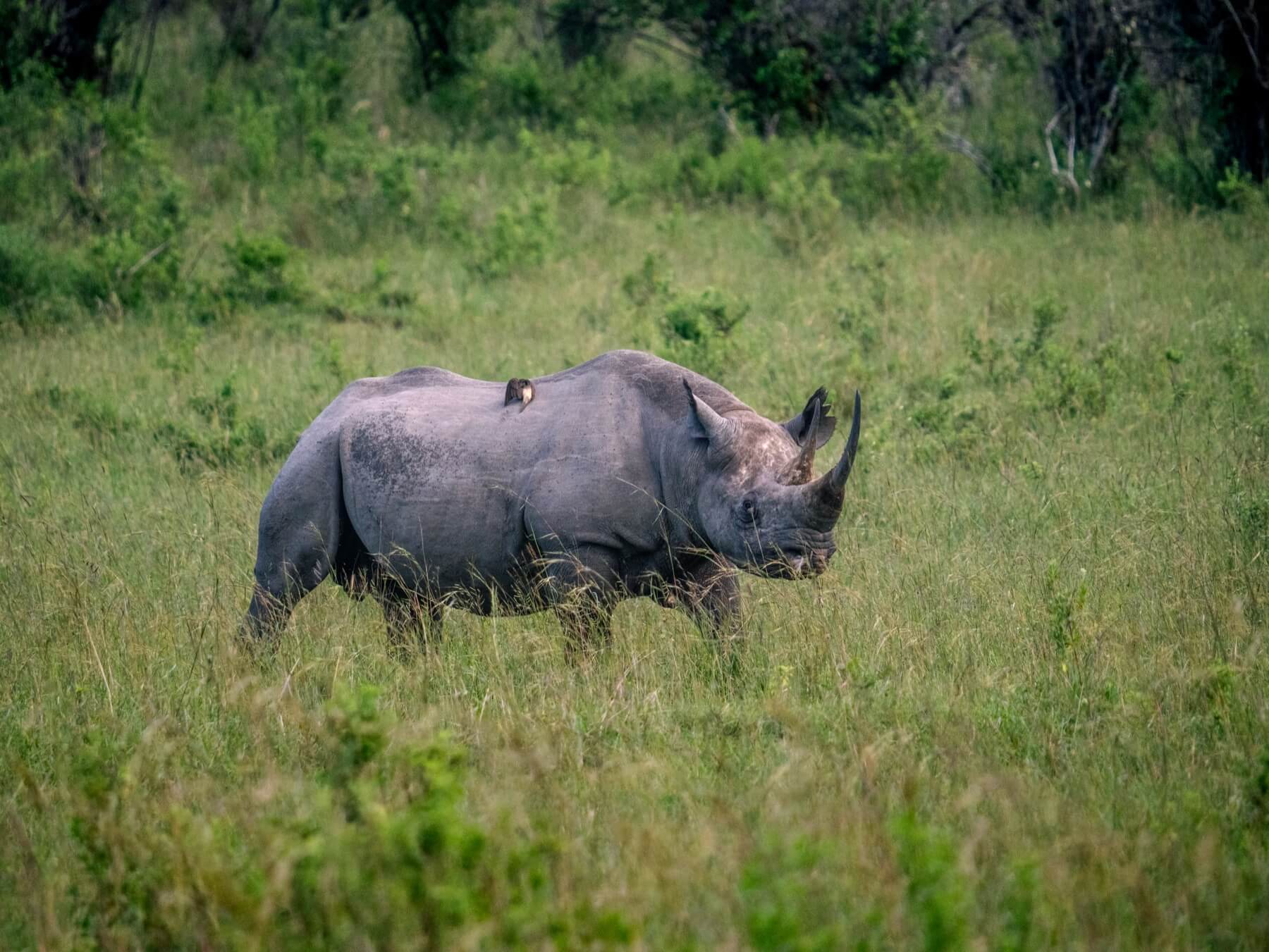 A black rhino: Ol Pejeta is one of the best places in the world to see them
Where To Stay in Ol Pejeta
There are a number of lodges located within the conservancy itself. This is the best place to base yourself, for quick access to activities and game drives. Sweetwaters Serena Camp is a great mid-range option, whilst Kicheche Laikipia Camp is great for luxury budgets.
Day 4: Ol Pejeta to Lake Naivasha
This morning we have some more time to explore Ol Pejeta Conservancy. Undoubtedly, the highlight for many when visiting Ol Pejeta is seeing the last two remaining northern white rhinos, Najin and Fatu. This activity must be prebooked and, due to the popularity, it can be booked up a few months in advance, especially in peak season. As we have another action-packed day ahead of us, the 8:30 AM to 9:30 AM slot is the best option.
After visiting the northern white rhinos, you’ll have some time for a game drive. I’d then recommend eating lunch at your lodge before we hit the road. The drive to Lake Naivasha takes around five hours, and your time is split between journeying on bumpy gravel roads and then a more comfortable tarred road. As our time today was largely spent at Ol Pejeta, we’ll arrive at Lake Naivasha in the late afternoon. The rest of the day will be spent relaxing at the hotel, enjoying an evening meal and getting a good night’s rest.
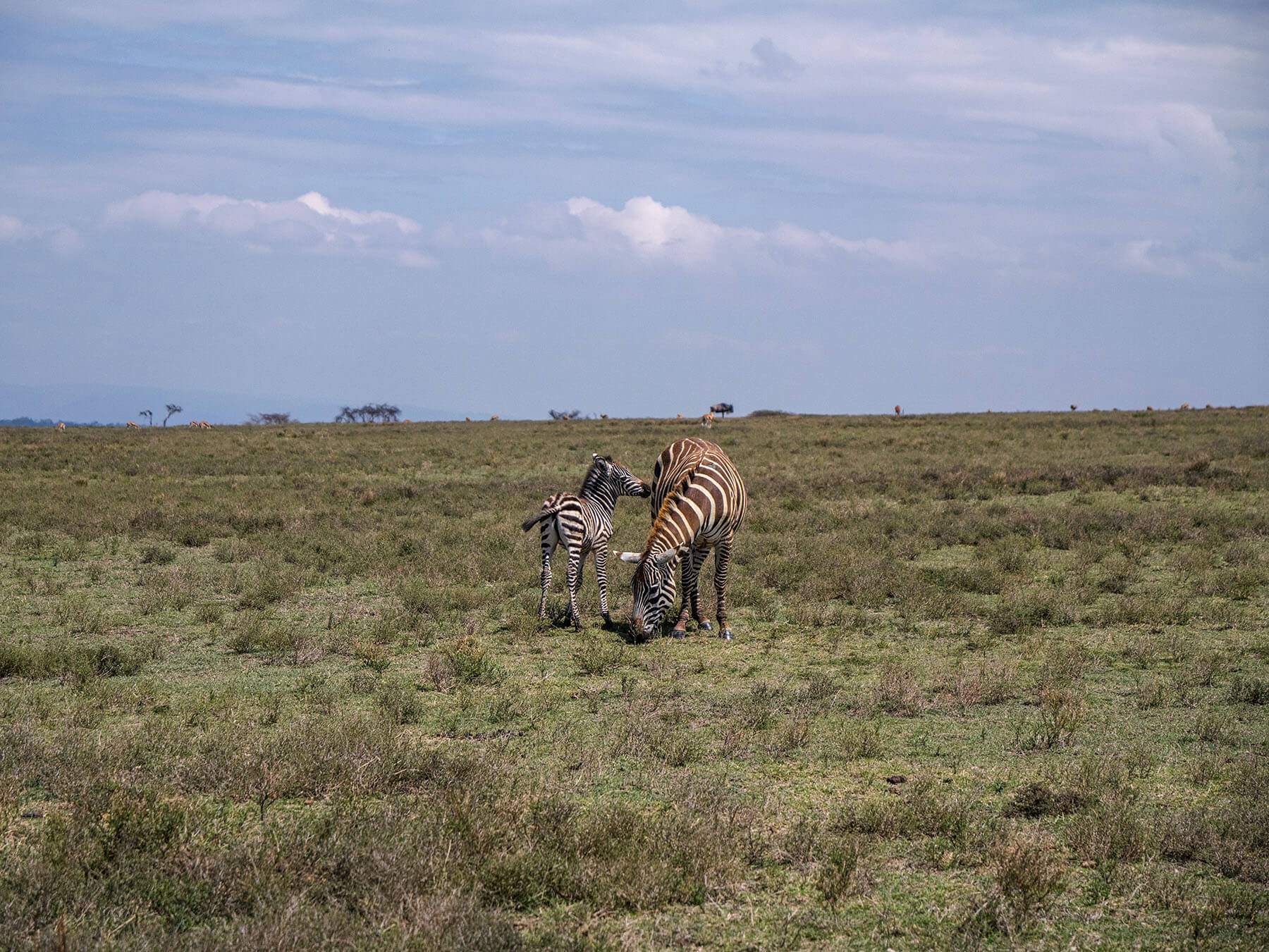 A mother zebra and her foal on Crescent Island in Lake Naivasha
Where To Stay Near Lake Naivasha
There are several hotels that sit on the lakeshore. Lake Naivasha Sopa Resort is my favorite option. Sawela Lodge, right next door, is another good choice. Both lodges fall within the mid-range price bracket.
Day 5: Lake Naivasha to Masai Mara National Reserve
This morning you will take to the waters in a motorboat on Lake Naivasha. This is a great opportunity to see hippos as well as a wealth of birdlife. I saw so many bird species, including pelicans, spoonbills and hamerkops. I also managed to spot waterbuck who were drinking from the lake.
Your boat will take you to Crescent Island, a sanctuary for a number of wildlife species as there are no predators on the island, and a great place for a walking safari. Due to the small size of the island, it’s possible to view the entirety of it in just a few hours. As there are no predators, the wildlife on Crescent Island is unusually calm and it’s possible to view zebras, ostriches, giraffes and gazelles up close. A highlight for me was seeing a mother zebra with an adorable foal who was running in excited circles around her.
After your Lake Naivasha adventure, you will return to your lodge for some lunch, before it is time to drive onward to the Masai Mara National Reserve. It takes roughly five hours to drive to the Masai Mara. There are several places where you can stop on the way to grab a coffee and stretch your legs, such as the Great Rift Valley Viewpoint and the town of Narok.
If you have time, you can embark on an afternoon game drive within the Masai Mara National Reserve. This is one of my personal favorite locations in Kenya and never ceases to provide me with fabulous wildlife sightings. All of the Big Five can be found here, with rhinos being the hardest to see. As you’ve already seen ample rhinos at this point, you can focus your attention on the other members. The Masai Mara is particularly good for big cat sightings, with lion, leopard and cheetah being frequently seen here.
After an exciting day, it’s time to settle into your lodge for the night.
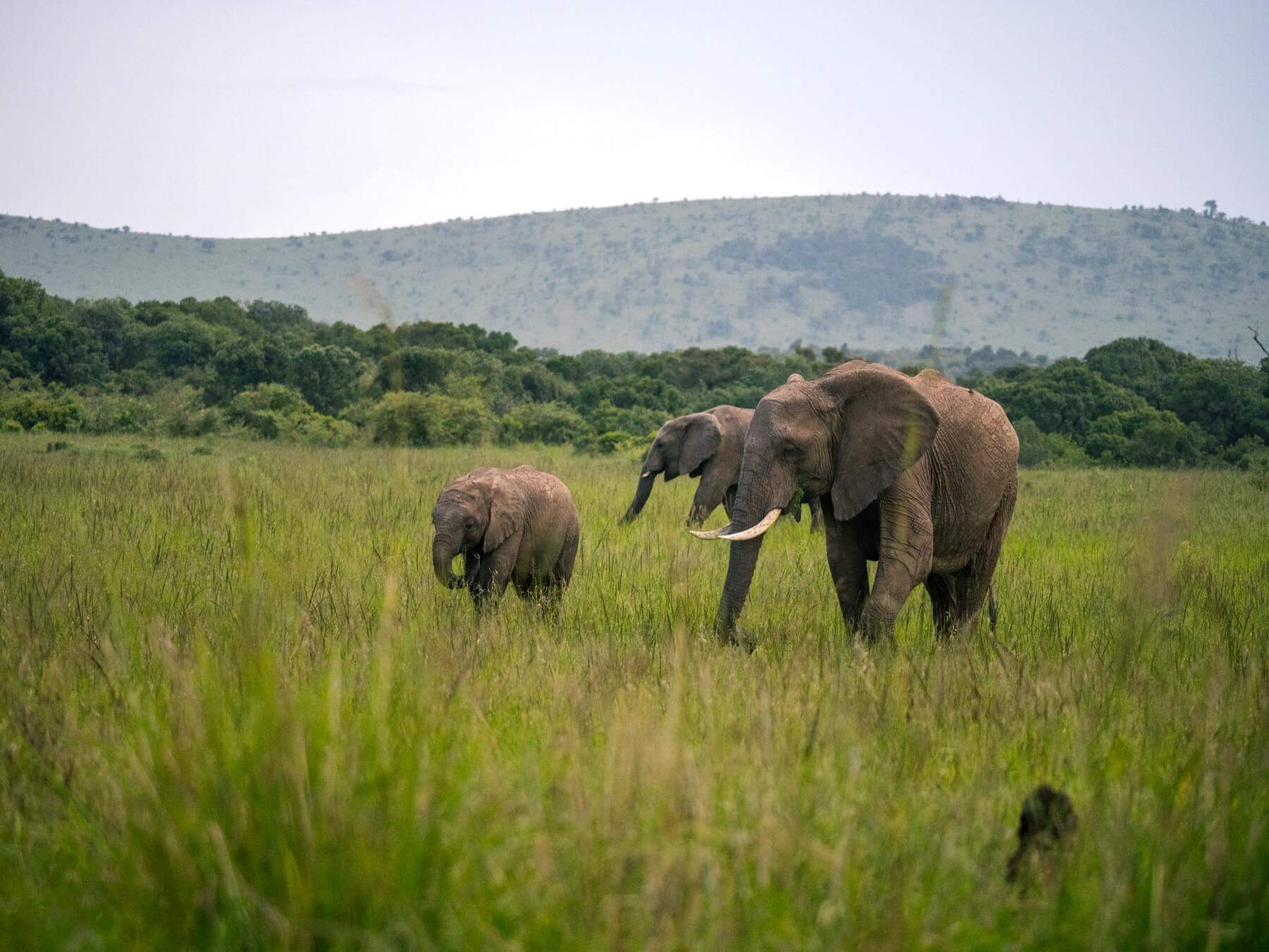 A mother elephant and her calf in the Masai Mara
Where To Stay in Masai Mara National Reserve
I’d highly recommend basing yourself within the reserve itself. There are many benefits to doing this, the most notable being that you can return to your lodge for lunch in the middle of the day (handy for tomorrow). The Masai Mara’s reserve fees are single entry per day, which means you cannot leave the reserve within the day and then come back later, unless you are willing to pay the fee all over again. The second benefit is being able to stay in the reserve slightly longer than everyone else, and enter it slightly earlier.
The lodges within the reserve generally have a higher price tag than those outside it. Ashnil Mara Camp, Mara Serena Safari Lodge and Sarova Mara Game Camp are all good mid-range options.
Fantastic luxury lodges within the reserve include Ishara Mara, Entim Camp and Governors’ Camp.
There are many good lodges outside the reserve. Basing yourself in one of these lodges just means that you’ll need to spend the entire day out in the Mara and eat your lunch at a picnic site rather than returning to your lodge in the day. Zebra Plains Mara Camp is a great lodge at a fair price point. It’s also well positioned, close to the Talek Gate.
Day 6: Masai Mara National Reserve
After an action-packed start to your time in Kenya, it’s time to slow things down a little and spend an entire day within the Masai Mara. That’s right, you won’t need to change lodges tonight! Spending an entire day in the Masai Mara maximizes your chances of seeing any animals that are still left on your list. I’ve managed to see all of the Big Five in the Masai Mara on several occasions.
To make the most of your day, I recommend heading out as early as possible and bringing a packed breakfast with you. The gates open at 6 AM, but if you stay within the park you can actually head out a little earlier, at 5:45 AM. Not only is it absolutely magical at this time of day, the sky pink as the sun rises over the plains, but it’s the perfect time to try to catch a glimpse of predators while they’re active.
The middle of the day, in contrast, is when many animals relax. Lions sleep beneath bushes and leopards conceal themselves from prying eyes. Due to the limited activity, I always like to go back to my lodge for some lunch and a bit of downtime.
At around 4 PM it’s then time to head back out and experience an afternoon safari. The hours before sunset are another great time to view animals as they wake up as the day cools. I’ve had some amazing sightings at this time of day, including of a leopard successfully hunting a warthog before dragging it up a tree.
As the sun says its farewell, it’s time to journey back to your lodge for a good night’s rest.
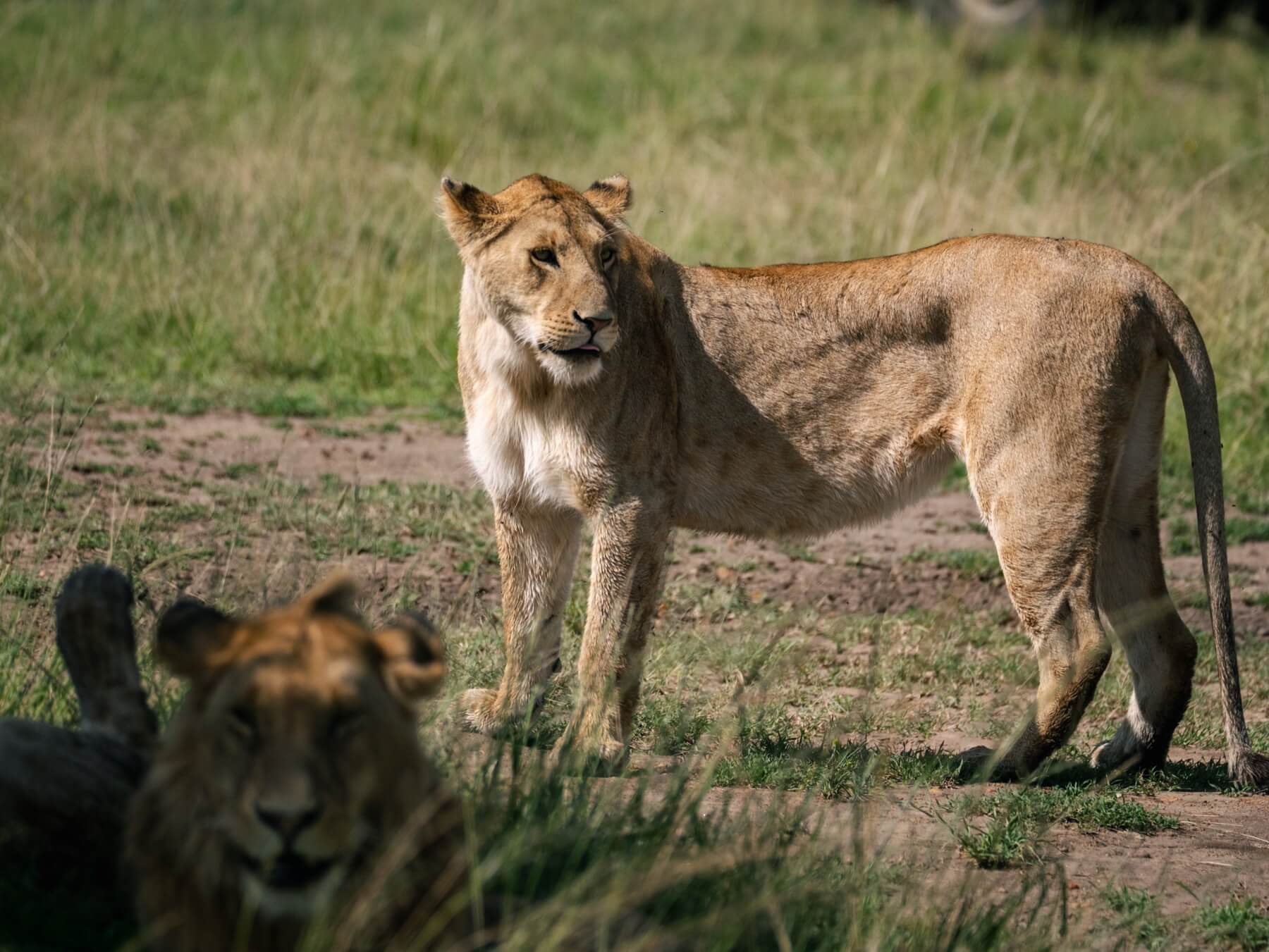 A pride of lions in the Masai Mara
Day 7: Masai Mara National Reserve to Amboseli National Park
If you’re following the seven-day itinerary, you will journey back to Nairobi this morning, which takes around five hours.
If you’re following the 10-day itinerary, you have a big day ahead of you. You’re about to see how vast Kenya really is as it’s a nine-to-10-hour drive from the Masai Mara to our next destination, Amboseli National Park. You’ll set off nice and early, no later than 7:30 AM. The drive is fairly smooth, taking you on tarred roads that are in good condition. The roads are single lane, so it’s common to experience slow-moving traffic. There are numerous places to stop on the way, including the Great Rift Valley Viewpoint, which offers great hot drinks and souvenirs, as well as a stunning view.
The route passes through Nairobi, so I’d recommend stopping here to have lunch. There are so many incredible restaurants within the city to grab a bite to eat. One of the most popular eateries is the iconic Carnivore restaurant.
After a long day on the road, you’ll arrive at your lodge for the night in the late afternoon. It’s time to kick up your feet, enjoy a lovely evening meal and prepare for your safari tomorrow, which, as you may have guessed, starts pretty early.
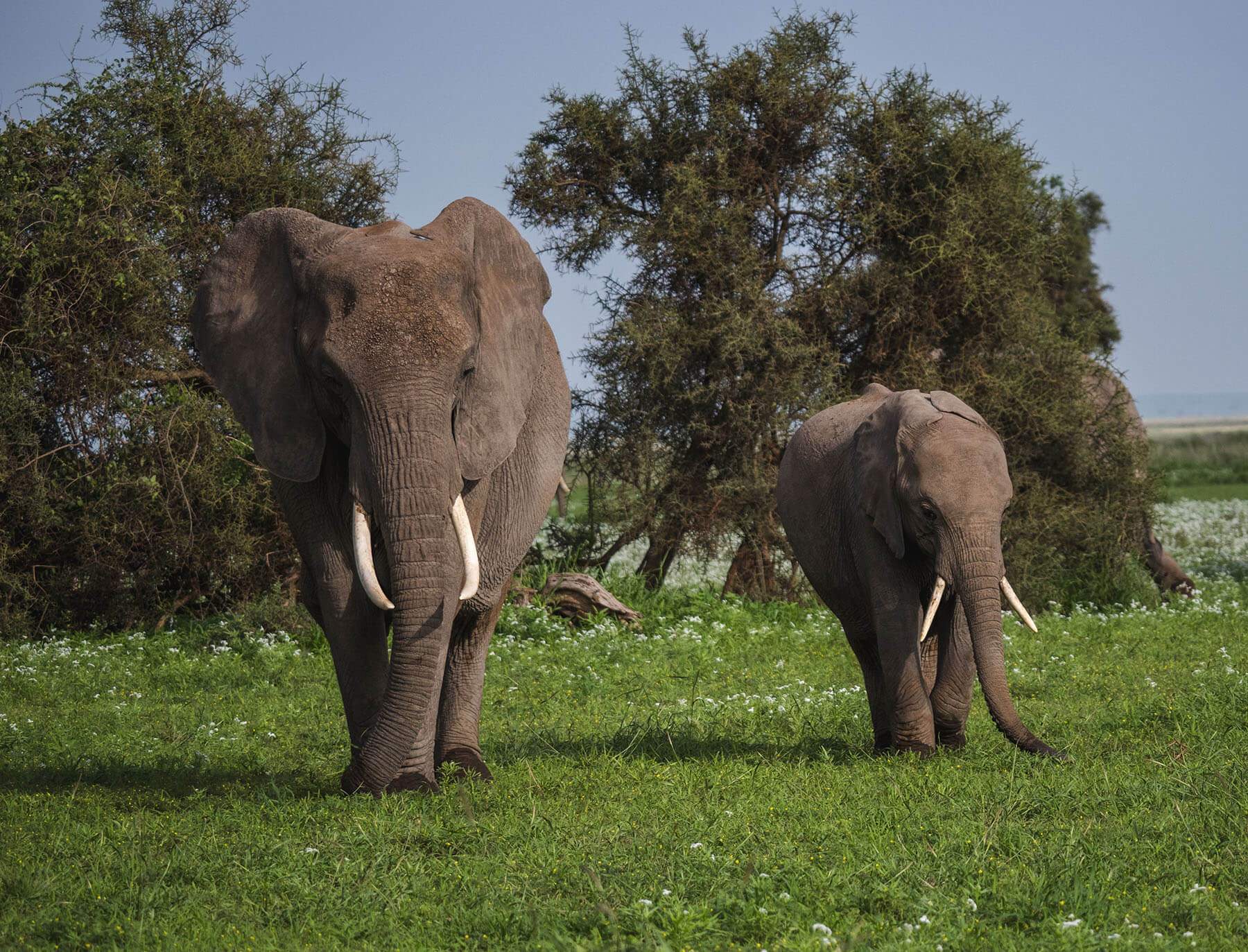 Elephants in Amboseli National Park
Where To Stay in Amboseli National Park
There are a handful of lodge options within the national park itself. Ol Tukai Lodge Amboseli and Amboseli Serena Safari Lodge are great mid-range options, while Elewana Tortilis Camp Amboseli is a lovely luxury option.
As Amboseli’s park fees are structured so they last 24 hours and you can leave and enter the park within that period, staying outside the park is also a good option if your budget is slightly lower. Lodges located just outside Kimana Gate are the best choice as this gate is very close to the most wildlife-rich parts of the park. Kibo Safari Camp and Tulia Amboseli Safari Camp are both great options at more favorable price points than those within the park.
Day 8: Amboseli National Park
Today you have a full day to explore Amboseli. Unlike the Masai Mara, where I strongly recommend heading out as early as possible, I actually suggest heading off around 7 AM. Timing is everything with Amboseli and heading out at this time should put you in the right place at the right time.
Between 7 AM and 8 AM each day, Amboseli’s huge elephant herds typically emerge from the forests at the foothills of Mt Kilimanjaro and journey into the park, crossing the park’s main road on their way to the swamps. It’s an extremely impressive sight and the movement allows you the opportunity to capture stunning photos of the elephants walking in front of Kilimanjaro. The number of elephants making this journey is staggering. I remember feeling completely awestruck the first time I witnessed it.
If you miss the elephants, don’t worry, as you’ll have another opportunity to catch them in the evening. At around 5 PM, they cross the road again, heading from the swamp back to the forests.
Whilst Amboseli is largely famous for its elephants, I actually found it was a very good place to see big cats as well. There are a couple of resident lion prides and the vast open spaces of Amboseli mean that they’re pretty easy to locate. I saw lions on both of my full-day safaris in Amboseli. Cheetahs are also regularly seen here. I was fortunate to see three individual cheetahs across my first visit to Amboseli, including a successful hunt where a female cheetah caught a baby gazelle.
When it comes to Amboseli’s Big Five credentials, rhinos and leopards are absent from the national park. The lack of dense vegetation means that it simply isn’t a favorable habitat for them.
You can split your day into two safaris – a morning and afternoon drive broken up by lunch at your lodge – or you can stop at Observation Hill, the park’s main picnic site, and enjoy a picnic lunch. Even if you have lunch at your lodge, I still think it’s well worth a stop here (not least to use the washroom facilities) to enjoy the incredible views from the top of the hill.
After a magical day, you’ll return to your lodge for the night.
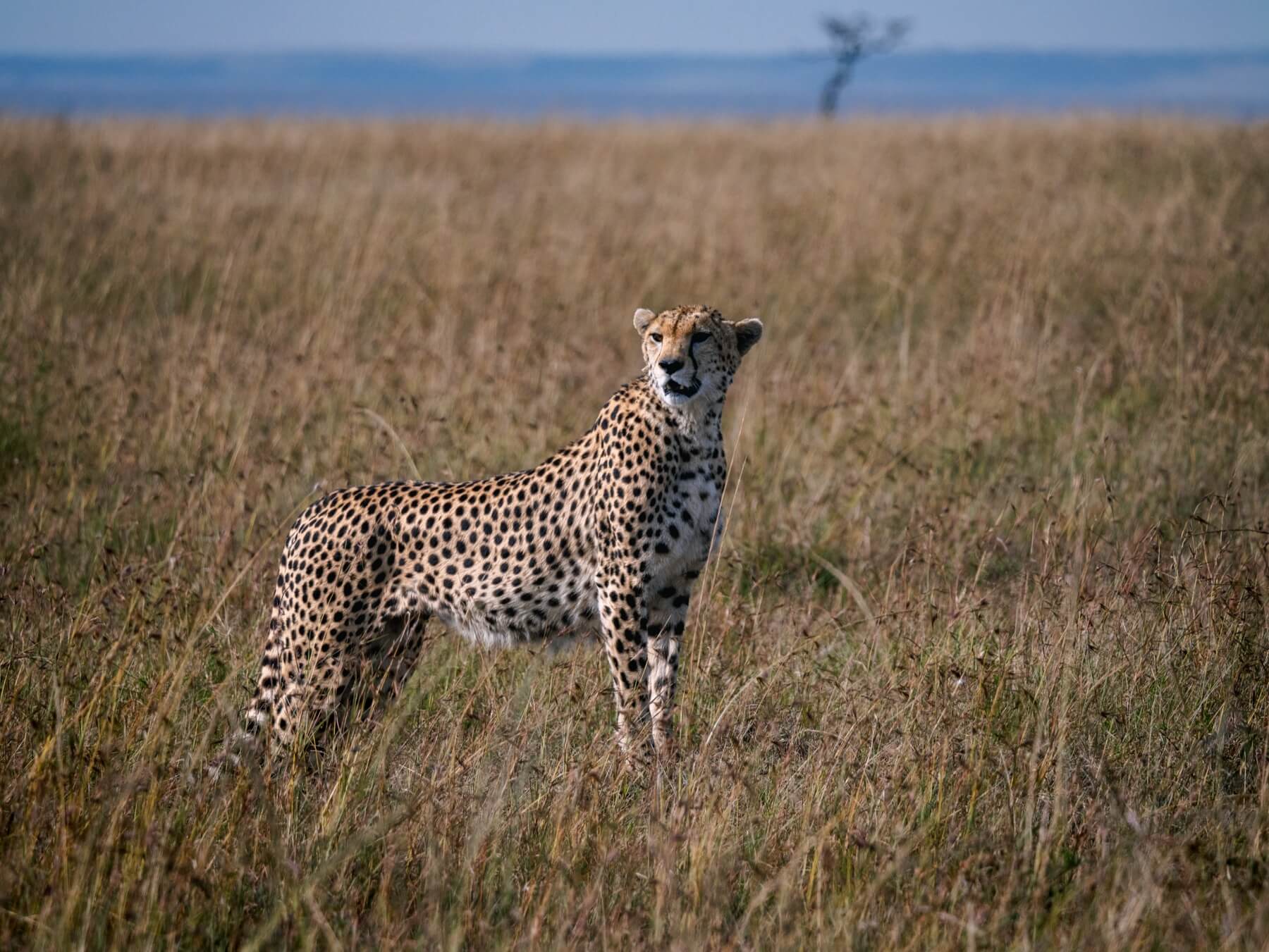
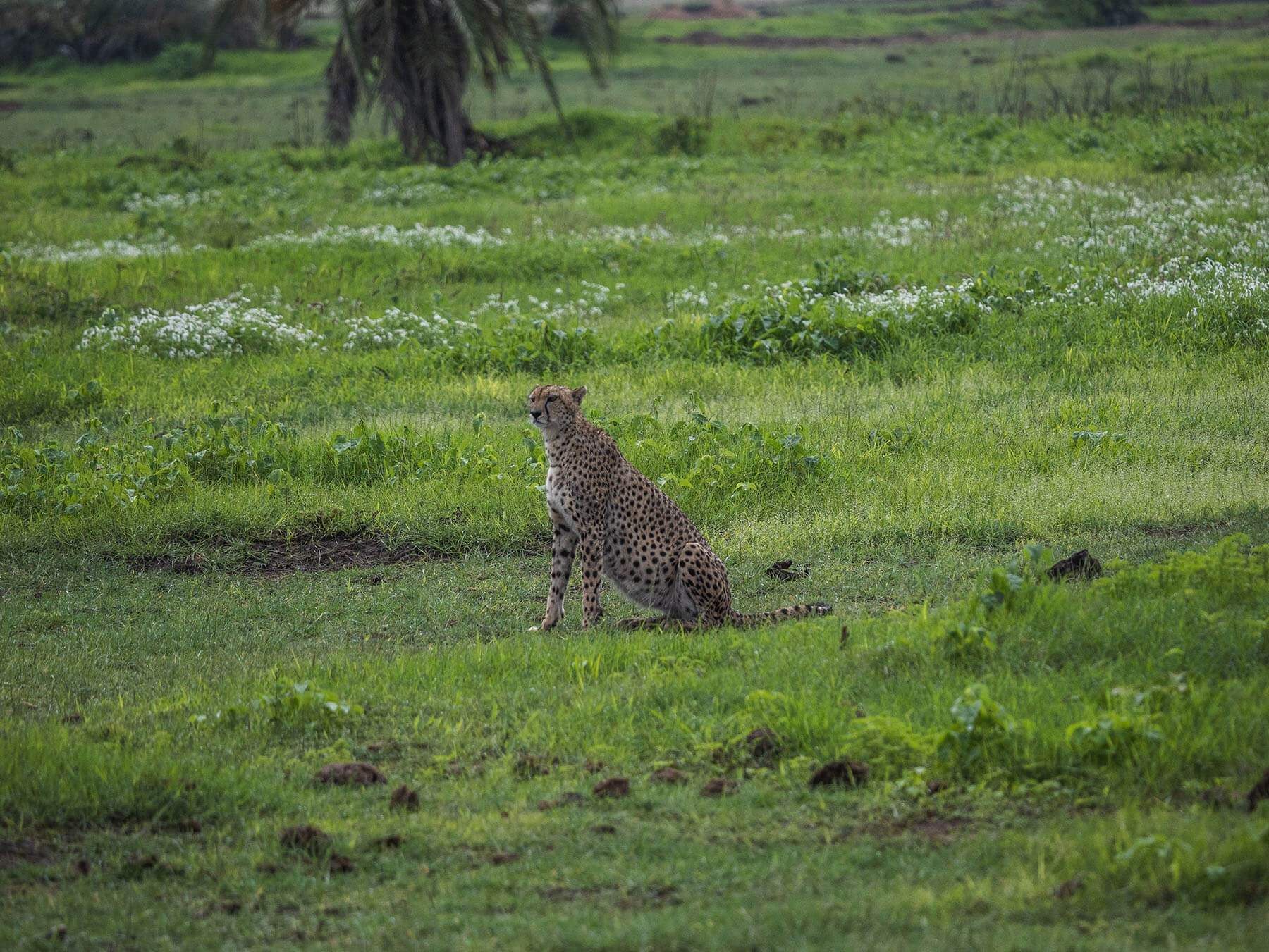 A cheetah in Amboseli National Park
Day 9: Tsavo West National Park
This morning it’s time to wave goodbye to Amboseli and head out no later than 7:30 AM for your journey to your final safari destination. It’s a four-hour drive from Amboseli to Tsavo West National Park and you will arrive at your lodge in time for some lunch.
You will then head out for an afternoon game drive in Tsavo West National Park. This park is vast and is hugely underrated, receiving just a handful of visitors in comparison to the Masai Mara or Amboseli. This makes a safari here feel like a special and almost private experience.
Tsavo West is famous for its red elephants, which appear russet in color due to the iron-rich dust and mud they roll in. Tsavo is also known for the true story of the man-eating lions of Tsavo that killed dozens of people when the railway was being built within the park, splitting it into Tsavo West and Tsavo East.
The terrain in Tsavo is vastly different from Amboseli. The dense foliage makes it the perfect place to see leopards, and black rhino sightings are fairly reliable here too. You can see all of the Big Five here, and although cheetahs can be seen here, they’re quite rare. There are a few points of interest in Tsavo West, the most popular being Mzima Springs, gorgeous volcanic springs that are very popular with hippos.
After watching the sunset, you’ll return to your lodge for the night.
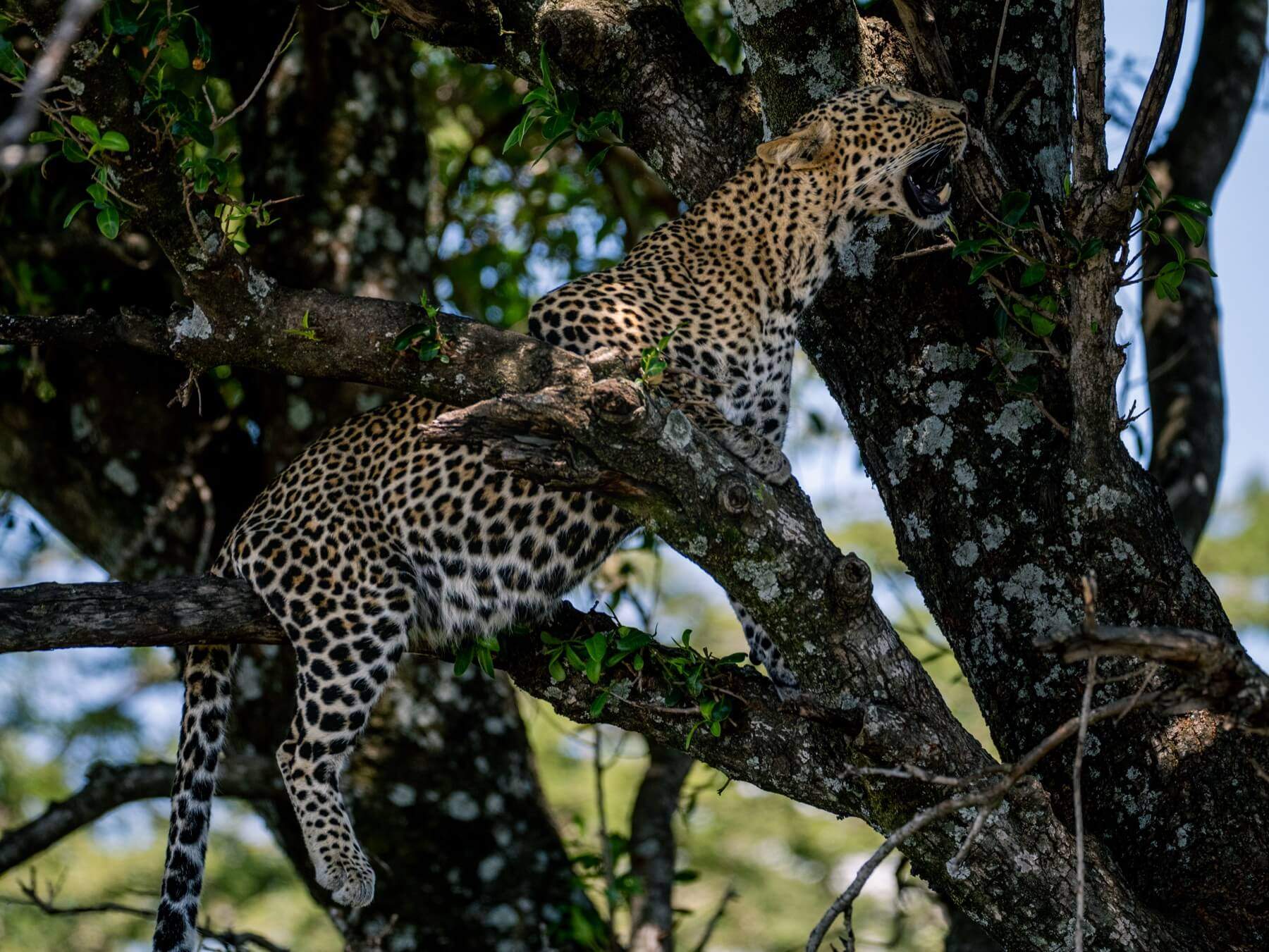 Leopards love the rocky terrain and dense areas in Tsavo
Where To Stay in Tsavo West National Park
As Tsavo isn’t as well known as other parks, accommodations options are a bit more limited. Salt Lick Safari Lodge is a fantastic mid-range option. It’s a very unique lodge as the chalets and boardwalks are all raised, allowing animals to wander beneath them. The waterhole right beside the lodge is very popular with elephants.
In terms of luxury, the Soroi collection is your best option. They have a couple of properties, such as Soroi Cheetah Tented Camp, Soroi Leopards Lair and Soroi Lions Bluff Lodge. My top pick of the three would be Soroi Cheetah Tented Camp. I love boutique tented camps. There’s just nothing better than falling asleep as you listen to the soothing sounds of nature, a gentle breeze being carried through the tent.
Day 10: Tsavo West National Park
This morning you will have a final game drive in Kenya. I’m sure you will have seen everything you hope to by now, but if not, this last game drive will give you the opportunity to complete your bucket list.
It’s quite a long drive back to Nairobi, taking around seven hours, so lunch is best had on the way. I’d recommend picking up a packed lunch from your lodge so you can eat it at your leisure.
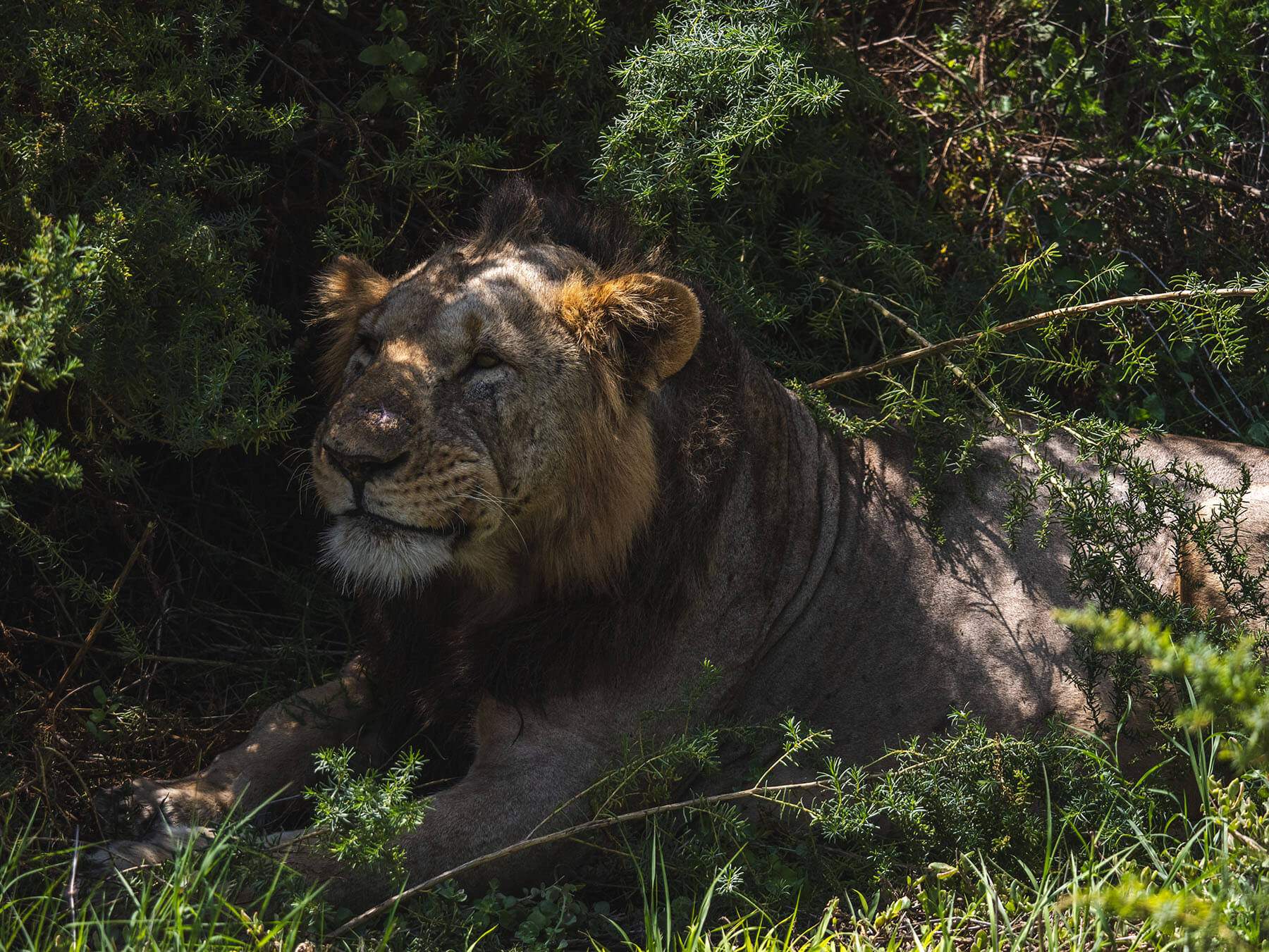 The lions of Tsavo are unique as they often don’t have full manes
Conclusion
Seven to 10 days in Kenya will allow you to view a number of superb wildlife locations across the country, maximizing your chances of seeing the Big Five and other iconic species. While I have no doubt that you can see an extraordinary amount in seven days, the extension to 10 days allows you to see a different part of Kenya, immerse yourself within the country even more and spend that bit more time among wildlife.
Kenya is a country that I keep coming back to time and time again. The quality of the national parks and reserves really stands out to me, as does the huge variety. In each location there’s something special to see! I’m confident that when you visit, you’ll fall in love with Kenya as much as I have.
Want To Visit Kenya?
Click on the button below to compare Kenya safaris offered by top-rated tour operators.
7 to 10 day Kenya Safari Tours
By Ella McKendrick Ella McKendrick is a travel writer and filmmaker, boasting a substantial online following on YouTube and running a successful blog.
More About This Author




 Subscribe to our newsletter
 Follow us on Instagram
Safari Tours to Kenya
-
![5-Day Nakuru Naivasha Masai Mara 4x4 Landcruiser Safari]()
5-Day Nakuru Naivasha Masai Mara 4x4 Landcruiser Safari
$416 pp (USD)
Kenya: Shared tour (max 7 people per vehicle)BudgetTented Camp & Hotel
You Visit: Nairobi (Start), Lake Nakuru NP, Lake Naivasha (Naivasha), Masai Mara NR, Nairobi (End)

Bienvenido Kenya Tours and Safaris
4.8/5 – 200 Reviews

-
![3-Day Masai Mara Escape]()
3-Day Masai Mara Escape
$1,114 to $1,513 pp (USD)
Kenya: Private tour
Mid-range Tented CampYou Visit: Nairobi (Start), Masai Mara NR, Nairobi (End)
Msangai Adventure Safaris
5.0/5 – 136 Reviews
-
![6-Day Discover Amboseli, Lake Naivasha & Masai Mara]()
6-Day Discover Amboseli, Lake Naivasha & Masai Mara
$2,511 to $3,461 pp (USD)
Kenya: Private tour
Mid-range Lodge & Tented CampYou Visit: Nairobi (Start), Amboseli NP, Lake Naivasha (Naivasha), Masai Mara NR, Nairobi (End)
Safari Soles
5.0/5 – 642 Reviews